Why It Happens Here
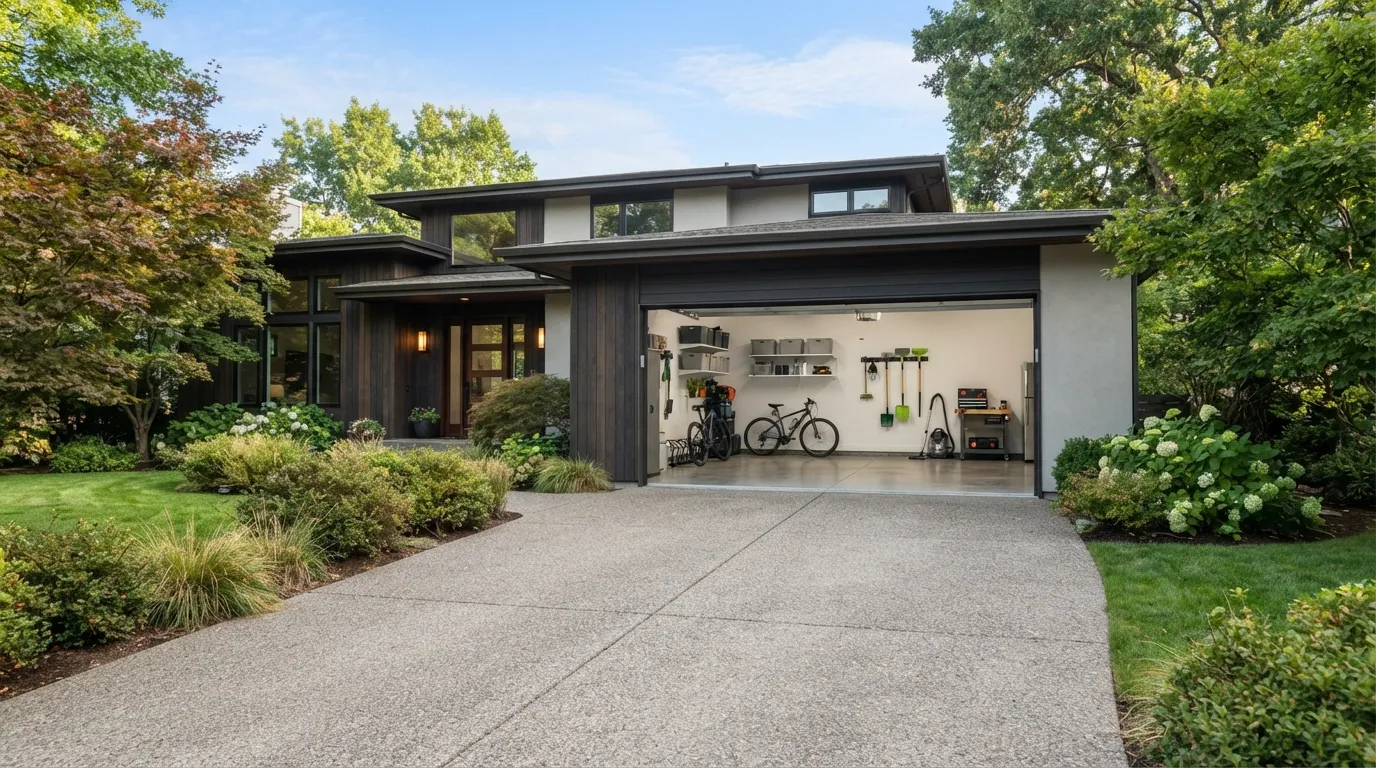
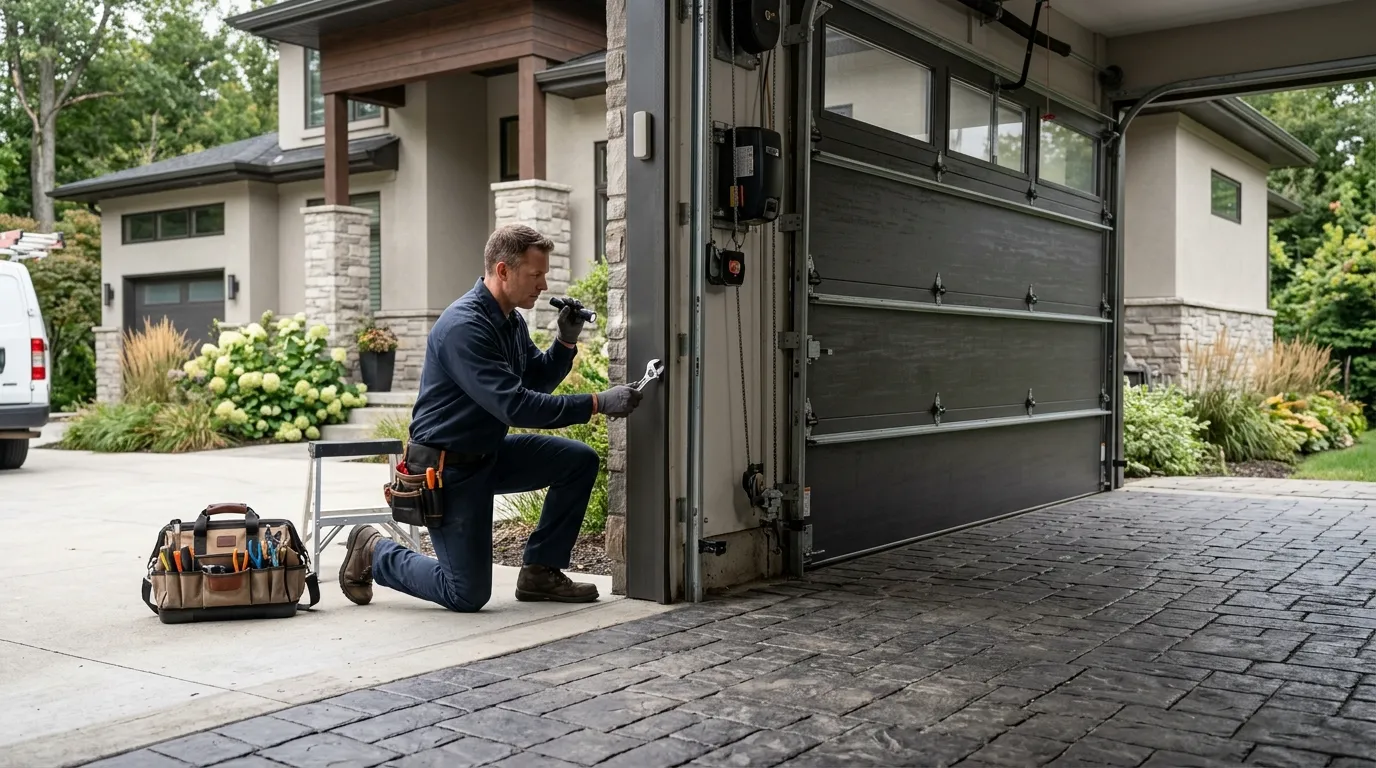
Most of the housing stock in this part of the South Bay went up between 1947 and 2012, with the median build year landing around 1963. That means a big share of the doors we get called on are original torsion setups from that era, or replacements installed decades ago on the same hardware. The springs on those systems are well past a normal service life, and the drums, cables, and end bearings around them are usually worn to match.
Manhattan Beach sits in a mild temperate climate band, so we don't see the freeze-thaw cracking or extreme heat warping that shortens door life elsewhere. What we do see is slow, steady wear from salt air rolling in off the coast - corrosion on springs, hinges, and track bolts that isn't dramatic but adds up over 50-plus years on a 1960s house. On homes closer to the newer end of that 1947-2012 range, the failure mode shifts: it's more often a tired opener logic board or a sensor alignment issue than a spring problem.
Either way, the fix usually has more to do with the decade the house was built than with anything the homeowner did.
The DIY Question
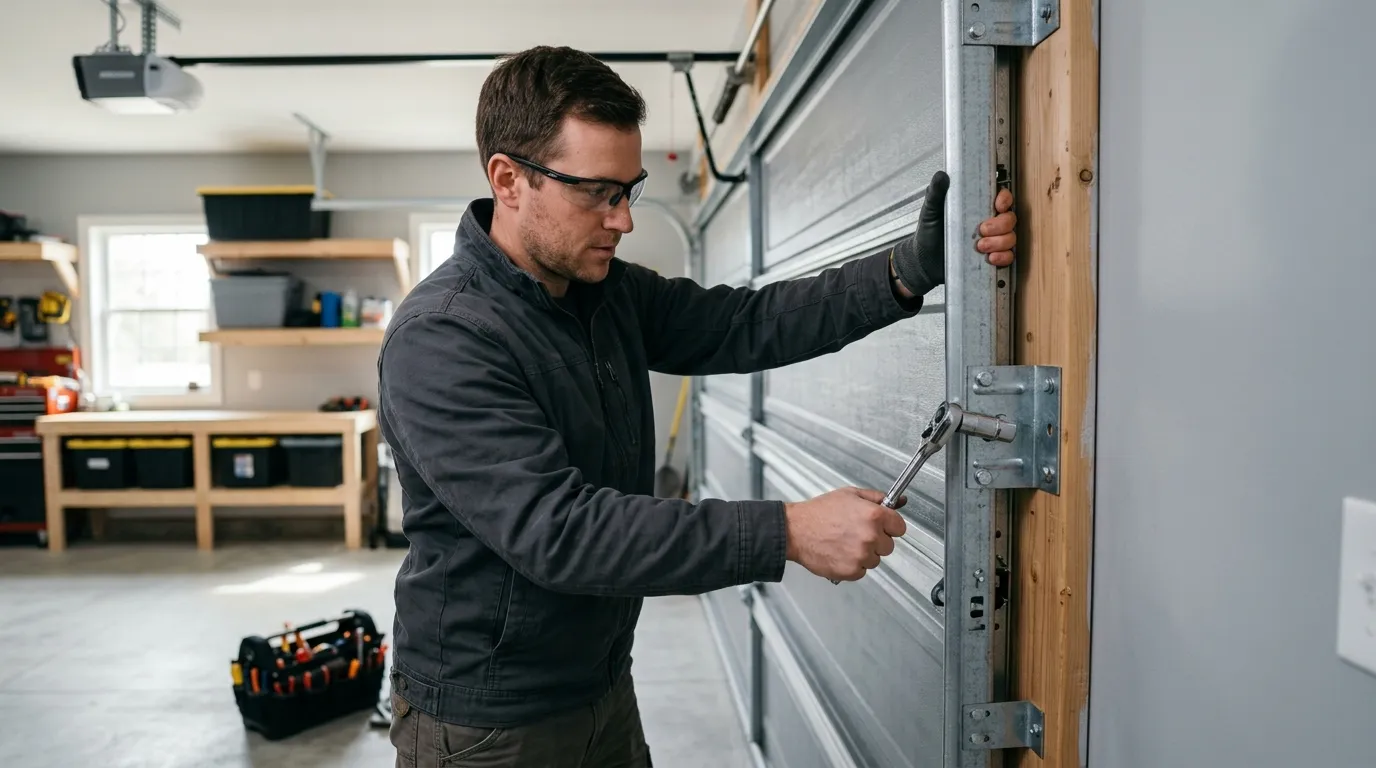
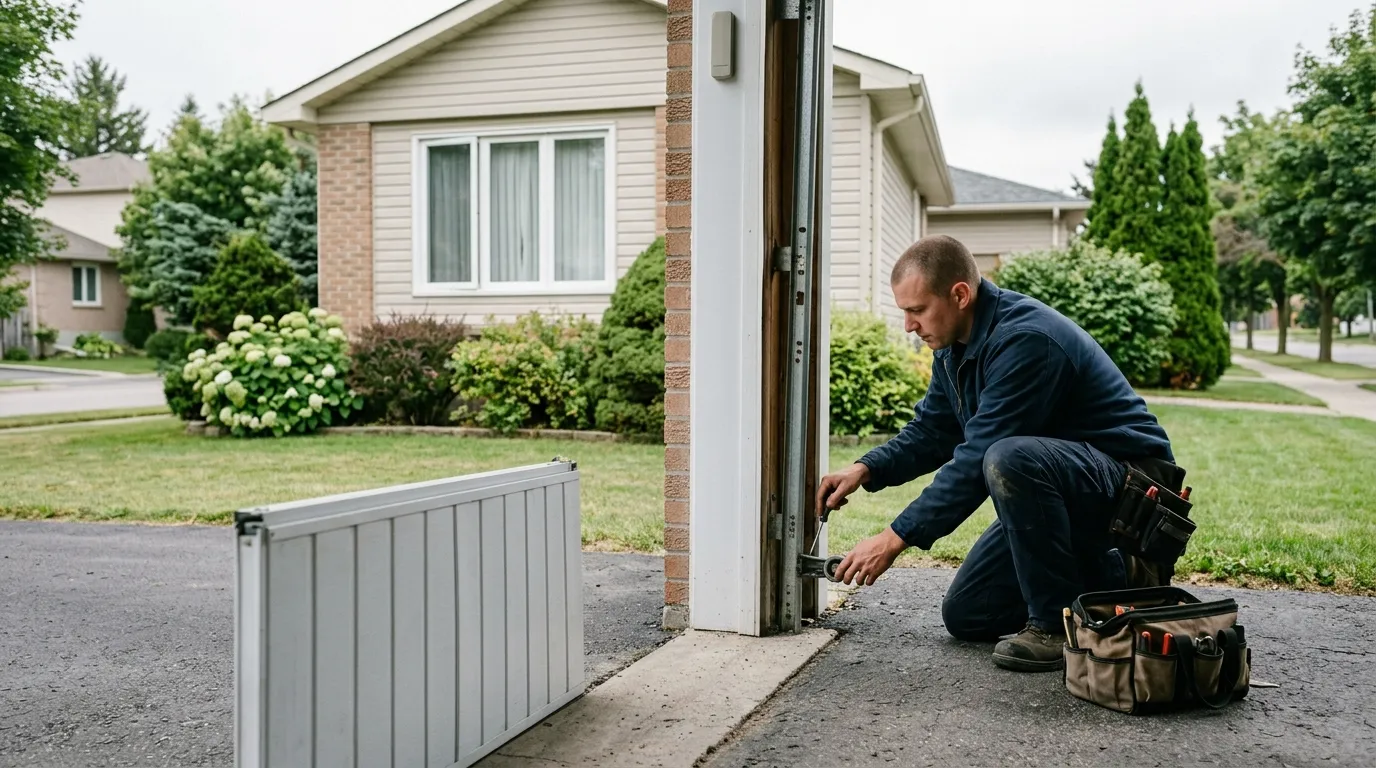
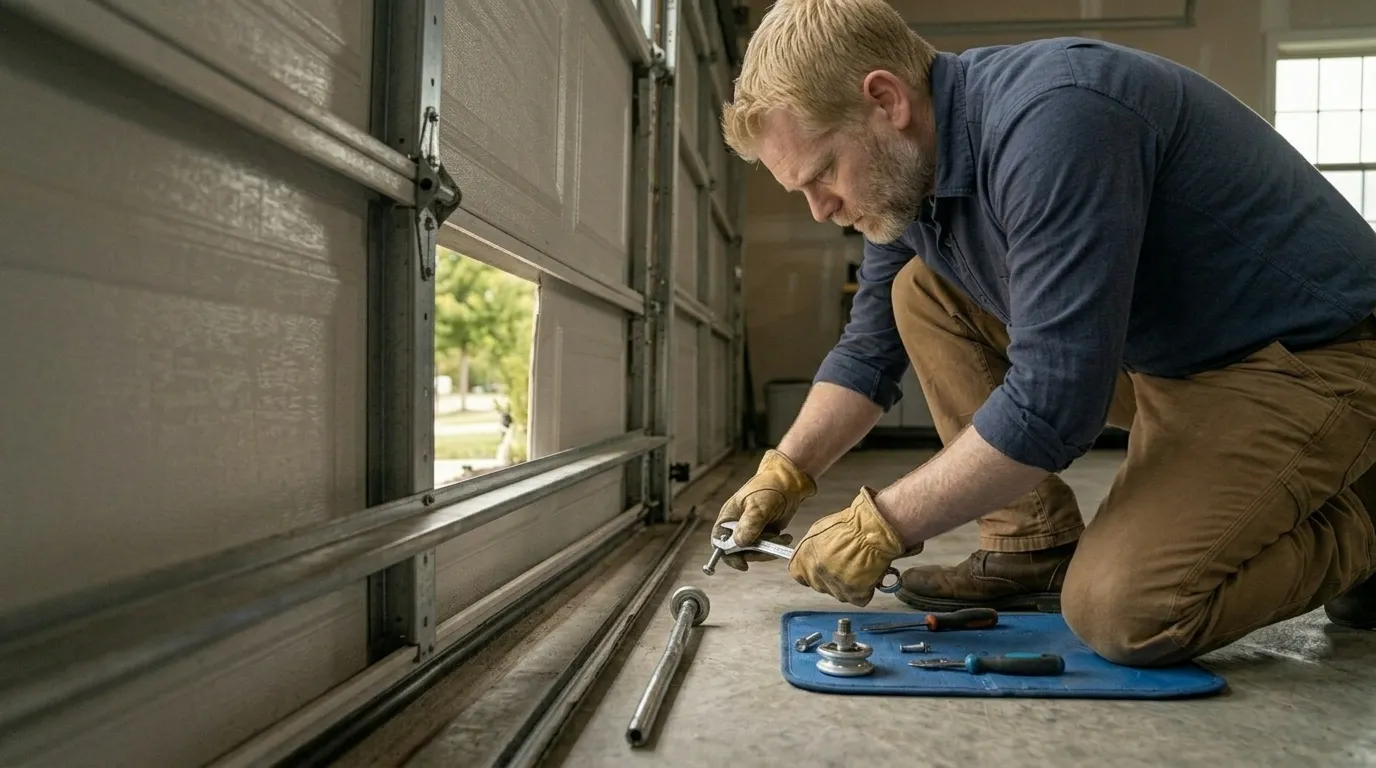
A torsion spring under tension can put you in the hospital, and on the older 1960s-era doors common here, the springs are frequently undersized or mismatched from a prior repair - so even someone who's done this before on a newer door can misjudge the tension. We don't recommend touching springs, cables, or the bottom bracket yourself, full stop.
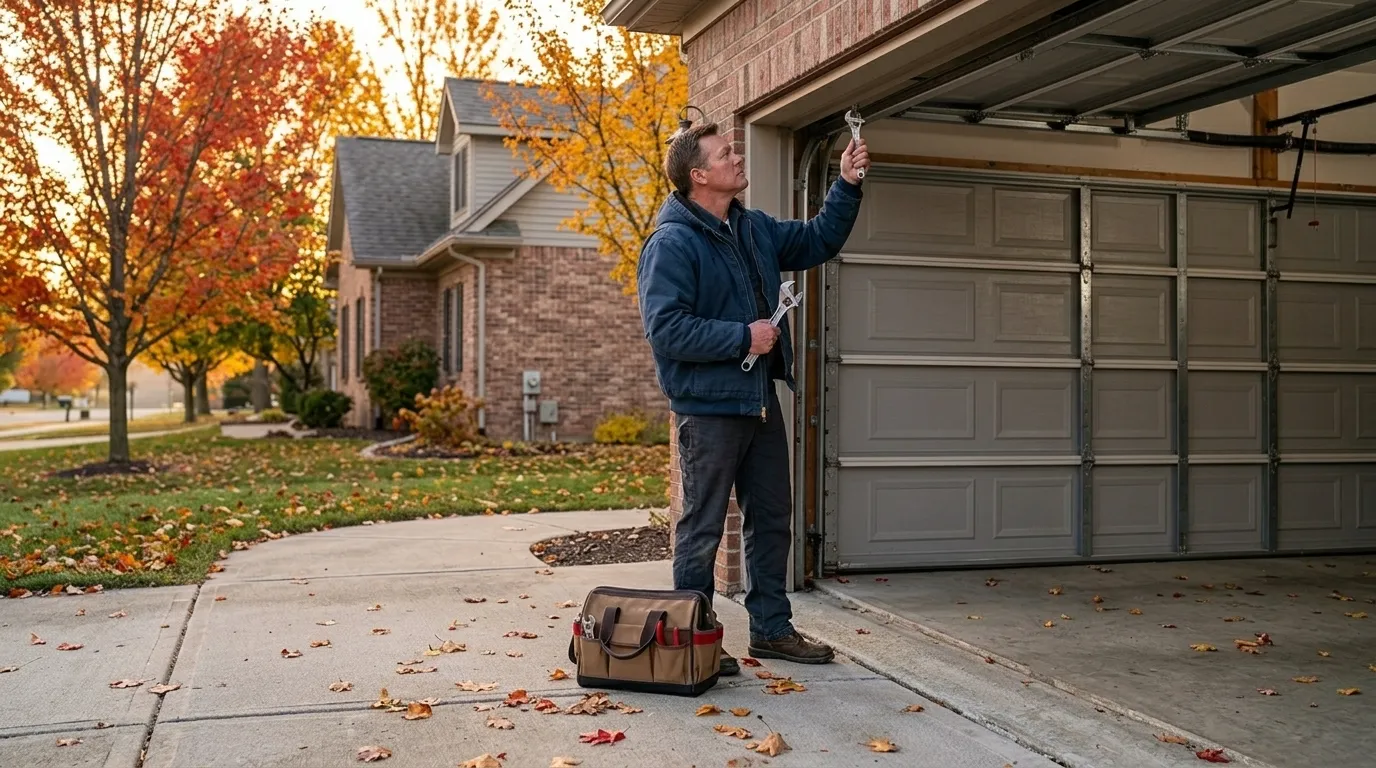
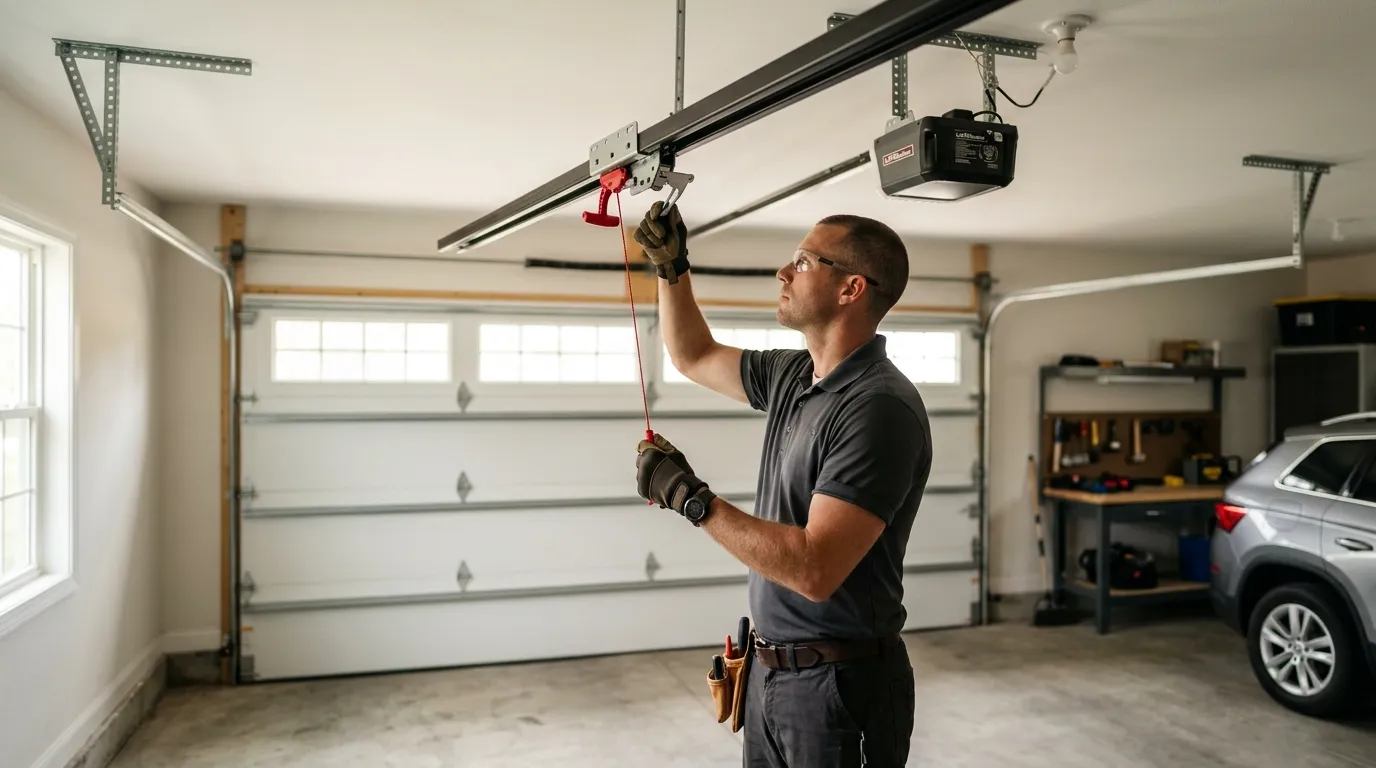
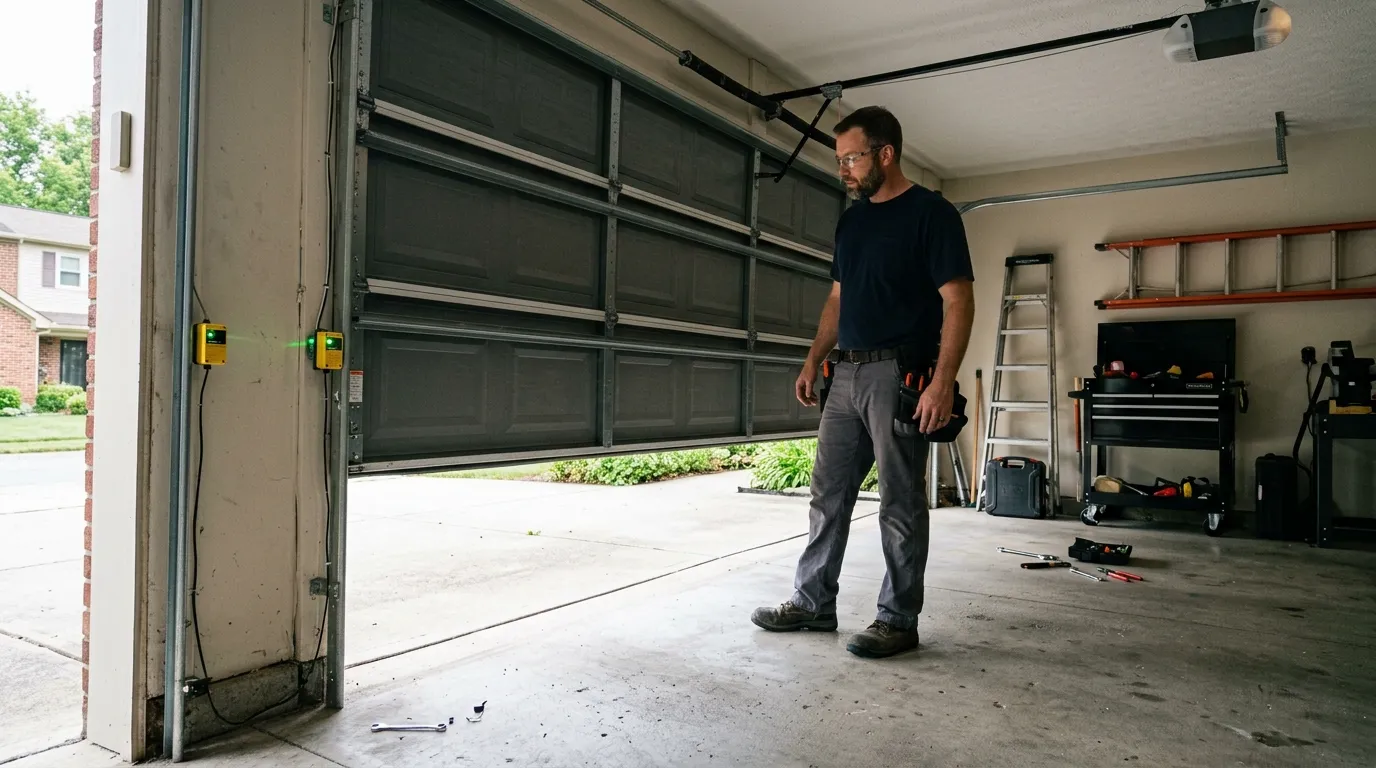
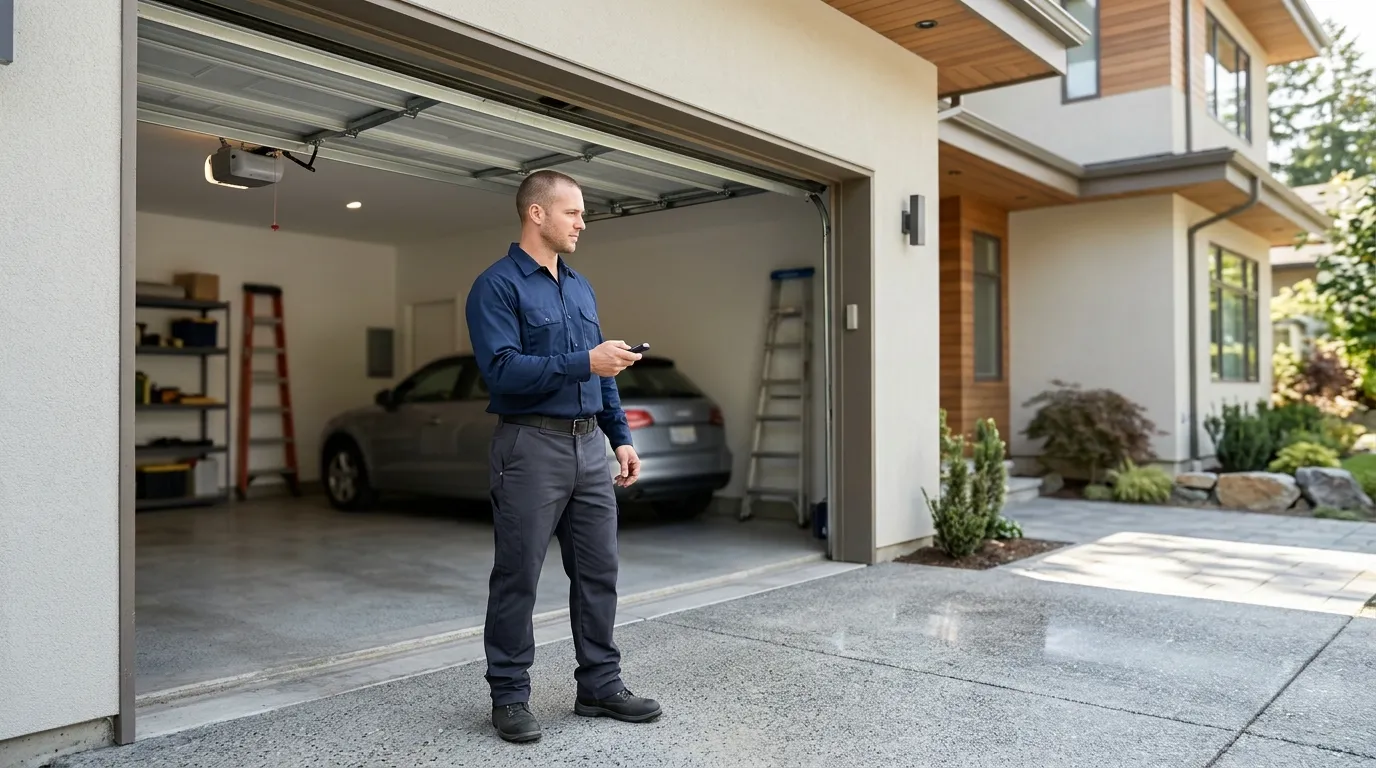
There's a real category of stuff you can check first, though. If the door won't close, look at the photo-eye sensors near the bottom of the track - a stray leaf, spiderweb, or misalignment there is a common and free fix. If the opener runs but the door doesn't move, check whether the emergency release cord got bumped and disconnected the carriage from the opener arm.
What we won't do is talk you through a spring adjustment over the phone. It's not worth the risk, and it's the one place where a shortcut costs more than the service call would have.
What You Are Seeing
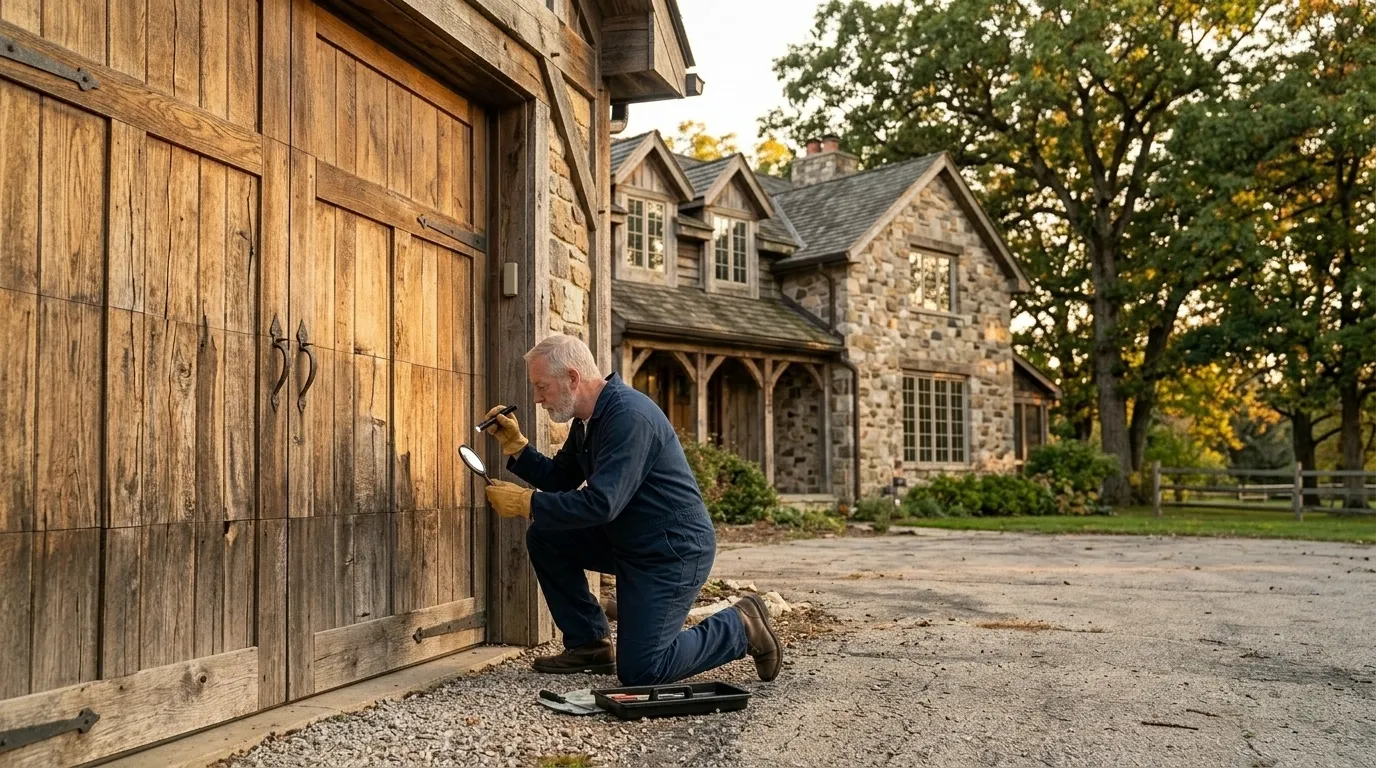
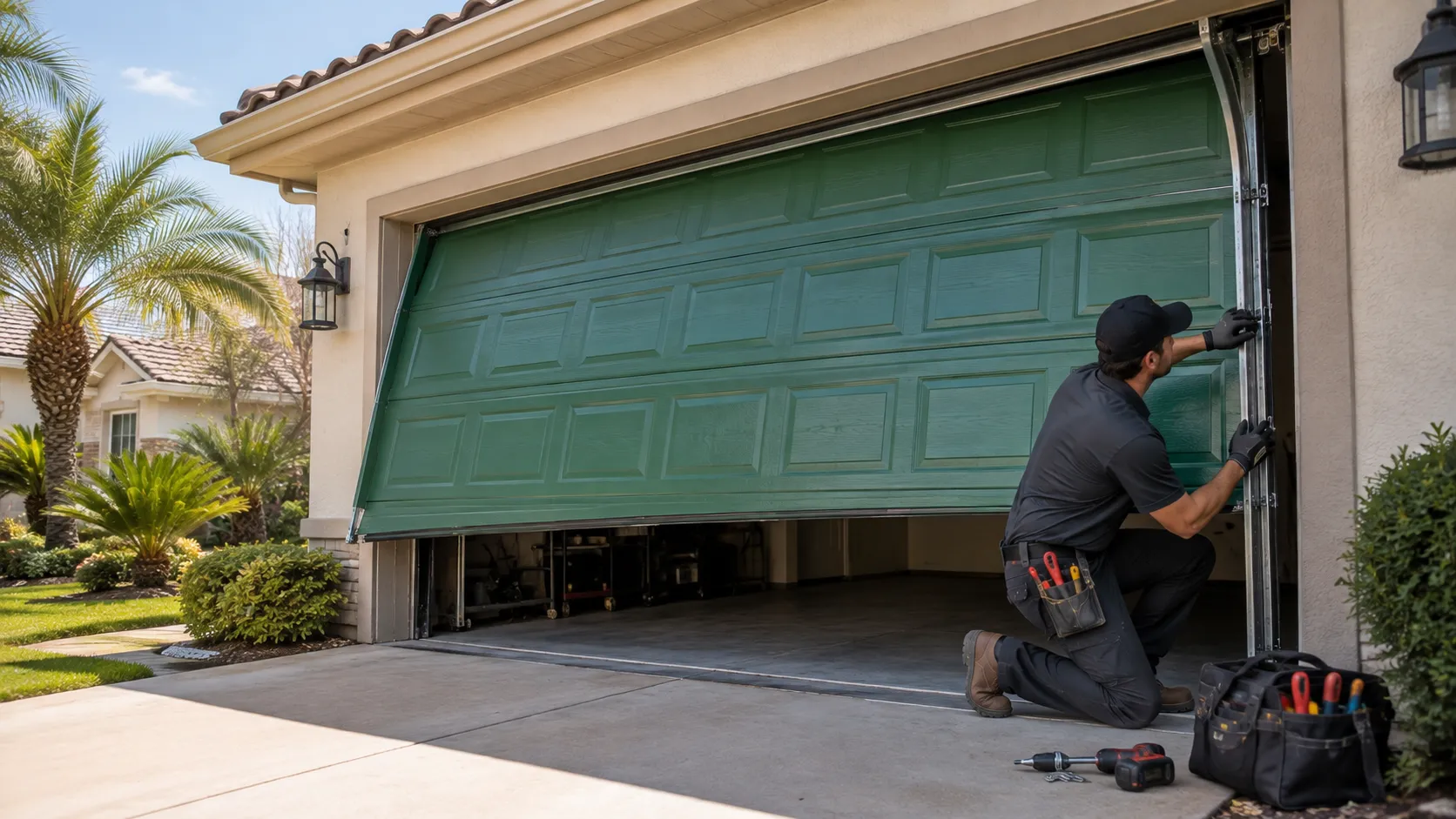
A door that slams the last foot of travel usually means the springs have lost tension - common on the original hardware still running in a lot of the area's 1960s and 70s homes. A door that's noisy but still tracks straight is often just rollers due for replacement, which is a cheap fix compared to letting it wear into the track.
If the opener hums but nothing moves, that's either a stripped gear inside the unit or a disconnected carriage, not a motor failure - worth knowing before you assume you need a whole new opener. Cables that look frayed near the bottom bracket are a stop-using-the-door-today situation, not a schedule-it-for-next-week one.
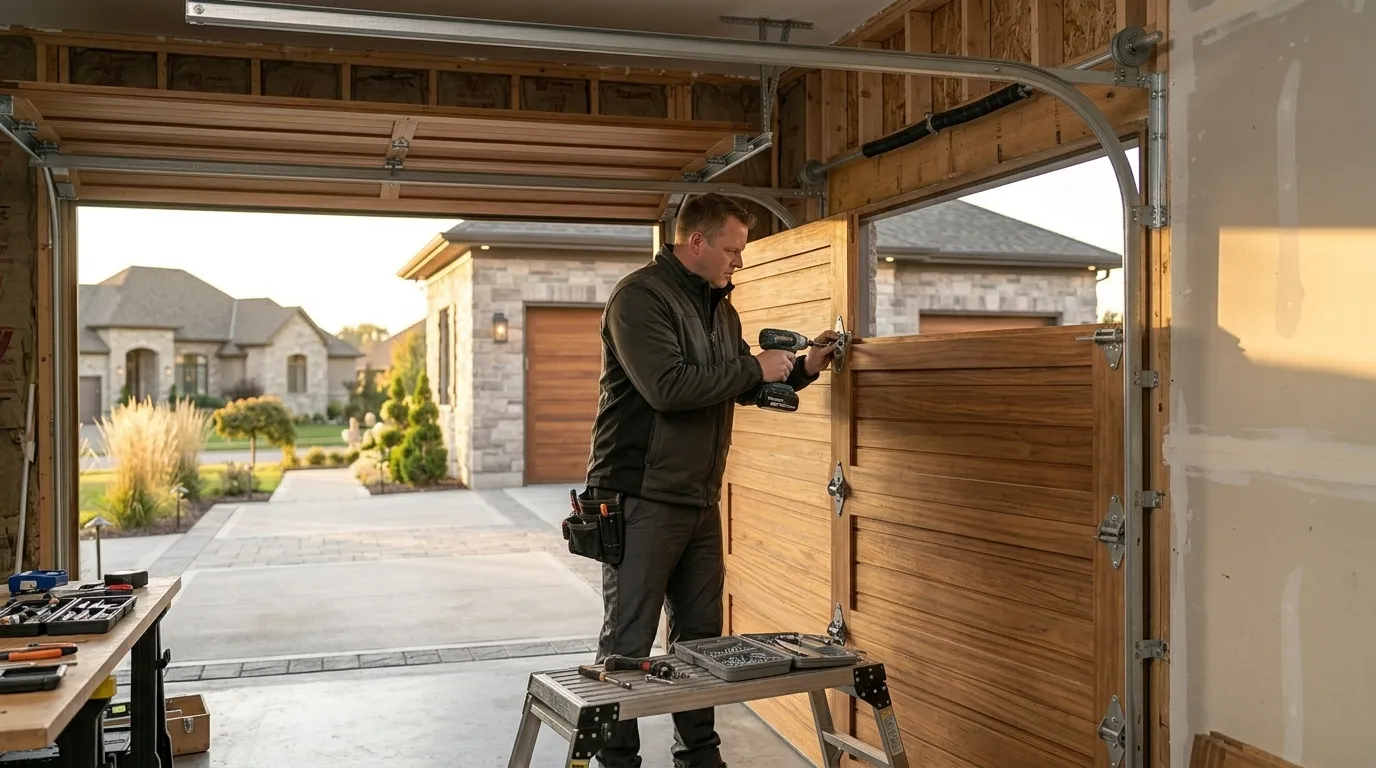
We don't try to talk every job into a repair. On a door old enough to match the earlier end of the area's 1947-2012 build range, sometimes the springs, cables, rollers, and opener are all near end of life at once, and replacement ends up cheaper over a few years than repairing the same door three times.