This Area's Housing
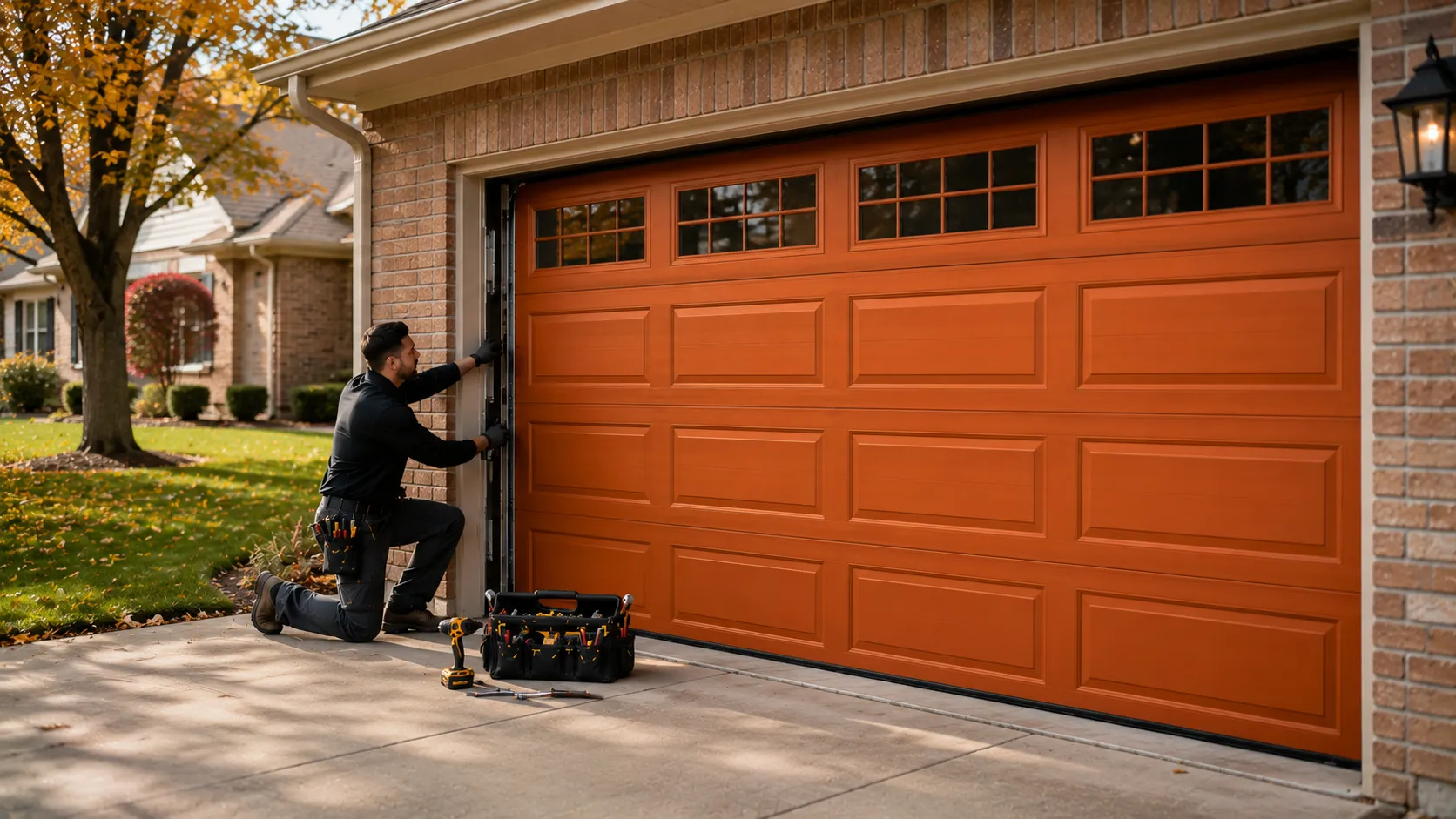
Commerce sits apart from a lot of the newer construction you'll find closer to the coast. The median year built here is 1958, which puts most garages on original or first-replacement hardware - older torsion springs, narrower track gauge, and openers that have likely been swapped at least once but bolted onto brackets nobody's touched since Eisenhower. With 3,452 households in the area, it's a small enough footprint that we see the same handful of door and hardware combinations over and over: steel sectional doors from a few decades back, sometimes wood or a wood-look retrofit, hung on hardware that predates today's safety cable standards. Median household income here runs $71,768, which is lower than some of the areas we cover, and that shapes the calls we get - more repair requests, fewer full-door replacements. That's not a knock on the neighborhood, it's just what the housing stock tells you. A 1958 door doesn't fail the same way a 2005 door fails, and knowing that before we open the truck saves everyone time.
Older vs Newer Streets
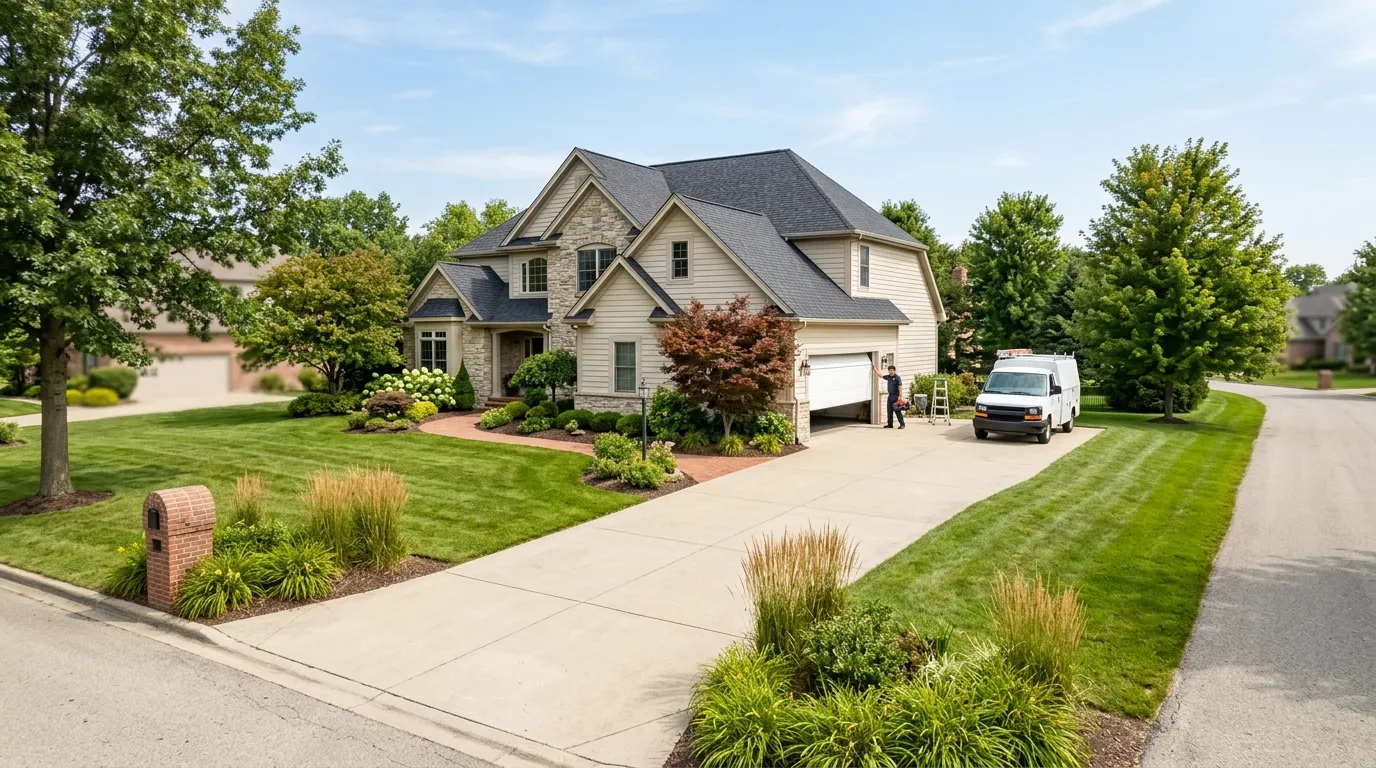
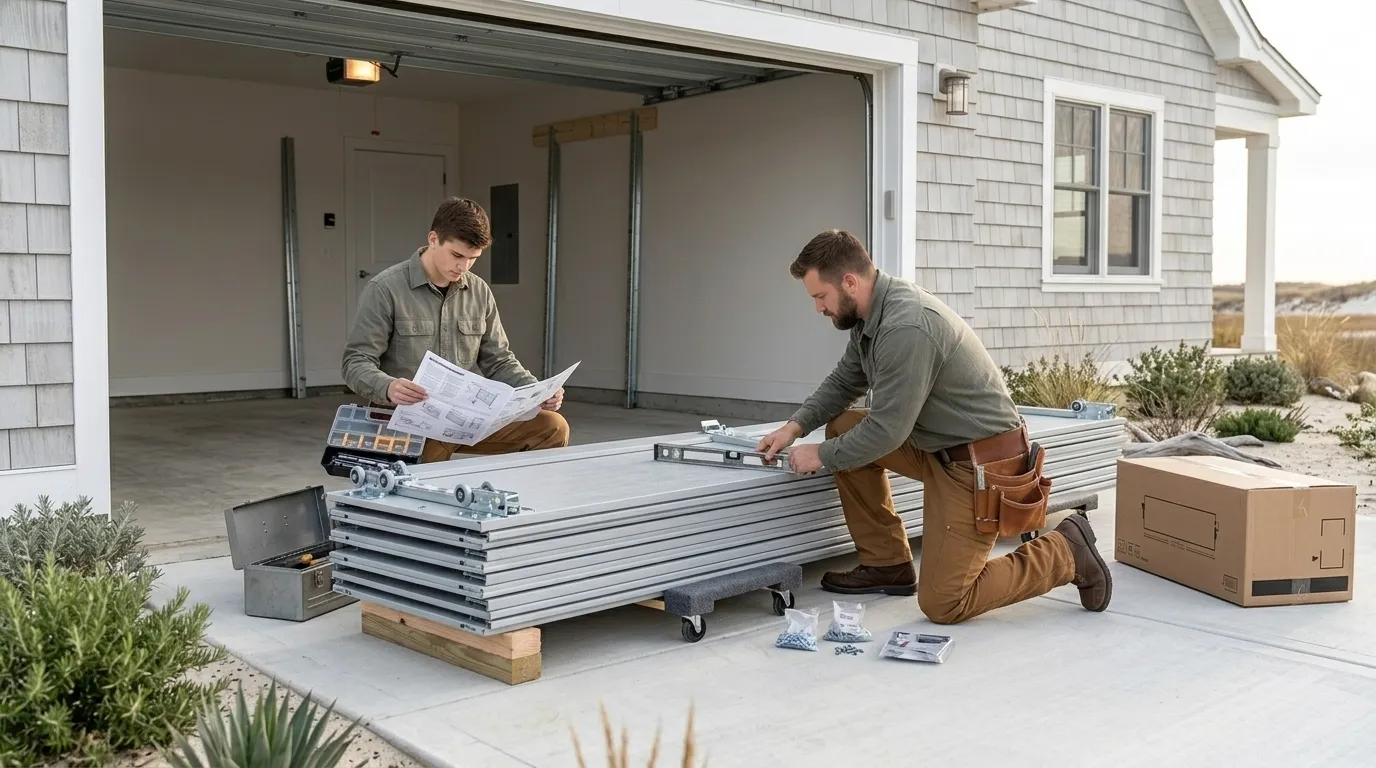
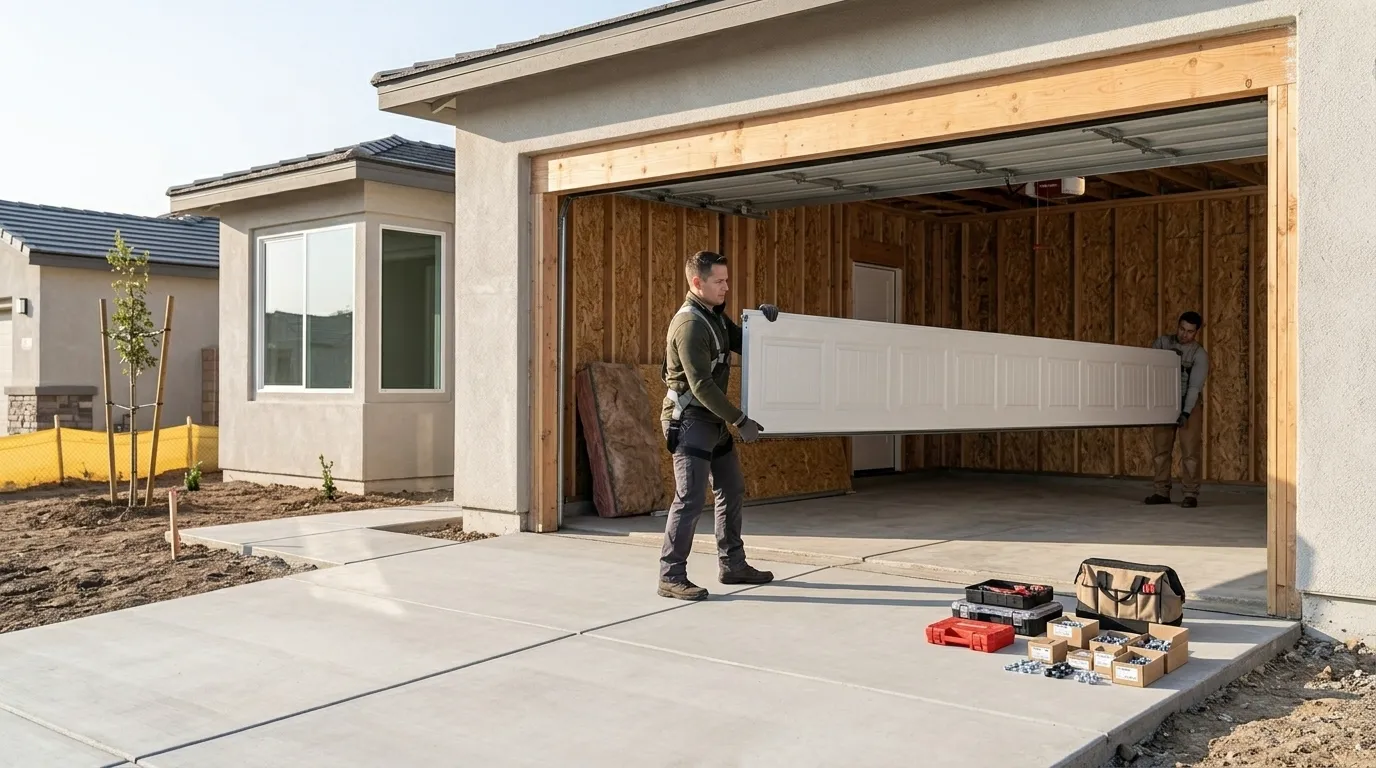
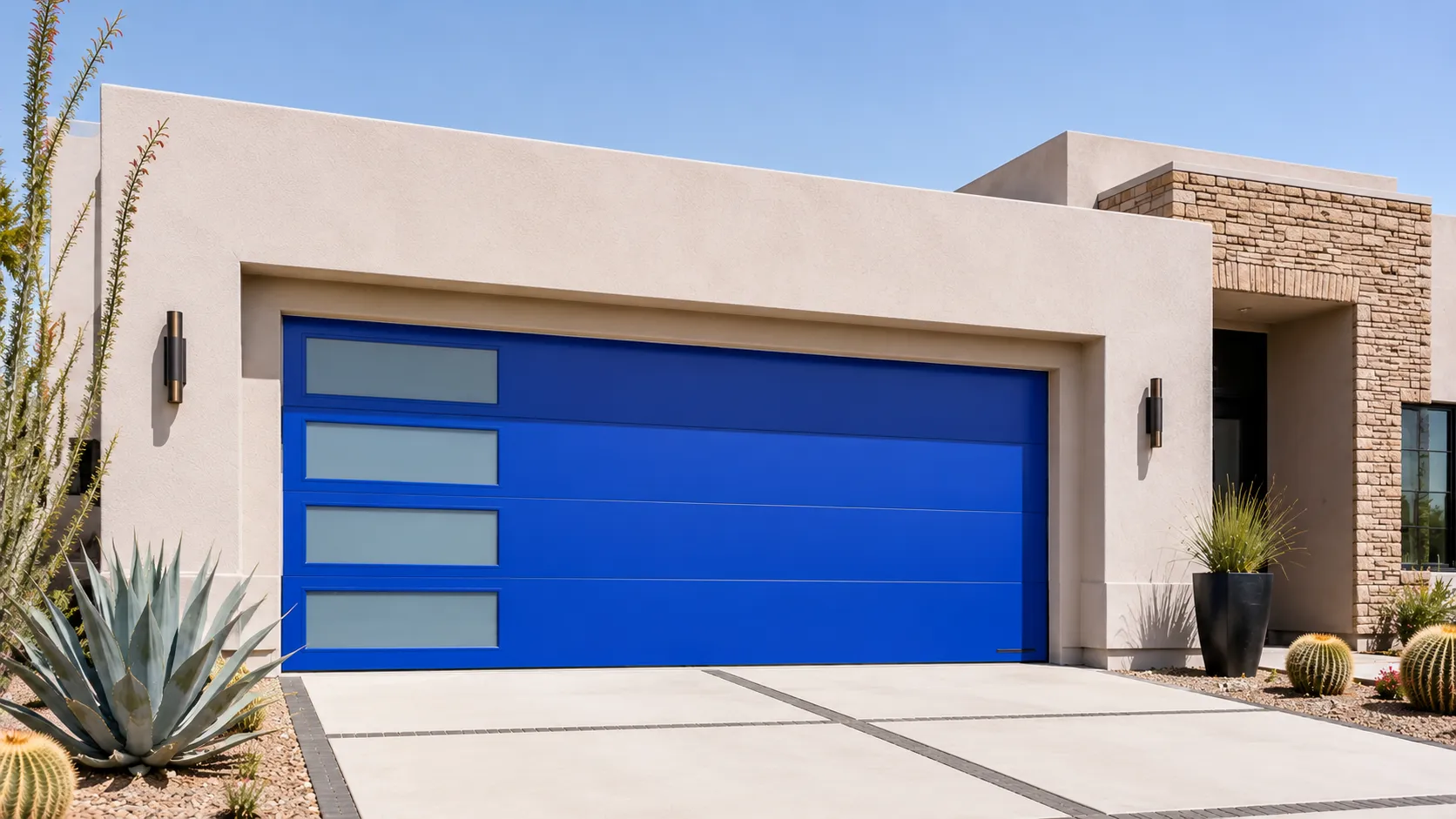
Within Commerce, and across the wider service area's 24 named neighborhoods, you'll find a real split between blocks built close to that 1958 median and the handful of newer infill or remodeled properties. The older stretch is what defines this area's calls: doors and openers original enough that replacement parts sometimes have to be special-ordered rather than pulled off a shelf, because manufacturers moved on from these spring sizes and track profiles decades ago. Newer or remodeled homes on the same streets tend to have standard modern doors - steel or insulated composite panels on off-the-shelf torsion springs - and those repairs go faster because the parts are common stock. If your house was remodeled or the garage rebuilt more recently, your repair looks a lot more like a typical modern job. If it hasn't been touched since it was built, expect us to ask more questions about the hardware before we quote anything.
How That Shows Up in the Door
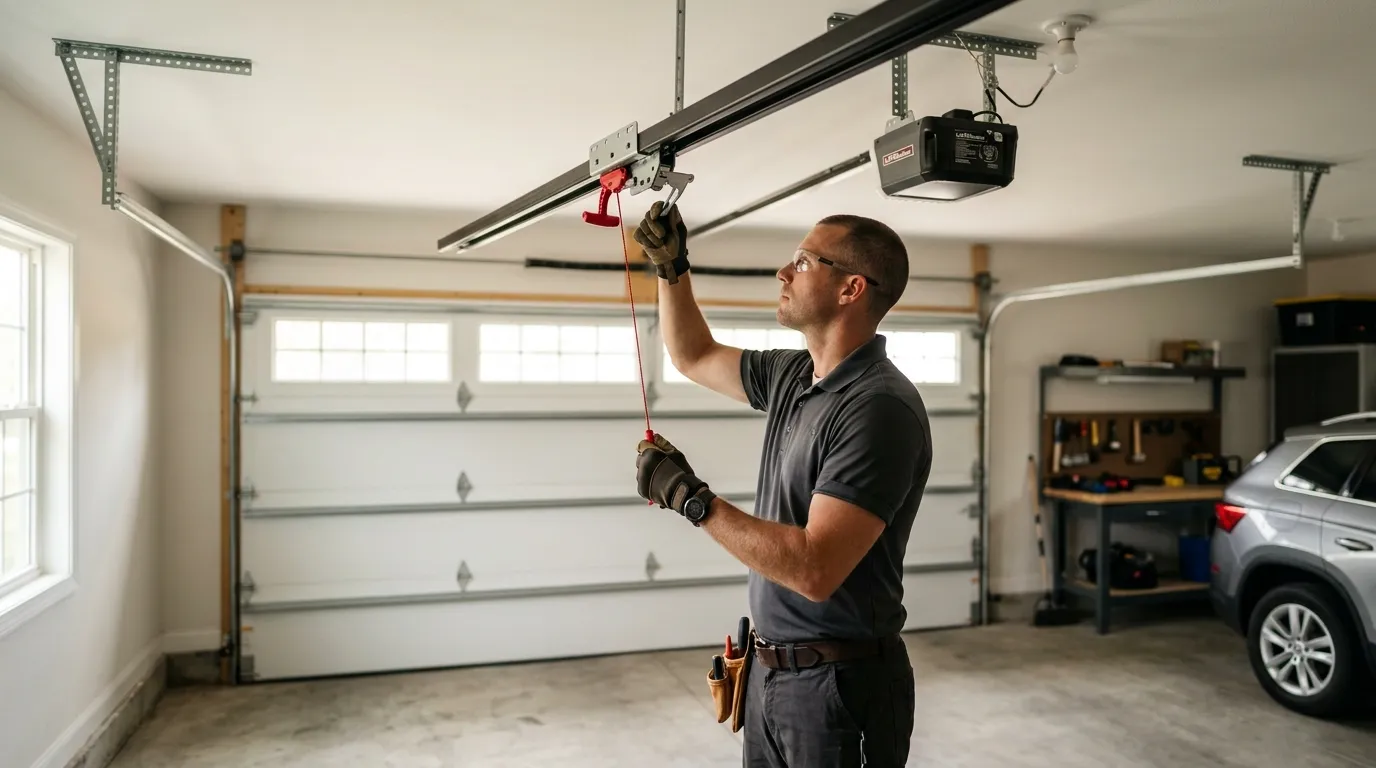
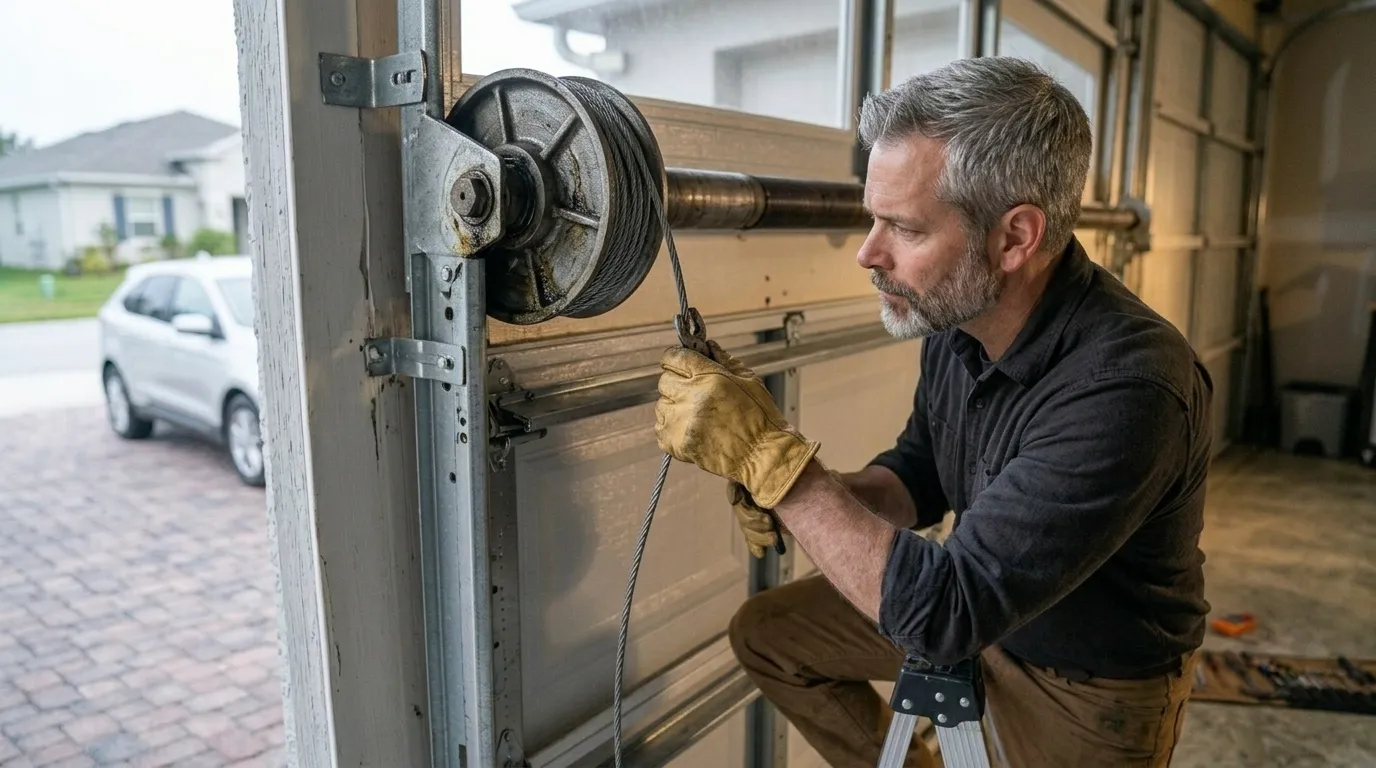
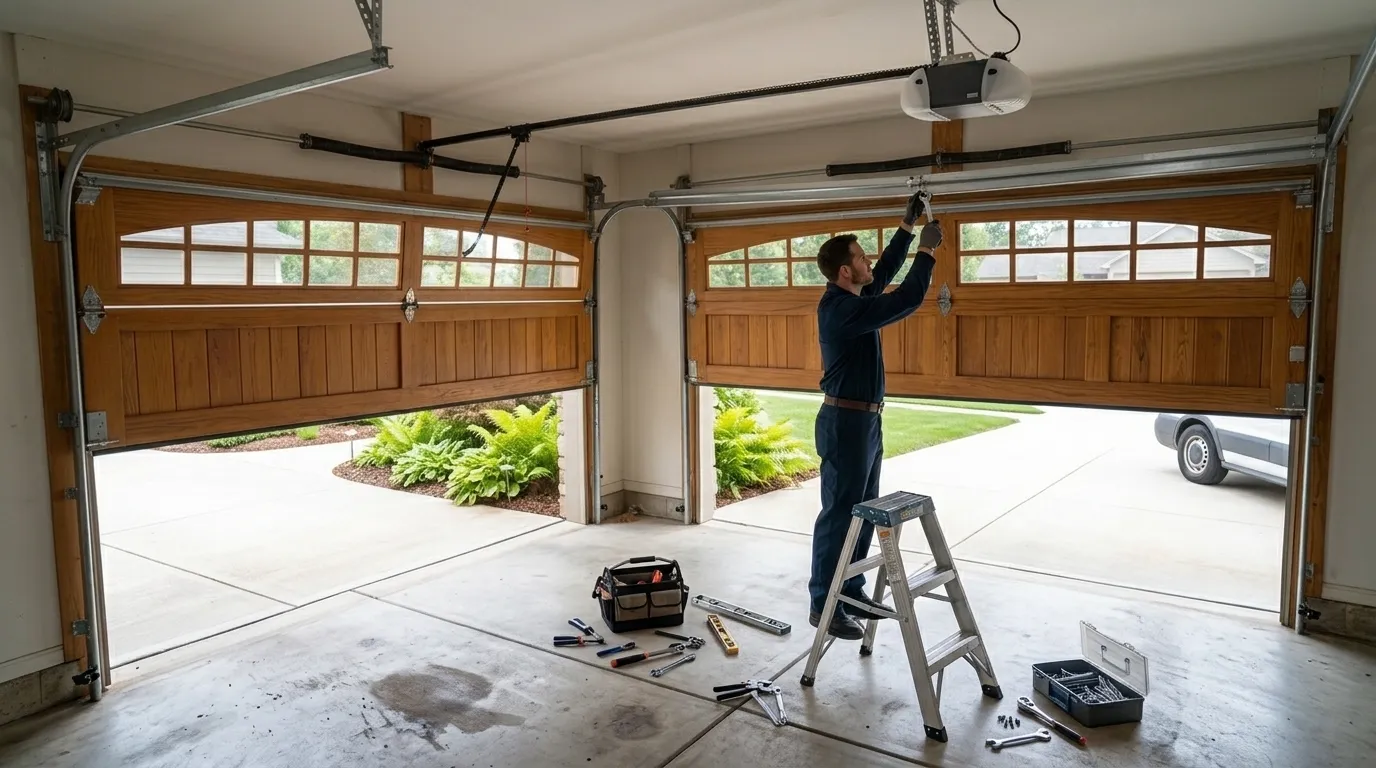
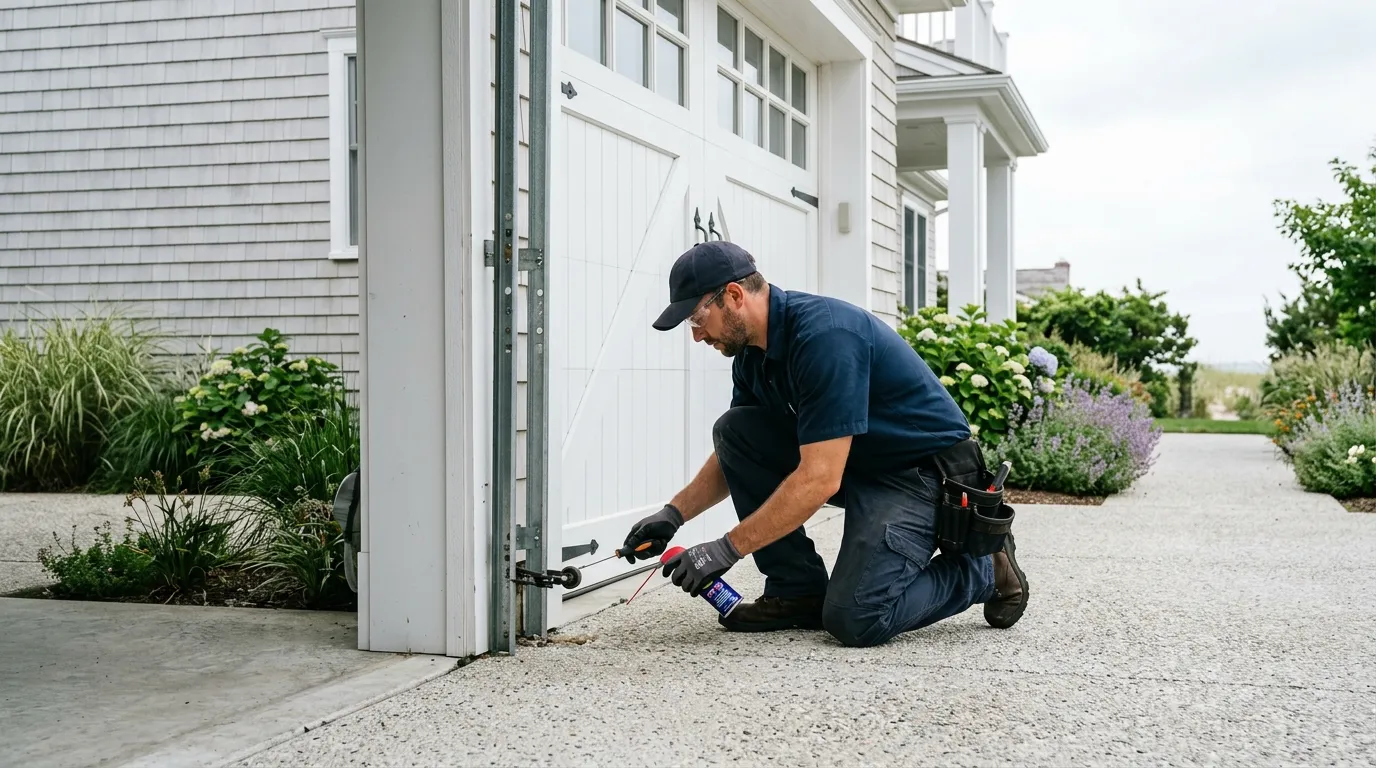
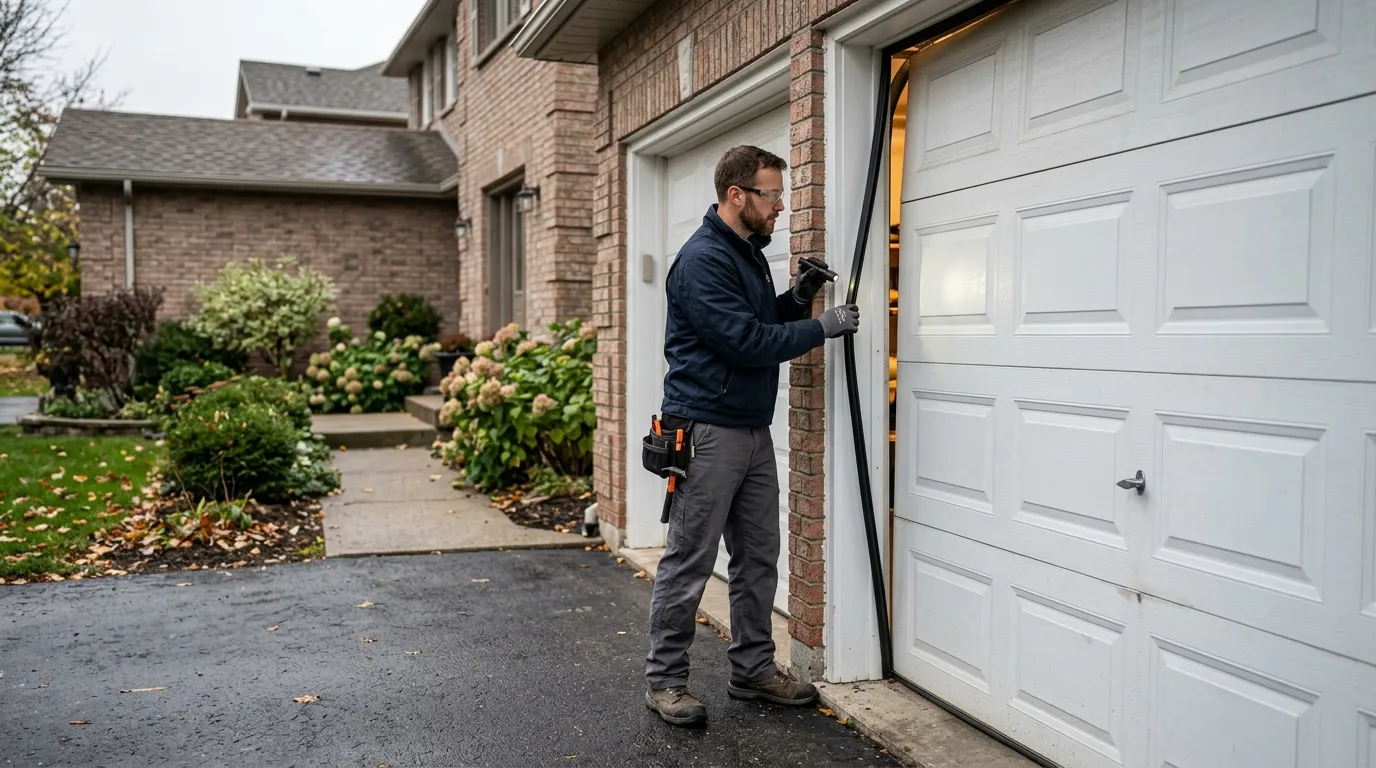
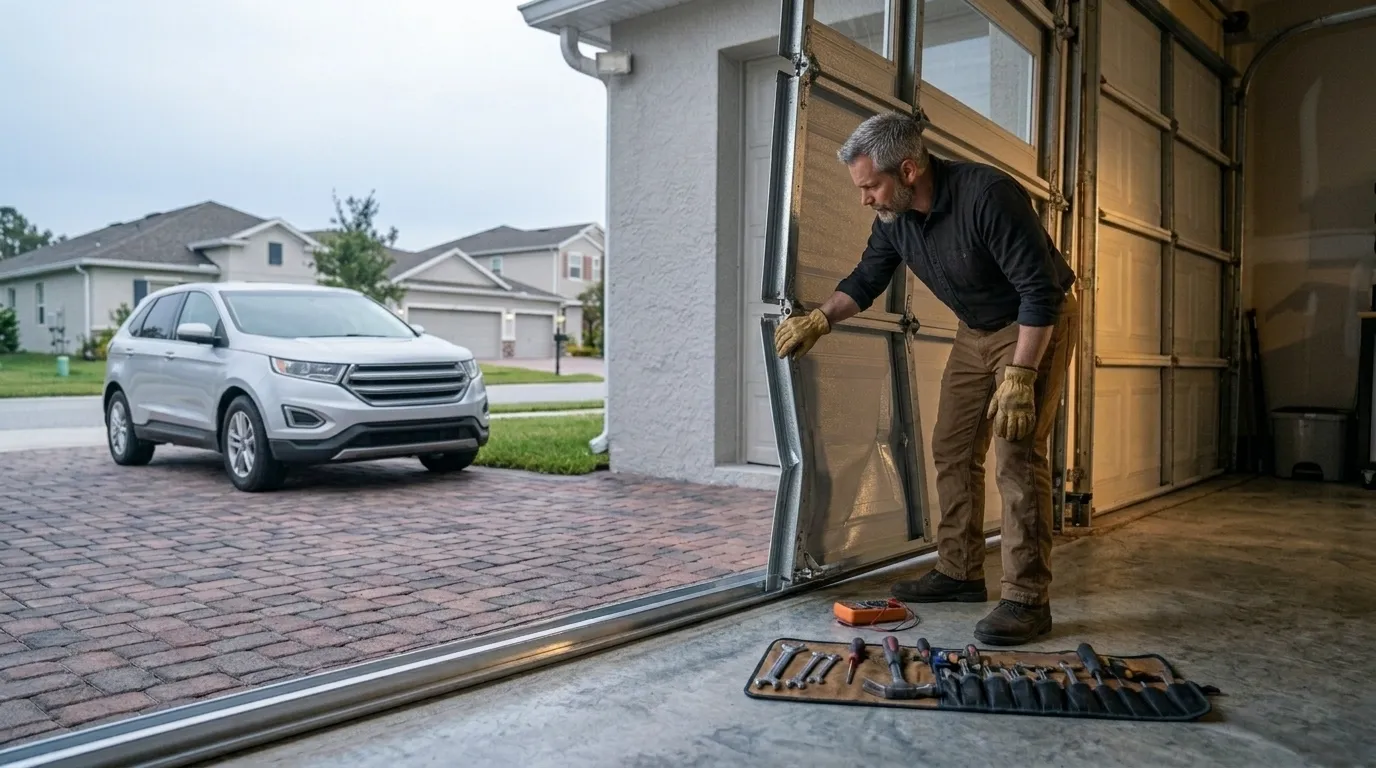
On the older end of Commerce's stock, the most common failure we see is a torsion spring that's simply worn out from age and cycle count, sometimes paired with a track that's been reset or bent slightly over the decades rather than replaced. Rollers on these doors are often the original steel type, which are noisier and wear faster than nylon, and that noise is usually what gets someone to finally call. We'll be straight with you: on some of the oldest doors, the honest answer is that spot-repair only buys a little time, and replacement ends up cheaper over a few years than repeated service calls on hardware this old. We don't push replacement as a default - plenty of these doors are fixable and worth fixing - but we'll say so plainly when the parts and labor stop making financial sense against the mild climate here, which at least isn't adding rust or warp to the list of problems.