24/7 Emergency Service Open 7 days · 7am–8pm Serving Manhattan Beach, CA & nearby
(424) 563-5925
Manhattan Beach, CA

Weather Seals and Draughts in Manhattan Beach Garages

Manhattan Beach homes built 1947-2012 often have original seals that have hardened. Here's how to check yours and what actually wears them out in this climate.

Weather Seals and Draughts in Manhattan Beach Garages

Checking It Yourself

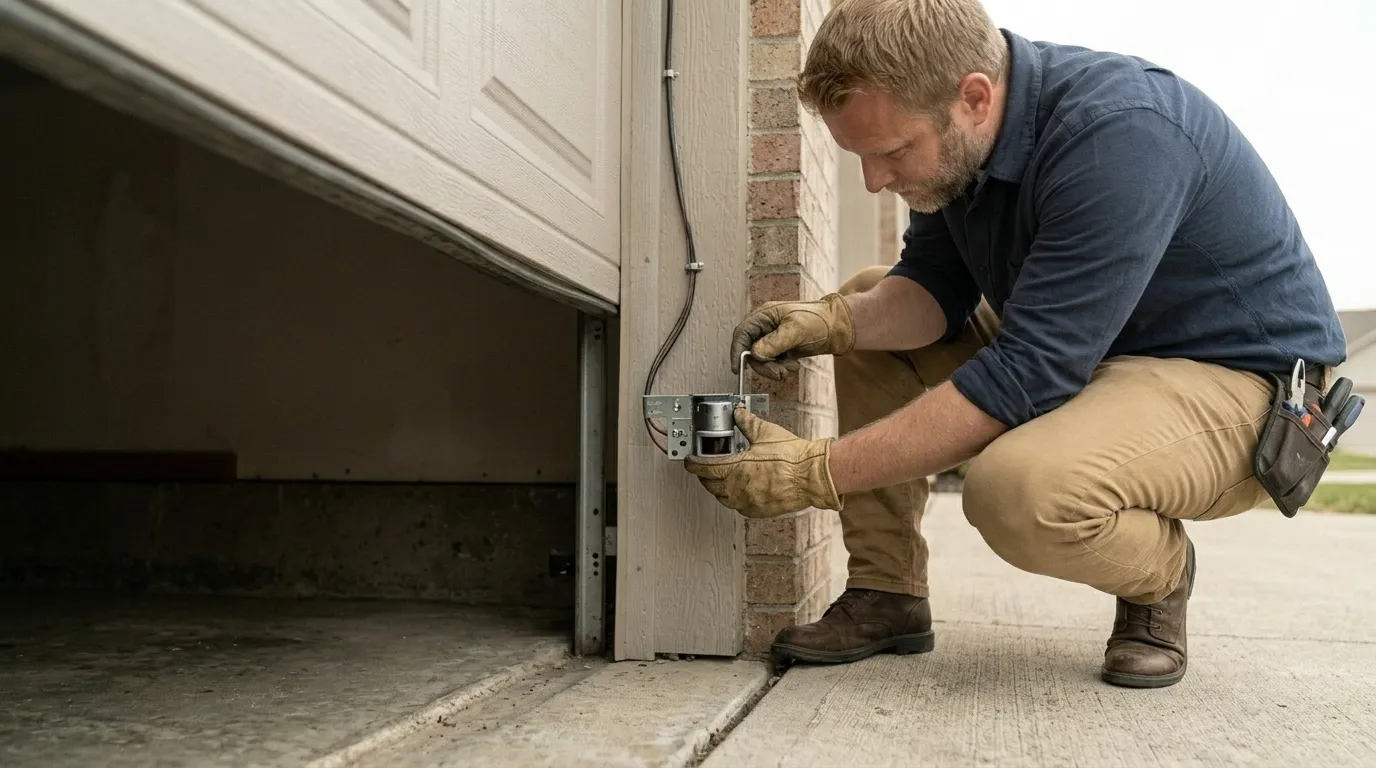
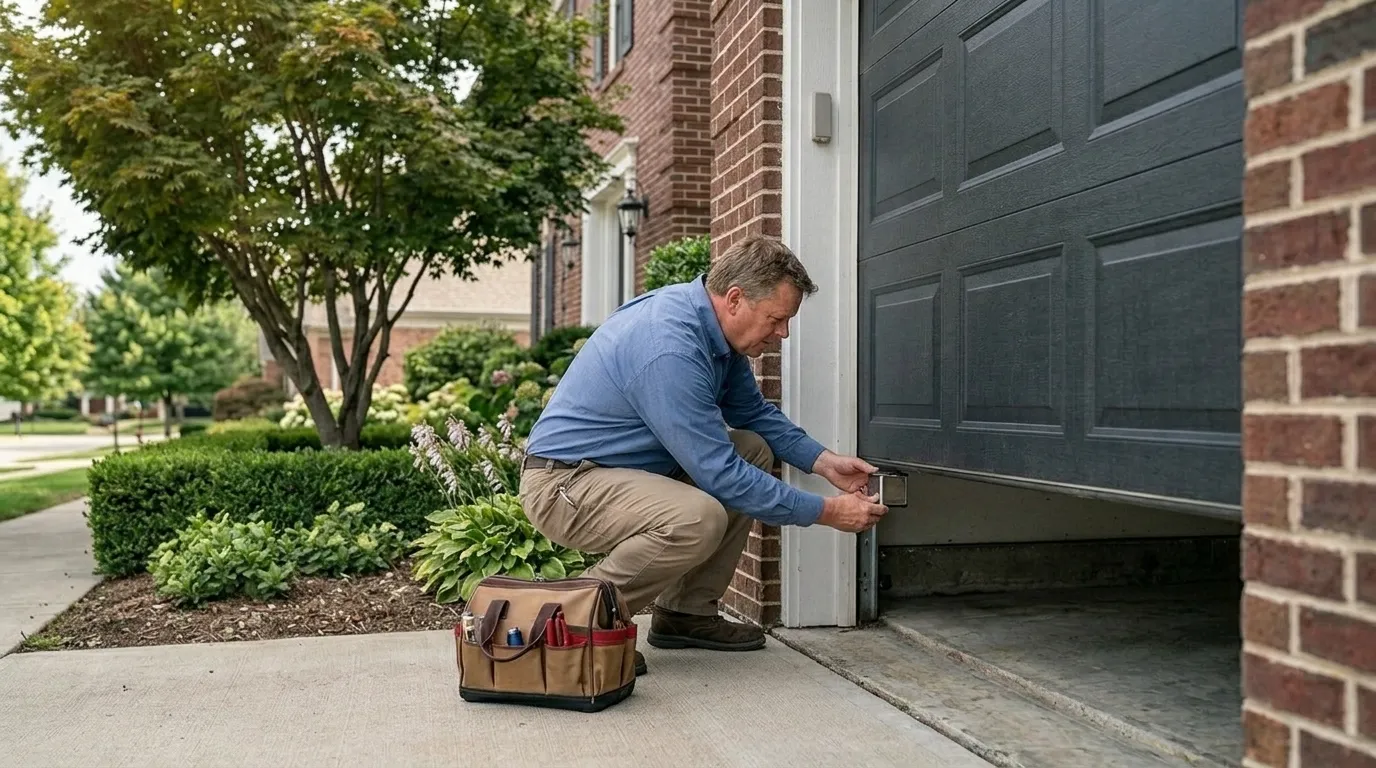
Start at the bottom of the door. Manhattan Beach housing runs from 1947 through 2012, with the median build year sitting at 1963, so a lot of garages here still have the astragal seal that came with the door decades ago. Close the door and look for daylight along the bottom edge and both sides. If you can see a line of light, or feel air moving across your ankles when you stand near the door, the seal has hardened past the point of doing its job.

Check the corners too, not just the middle. Rubber that's flattened or cracked in the center but looks fine at the corners is normal wear; rubber that's brittle and flaking everywhere usually means it's original and past its service life. Run a hand along the vertical seals on the jambs while the door is shut - if you can slide a finger under them anywhere, air and dust are getting through there as well.

One honest limitation: a seal replacement fixes draughts and dust, but it won't quiet a noisy track or fix a door that's off its rollers. If the door still rattles or drags after a new seal, that's a separate repair, not a seal problem.

What Is Going On

Most of the garage stock across this service area's 24 named neighborhoods dates to the 1960s and 70s, which means the doors themselves are often newer than the house but the bottom seal track and jamb weatherstripping frequently haven't been touched since the last time someone replaced the door outright. Vinyl and rubber seals from that era weren't built to last 50-plus years, and most homeowners never think about the seal until they notice a draught or a line of dirt building up on the garage floor.

The other factor is that a lot of these houses were built before insulated garage doors were standard. An older door with a worn seal doesn't just let in air - it lets in whatever the seal used to keep out, which in a house from this era usually means dust and small debris tracked in from the driveway. Replacing the seal is a small job compared to replacing the door, and it's usually the right first move before assuming the whole door needs to go.

The Seasonal Bit

This area sits in a mild temperate climate band, so you're not dealing with freeze-thaw cracking or the kind of seal failure that comes from ice forming under a door. That's the good news. The bit people miss is that mild, sunny, steady conditions still break down rubber and vinyl over time - it's UV exposure and years of daily temperature swing between morning and afternoon that dries seals out, not a hard winter.

Because there's no harsh season forcing a yearly check, seals here tend to get ignored for far longer than they would somewhere with a real winter. A homeowner in a colder climate notices a draught the first cold snap. Here, the seal can sit cracked and doing nothing for a year or two before anyone notices, usually when dust starts collecting inside the garage or a pet keeps trying to squeeze under the door.

How Local Conditions Play In

Being close to El Segundo, Playa del Rey, and the rest of the coastal cluster in this service area means the mild temperate conditions carry a fair bit of consistent moisture in the air, day in and day out, rather than the big seasonal extremes you'd get further inland toward places like West Carson or Artesia. That steady moisture doesn't crack seals the way a hard freeze would, but it does mean rubber and vinyl stay damp longer after fog or morning marine layer, which speeds up the breakdown compared to a drier inland climate.

Across the roughly 39,906 owner-occupied houses in this service area, the seal issue shows up most in homes built before insulated doors were common, which given the median build year of 1963 is a large share of the stock. If your garage sits on the older end of that range and you haven't replaced the bottom seal since the door went in, it's worth the look before winter humidity settles in for the season.
How it works

From “it’s stuck” to “it’s fixed”

1
Tell us what’s wrong - Manhattan Beach garage door service

Tell us what’s wrong

Describe the symptom - won’t open, loud bang, opener runs but the door won’t move.

2
On-site diagnosis - Manhattan Beach garage door service

On-site diagnosis

A technician tests the door under power and by hand and finds what actually failed.

3
Clear, up-front plan - Manhattan Beach garage door service

Clear, up-front plan

You get the fix that’s needed and what drives the cost - before any work starts.

4
Repaired & tested - Manhattan Beach garage door service

Repaired & tested

The repair is done, the door is set true and tested, and the work area left clean.

Serving Manhattan Beach, CA - tell us what your door’s doing and we’ll take it from there.

How we work

What to expect

Diagnosis firstEvery visit starts by finding what actually failed - not a pre-written parts list.
The right part for the doorSprings and openers matched to the door’s weight and age, so the fix holds up.
Straight answersWhen a repair makes more sense than a replacement - or the reverse - you hear it plainly.
Clean, careful workTension released safely, hardware set true, the door tested under power before we leave.
Questions

Frequently asked

Straight answers about garage door repair in Manhattan Beach. Still unsure? Ask us directly.

How do I know if it's the seal or the door itself letting in draughts?

Close the door and check for daylight or airflow along the bottom edge and side jambs. If the gap is even and follows the seal line, it's the seal. If the draught comes from one uneven spot, or the door doesn't sit flush against the frame, that's more likely a track or alignment problem, not the weatherstripping.

Do older Manhattan Beach garages need insulated seals given the mild climate here?

You don't need heavy insulation for freeze protection in this climate band, but a good seal still matters for keeping out dust, moisture, and pests. Given how many houses here date to the 1960s and earlier, most of the benefit comes from just replacing hardened original rubber, not upgrading to a thicker insulated system.

How often should I replace garage door seals here?

There's no fixed seasonal trigger in a mild climate the way there is somewhere with hard winters, which is exactly why it gets overlooked. Check the bottom seal at least once a year for cracking or flattening, and plan on replacement more often if your garage faces direct afternoon sun.

Ready to get your garage door sorted?

Tell us what it’s doing and where you are in Manhattan Beach - we’ll take it from there.

Request a QuoteCall