This Area's Housing
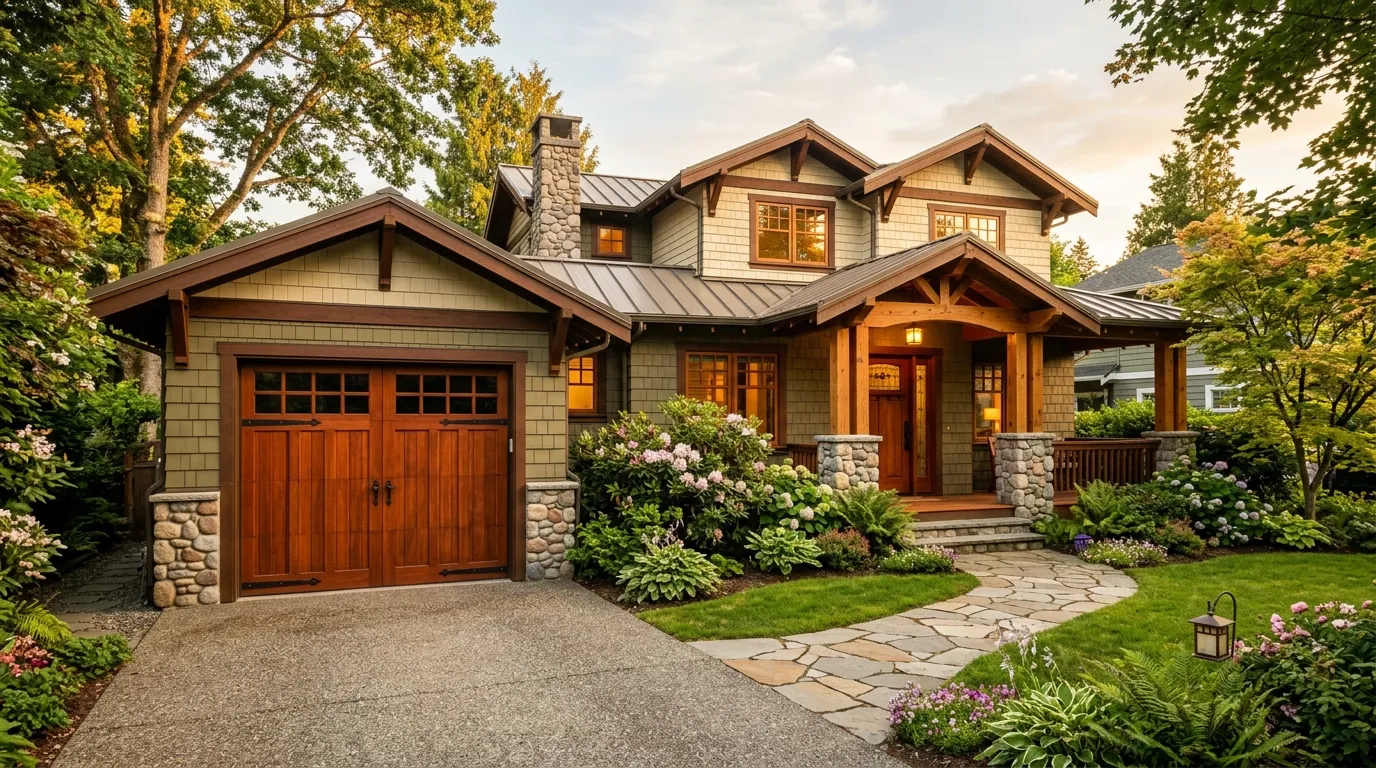
Lomita's housing centers on 1964, a notch newer than the service area's overall median of 1963, but still squarely in the same postwar wave. Most of the roughly 7,506 households here live behind a door that either dates to that original build or was swapped once, sometime in the decades since, for whatever the market offered at the time. That matters more than people think. A door bought in 1964 came with a heavier torsion spring setup than what gets installed today, and if nobody's touched it since, the hardware underneath is original too. Median income in Lomita runs $92,920, just under the wider service area's $94,152 - close enough that we see a similar split between owners who replace a whole door system and owners who ask us to keep an older one running as long as it reasonably can. We don't push replacement when a repair will do the job for another several years. We also won't pretend a 60-year-old spring and drum setup is worth patching indefinitely - at some point the parts cost more than they're worth chasing down.
Older vs Newer Streets
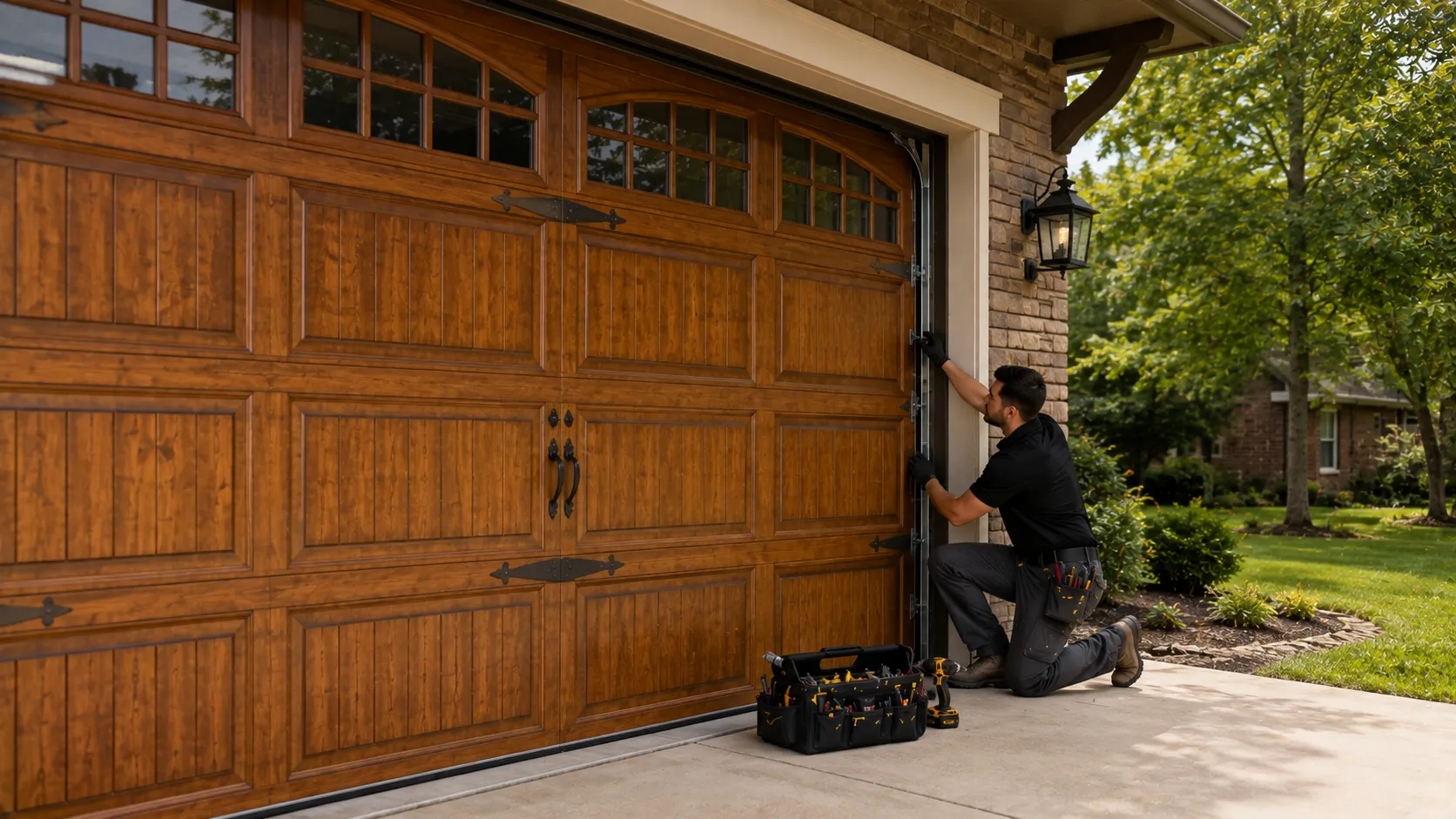
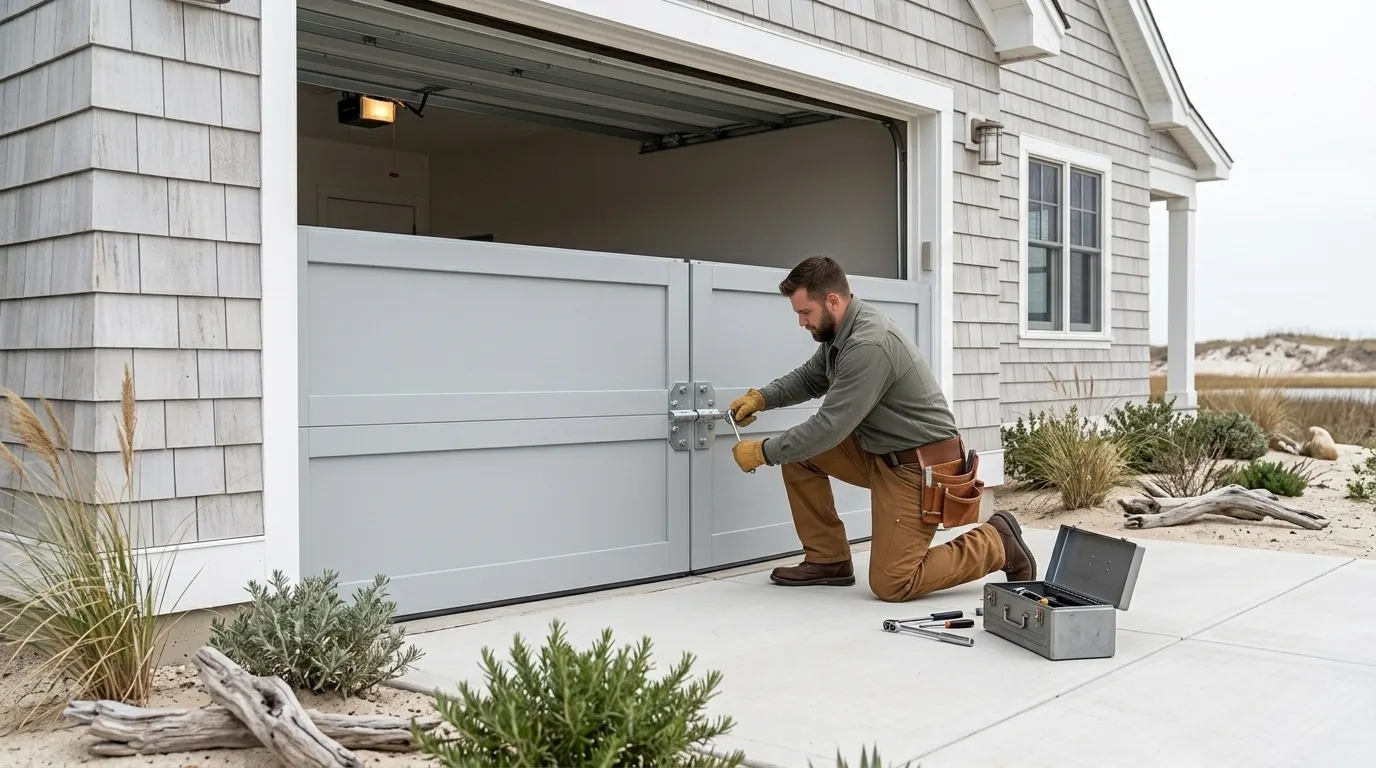
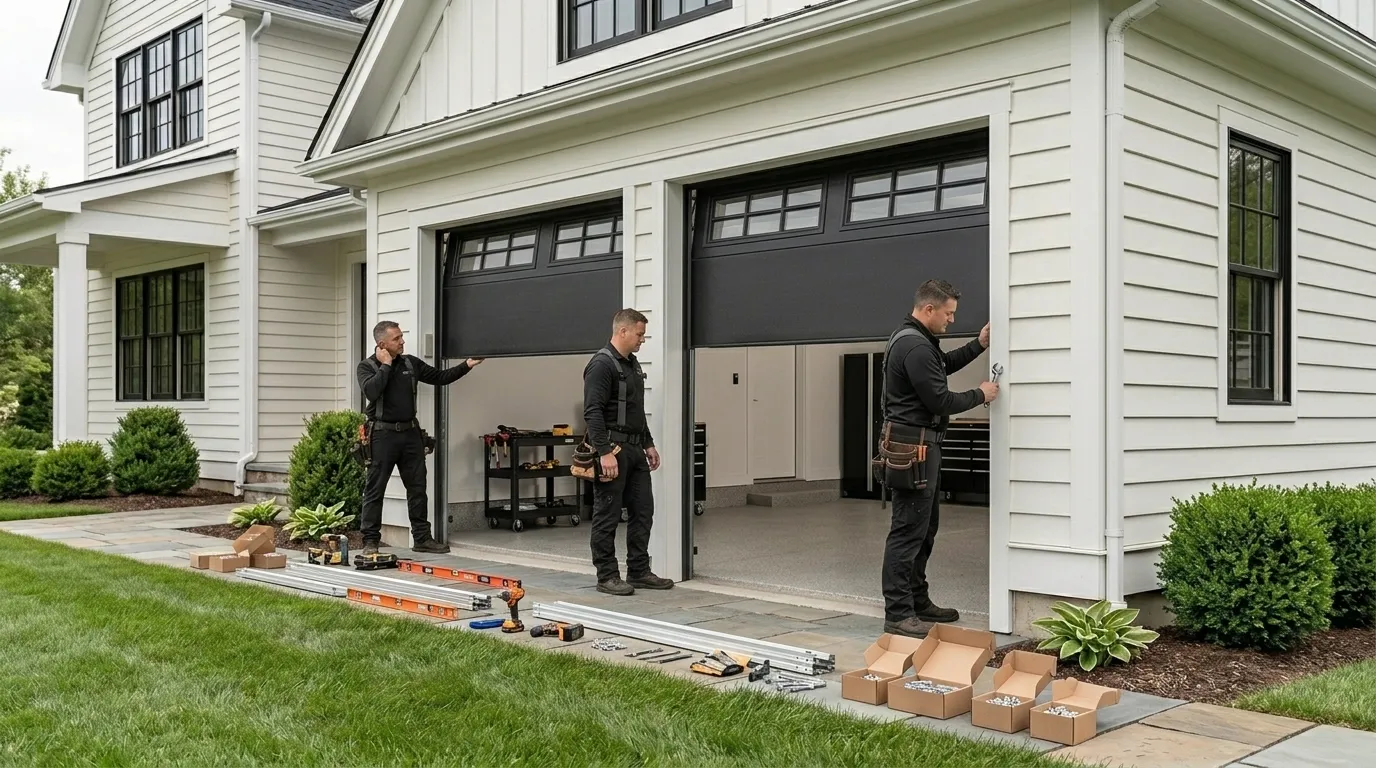
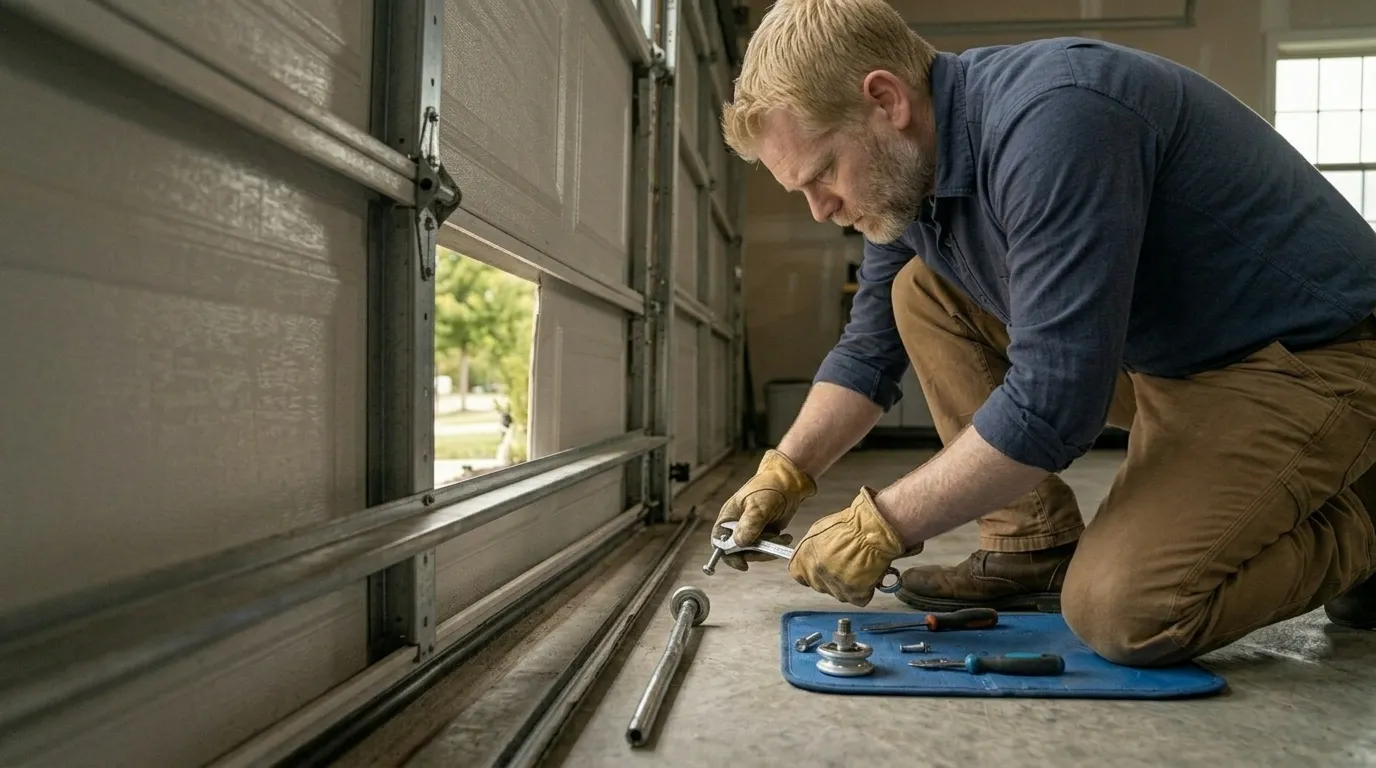
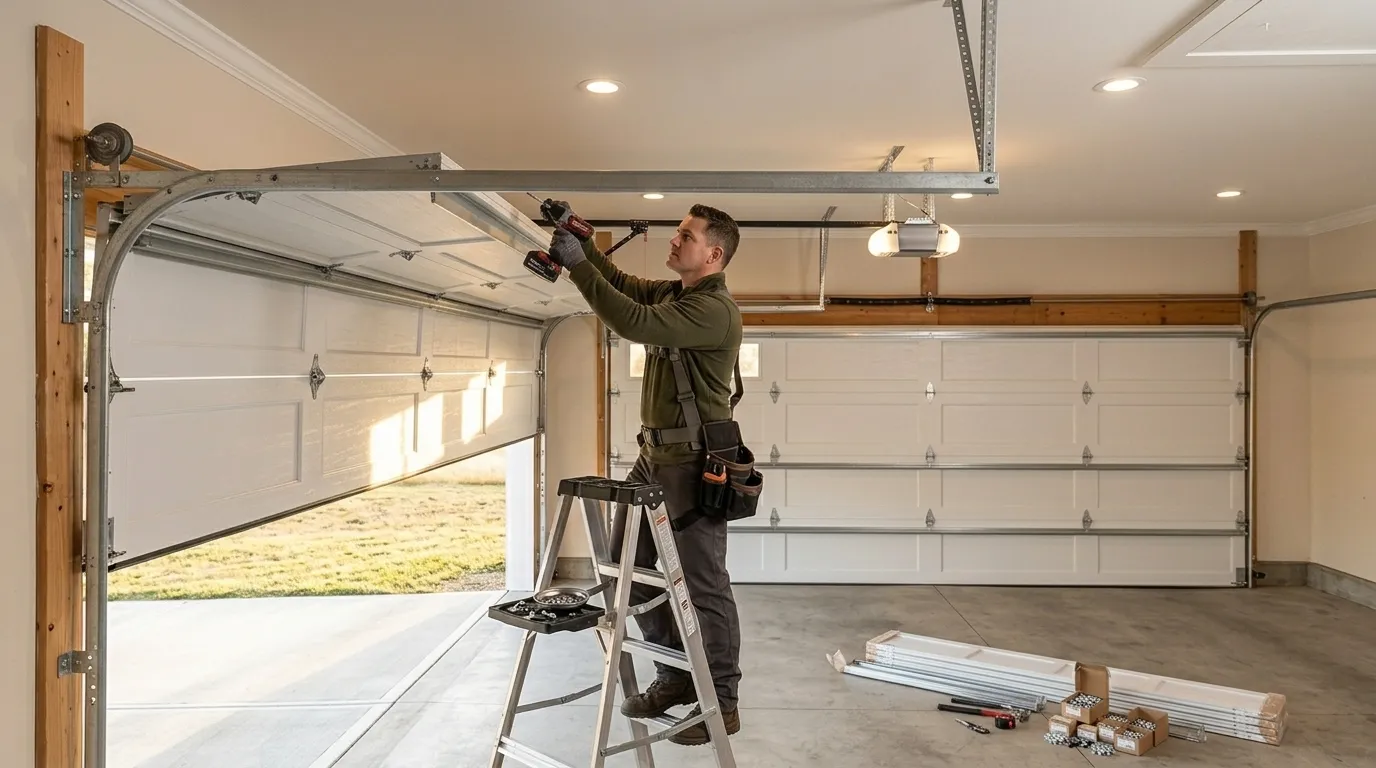
Not every block in Lomita aged the same way. Streets built closer to that 1964 median tend to carry the original one-piece or early sectional doors, often on side-mounted torsion hardware that newer parts don't always match cleanly. Streets that saw teardown-and-rebuild or larger remodels since then are more likely running a modern sectional door with a center-mounted spring and a belt or chain-drive opener from the last decade or two. The practical difference shows up the moment we're on site: an older-stock house usually needs us carrying a wider range of spring sizes and drum types because the original parts aren't a catalog item anymore, while a newer-stock house is more likely a straightforward parts swap. Neither is harder work exactly, but the older jobs take more diagnosis before we touch anything, because guessing wrong on a torsion spring under tension isn't a small mistake.
How That Shows Up in the Door
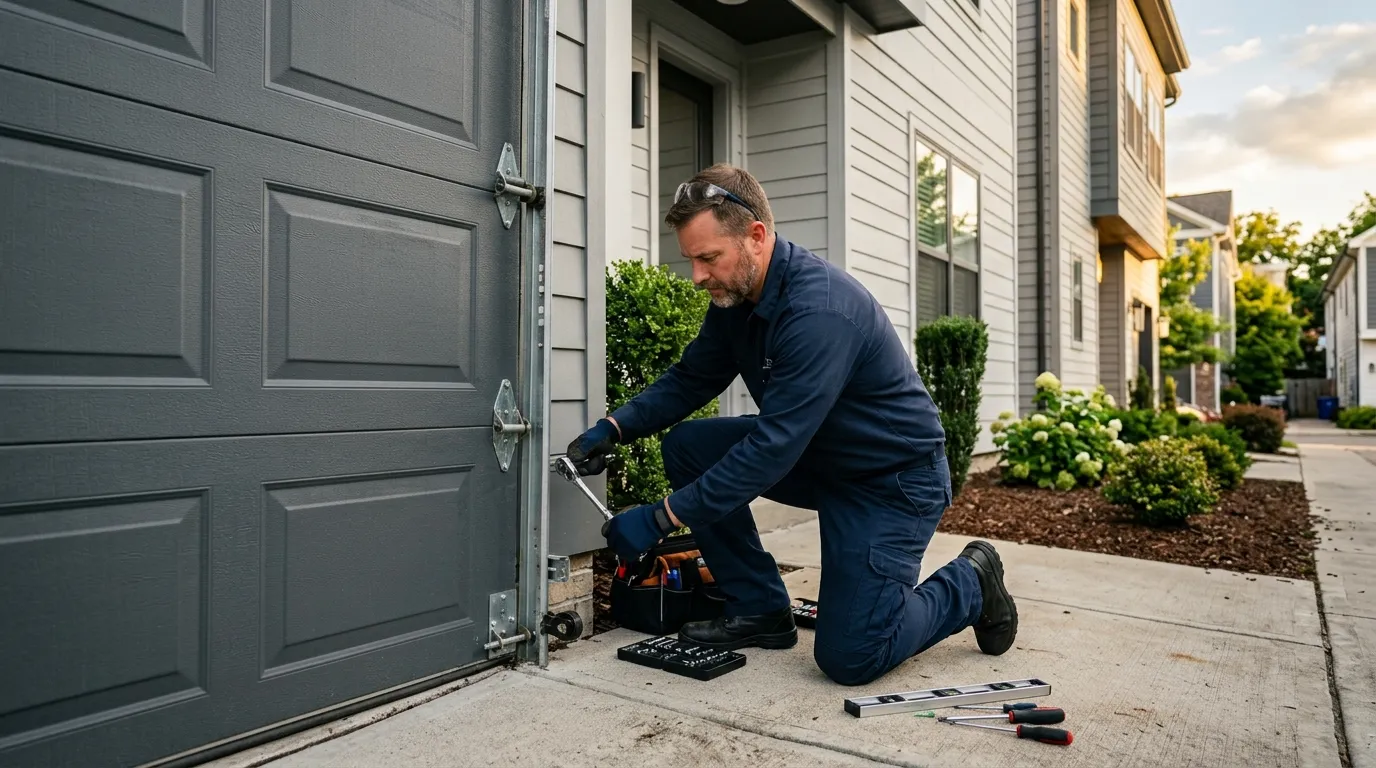
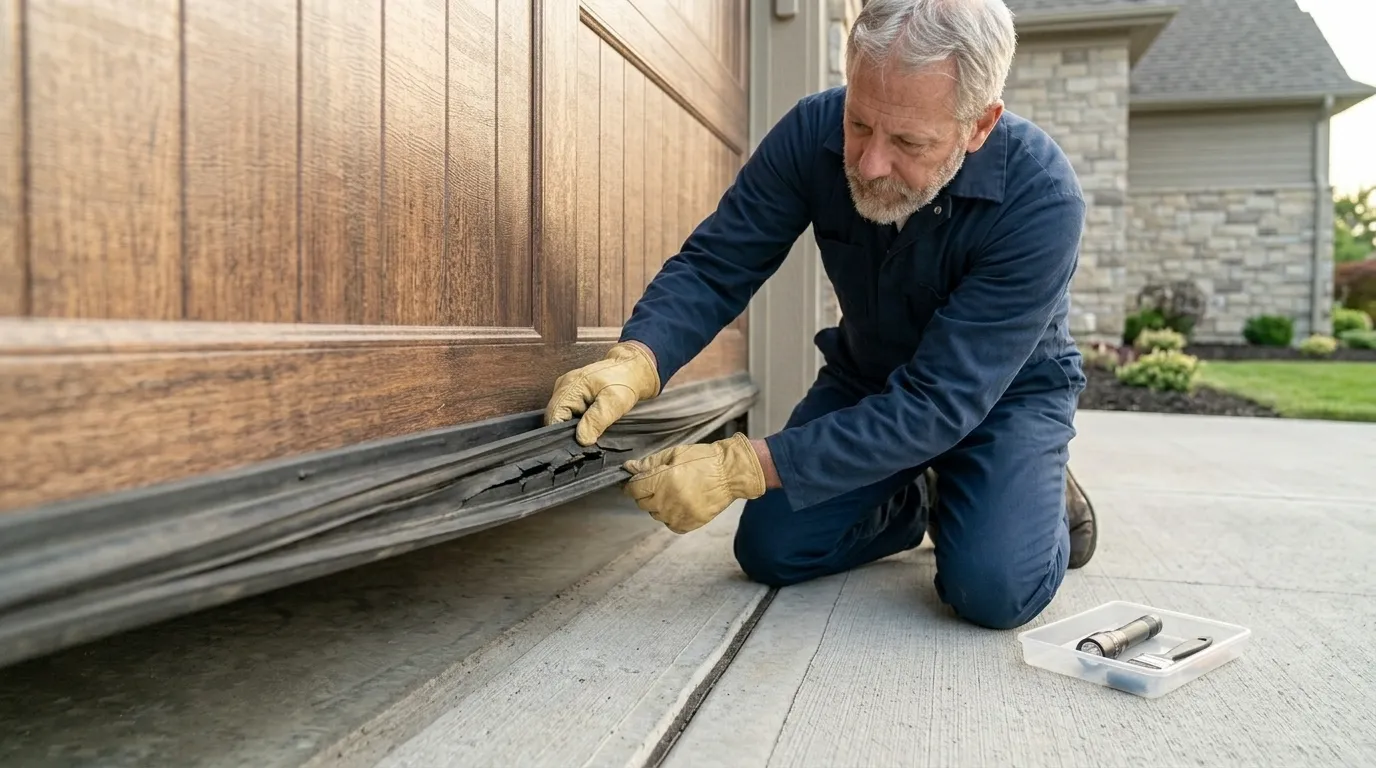
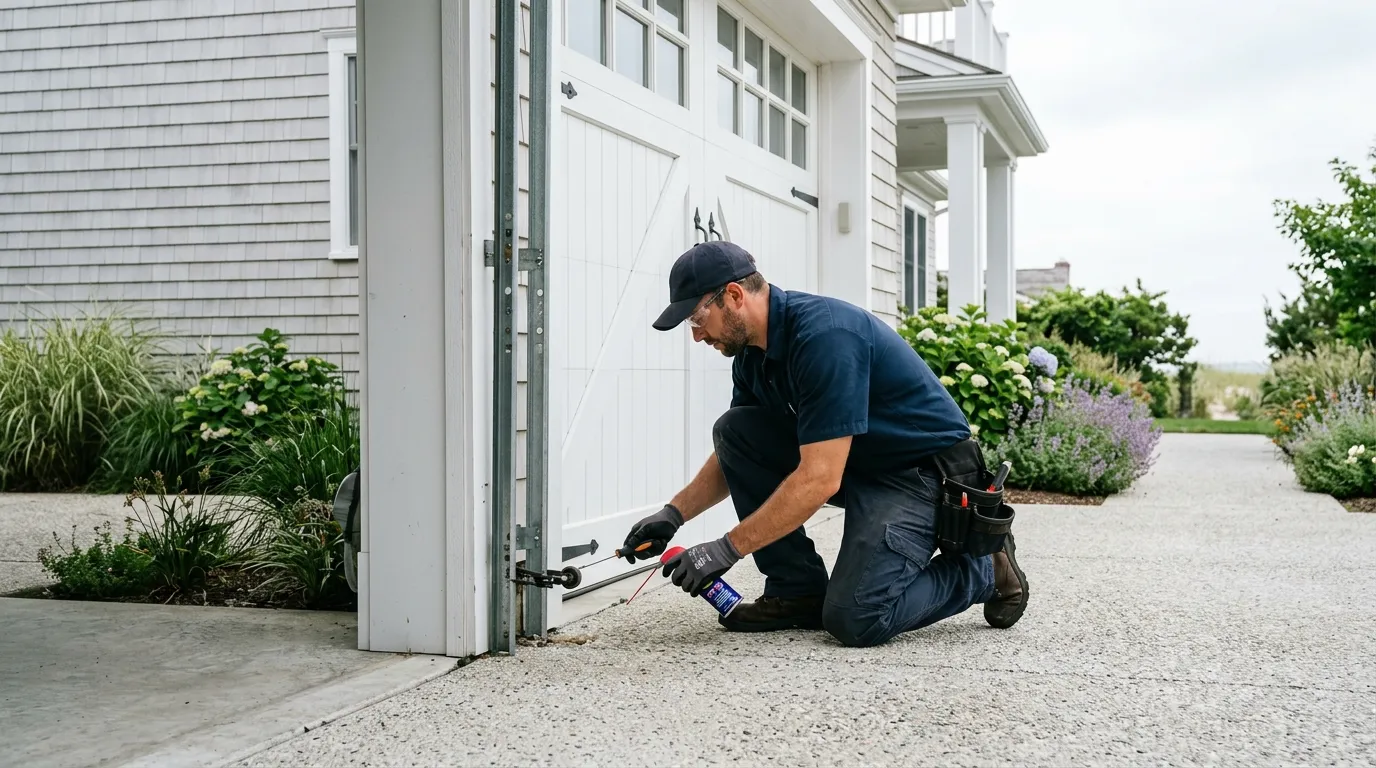
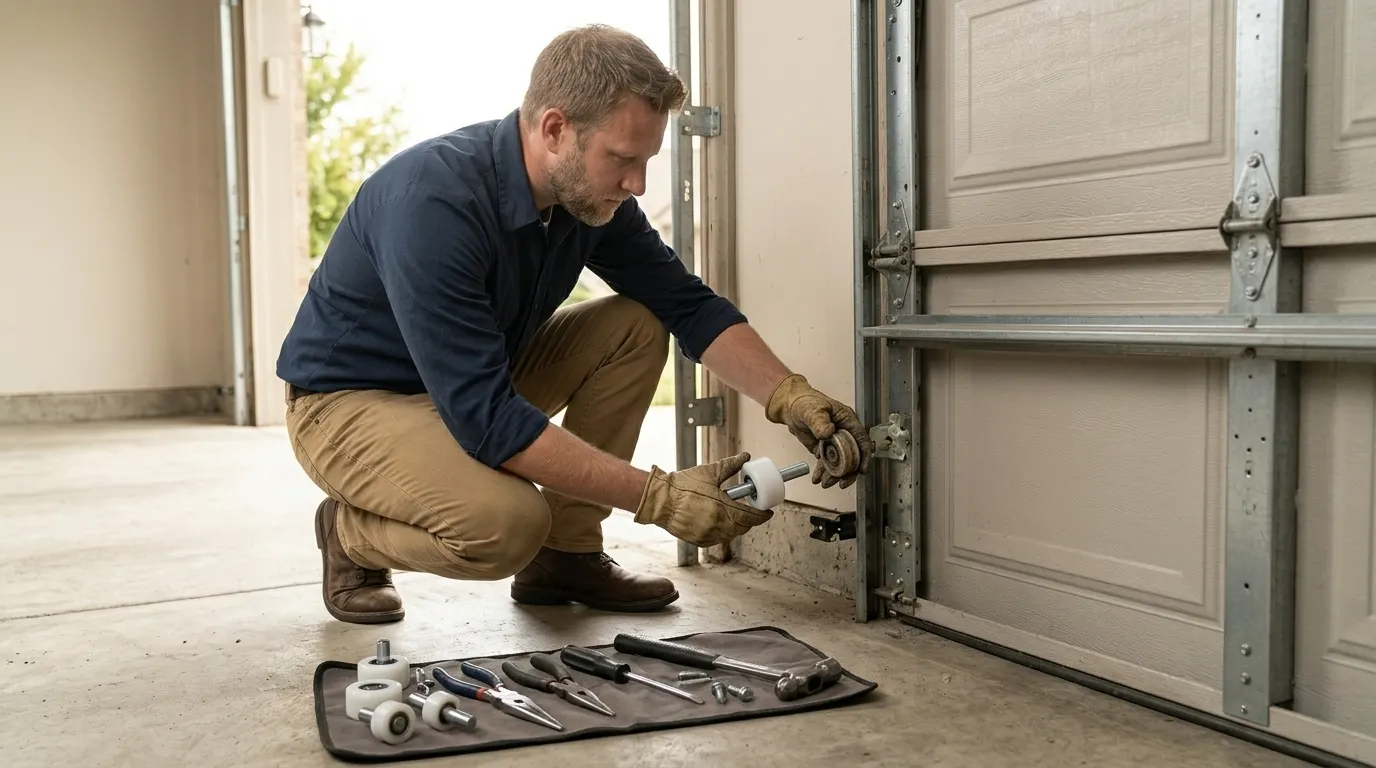
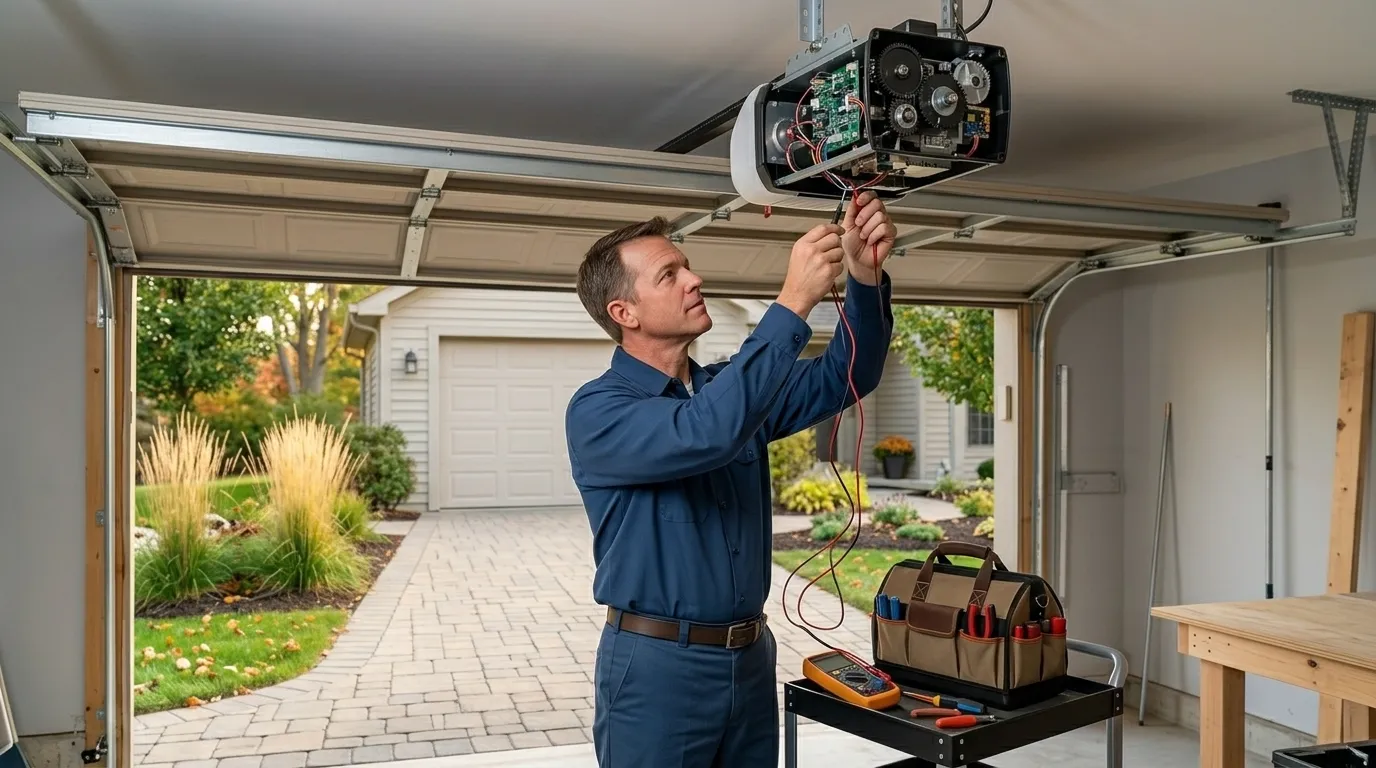
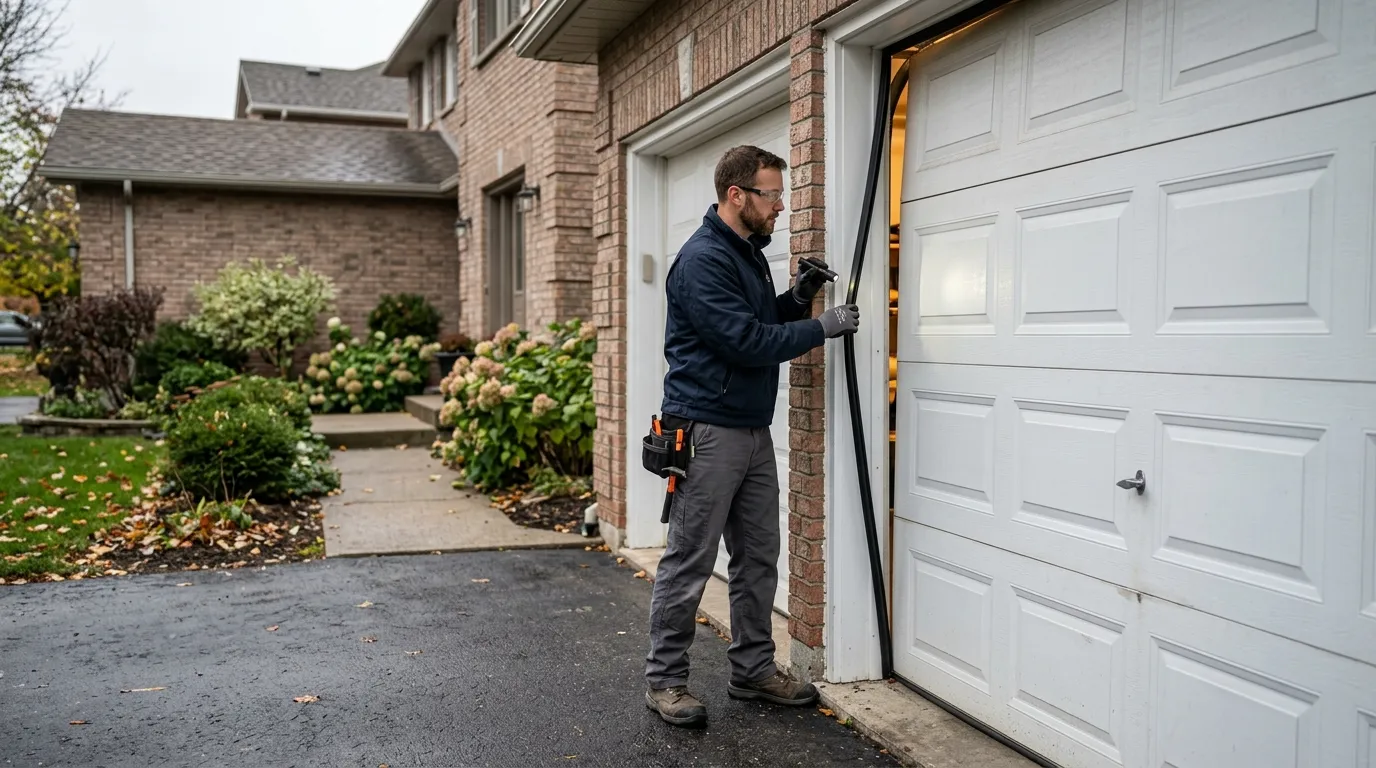
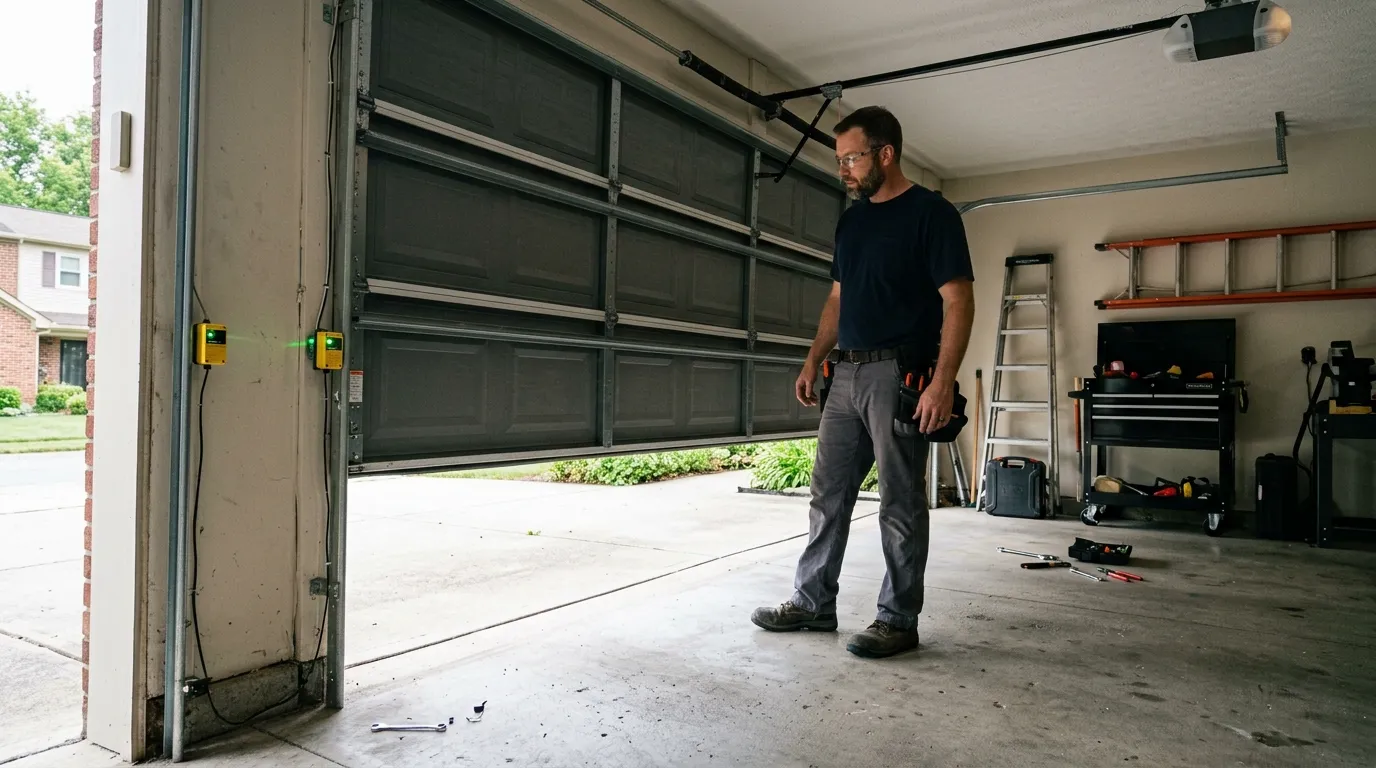
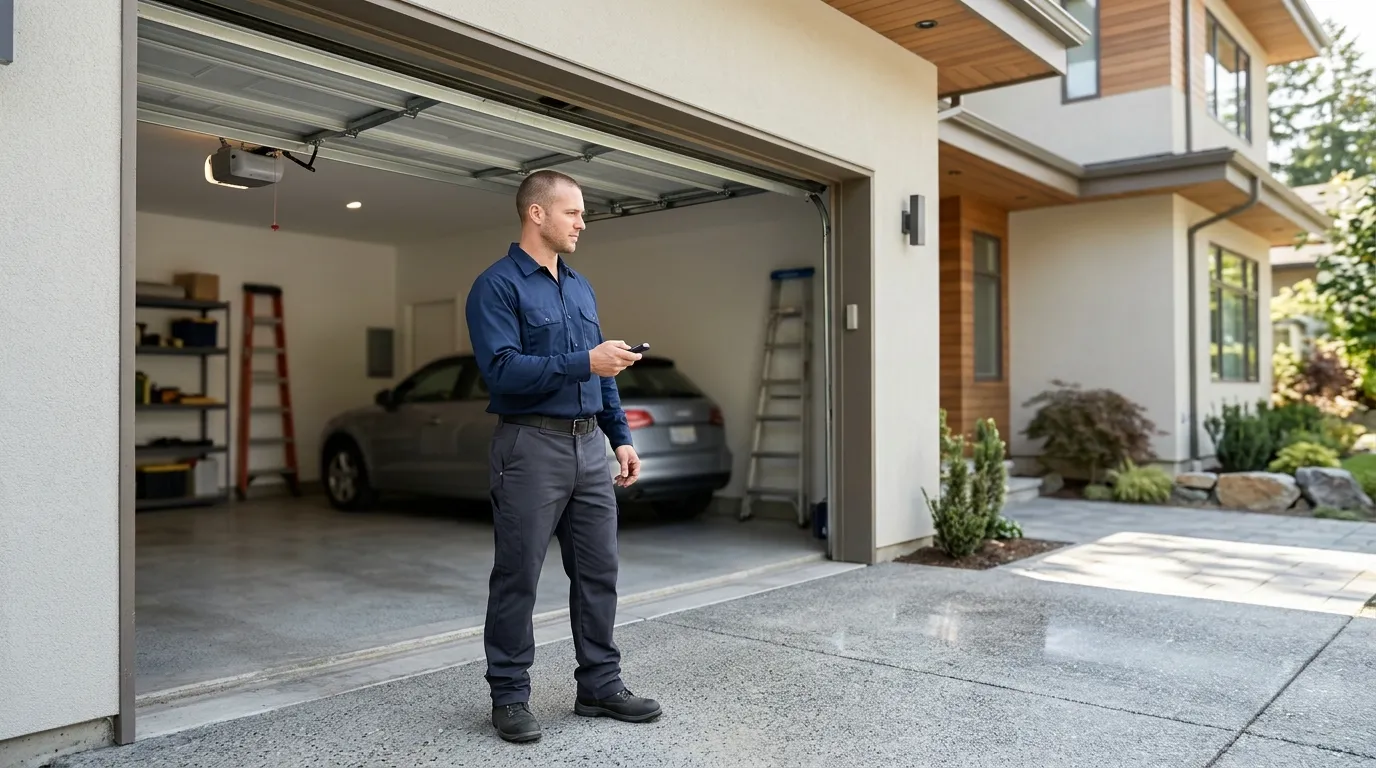
On the older side of Lomita's housing, the calls we get tend to be about noise and drift - a door that's started sagging on one side, a spring that's stretched past its rated cycle count, rollers that were metal from the start and have worn the track grooves unevenly. On newer-stock houses the complaints skew toward openers: a sensor knocked out of alignment, a remote that's stopped syncing, a belt that's slipping rather than a spring that's failed outright. The area sits in a mild temperate climate band, so we're not fighting the kind of freeze-thaw cycling or extreme humidity swings that wreck seals and hardware fast elsewhere - wear here is mostly mechanical, from age and use rather than weather. That's a small mercy for older doors especially, since it means original hardware often lasts longer than it would somewhere harsher, even as the parts themselves get harder to source.