This Area's Housing
Bell Gardens sits about 16 miles from our Manhattan Beach base, and the housing here tells its own story compared to the wider service area. Where the broader coverage area has a median build year of 1963, homes in Bell Gardens run older on average, with a local median year built of 1959. That four-year gap matters more than it sounds. Doors and openers installed in the late 1950s came with different section heights, different track radius, and hardware that later manufacturers stopped matching. With 9,748 households in Bell Gardens against a service-area figure of 140,166 households and 39,906 owner-occupied houses, this is a smaller, tighter pocket of older construction rather than a scattered handful of old houses. The median household income here is $55,372, well under the $94,152 median across the full service area, which we mention because it shapes the calls we get: more owners asking us to fix what's there instead of replacing it outright, and more interest in parts that keep an older door running a few more years rather than a full swap. We don't treat that as a lesser job. An older door kept in good repair is often the right call, not a compromise.
Older vs Newer Streets
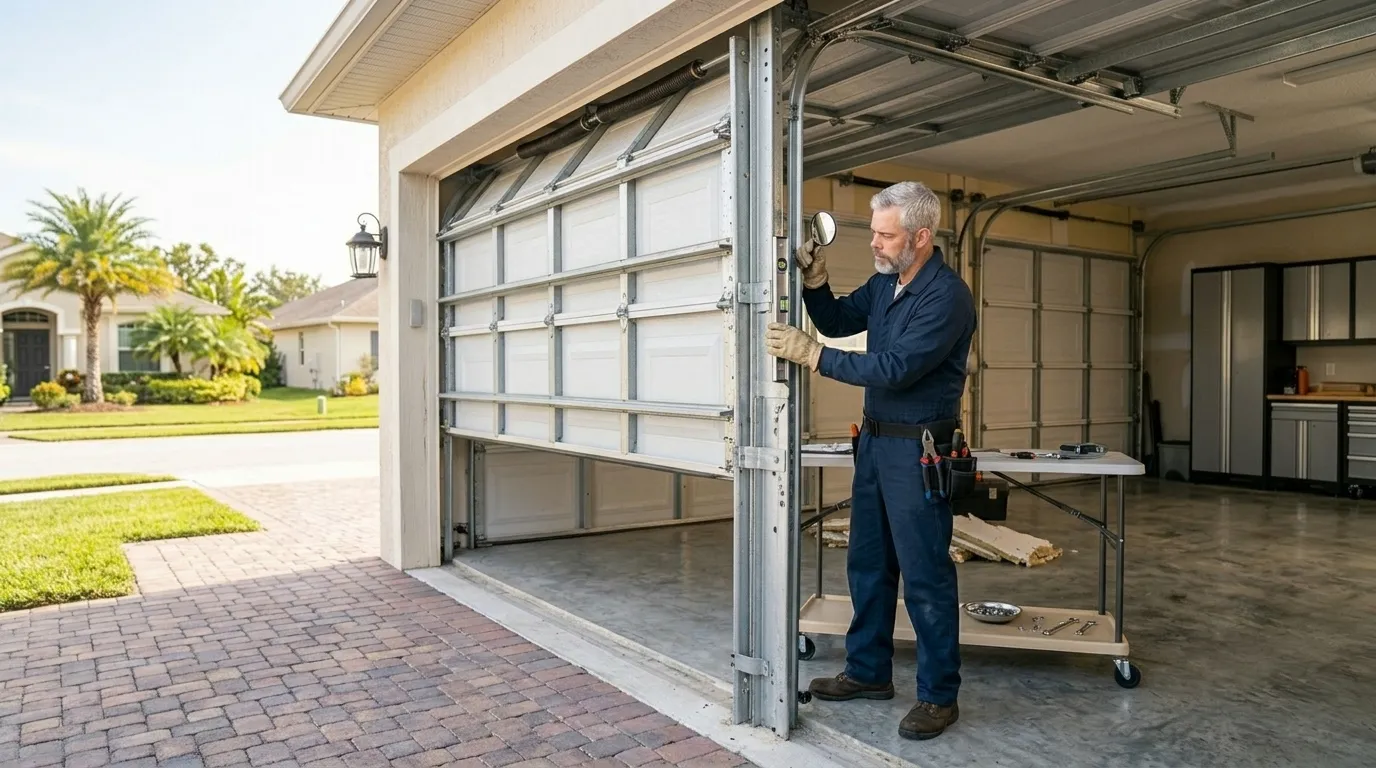
Not every block in Bell Gardens is the same age, and that's true of most of the 24 named areas in this service area. A street built closer to the 1959 local median is more likely to have a single-panel or early sectional door on side-mounted hardware, sometimes retrofitted with a newer opener bolted onto an old track. A street with newer infill construction is more likely to run a standard sectional door with center-mounted torsion springs, the setup most parts trucks stock without a second thought. The practical difference: on an older street, a repair sometimes means sourcing a part that isn't on the shelf at every supplier, and we'll tell you upfront if that's the case rather than force-fitting something that won't hold. On a newer street, most repairs are same-day-parts jobs. We don't know your exact block without seeing it, but we do know Bell Gardens skews toward the older end of this area's housing stock, and that's the assumption we start from before we ever look at your door.
How That Shows Up in the Door
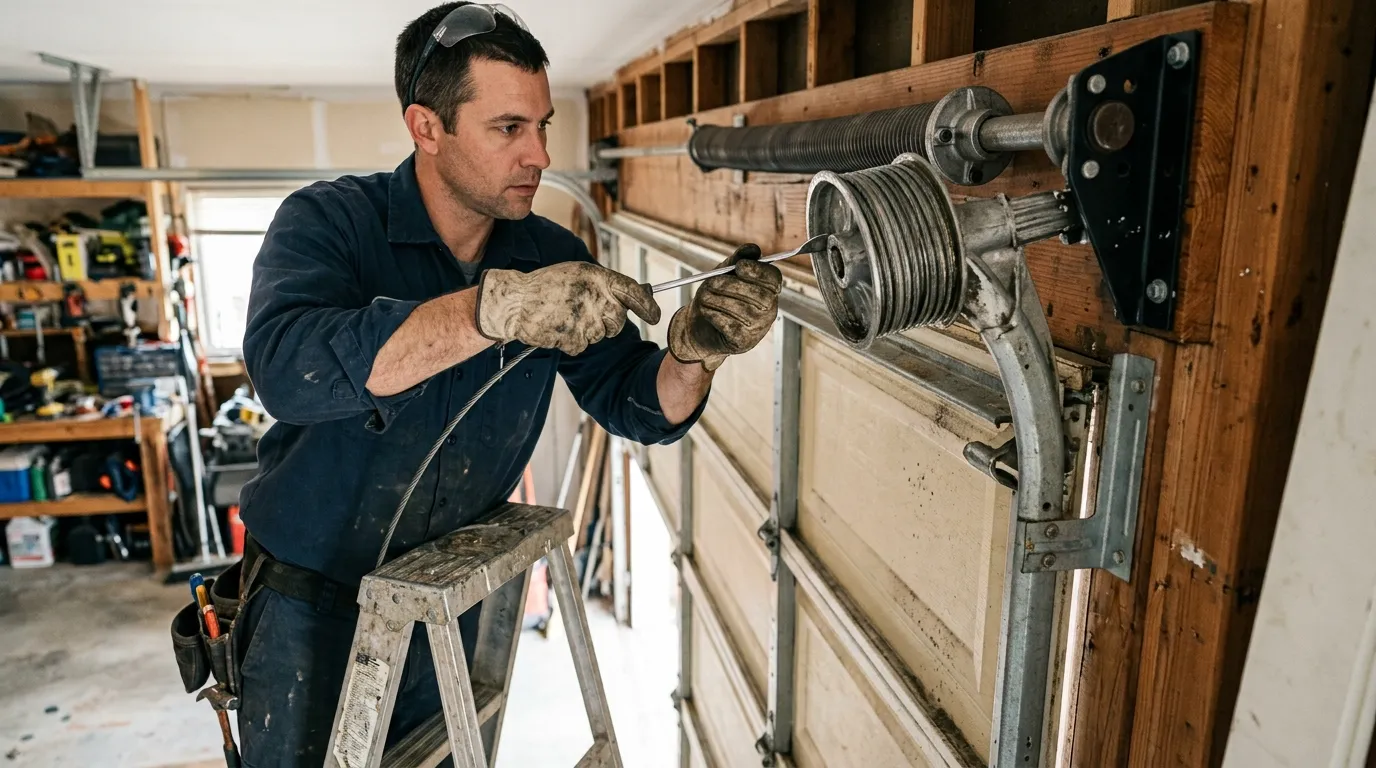
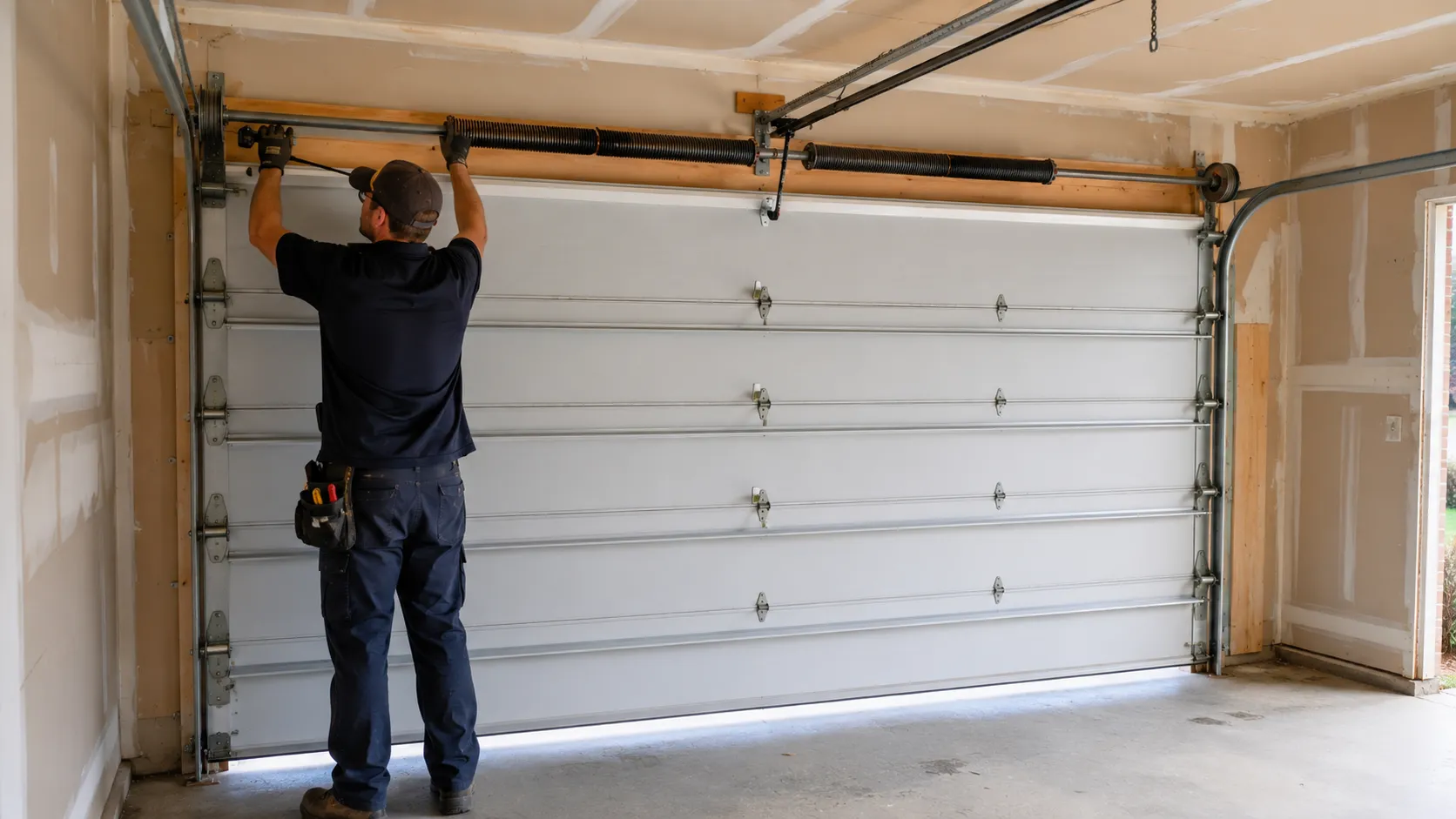
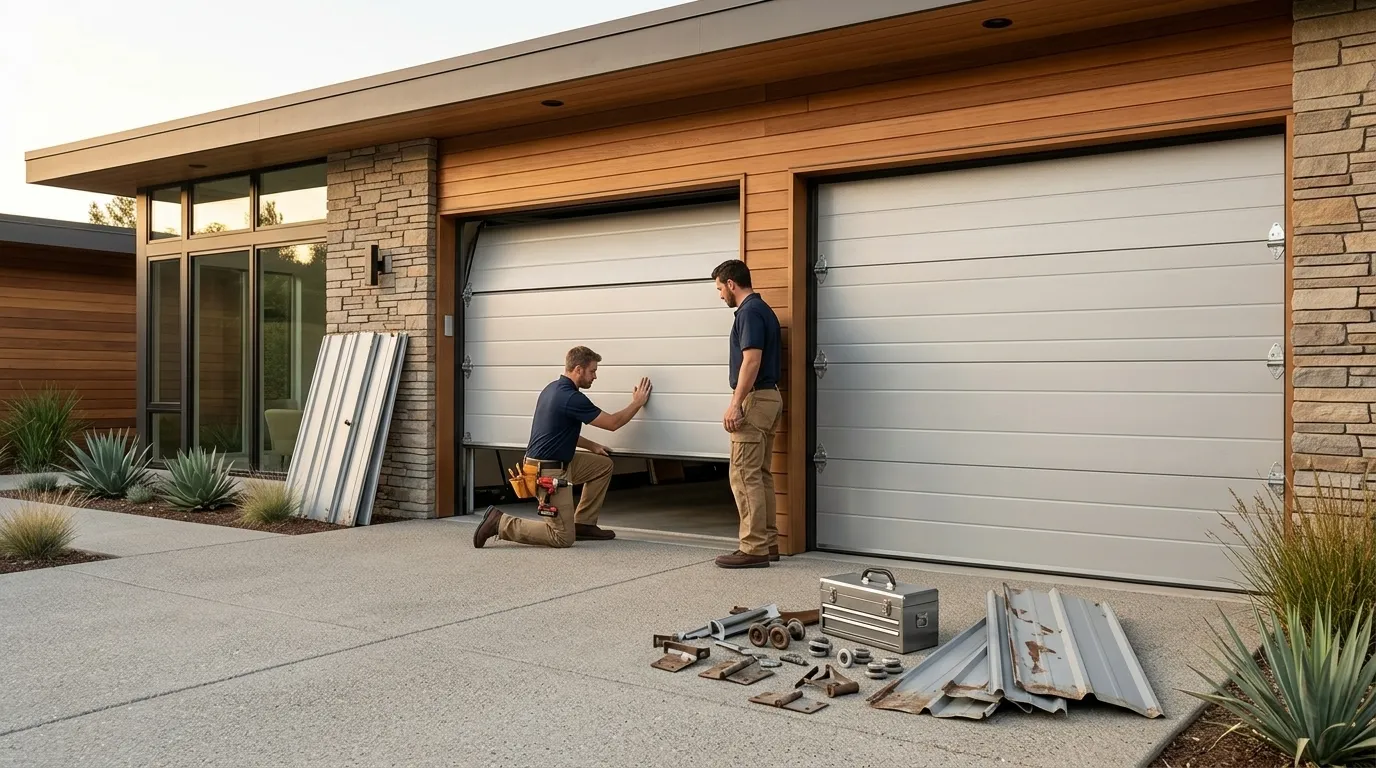
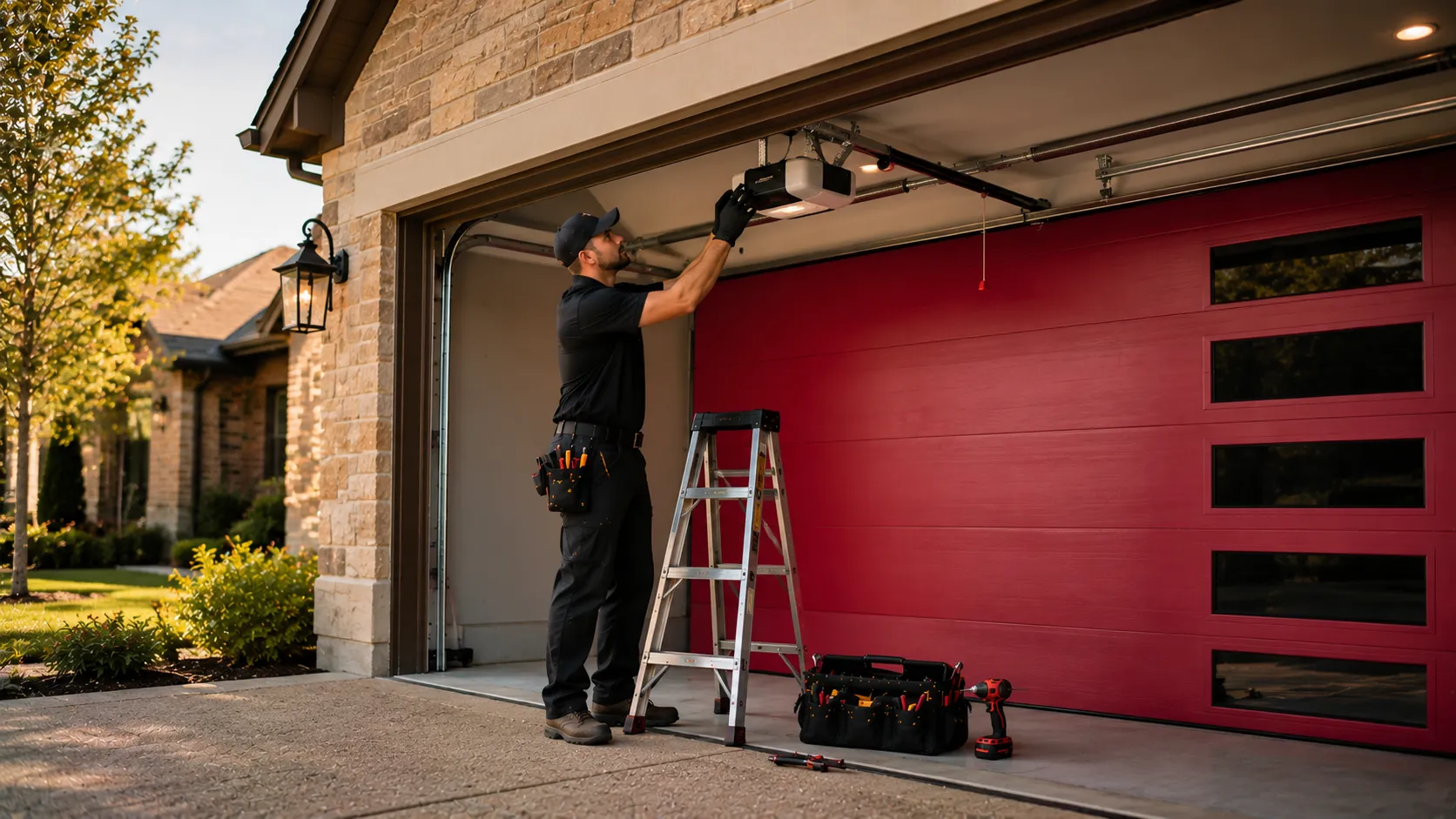
On the ground, the age gap shows up as specific faults, not vague wear. Extension springs on older side-mounted tracks stretch and lose tension unevenly, which shows up as a door that binds on one side and drops crooked when it closes. Original hardware from the late 1950s and early 1960s often runs steel rollers instead of nylon, which means more noise and faster groove wear on the track - a fix, not always a full track replacement. And on doors that have had an opener added later rather than installed with the door, we sometimes find the safety reversal sensors were never wired in correctly, which is a genuine safety issue we flag every time we see it, whether or not that's the job we were called for. One honest limit: if a door's track and springs are original from 1959 and the panel itself has rusted through or warped, replacement usually beats another patch repair - we'll say so instead of running up a repair bill on a door that's past the point of it being worth it.