What Is Built Here
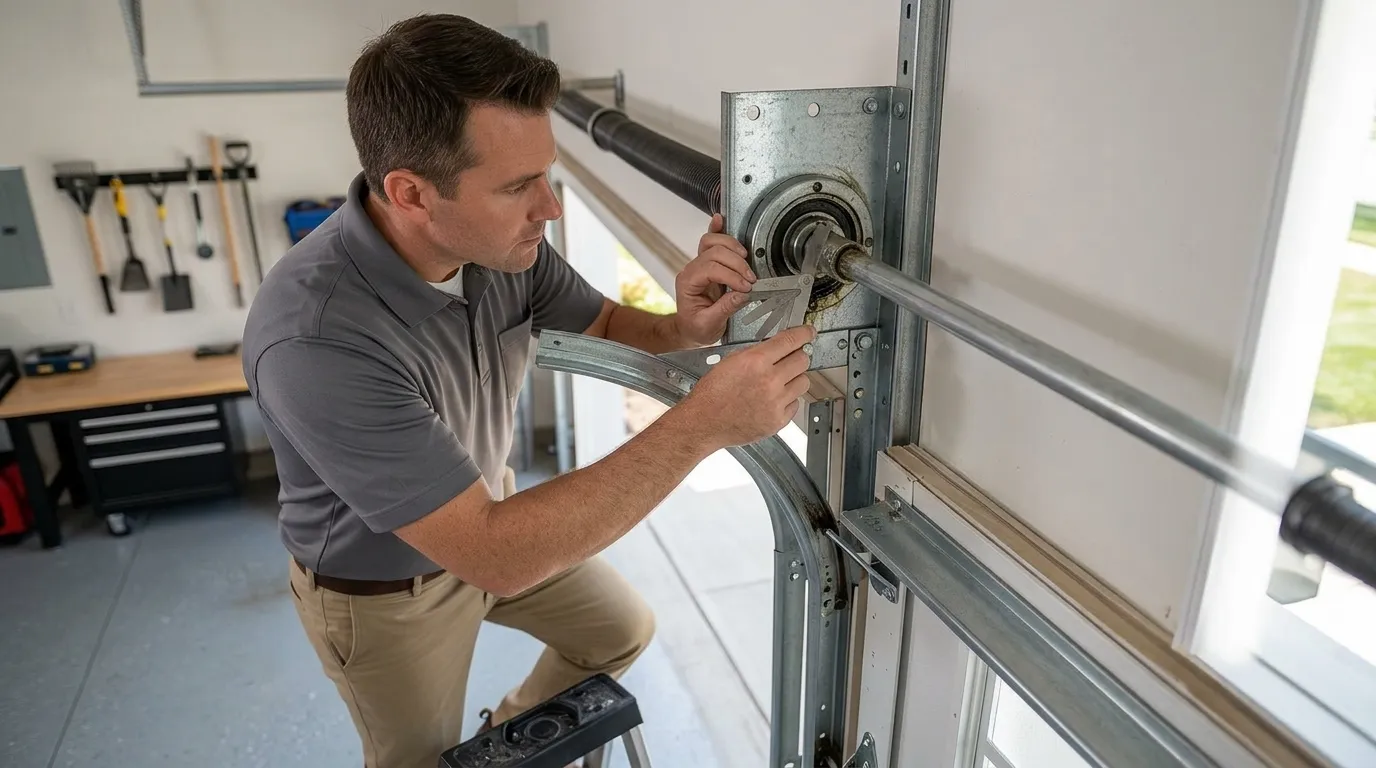
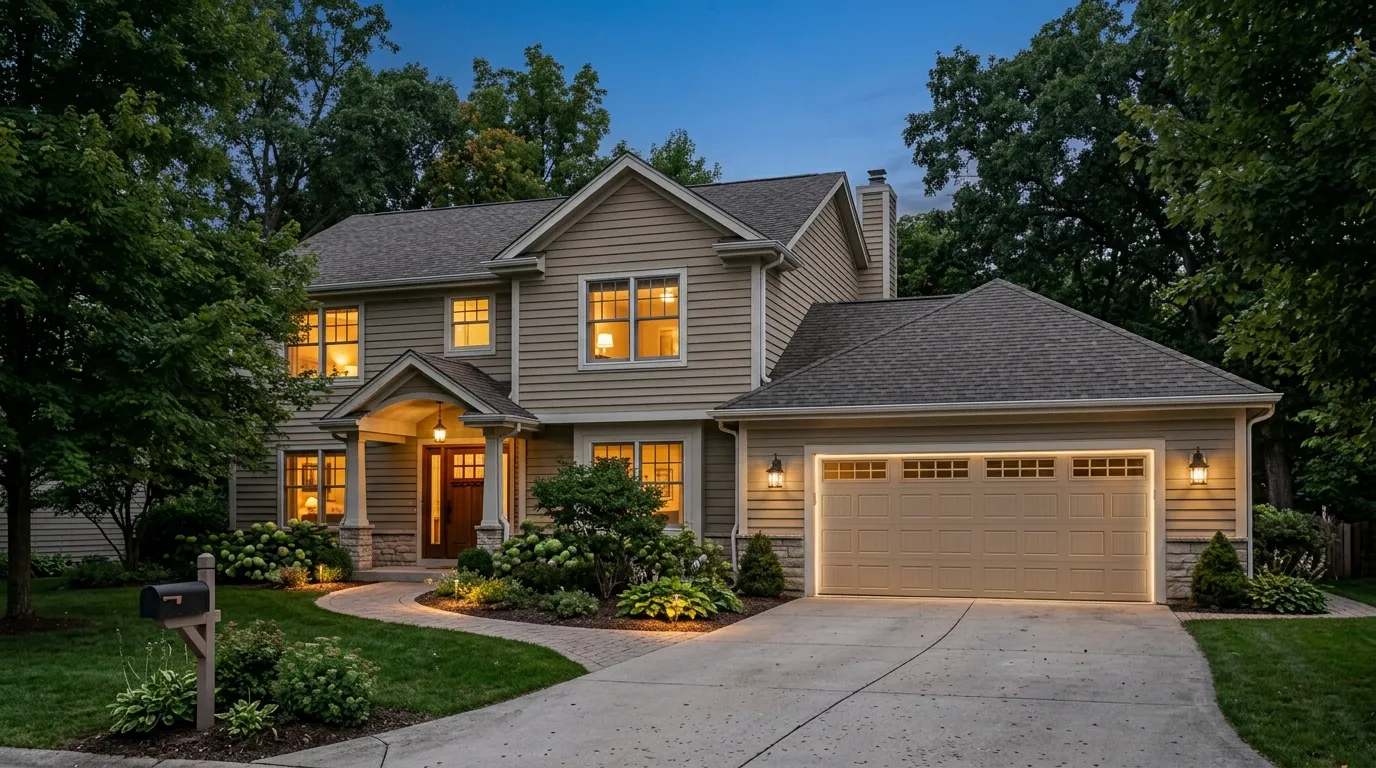
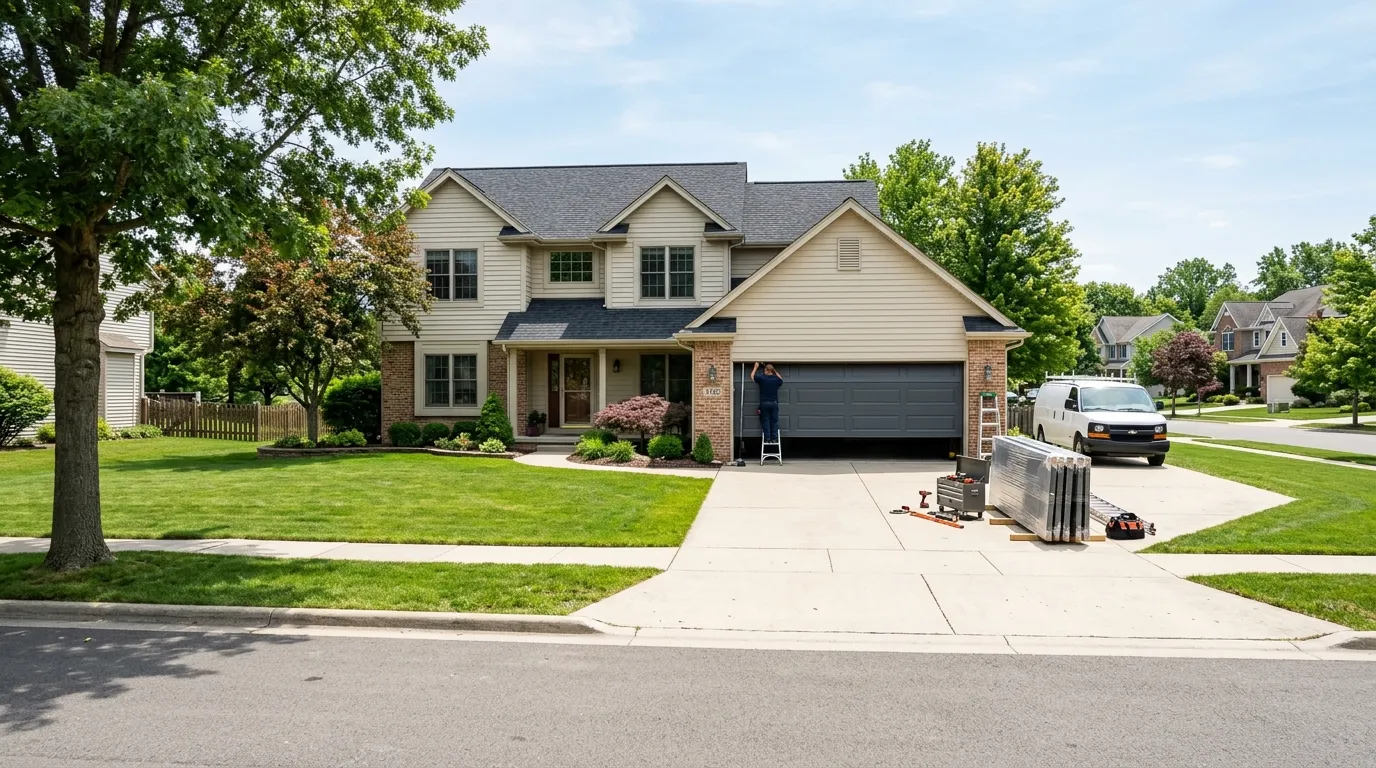
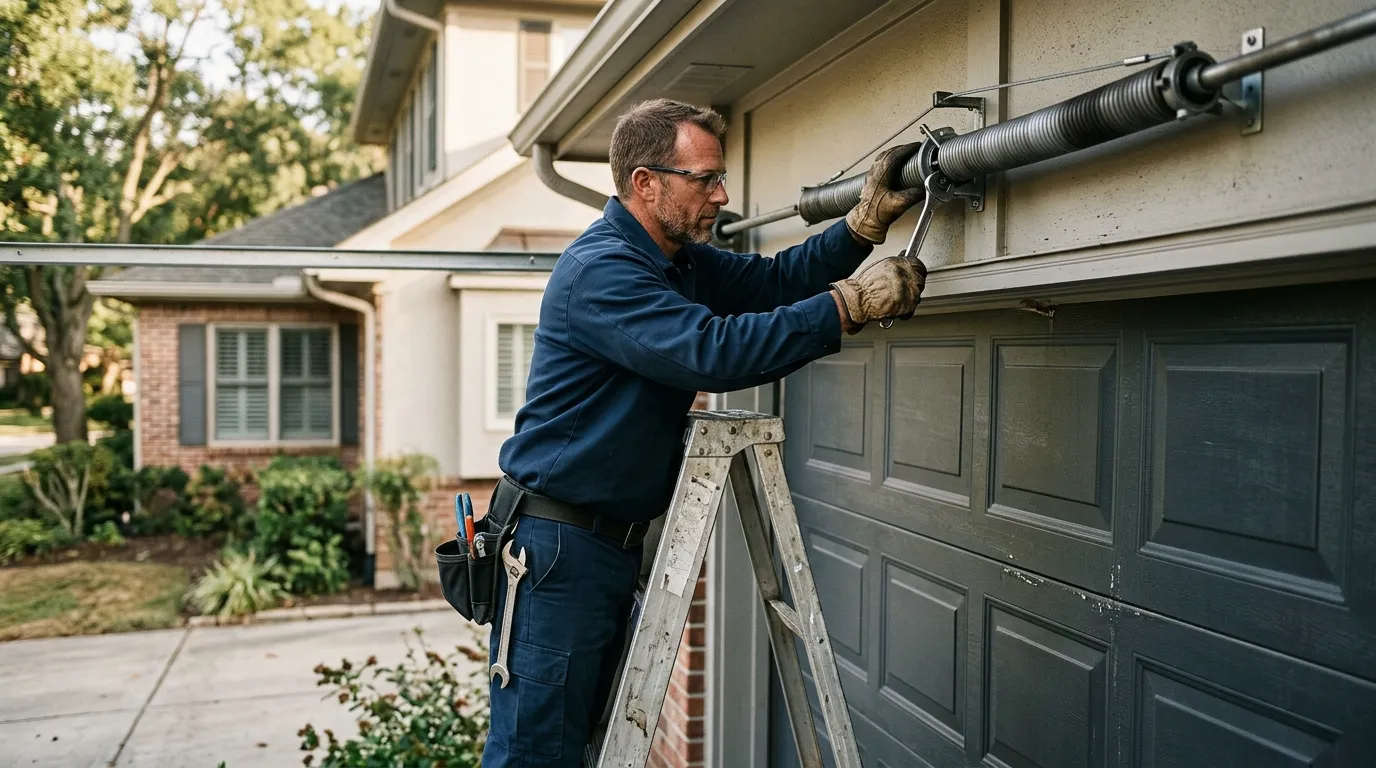
Playa del Rey sits about four miles north-northwest of our home base, and like most of the service area it falls inside a housing stock that runs from 1947 up through the 2010s, with a lot of the underlying construction dating to the 1960s and 70s. That matters for garage doors because the openers, tracks, and spring systems installed in that era were built to specs that have since changed twice over. A door original to a 1960s build in this pocket is usually a single steel panel on a torsion spring mounted overhead, not the newer extension-spring setups you see in tract construction from the 90s onward. If a house here hasn't been touched since it was built, the hardware behind that door is older than the owner in a lot of cases. We don't guess at what's back there - we open the housing and look, because two doors that look identical from the driveway can have completely different spring counts and drum sizes depending on which decade they went in.
What We Get Called For
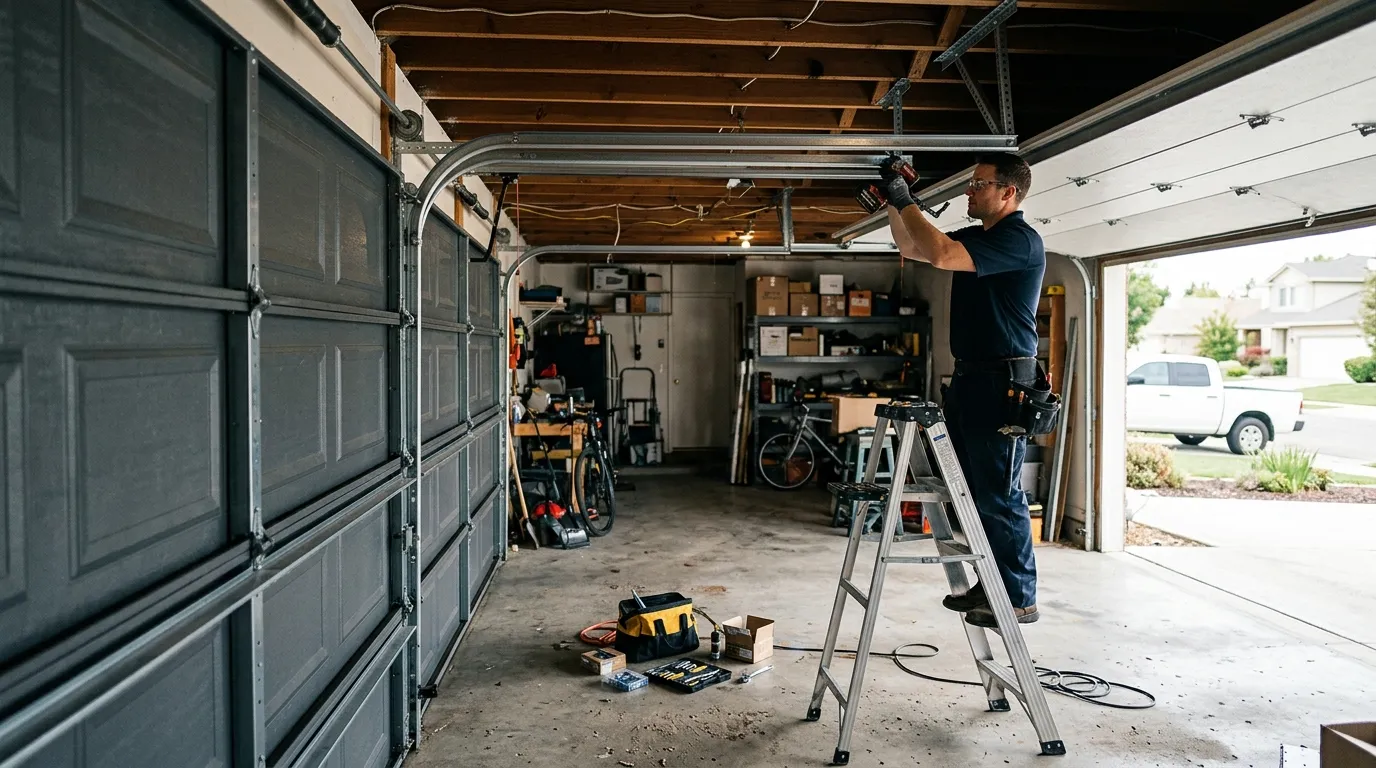
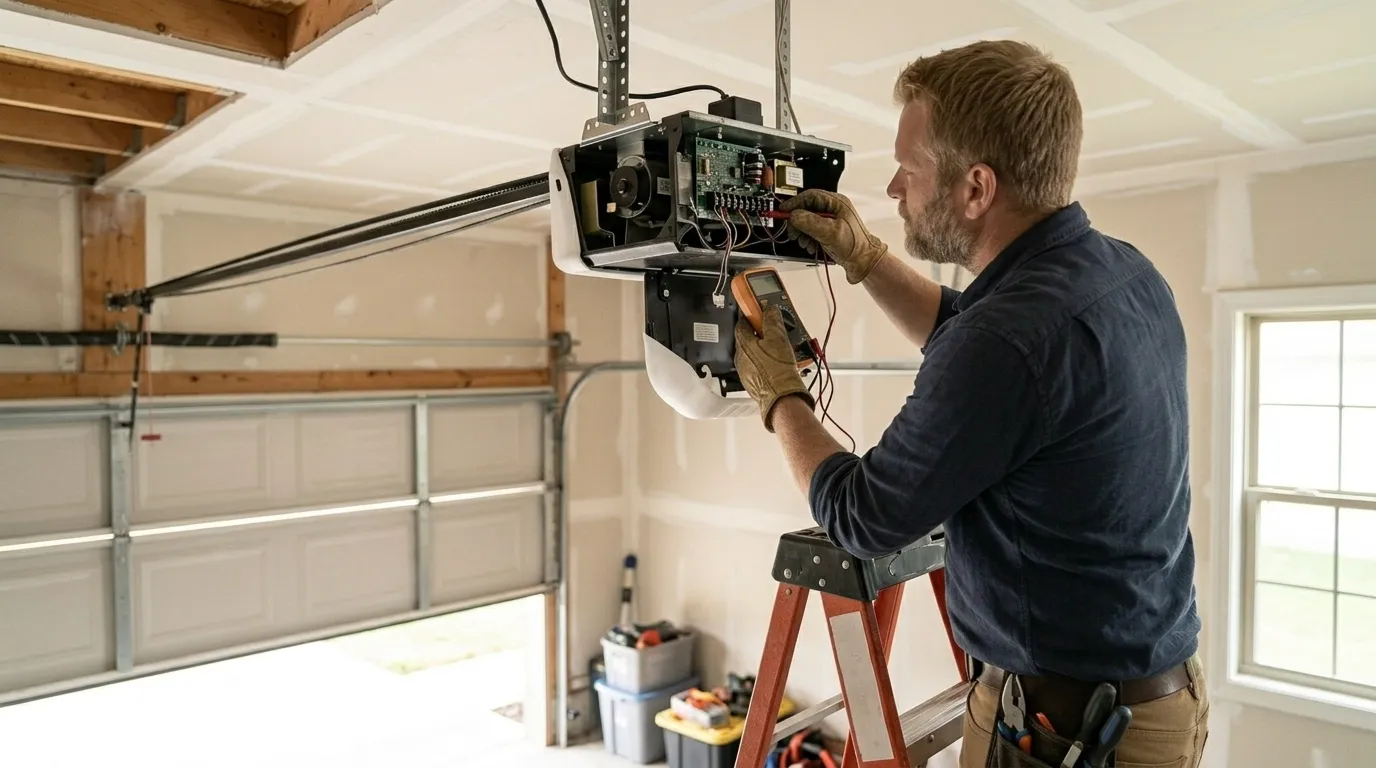
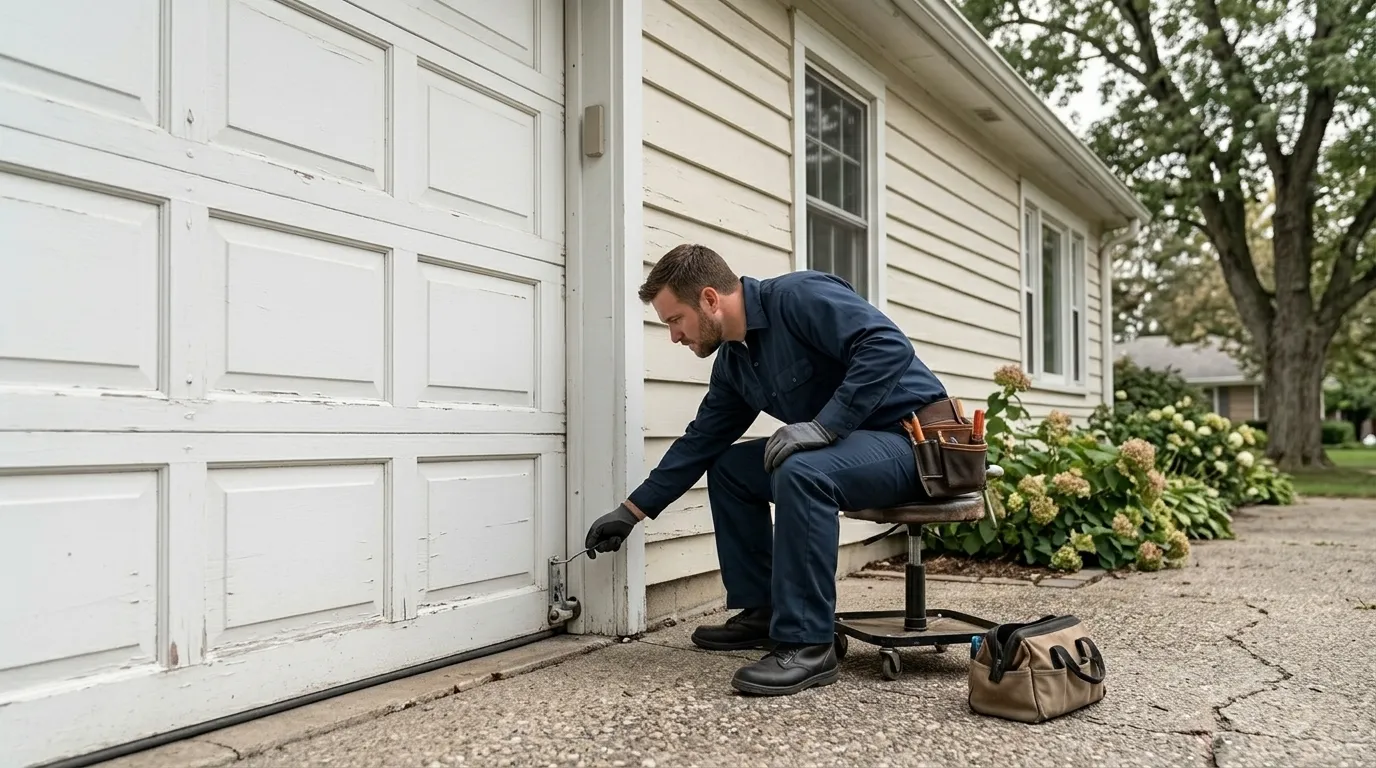
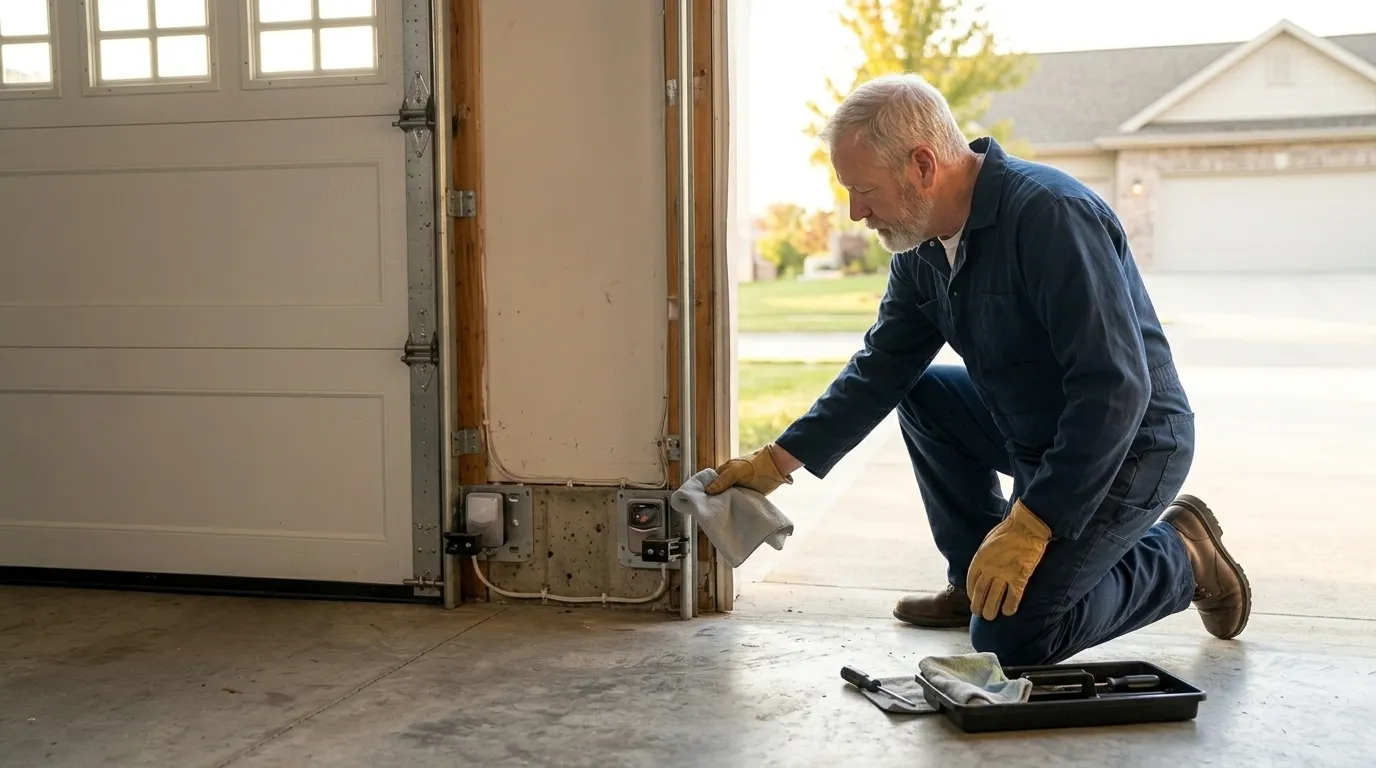
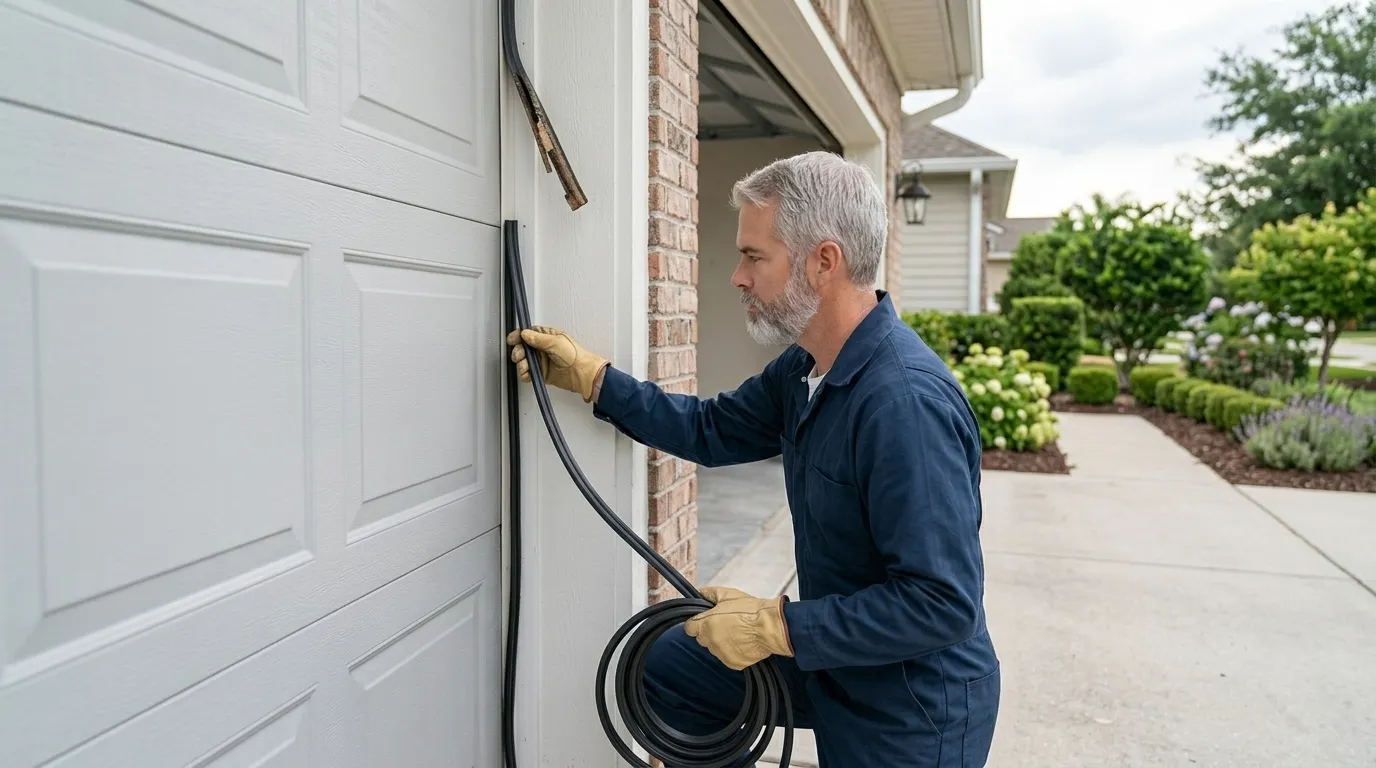
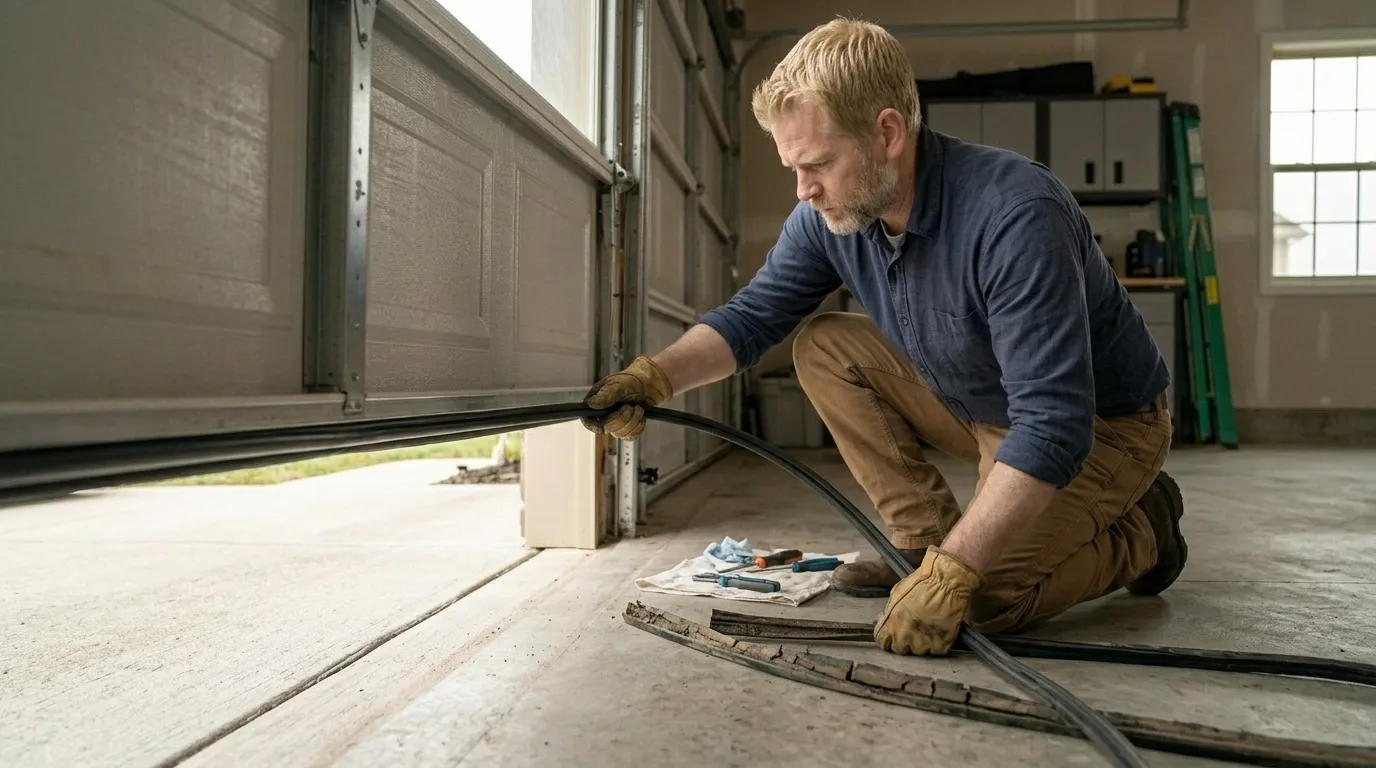
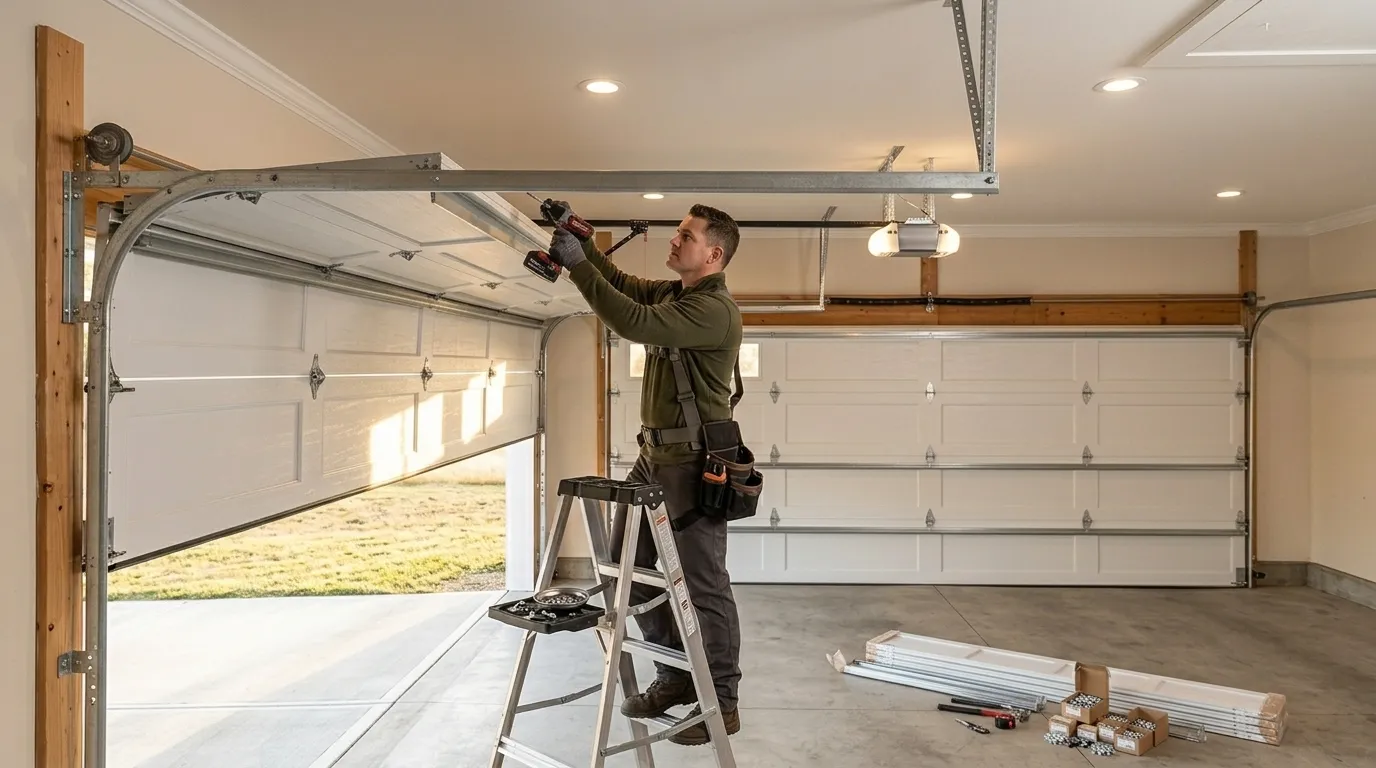
Most of the calls we take from this pocket are torsion spring failures on older single-panel doors, worn rollers that have started binding in the track, and openers that are simply past their working life - not broken outright, just tired. We also get calls where the fix turns out to be smaller than expected, a misaligned safety sensor or a loose track bracket, and we'll say so rather than sell a bigger job. One honest limit: if a door's track or panel is bent badly enough, or the spring system is an obsolete size, sometimes replacement is the better call than repair, and we'll tell you that instead of patching something that'll fail again in a year.