This Area's Housing
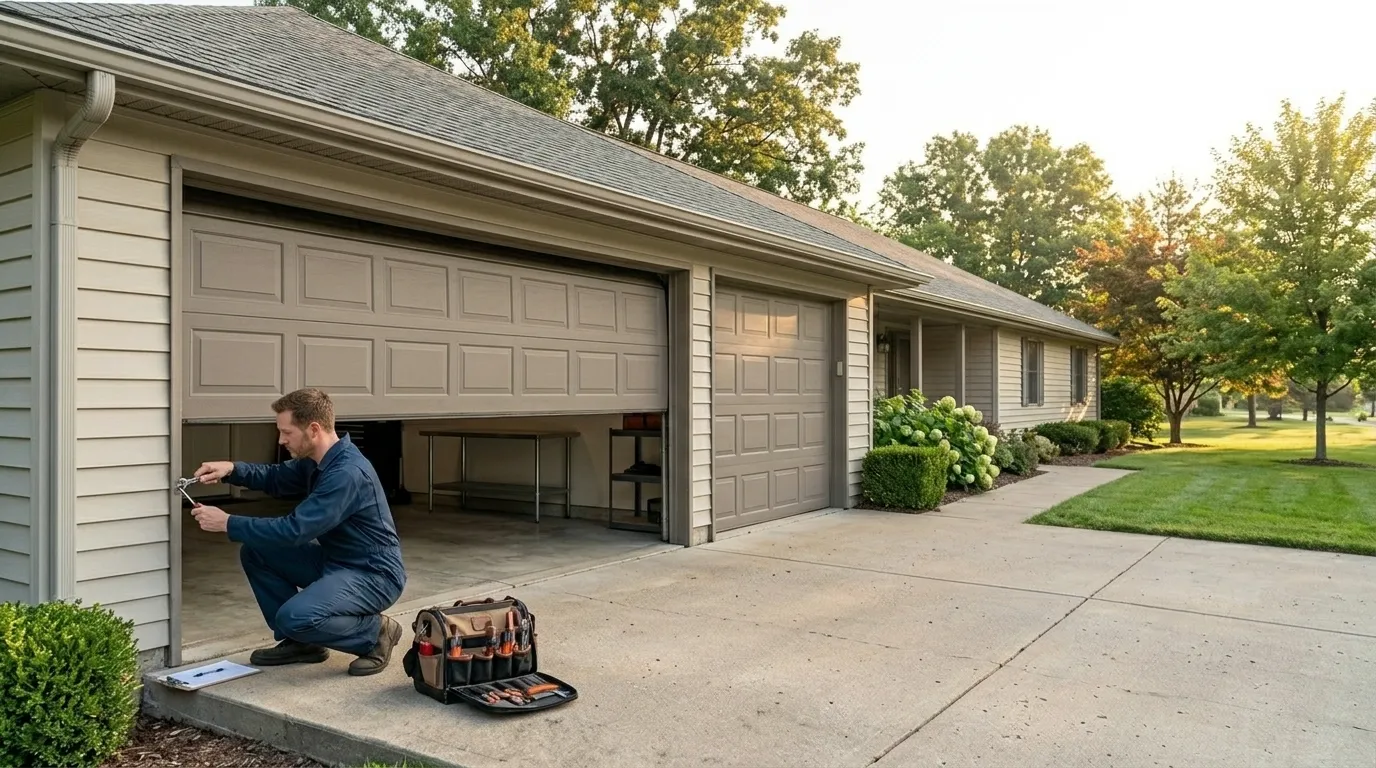
El Segundo's housing stock centers on 1963, right at the median for the wider service area we cover. That's not a coincidence of timing so much as a build wave: a lot of these houses went up within a few years of each other, which means a lot of them still carry the same garage door hardware the builder specified. With 7,125 households in the area, you'd expect more variety than you actually find. What you get instead is streets full of doors that were installed, replaced, or patched on roughly the same schedule, so when one neighbor's spring goes, the one three doors down is usually not far behind. Median household income here runs $149,149, well above the wider area's $94,152, and that shows up in how these doors get maintained - more owners replace an aging opener before it strands them, fewer let a cracked panel ride for years. We don't guess at any of this from a satellite photo; it's what 1963-vintage stock plus higher discretionary income actually produces on a call.
Older vs Newer Streets
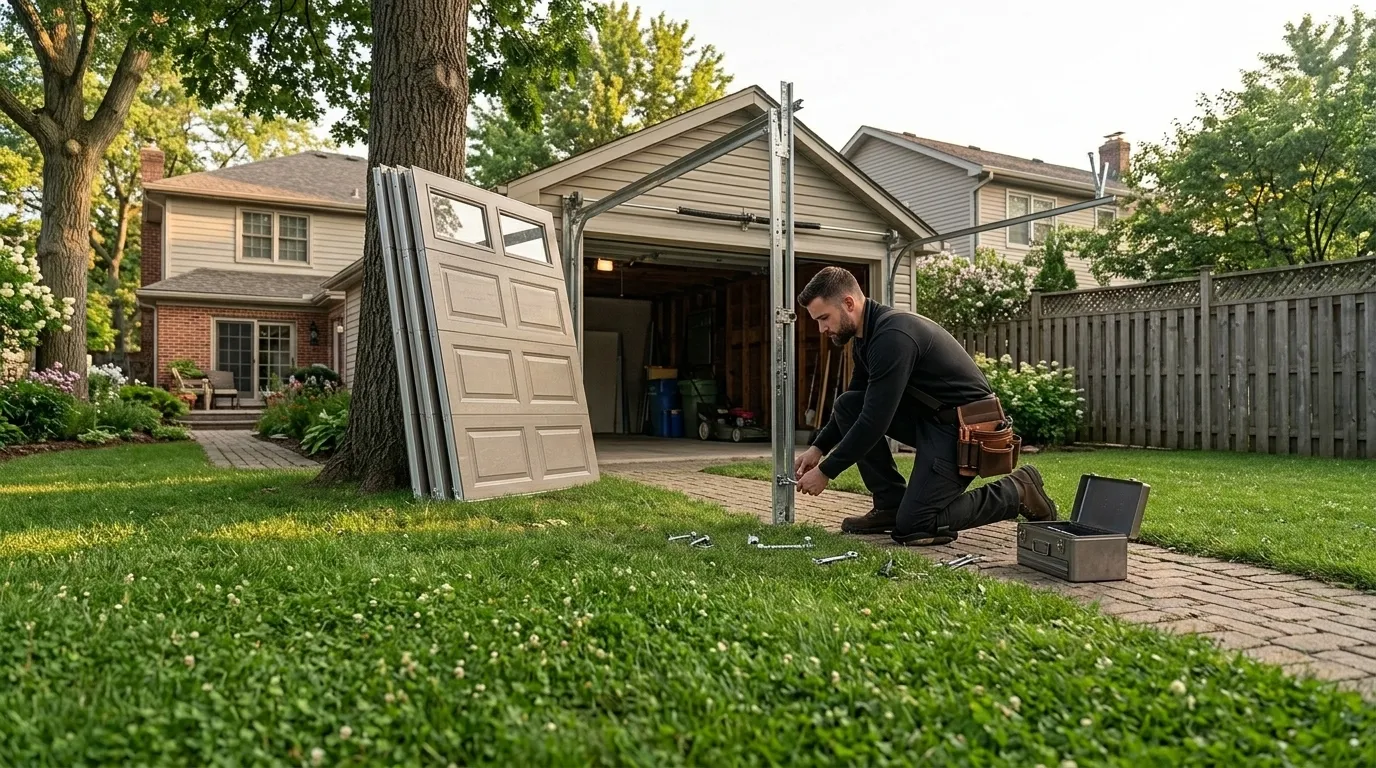
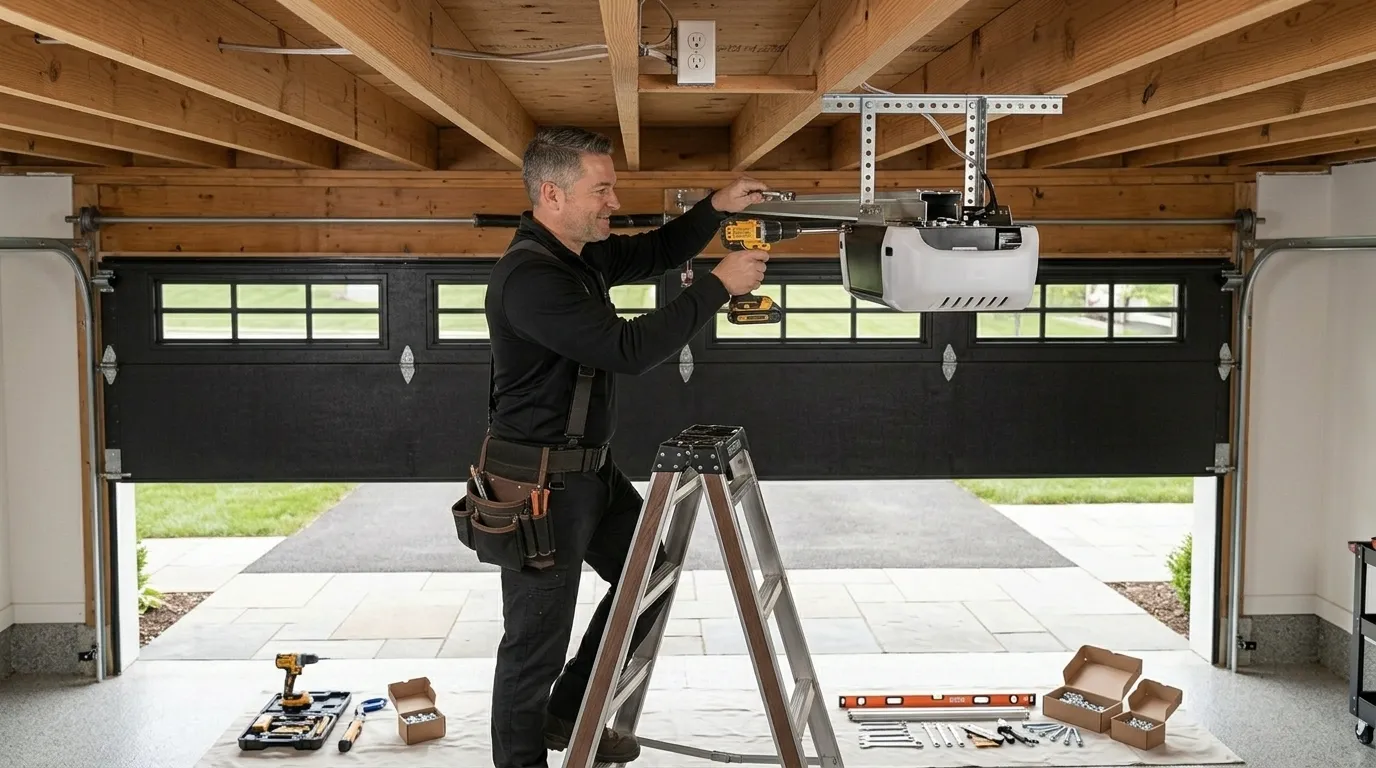
The service area spans housing built anywhere from 1947 to 2012 across 24 named communities, and El Segundo's own median lands at 1963 - squarely in the older half of that range. That matters because a door installed in the early '60s was almost never touched again structurally; it might have a replacement opener bolted onto original track, or original springs still doing the job forty years past their rated cycle count. Newer streets elsewhere in the area, built closer to 2012, come with pre-drilled steel jambs and opener-ready wiring already run. El Segundo doesn't have much of that. What it has is a lot of houses where the door and the house are close to the same age, and where the last person to touch the hardware wasn't necessarily a licensed installer.
How That Shows Up in the Door
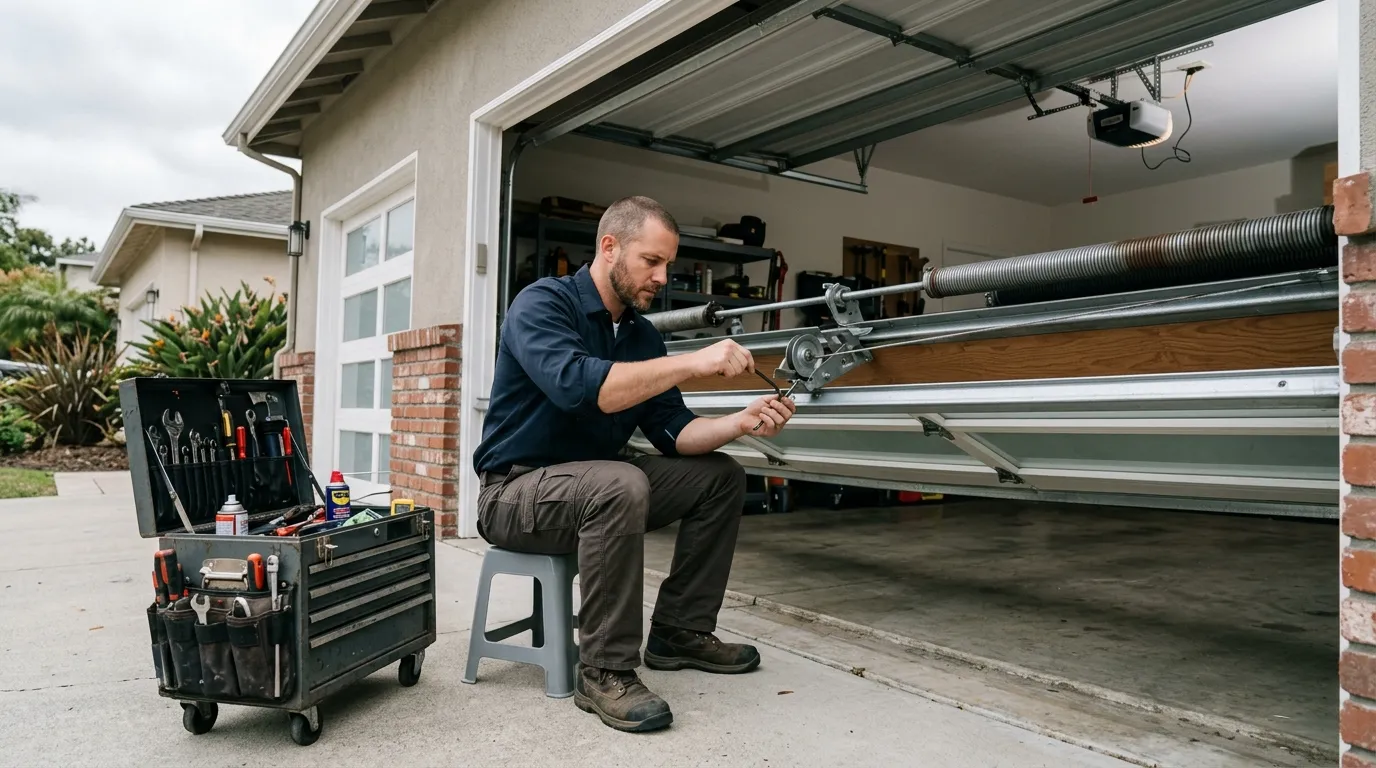
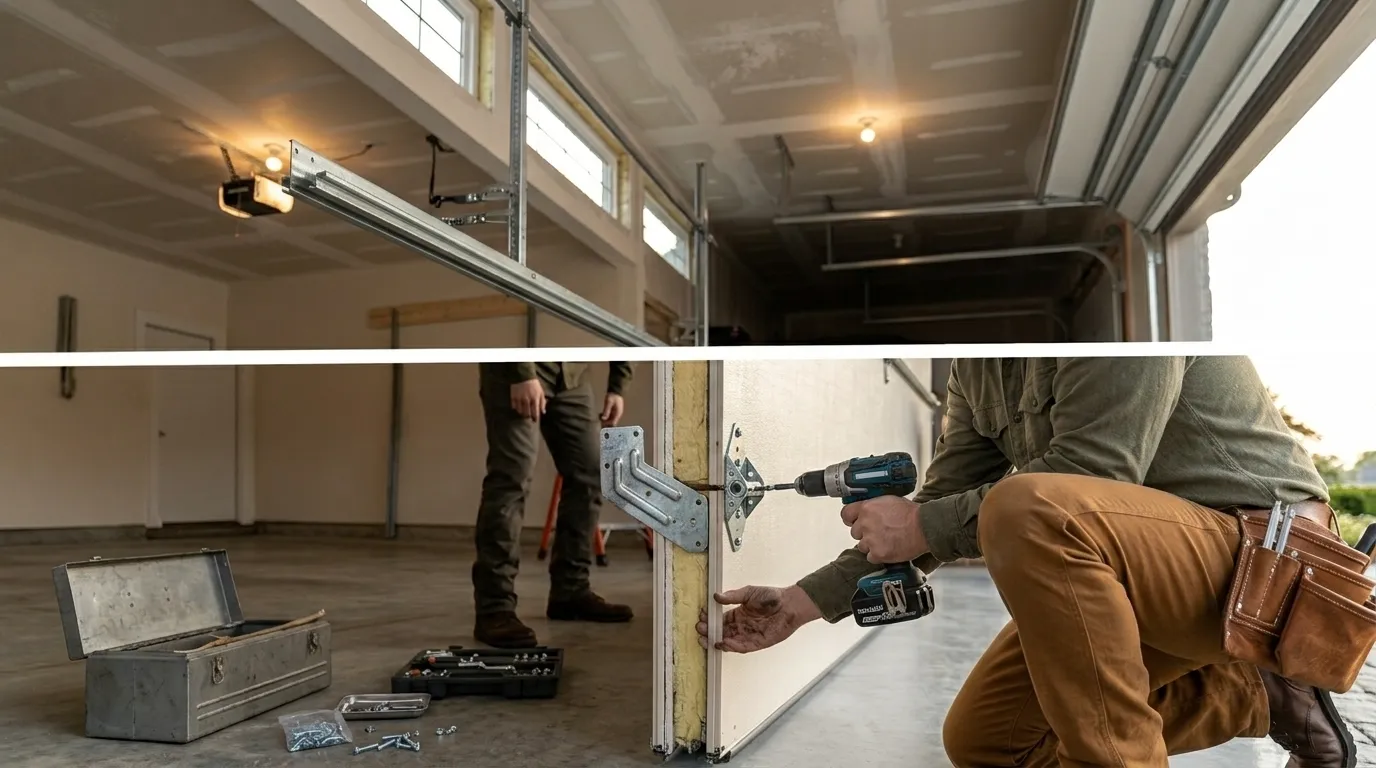
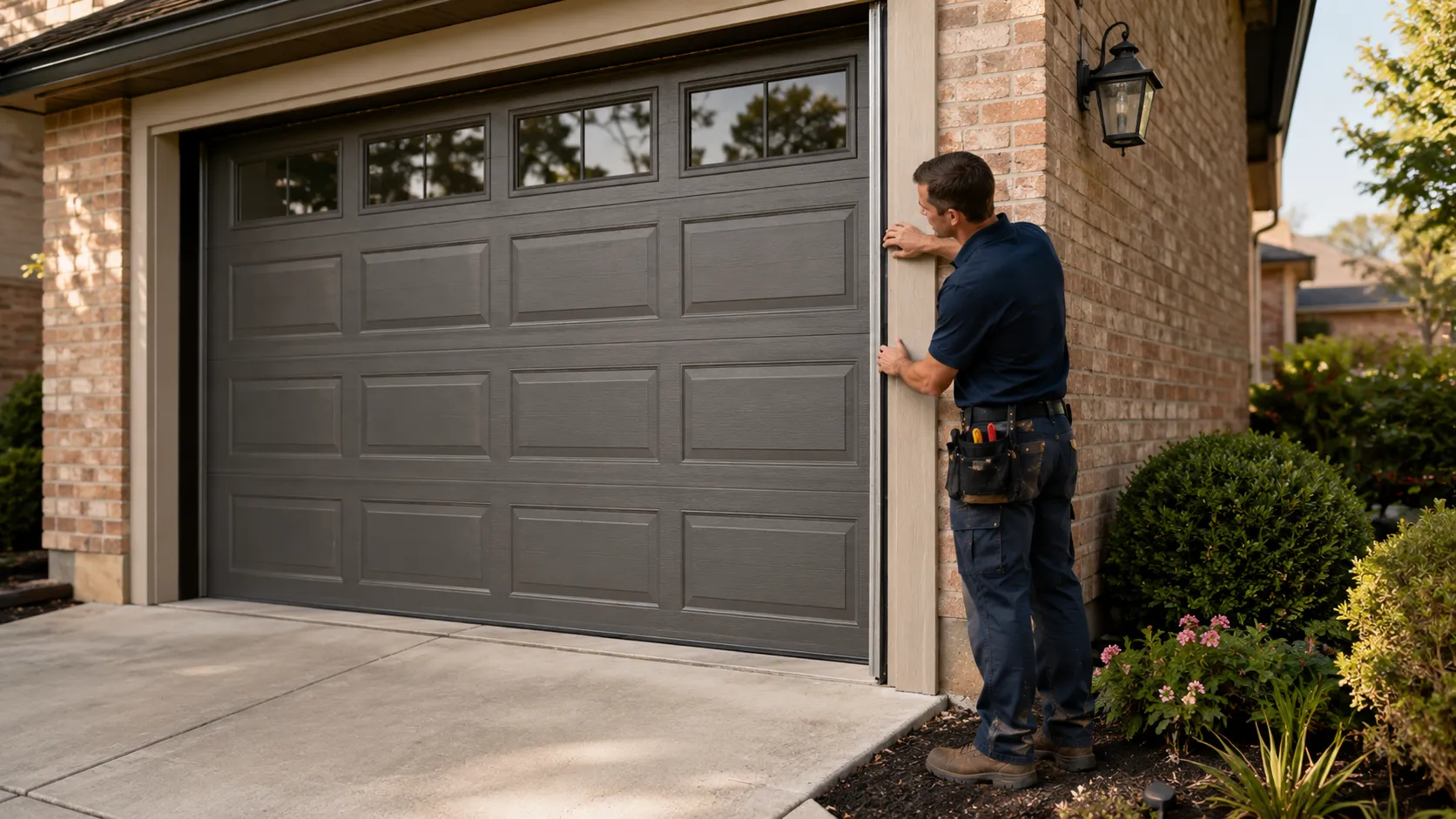
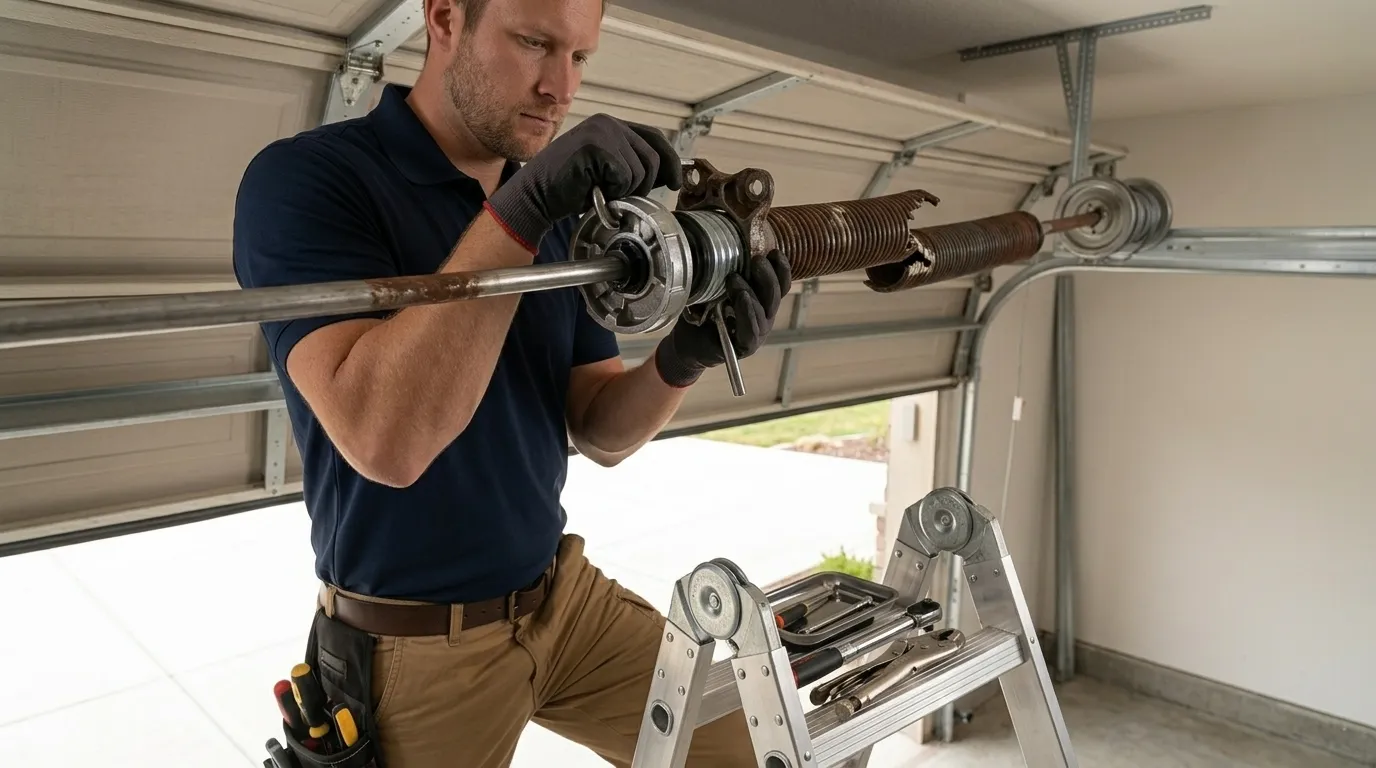
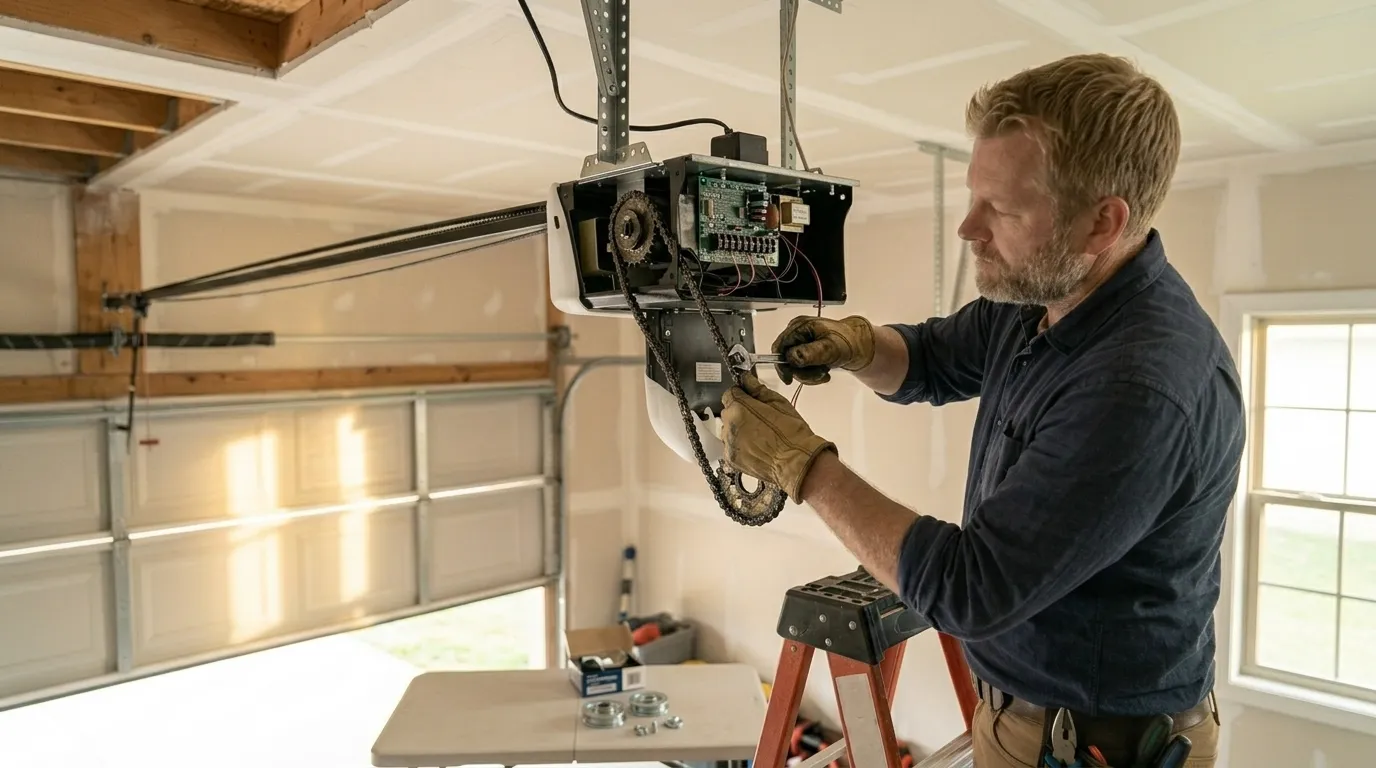
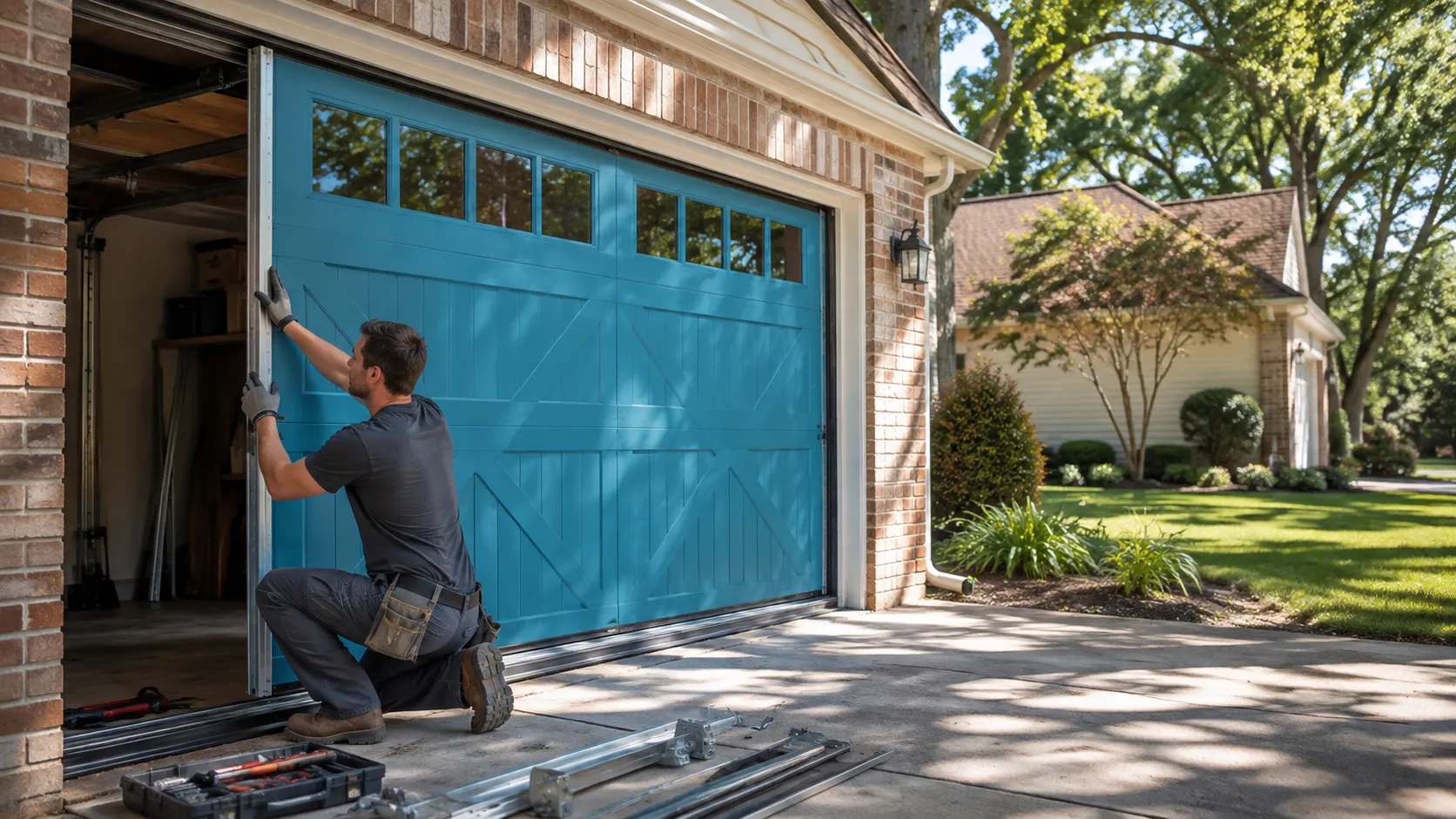
On a 1963 house, the two calls we see most are torsion springs sized for a lighter door than what's currently hanging, and tracks bent from decades of a roller riding slightly off-center. Original hardware from that era often used a single spring on a double door, which was normal then and is undersized now if anyone's swapped in a heavier insulated panel since. We'll tell you straight when a repair isn't worth doing - if the drum, spring, and track are all original and one fails, patching just the failed part usually means you're back out again within a year or two, and replacing the full system costs less than two separate service calls. That's not a sales pitch, it's just what the math looks like on hardware this age.