This Area's Housing
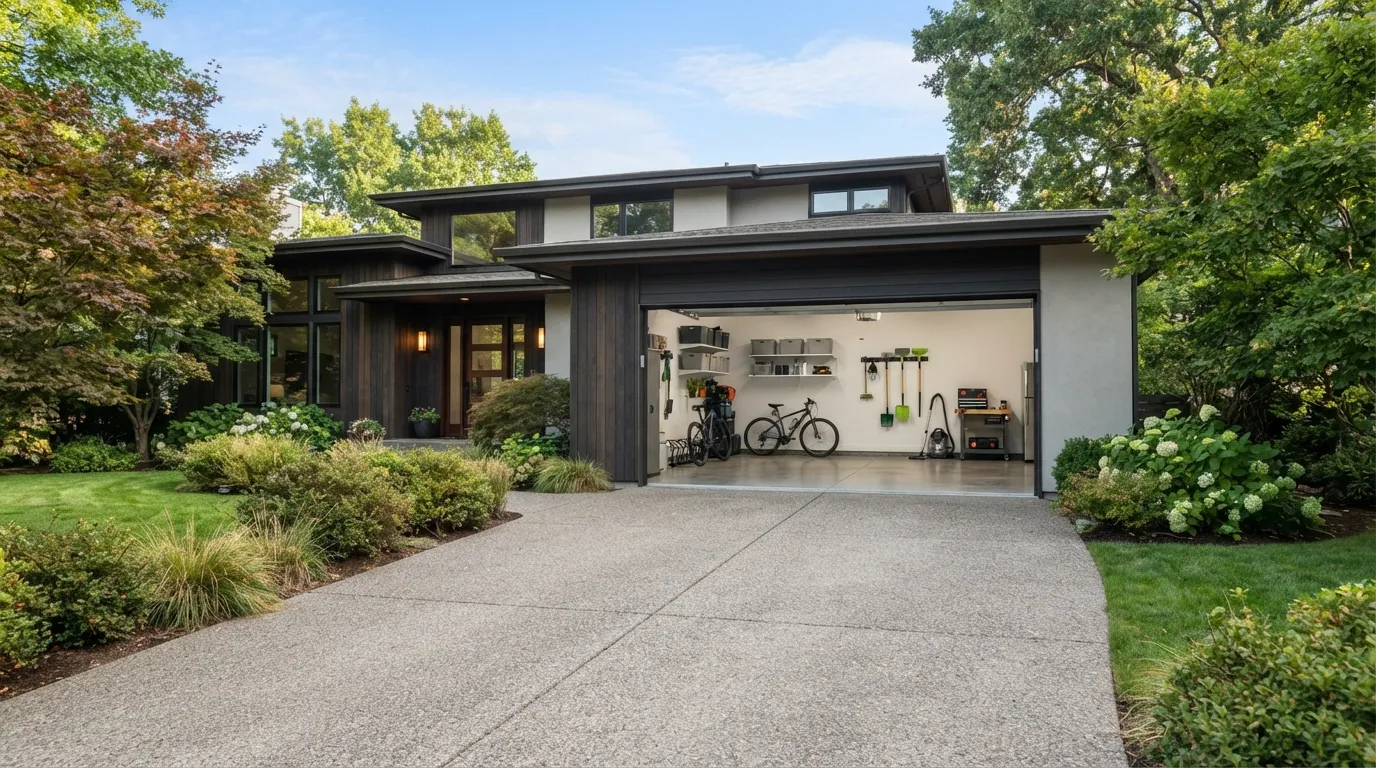
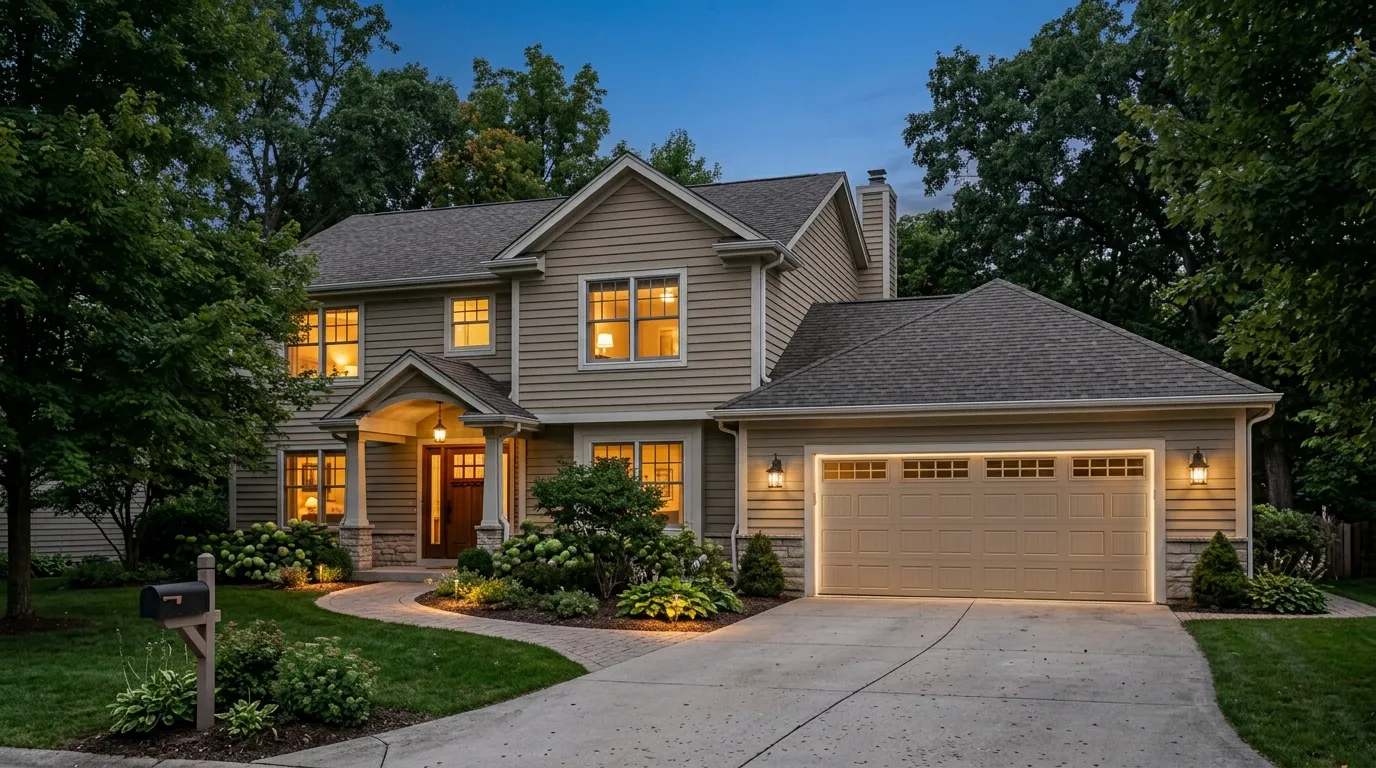
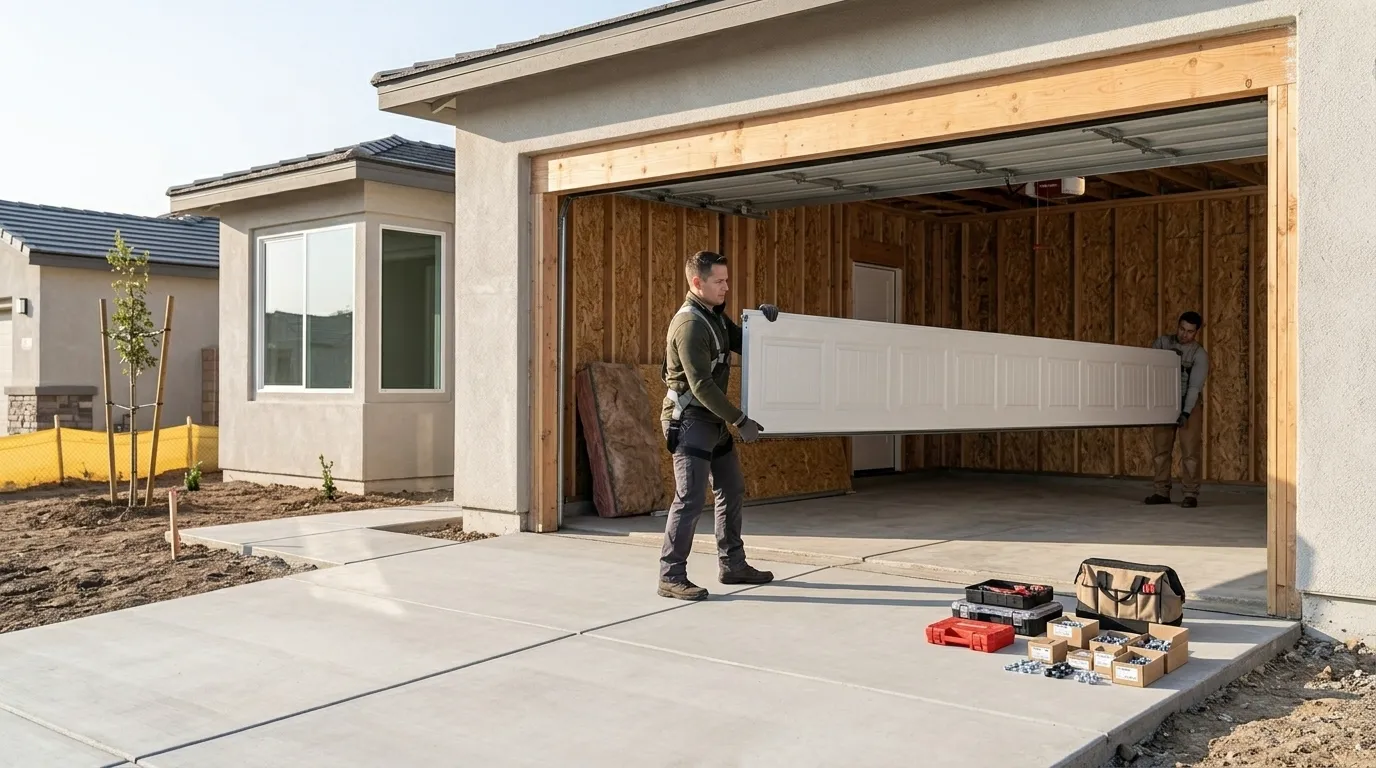
Rolling Hills Estates runs newer than most of the neighborhoods we cover. The median build year here lands around 1970, a few years past the 1963 median for the wider service territory, and it shows in the hardware we find on the truck. Across the broader area the housing stock skews to a mix of 1960s and 70s construction spread over two dozen named neighborhoods, but this particular pocket tends toward the later end of that range - more torsion-spring setups, fewer of the extension-spring doors that were still common a decade earlier. With 2,734 households and a median income of $187,500, well above the roughly $94,152 median across the rest of the territory, this is also a place where owners tend to replace rather than patch once a door starts giving trouble. That changes what kind of calls we get. Fewer emergency spring snaps on decades-old hardware, more requests to swap an aging steel door for something with better insulation or a quieter belt-drive opener. The mild coastal climate here doesn't stress hardware the way freeze-thaw regions do, so when a door fails at this build age it's almost always wear or a bad install, not weather damage.
Older vs Newer Streets
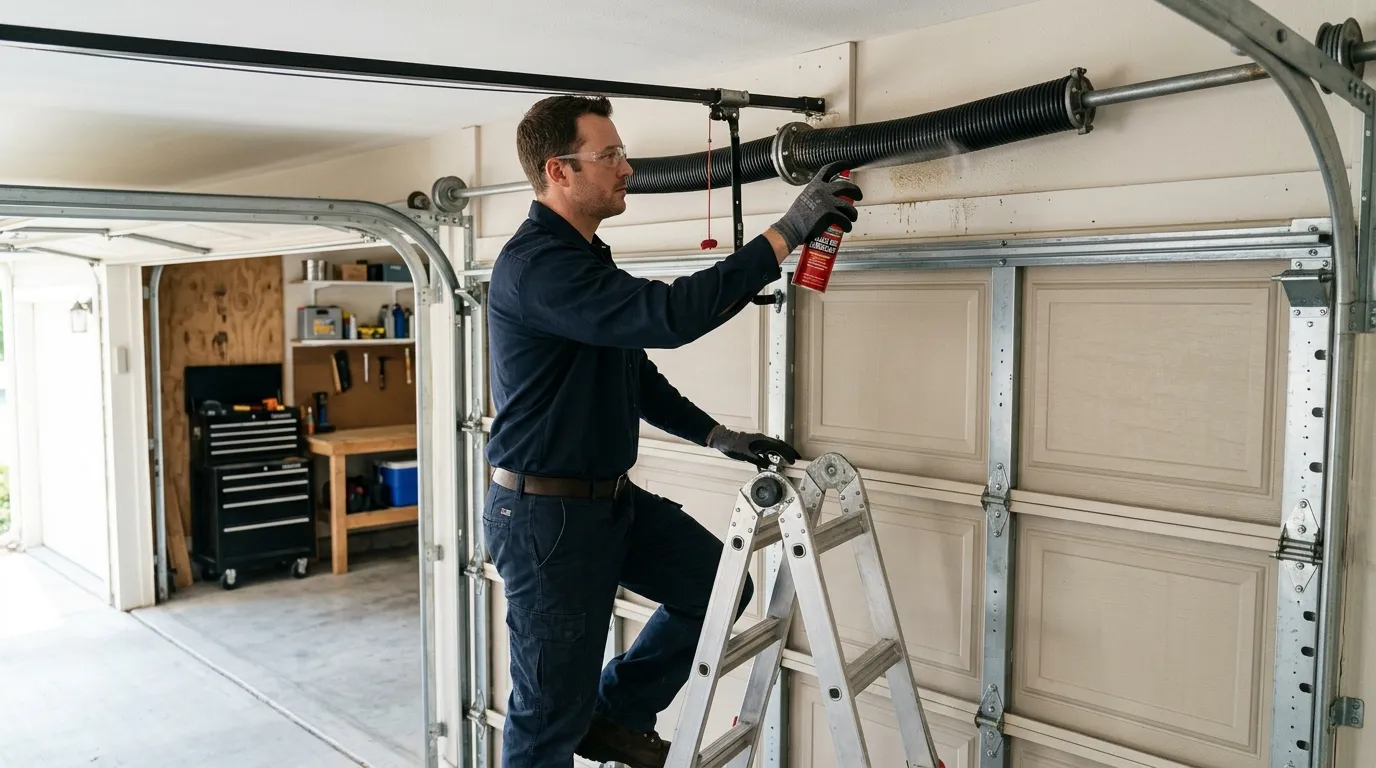
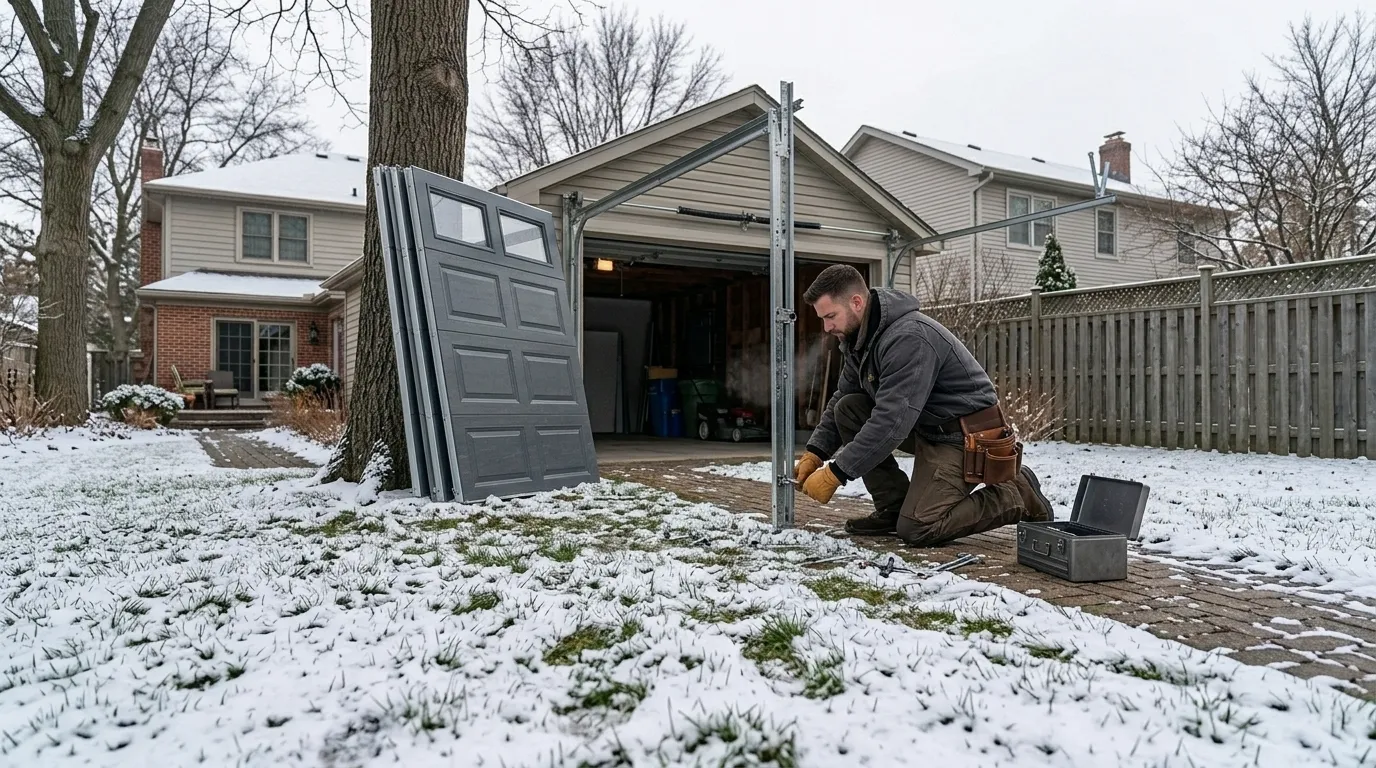
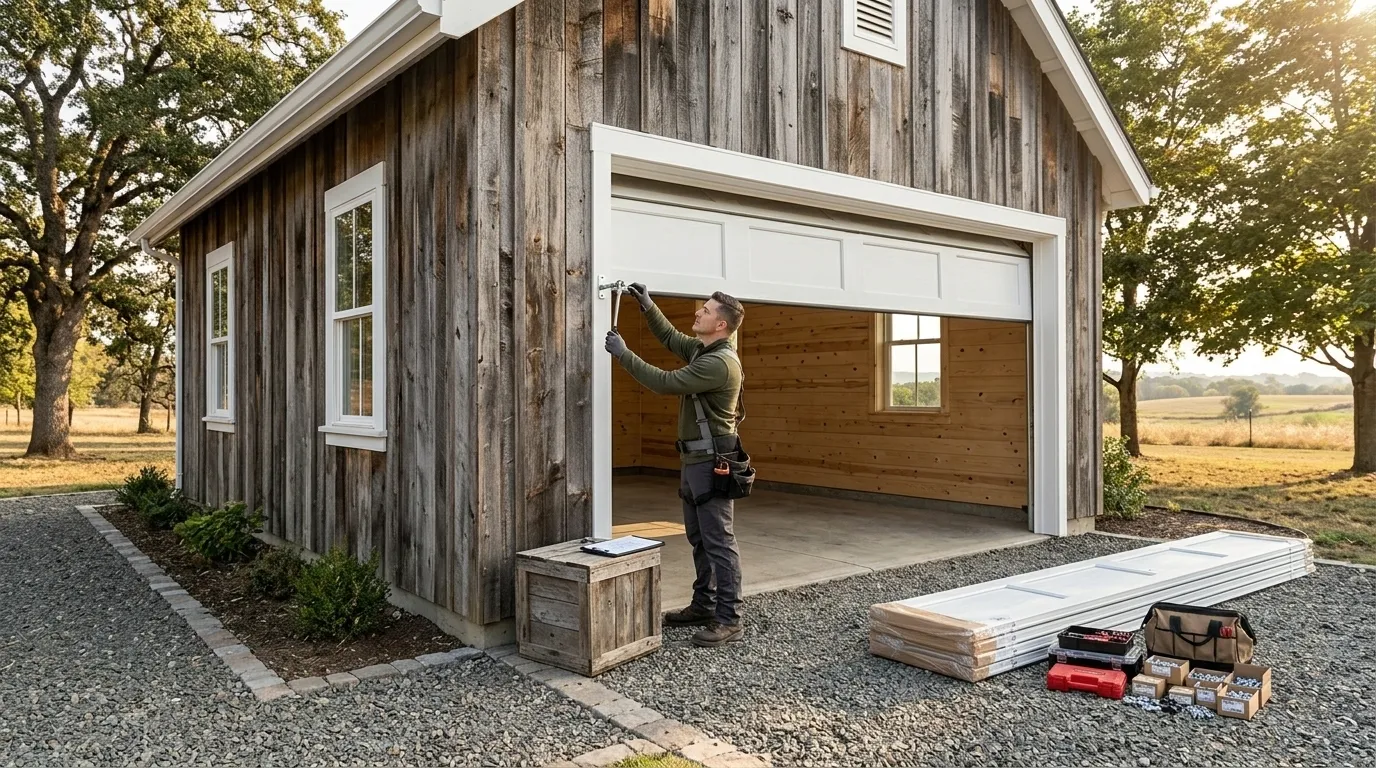
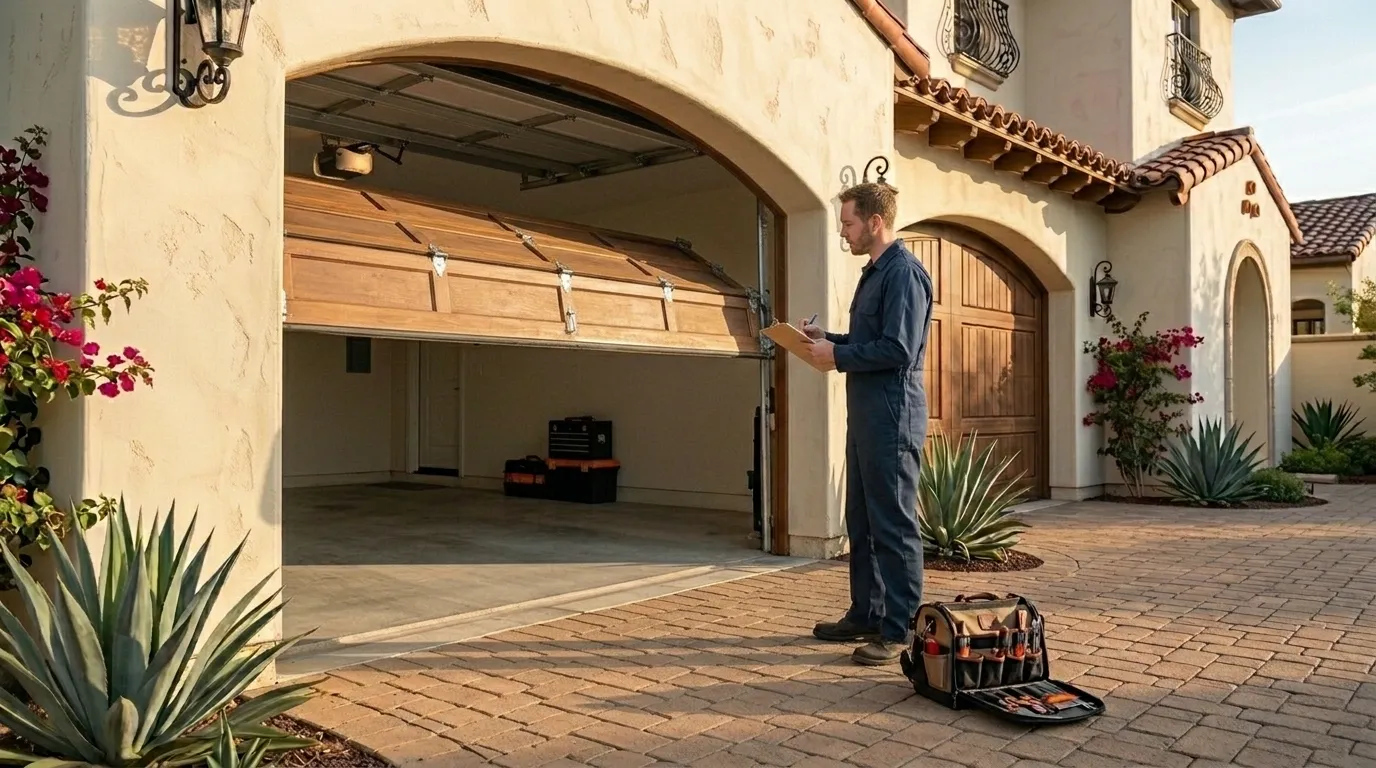
Not every block in Rolling Hills Estates was built in the same stretch of years, even though the area's median sits around 1970. The earlier pockets, closer to that 1960s wave the rest of the service territory shares, still carry original two-piece or three-piece wood sectional doors on extension-spring hardware bolted to the header. The later streets, built as the area filled in toward the 1970s and beyond, are far more likely to have steel sectional doors on torsion springs mounted over the opening - the setup that became standard once builders moved past the older extension-spring style. That split matters for parts. Torsion hardware is common stock; extension-spring assemblies and the older wood panel sizes are not something every supplier carries off the shelf, and a repair on one of the older doors can mean a longer wait for the right bracket or cable drum than a repair on a newer torsion setup down the street. We'll tell you upfront if a part's on backorder rather than promise a date we can't hit.
How That Shows Up in the Door
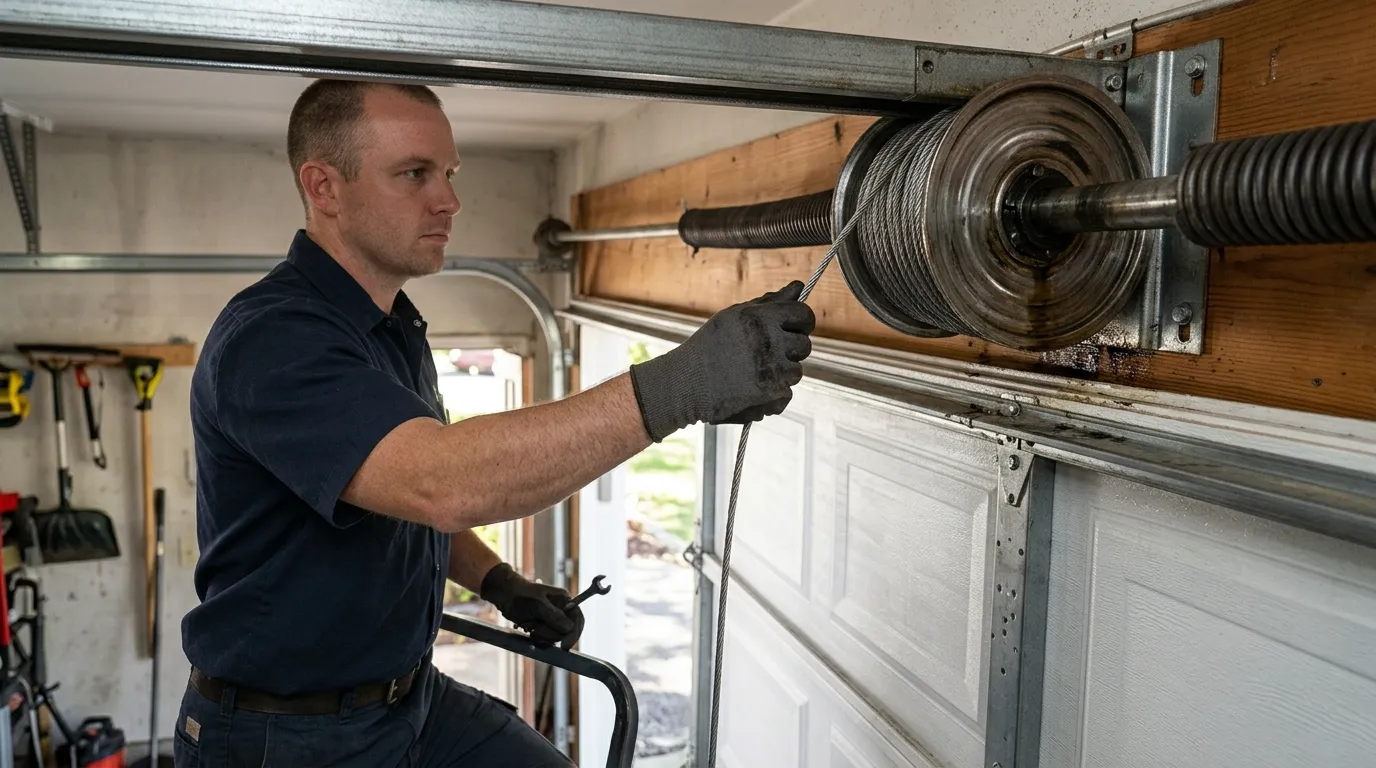
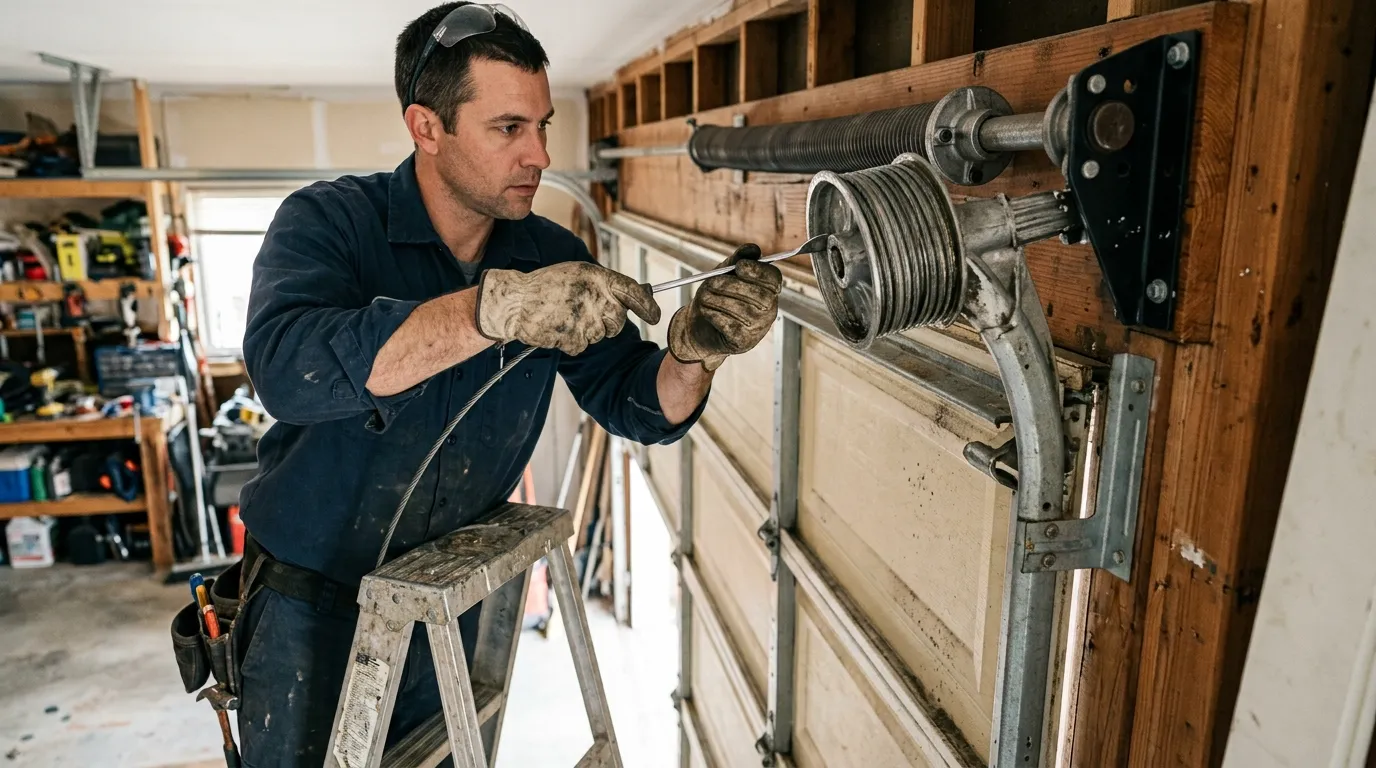
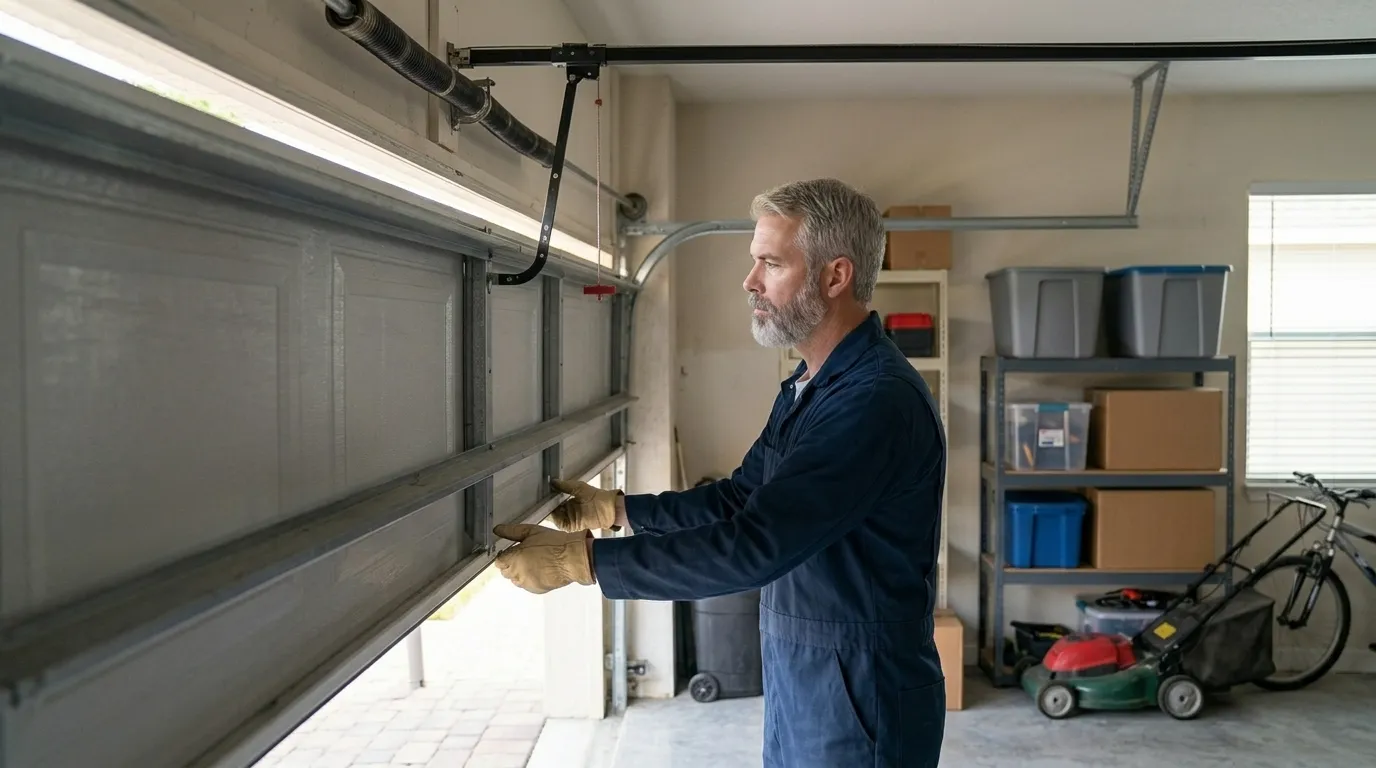
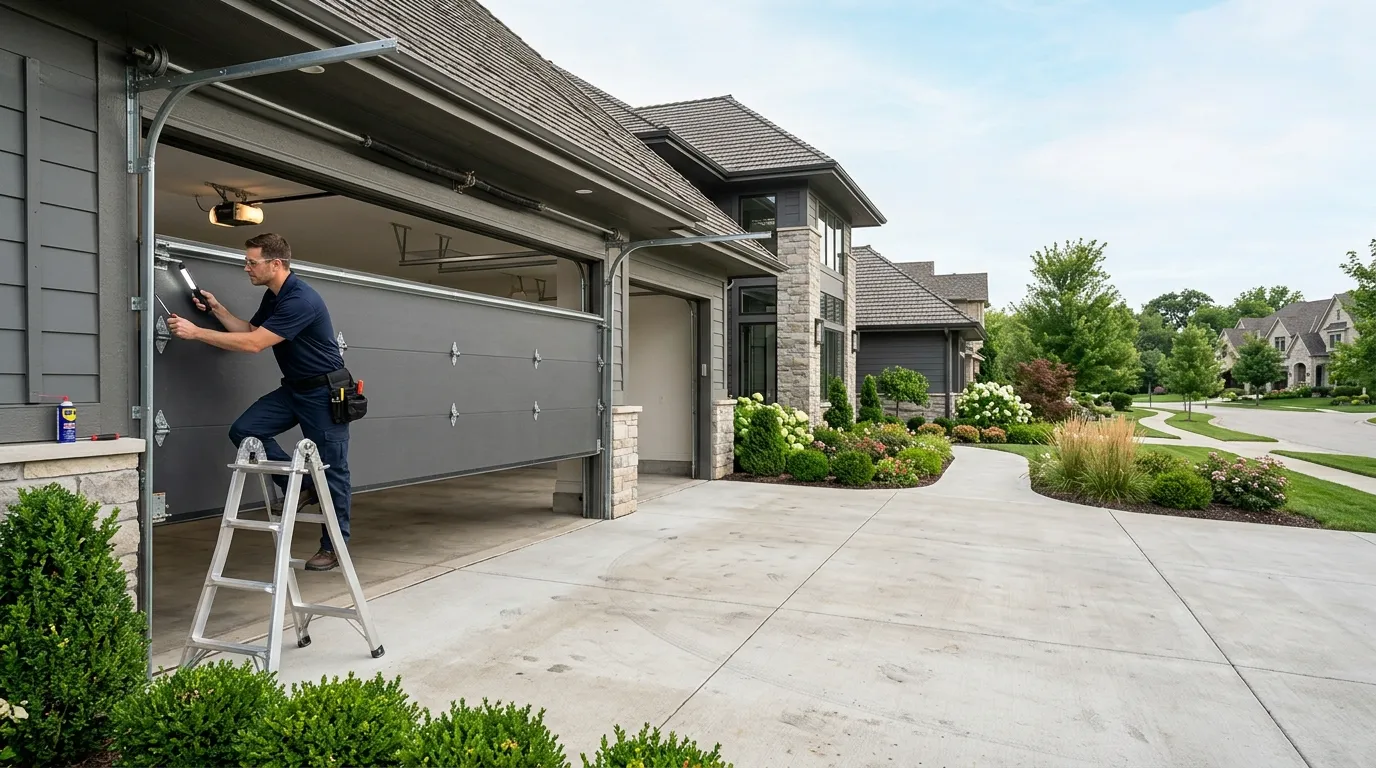
On the older streets, the calls tend to be about weight and wear - a wood panel door sagging at the bottom corner, an extension spring stretched past its life, a cable frayed where it wraps the drum. These doors are heavier than what came after them, and the hardware holding them up wasn't built for a fifty-plus-year service life. On the newer streets, closer to the 1970 median, the doors are lighter steel sections and the failures skew toward opener electronics, worn rollers, and torsion springs that have simply cycled out after decades of use. Neither problem is unique to Rolling Hills Estates, but the mix of both eras on the same set of blocks is what makes a service call here different from a call in a neighborhood that was all built in one decade. We size the fix to the door in front of us, not to a generic playbook - sometimes that means a spring swap, sometimes it means telling you the door's better replaced than patched again.