Why It Happens Here
Housing in this service area was built mostly between 1947 and 2012, with the typical house dating to 1963, and across the 24 named areas we work in the bulk of that stock went up in the 1960s and 70s. That matters for doors because that era is when steel roll-up doors became standard on tract houses, and almost none of them left the factory insulated. Fifty-plus years on, you're looking at a door panel that's thin-gauge, dented from decades of use, and hung on hardware nobody machines anymore - side-mounted torsion springs sized for a door that's heavier now than it was new, thanks to old paint layers and warped panels.
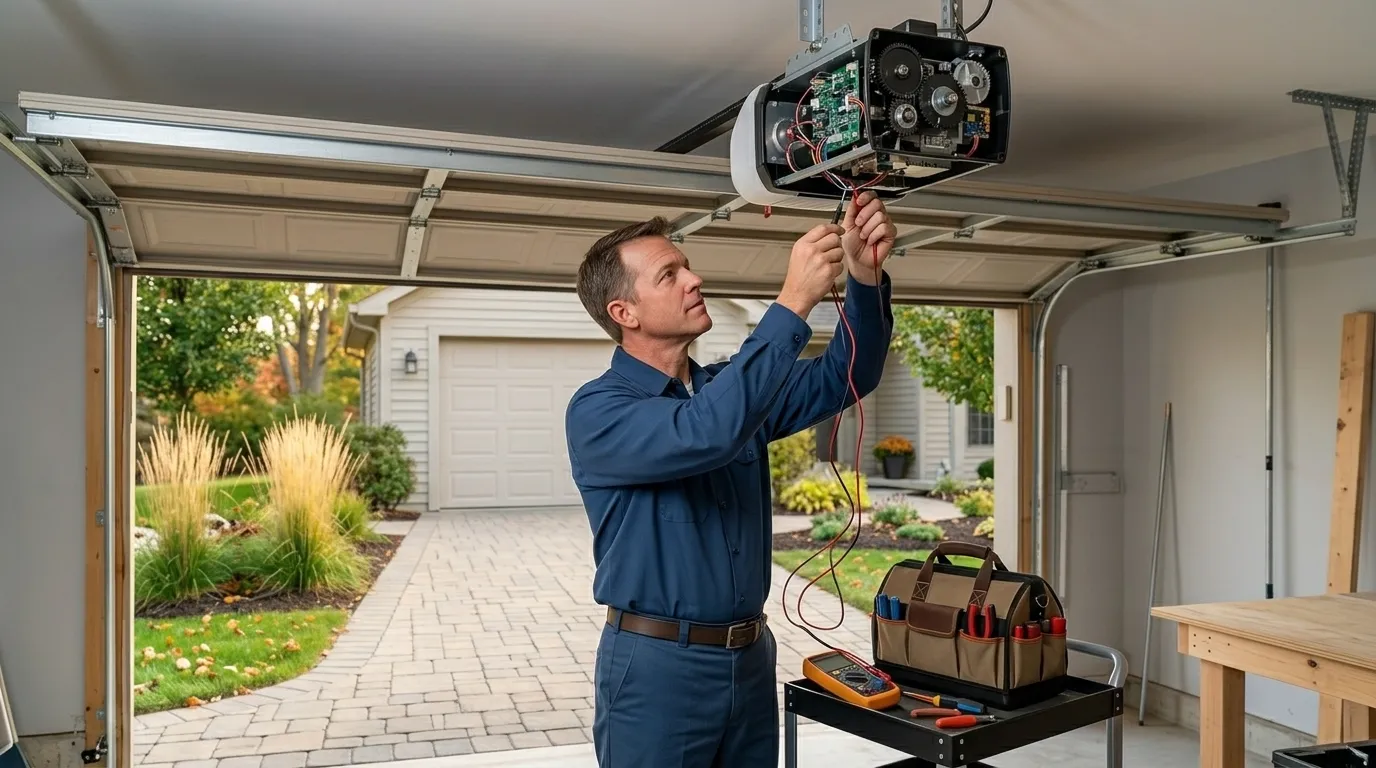
The climate here is mild temperate, so we don't see the rust-through and ice-jammed track failures that installers in colder states deal with every winter. What we do see is UV and age doing slow damage to seals, hinges, and the steel itself, plus openers that are original to the house and were never built for today's smart-home expectations. When a homeowner calls for installation rather than a spot repair, it's usually because the door itself, not just one part, has reached the end of what patching can fix.
The DIY Question
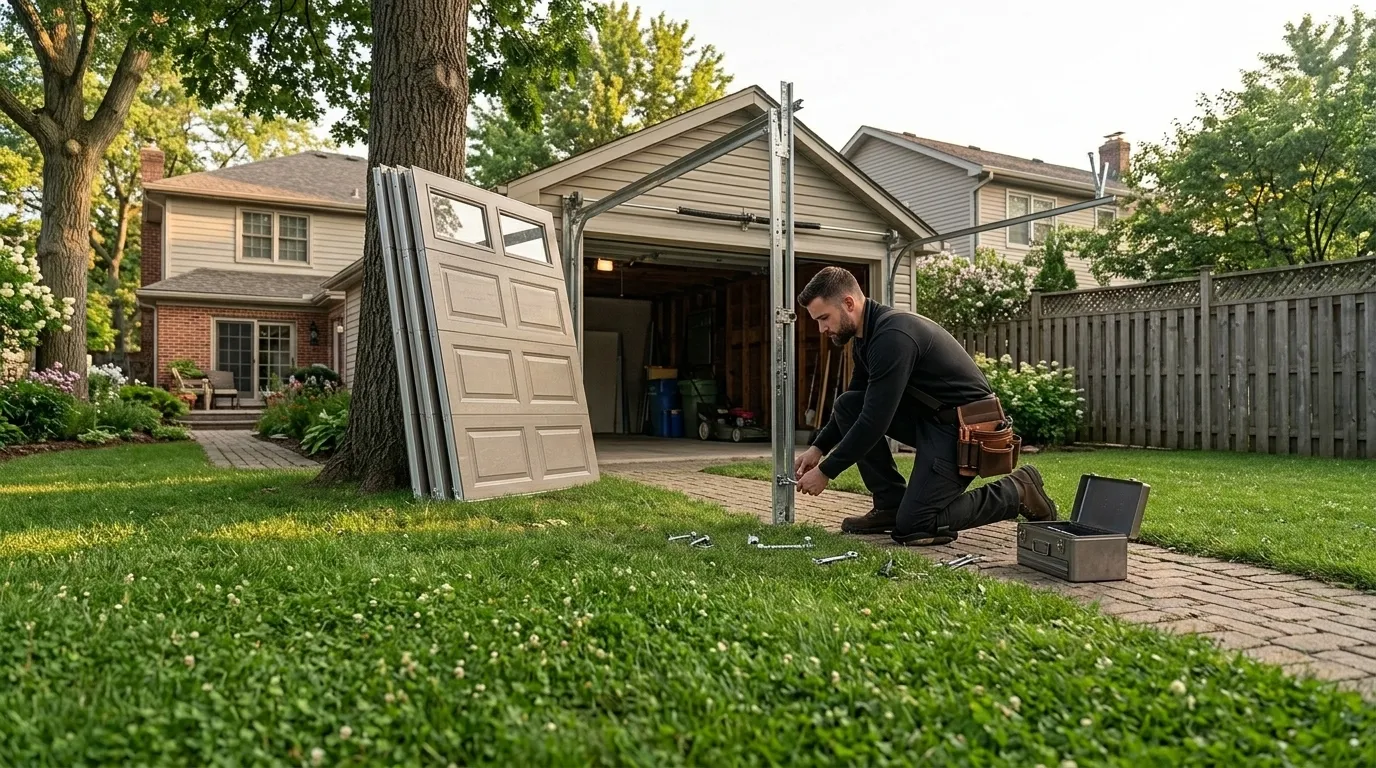
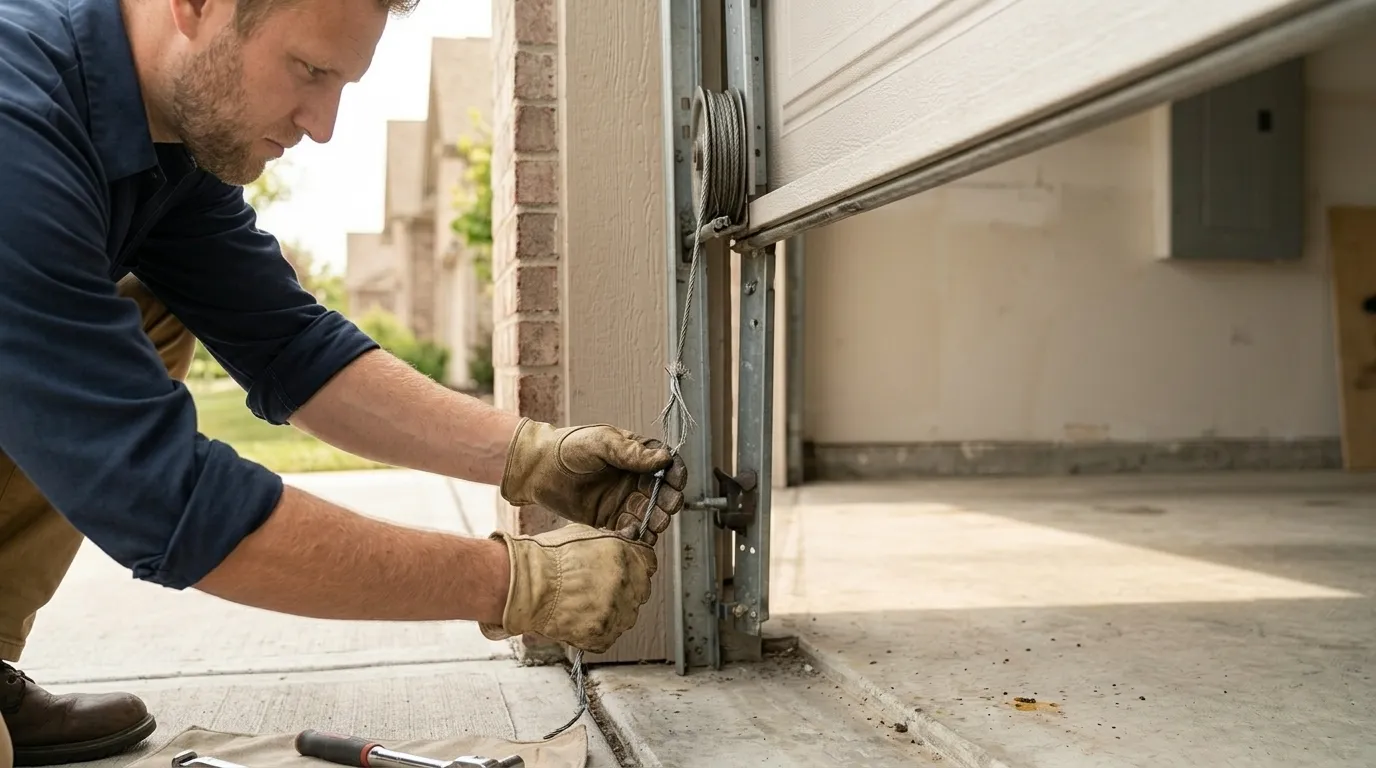
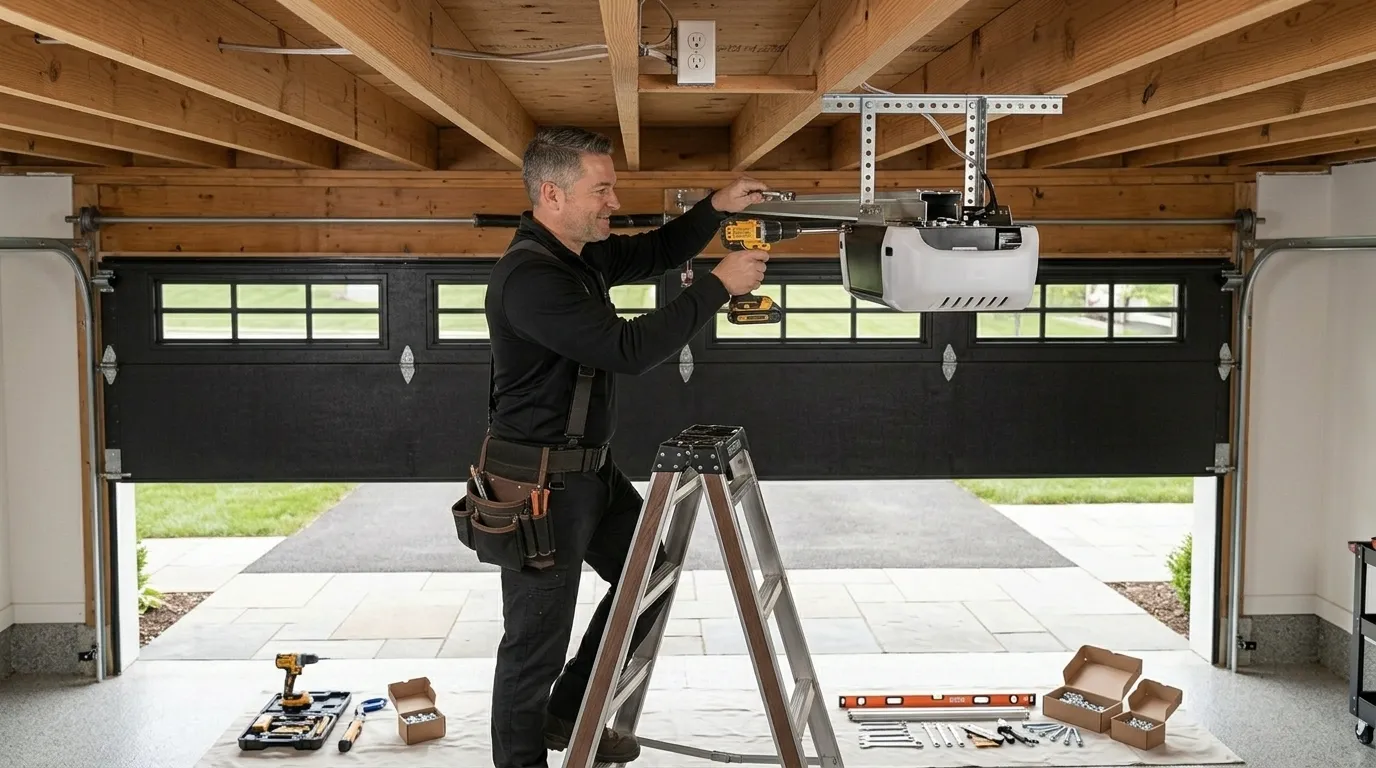
A lot of homeowners ask if they can swap the door themselves, especially after watching a video. For the door slab itself, if you're handy, it's not impossible. For anything touching the torsion spring system - and on a house built in the 60s or 70s that's almost always what you've got - it's not a smart place to save money. Those springs are wound under enough tension to break bones, and the winding bars and cones aren't parts you want to learn on.
Here's the honest limit on our end: if your opening is a nonstandard size, or the door you want is on backorder from the manufacturer, we can't make that faster than the supply chain allows. We'll tell you the real lead time when we quote it rather than promise a date we can't hit. What we won't do is talk you into replacing an opener or track that's still sound just to round out the invoice - if the door's the problem, we fix the door.
What You Are Seeing
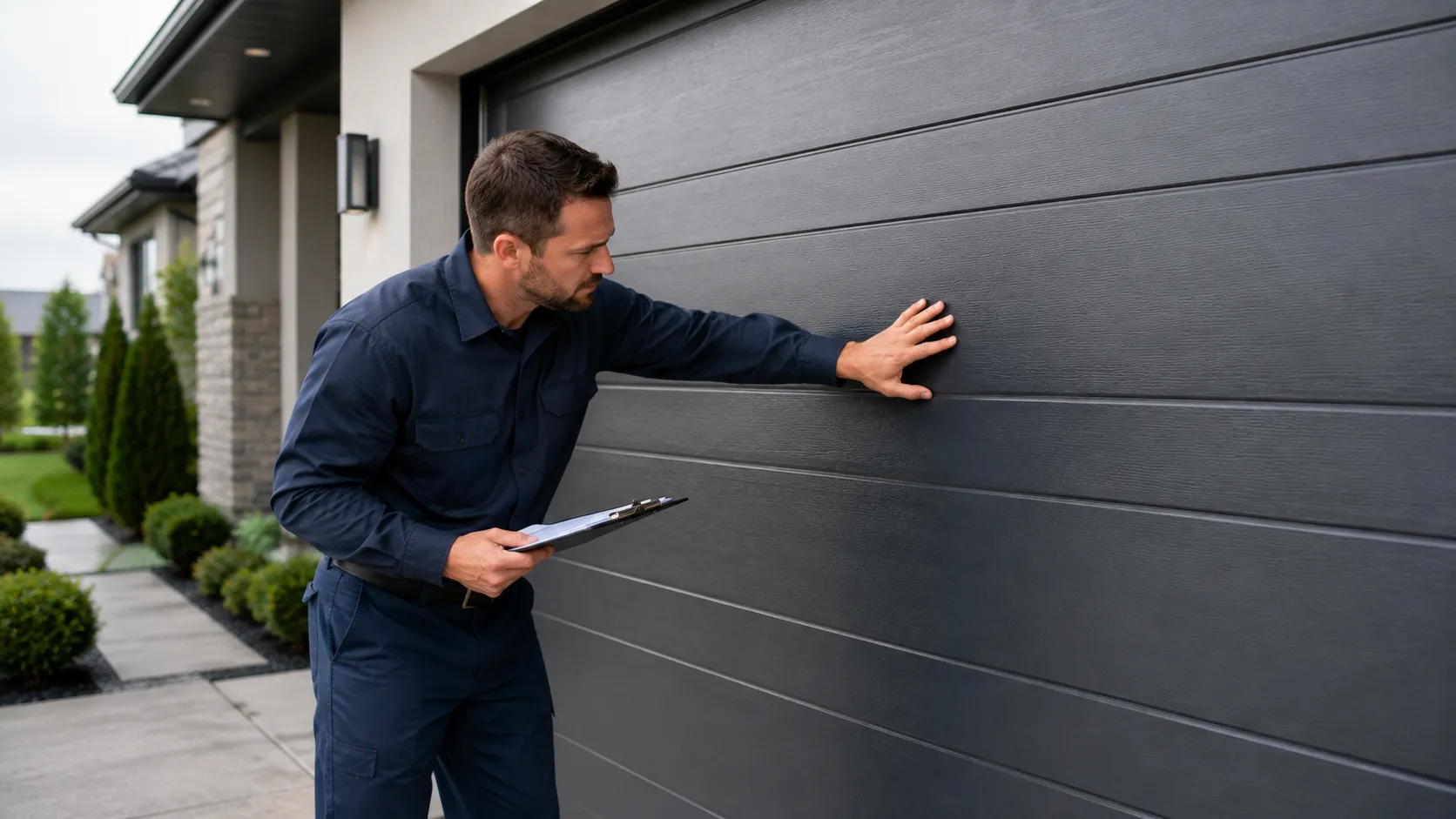
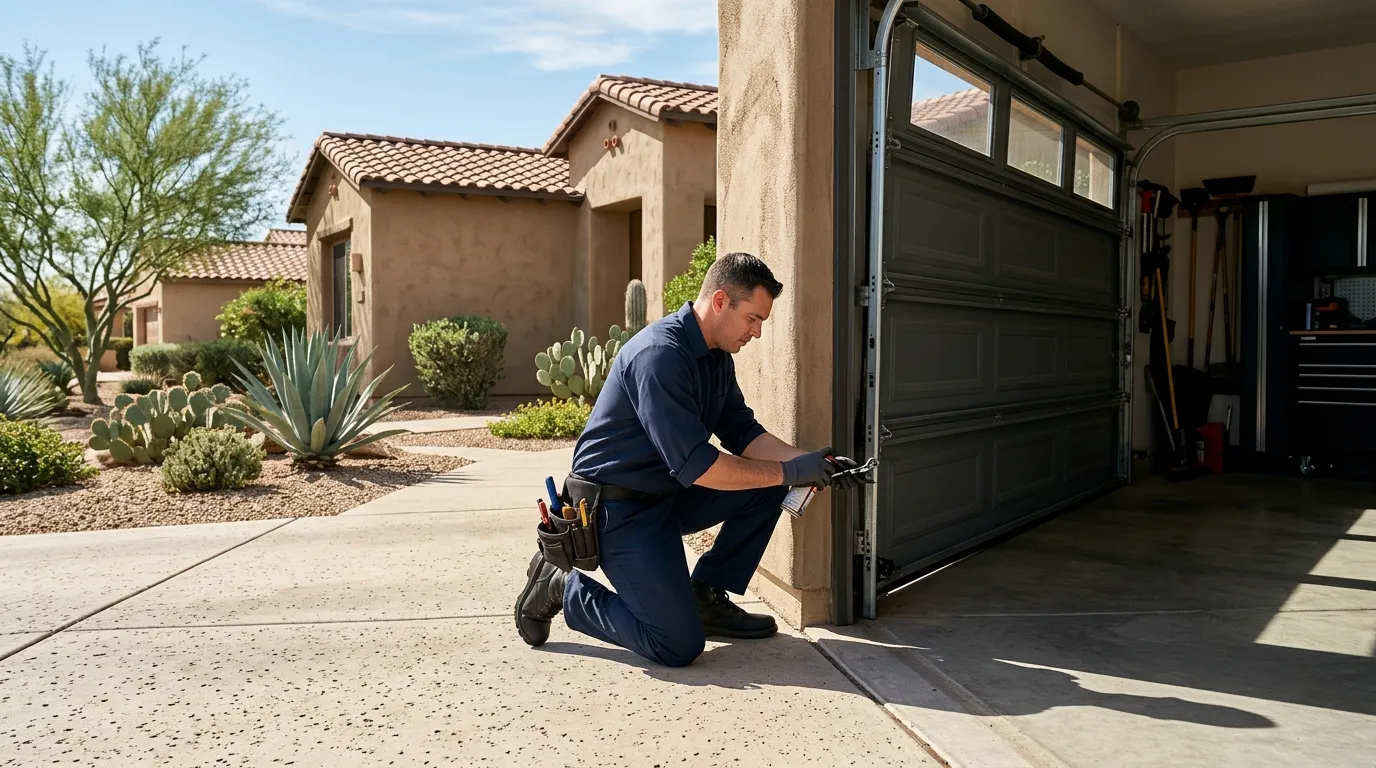
On the older houses in this service area, the tell is usually a door that looks fine parked but sags visibly when it's halfway up, or a panel that's rippled where the steel has thinned. If the door feels heavier than it used to, or the opener strains and reverses partway, that's the door - not the opener - telling you the springs are compensating for age and dents in the panel. Single-layer steel doors from that build era also transmit a lot of sound and outside temperature, which is often what actually pushes an owner from repair to replacement.
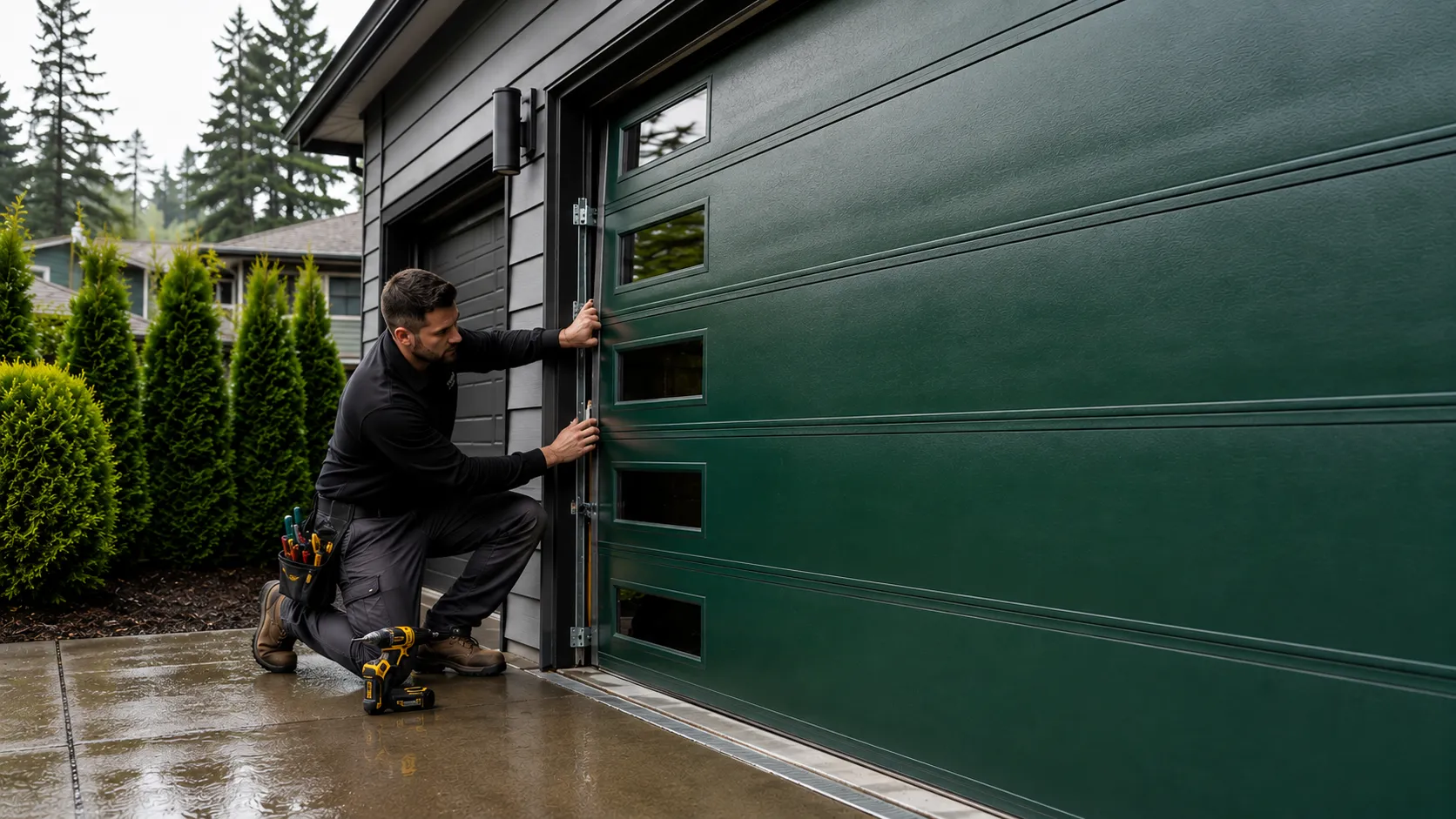
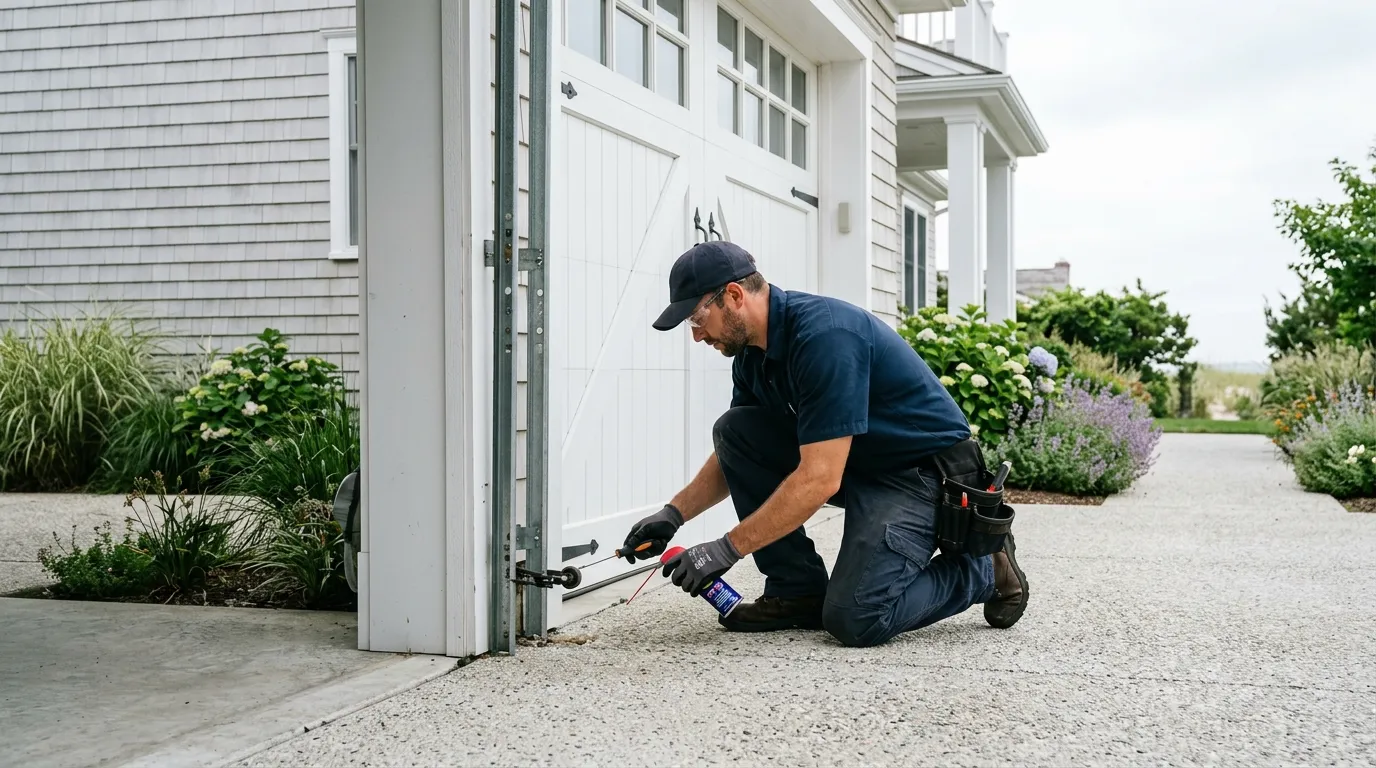
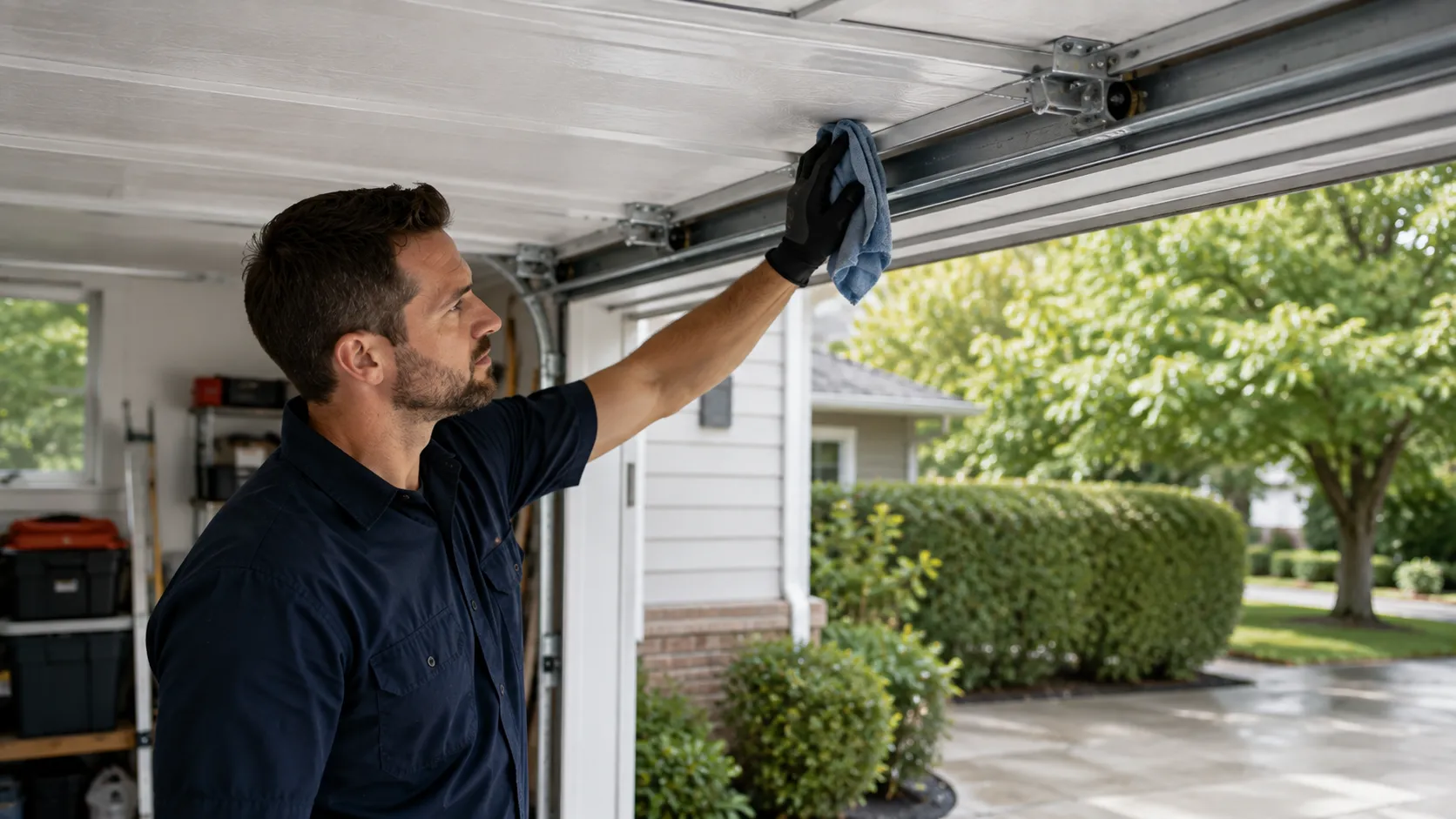
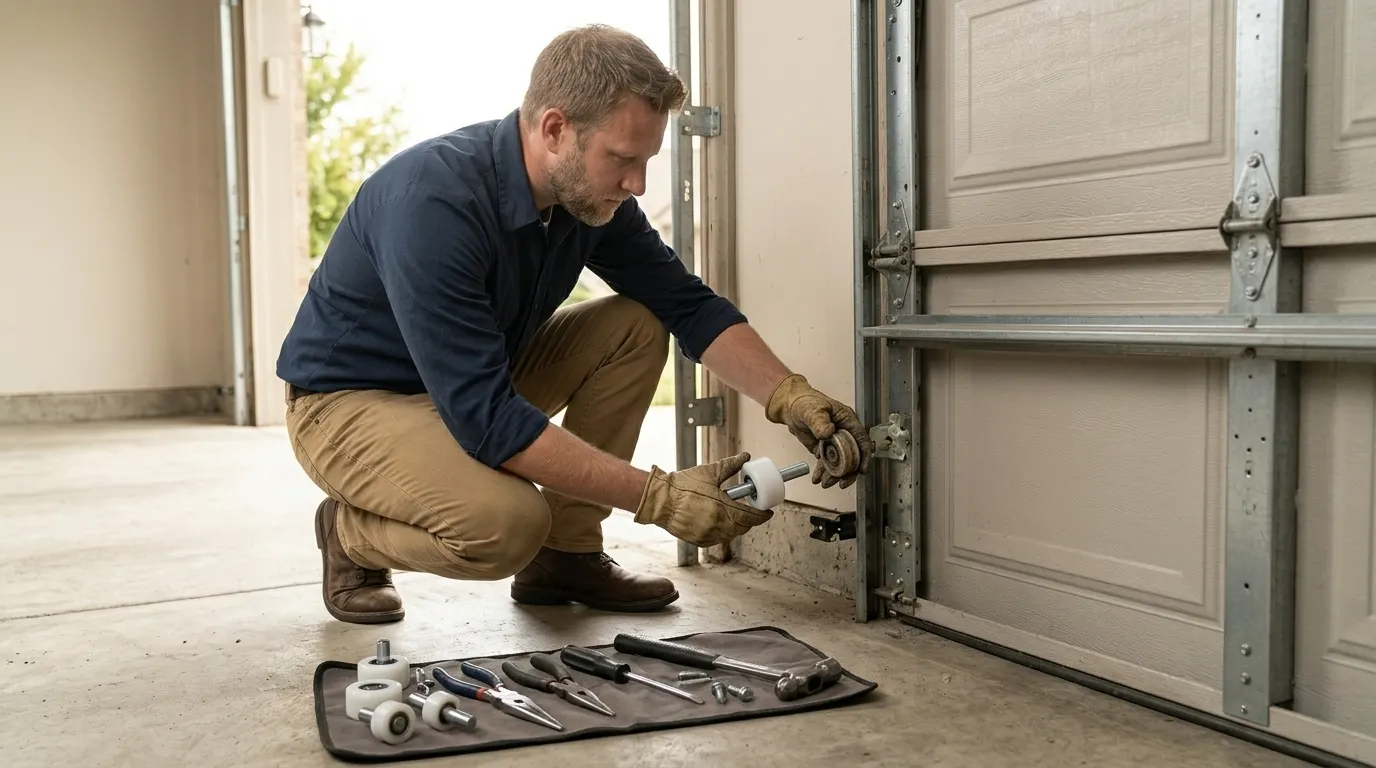
On the hardware side, look at the track brackets and rollers: original galvanized rollers on a 60-year-old track are usually worn oval instead of round, and that's a sign the whole system, not just one part, is due. None of this is an emergency the way a snapped cable is, but it's the pattern that shows up over and over on the houses that make up most of this area.