This Area's Housing
Palos Verdes Estates carries a median build year of 1963, right in line with the wave of construction that shaped the wider South Bay in that era. With about 5,032 households on the Hill, this is a smaller, tighter market than the sprawling flatland tracts nearby, and it shows in the doors: a lot of original garages here were sized and framed for the wood-panel, torsion-spring setups builders installed by the case-lot back then. Median household income in the area runs $247,500, well above the broader service-area figure of $94,152, and that income shows up as upgraded openers and heavier insulated panels layered onto 1960s-era door openings rather than full teardown-and-rebuild jobs. The bones of the house stay the same even when the door on the front of it doesn't. Climate here sits in the mild temperate band, so we're not dealing with freeze-thaw cycles that crack old wood jambs, but marine air and salt drift off the coast still work on hardware over sixty years, especially unsealed steel track and unpainted brackets.
Older vs Newer Streets
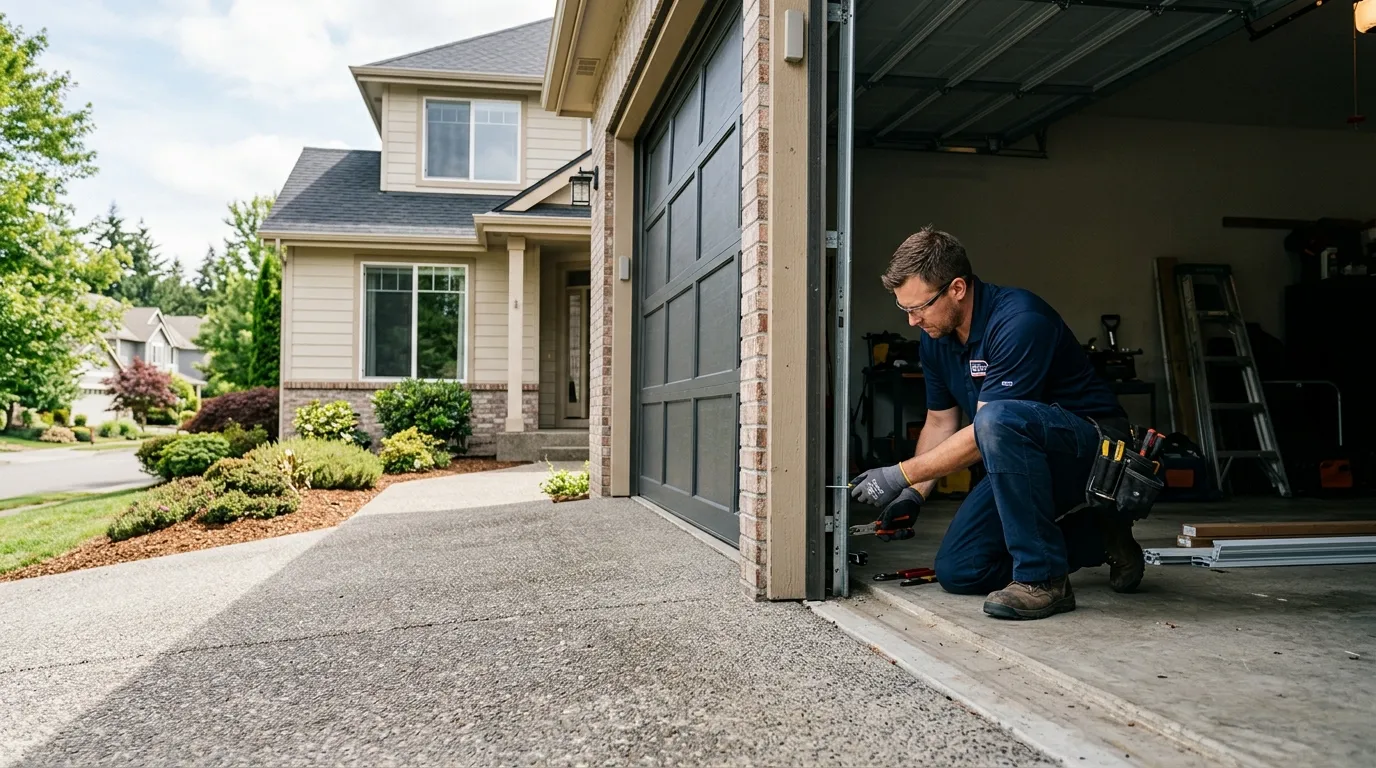
Even within a median build year of 1963, PVE isn't one uniform street. Original construction from that era typically used lighter steel or wood-panel doors on torsion springs mounted directly above the opening - simple, but the springs on those setups are old enough now that most have already been replaced at least once, sometimes with the wrong cycle-rated spring for the door weight. Newer builds and remodels layered in since then tend to carry heavier insulated steel or composite doors, which need correspondingly heavier springs and often a stronger opener than what came stock. The mismatch between an upgraded heavy door and an old spring still rated for the original panel is one of the more common calls we see on streets with mixed-era construction. It's worth checking your door's actual weight against what the spring label says it's rated for, especially if the door itself has been swapped since the house was built.
How That Shows Up in the Door
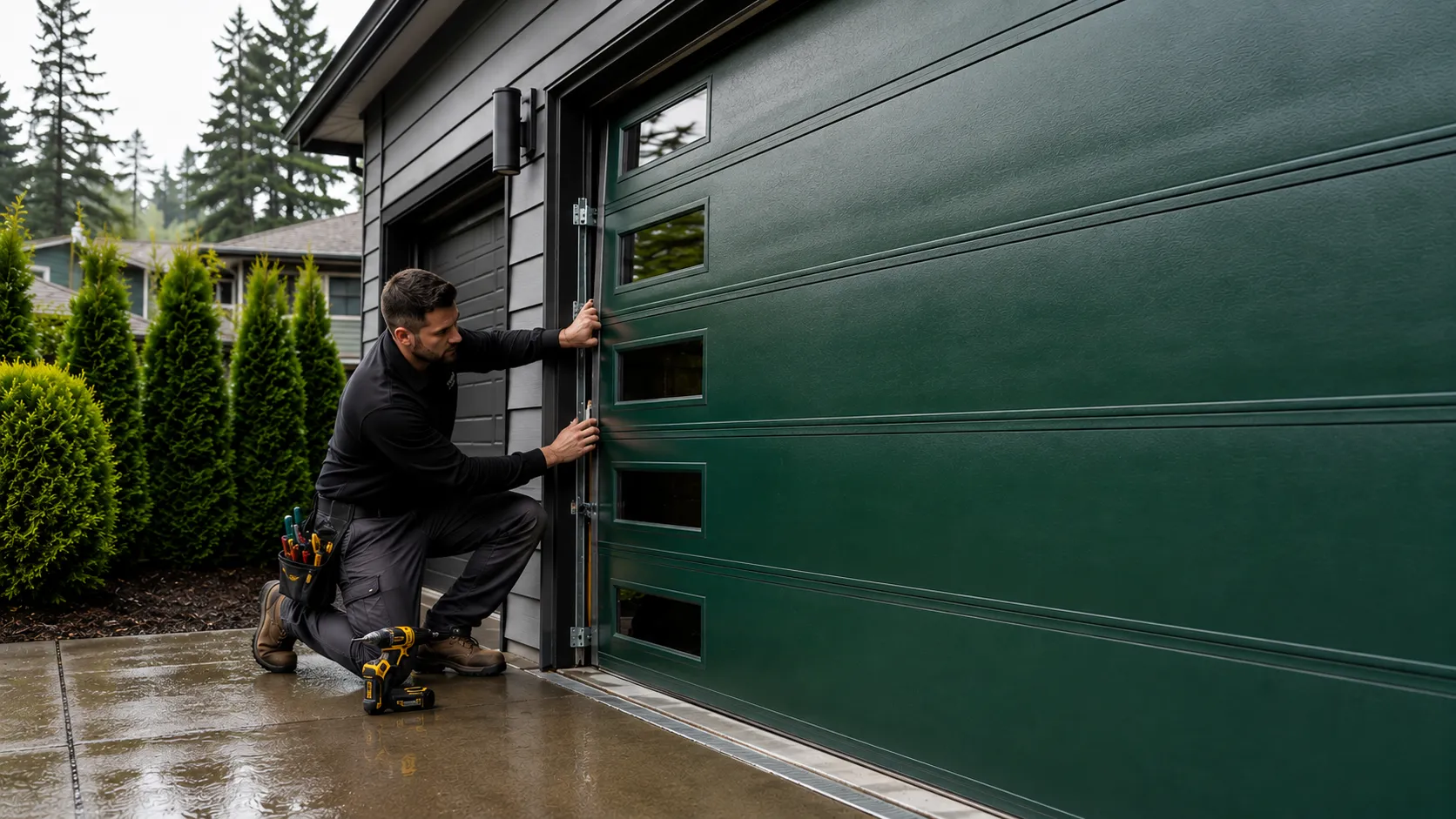
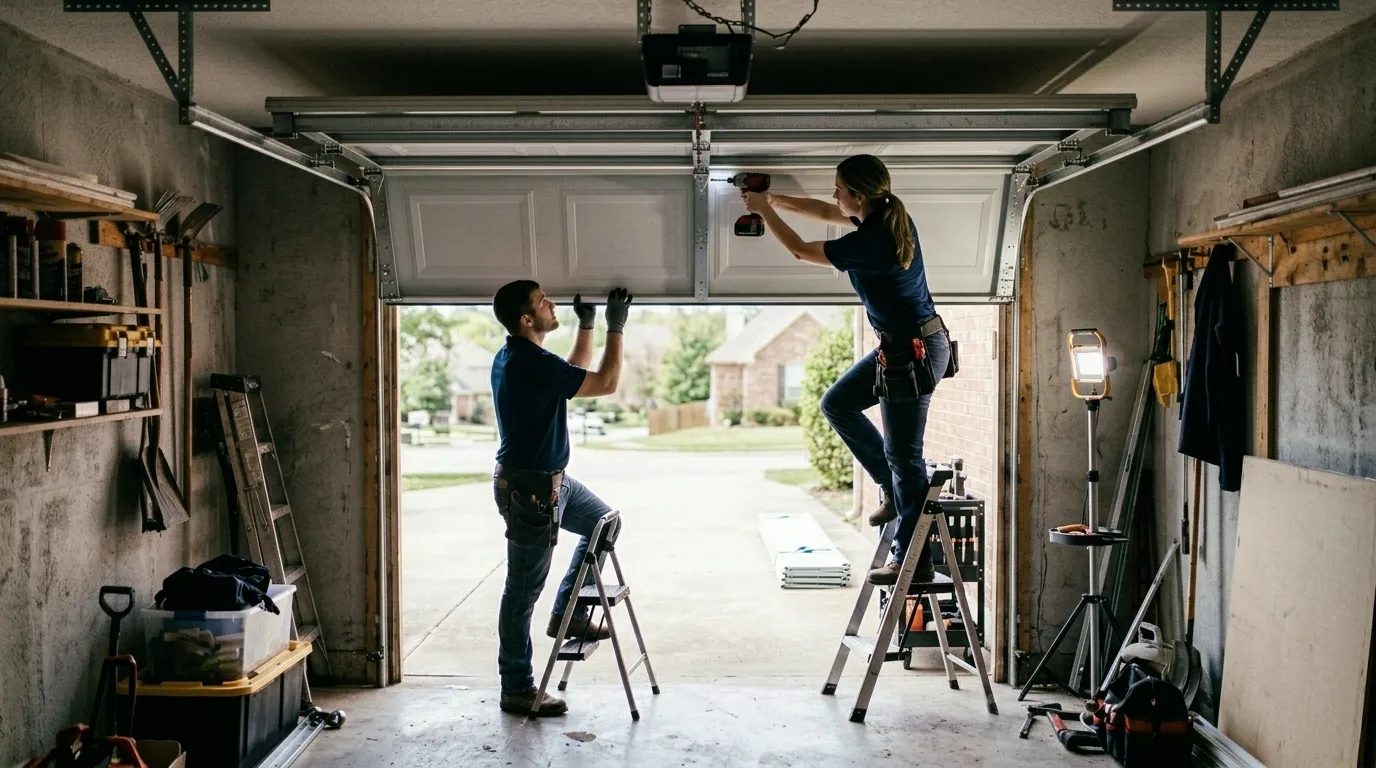
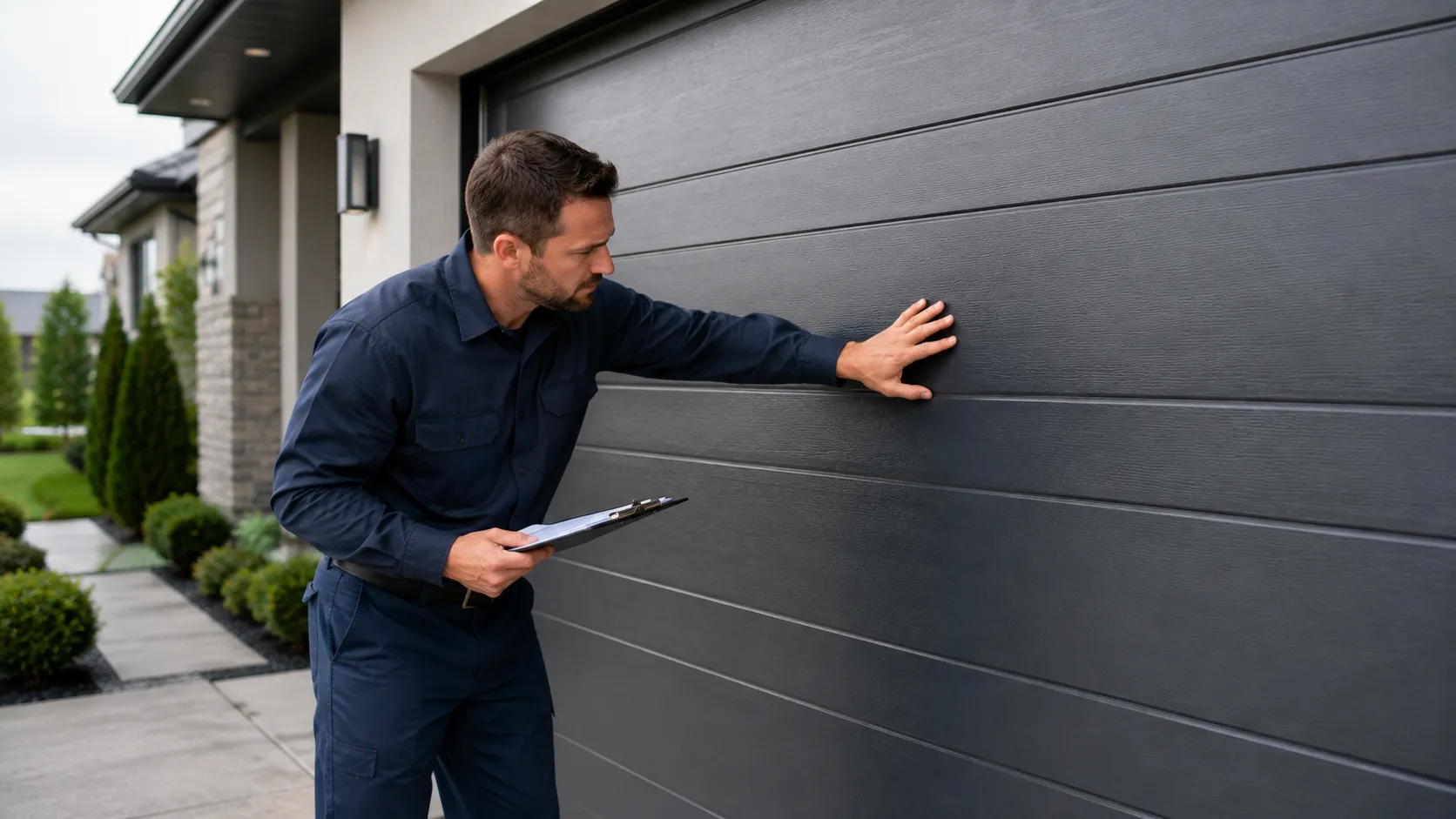
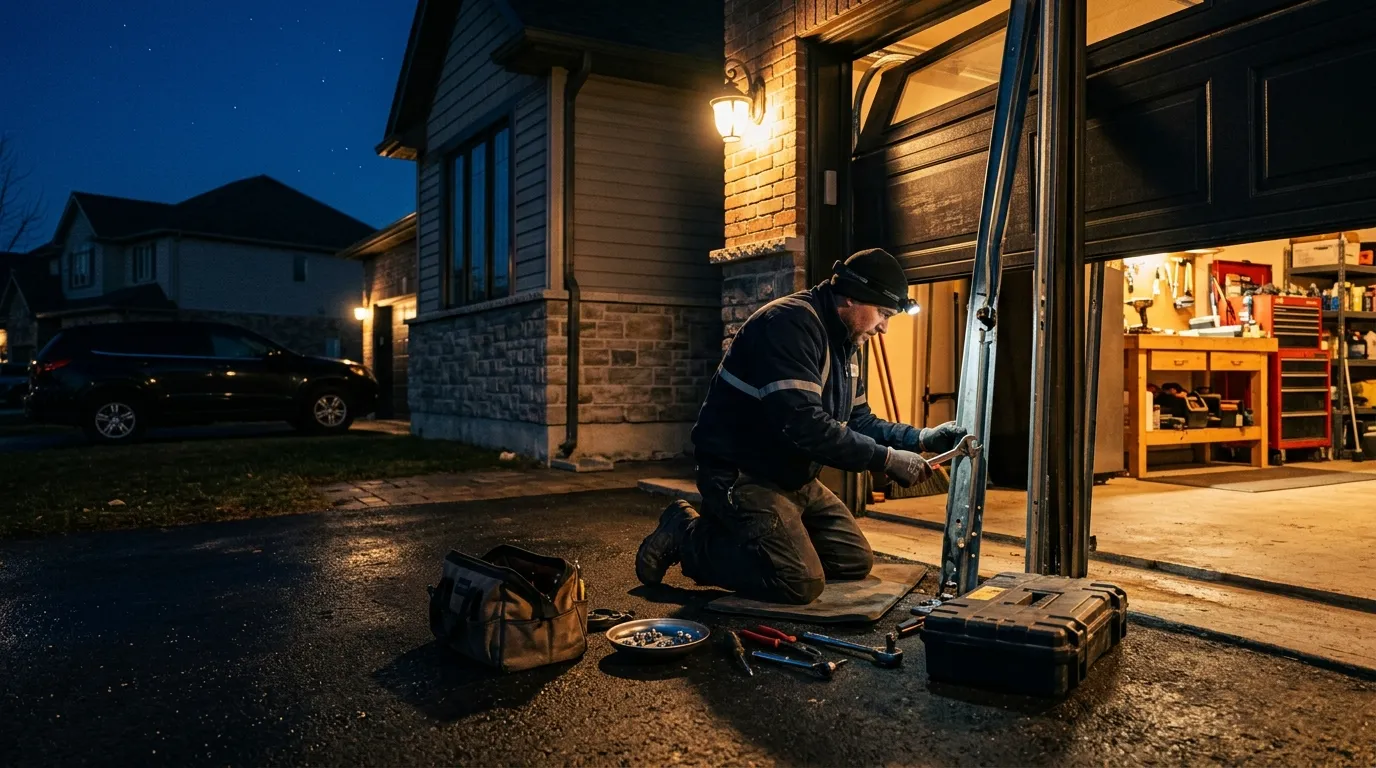
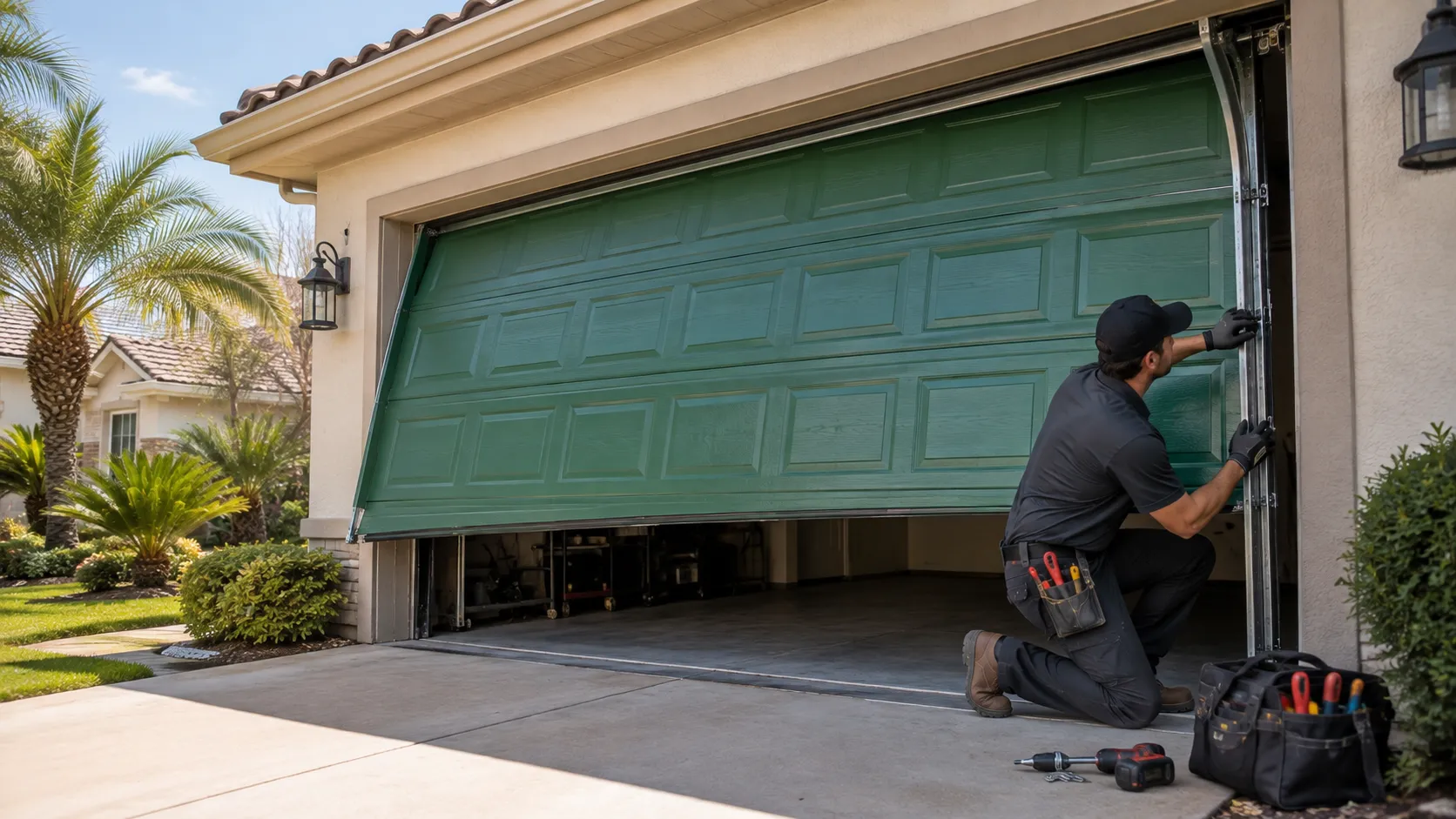
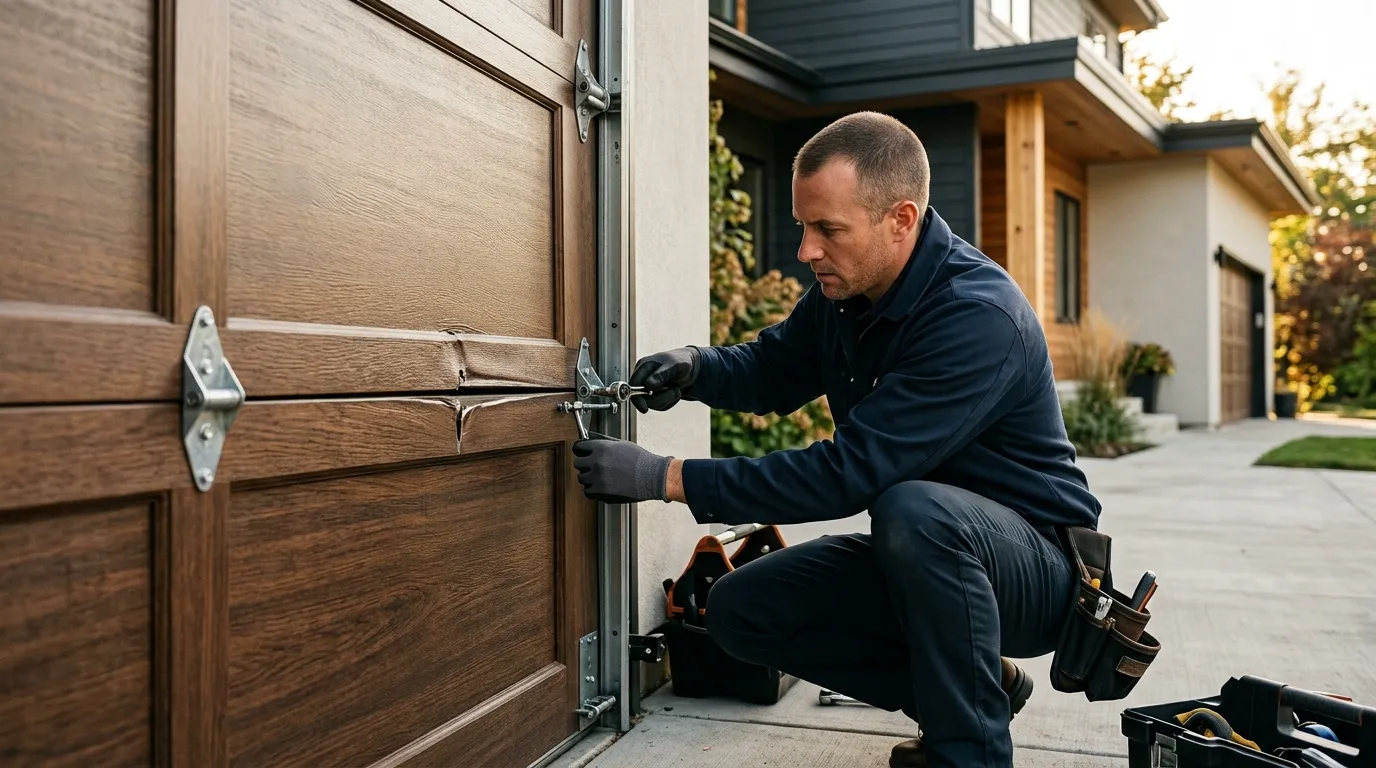
On original 1963-era doors that haven't been touched, expect worn rollers, a torsion spring well past its rated cycle count, and track that's been reset or shimmed at some point by hand rather than replaced. On homes where the door's been upgraded but the opener hasn't, we often find a newer heavy door straining an old chain-drive opener that wasn't sized for it - the opener runs but takes longer, strains at the top of the travel, or trips the safety reverse more than it should. The area's mild climate keeps rust and cracking to a minimum compared to inland or colder markets, but coastal salt air still pits unprotected hardware faster than you'd expect. One honest limit: if a spring has failed on a door we haven't seen before, we won't guess at cycle rating over the phone - we need eyes on the door and the label before quoting a fix, because guessing wrong on spring weight is how doors get damaged twice.