This Area's Housing
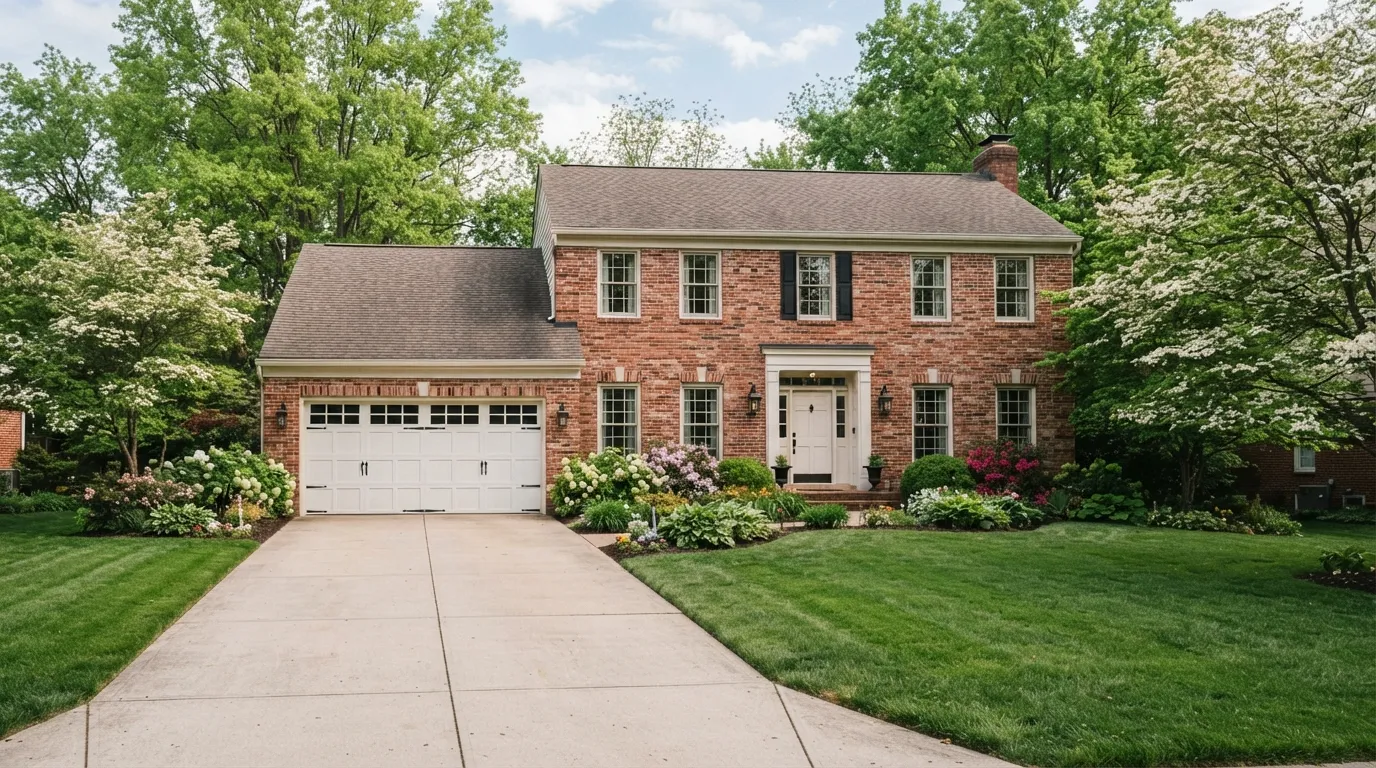
Ladera Heights sits solidly in the 1960s build wave that runs across this part of the service area - the median year built here is 1962, just about dead center in the wider 1947-2012 range we work across. That single fact tells us more about a job before we arrive than almost anything else. A house built in 1962 usually has its original garage opening framed for a door and track system that predates most of what's sold off the shelf today. With 2,735 households in the area and a median income of $153,403, we also see a lot of owners who've already put money into finish work - new siding, updated windows - while the garage door itself got skipped. It's the one component that doesn't announce itself as outdated until the spring breaks or the opener starts grinding.
Older vs Newer Streets
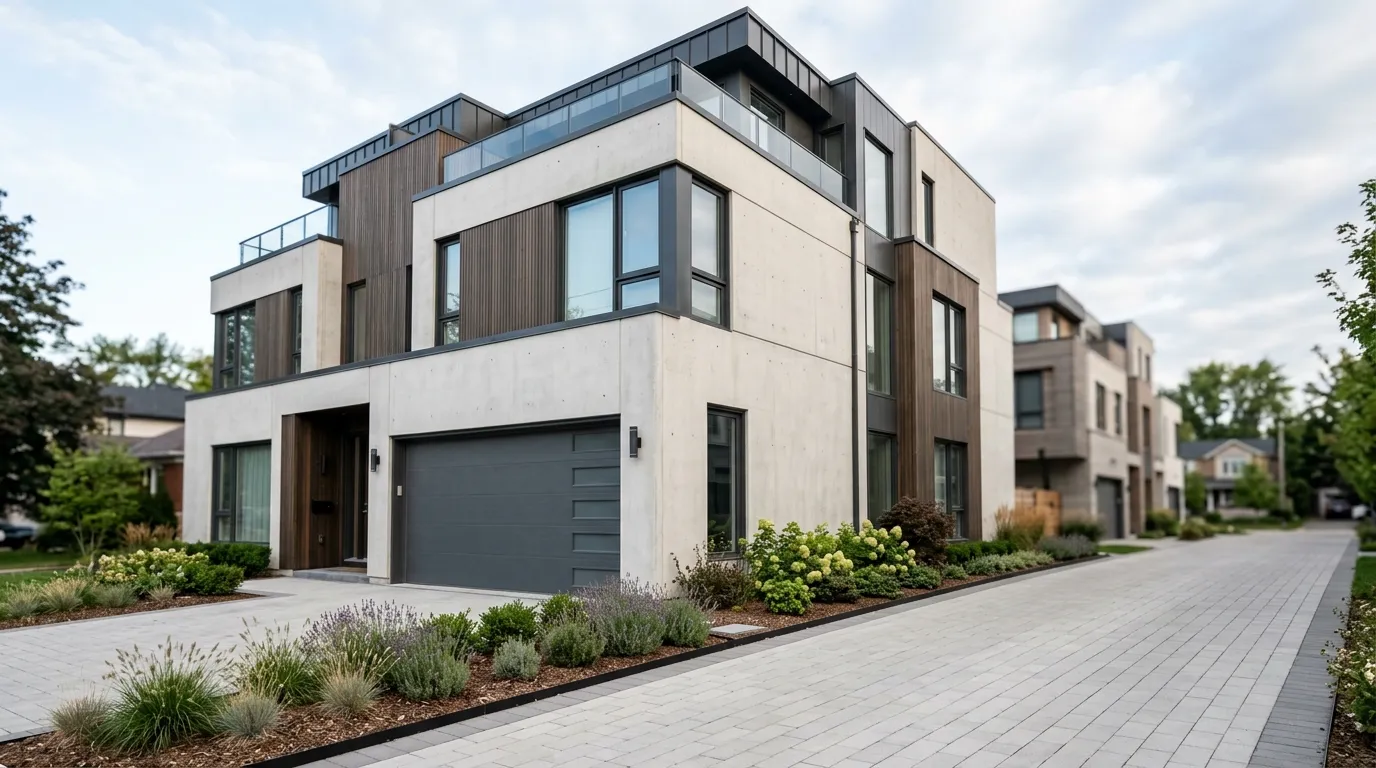
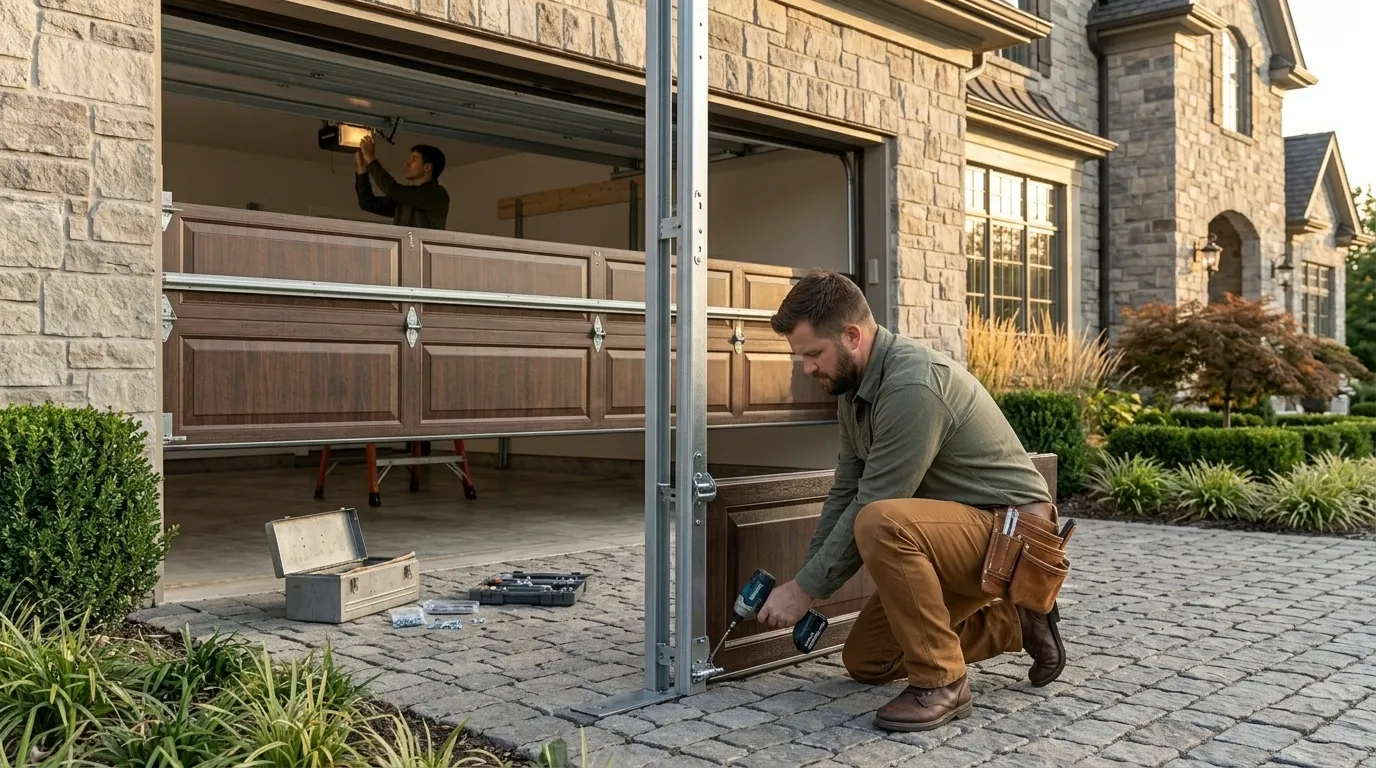
Not every block in Ladera Heights aged the same way. Homes closer to the 1962 median tend to still run original torsion springs sized for lighter, single-layer wood or early steel doors - hardware that wasn't built for the heavier insulated panels homeowners buy today. Streets with houses remodeled or rebuilt more recently often have wider openings and double-layer steel or aluminum doors on newer extension or torsion setups entirely. The mismatch shows up when someone replaces a door but keeps the old track, or replaces the opener but not the spring that was sized for the original door's weight. Across the wider service area, which runs mostly 1960s-70s stock, that gap between the year a house was built and the year its garage door was actually updated is the single biggest predictor of what breaks first.
How That Shows Up in the Door
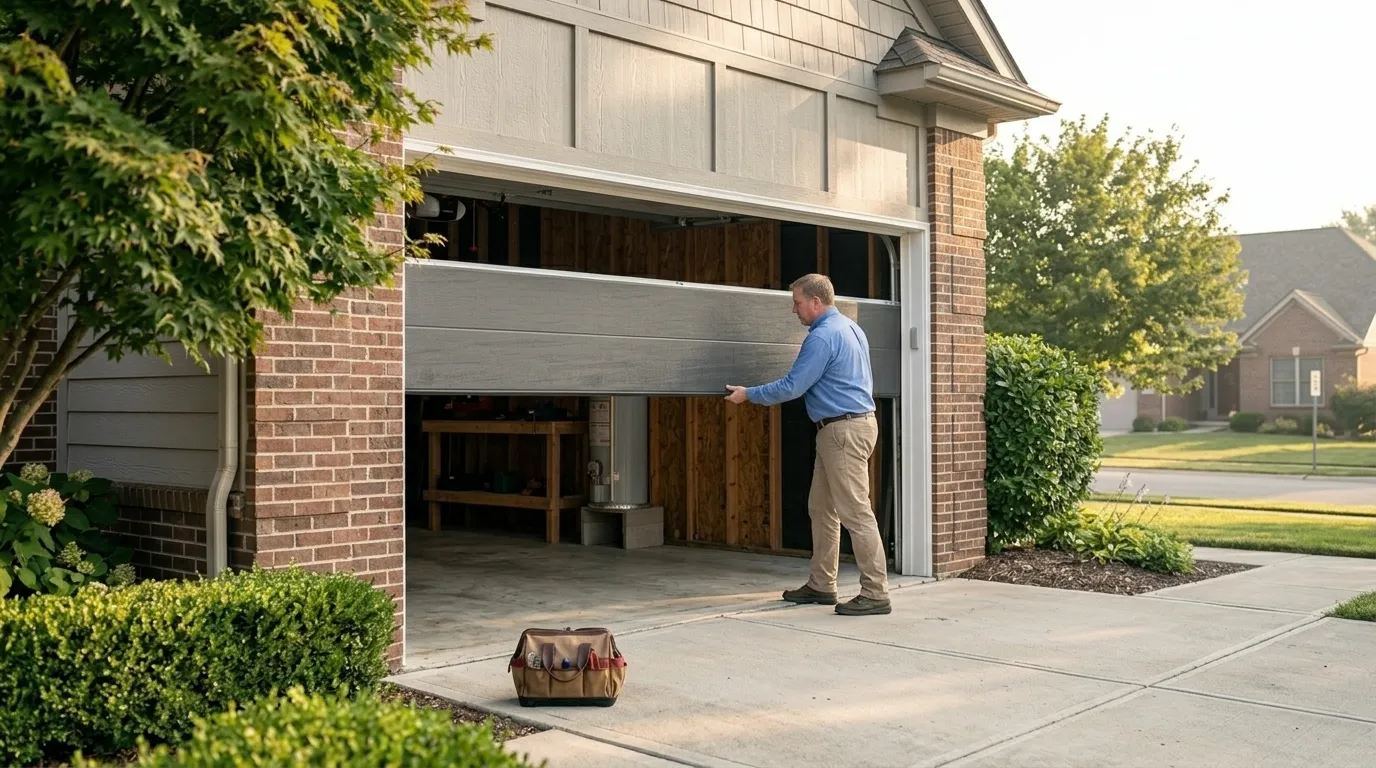
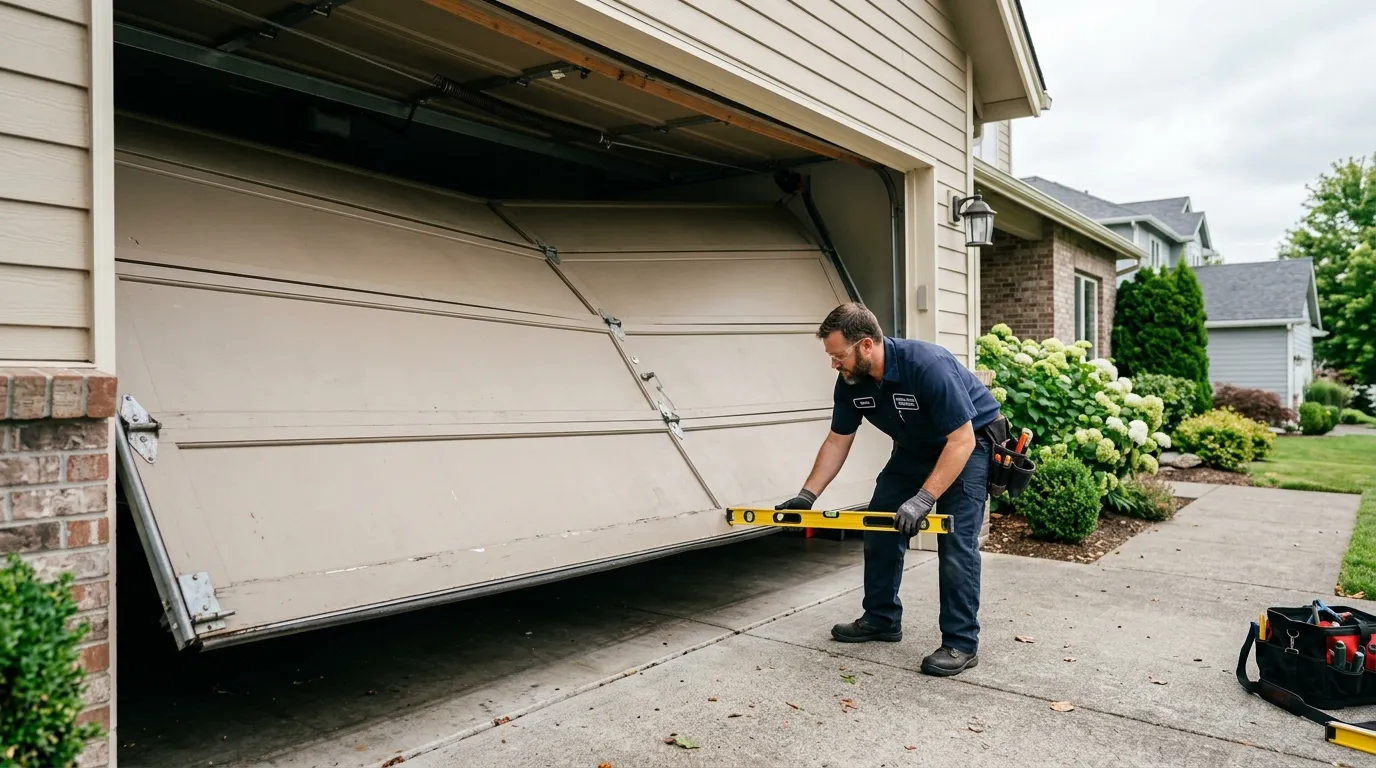
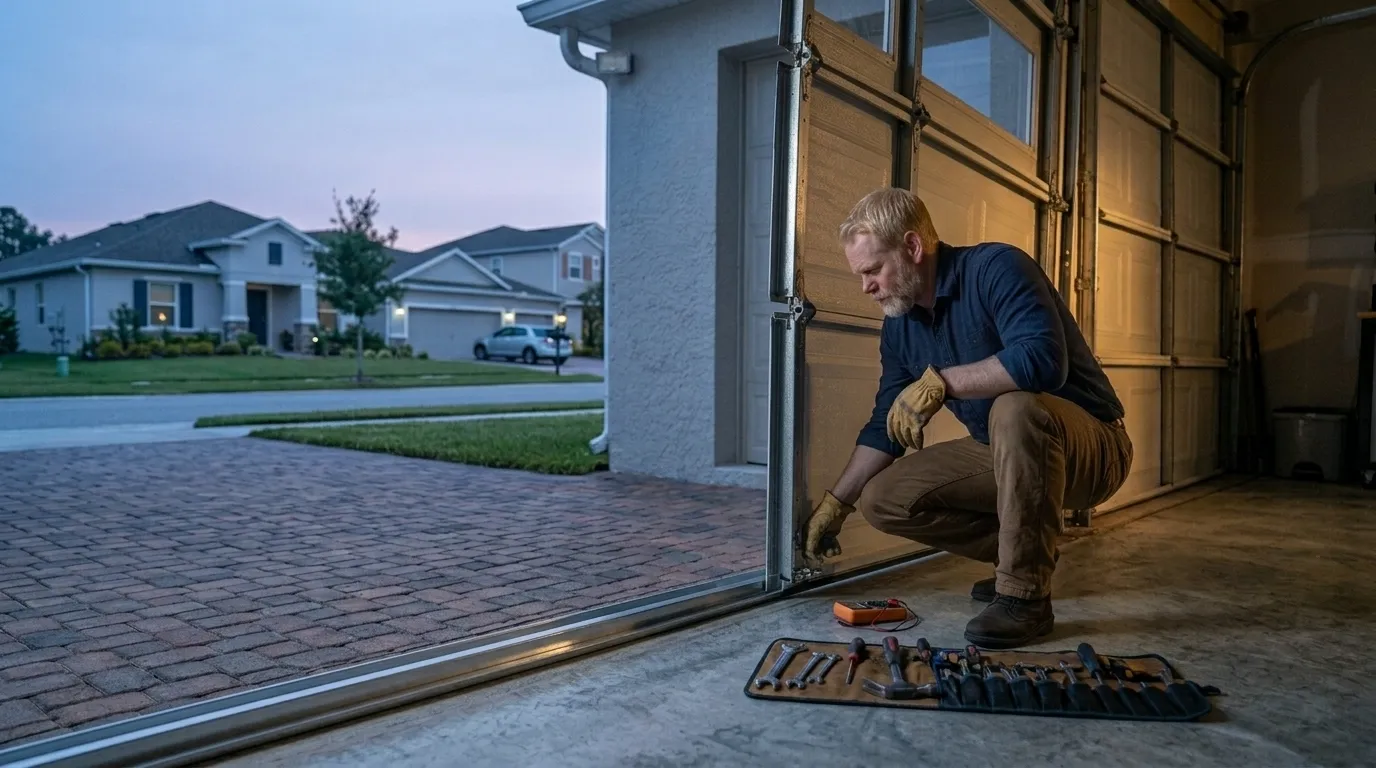
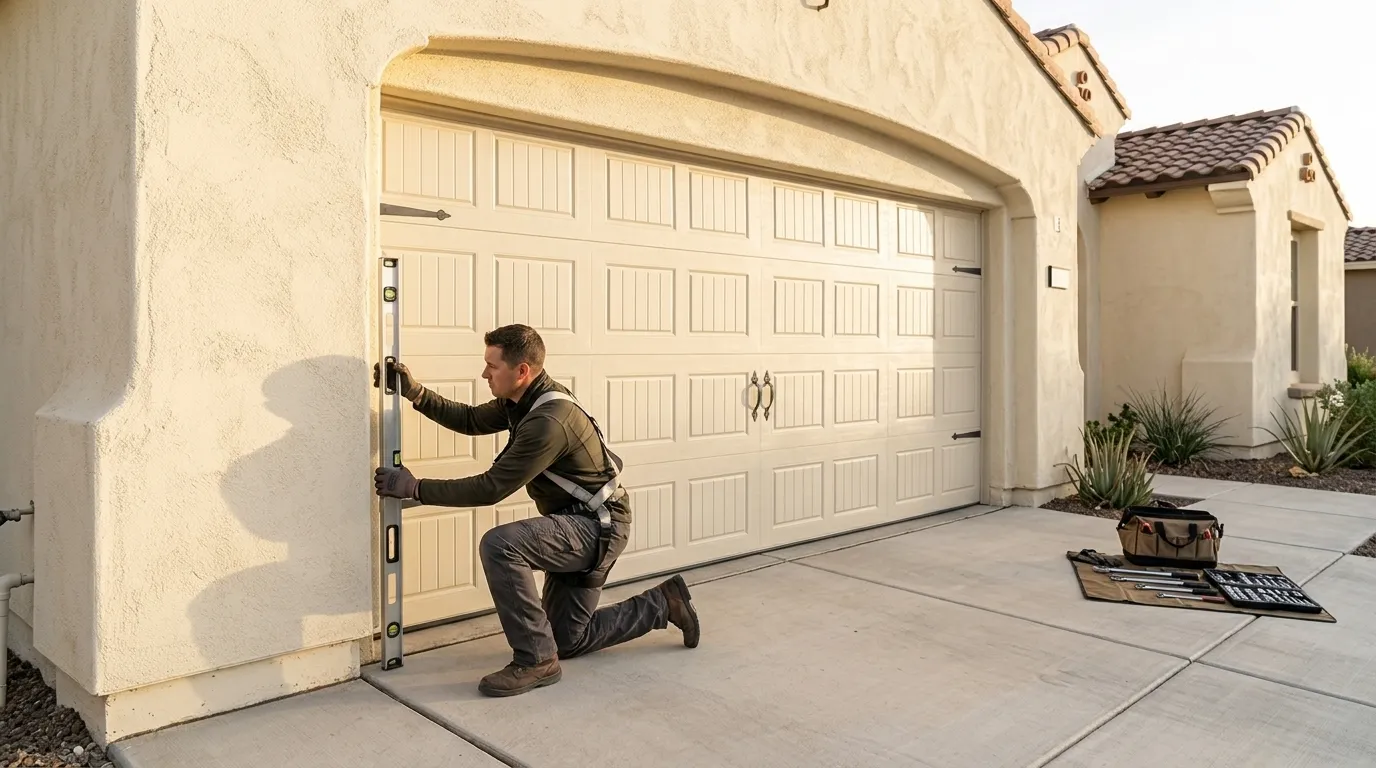
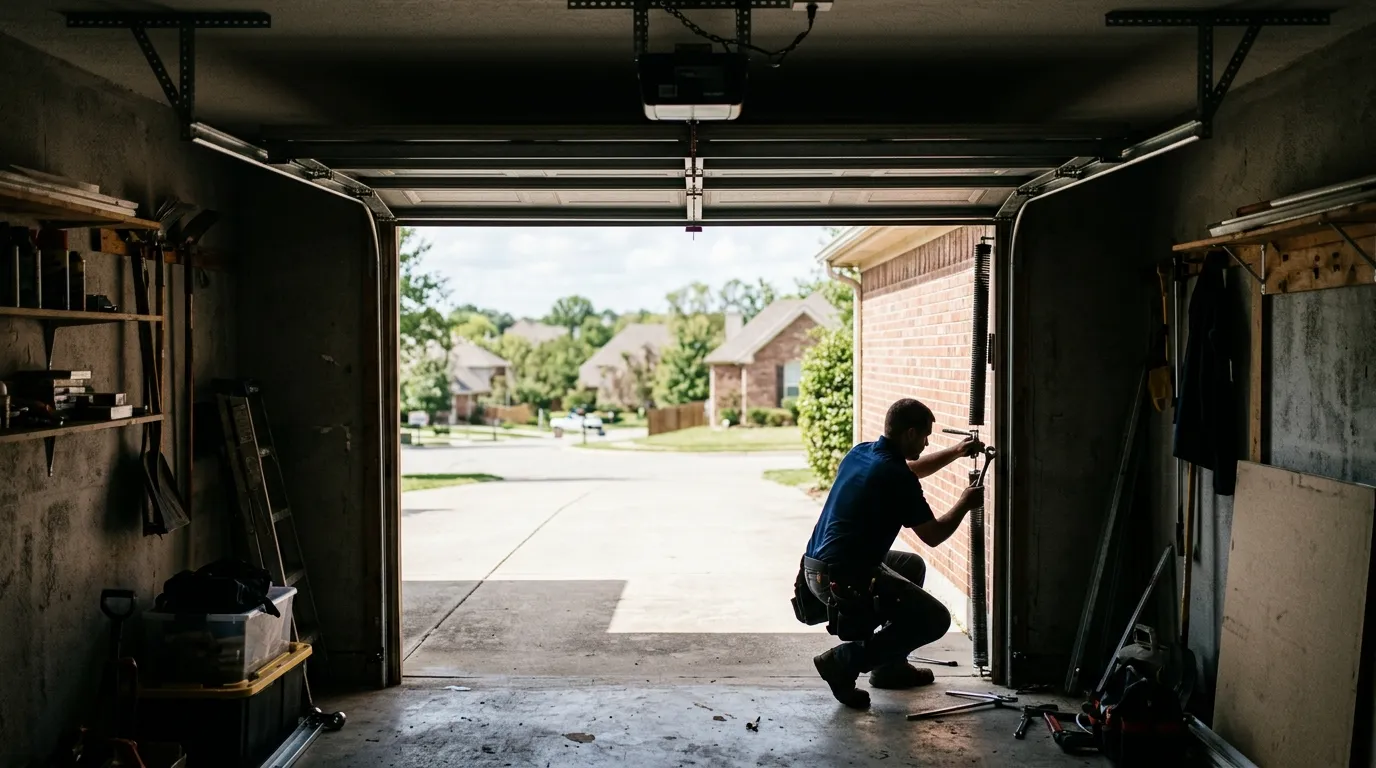
On the original-era side, the calls tend to be worn rollers, a torsion spring that's finally given out after decades of cycles, or hinges that have loosened enough to let a panel sag. These are older parts, and we won't pretend every one is still in production - some hardware from that build era takes longer to source than a same-day fix allows, and there are cases where matching an original track exactly just isn't practical. On the newer or remodeled side, problems run more toward opener electronics, sensor alignment, or a heavier door that's outrunning a spring that was never upsized to match it. Either way, the area's mild temperate climate means we're not chasing rust or extreme thermal swelling the way you would in a harsher climate zone - wear here comes from age and cycle count, not weather.