This Area's Housing
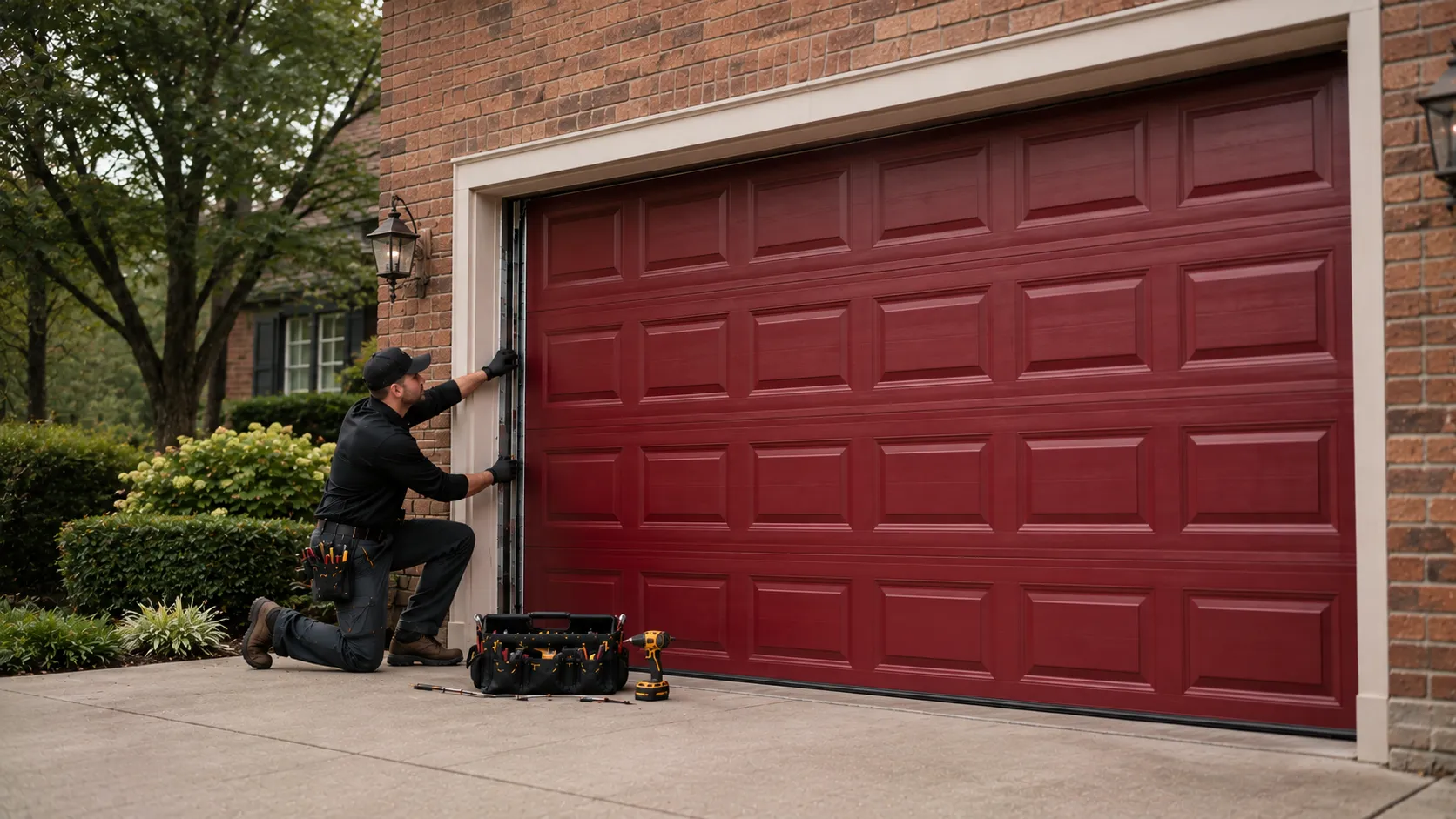
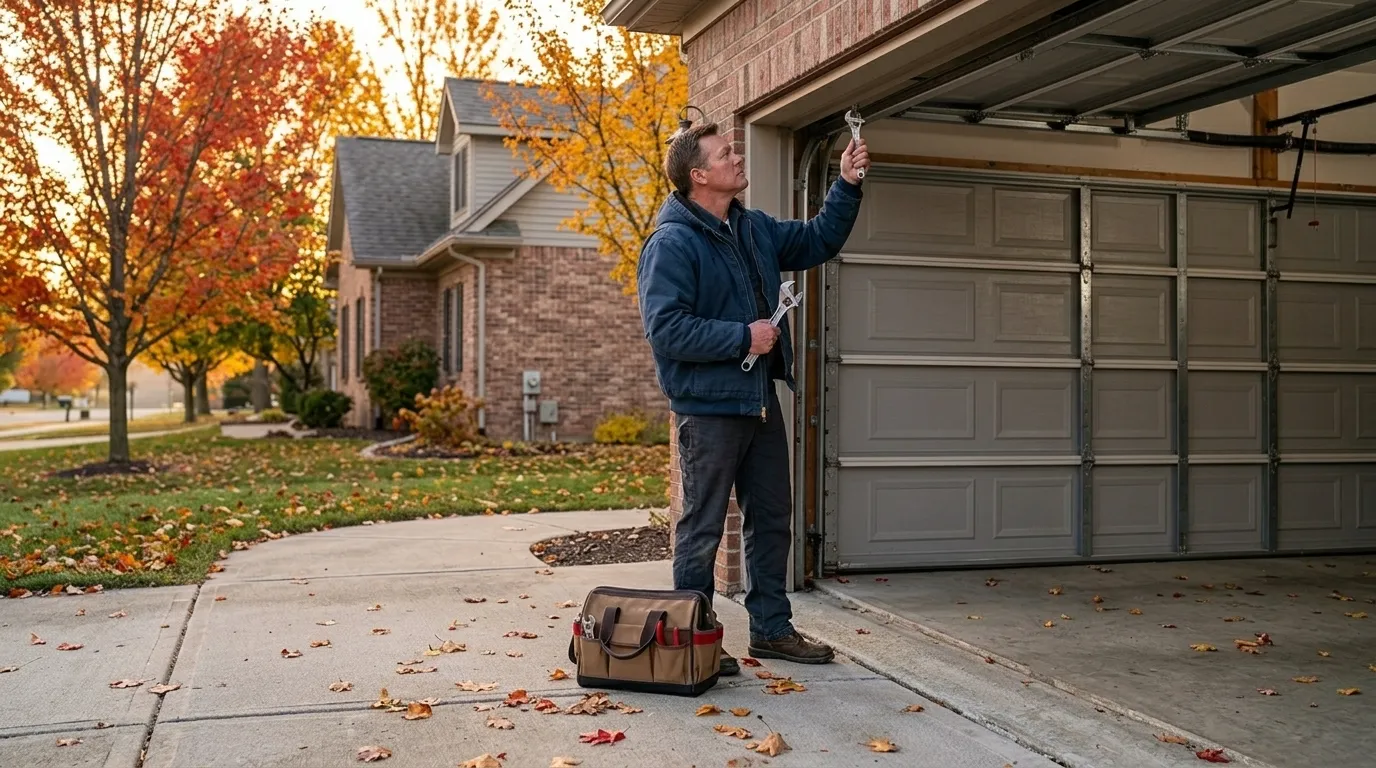
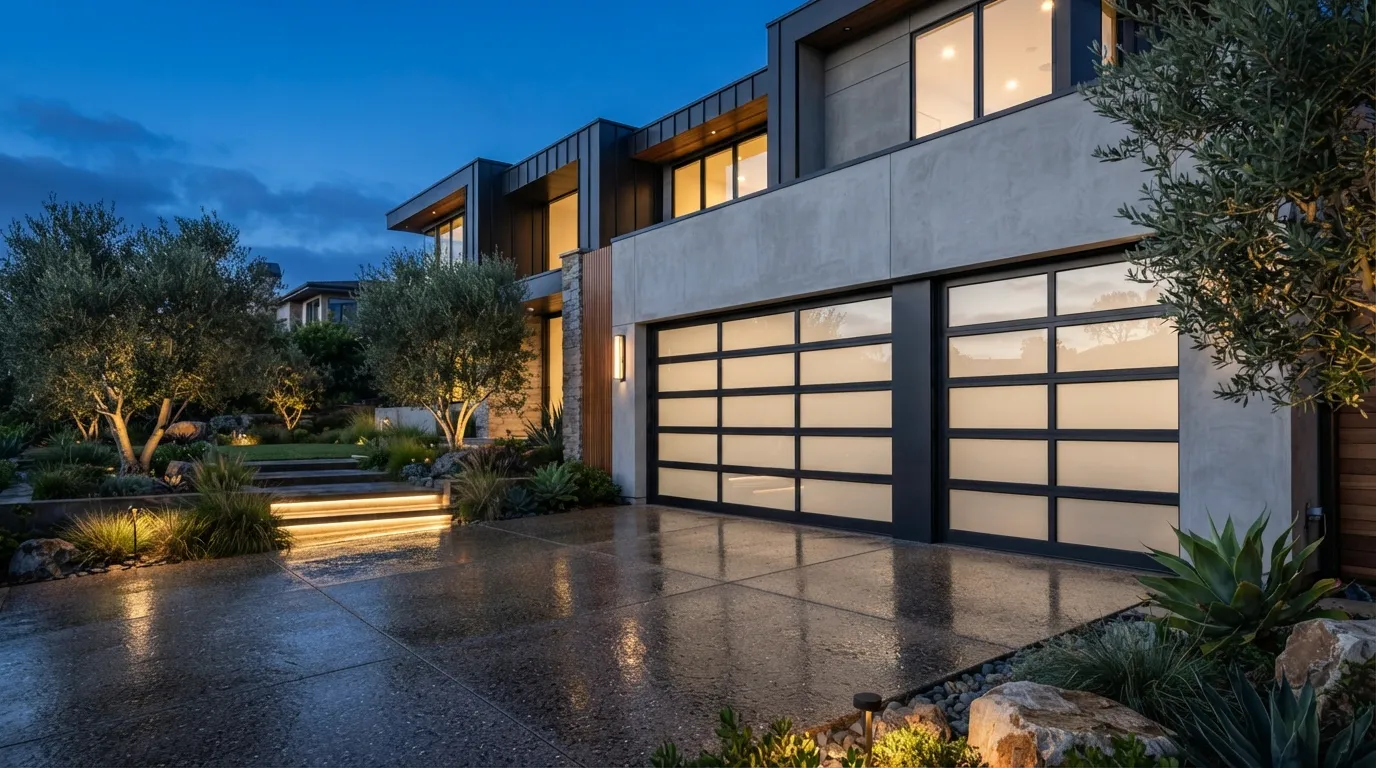
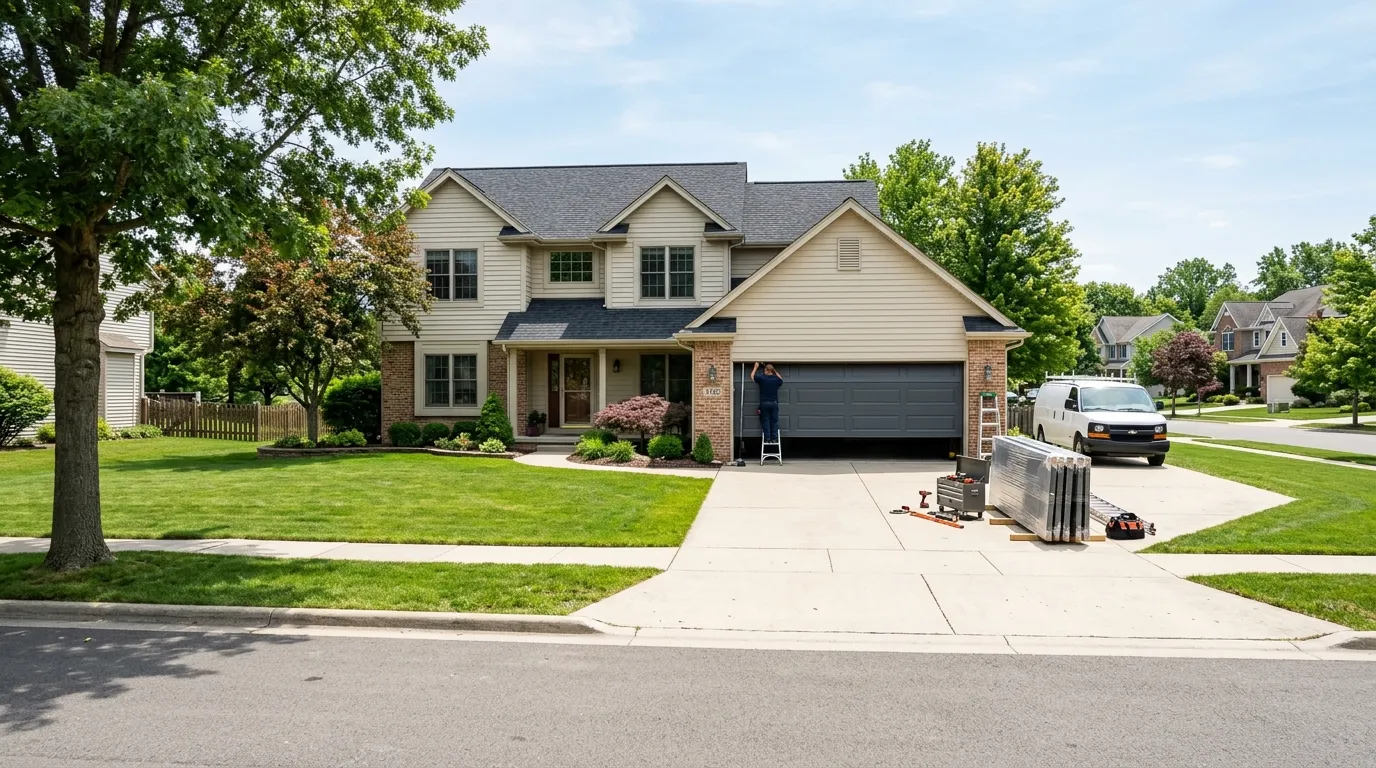
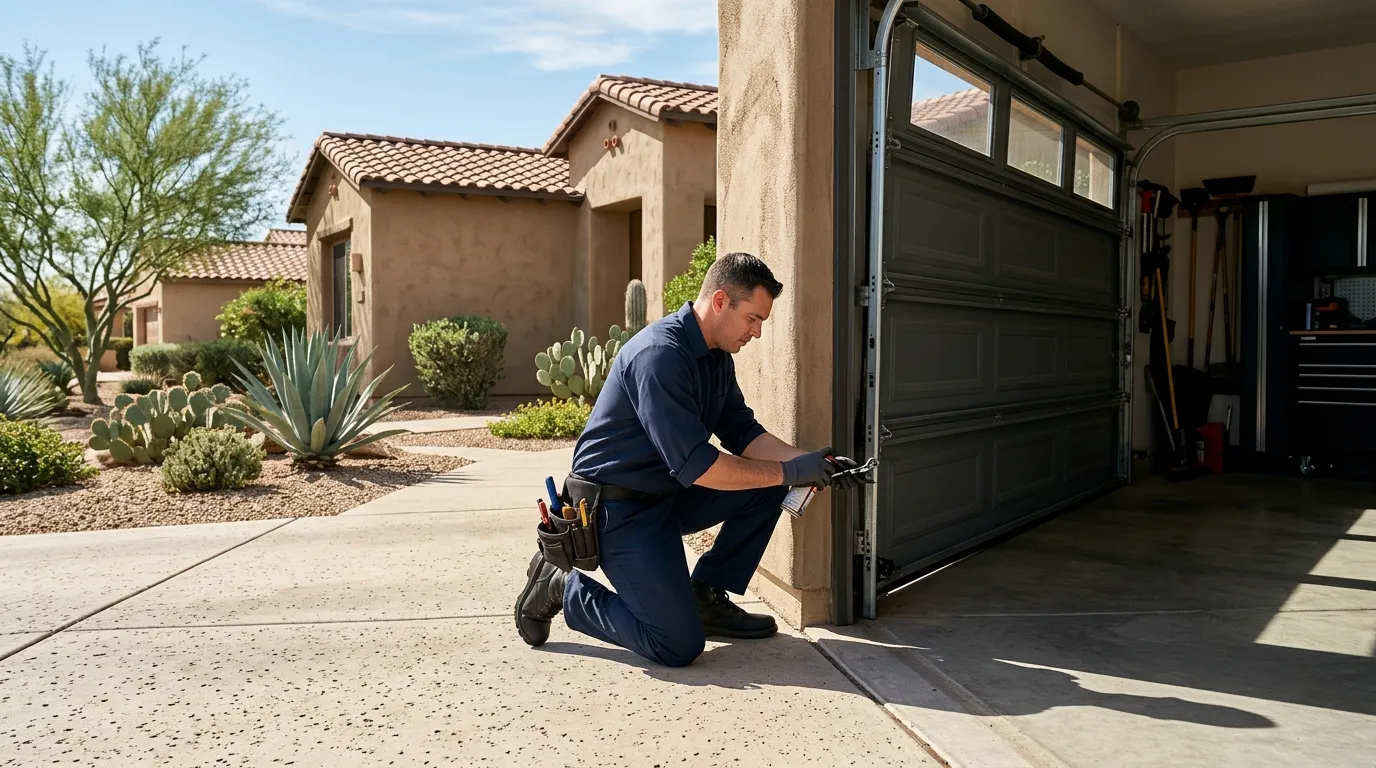
Lawndale's housing stock centers on 1965, a couple years newer than the median across the wider service area but still squarely in the same postwar building wave. With 9,879 households packed into this stretch, most of the garages we work on here were framed for cars a third smaller than what people drive now, with door openings and header clearances to match. Median household income in Lawndale runs $83,538, below the broader area figure, and that shows up in the calls we get: more repair requests to keep an aging door running, fewer straight-to-replacement jobs than we'd see in wealthier pockets nearby. It's not a knock on the area - it's just a different set of priorities, and we work with that rather than push a bigger job than the door needs. A door installed in the mid-60s has usually been through at least one spring change and a couple of opener swaps by now, sometimes with parts from three different eras stacked on the same track.
Older vs Newer Streets
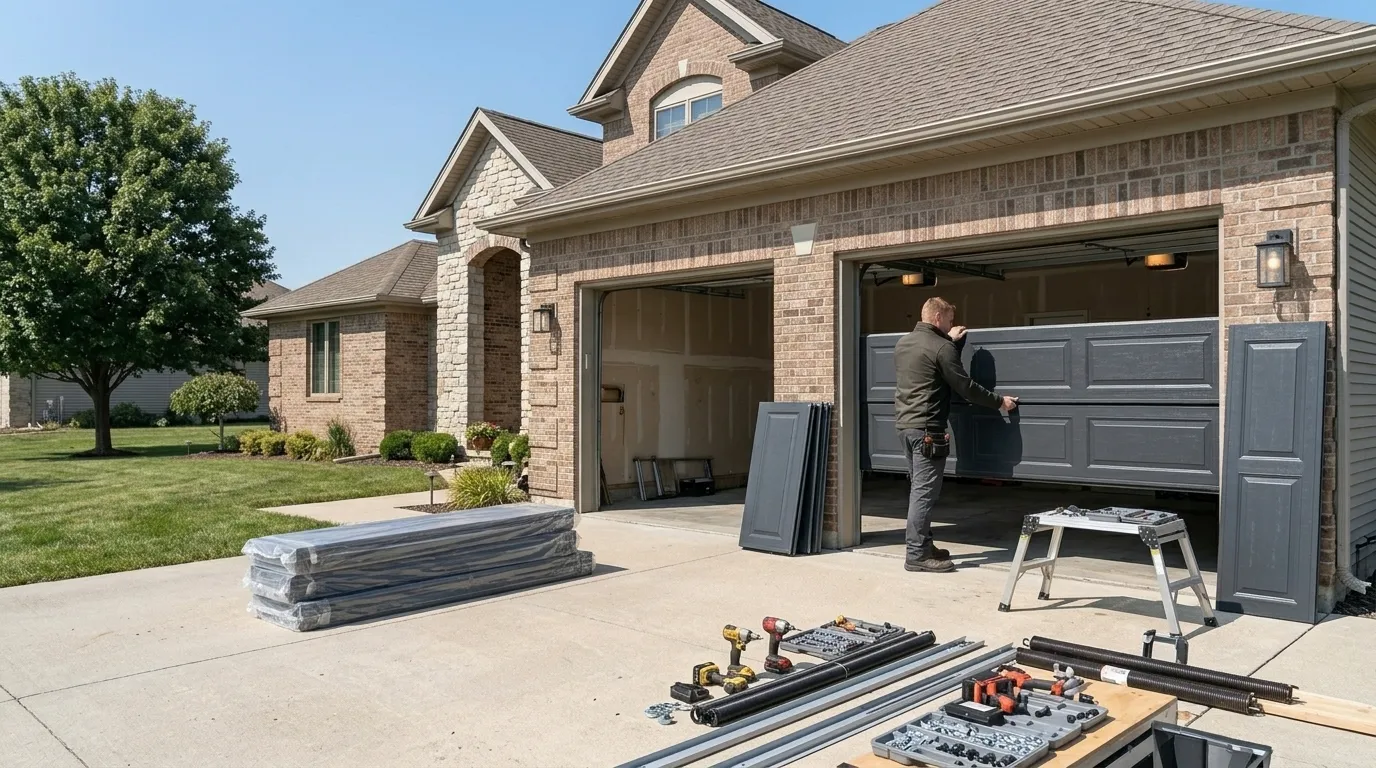
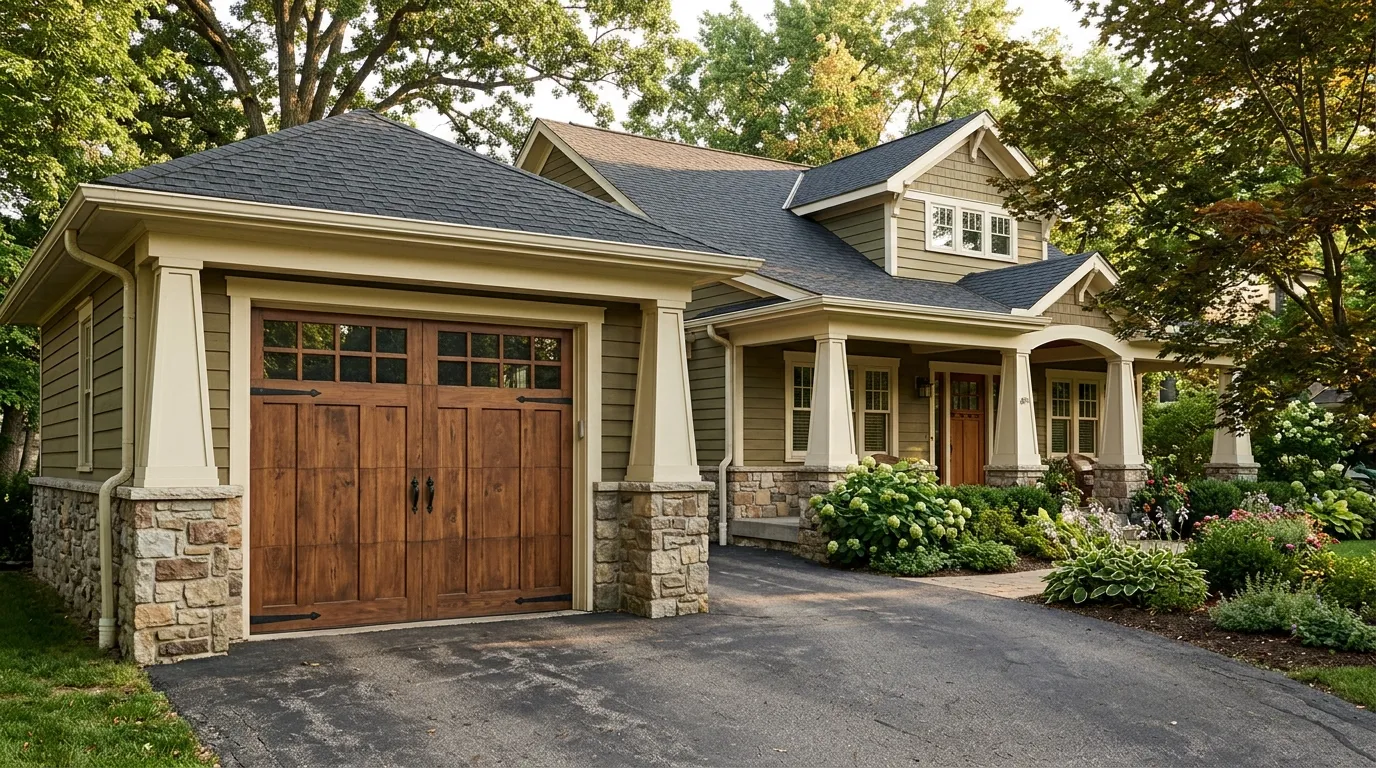
Not every block in Lawndale aged the same way. The older sections closer to 1947-1950s construction still carry the original narrow single-car openings and older-style hardware, while blocks built out closer to the 1960s median - which is most of the city - have the wider two-car garages and torsion spring setups that became standard by then. A house built right at 1965 sits at an odd point: old enough that the original springs and cable drums are long past due, new enough that most of these still take standard-width doors rather than the odd sizes you find on the earliest postwar tracts. The practical difference is parts availability. Standard 1960s-width torsion springs are stocked; the narrower prewar track hardware sometimes isn't, and that's a real limitation - if your house predates the area's 1965 median by more than a decade or two, expect a longer wait on certain parts.
How That Shows Up in the Door
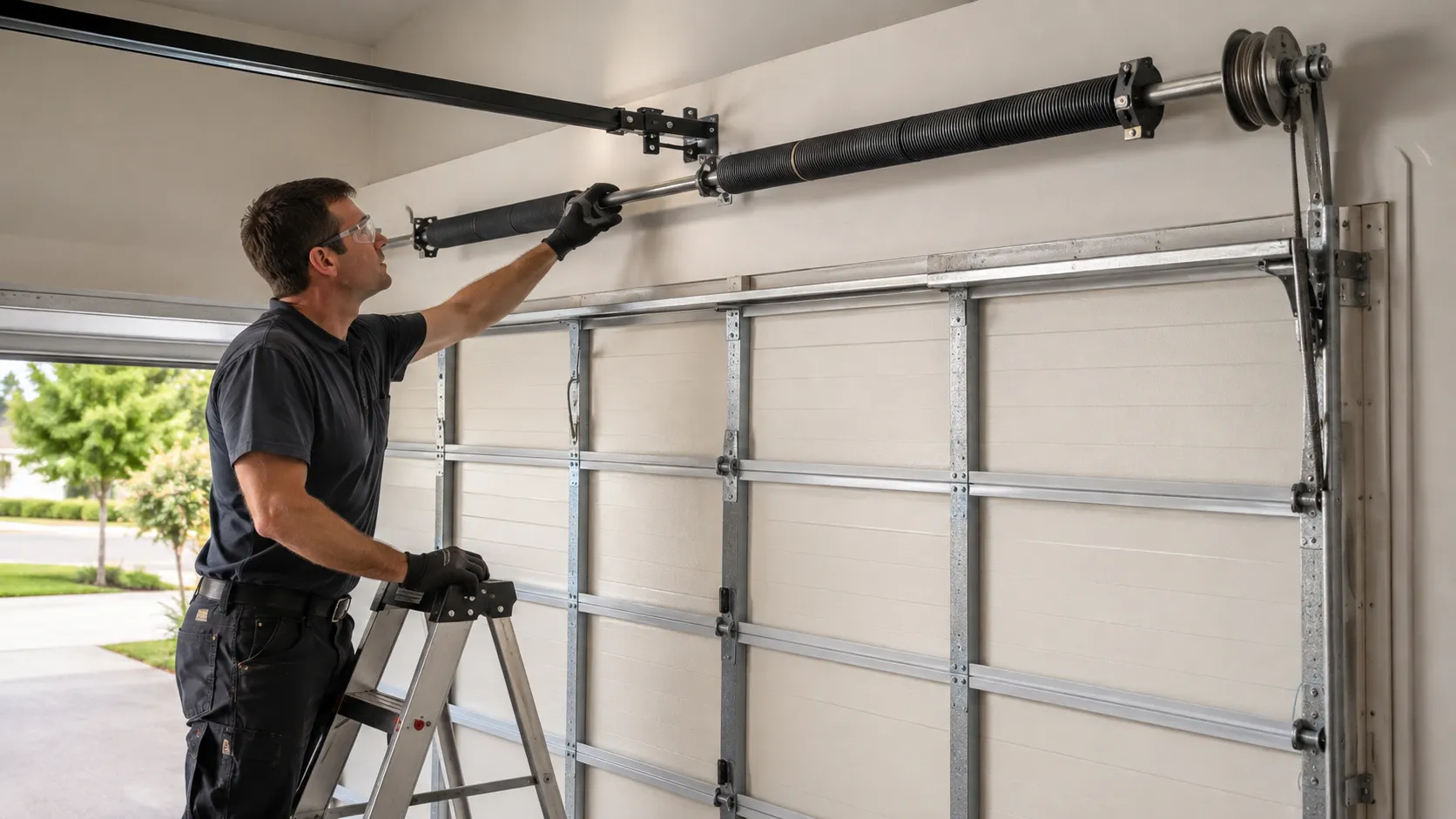
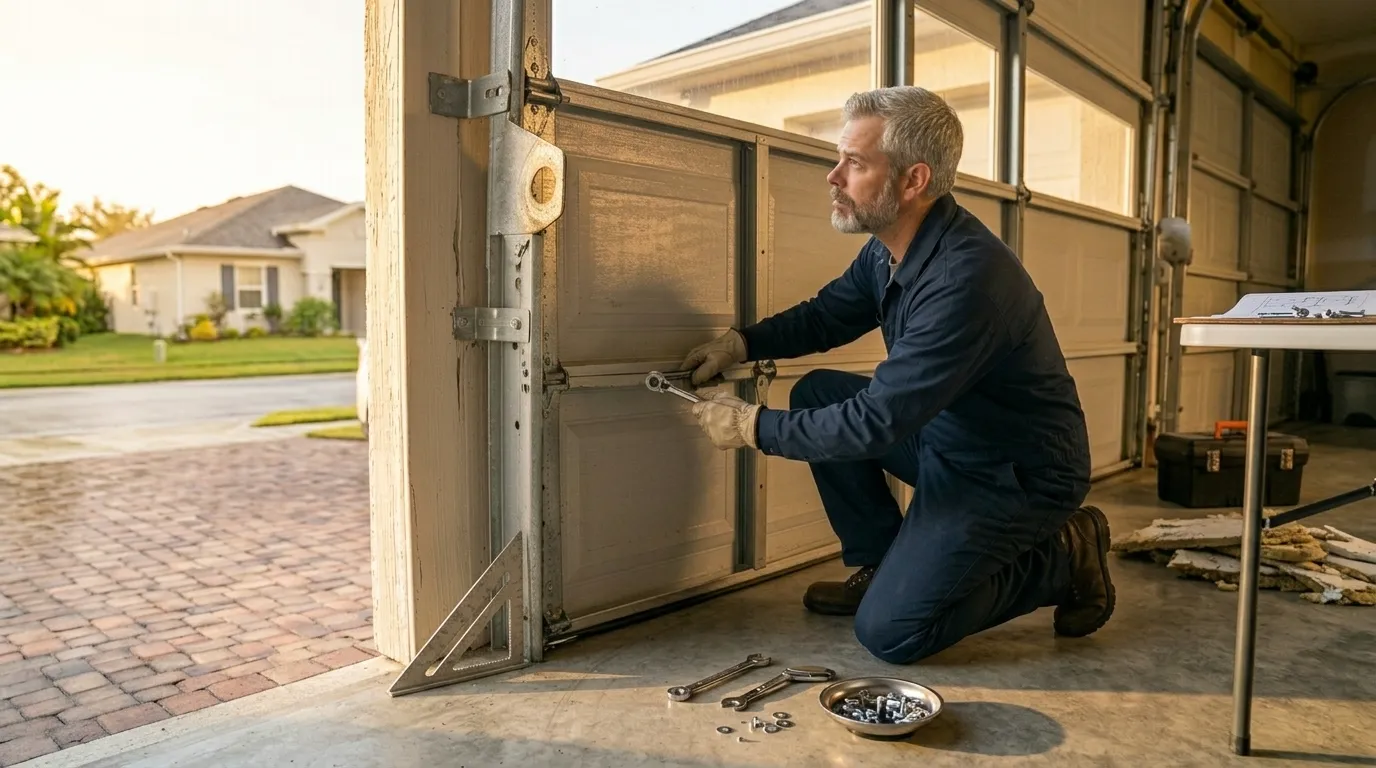
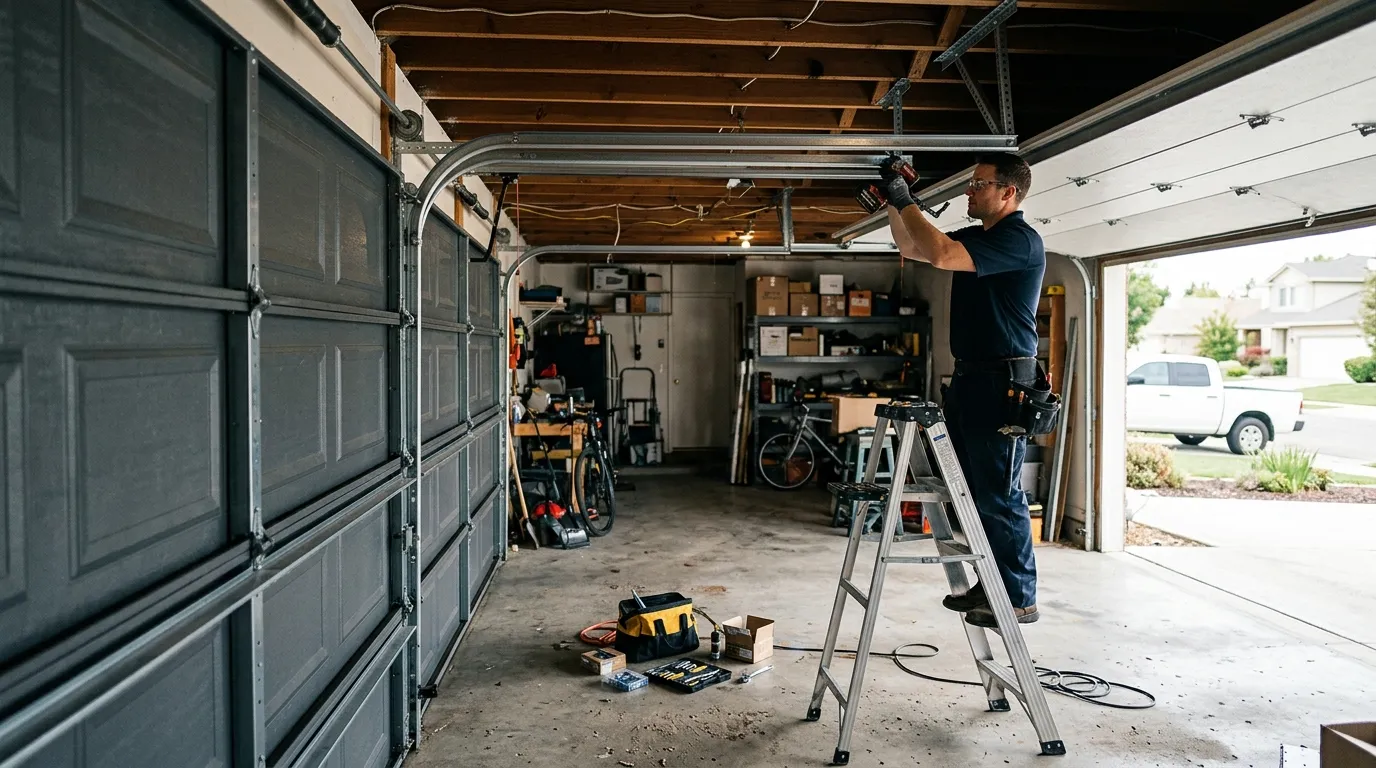
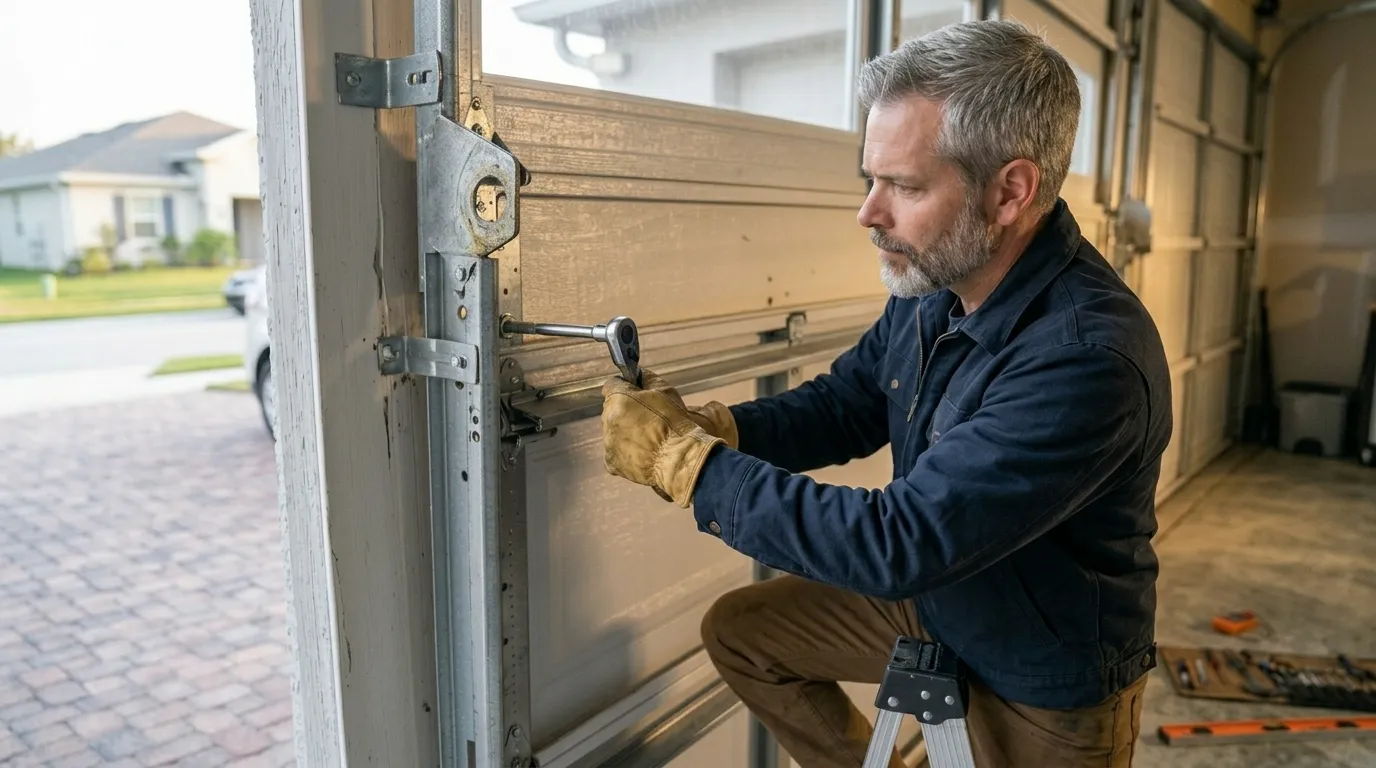
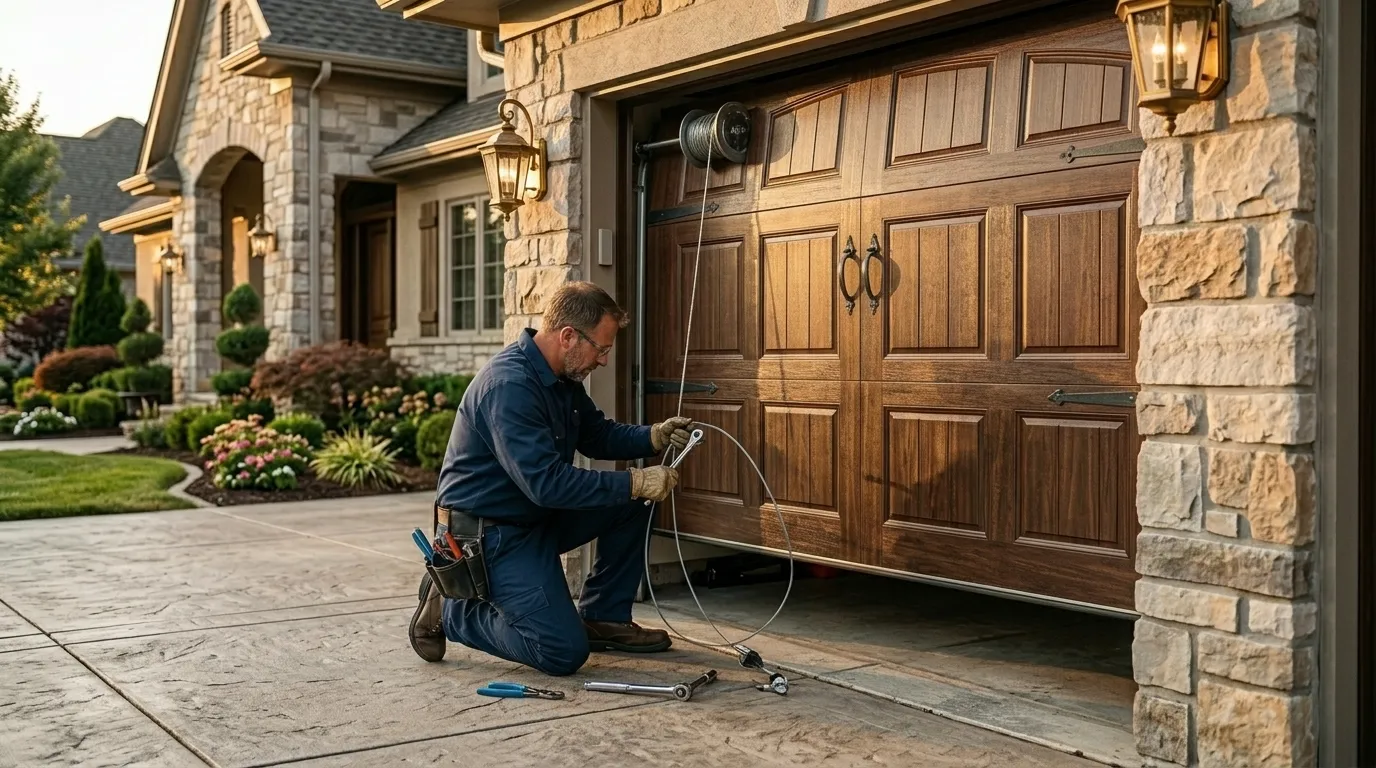
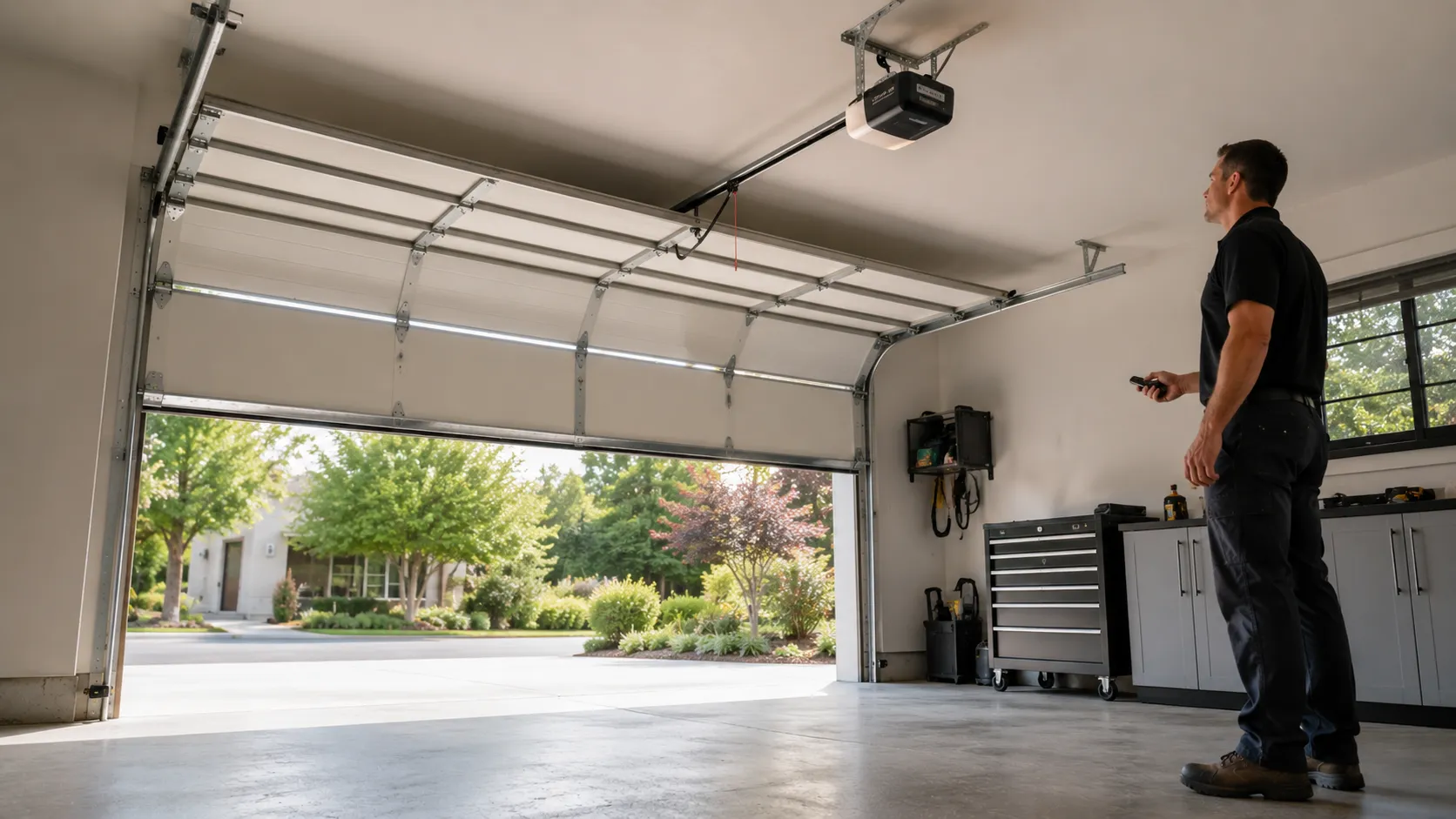
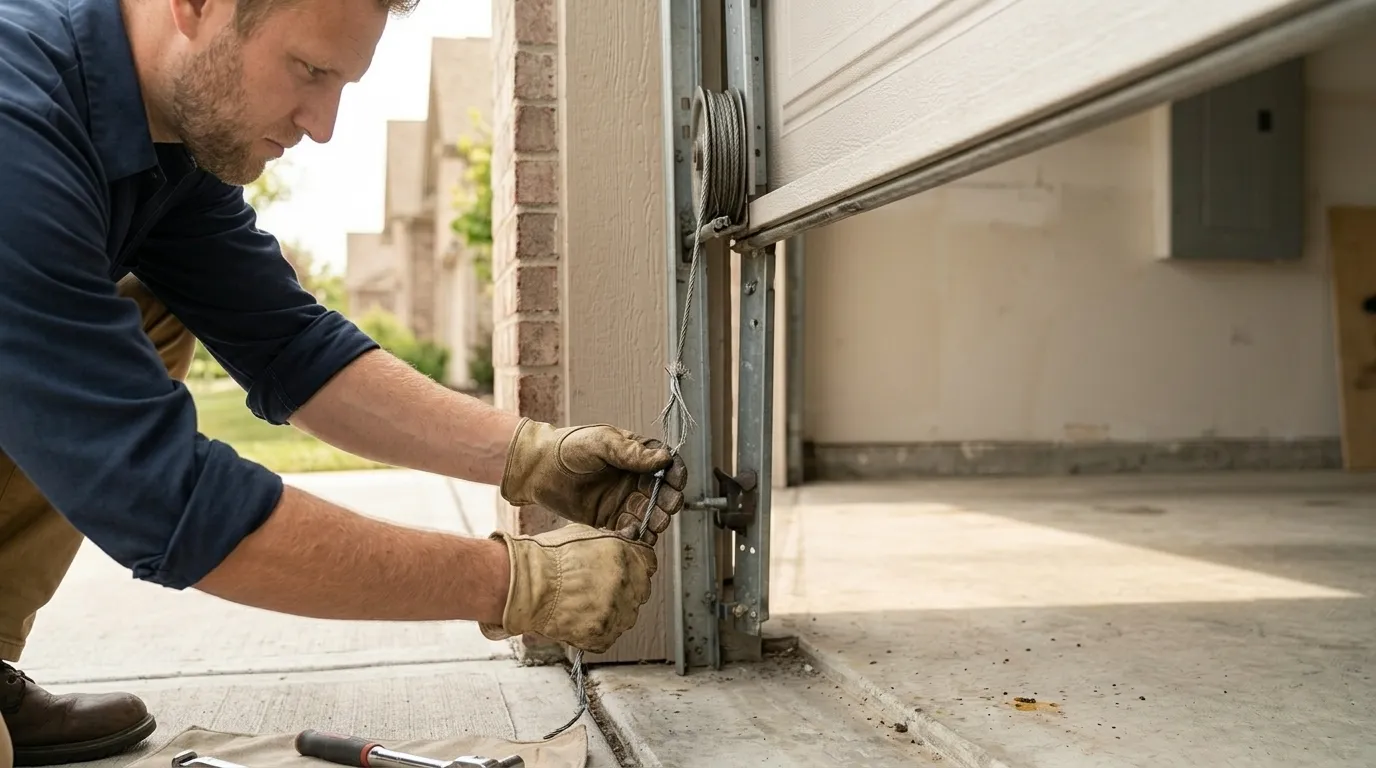
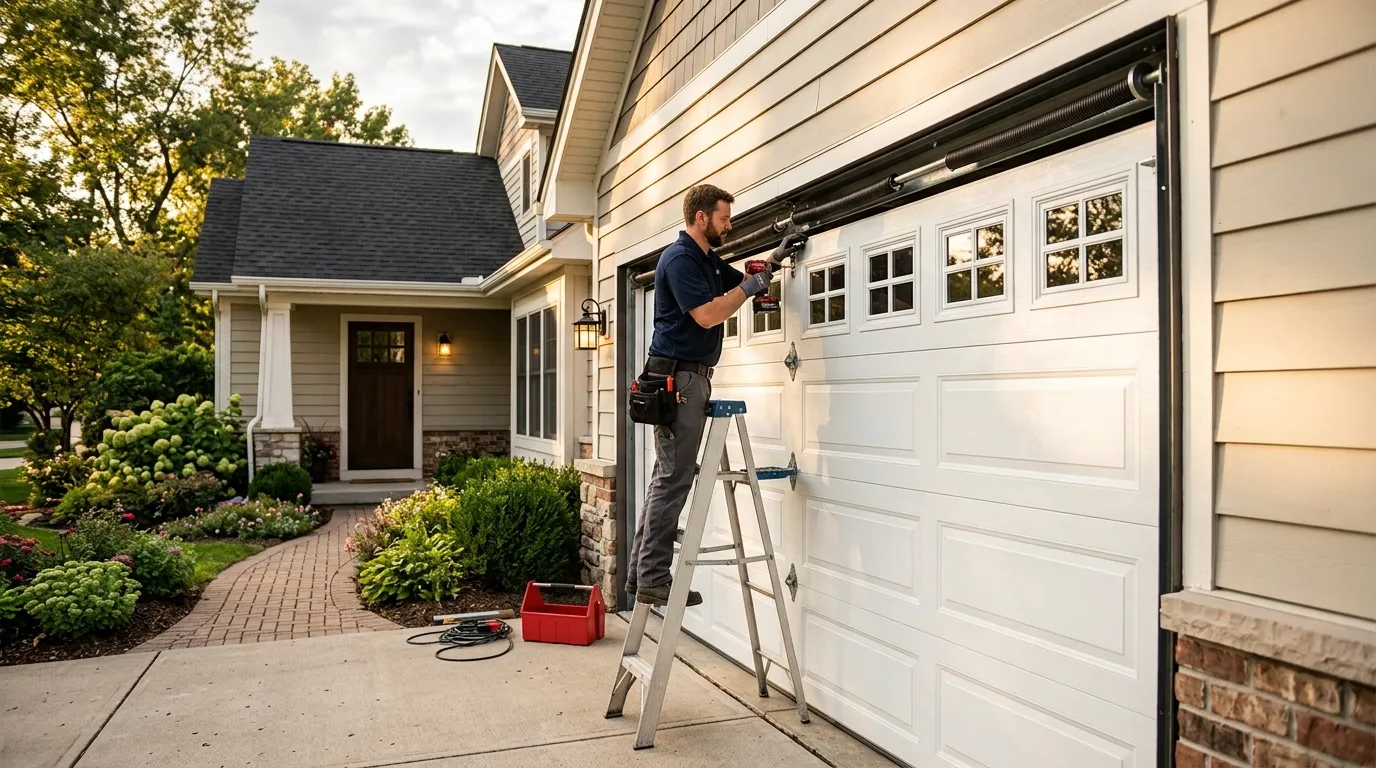
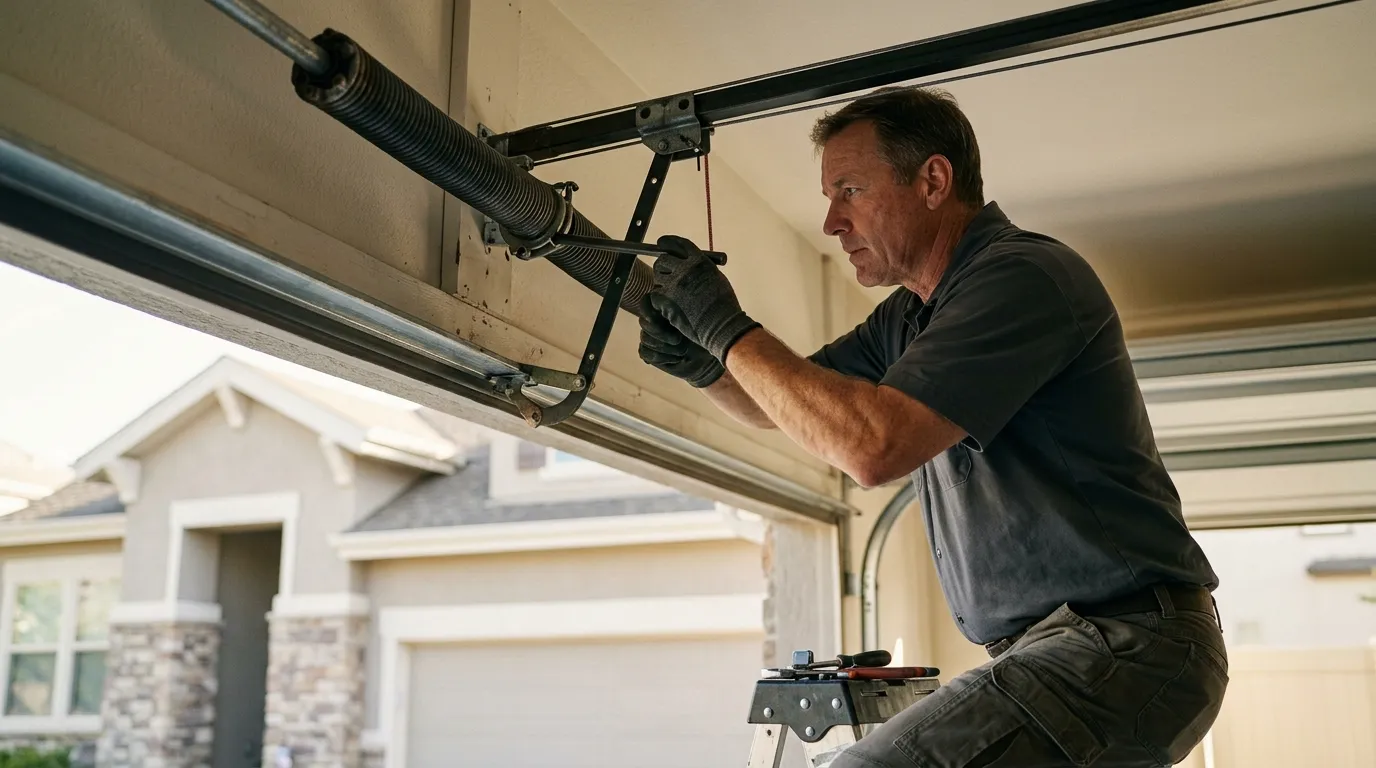
On a Lawndale door built around the area's 1965 median, the usual failure is a torsion spring that's simply outlived its cycle count, paired with rollers that were never swapped from the original steel. That combination shows up as a door that's loud, jerks partway up, or won't budge at all on a cold morning - though with this area's mild climate, we see less of the temperature-driven metal contraction that causes trouble further inland. The other pattern specific to this build era: openers here have usually been replaced once or twice already, so the chain or belt drive doesn't always match the original track hardware, which can cause binding that looks like a spring problem but isn't. We check both before quoting a repair, because guessing on a door this age wastes your money either way.