Checking It Yourself
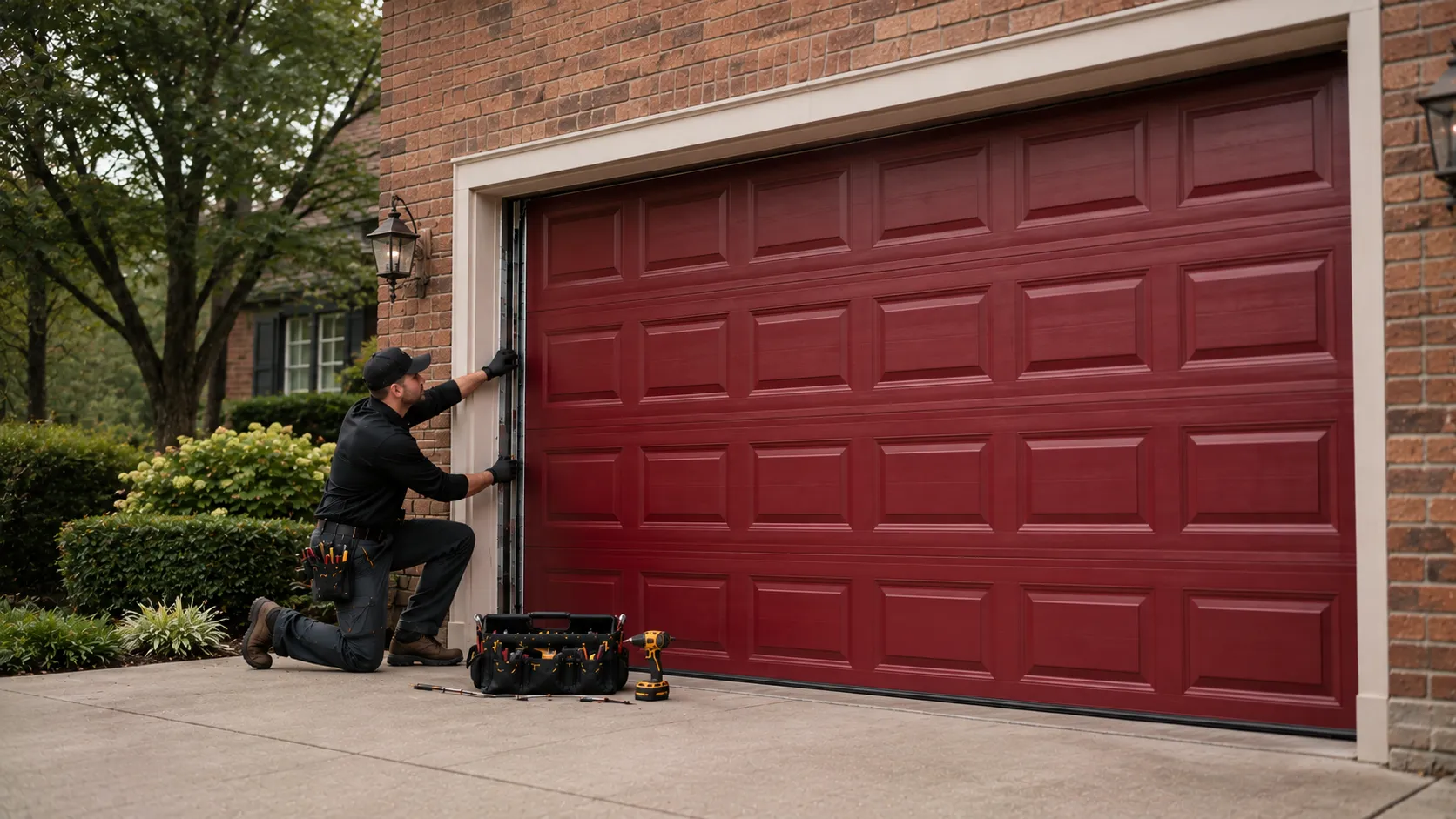
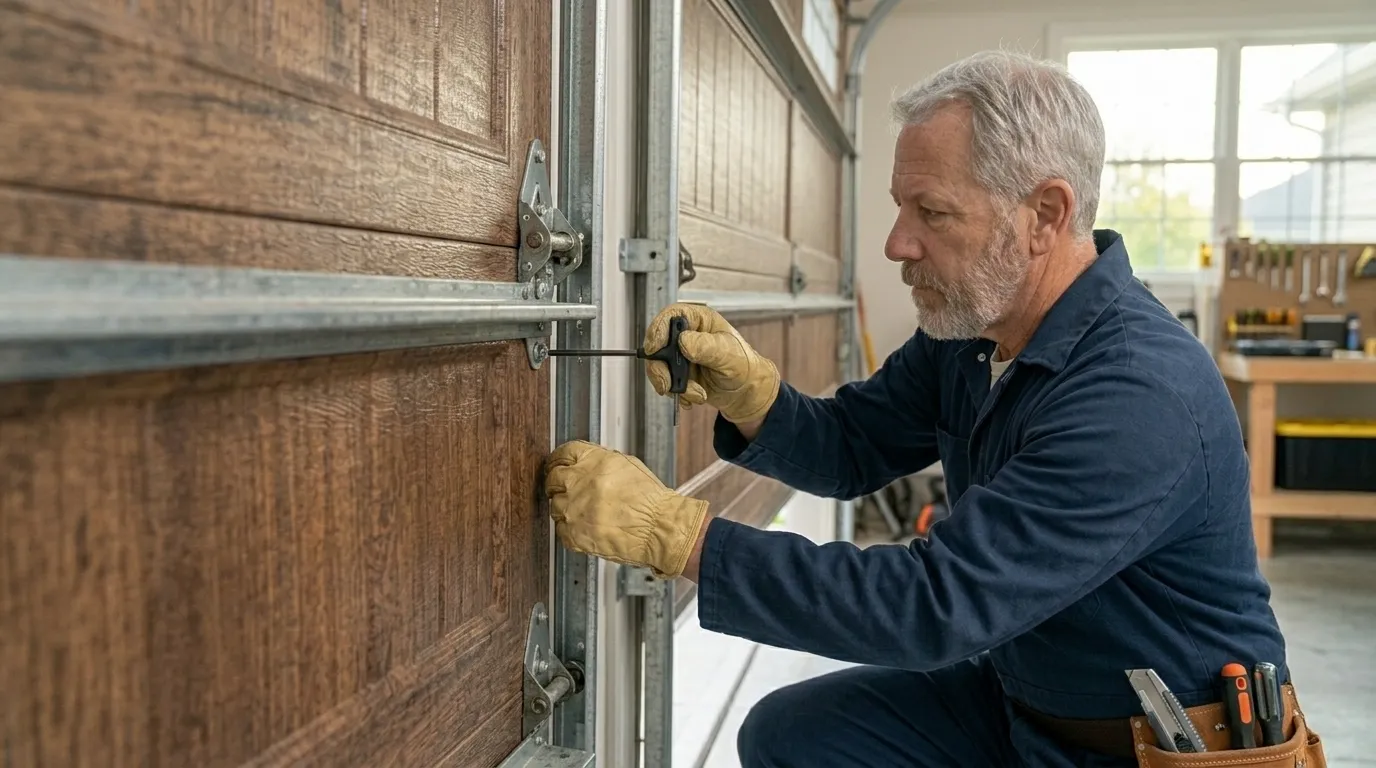
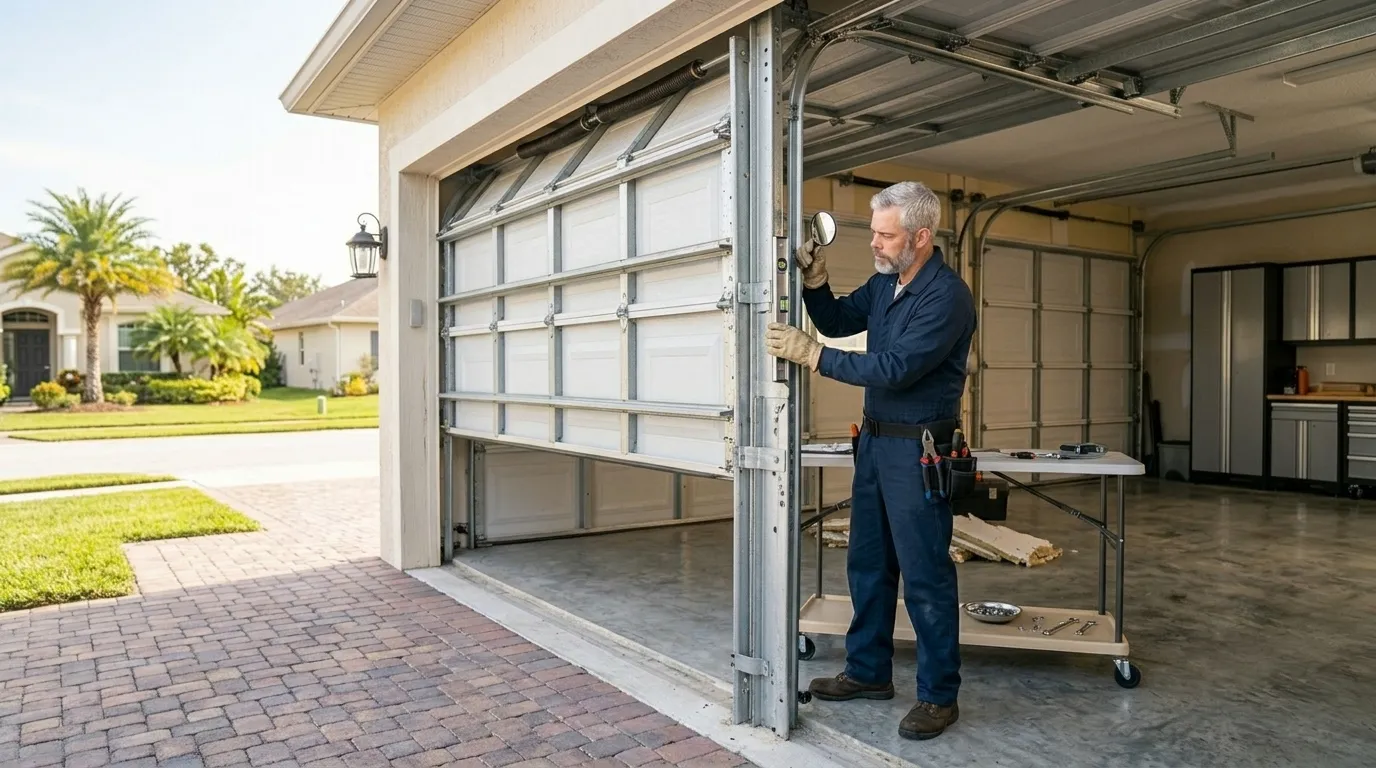
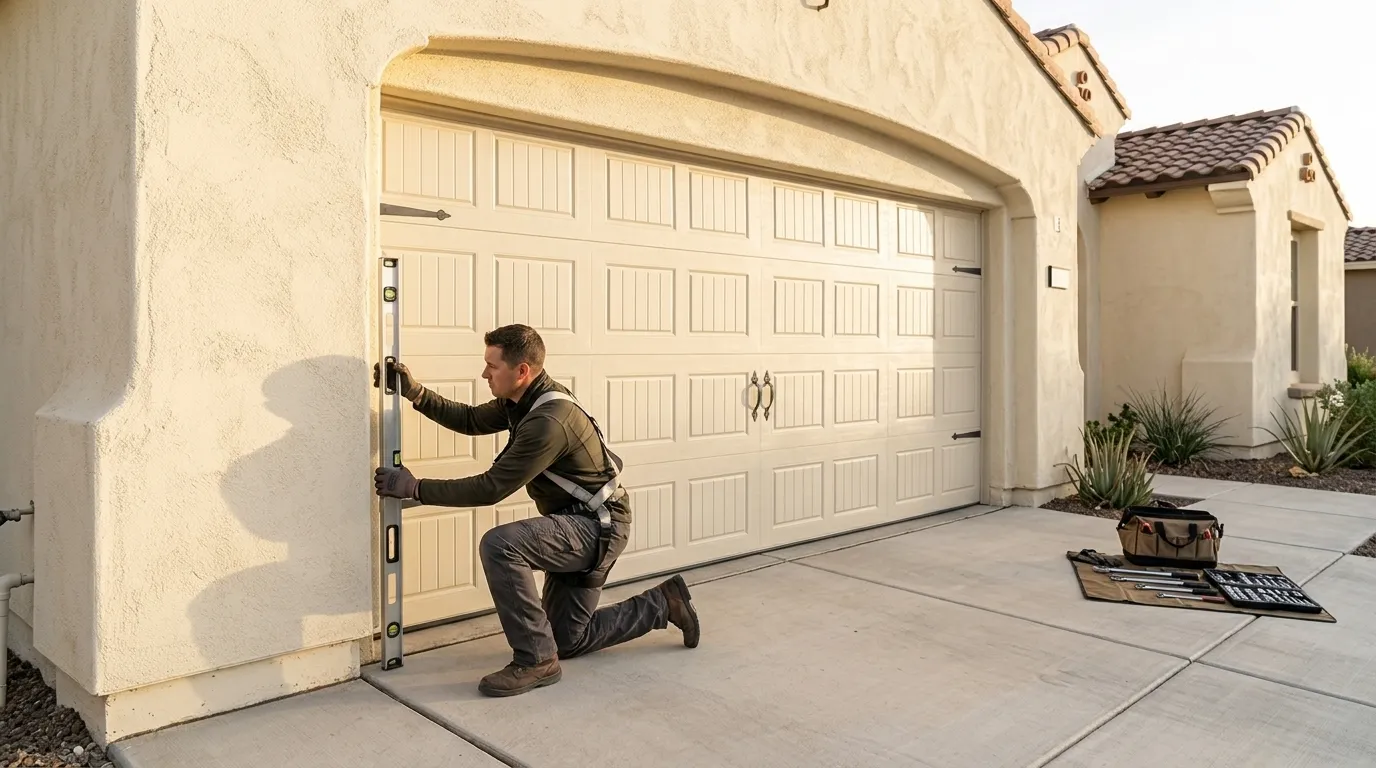
Before you call anyone, put your hand on the door and run it up and down once with the opener disconnected, if you can reach the release cord safely. Feel for a spot where it binds or drags - that's usually a track out of alignment, not a spring problem. Listen for where in the travel the noise happens. A bang near the top usually means the door is hitting the header or the up-travel limit is off. A grinding sound the whole way usually means dry rollers, and on a house from the 1960s or 70s original hardware era that's common because the rollers were never swapped out.
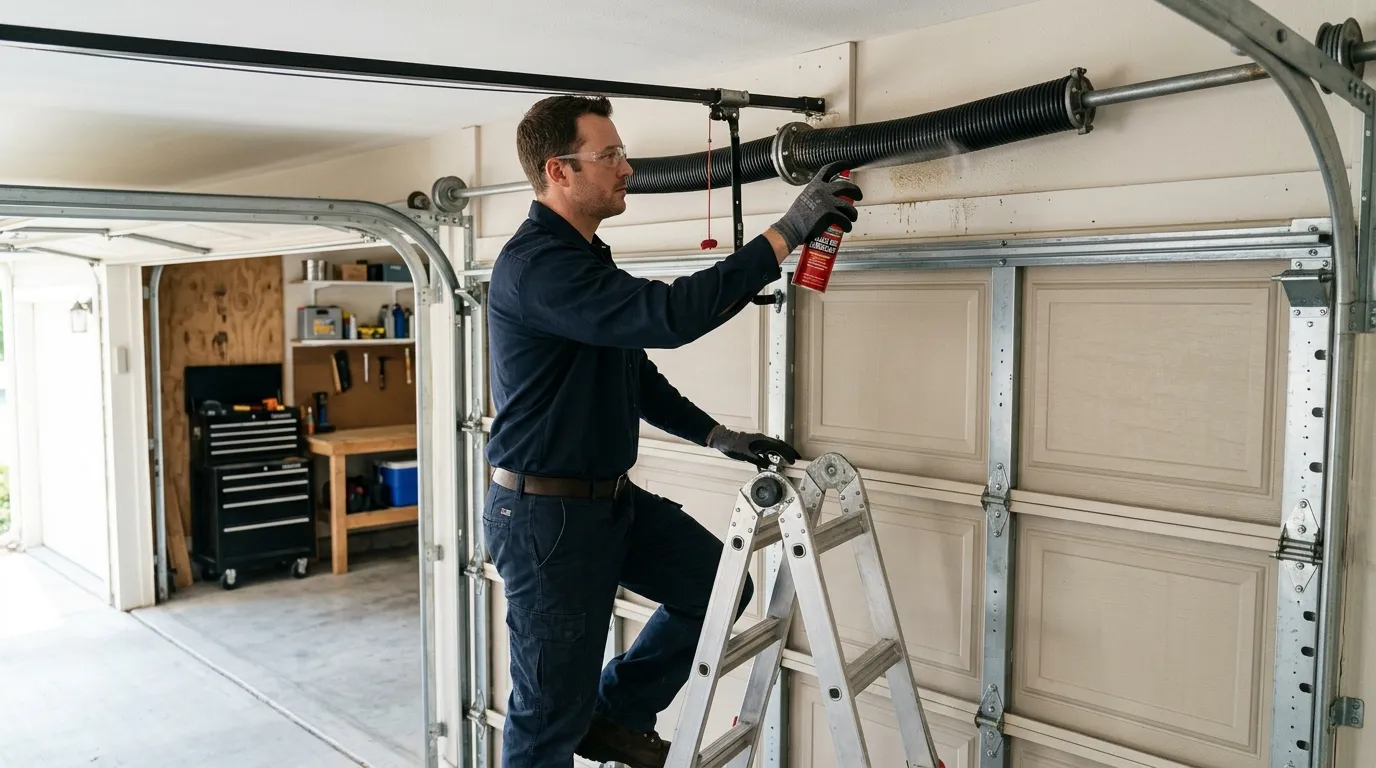
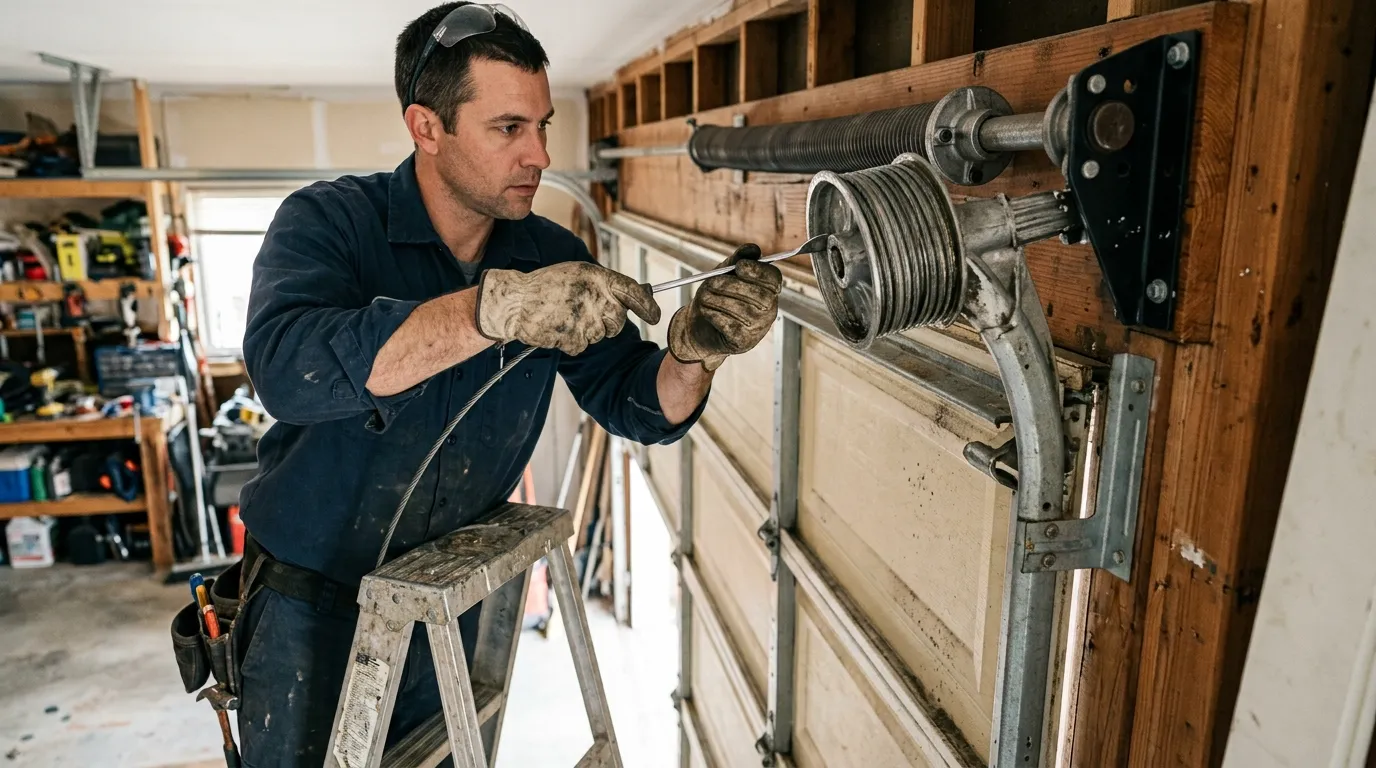
Check the springs visually - one torsion spring on top of the door, or two side-mounted extension springs, depending on when the door was installed. Don't touch them. If a spring is separated with a visible gap, that's not a lubrication job, that's a call. Also look at the cables for fraying near the bottom bracket. None of this fixes anything by itself, but it tells you whether you're calling about a $20 part or a full spring replacement, and it means you're not paying for a diagnostic visit to hear something you could have heard yourself.
The Seasonal Bit
This area sits in a mild temperate band, which is the honest reason garage door noise here isn't a seasonal story the way it is in places with a real freeze-thaw cycle. You won't get the same spring-tension shift from hardware contracting in cold, and you won't get ice locking a track. What you do get is slower, steadier drying-out of lubricant and rubber weatherstripping from consistent coastal air and sun exposure, which is less dramatic but just as real over years.
That means noise here tends to show up gradually rather than after one hard freeze, which is actually good news - it gives you time to catch it with the check above before it becomes a spring failure. It also means there's no single month where every phone rings at once, so a squeak you've been living with for a few weeks is worth addressing on your schedule rather than waiting for it to force the issue.
How Local Conditions Play In
Household incomes here run well above the county median, and a fair number of these doors were on older homes when they got upgraded openers without upgraded track or springs to match - a common pattern when a homeowner replaces the motor but not the hardware underneath it. That mismatch is one of the more common noise sources we'd expect to see on original-era doors paired with a newer belt-drive opener: the opener is quiet, but the track and rollers it's now driving harder aren't.
One honest limit here: if your springs are original to a 1960s install, we won't rewind or repair them - spring steel fatigues and a repaired spring is a future service call waiting to happen, so that's a replacement, not a fix. We also won't guess a diagnosis over the phone; the checks above are meant to narrow it down, not replace someone actually looking at the door.