
This Area's Housing
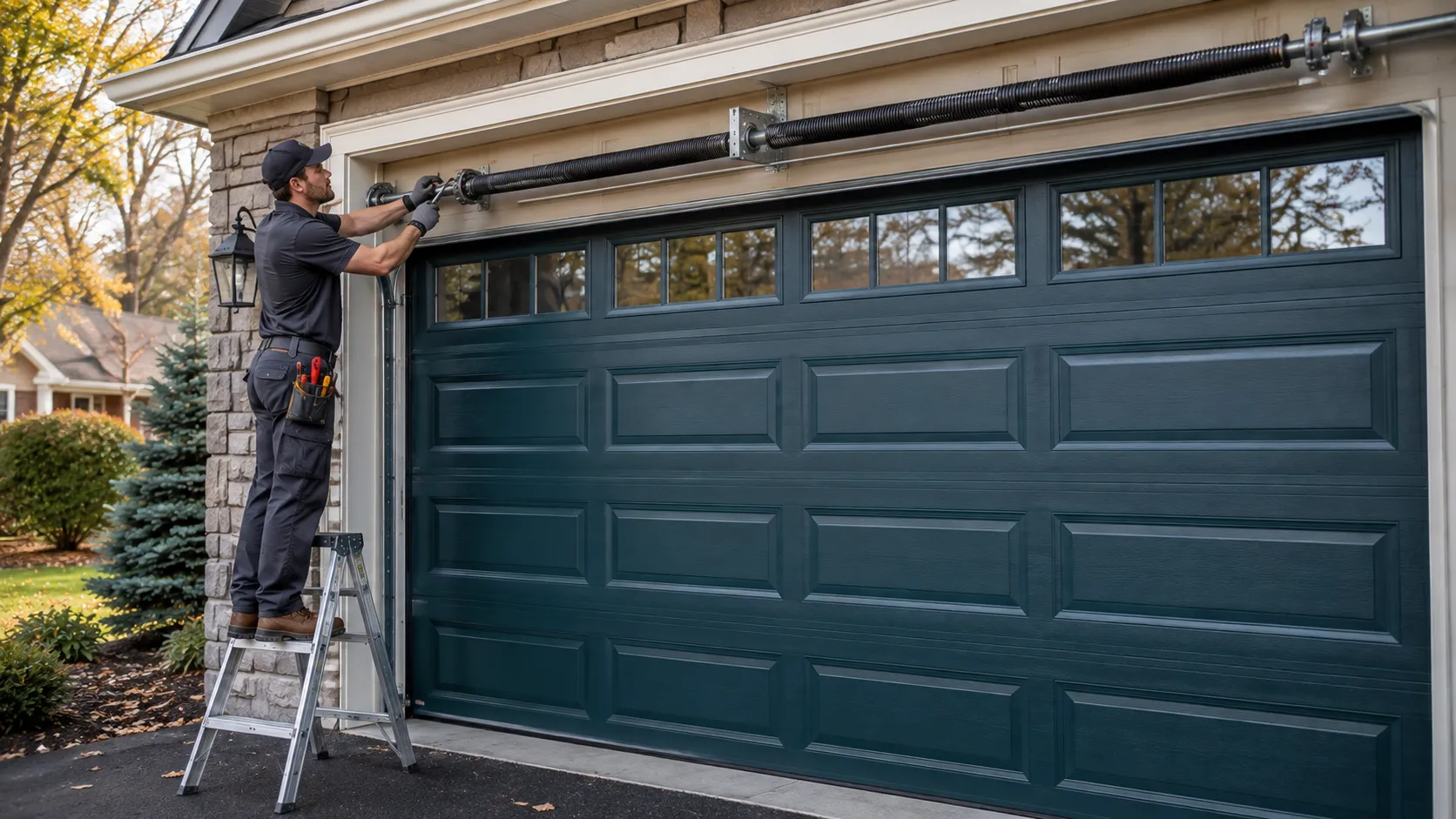
Marina del Rey's housing stock runs newer than most of what we cover out of Manhattan Beach. The median build year here is 1979, well past the 1963 median across the wider service area, where housing generally went up between 1947 and 2012 and most stock across the 24 named communities we reach dates to the 1960s and 70s. That gap matters. A house built in 1979 was framed to different clearances and usually shipped with a different opener mounting than one built in the 1950s or 60s. With 5,169 households in the area and a median income of $142,440, we also see more doors that were replaced or upgraded once already, rather than original equipment. That changes what we find when we open the panel: newer track profiles, extension springs less often, and openers that are themselves overdue for a second replacement rather than a first.
Older vs Newer Streets
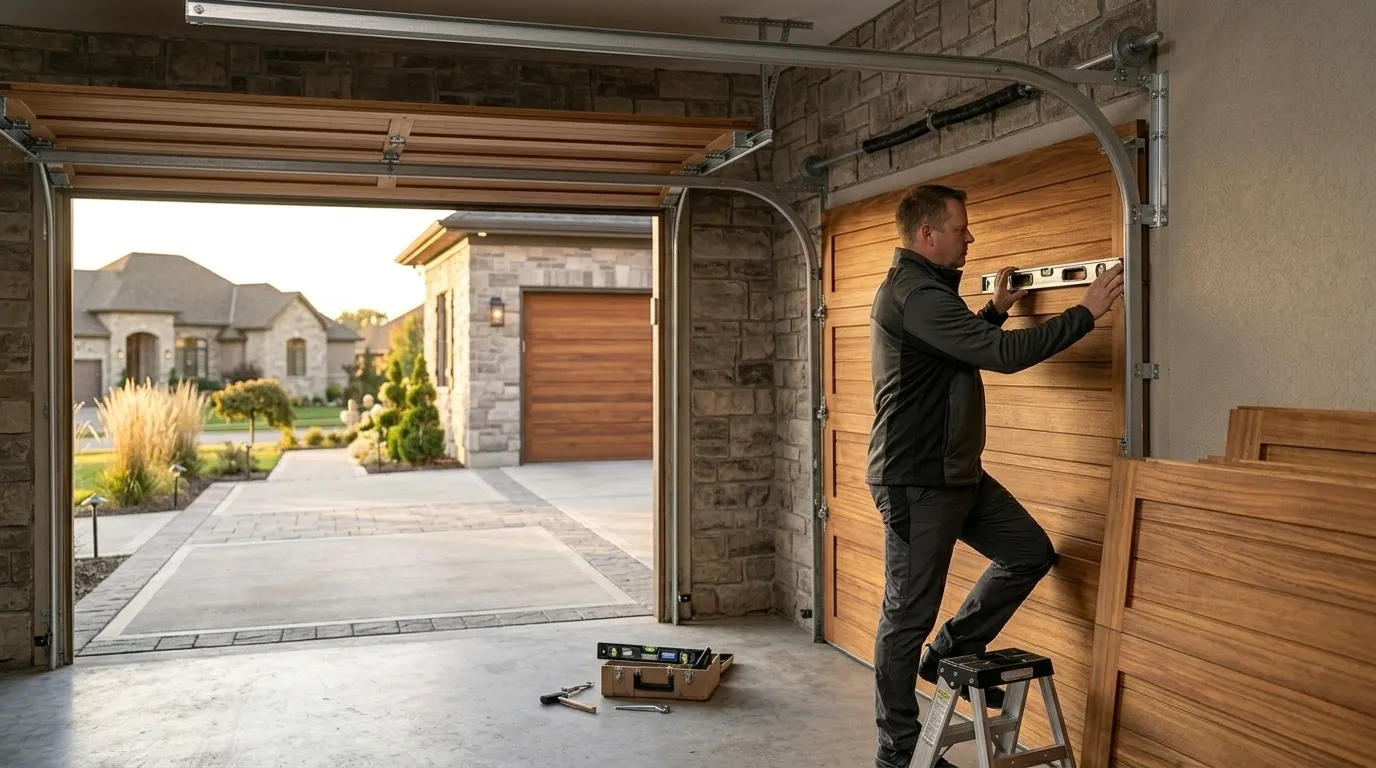
Across the wider area we cover, the housing split is wide: some pockets still have doors and openers from the 1960s, others were rebuilt more recently. Marina del Rey sits on the newer end of that range, with a median build year of 1979. That means fewer of the one-piece slab doors and side-mounted torsion setups you find on older stock elsewhere in the service area, and more sectional doors on standard torsion springs with center-mounted openers - the setup that became common once building codes and hardware caught up through the 70s and 80s. It doesn't mean every house is the same. A property here could have had its door swapped twice since 1979, or never touched. But as a baseline, when we get a call from this area we're expecting sectional hardware first, not the older configurations we see more often elsewhere on our route.
How That Shows Up in the Door
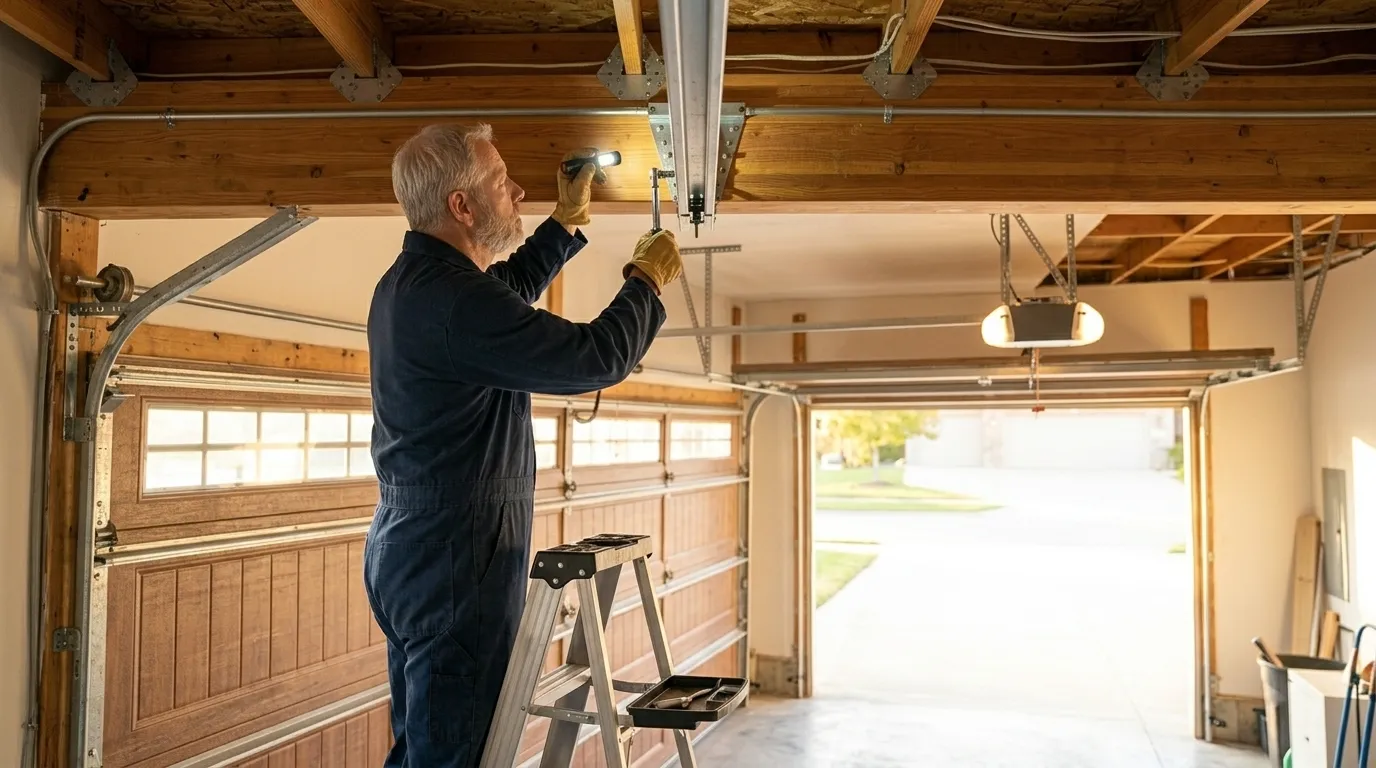
On a 1979-era door, the failures we see most are worn rollers, stretched or frayed lift cables, and torsion springs that have simply cycled out after decades of use - normal wear on hardware that was built to a modern-enough spec that it's not a mismatch of parts. That's different from an older 1960s door, where we're often dealing with an opener bolted onto hardware it was never designed for. One honest limitation: if a door here has been modified more than once - a newer opener on old track, or a panel swap that doesn't match the rest - we sometimes can't give a firm quote until we've seen it in person, because mismatched retrofits don't follow a predictable pattern. The area's mild temperate climate means we're rarely called out for weather damage; most calls here are wear, not storm.