This Area's Housing
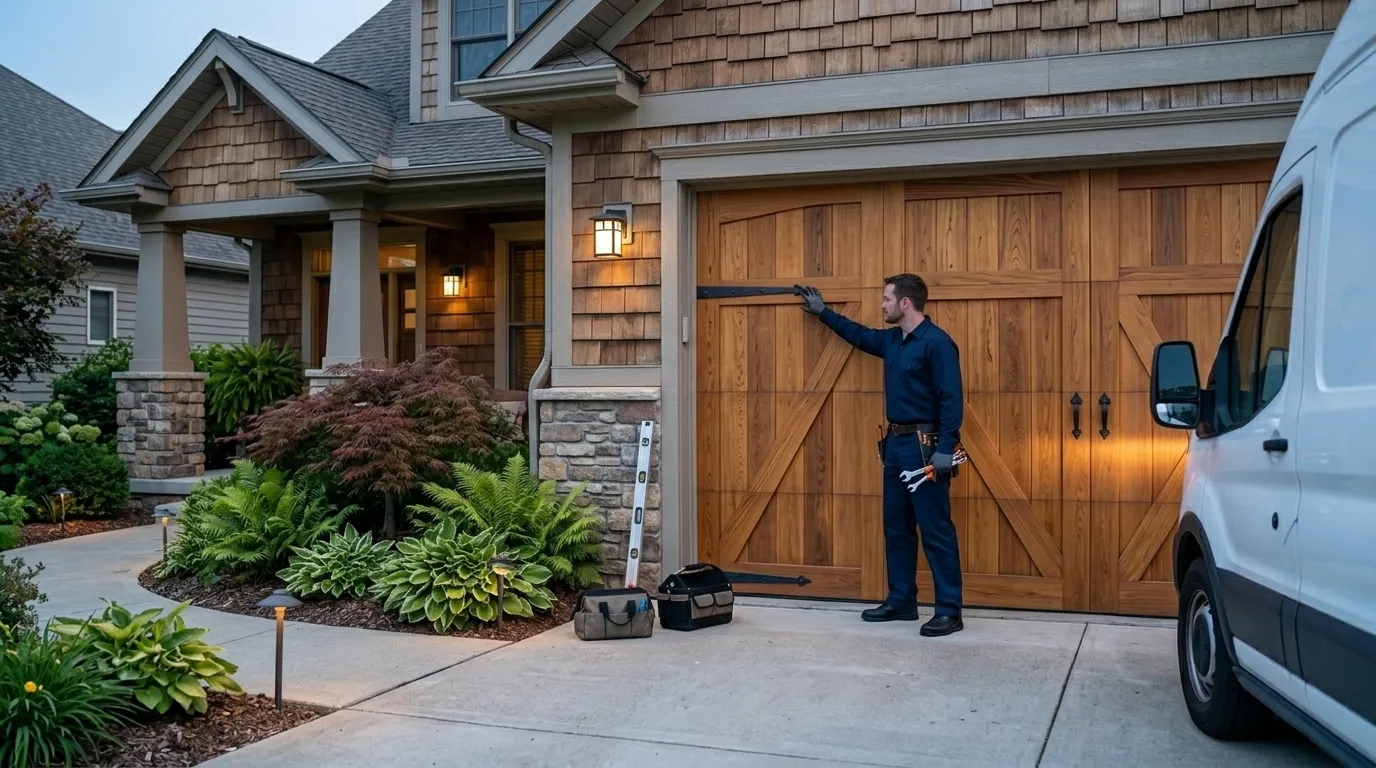
Willowbrook's houses cluster tight around a median build year of 1969, which puts most garage doors and their hardware squarely in the second-generation era of residential door design - past the original steel one-piece slabs, but well before anything with a circuit board in the opener. With 5,919 households in the area, that's a lot of doors installed or replaced during the same rough window, which means a lot of them are due for the same failures at close to the same time: torsion springs sagging past their rated cycle count, and extension-spring setups on older single-car garages that were never upgraded when the rest of the block went to double-wide. Median household income here runs $60,386, noticeably below the wider service area's $94,152, and that shows up in what people ask us to do - repair the spring or the cable, not necessarily replace the whole door and opener in one job. We work with that. A repaired torsion spring or a rebuilt roller track can buy a door another decade if the frame and panels are still sound. We won't push a full replacement on a homeowner when the fix is smaller than that.
Older vs Newer Streets
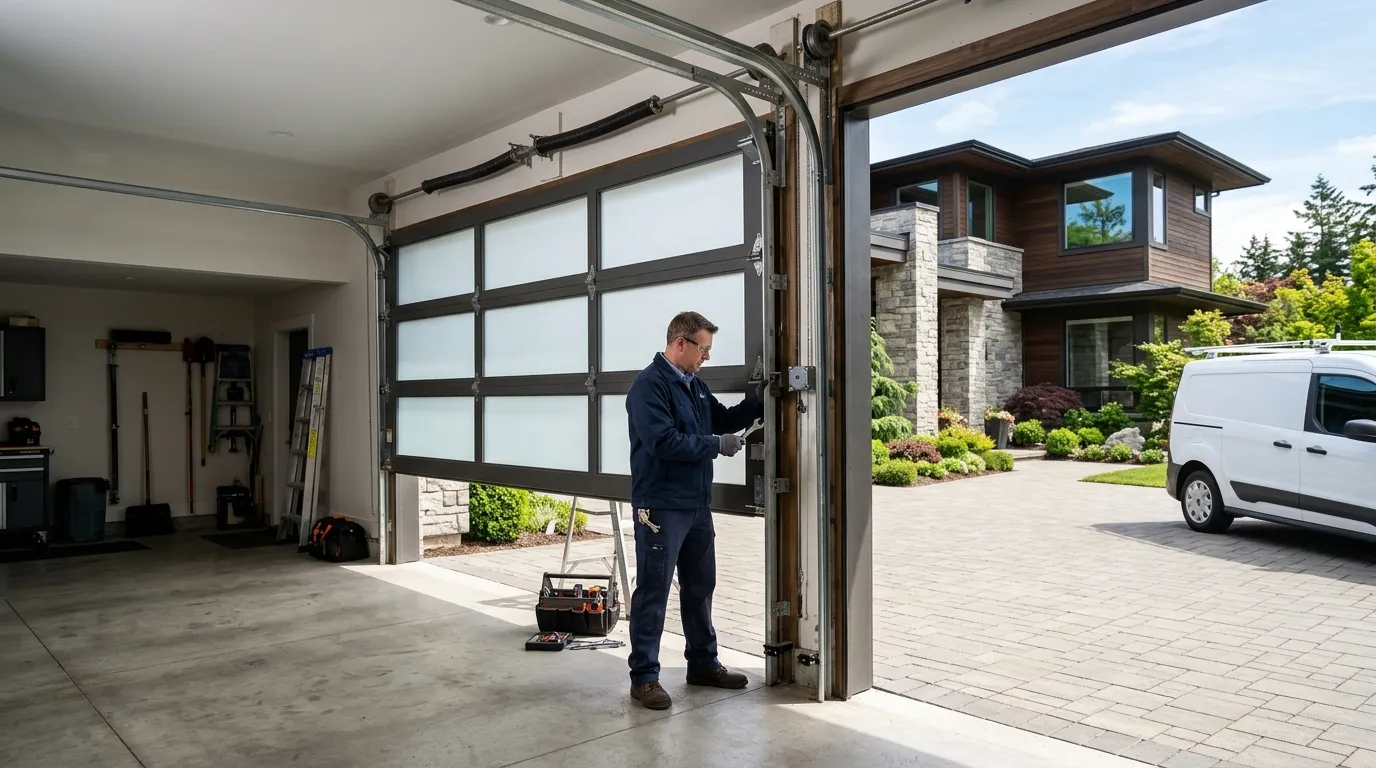
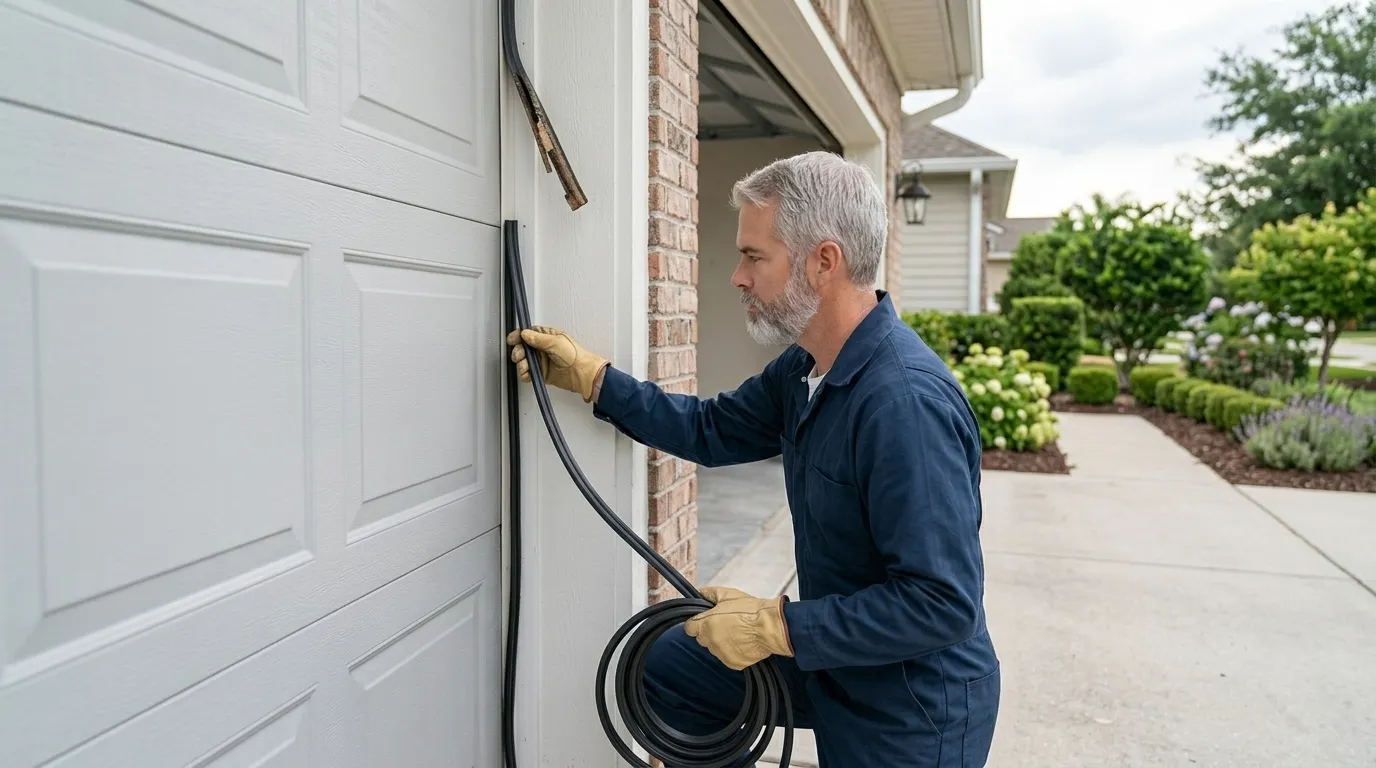
Not every block in Willowbrook aged the same way. Streets built earlier in the housing run tend to still carry their original torsion hardware and narrower door openings, often single-car, with steel tracks that have been re-shimmed more than once. Streets that filled in later - closer to the tail end of the area's main building years - are more likely to have wider two-car openings and the extension-spring or early-torsion setups that were standard through the late '60s and into the '70s. The practical difference: an older single door usually needs spring and roller work, while a later double door is more likely to bring us out for a bent track or a worn cable, because the wider span puts more stress on both sides at once when one side lets go. We size the fix to the door in front of us, not to a guess based on the street.
How That Shows Up in the Door
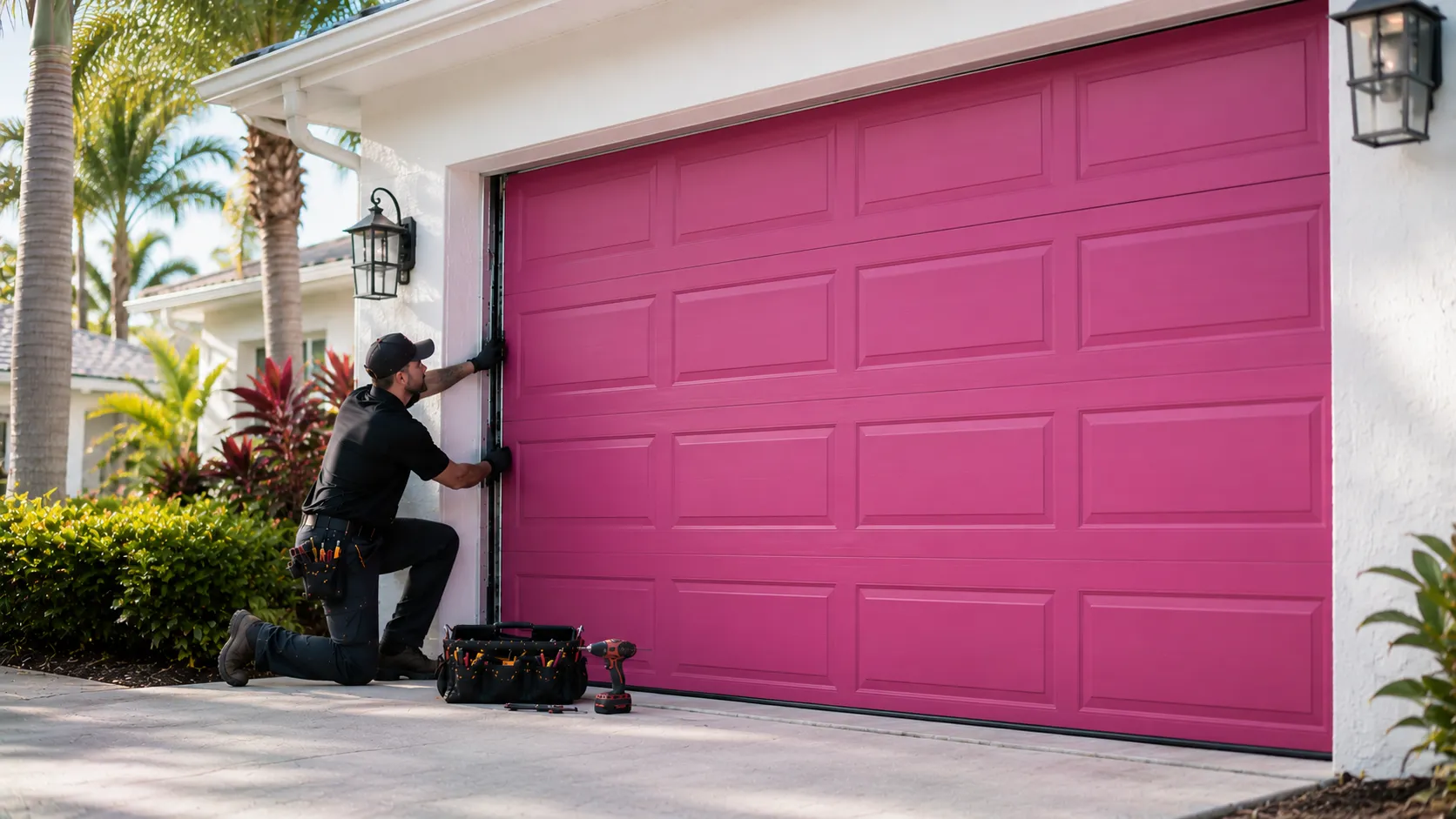
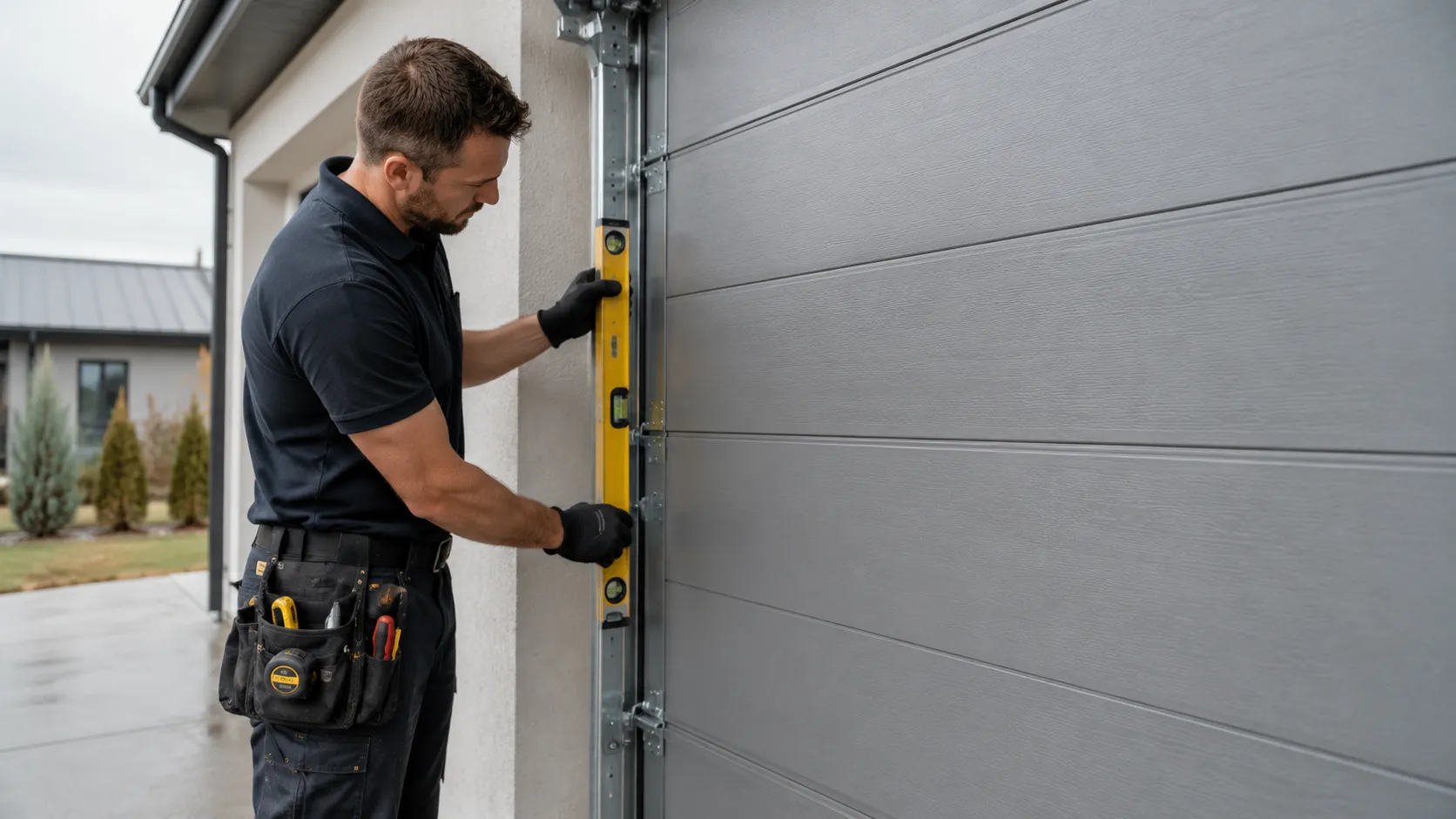
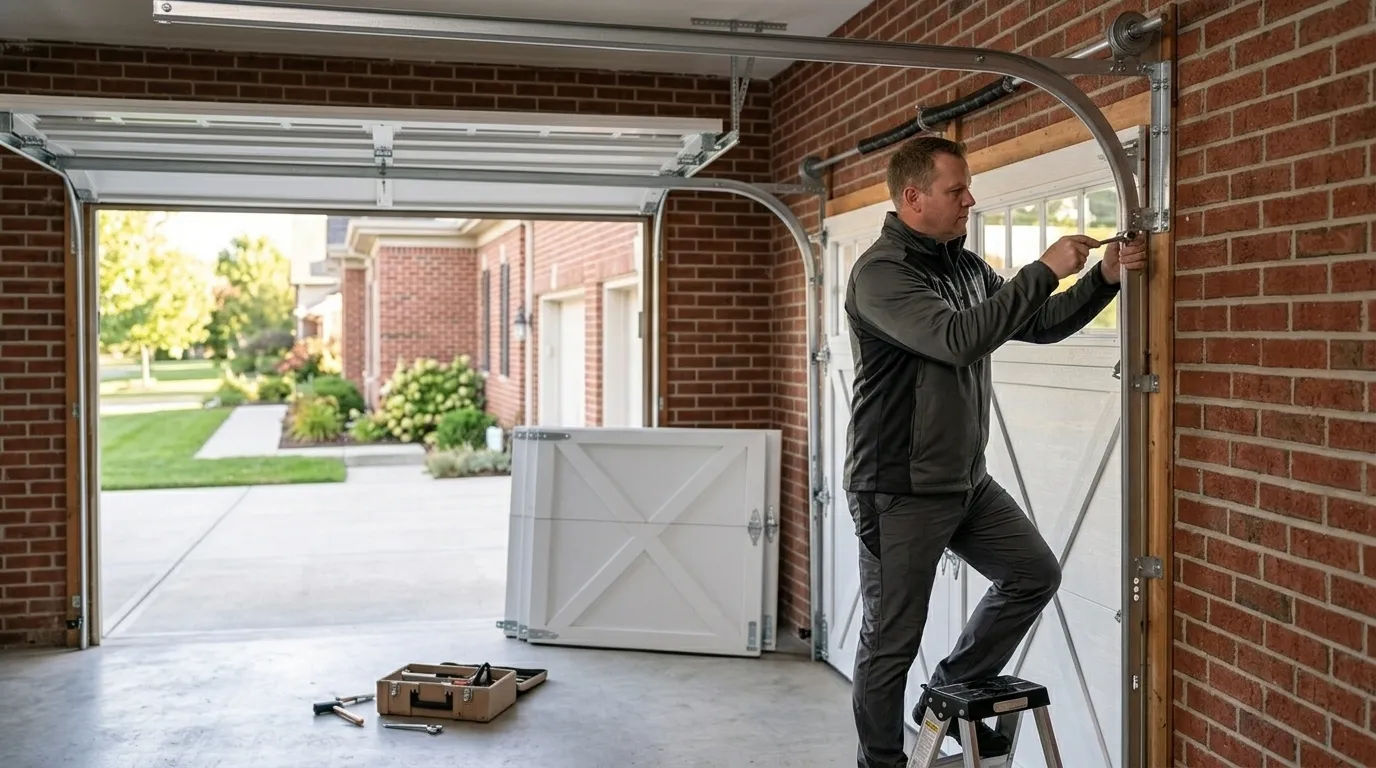
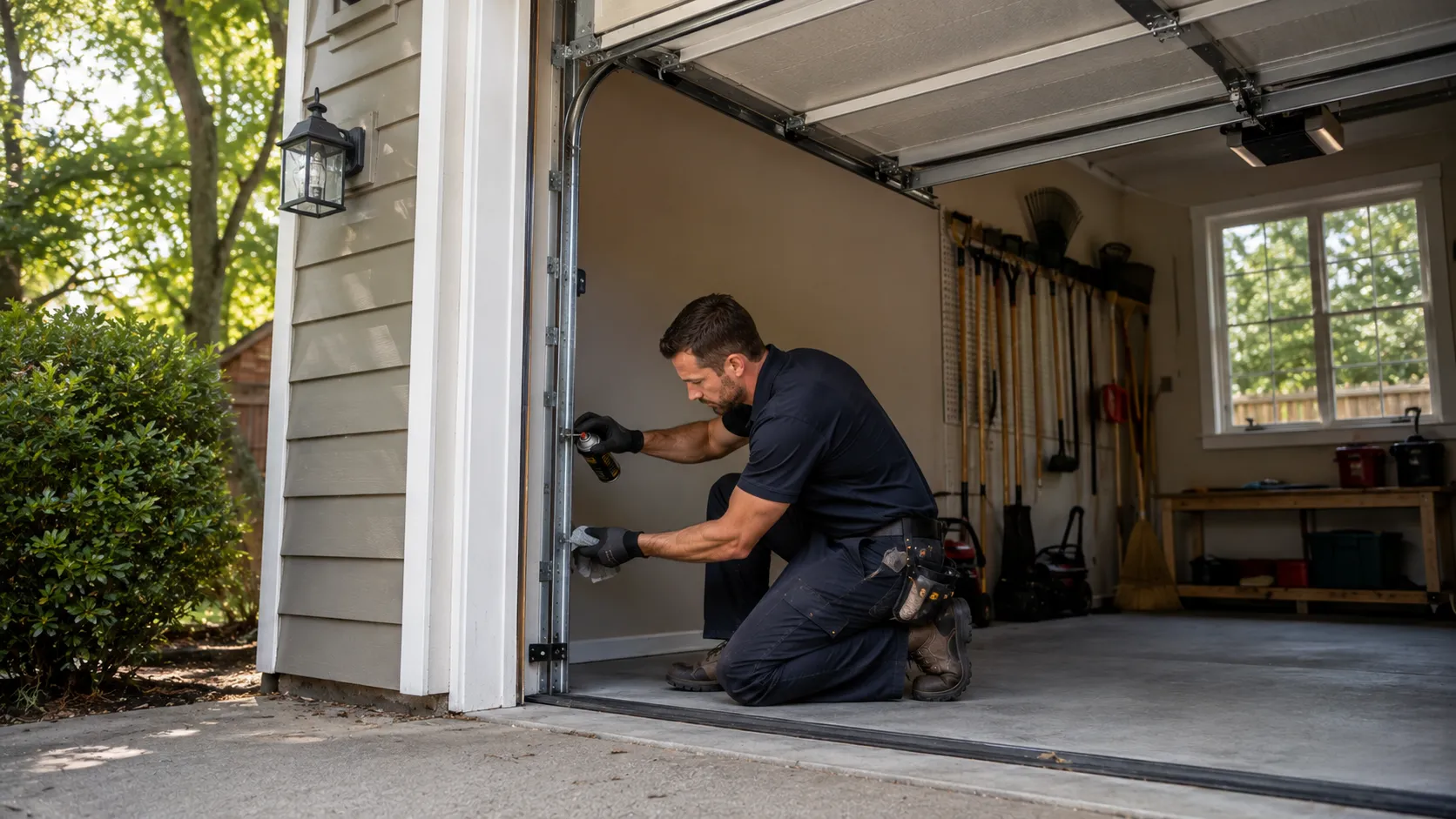
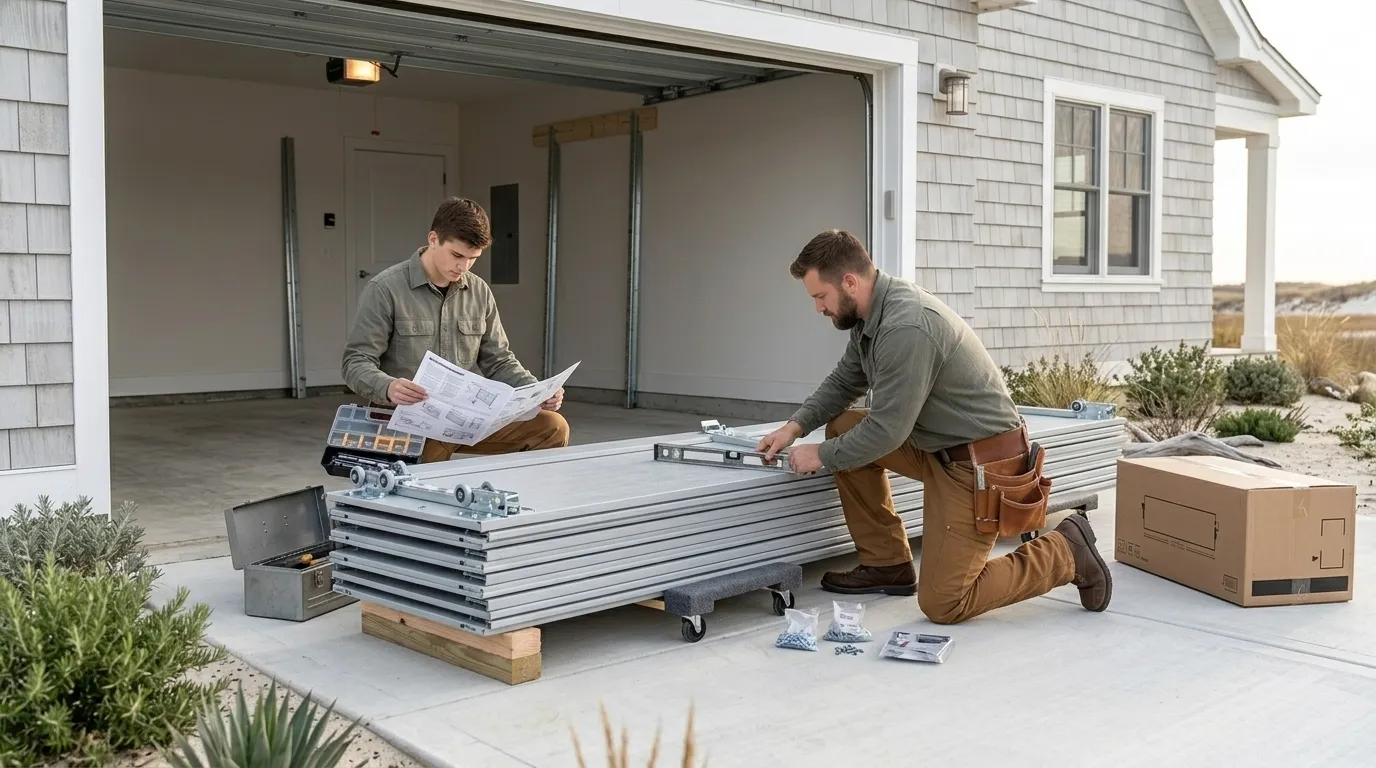
A door built to a 1969-era opening doesn't take modern hardware without some adapting - torsion springs from that period were wound to different specs than what's stocked new today, and a straight swap without checking the door's weight and drum size can leave it unbalanced. That's the honest limitation: if your door or its hardware is a genuinely old, non-standard size, the exact replacement part may need to be special-ordered rather than pulled off the truck, and that can add a day or two to the job. Where we can match stock parts to the existing drum and cable setup, most repairs on these doors - spring replacement, roller swap, track realignment - go the same visit. We'll tell you straight which kind of job yours is before we start, not after.