This Area's Housing
Westmont's median year built sits at 1958, a few years ahead of the broader service area's 1963 median. That five-year gap matters more than it sounds like on paper. Houses built in the late 1950s were framed and finished before a lot of the garage door hardware we work with today existed in its current form - a lot of these openings still carry the original jamb and header dimensions, even where the door itself has been swapped out once or twice since. With 10,532 households in the area and a median income of $47,899, we see a lot of owners holding onto a working door and fixing it piece by piece rather than replacing it outright, which is a reasonable call more often than people think. The mild temperate climate here helps that math - no deep freeze cycles, no heavy snow load, so panels and tracks age slower than they would somewhere with real winters. What does wear out on schedule is hardware: springs, rollers, and cable that were sized for a lighter, older-style door and never upgraded when insulation or a heavier panel got added later.
Older vs Newer Streets
Not every block in Westmont dates to the same era, but the 1958 median tells you where the weight of the housing stock sits. On the older streets, expect one-piece or early sectional doors, side-mounted torsion springs mounted on a stationary cone rather than the standard extension setup you'd find on something built in the 1980s or later. Newer construction or a remodeled property is more likely to have a torque master or center-mounted torsion system with modern safety cables - a completely different repair, different parts, different failure pattern. When we get a call from Westmont we ask the age of the door itself, not just the house, because a homeowner who bought in 2005 may have replaced the original door entirely, and that changes everything about the visit before we even load the truck.
How That Shows Up in the Door
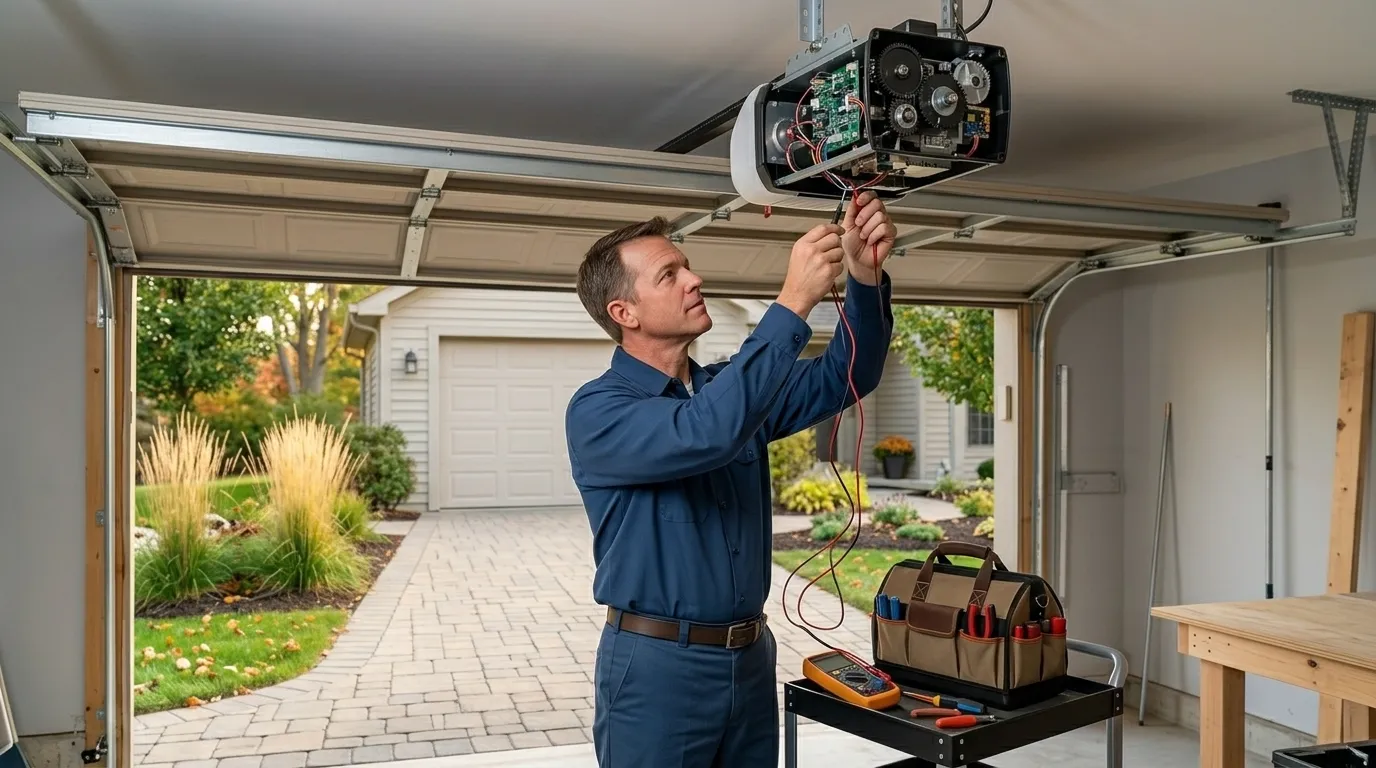
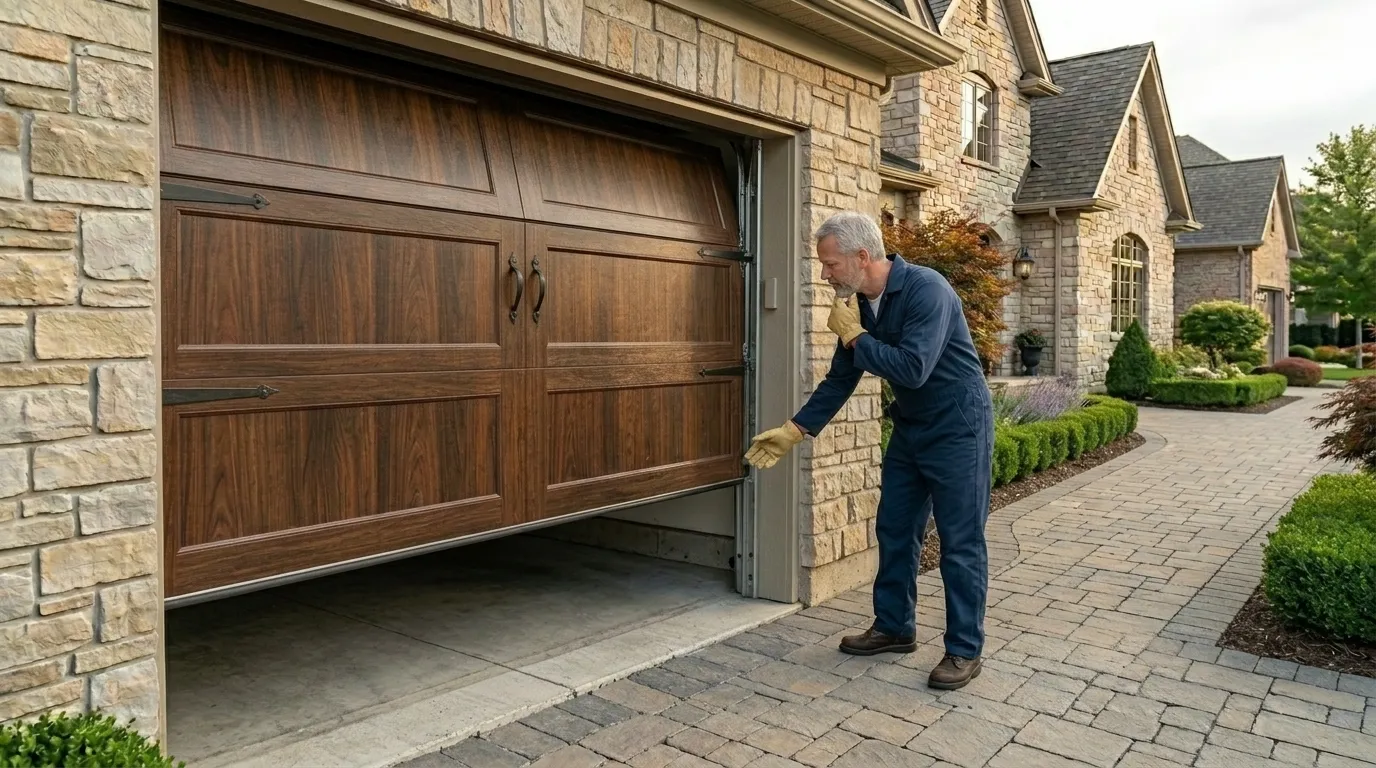
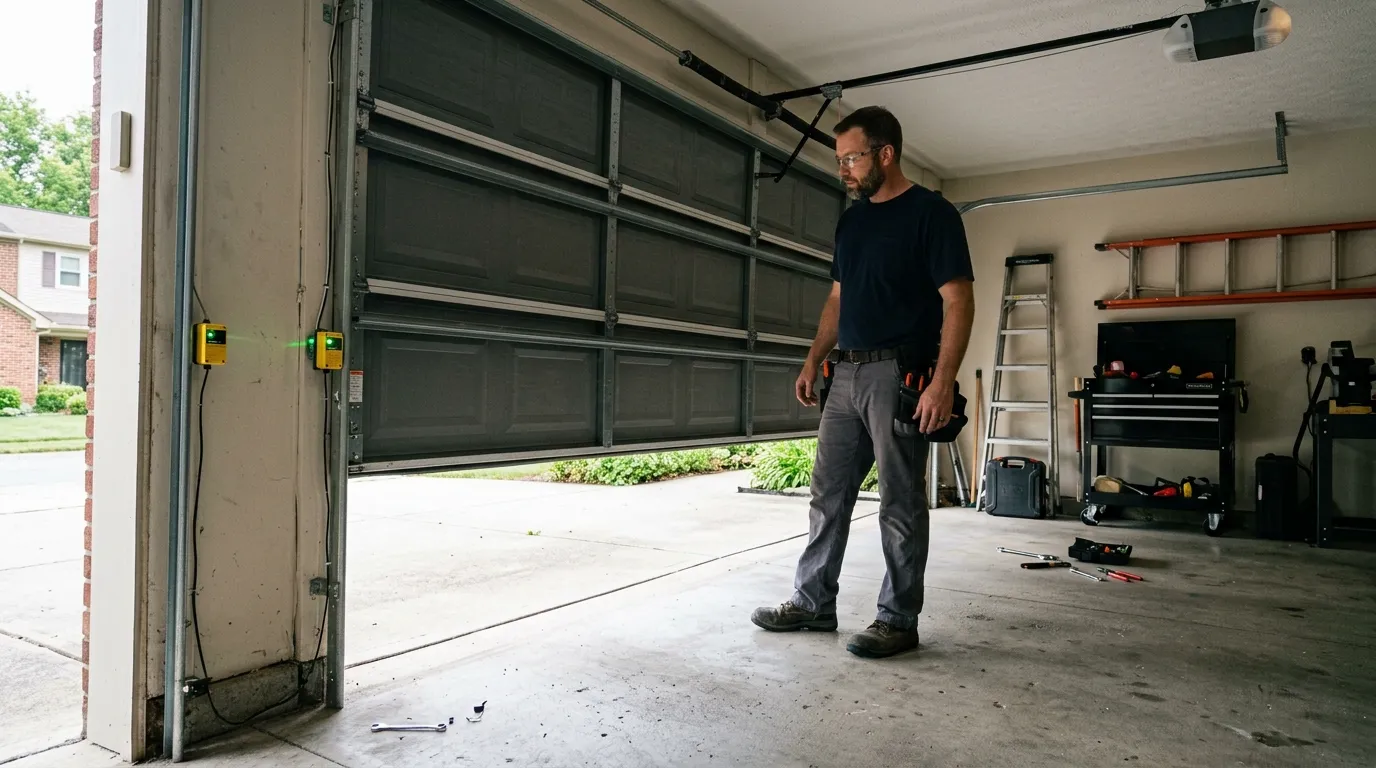
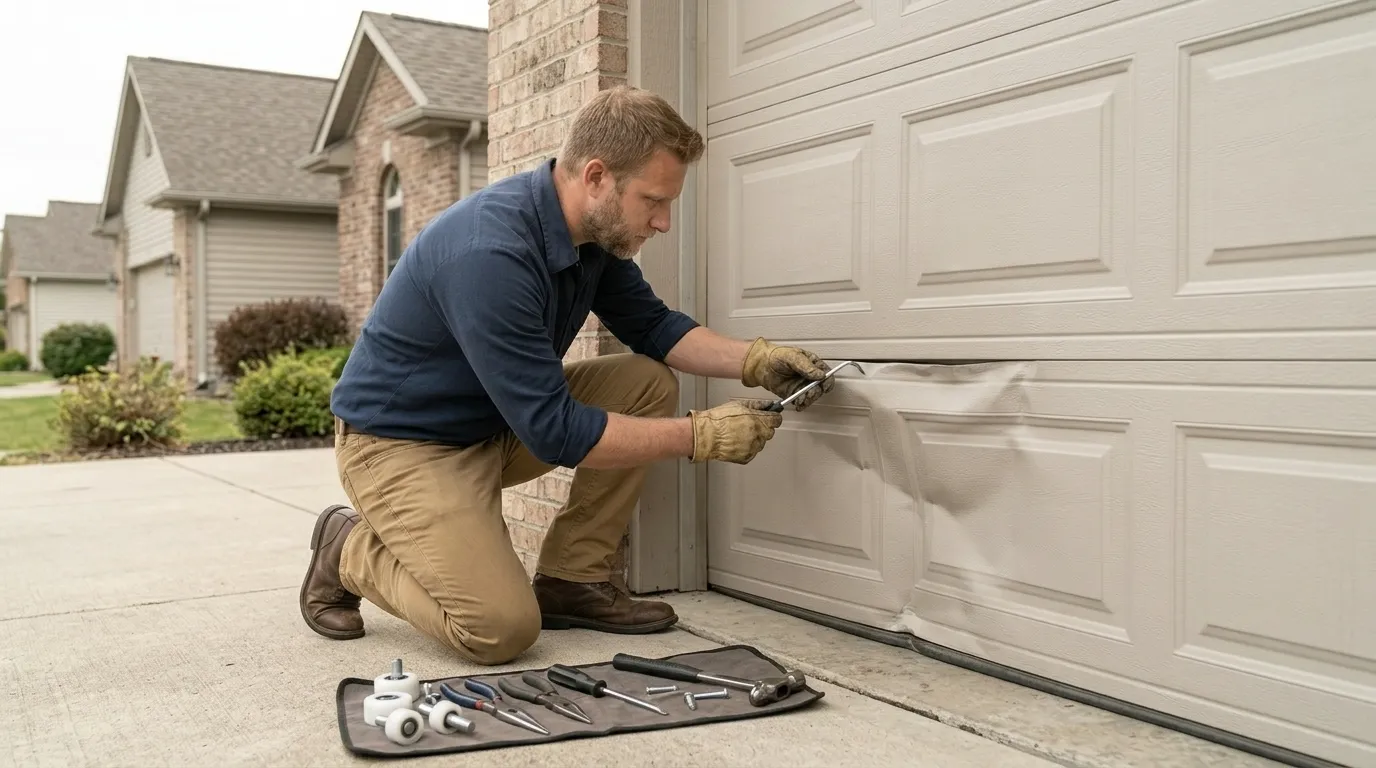
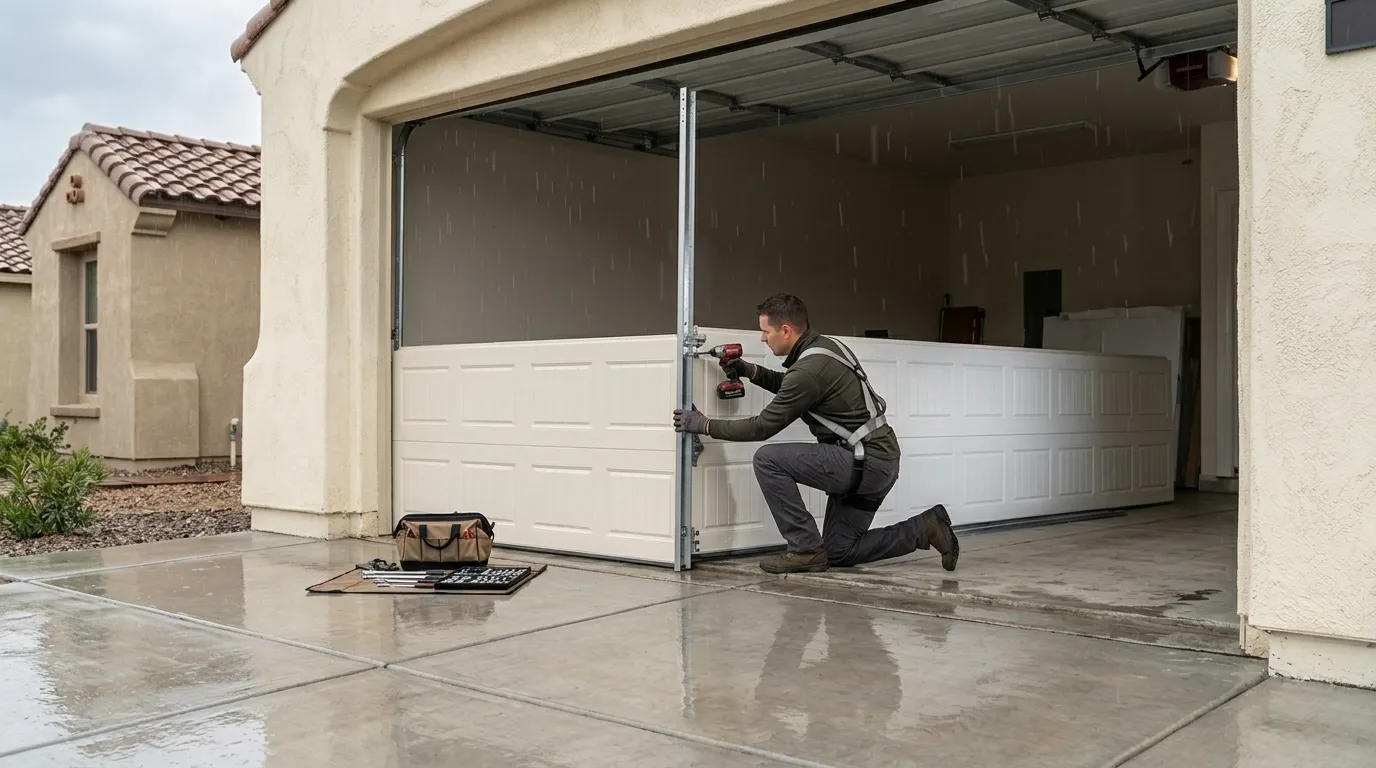
On the 1950s-era openings, the most common call is a broken torsion spring on hardware that was never upgraded - the springs on these older stationary-cone setups are undersized by modern standards and fatigue faster under daily cycling. We also see galvanized track that's pitted or slightly bent from decades of use, which throws the rollers off and makes the door bind partway up. One limitation worth being upfront about: parts for some of the oldest one-piece doors in this area are no longer made, and if a panel is cracked or the track profile is discontinued, full replacement is sometimes the only real fix rather than a patch job. On newer streets, opener and sensor issues are more common than spring failures, since the hardware itself is younger and better matched to the door weight. Either way, the fix starts with knowing which era of door you're standing in front of, not just the neighborhood it's in.