This Area's Housing
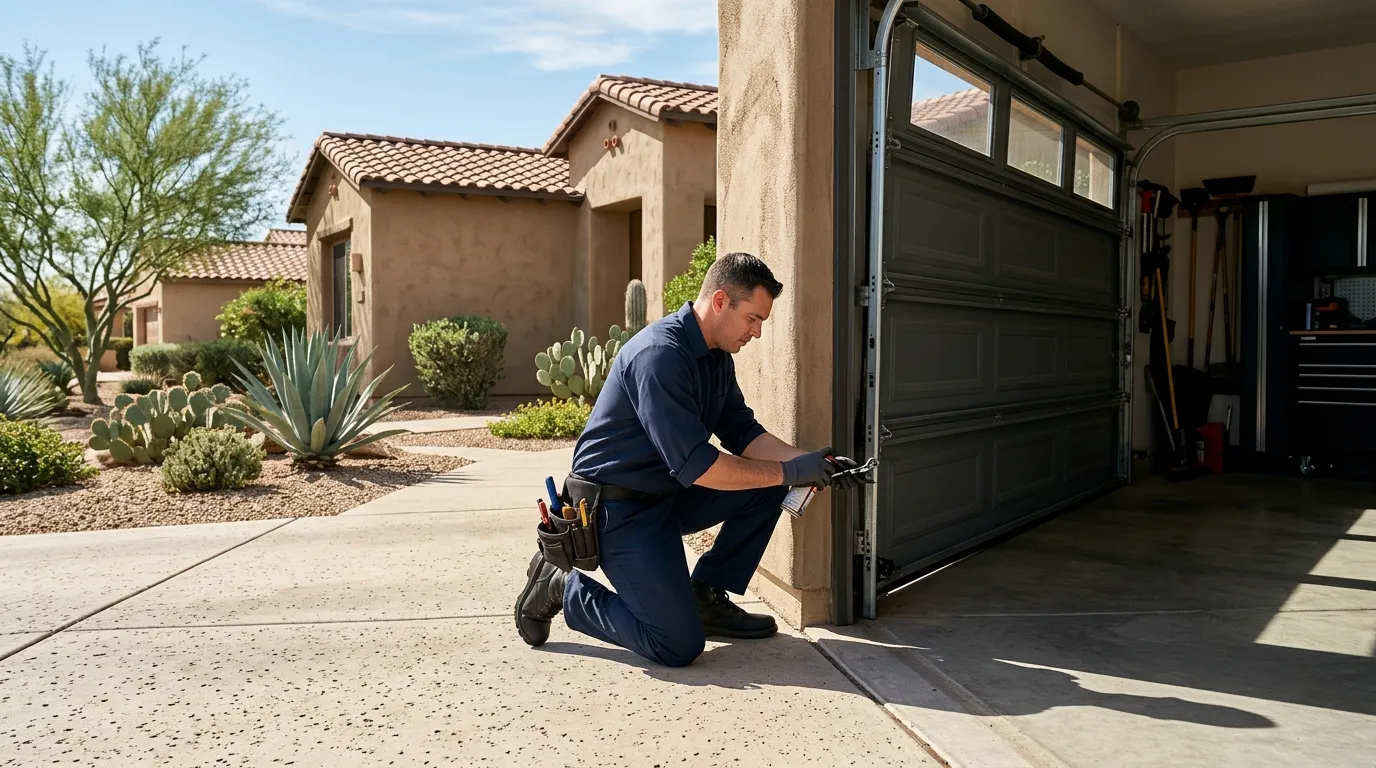
West Carson's houses mostly went up around 1972, later than much of the wider service area, where the typical build year runs closer to 1963. That decade matters more than it sounds like it should. By the early-to-mid 1970s, builders had largely moved off the old heavy wood-slab doors and onto lighter steel sectional doors with torsion springs mounted on a center shaft above the opening - a real shift from the earlier extension-spring setups still common in older pockets nearby. With 8,042 households in the area and a median income of $95,385, we see a lot of original garage doors that have simply never needed replacing, just periodic spring and hardware work. The mild coastal-influenced climate here helps; you're not fighting the freeze-thaw cycles that chew up seals and tracks in harsher climates, so a lot of failures come down to age and cycle count rather than weather damage.
Older vs Newer Streets
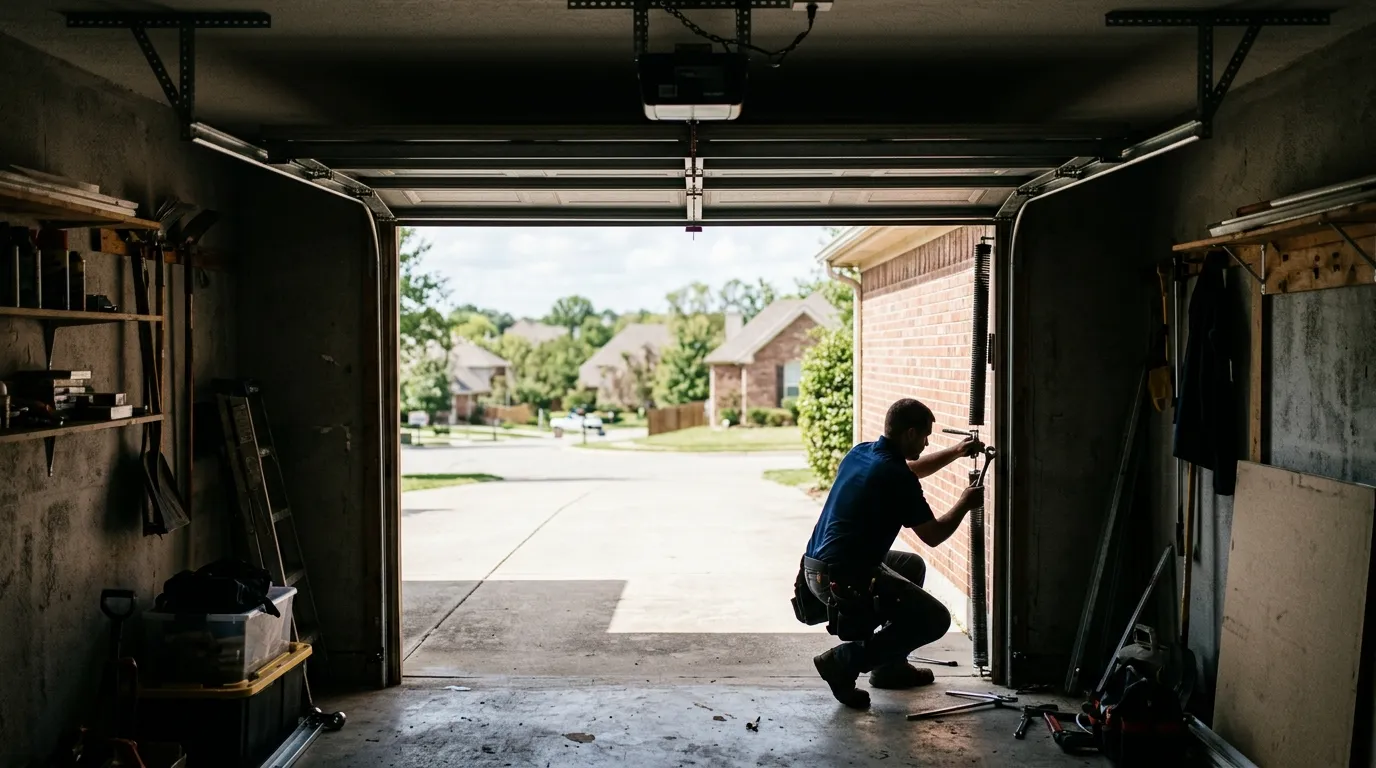
Not every block in West Carson dates to the same stretch of the 1970s build-out, and the difference shows on the ground. On the earlier streets, closer to the original 1972-era construction, you'll still find first-generation torsion setups with steel that's now over fifty years old - springs, cables, and drums that were sized for a lighter door than what often gets installed as a replacement today. On streets built out a bit later, or where a door's already been swapped once, you're more likely to see galvanized hardware and a heavier insulated panel that changes the spring weight rating entirely. Mixing parts between these two eras is a common mistake - a spring pulled off a newer heavier door doesn't belong on an older frame, and vice versa. We measure and match to what's actually on the track, not to what's typical for the neighborhood.
How That Shows Up in the Door
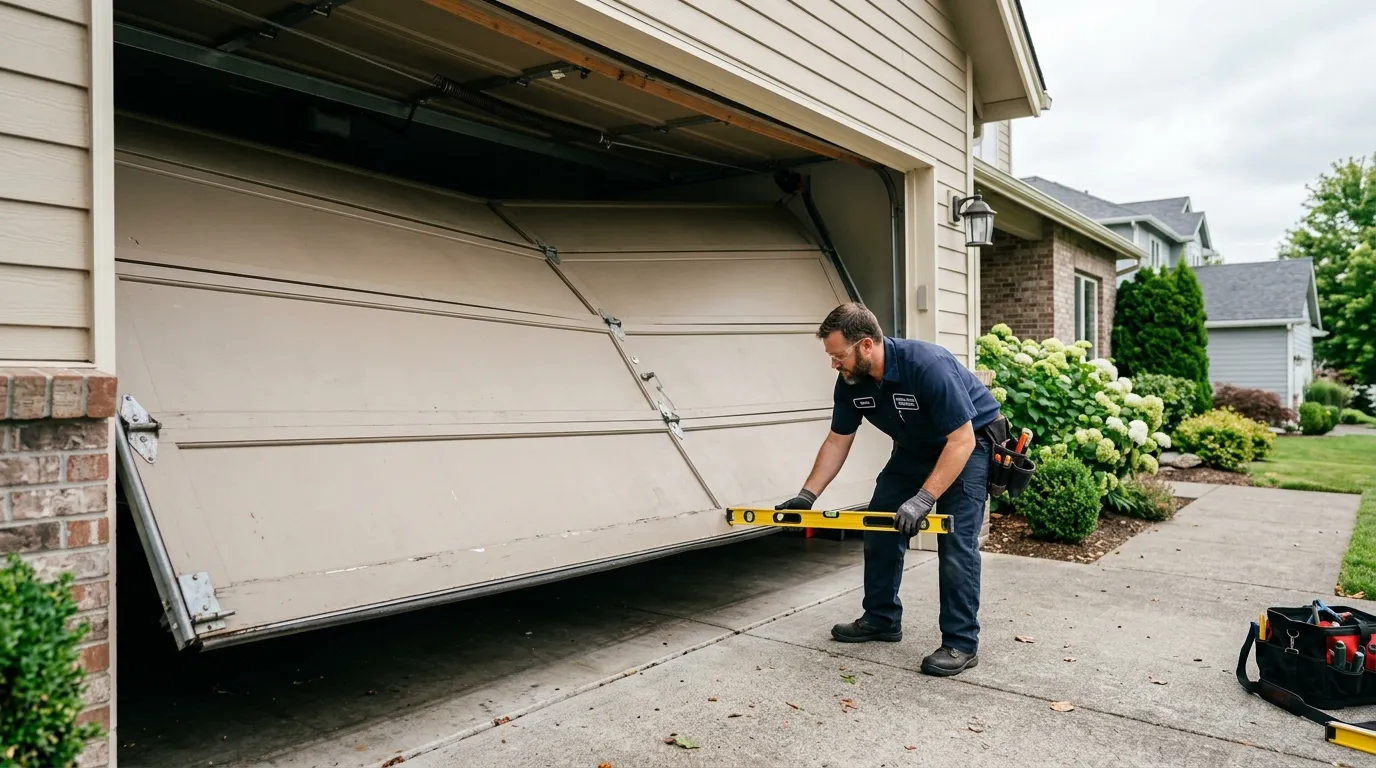
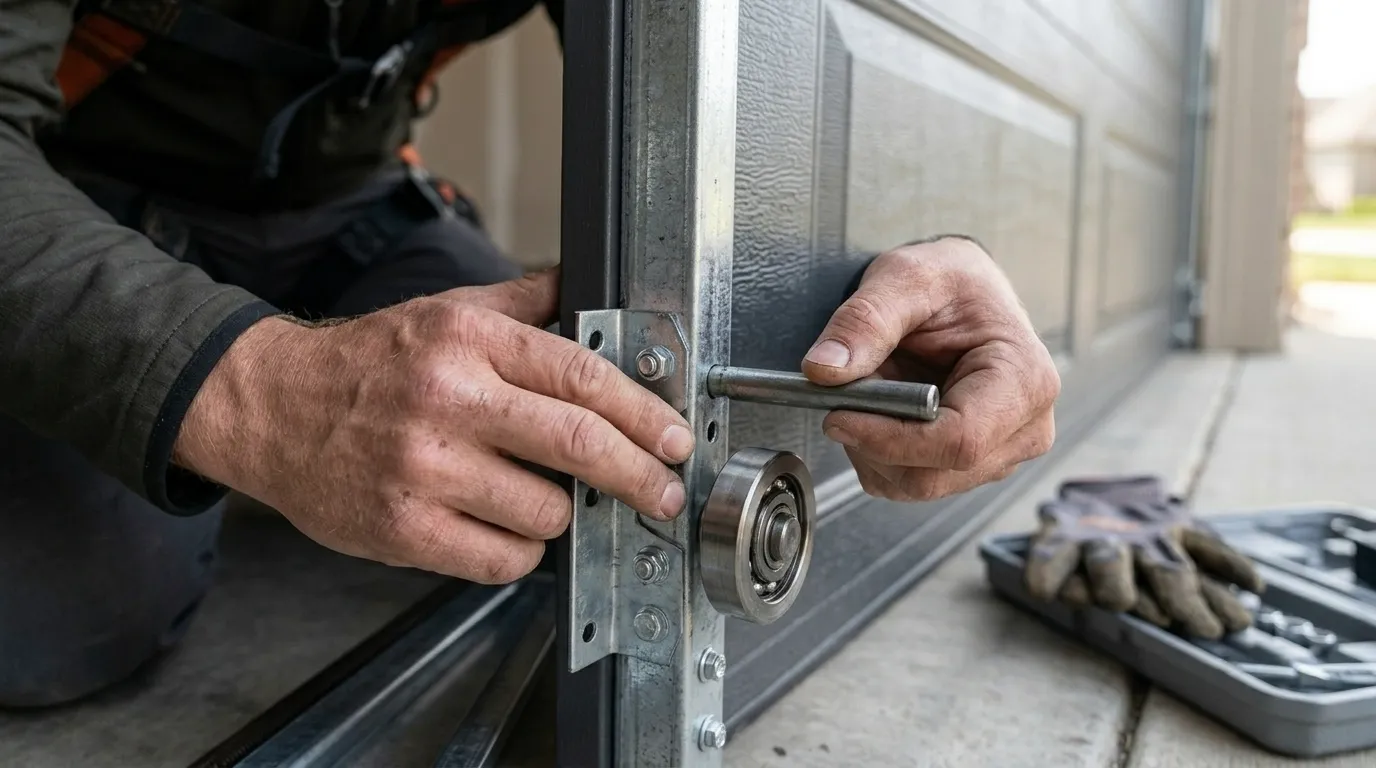
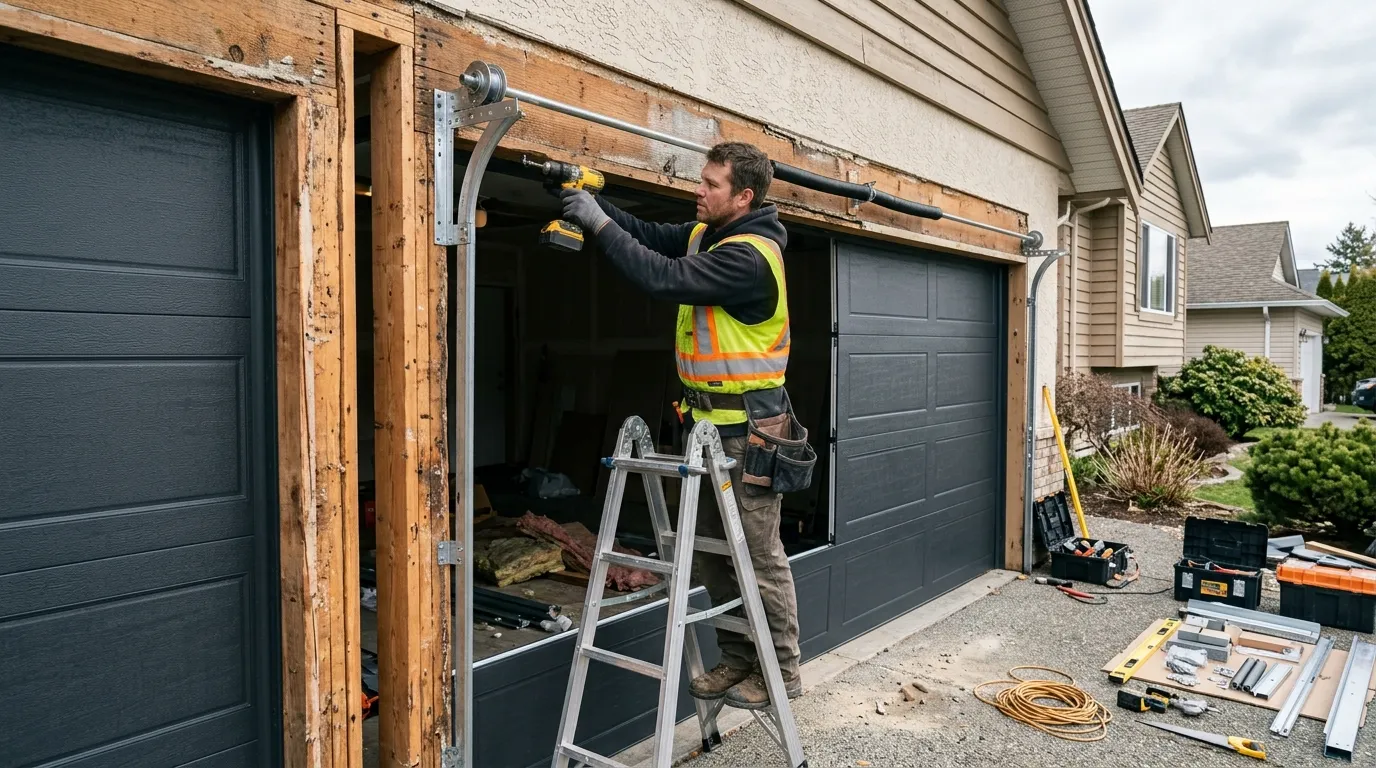
On the older end of West Carson's housing stock, the failure we see most is torsion spring fatigue - fifty-plus years of daily cycles wearing through steel that was never meant to last a lifetime. Rollers and center bearings go around the same time, since they're original to the same install. On homes where a heavier replacement door went in later without an upgrade to the spring set, the symptom is different: the opener strains, the door reverses partway up, or the springs wear out well ahead of schedule because they're undersized for the load. We won't sell you a full door replacement when a spring and roller service will get you another decade out of a sound panel - that's the honest call more often than not out here, given how much of this stock is original and still structurally fine.