This Area's Housing
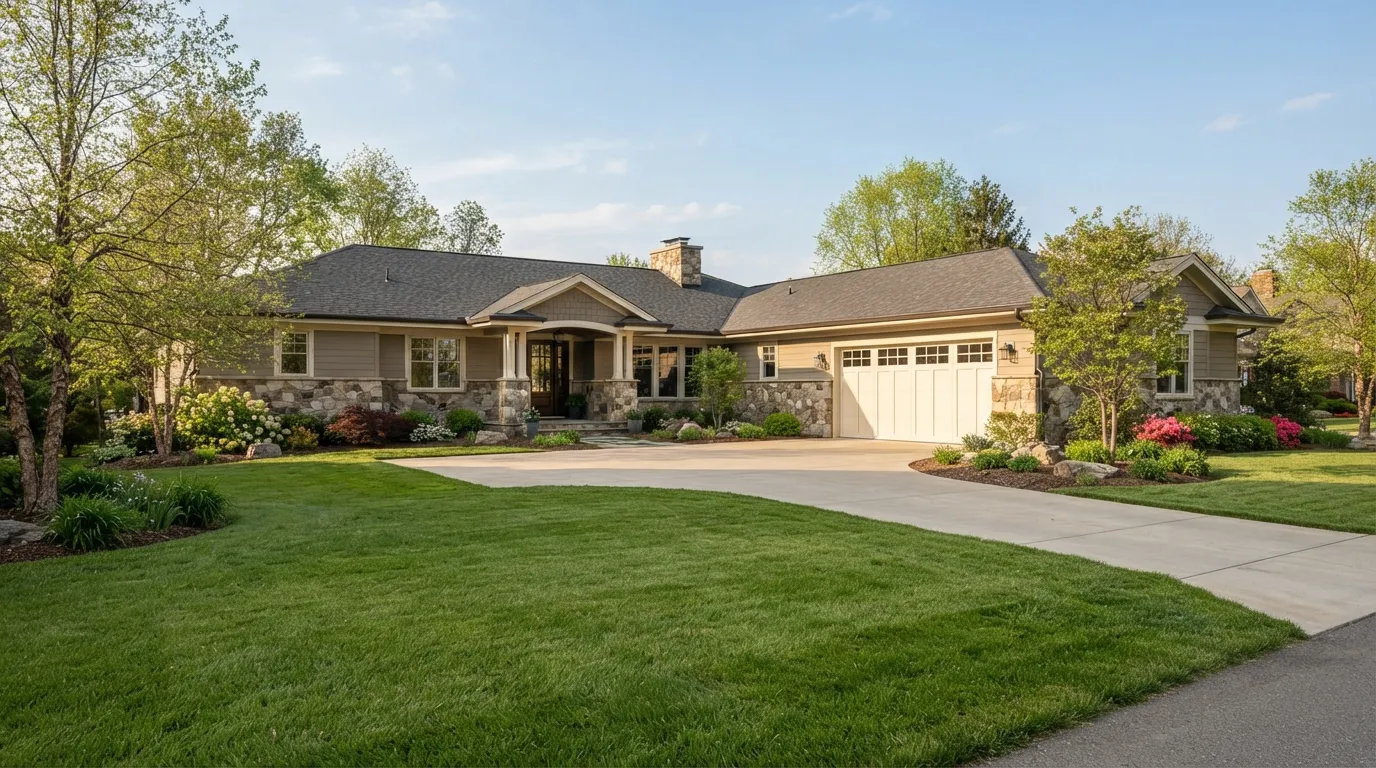
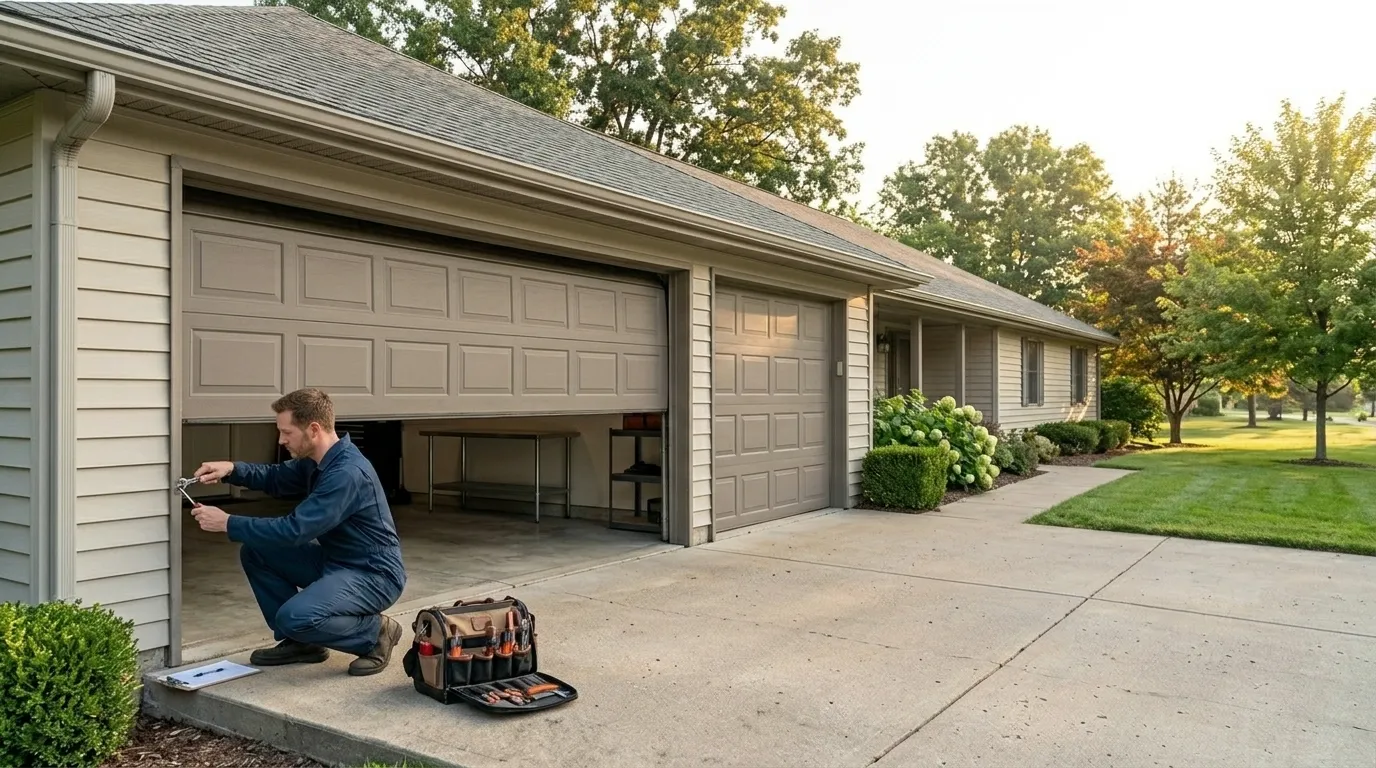
West Athens sits on housing built mostly around 1959, older than the median for our wider coverage area, which runs from 1947 up through 2012. That single fact matters more than anything else on this page. A door installed on a house built in 1959 is not the door going into a 2012 build a few miles over - the header height, the track clearance, and the spring hardware from that era were built to different standards than what shows up on a delivery truck today. With roughly 2,822 households in this area, a good share of them are still running original or first-replacement doors that were sized for framing conventions nobody uses anymore. That's not a knock on the neighborhood. It's just the reality of a housing stock built before modern insulated steel doors and torsion-spring conversions became standard. If your opener is straining or your door feels heavier than it should, the age of the house is usually the first thing worth checking, not the door itself.
Older vs Newer Streets
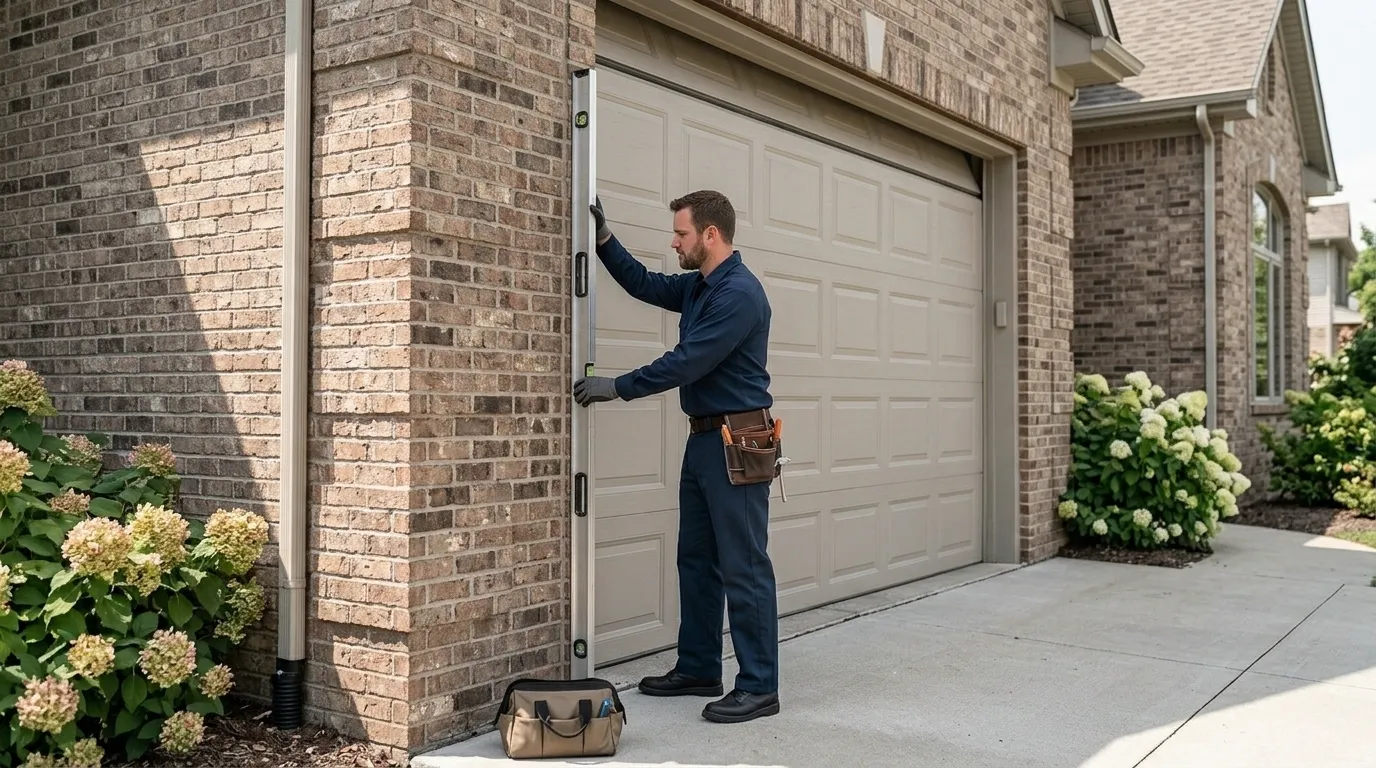
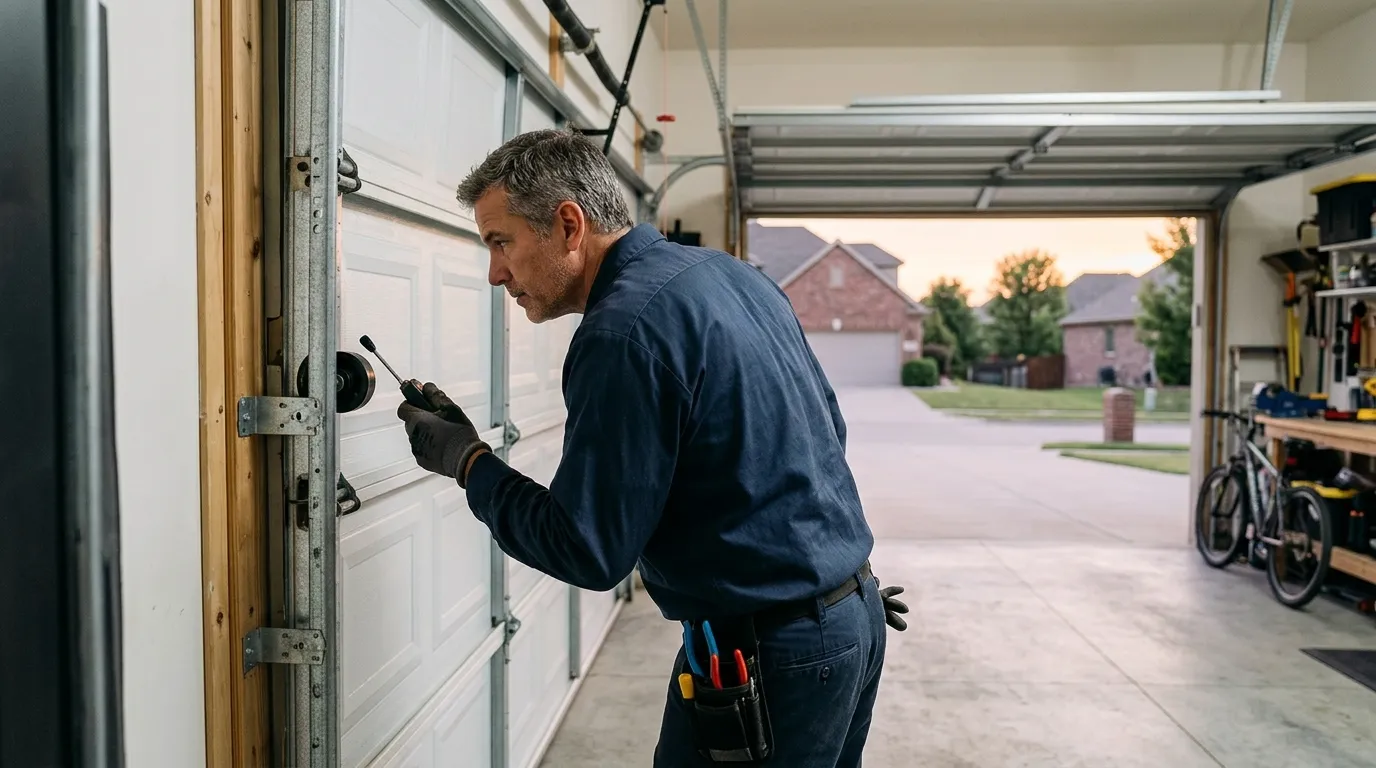
Not every block in West Athens dates to the same stretch of years, but the area's median build year of 1959 puts most of the housing stock well into the older half of what we see across the wider 24-area territory, where the broader median lands around 1963. That gap of a few years sounds small until you're standing at a header measuring for a new door. Newer construction elsewhere in our coverage area, built into the 2000s, tends to run wider openings, insulated steel sections, and torsion springs sized for heavier doors from the factory. Older streets here were more often built for single-layer wood or light steel doors on lighter torsion or extension setups, sometimes retrofitted more than once over the decades. A technician who doesn't ask the build year first is guessing at the hardware before they've even opened the garage.
How That Shows Up in the Door
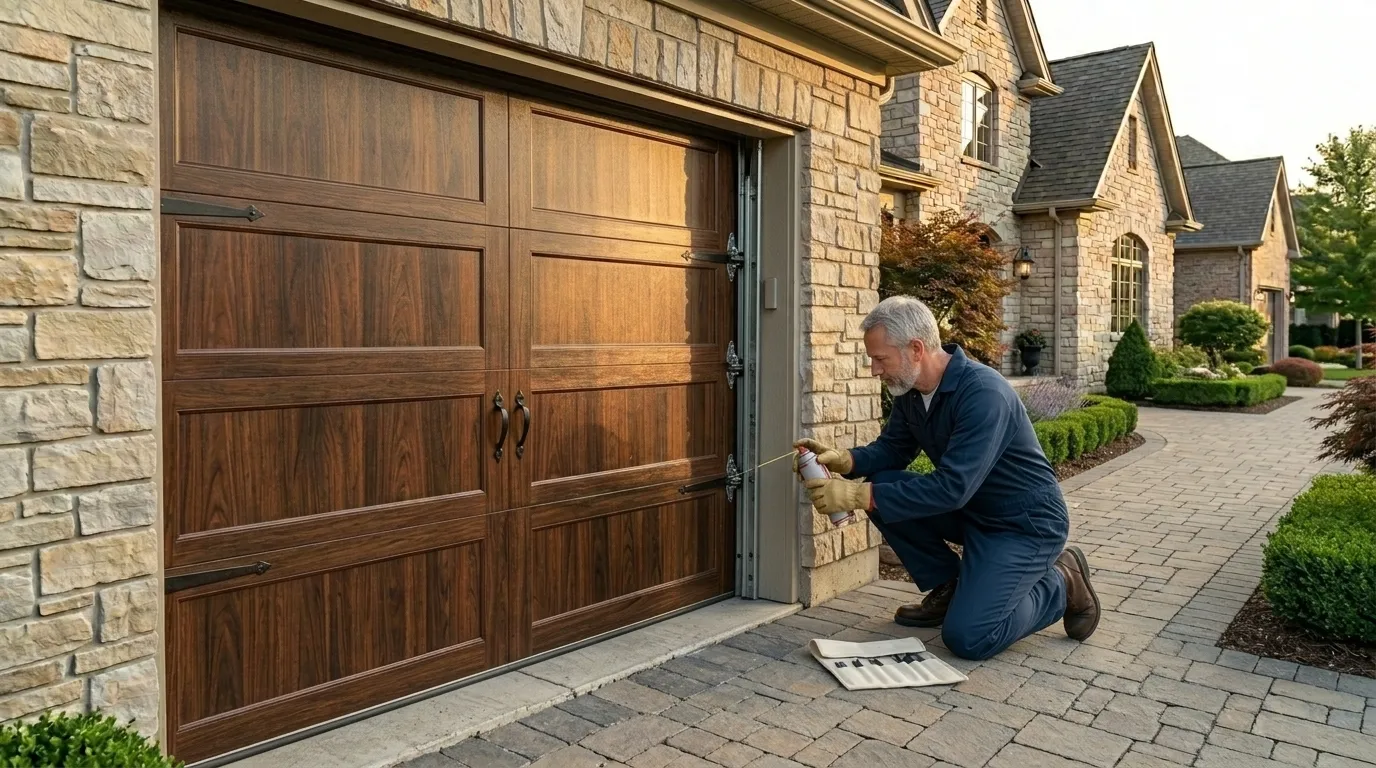
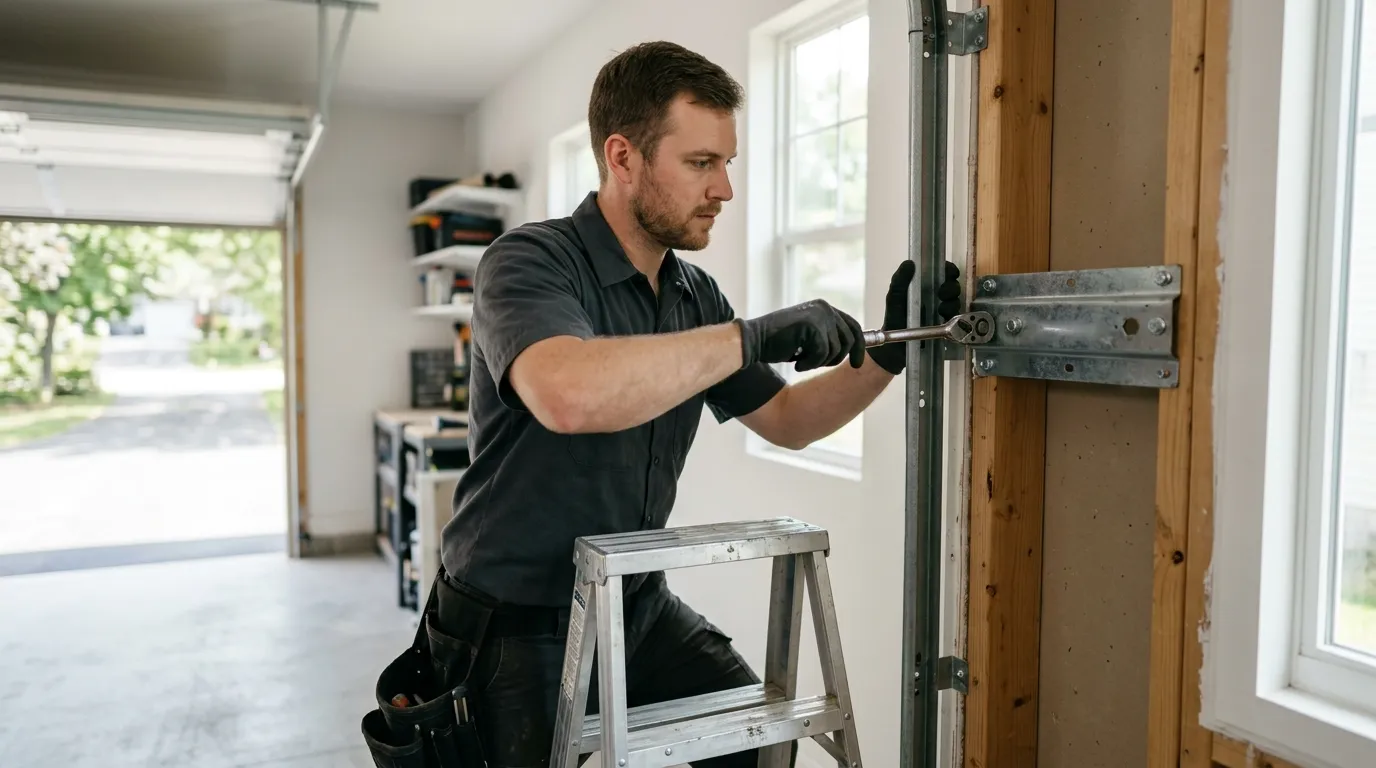
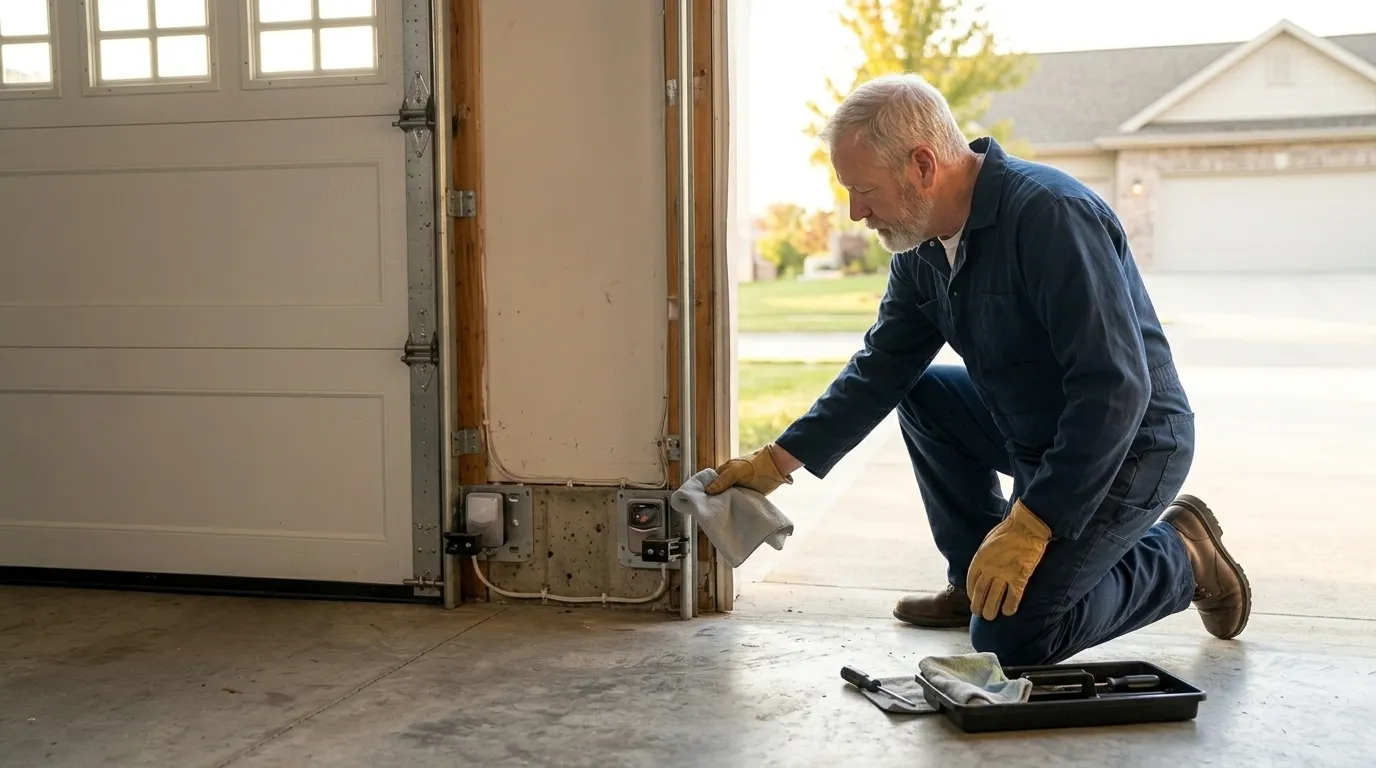
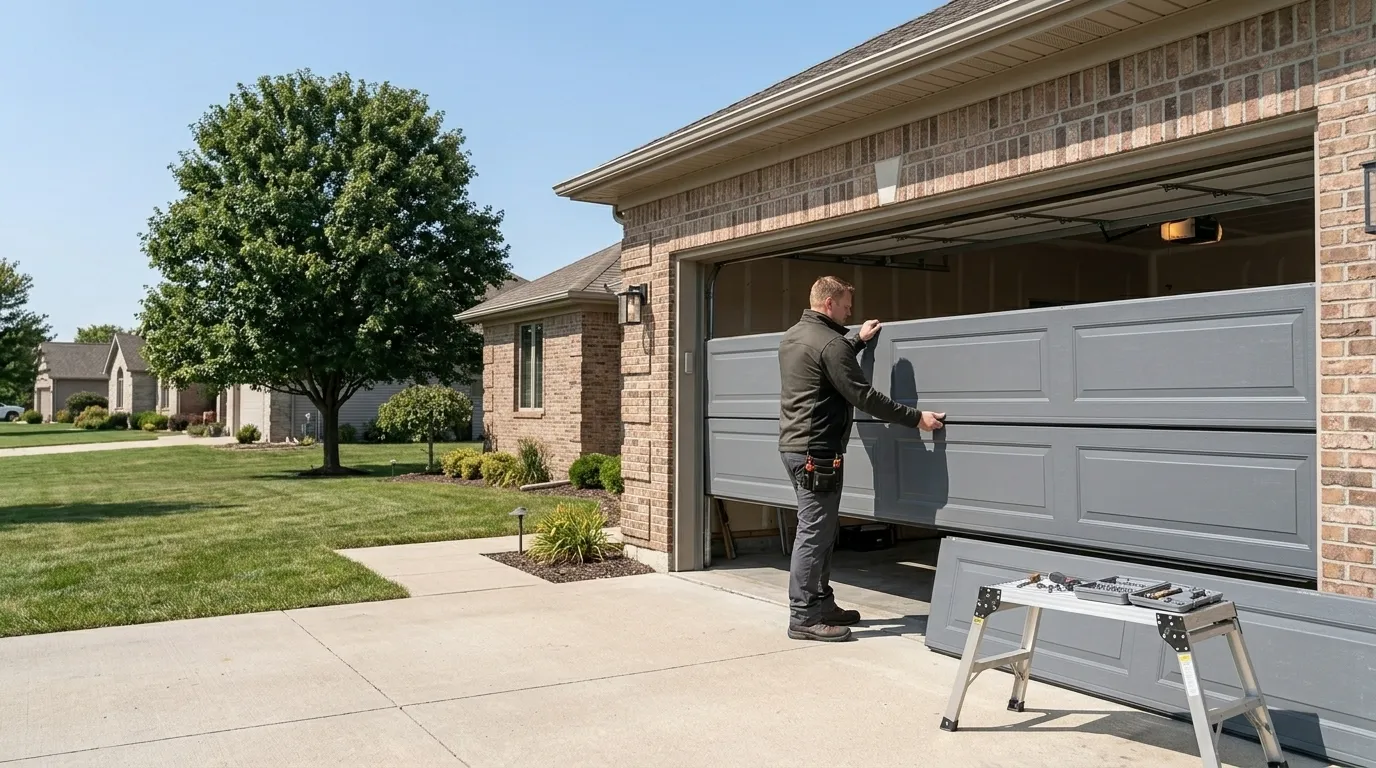
On a house from the 1959 era, the failure we see most is a torsion spring rated for a door weight that's since crept up - homeowners add insulation, a second layer of steel, or a heavier decorative panel, and the original spring can't keep up. That shows up as a door that won't stay open on its own or an opener straining and burning out early because it's doing the spring's job. Extension springs on older, lighter setups tend to fail differently, snapping a cable or losing tension unevenly, which shows up as a door that goes crooked in the track rather than stopping dead. None of this is exotic diagnosis, it's just matching the fix to the era of the house rather than defaulting to whatever's easiest to grab off the truck. West Athens' mild coastal-influenced climate means rust and temperature-driven metal fatigue aren't the main culprits here, so when hardware fails on these older doors, it's almost always age and load, not weather.