This Area's Housing
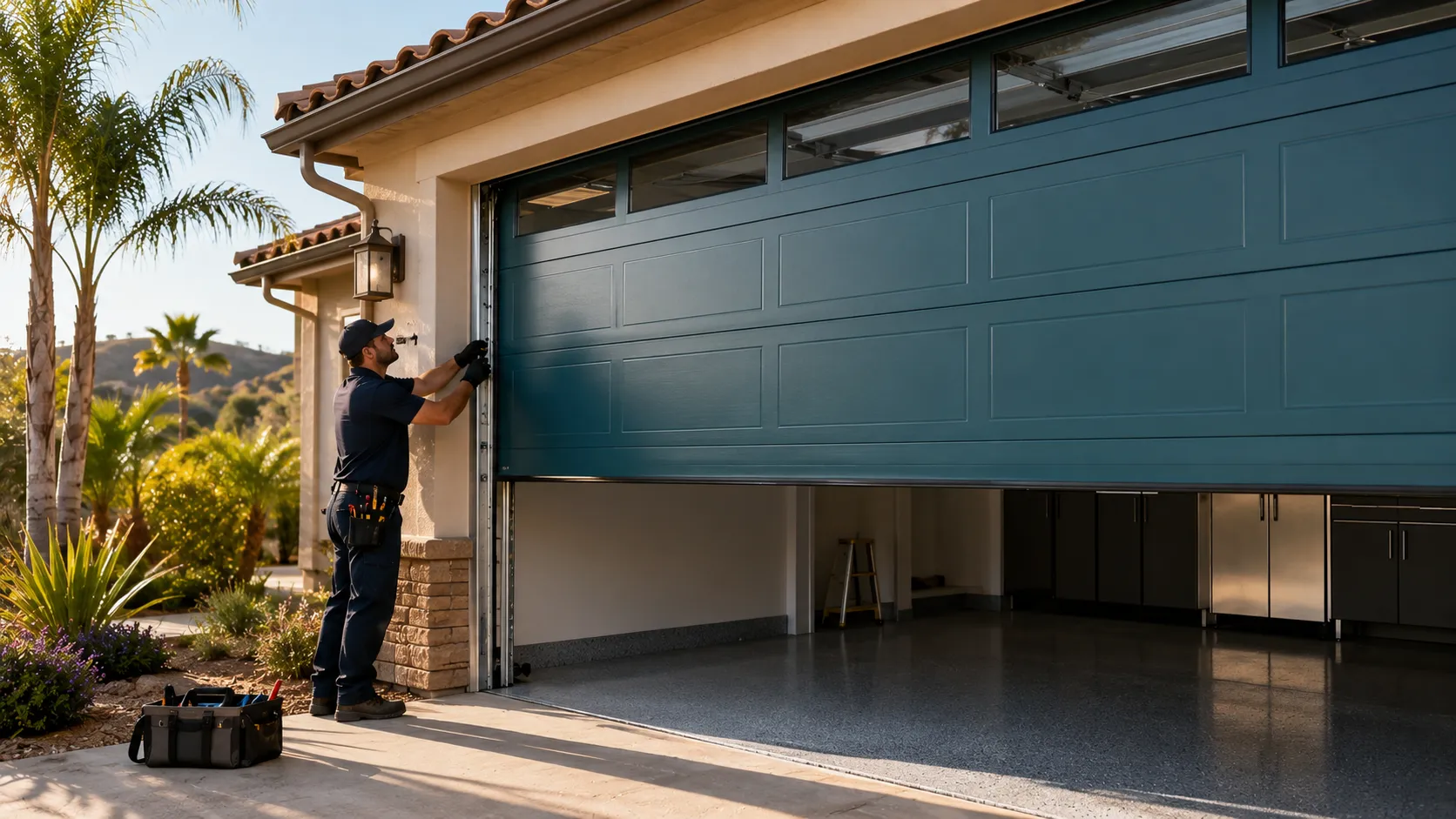
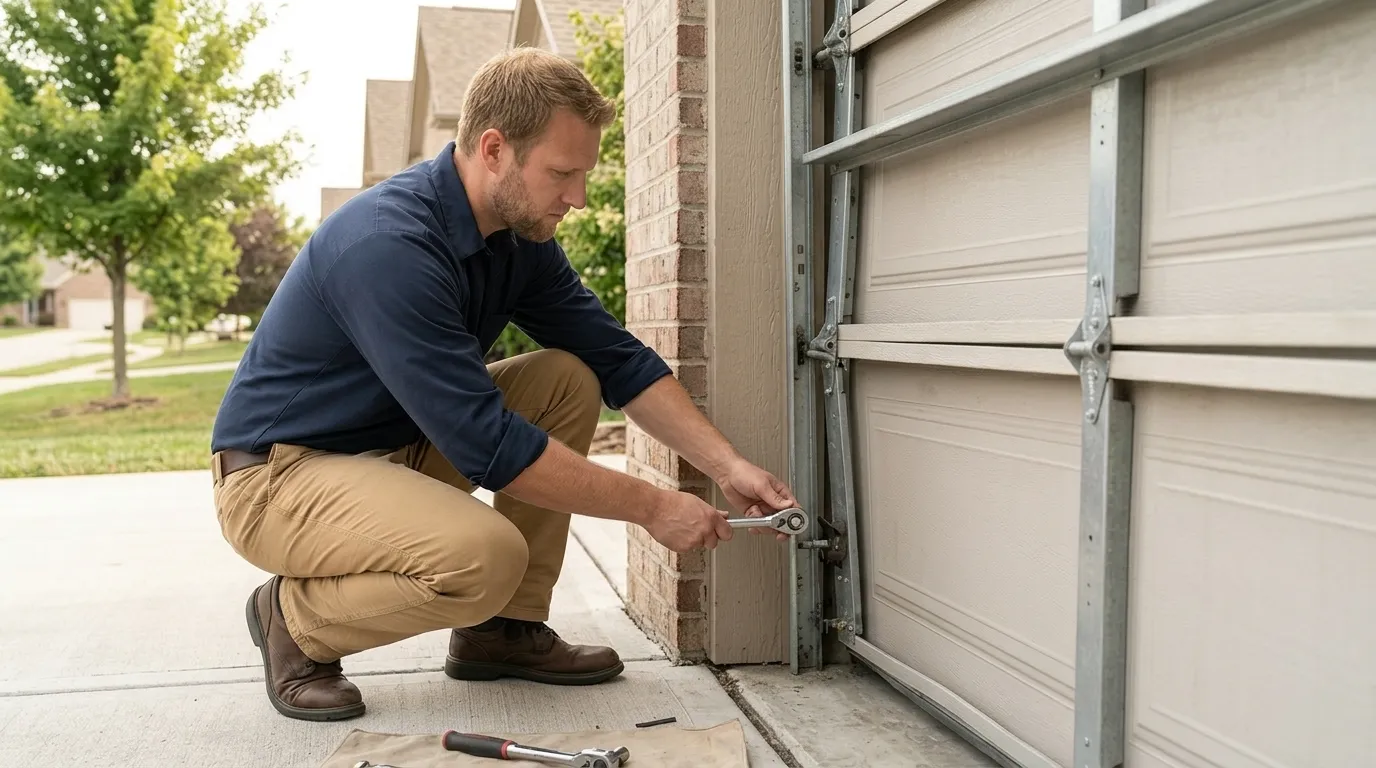
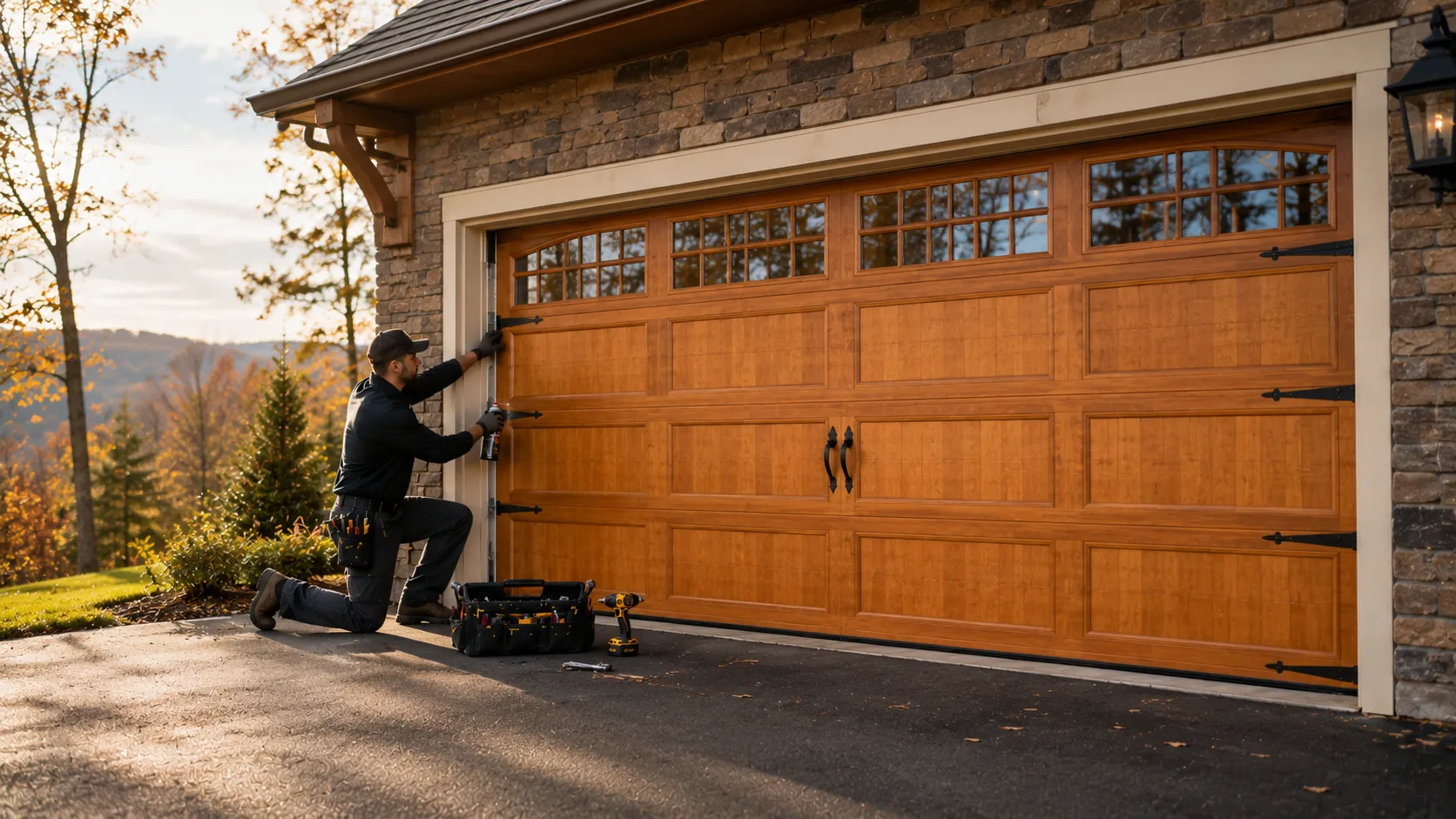
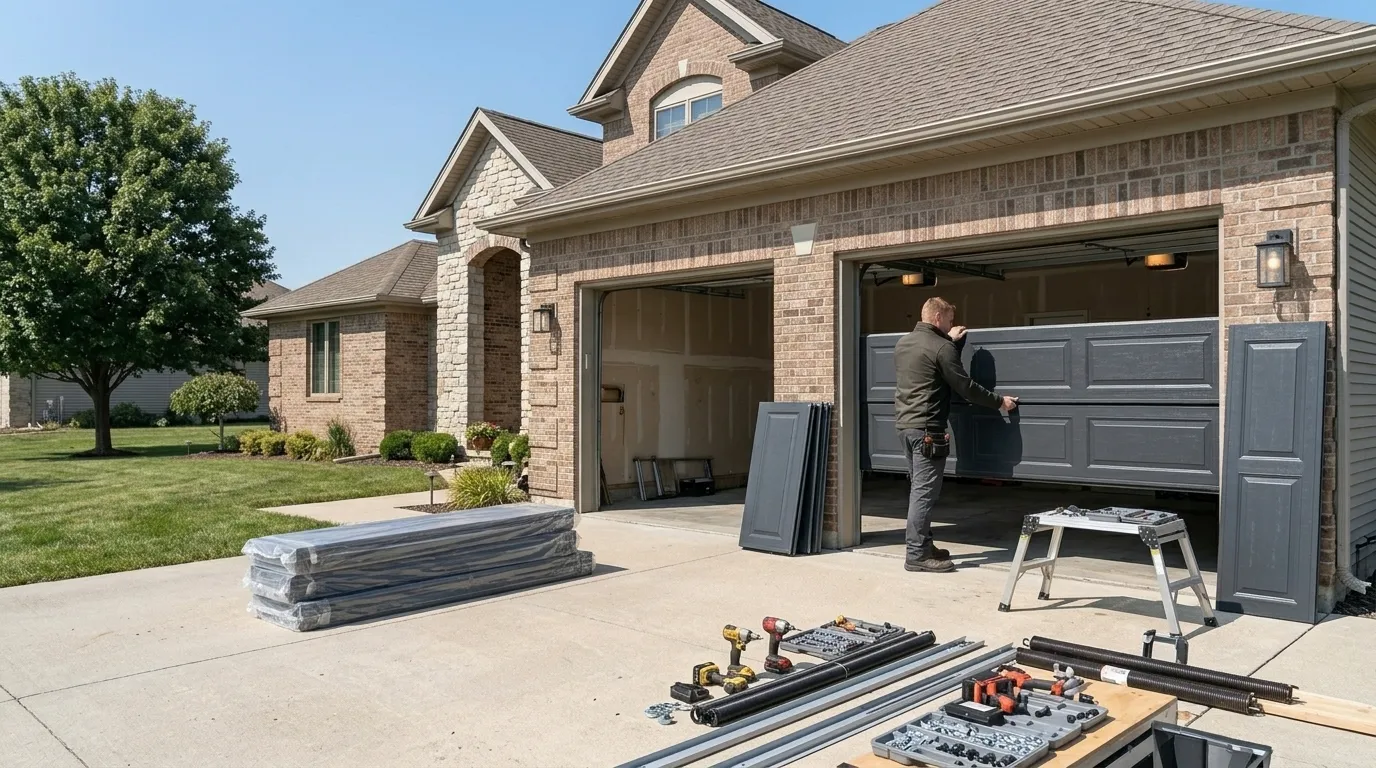
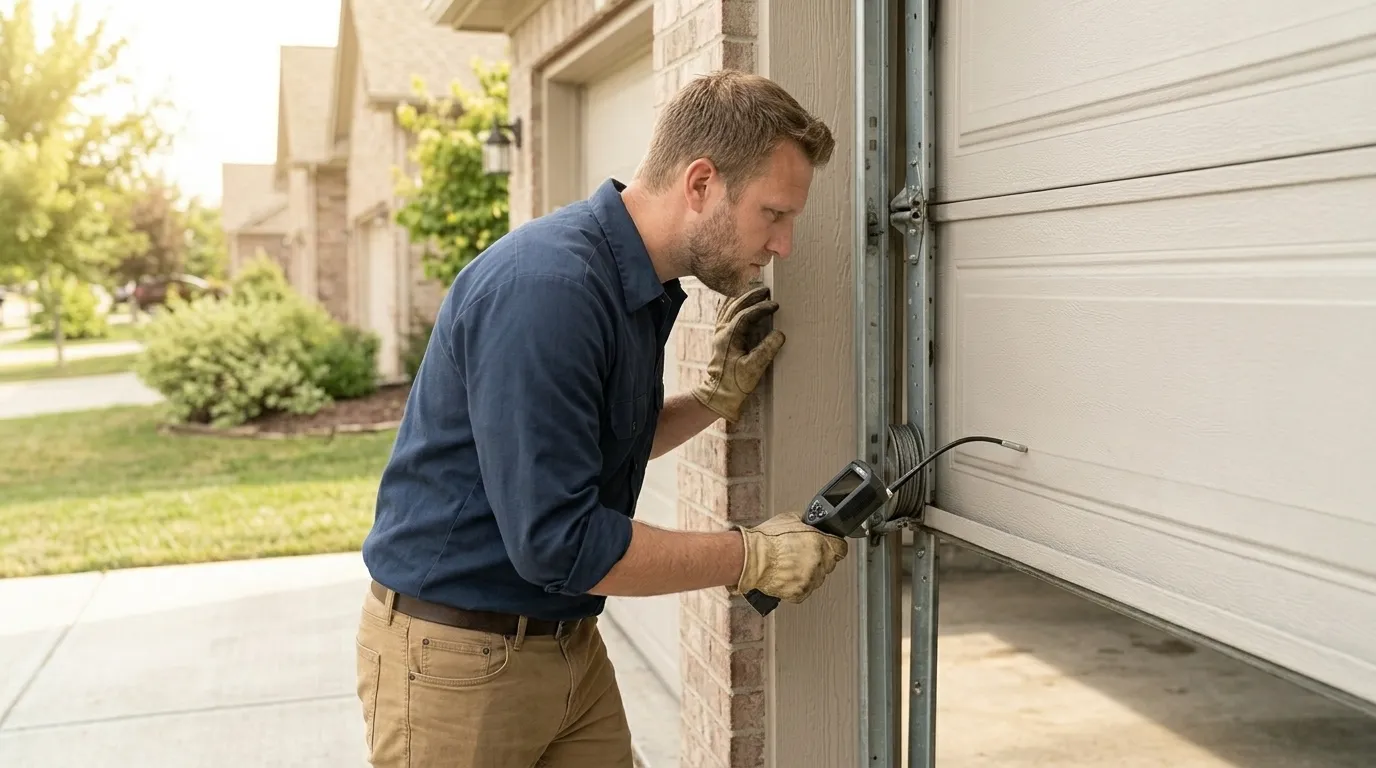
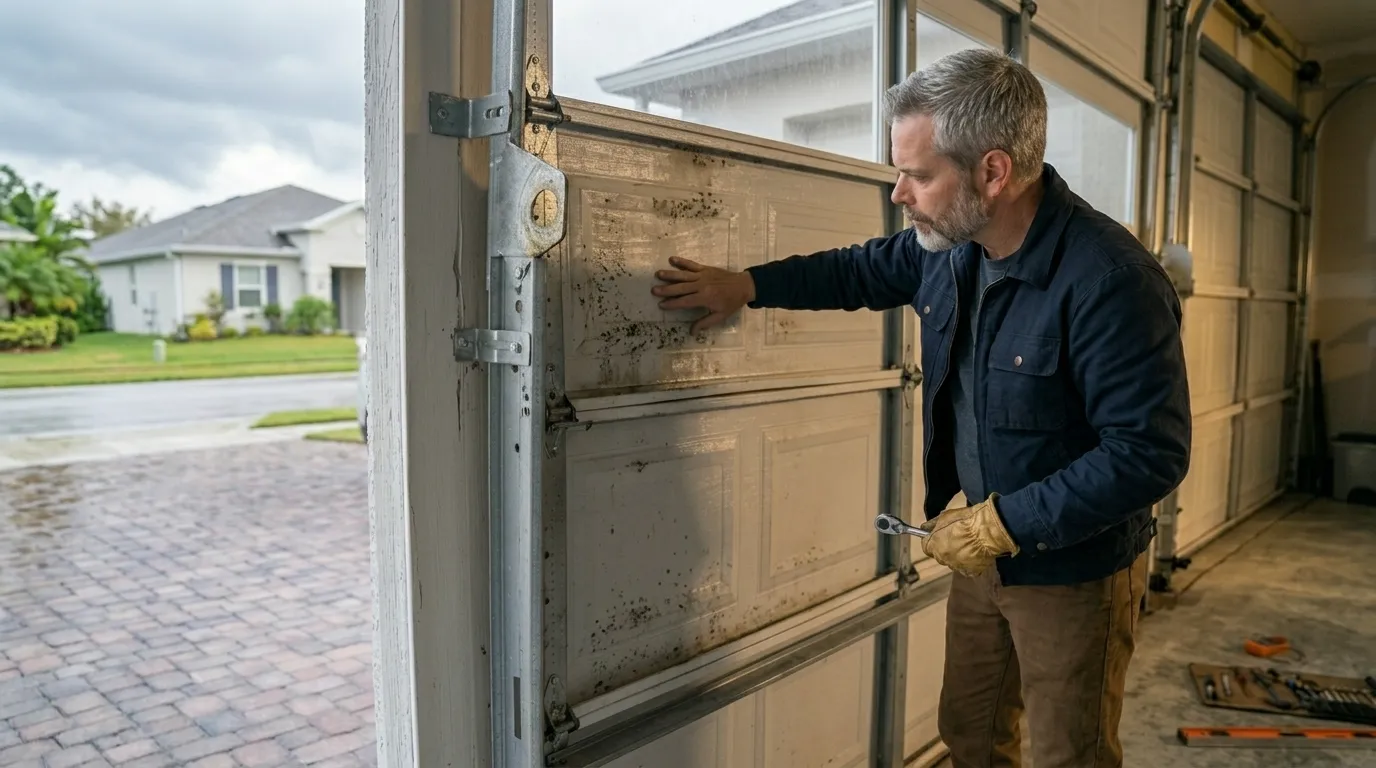
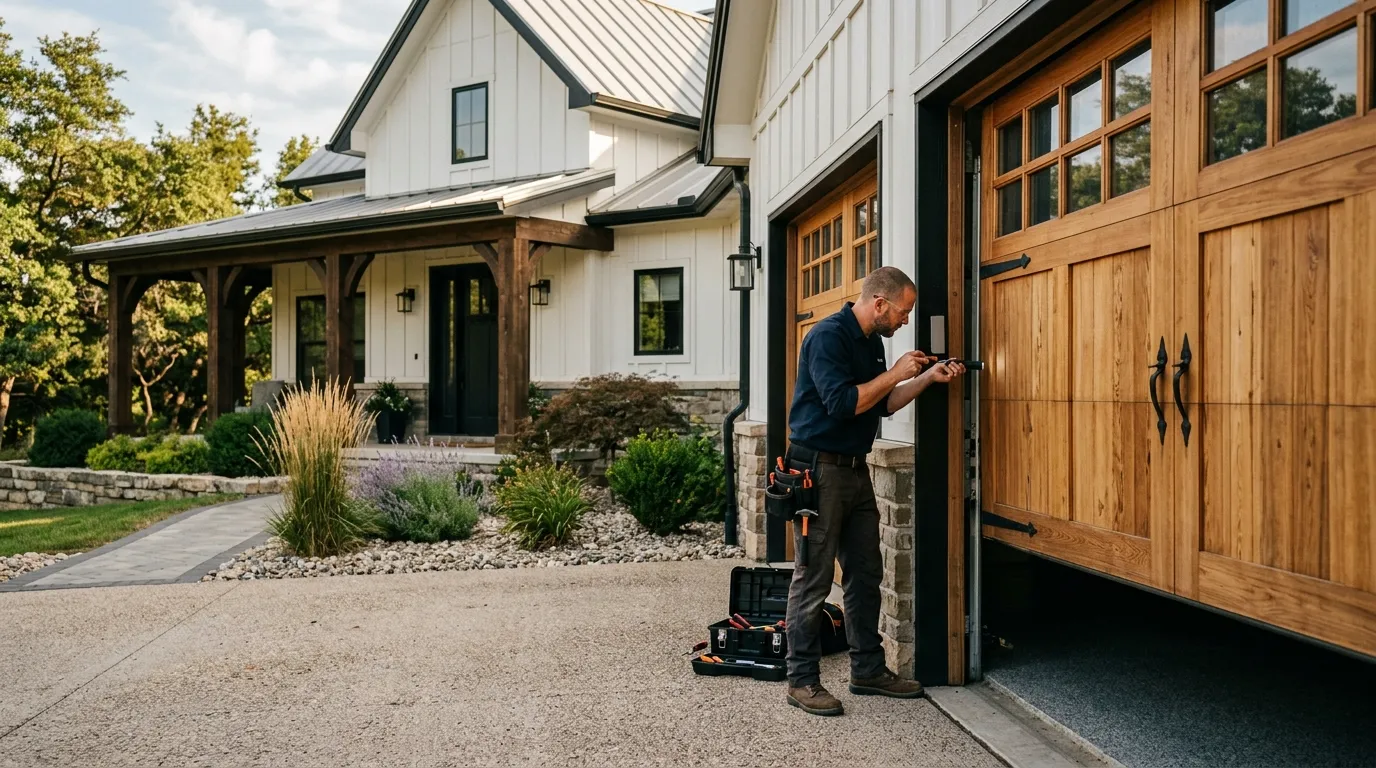
View Park-Windsor Hills sits on older ground than most of the territory we cover out of Manhattan Beach. The median home here dates to 1947, well ahead of the 1963 median across the wider service area, where stock generally runs 1960s-70s. That fifteen-year gap matters more than it sounds. A door and opener installed on a 1947 build has usually been through at least one full replacement cycle already, sometimes two, and whatever's on the track now may not match the original rough opening. With 4,943 households in the area and a median income of $120,604, we see a mix of owners who've kept the original wood-panel door as a period detail and owners who've swapped to steel or aluminum without ever touching the jamb hardware underneath. Neither choice is wrong, but it means no two garages here tell you the same story before we open the panel. We don't guess at what's behind an older header - we look at the actual bracket and spring mount before quoting anything.
Older vs Newer Streets
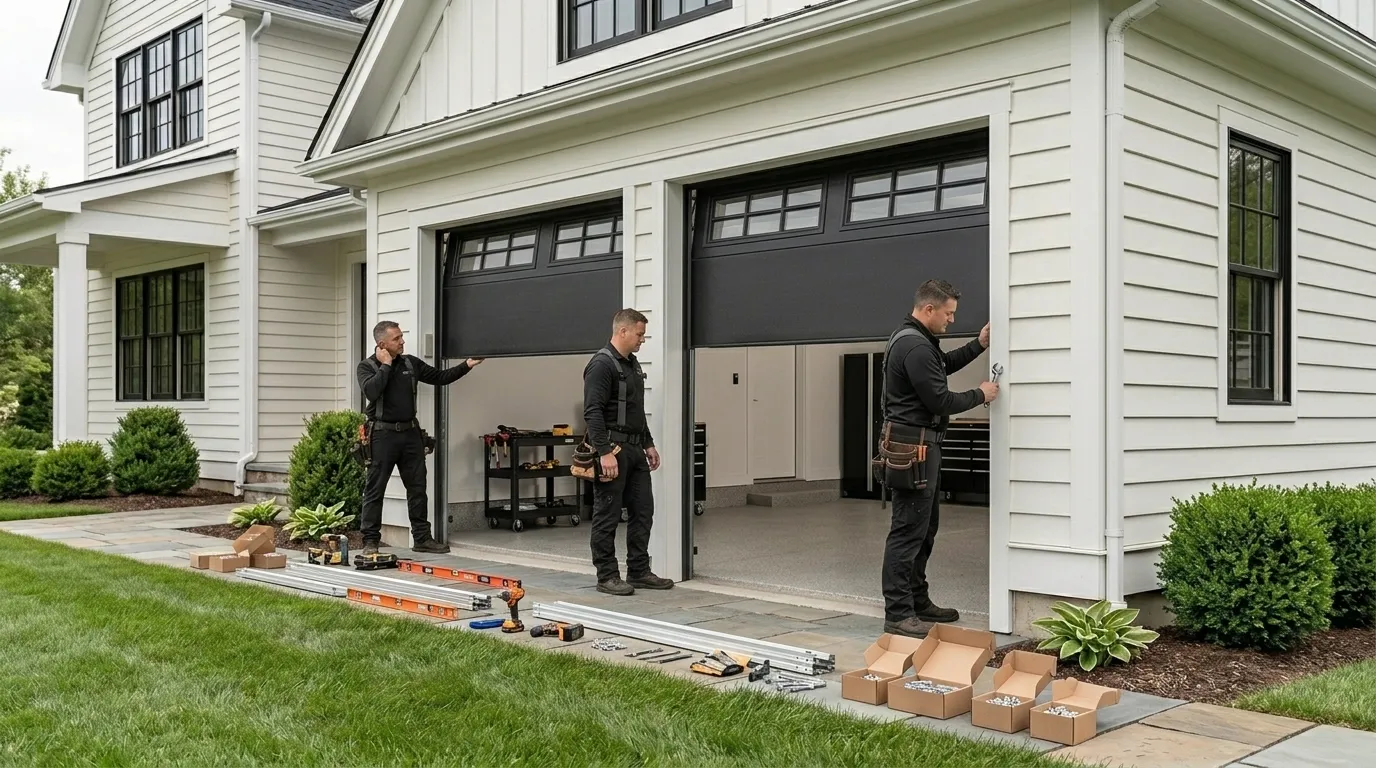
Inside View Park-Windsor Hills itself you'll find blocks that lean harder into that 1947 median and blocks with newer infill or additions layered on top. The older houses tend to have narrower single-car openings, low headroom above the door, and torsion springs mounted on hardware that was never designed for today's heavier insulated panels. Newer additions or garage conversions built later often got a modern extension-spring or torsion setup sized for a standard double door. When we get a call, the address alone tells us something, but not everything - a 1947 shell can have had its garage rebuilt in 1995 and carry newer parts entirely. That's why we ask what year the door itself was last replaced, not just what year the house went up.
How That Shows Up in the Door
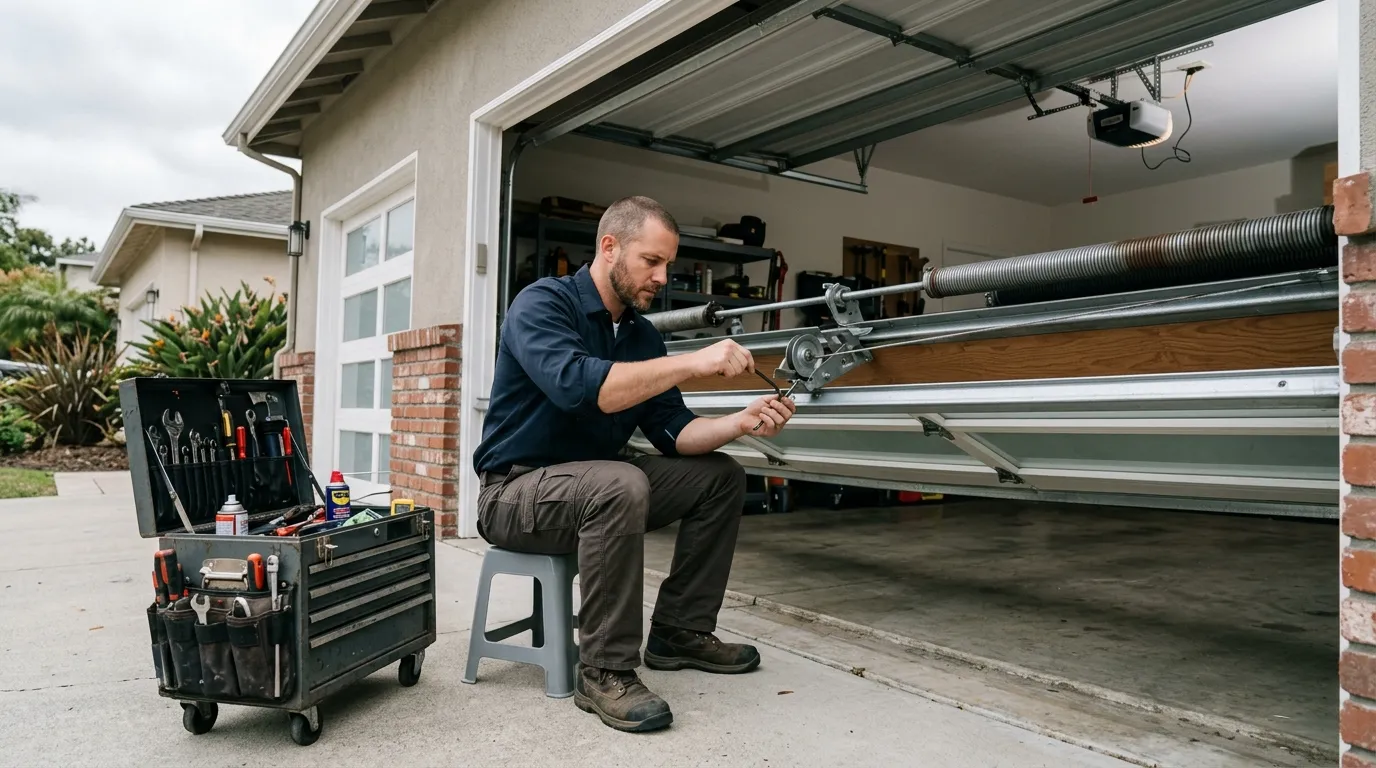
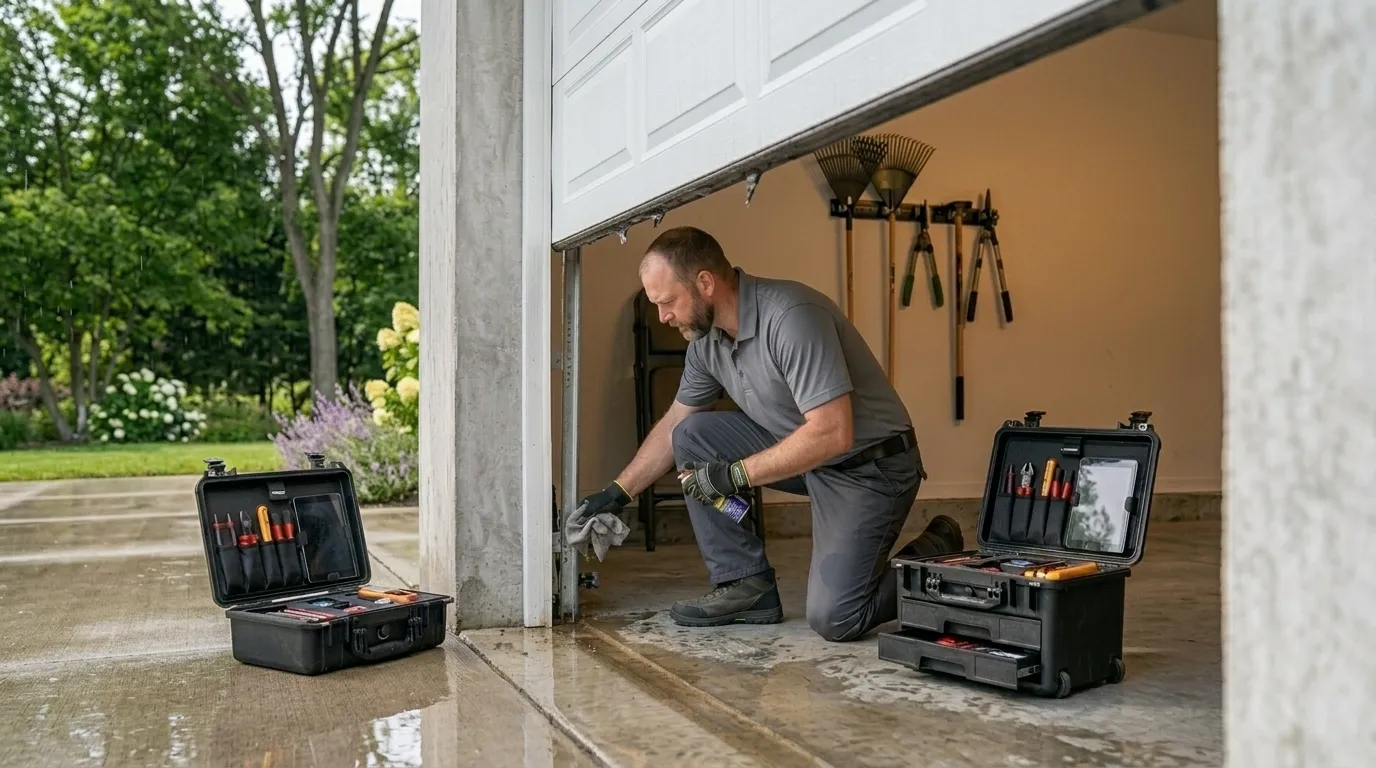
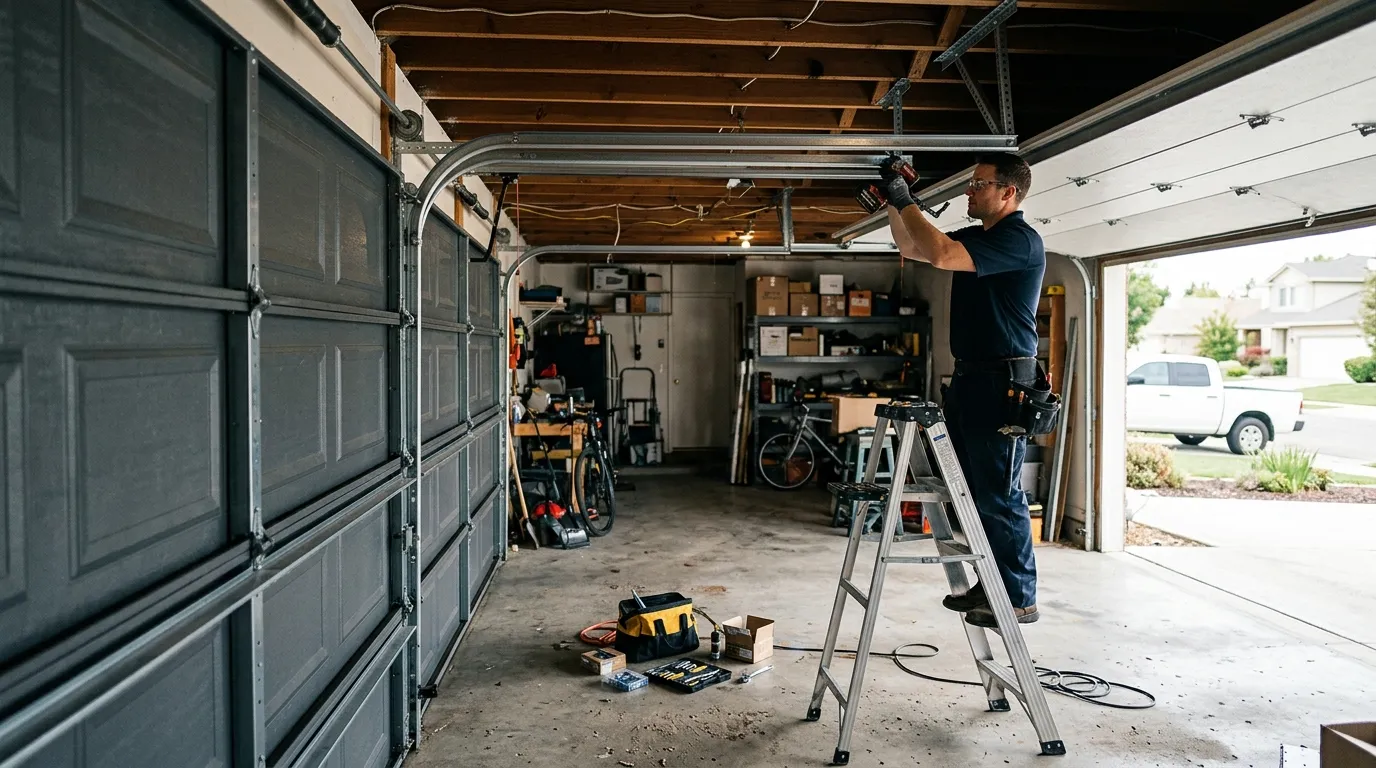
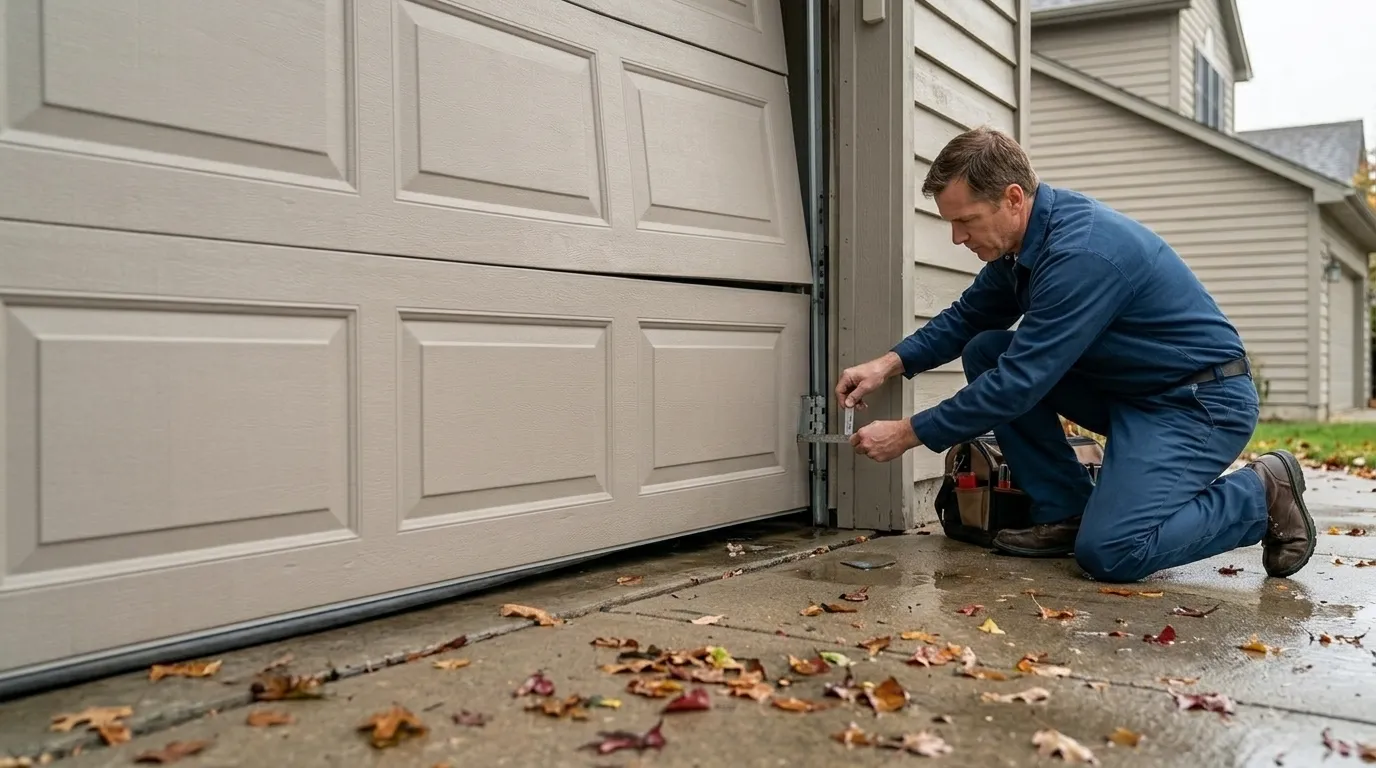
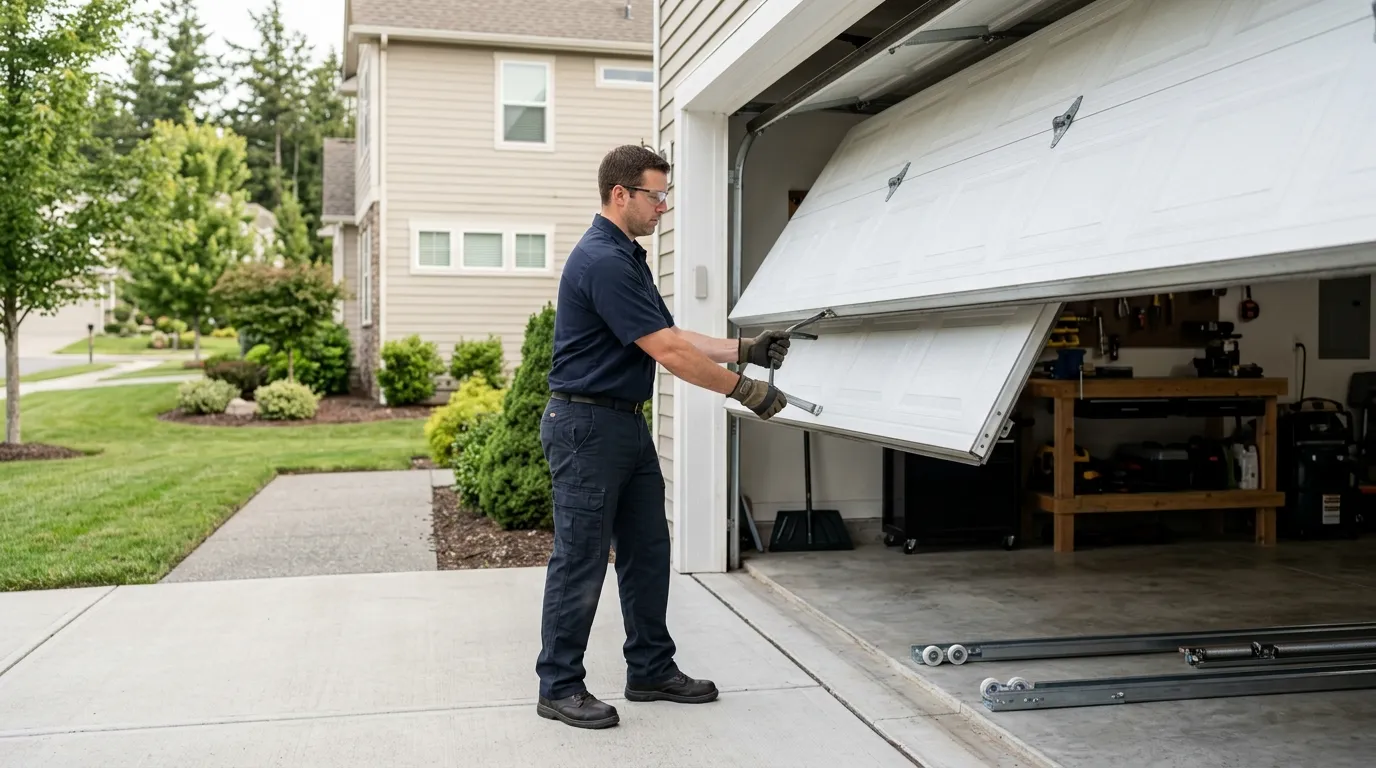
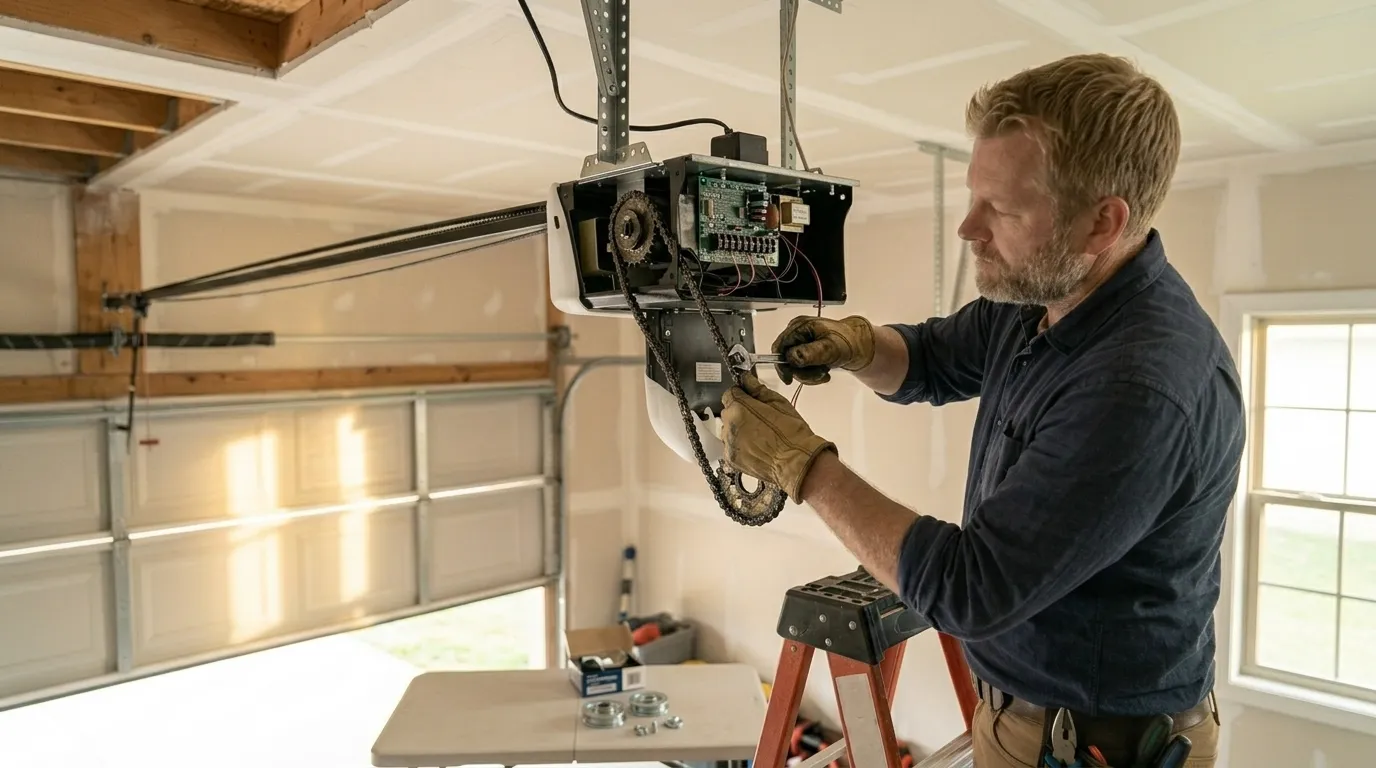
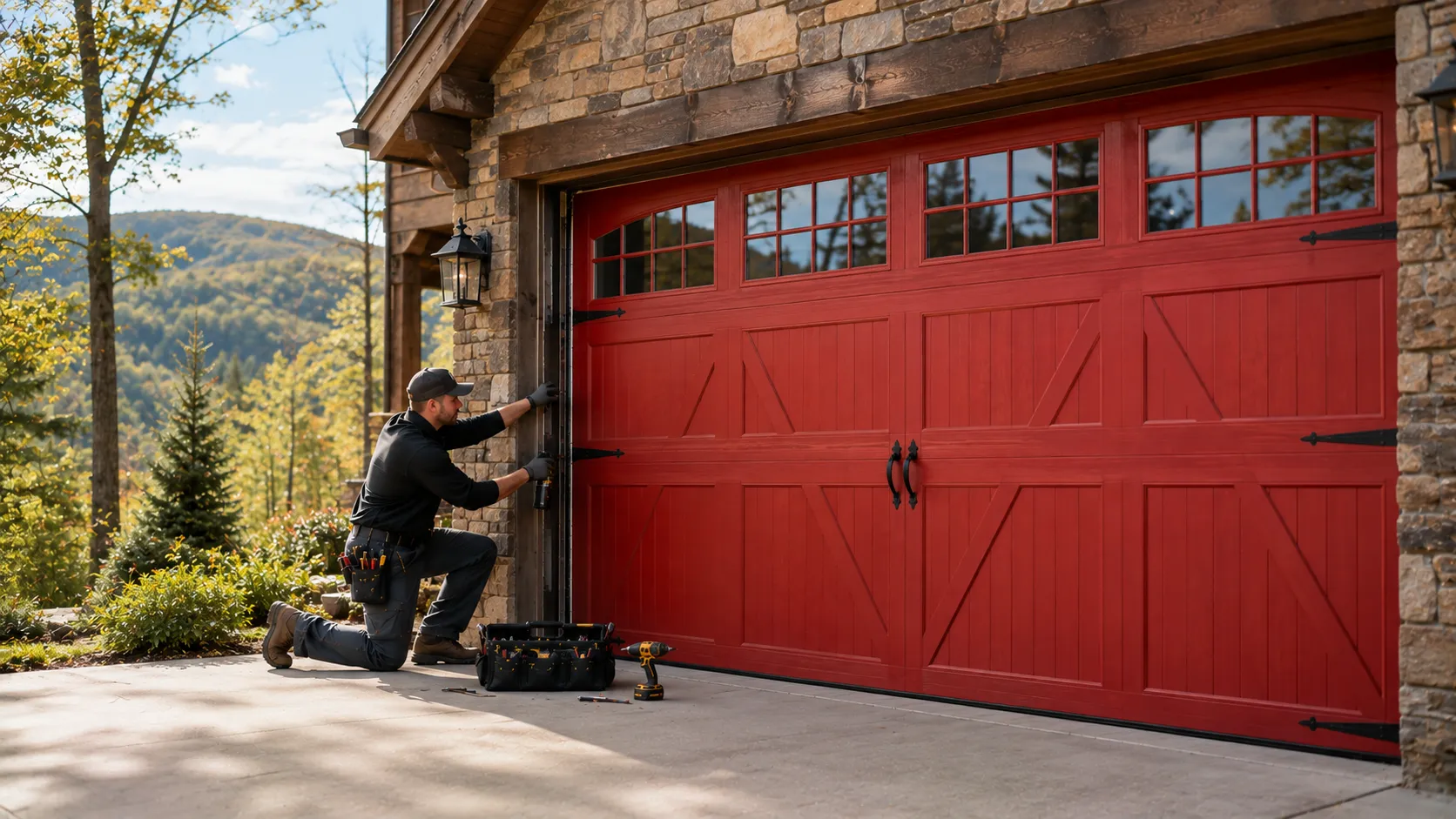
On the original-era doors, the common failure is a torsion spring that's simply outlived its coil count, paired with a header bracket that's rusted or loosened over decades - not something you patch with a new spring alone if the wood behind it has softened. On the newer conversions, we more often see opener issues: circuit boards past their service life, sensors misaligned after a panel swap, or safety cables that were never installed correctly the first time. One honest limitation - if the header framing itself has deteriorated on an older opening, that's a carpentry job before it's a door job, and we'll tell you that up front rather than bolting a new spring to a bracket that won't hold it. Matching the fix to the actual age of the hardware, not just the house, is most of the work.