This Area's Housing
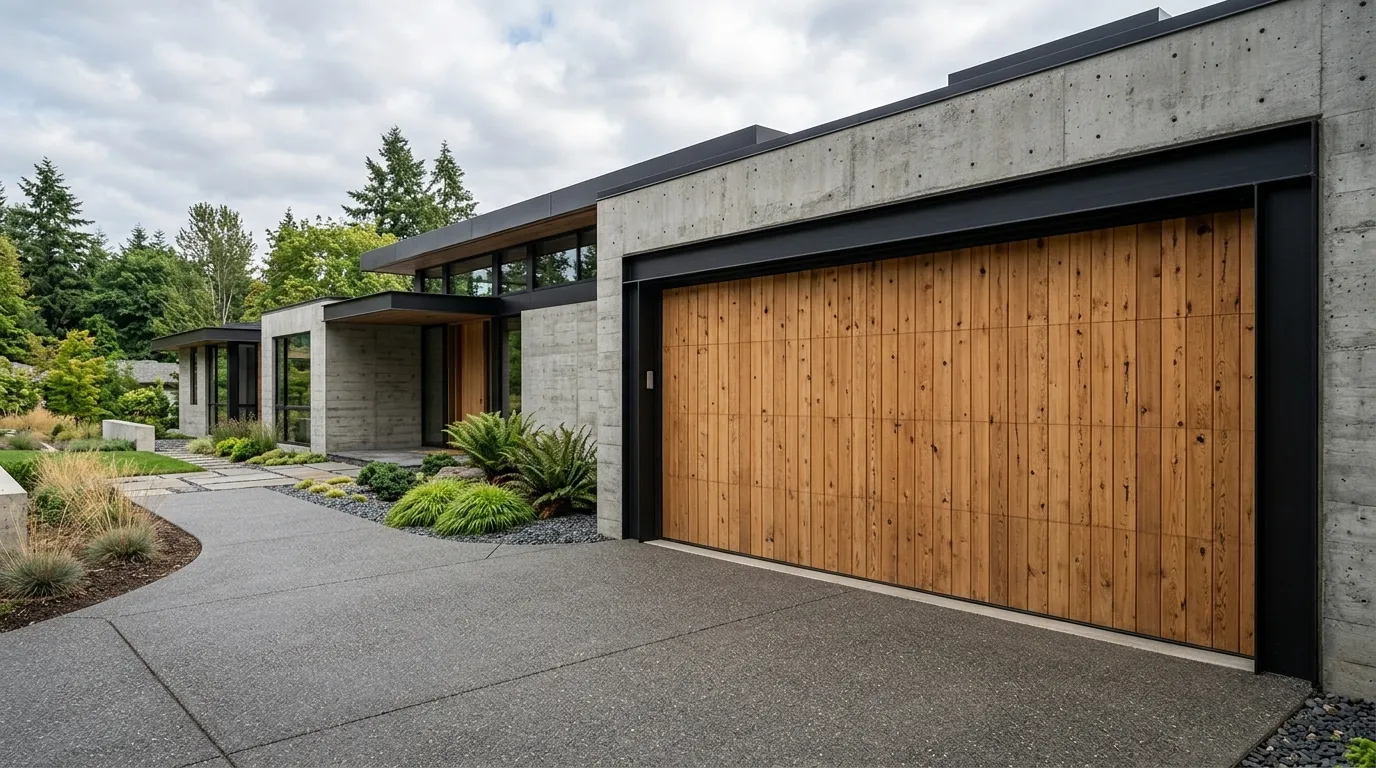
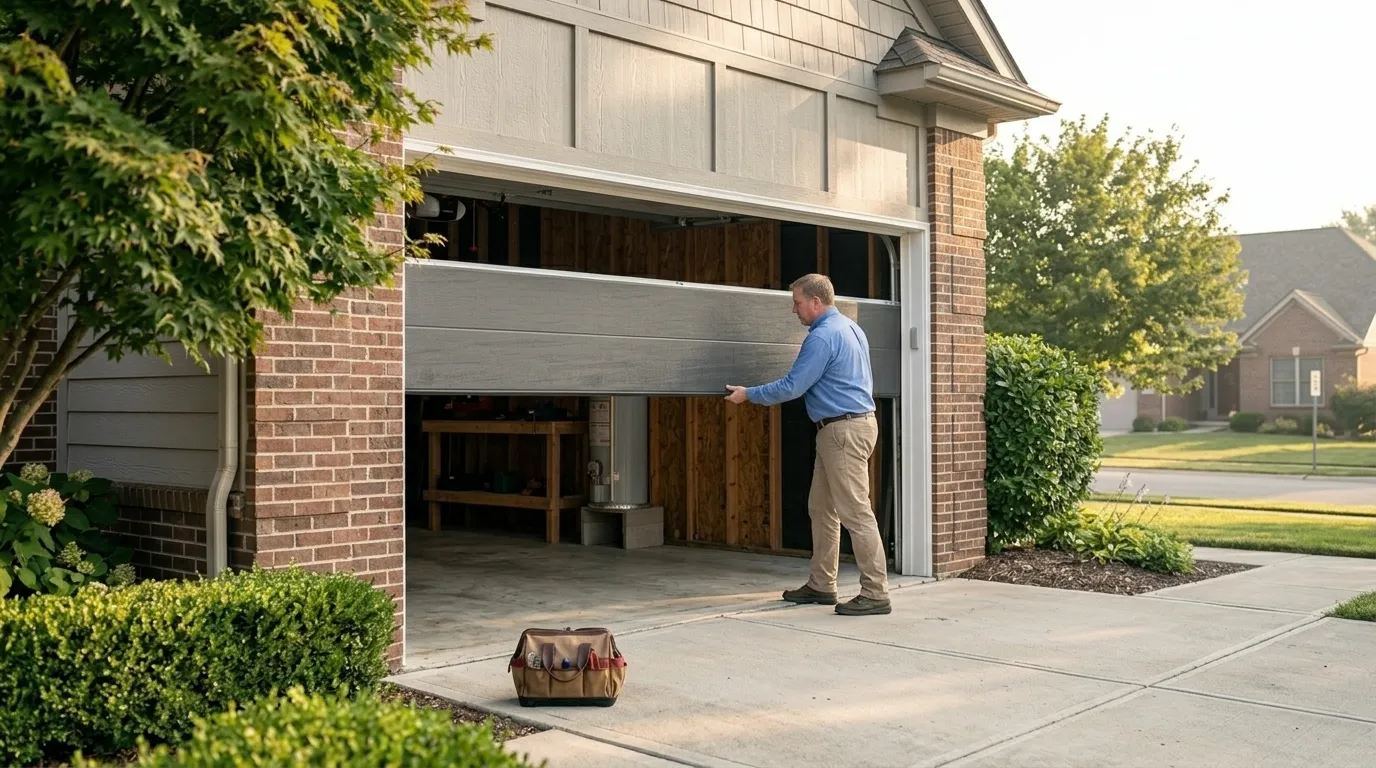
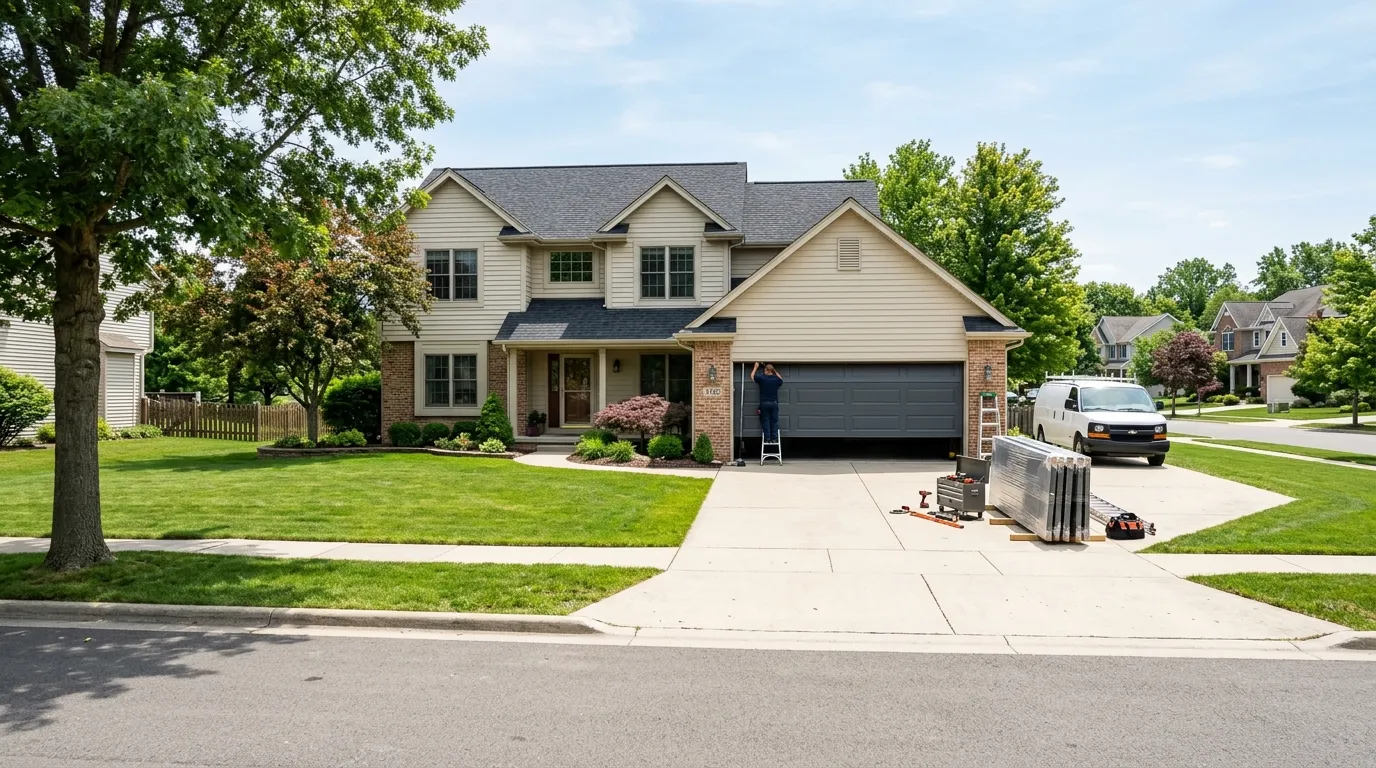
Vernon is an outlier next to most of the towns we cover. The median year built here lands around 2012, decades newer than the 1963 median across the wider service area, and Vernon counts roughly 100 households total, a fraction of the 140,166 households spread across the region. That's a small, mostly industrial and light-commercial footprint with newer residential and mixed-use construction rather than a sea of postwar tract homes. If your building went up in the last fifteen years, you're not dealing with the original one-piece doors and side-mounted torsion hardware that dominate the older beach-adjacent neighborhoods. You're more likely looking at a sectional steel or aluminum door on a standard extension or torsion system installed to current code, with a newer opener already in place. That changes what actually breaks and when. Newer installs fail less from age and more from use, from a bracket that was never quite squared, or from an opener that was fine for the first few years and now skips a photo-eye alignment. Median household income in Vernon runs around $70,833, below the wider area's $94,152, which is worth knowing if you're comparing repair quotes against replacement quotes - sometimes fixing what's there is the better math.
Older vs Newer Streets
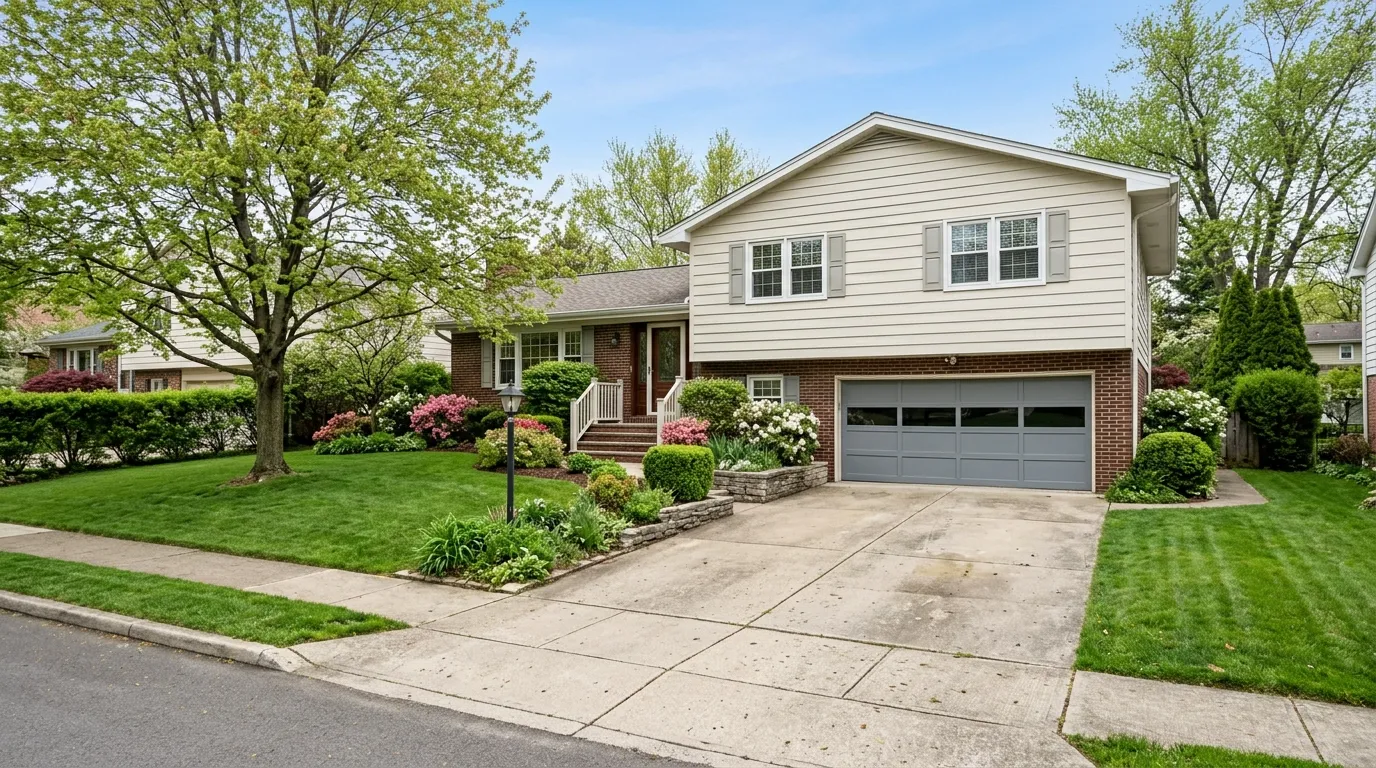
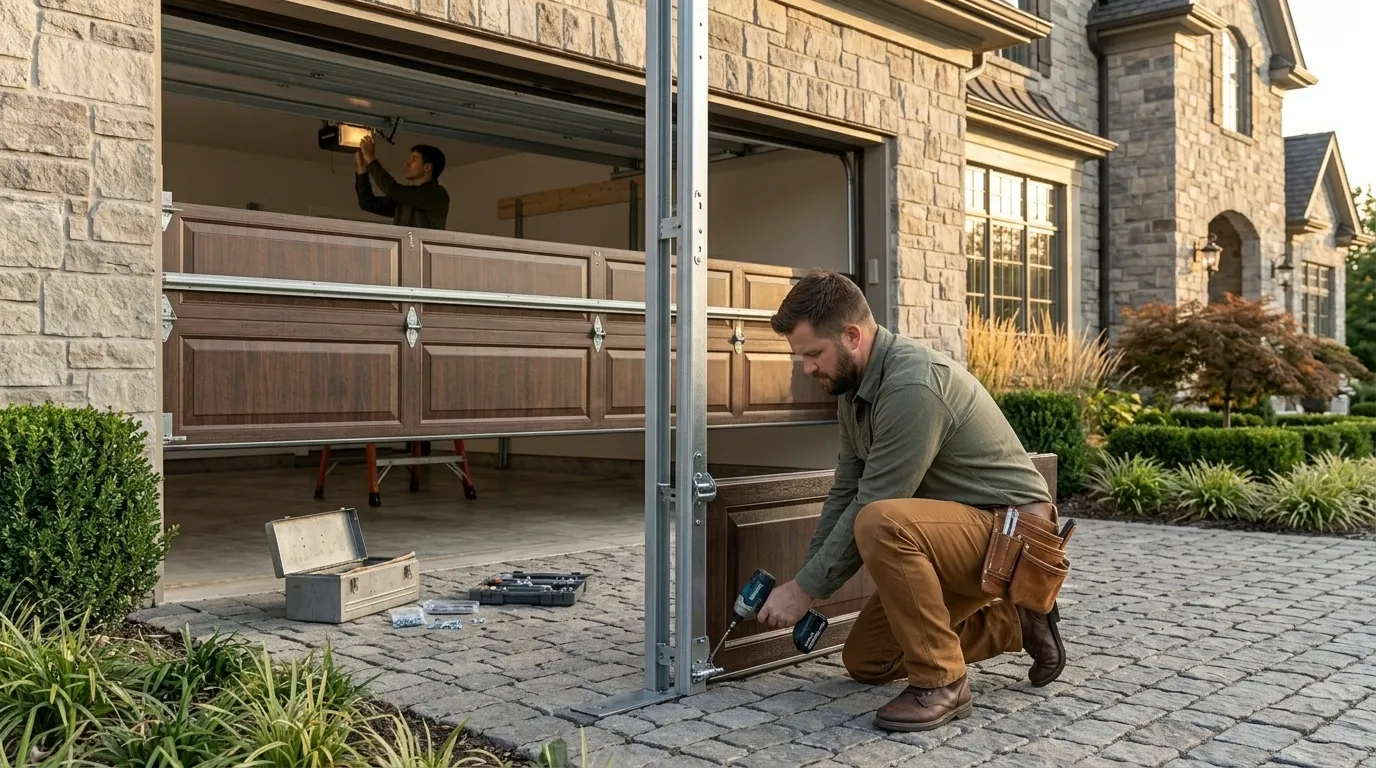
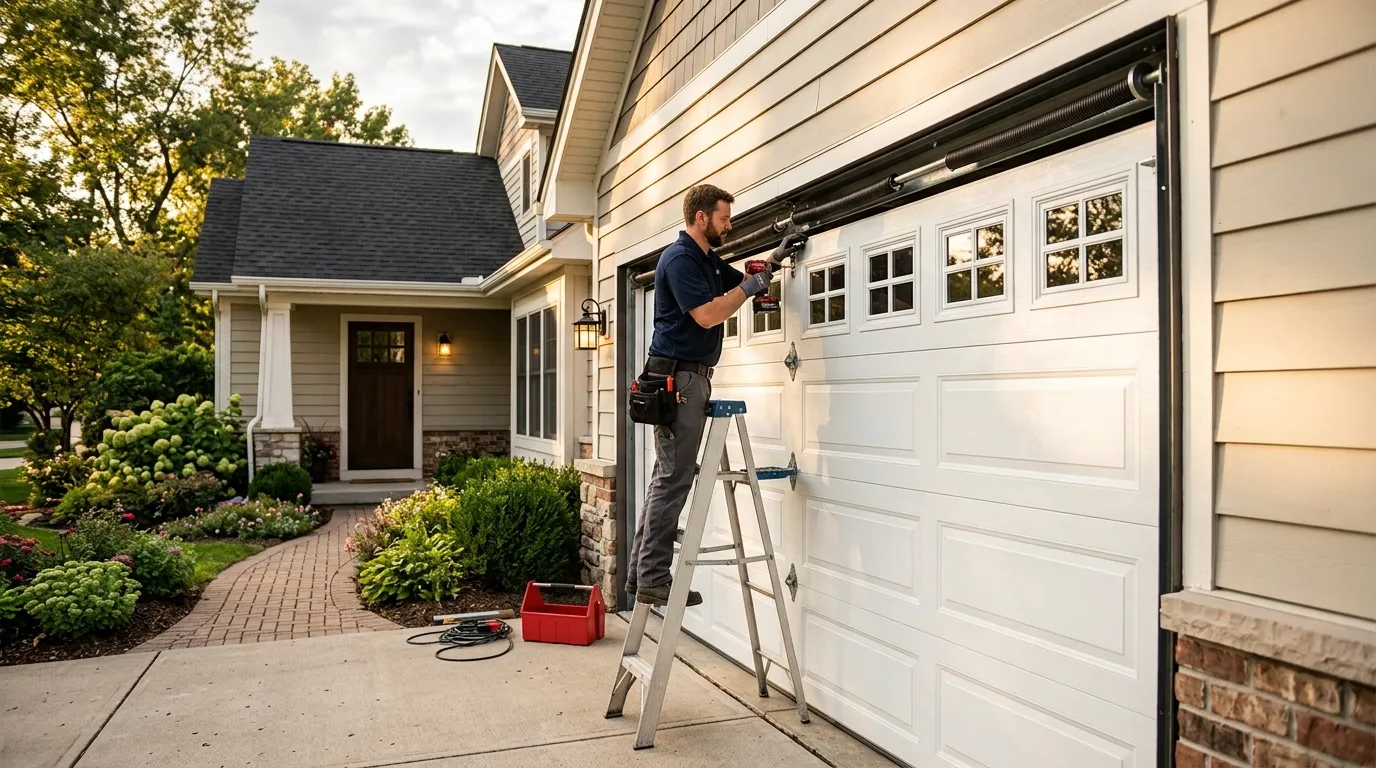
Across the wider region, most housing dates to the 1960s and 70s, with the overall median build year sitting at 1963. Vernon breaks from that pattern hard - its own median build year is around 2012, closer to fifty years newer than what you'd find on a typical block in the older parts of our coverage area. That gap matters more than it sounds like it should. A door built to 1960s code and hardware standards, and a door built to 2012 code, aren't cousins - they're different products. Older doors around here tend to run one-piece or early sectional panels on lighter-gauge track, springs sized for lighter doors, and openers bolted on well after the original install. Newer builds like most of what's in Vernon come with heavier insulated sectional doors, torsion springs sized to match, and openers with rolling-code safety features baked in from day one. Diagnosing a 2012-era door with the assumptions you'd bring to a 1963-era door leads to the wrong repair. We size the parts to the install date, not to habit.
How That Shows Up in the Door
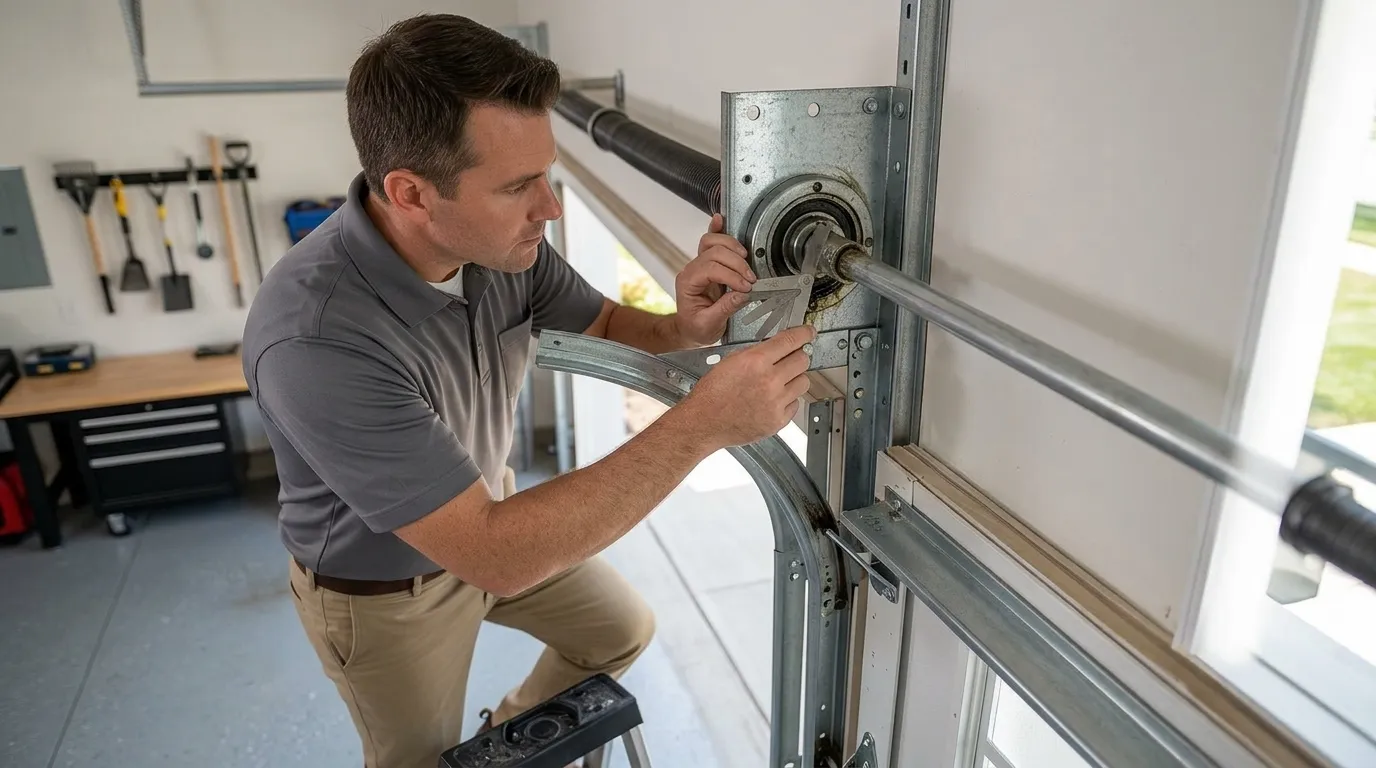
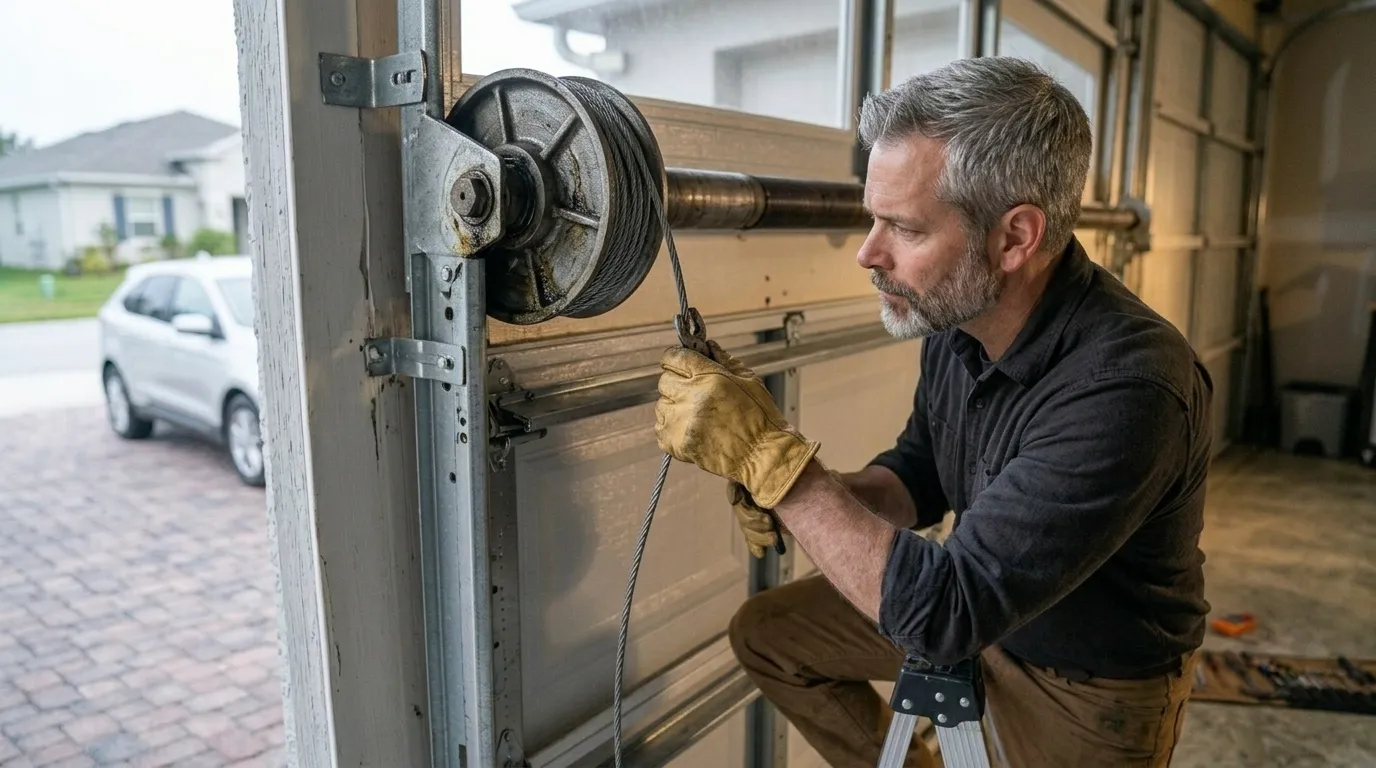
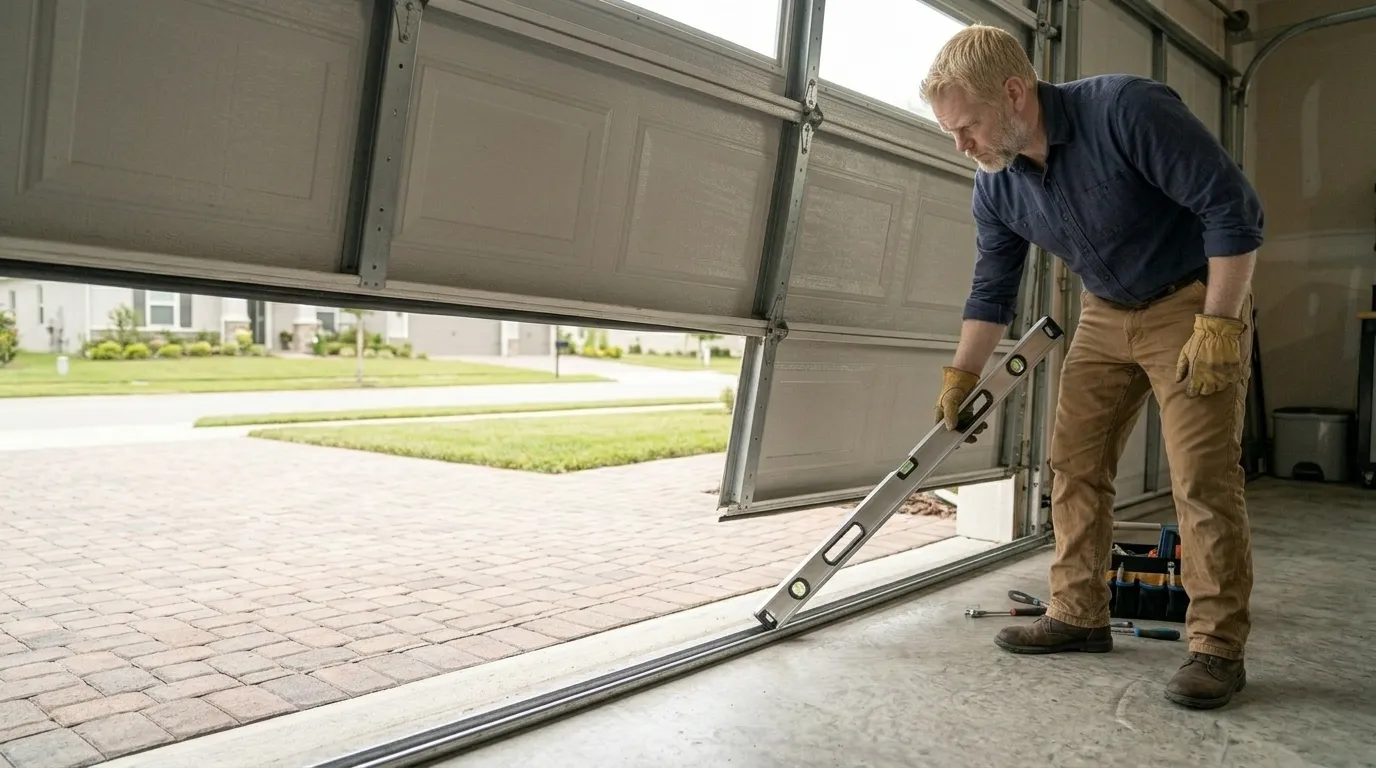
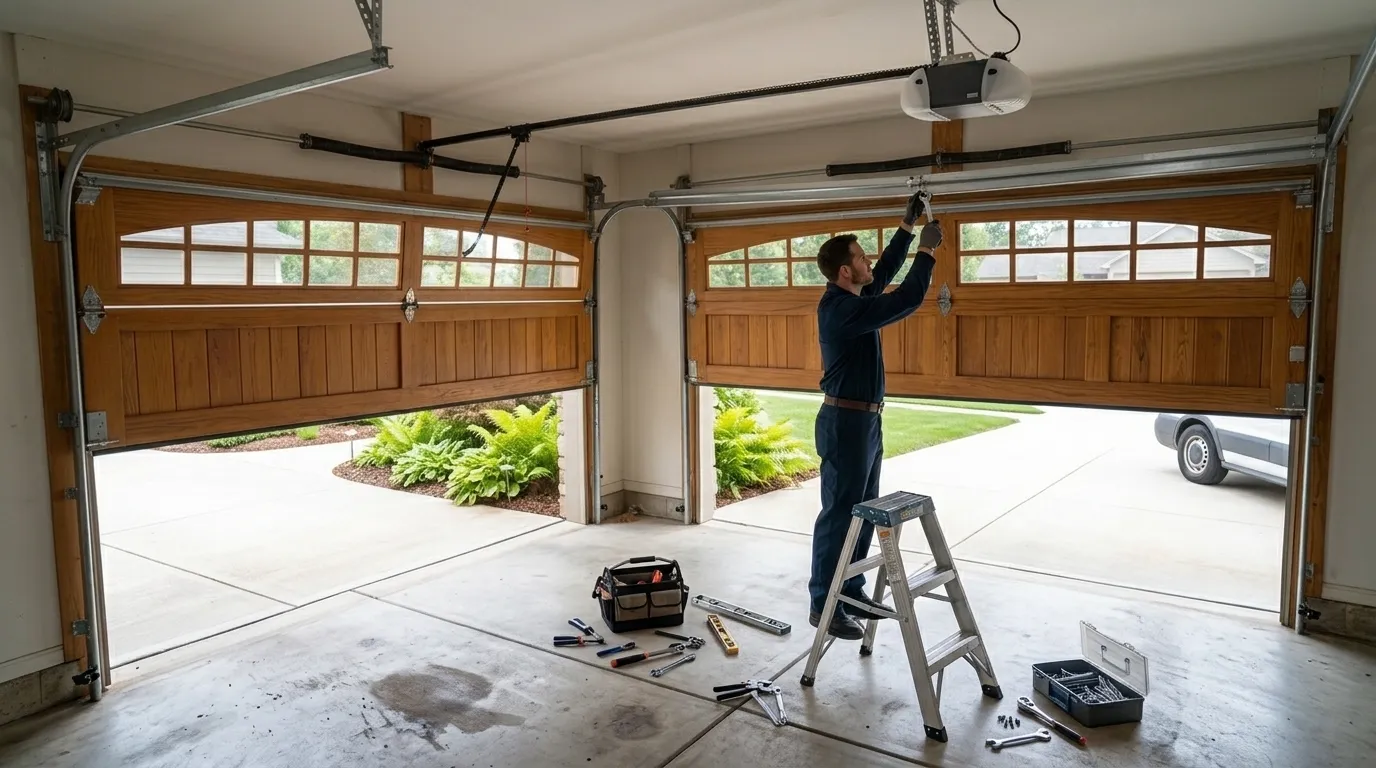
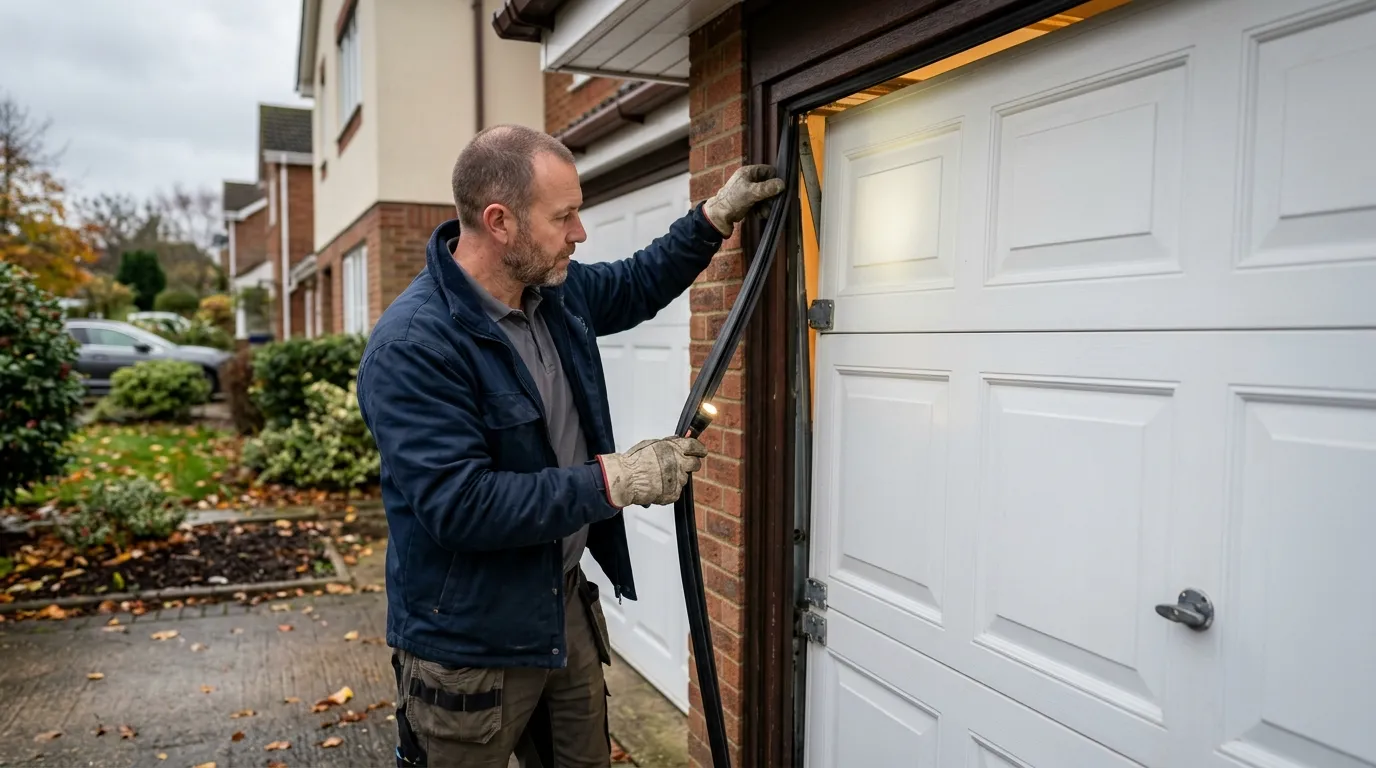
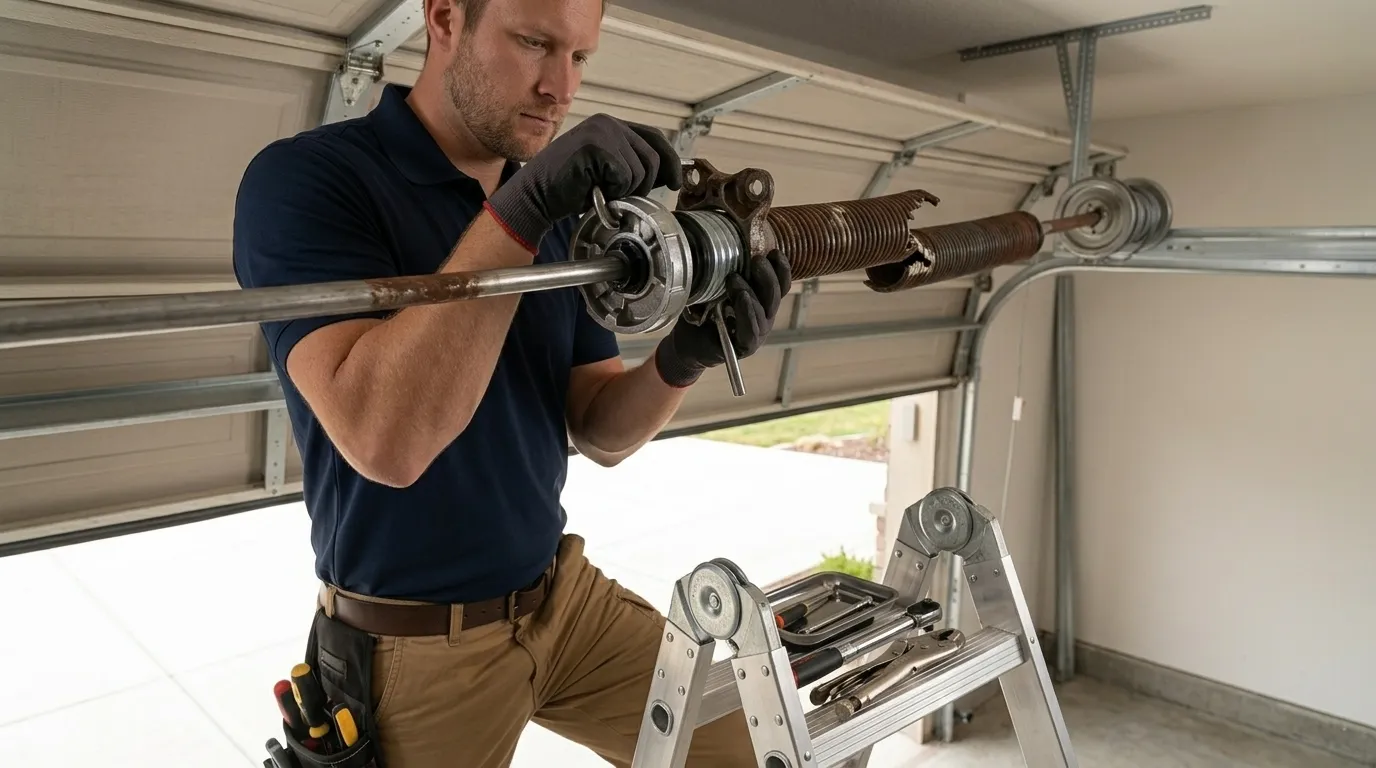
On a build from around 2012, the failures we actually see are usually mechanical wear on newer hardware rather than the metal fatigue you get on a decades-old door. Think a torsion spring that's simply cycled out after years of daily use, a roller that's worn its track groove wide, or a photo-eye sensor knocked out of alignment by something leaning against it in the garage. We also see opener boards that have outlived their circuit but not their motor, which sometimes means a controller swap instead of a full unit replacement. What we don't see as often here: the brittle, sun-cracked panels and undersized original springs common on the 1960s stock elsewhere in the area. If your Vernon building's door is original to a 2012 or later construction, a repair is very often the right call rather than a full replacement - the platform underneath is sound, it just needs the worn part swapped.