This Area's Housing
Topanga's houses run newer than most of what we see across the rest of the service area. The median build year here is 1971, while the broader area we cover skews toward 1963, with stock going back to 1947 in some pockets. That eight-year gap matters more than it sounds like on paper. A house built in 1971 usually came with a different garage door bracket layout and heavier spring cable than a house built in the late 1950s, and the openers installed over the decades since have had more room to be swapped for chain-drive or belt-drive units rather than the older direct-drive screw setups.
With about 3,098 households in Topanga and a median income of $142,553, well above the wider area's $94,152, we tend to find doors and openers here that were replaced or upgraded rather than left original. That doesn't mean nothing breaks. It means when something does break, it's more often a mid-life opener gear or a spring that's simply worn out from age rather than the original 1950s hardware nobody stocks anymore. Fewer of the oddball torsion tube widths, more of the common stuff parts houses actually carry.
Older vs Newer Streets
Across the wider service area, styles range from 1947 through 2012, but Topanga clusters closer to the newer end of that span, centered on 1971. On streets built in that era you'll typically find torsion springs mounted on a center shaft above the door rather than the older side-mounted extension spring setups, and headroom that was built to fit a standard steel sectional door rather than a one-piece slab.
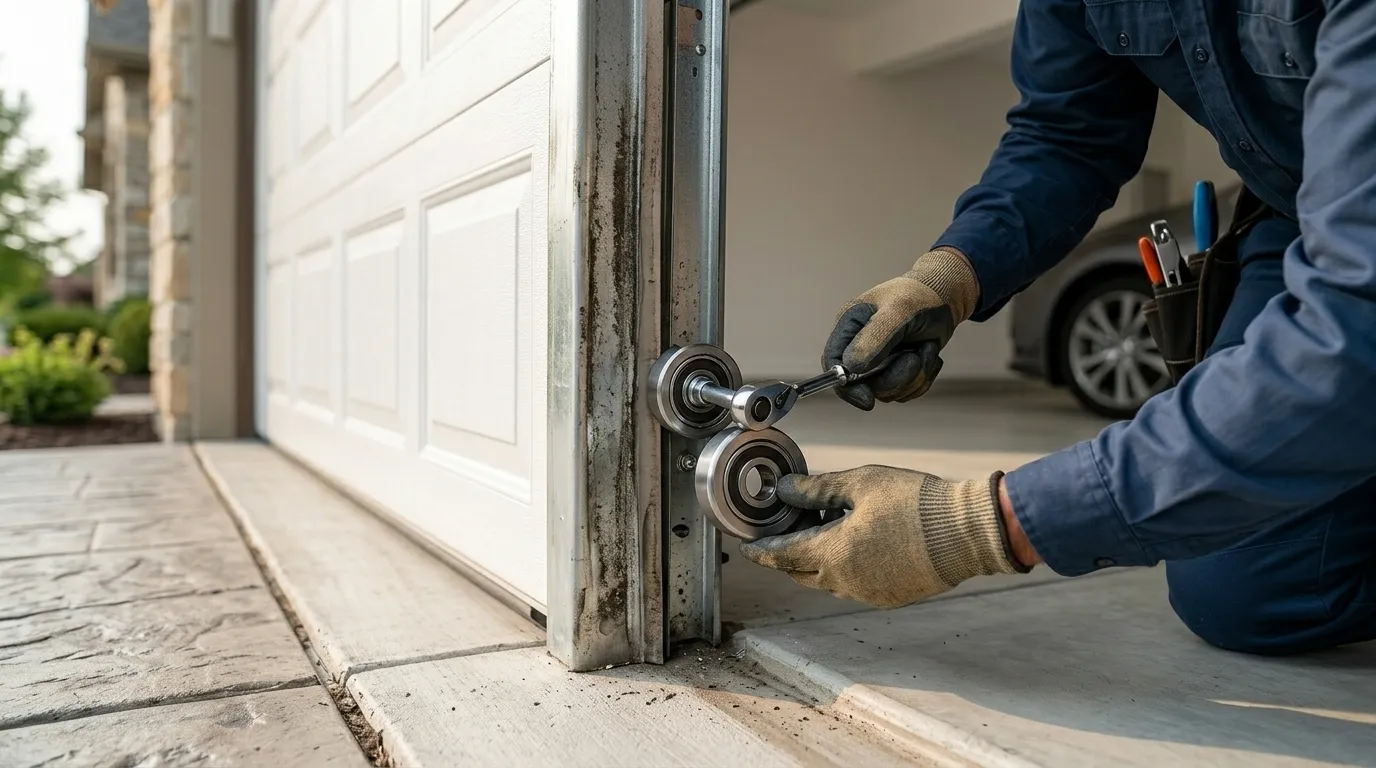
What that means in practice: garage door track and drum sizes here are more likely to match what a supply house stocks off the shelf. Compare that to areas closer to the 1947-1963 end of the build range, where original one-piece doors on side-mounted hardware still turn up, and parts for those take longer to source. Topanga isn't immune to age-related failure, a 1971 spring is still 50-plus years old if nobody's touched it, but the hardware underneath tends to be the more common, easier-to-match variety.
How That Shows Up in the Door
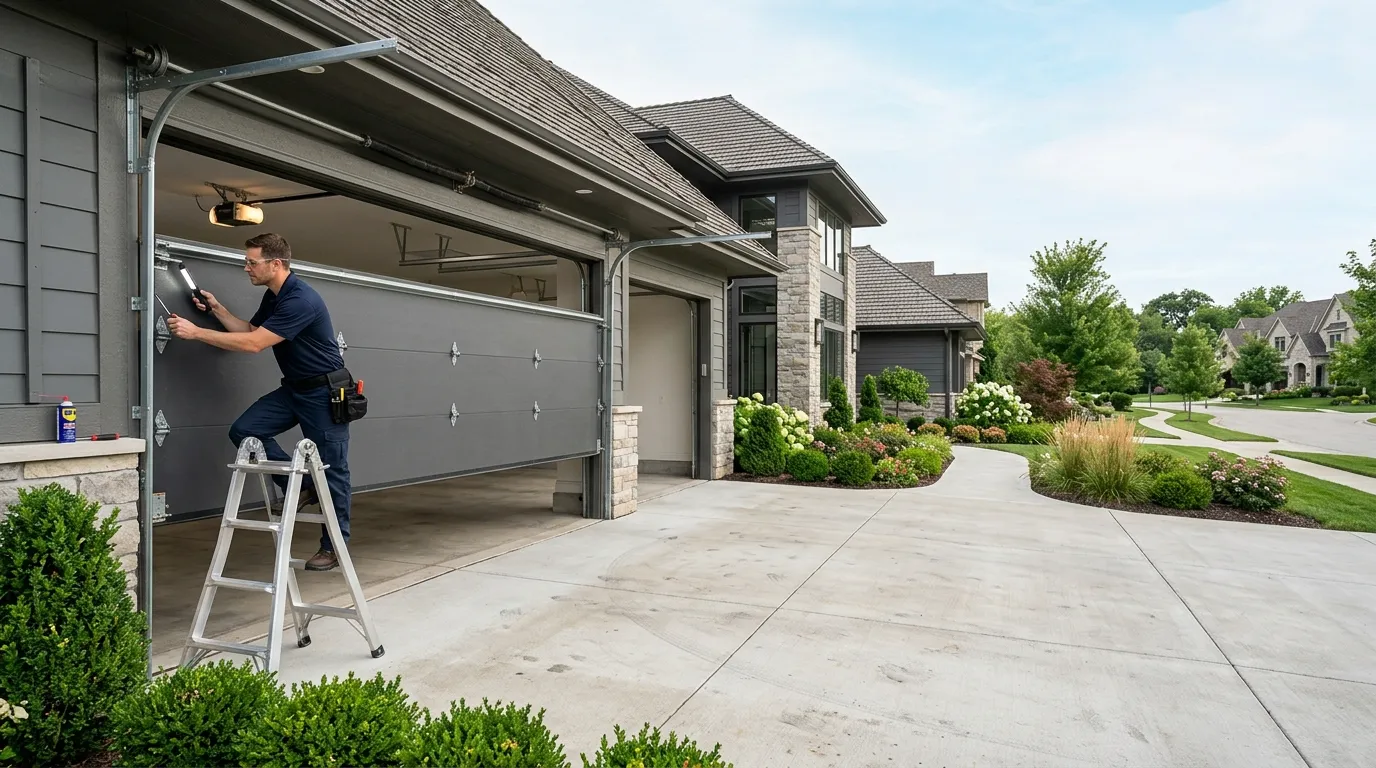
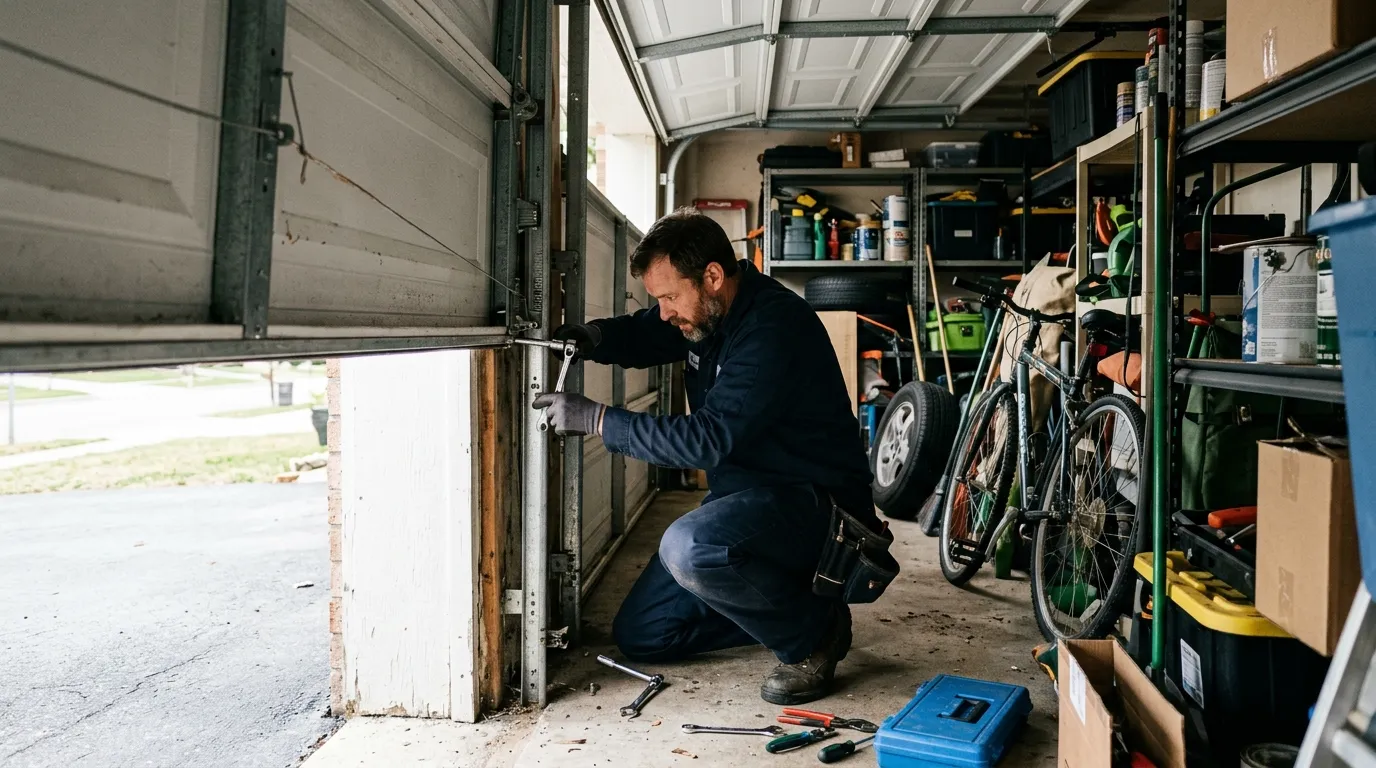
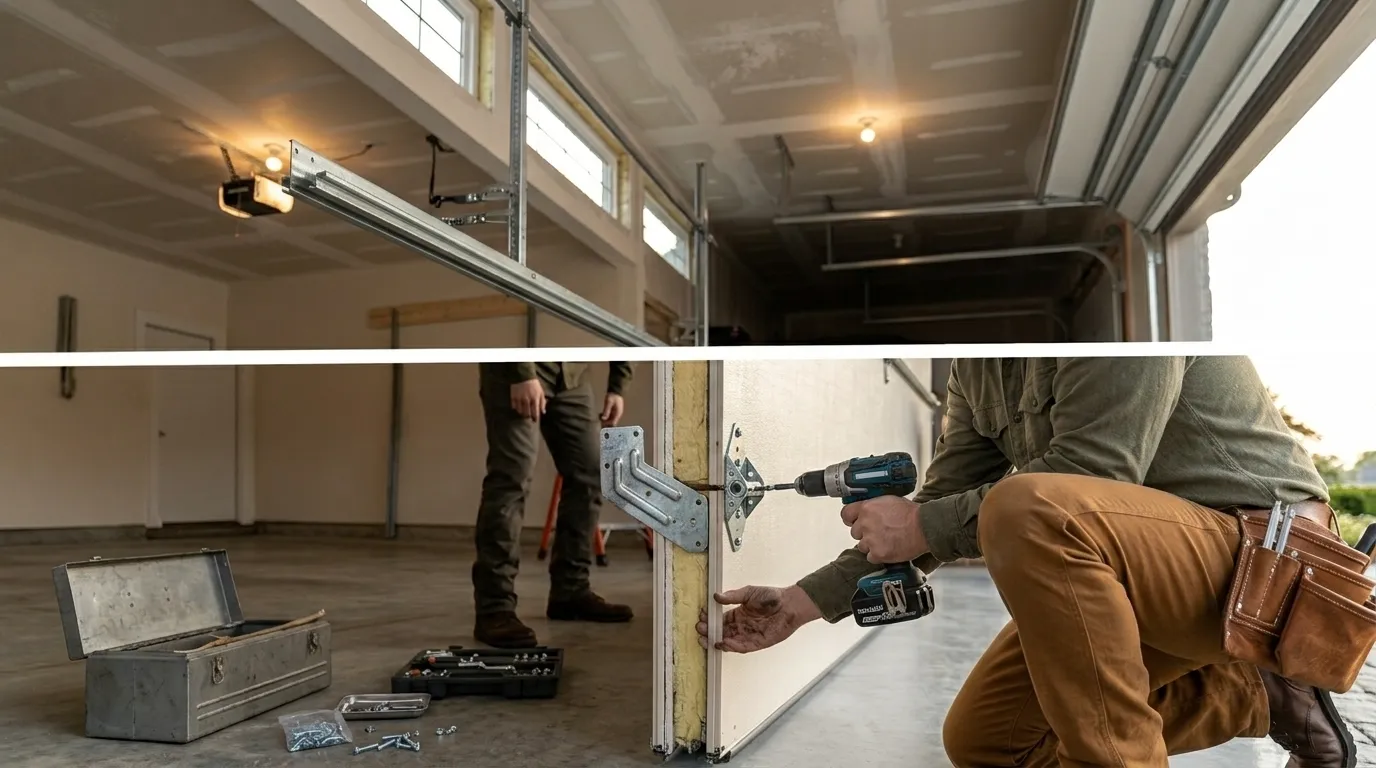
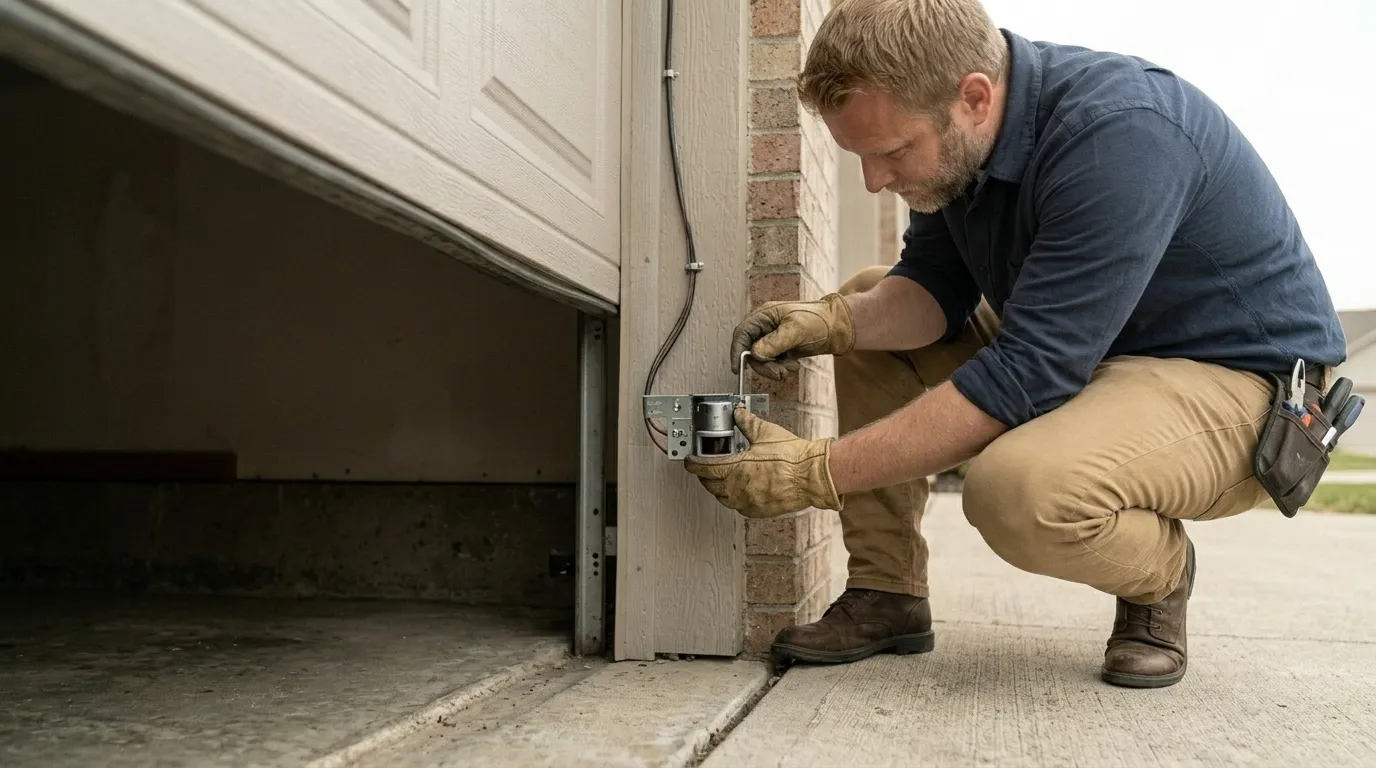
In practice this means a service call in Topanga is more often a worn torsion spring, a stripped opener gear, or a bent track from years of use, rather than a full hardware mismatch. We can usually match spring size and drum diameter from stock because the shaft-mounted torsion setup common to 1970s-era construction is still what most suppliers carry.
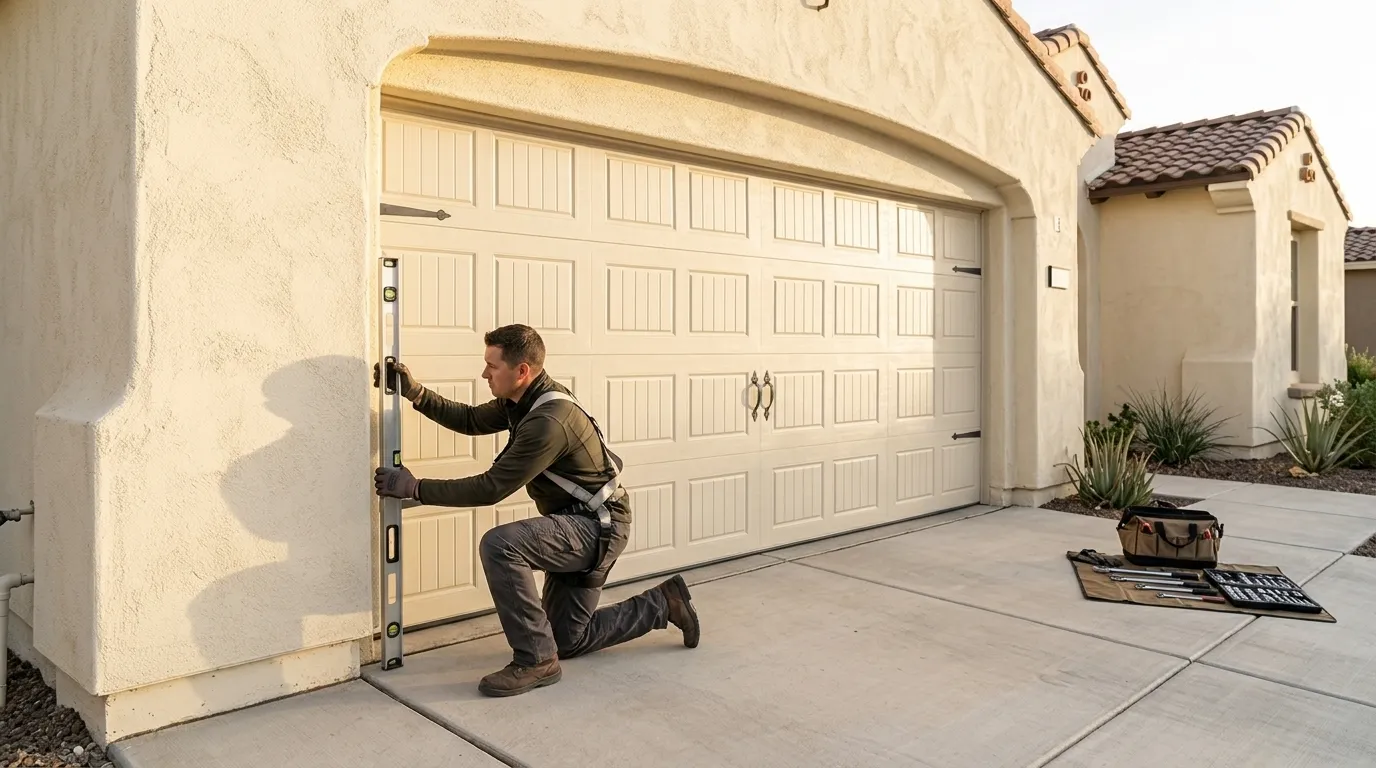
One honest limitation: if your home has had a custom door width or a non-standard header retrofit at some point, and some do out this way, we may need to order a part rather than carry it on the truck, and that adds a day or two given the distance we're driving from. We'll always check before we quote a same-visit fix. The upside of a 1971-era build is that the door opening itself is standard enough that most repairs don't require rebuilding the frame or notching new headroom, just replacing worn parts with parts that fit.