This Area's Housing
Signal Hill's housing stock runs newer than a lot of what we see closer to Manhattan Beach. The median build year here is 1980, which puts most garages a couple of decades past the older torsion setups we deal with elsewhere in the service area. That matters for parts: doors from this era are more likely to use standard-width torsion springs, factory-installed openers with chain or belt drive, and steel panel sections that are still in production. With 4,676 households in Signal Hill and a median income of $102,303, we also see more owners opting to replace an aging opener outright rather than nurse it along, since the part and the labor pencil out differently than they would on a house built in the 1940s. The practical upshot is that when we get a call from Signal Hill, we're usually not guessing at obsolete hardware before we even load the truck. We still check, because a house built in 1980 can have had a door swapped twice since, but the base assumption is different than it is on the older blocks.
Older vs Newer Streets
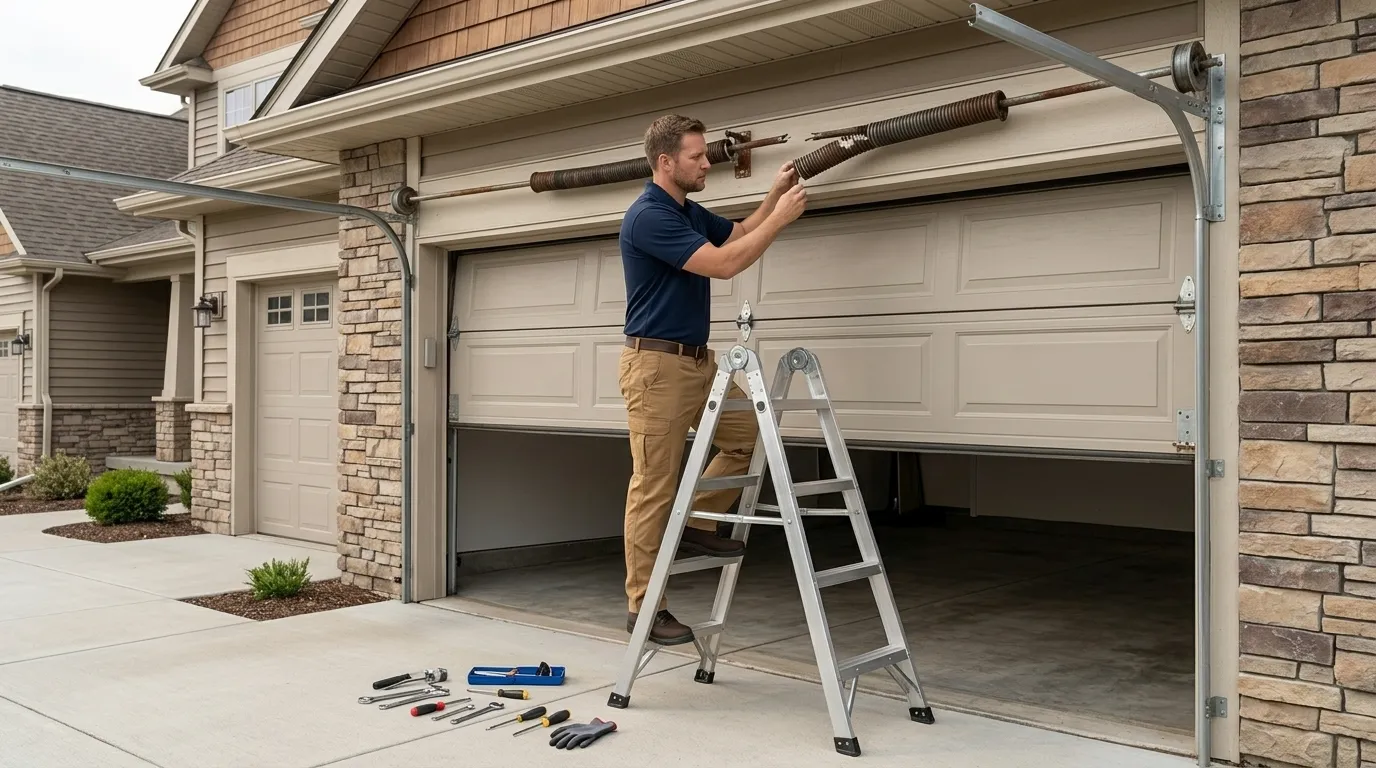
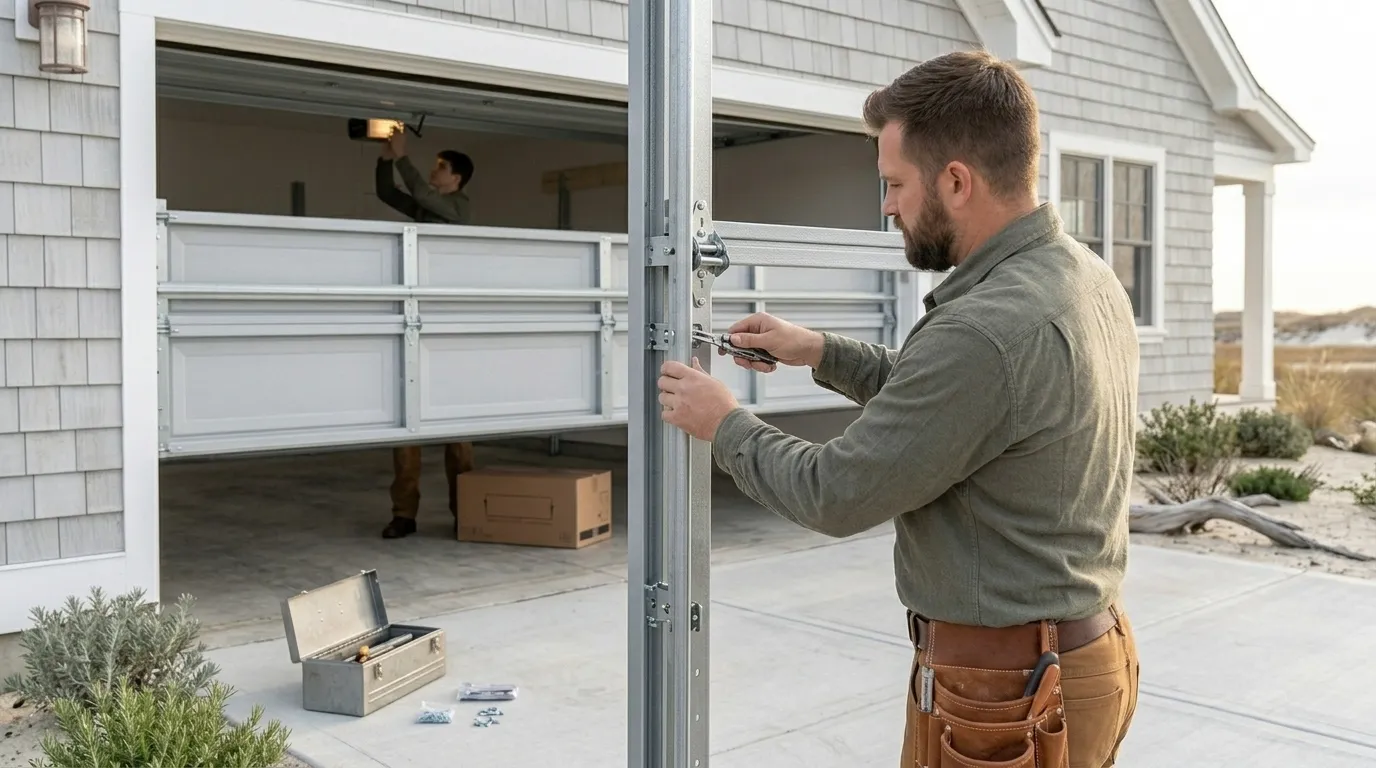
Not every block in Signal Hill dates to 1980 - that's a median, not a floor. Some streets carry older homes with the side-mounted torsion hardware and narrower door openings that show up more consistently in cities with an earlier median build year like 1963 across the wider service area. Others are newer builds or remodels with wider double doors, standard extension or torsion springs, and openers with modern safety sensors already wired in. The difference shows up the moment we pull into the driveway: an older Signal Hill door often needs a spring size or drum that isn't sitting on the truck by default, where a newer one usually matches what we stock for current jobs. We ask about the age of the house and the door itself before we quote anything, because guessing wrong on Signal Hill costs more than it does on a street where every house went up the same year. If you don't know your door's age, a look at the spring coating and the opener's motor housing usually tells us fast.
How That Shows Up in the Door
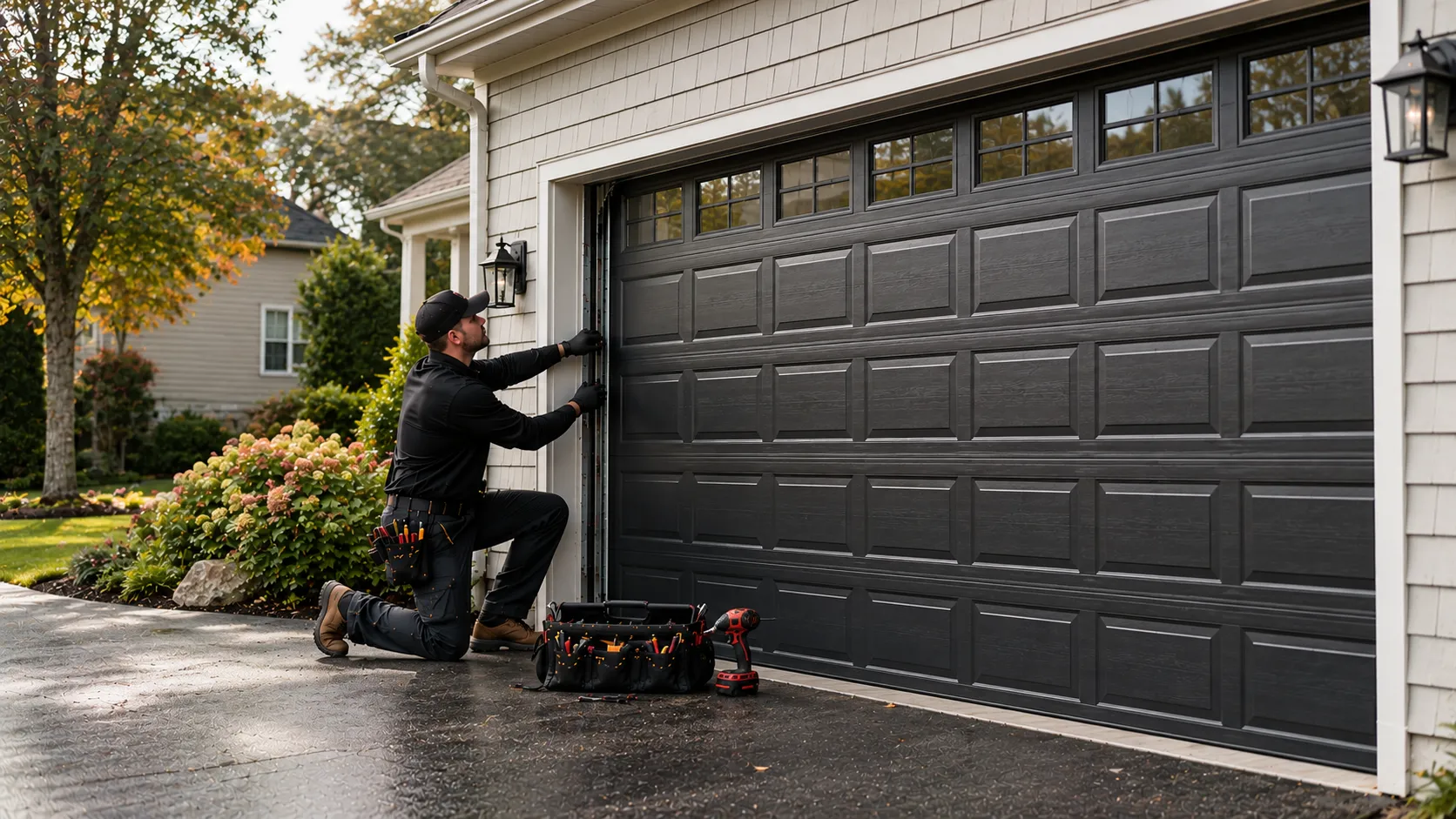
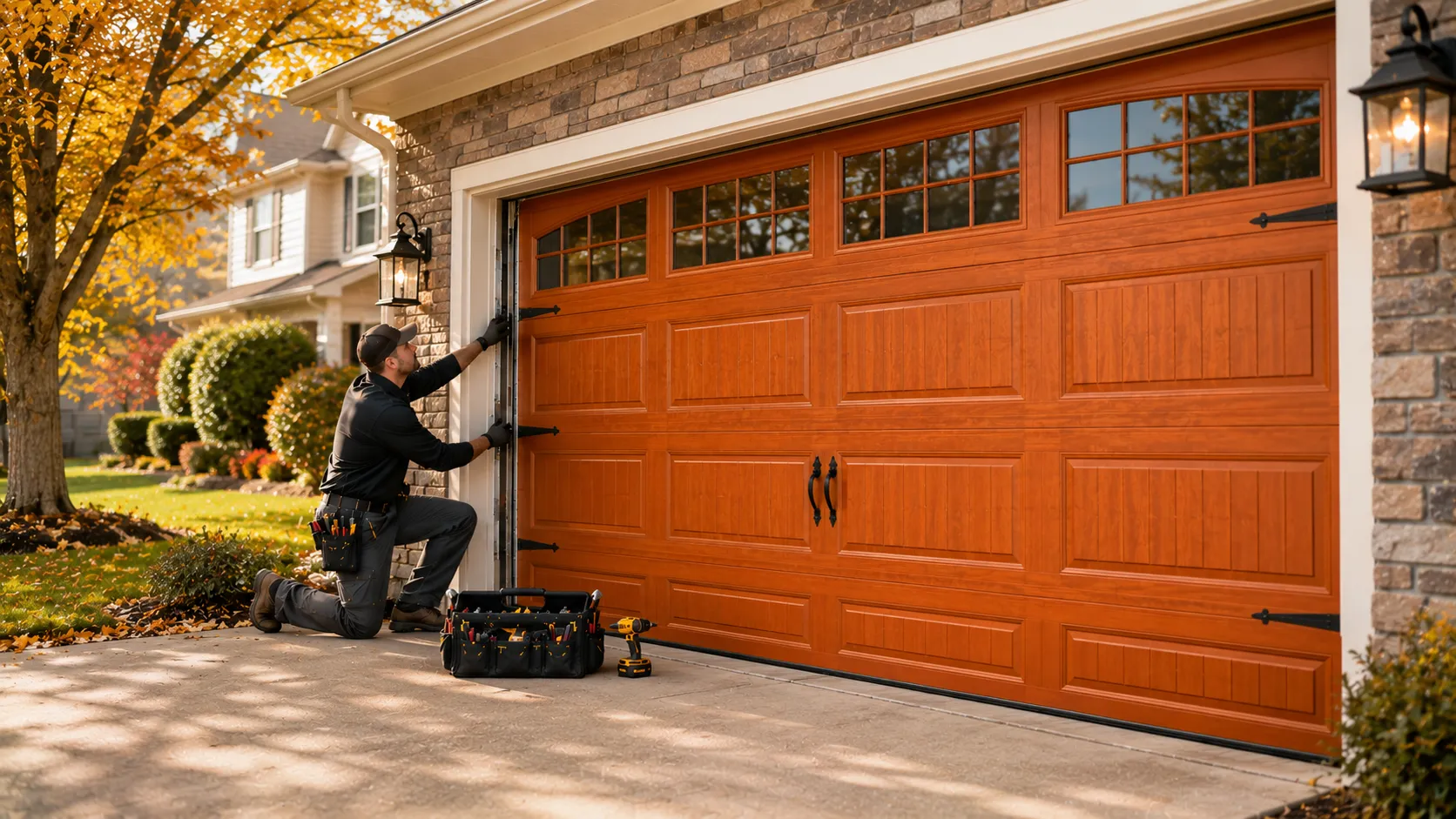
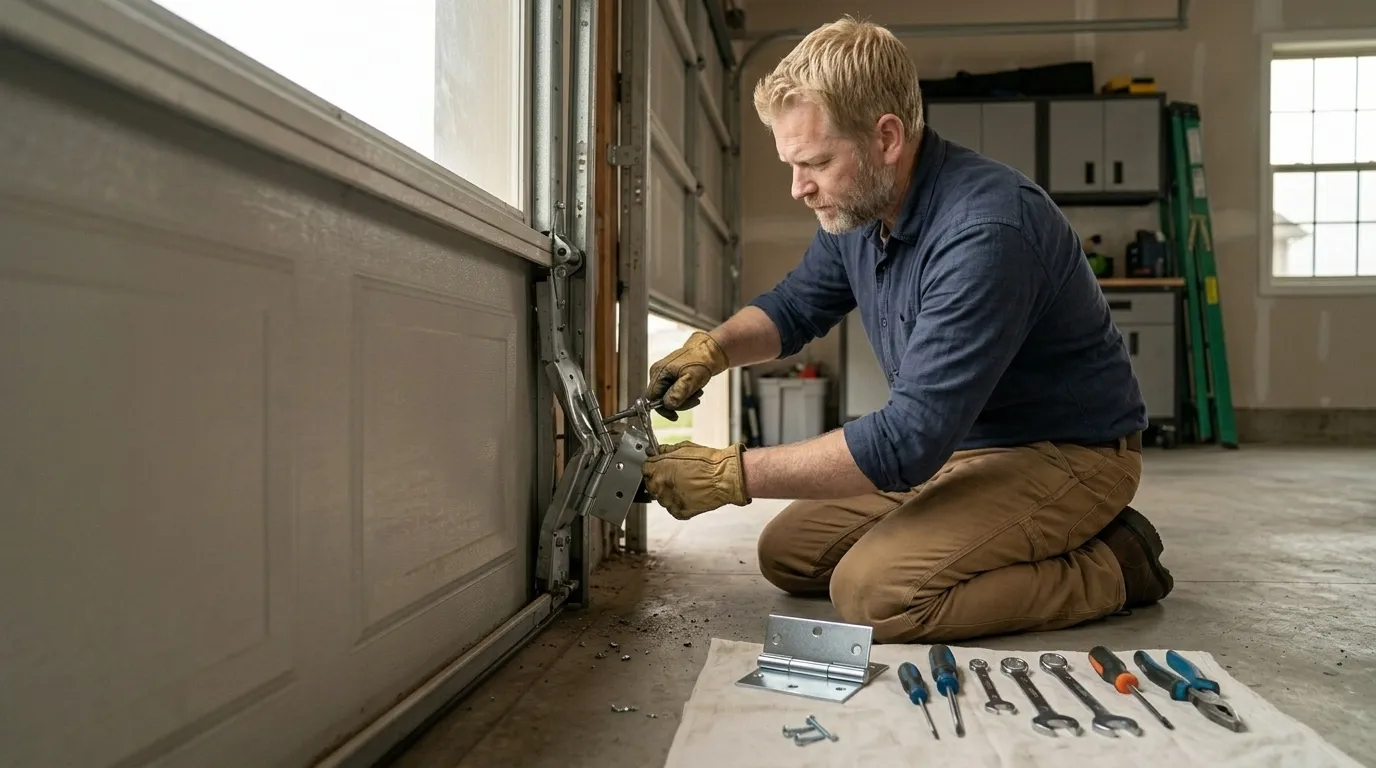
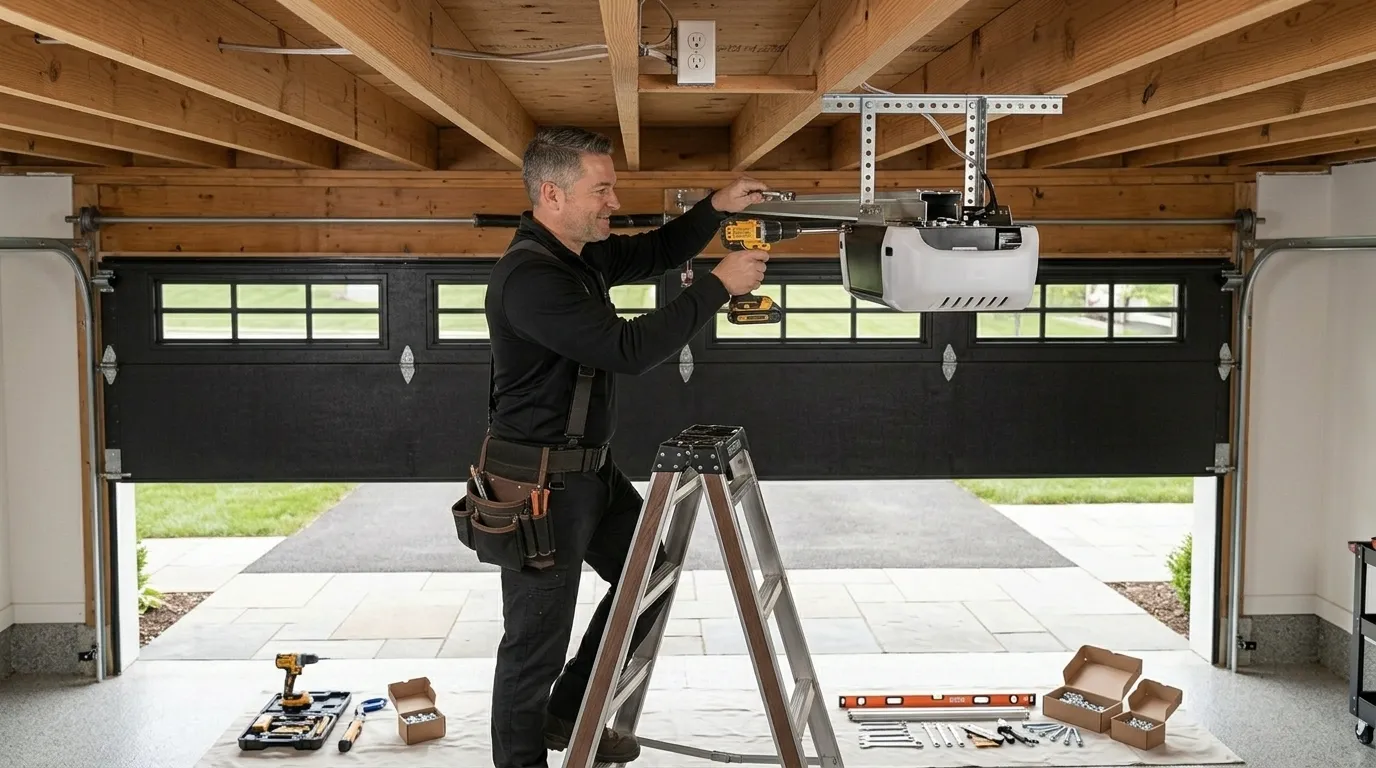
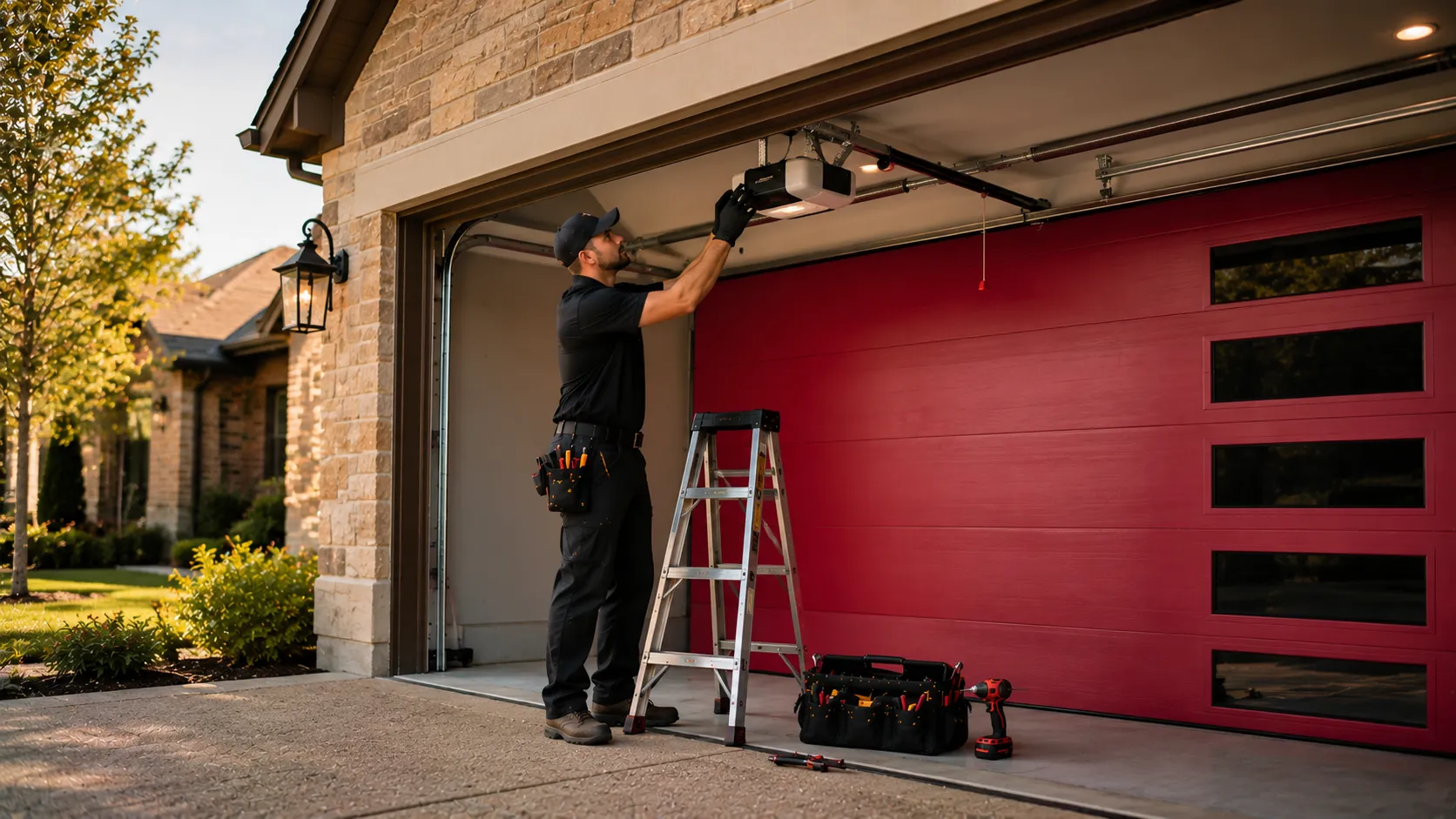
On a typical 1980s-era Signal Hill door, the failures we see are opener-side more often than spring-side: worn drive gears, dead capacitors, sensors knocked out of alignment, or a logic board that's finally quit after years of daily cycles. That's a different repair than the one-piece door and side-mounted spring failures common on older housing stock elsewhere in the area - this is usually a chain or belt drive opener paired with a sectional steel door, and the fix is often a part swap rather than a full hardware rebuild. We won't tell you a repair makes sense when it doesn't: if the opener is original to a 1980 build and the logic board's gone along with a cracked gear, replacement usually costs less over time than chasing parts for a 40-plus-year-old motor. We'll say so plainly rather than billing you for a patch job that fails again in a year. Where we can repair instead of replace, we will - it's usually the cheaper and faster call for Signal Hill's newer stock.