
This Area's Housing
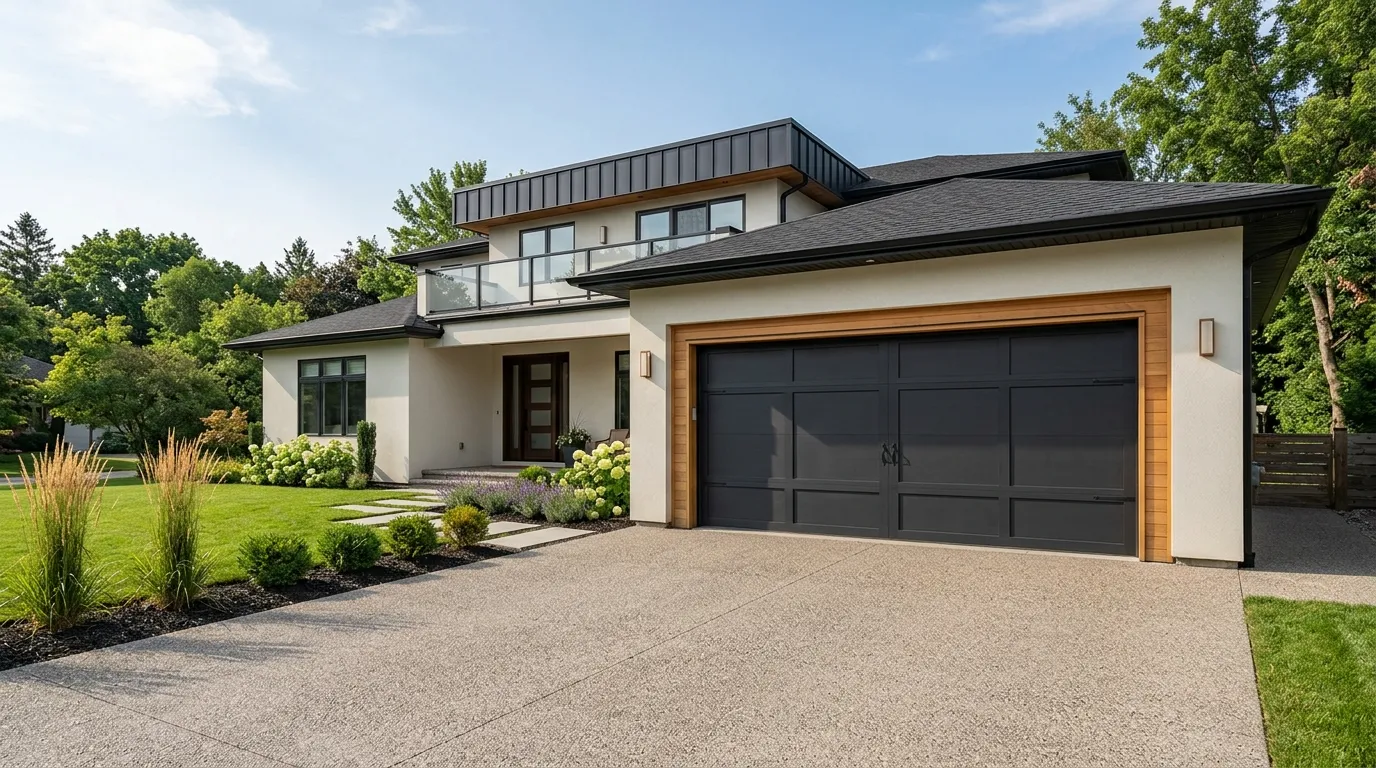
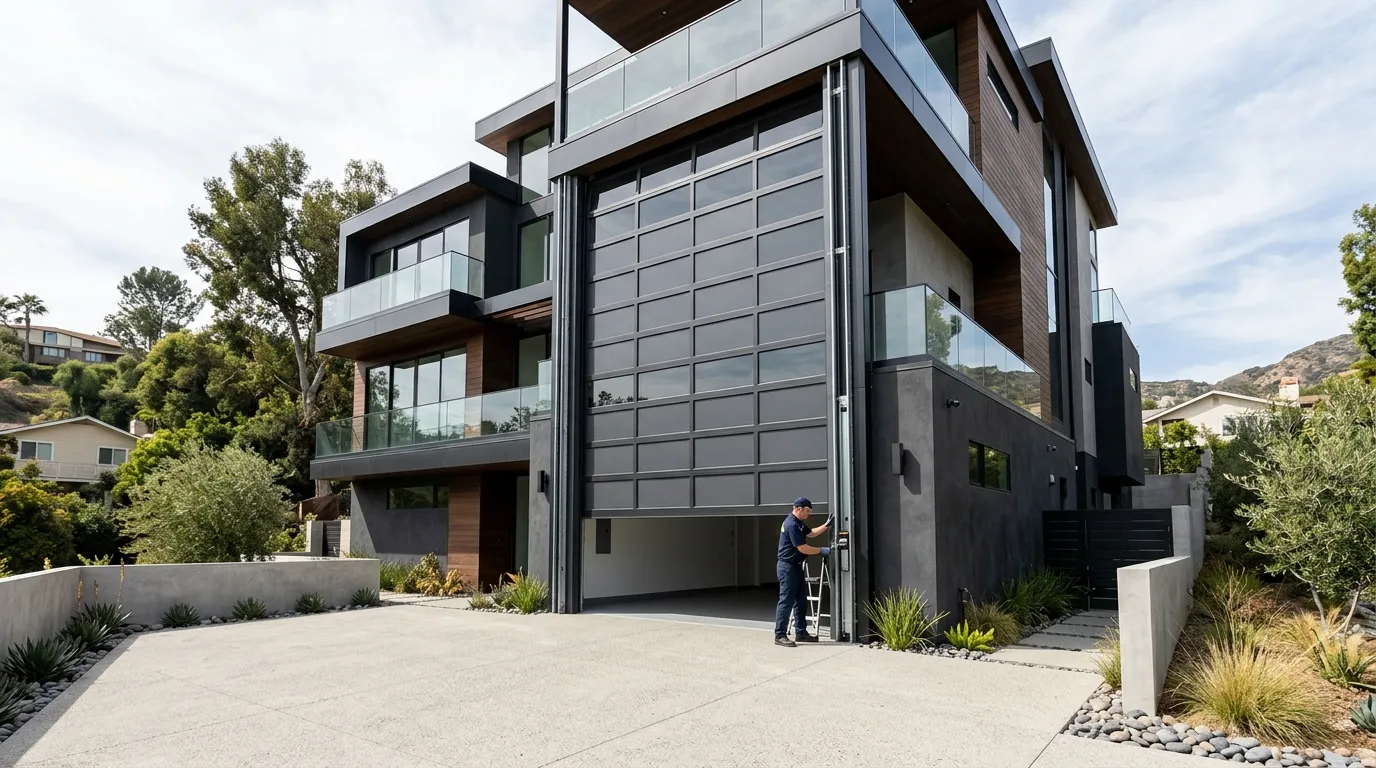
Rolling Hills sits apart from a lot of the surrounding service area because its housing stock is tighter and older on average. The median build year here lands around 1962, which puts most of the neighborhood's garages a full generation ahead of newer infill you'd find closer to the coast. With only about 583 households in the area, this isn't a place with tract-built subdivisions where every fourth door is identical off some builder's spec sheet. Doors here tend to be one-offs installed by whoever the original owner hired, and repairs since then have been patchwork rather than systematic.
Median household income in the area runs high, above $250,000, and that shows up less in the doors themselves and more in what people ask for when something breaks: full replacement with better insulation or quieter hardware rather than a patch job to get through another year. That's a different conversation than we have in areas with newer, more uniform stock, where a matching part is usually a phone call away.
The housing age here also means galvanized hardware that's had sixty-plus years to work, and mounting brackets that were sized for door weights lighter than what a lot of newer doors carry.
Older vs Newer Streets
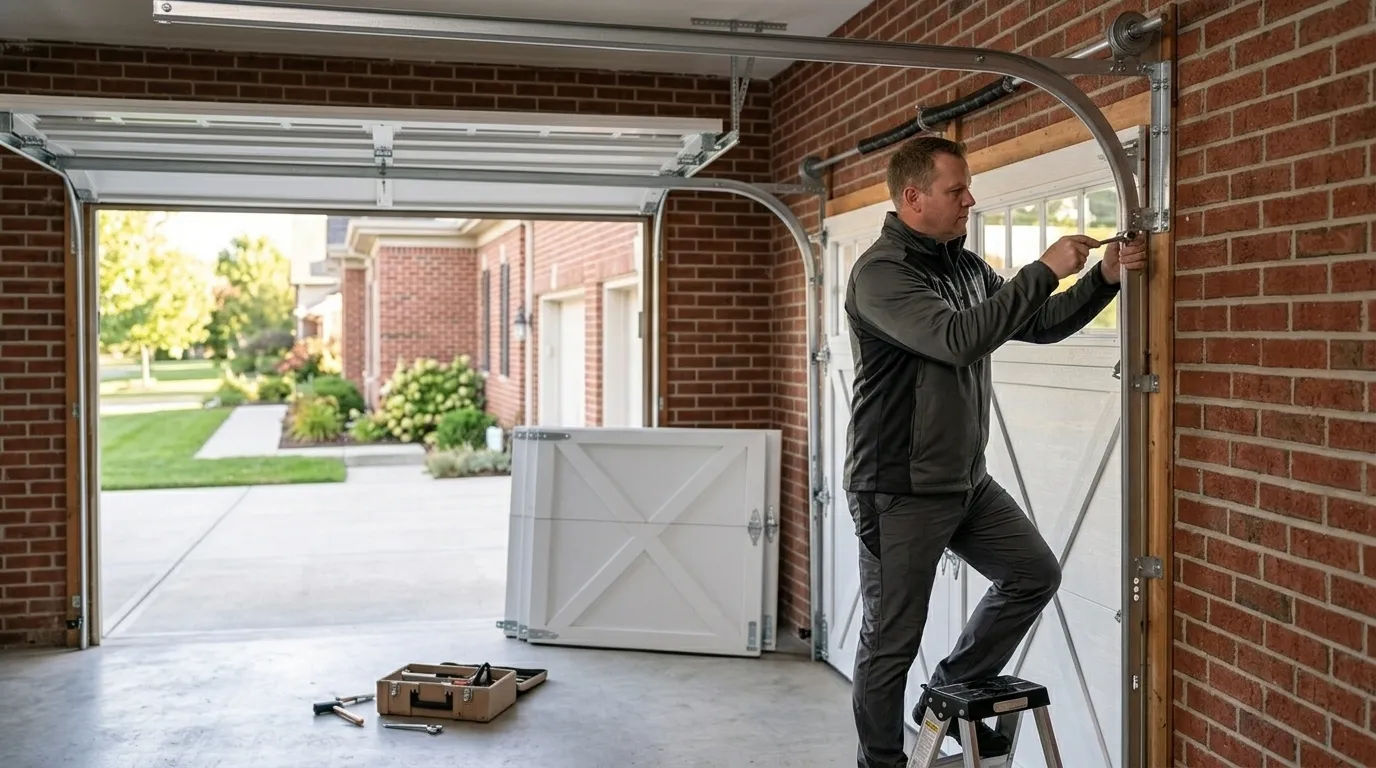
A door built in 1962 and a door built in 2005 do not fail the same way, and Rolling Hills leans hard toward the older end. Original one-piece or early sectional doors on this vintage of house usually ran on side-mounted torsion springs with hardware that predates the safety cable requirements added to later codes. If that spring lets go, the door can drop hard, and the cable that's supposed to catch it may not be there at all.
Newer streets in the broader service area - closer to Marina del Rey or the flatter stretches nearer the coast - got sectional doors with standard 7-foot openings and hardware that's still in production. Rolling Hills doors more often need springs and drums built to older shaft diameters, and sometimes a full replacement of the track system because the original rollers were steel on steel with no nylon bushing, which wears the track itself over decades.
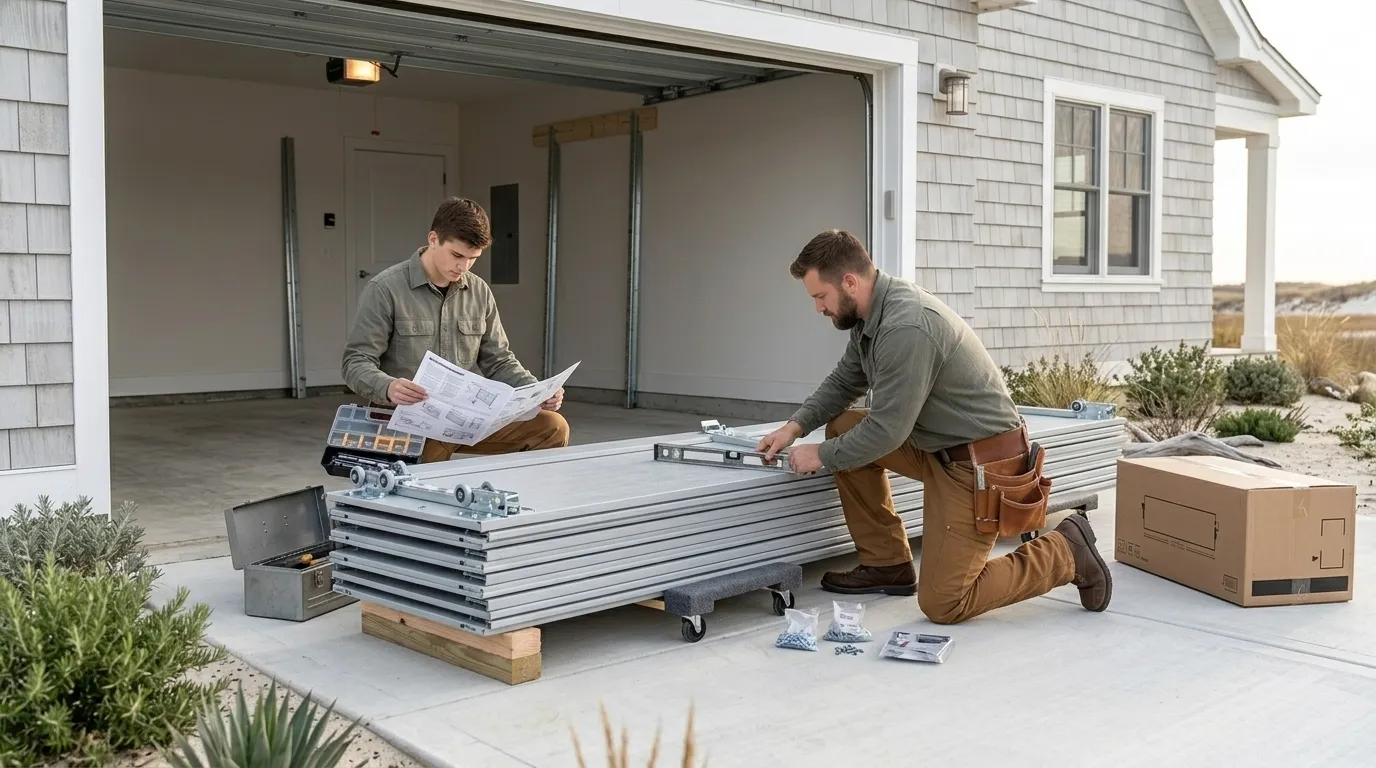
We carry stock for the common modern sizes, but if a Rolling Hills door needs an obsolete torsion spring wind or a discontinued panel profile, that part sometimes has to be special-ordered, and that can add days to a job that would otherwise be same-visit.
How That Shows Up in the Door
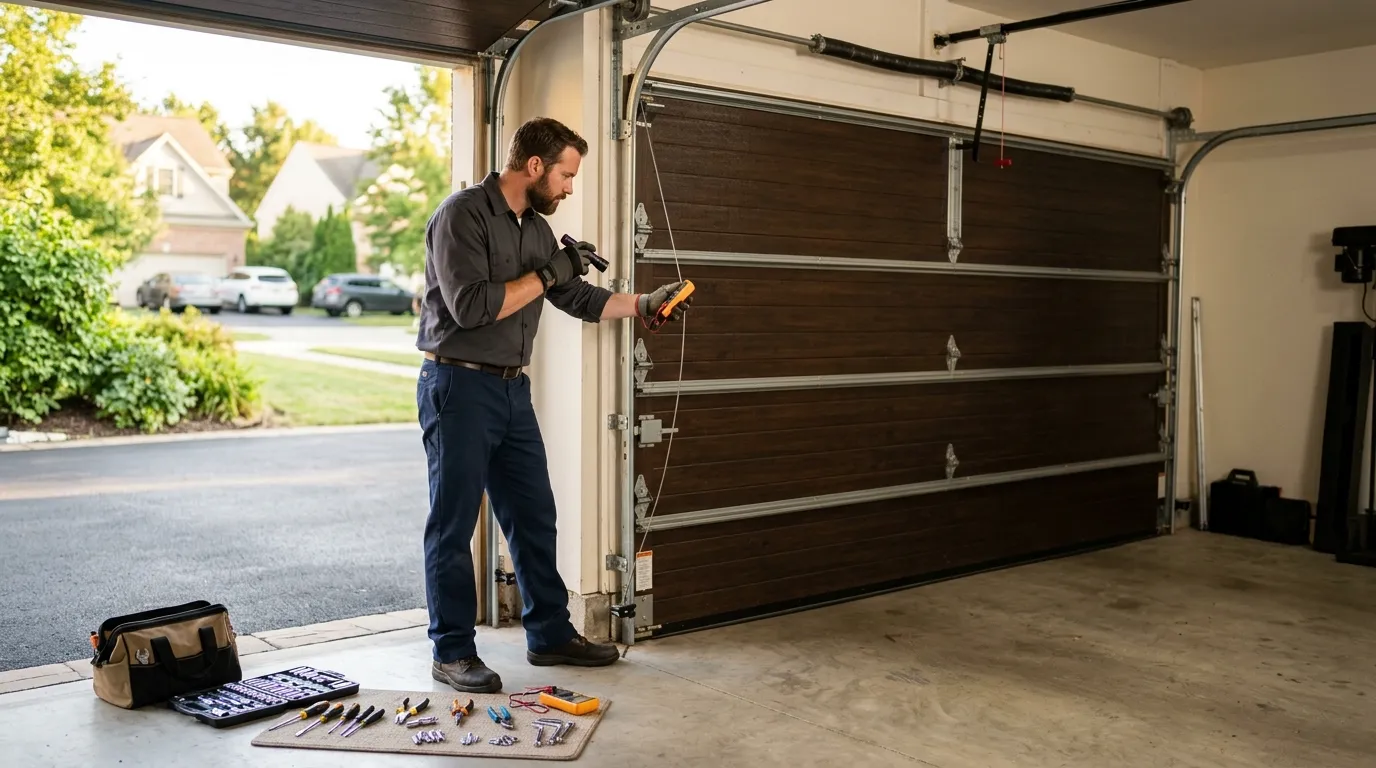
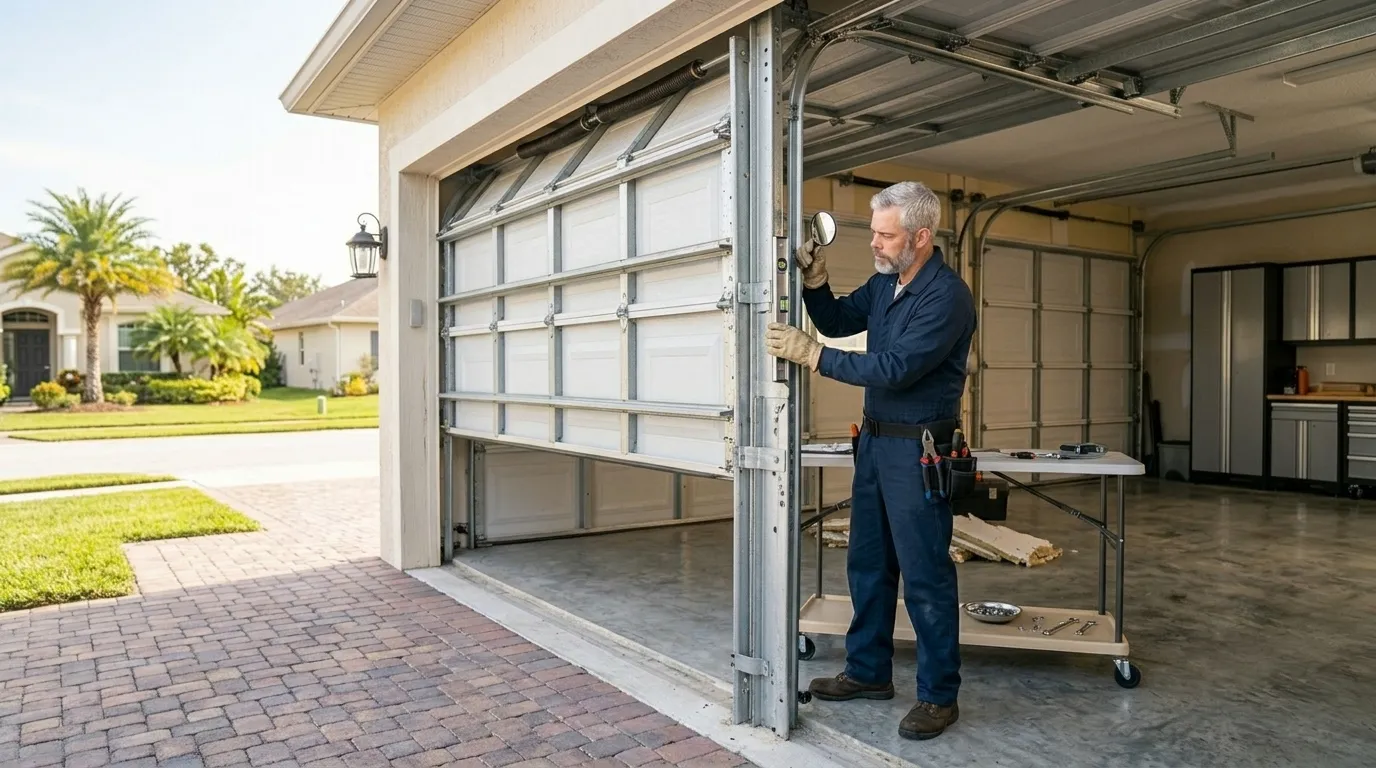
On a 1962-era door, the first sign of trouble is usually noise: a groan on the way up that wasn't there last year, or a door that starts to lift then hesitates. That's the torsion spring losing tension after decades of temperature swings, and in this mild coastal climate the metal fatigue is slow but steady rather than driven by hard freezes. We don't get the ice-load failures you'd see in colder climates; here it's mostly age and cycle count.
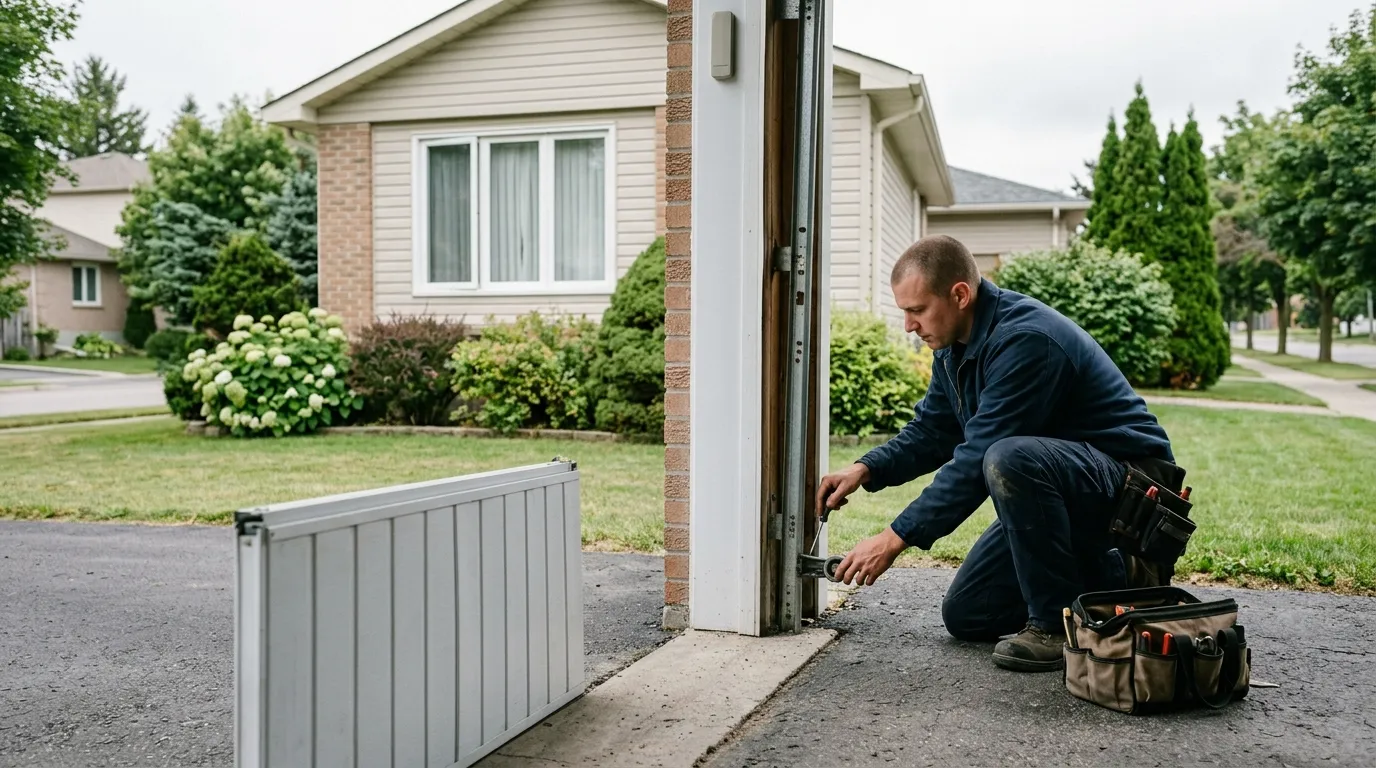
We also see track misalignment more in this housing stock, because the original wood jambs have settled over sixty years, pulling the vertical track a few degrees off plumb. That's not something you fix by tightening a bolt - it usually means re-shimming the whole track run.
The honest limitation: if your door is original to a 1962 build and the panel itself is warped or rusted through, replacement is usually the better call than another repair. We'll tell you that straight rather than keep billing you for patches on a door that's past the point of being worth saving.