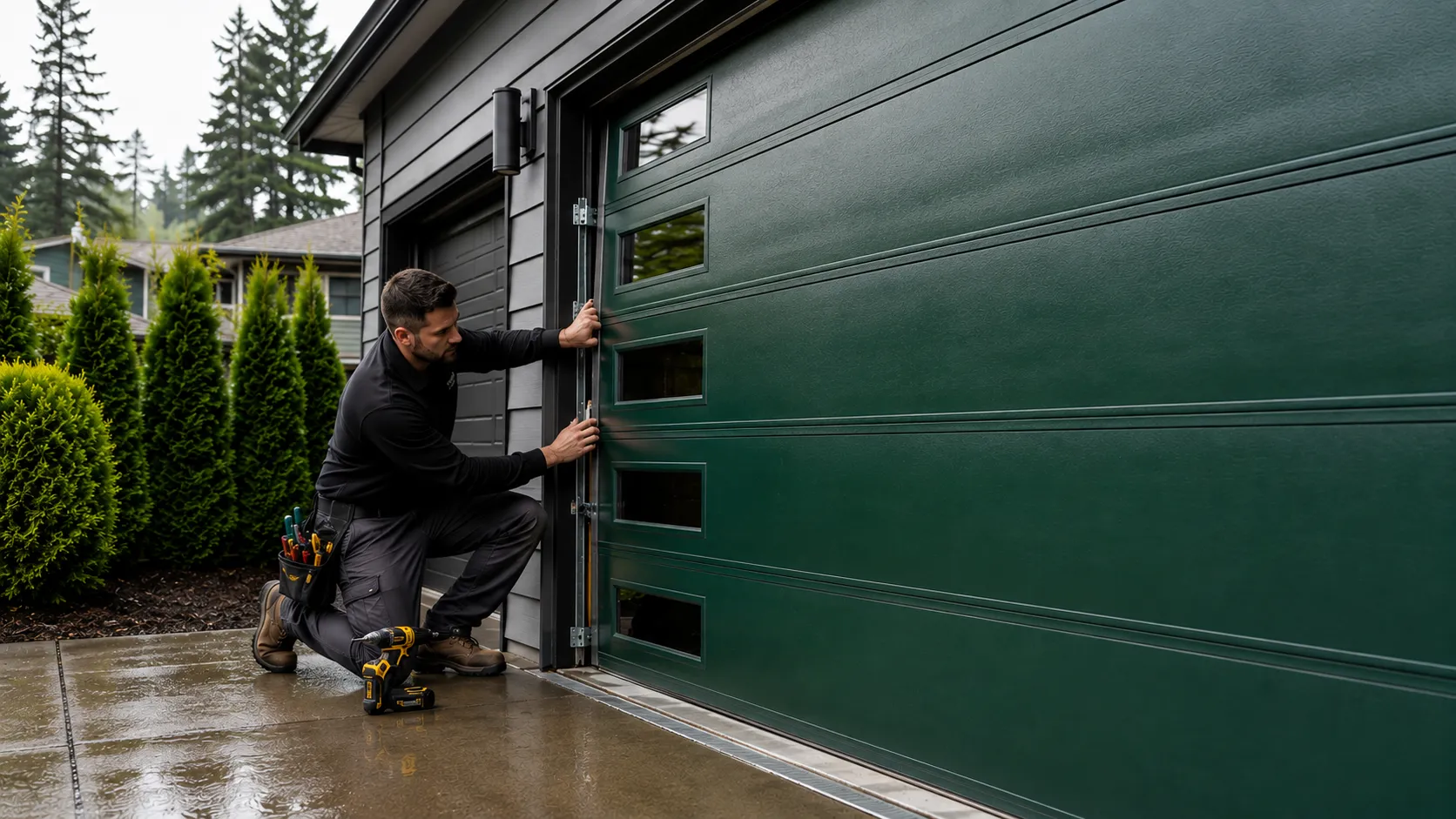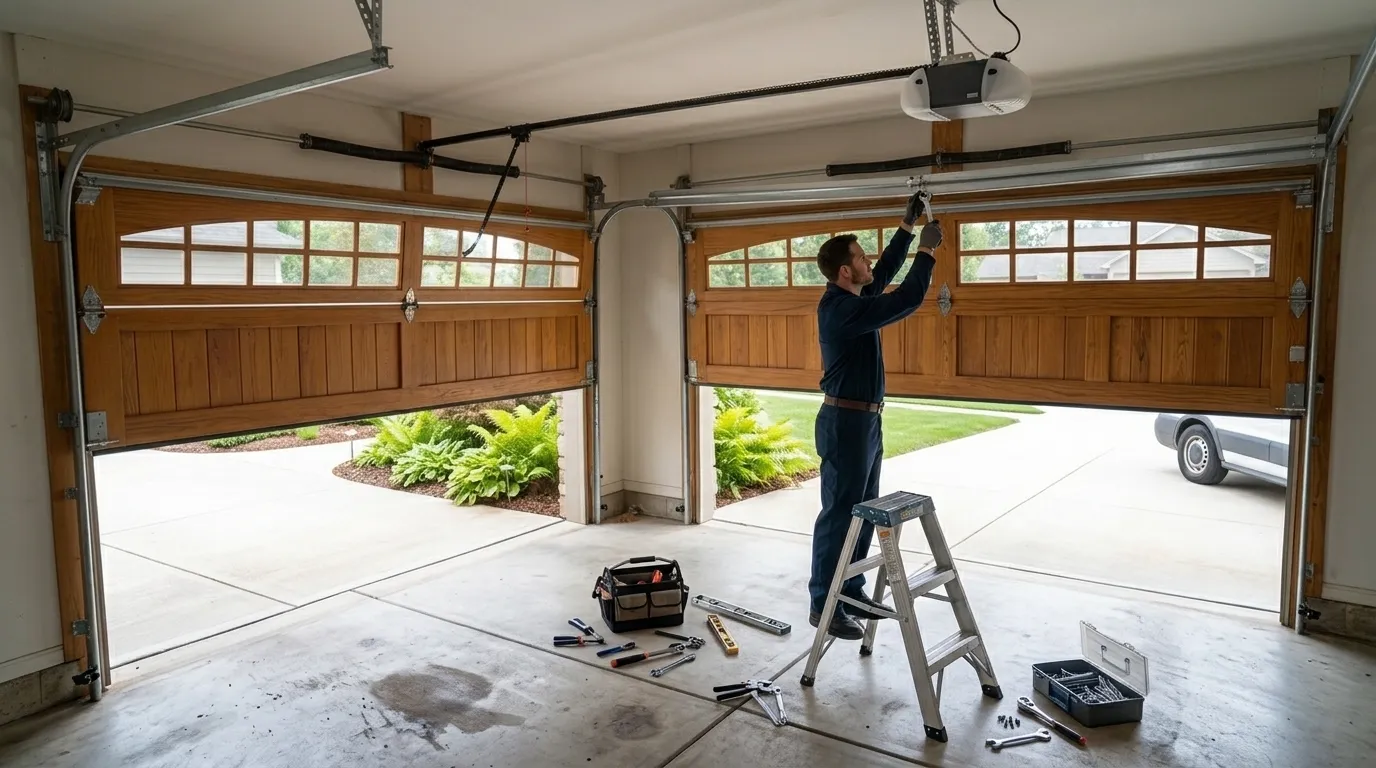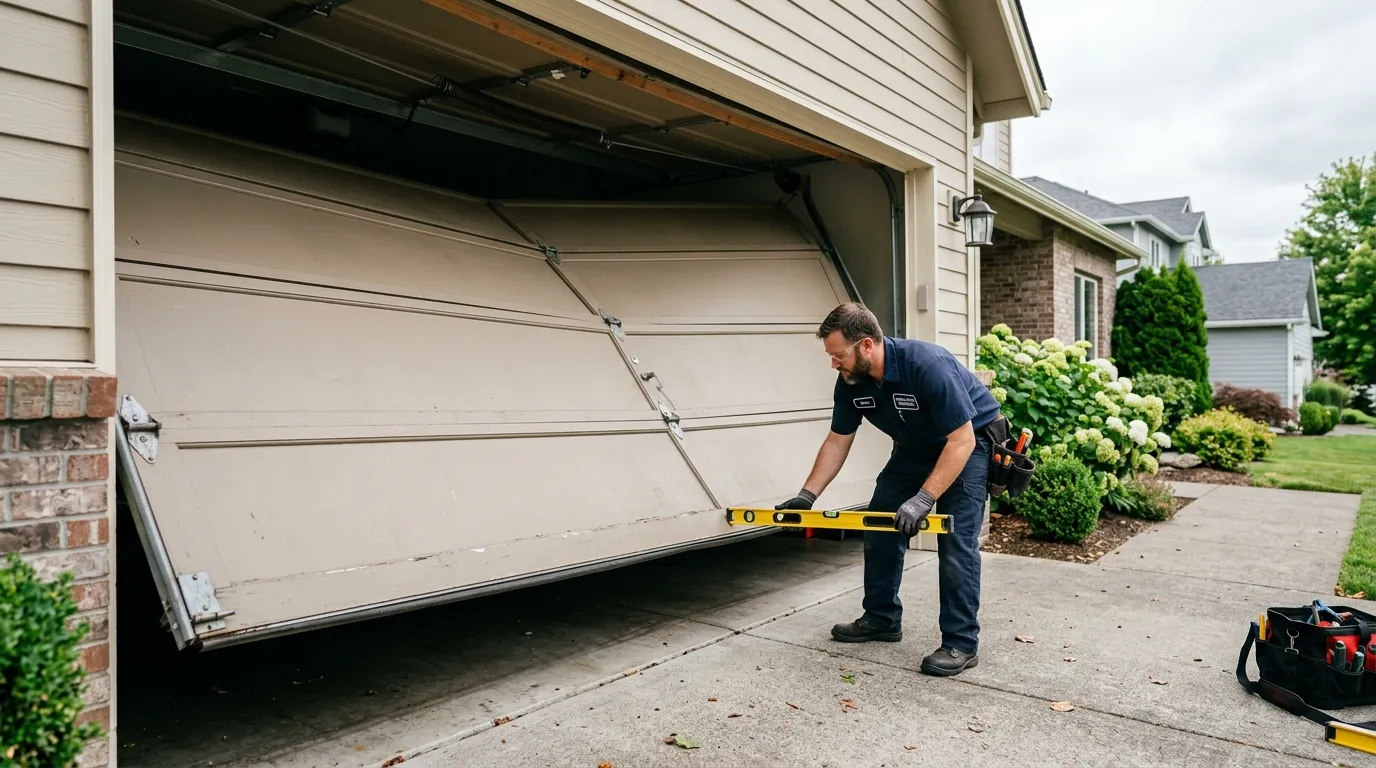
The Complications
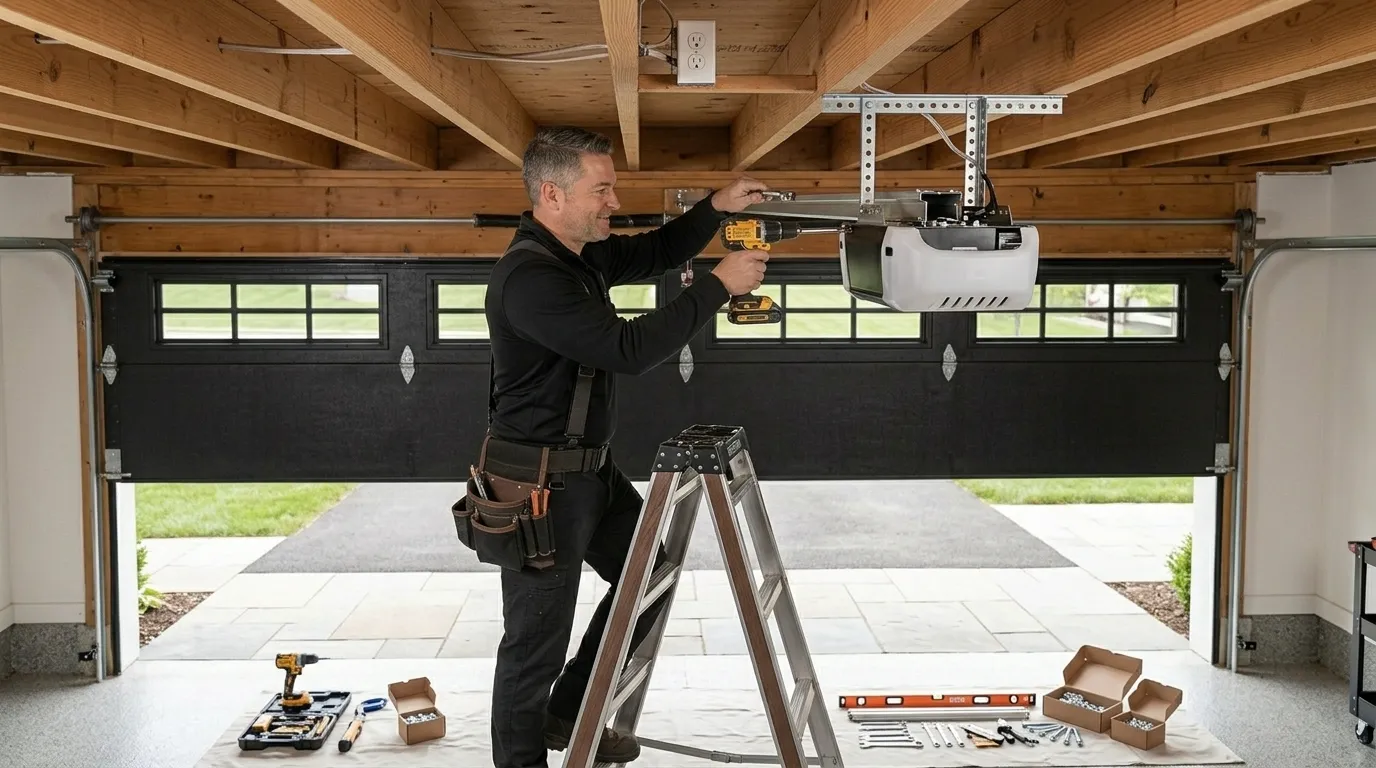
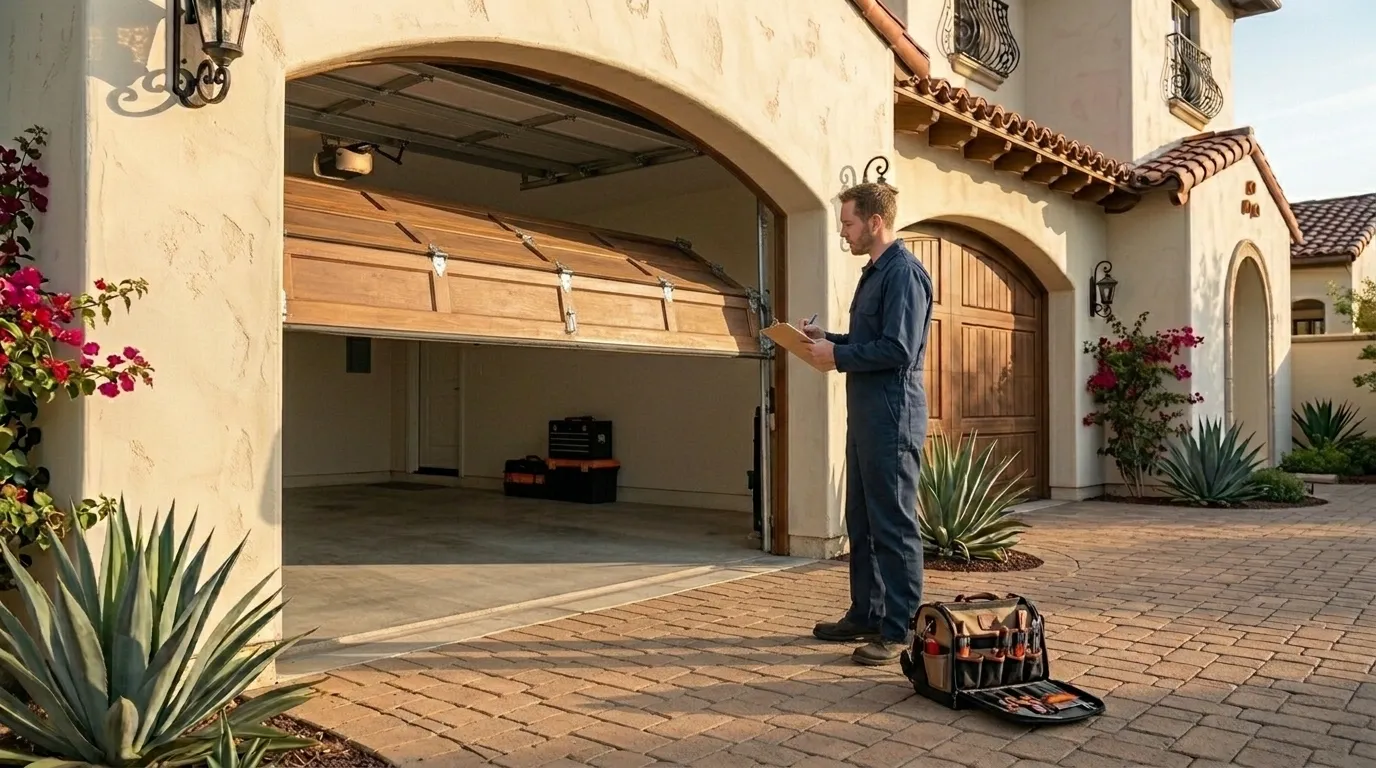
West Carson runs about 8,042 households, small enough that the openers we see aren't random - they cluster around a handful of builds and ages instead of being all over the map like a bigger city. Most of the housing here went up around 1972, which is later than the 1963 median across the wider service area. That matters for openers because a house built in the early 70s usually got its garage wired for a chain-drive unit on a standard bracket, and a lot of those original openers have already been swapped once by a previous owner - sometimes with a mismatched rail or a logic board that doesn't talk to the original wall control. The complication isn't the age of the house so much as the mixed generations of hardware stacked on top of each other. We also see openers here that were upgraded for quieter operation without anyone touching the sensors, so the safety reversal is running on 40-year-old eyes bolted to a newer head unit. That's a fault that looks like a dead opener but is actually a wiring mismatch. Median household income in this stretch runs a bit above the wider area average - $95,385 versus $94,152 - which we mention only because it tends to mean more owners ask for the part-level fix instead of a blanket swap, and that's usually the right call if the motor itself is sound.
How Long You Are Without the Door
Most opener repairs here are a single visit - failed capacitor, worn drive gear, dead logic board, misaligned sensor - and once we're on site the fix itself usually runs under two hours. The variable is the part, not the town. If your opener matches a common chain or belt drive unit, we're often carrying the part on the truck and the door is back on the opener before we leave. If it's an older screw-drive unit or a brand that's been out of production a while, we may need to order the board or motor, and that can push the repair to a second appointment. Either way, the door itself can usually still be operated by hand in the meantime - manual lift, disengage the trolley, lower and raise it yourself - so you're not locked out of the garage while you wait, just without automatic operation.
What the Fix Involves
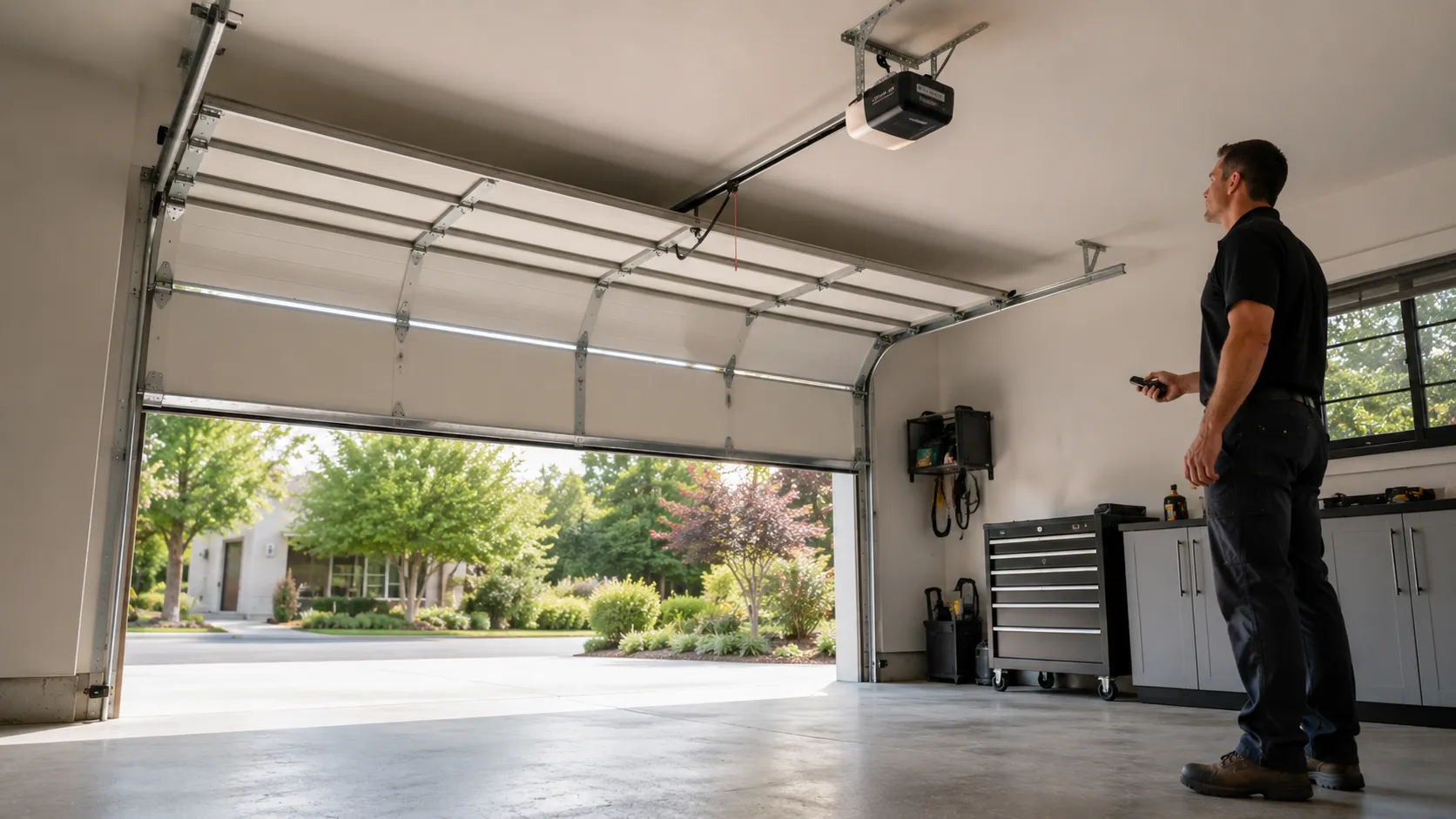
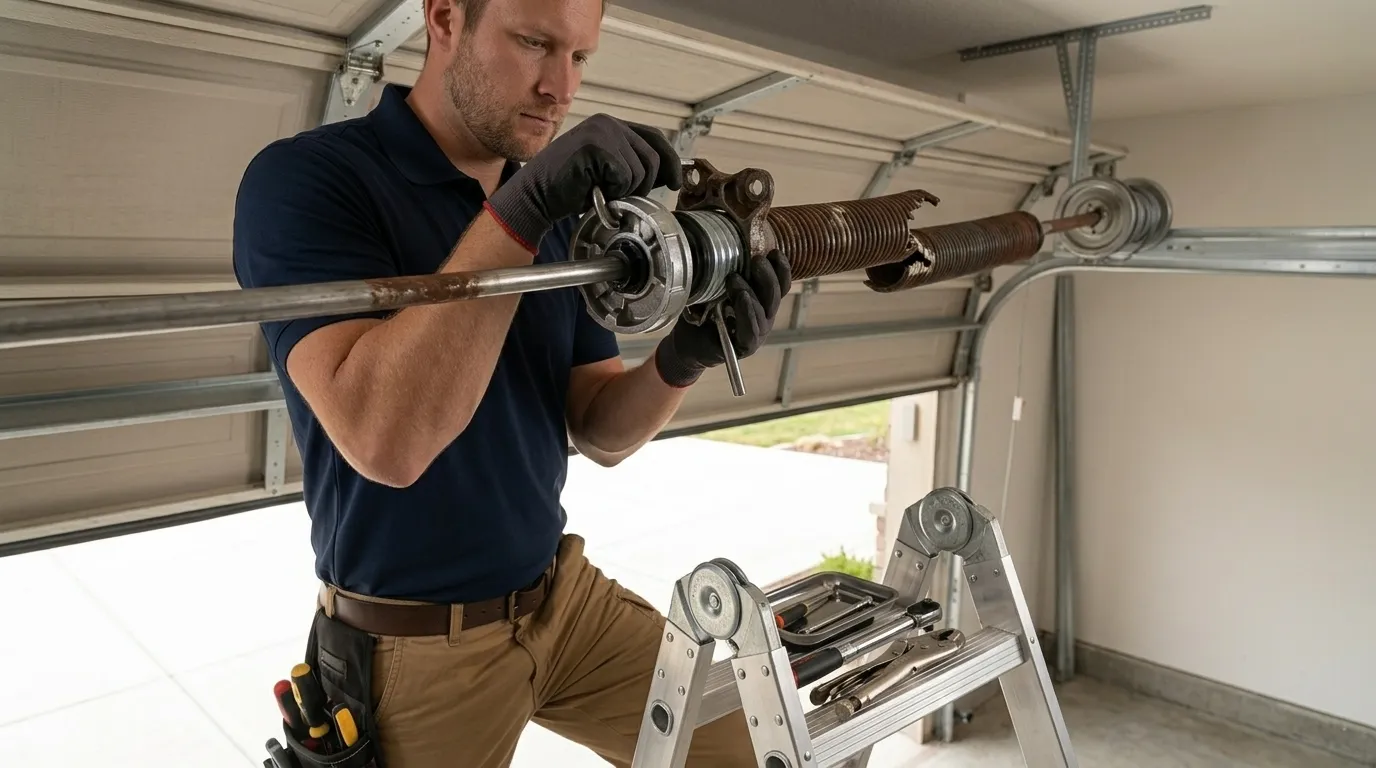
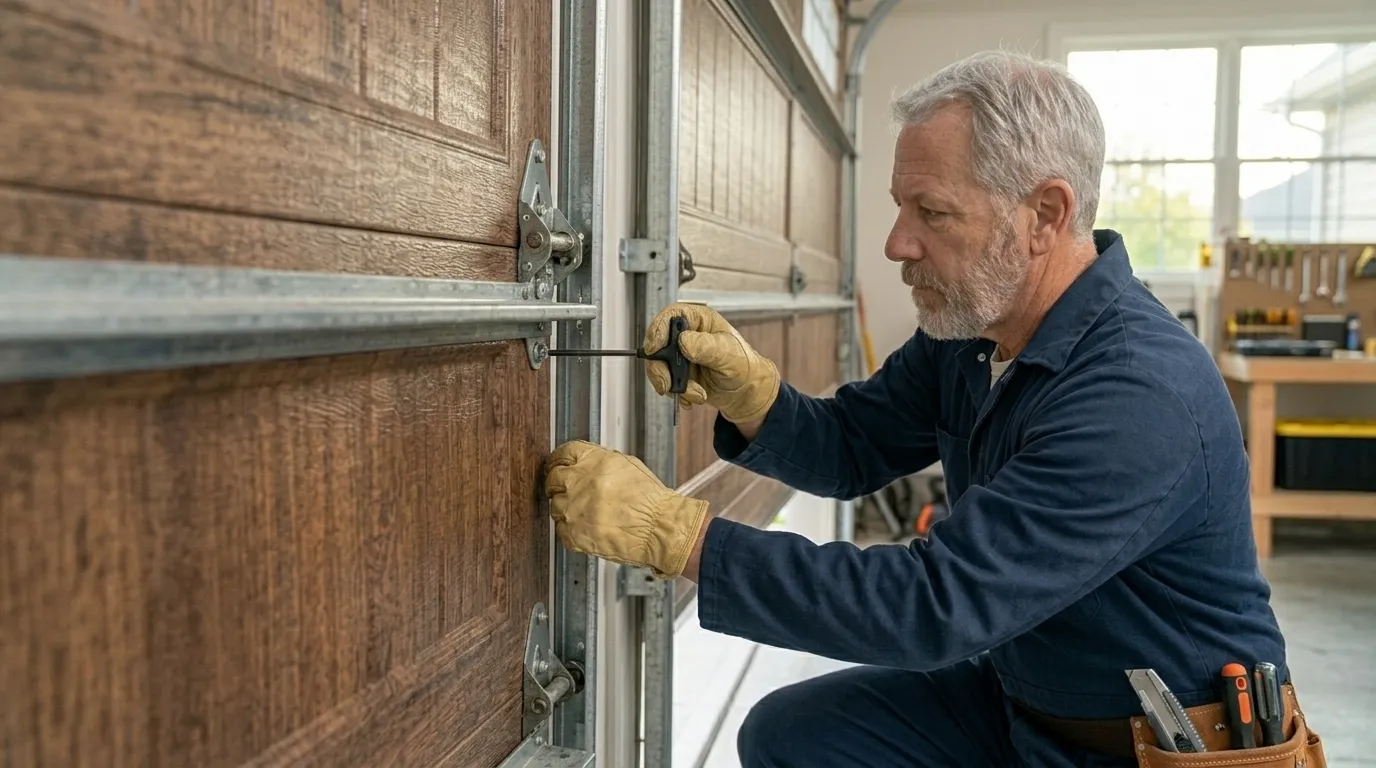
On a chain or belt-drive opener from a 1970s-era build, the usual culprits are the drive gear (a nylon part that wears out and strips, usually the loudest clue something's wrong), the capacitor that starts the motor, or the logic board that's failed after years of temperature swings. Mild coastal-adjacent temperatures out here mean we're not chasing frost-cracked housings or heat-warped boards the way a harsher climate would force - the wear we see is mechanical, from age and use, not weather damage. We test the safety sensors as part of every opener call regardless of what brought us out, since a sensor knocked out of alignment is an easy thing to miss and a legal requirement to get right. One limitation worth saying plainly: if the opener is old enough that the manufacturer no longer makes parts for it, replacement is usually cheaper and faster than chasing down a discontinued board, and we'll tell you that instead of running up a bill trying to save a dead unit.