Why It Happens Here
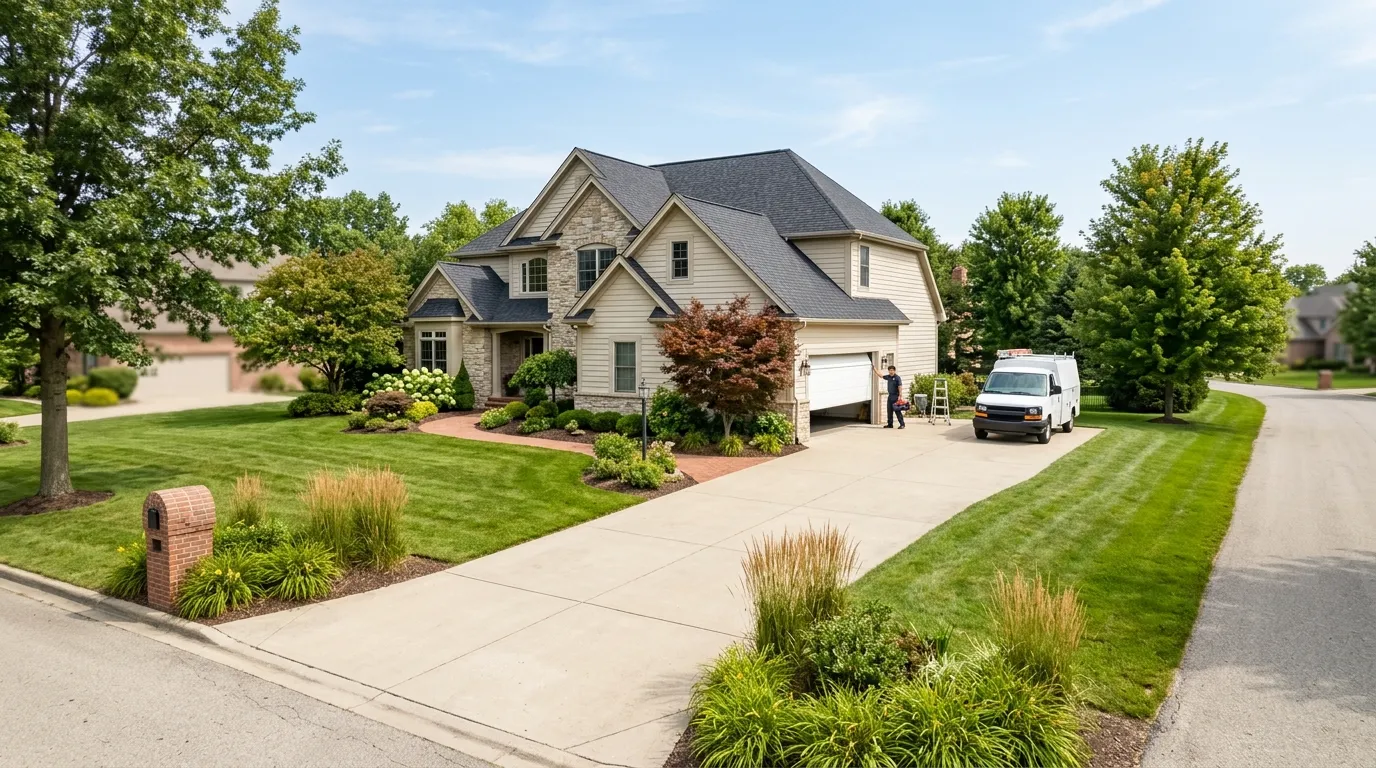
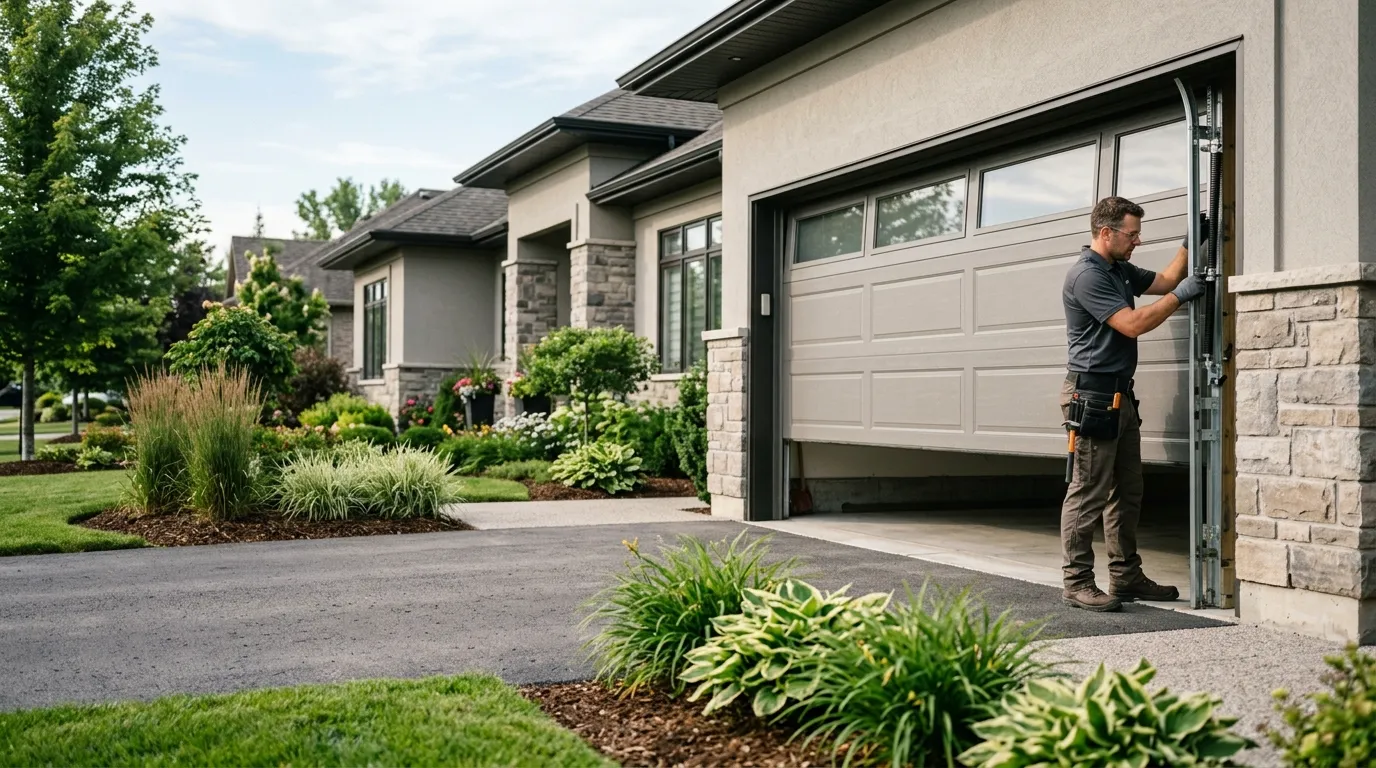
Most of the garages on this stretch of the South Bay sit on houses built between 1947 and 2012, with the bulk of the stock going up in the 1960s and 70s. That matters for panels because doors from that run were built with steel or aluminum sections on hardware that was never meant to be swapped piece by piece - the panel profiles, the hinge spacing, the seam widths, all vary by decade and by manufacturer that's long gone.
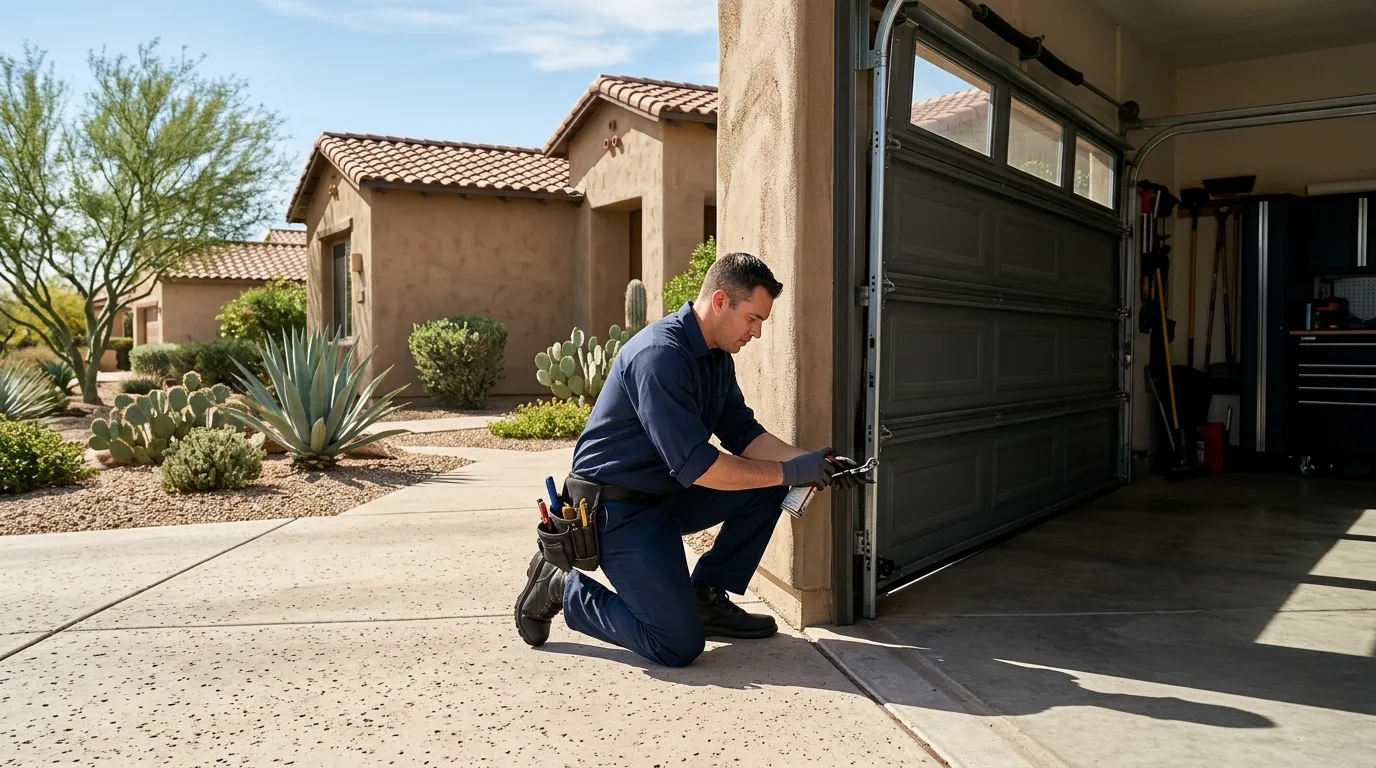
What actually cracks or dents a panel here isn't the weather. The climate along this part of the coast is mild temperate, so you're not fighting frost heave or ice damming like a garage in a colder state. What you are fighting is age and impact: a bumper tap, a basketball, a panel that's rusted thin at the bottom seam after fifty-plus years of sprinkler overspray. On a door built in the 1960s or 70s, one bad panel is often the first sign the rest aren't far behind.
We see this pattern across the service area more than any single street. It's not bad luck - it's a housing stock that's now old enough that hardware and finish no longer match what's on the shelf.
The DIY Question
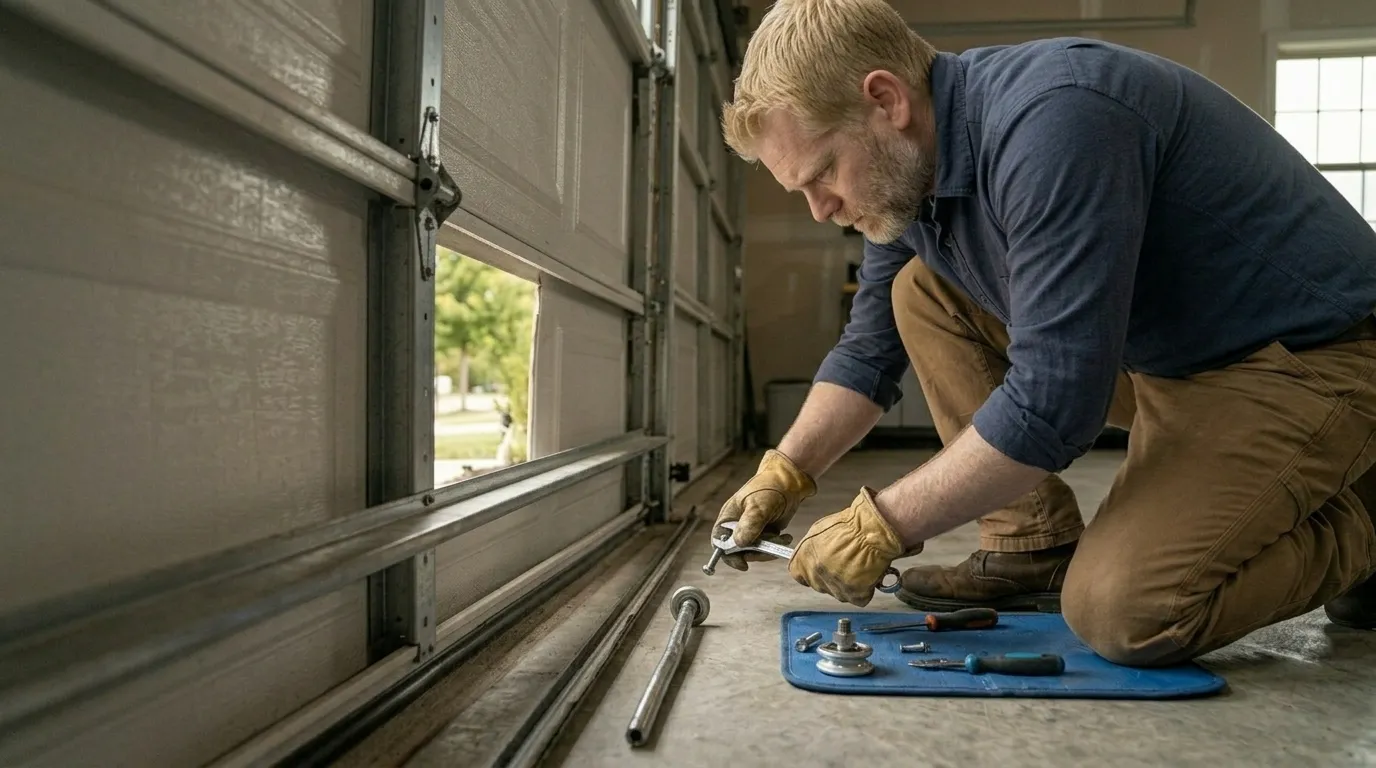
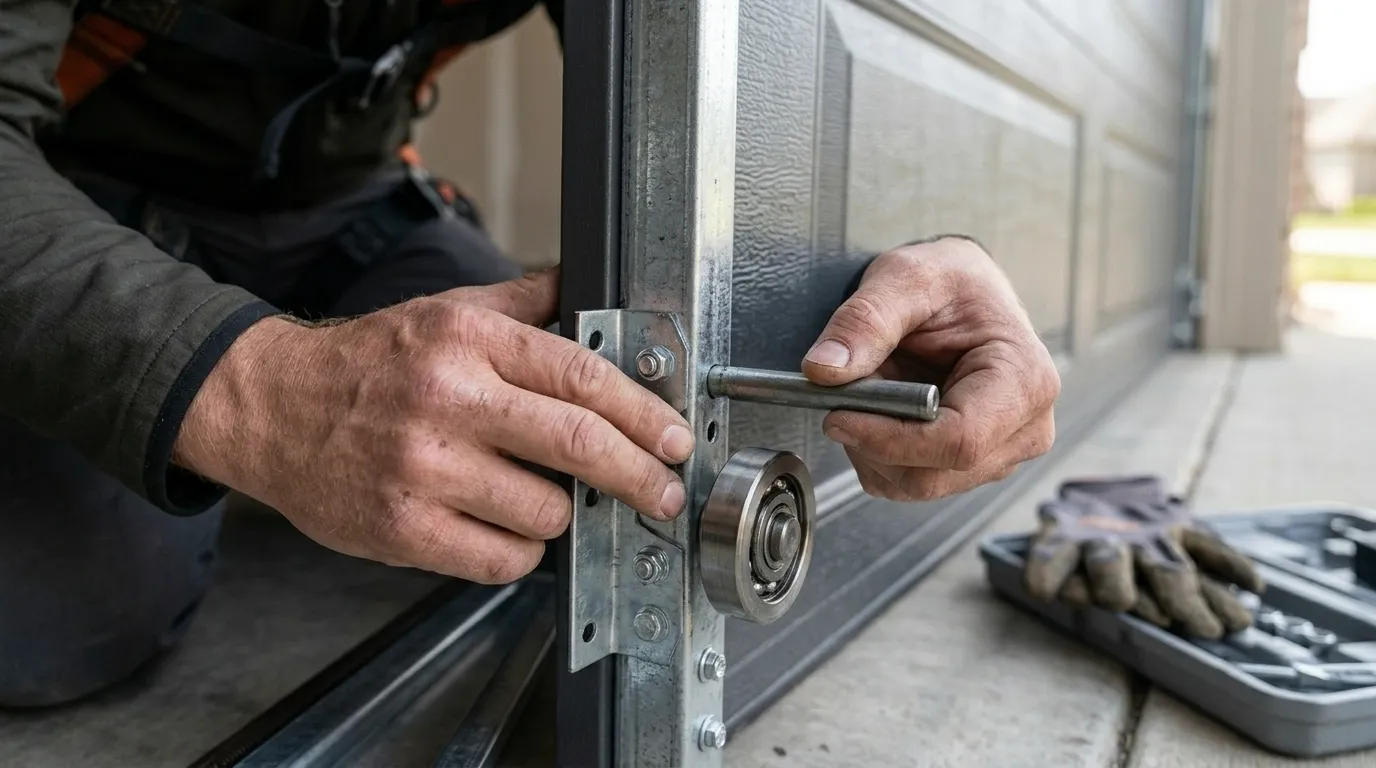
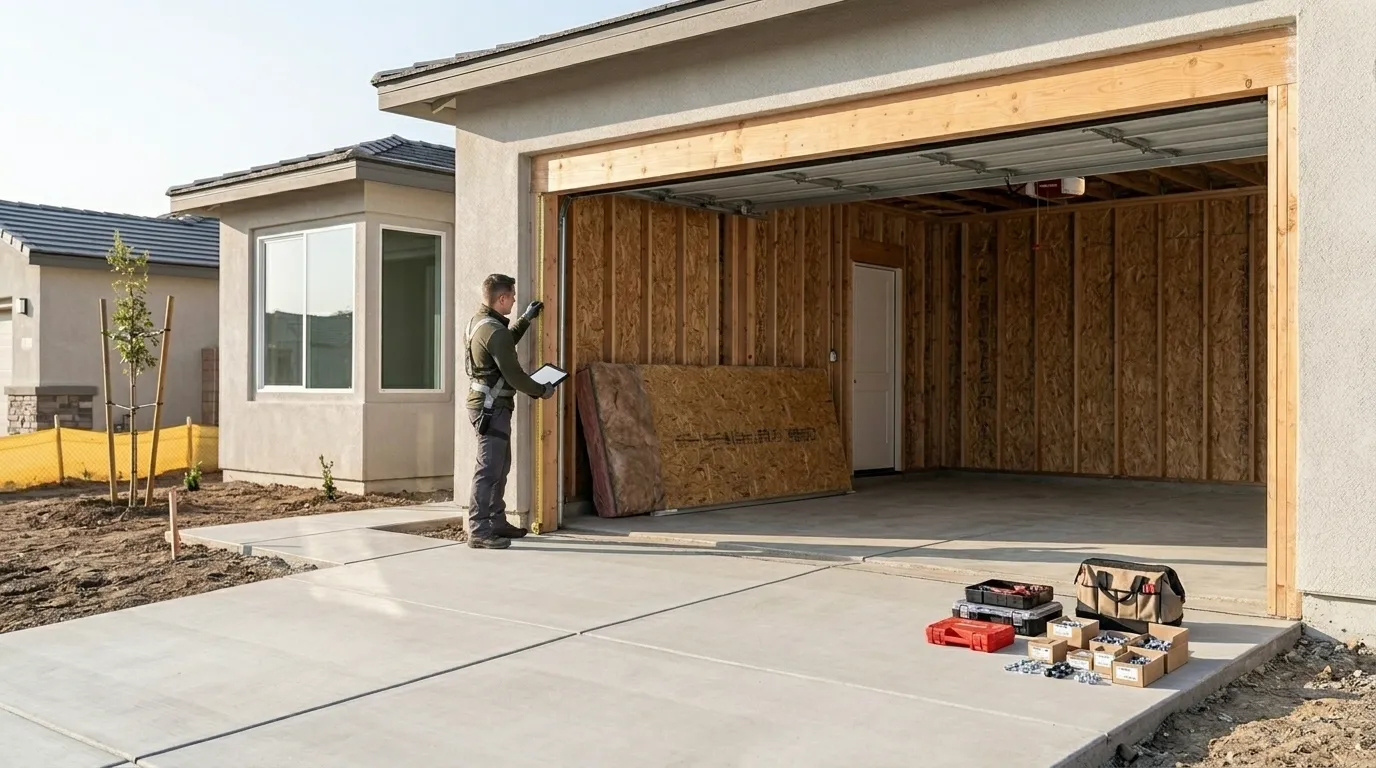
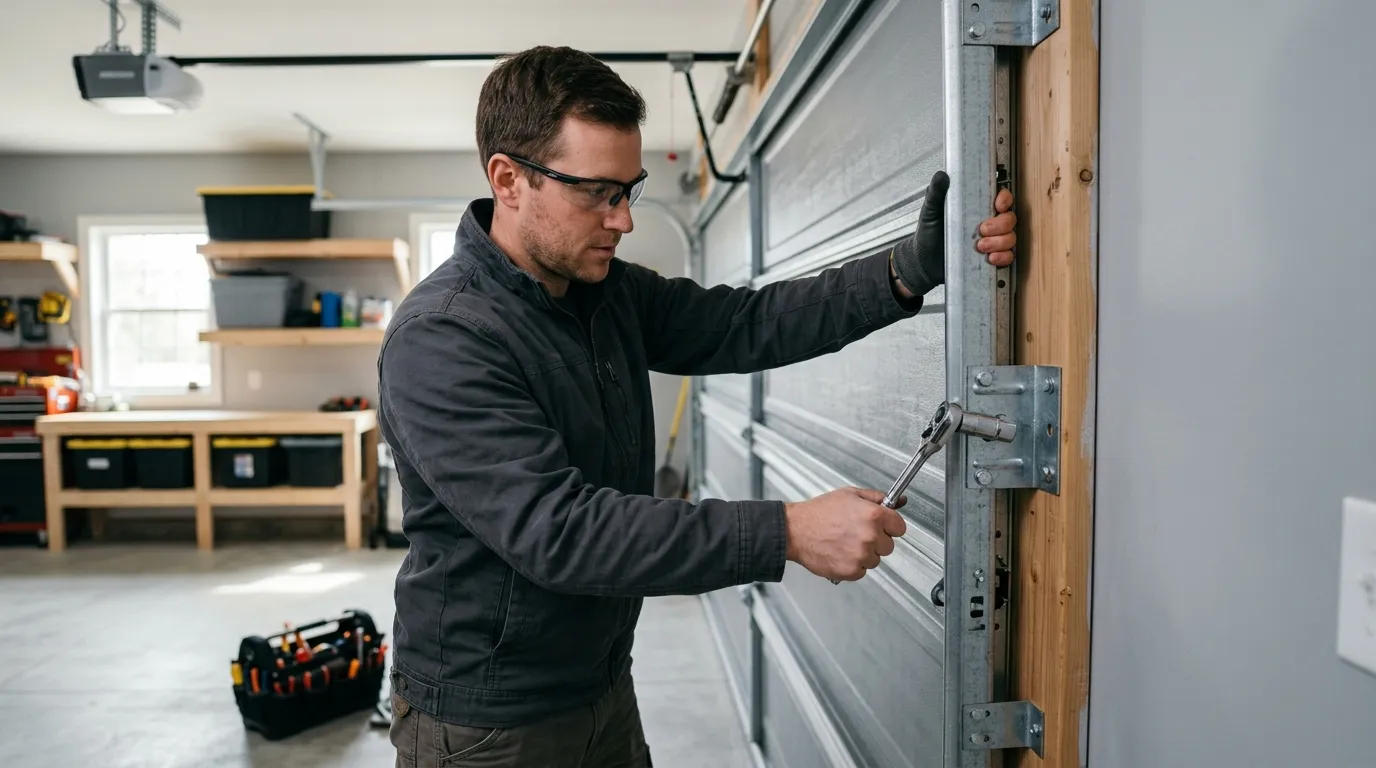
Swapping a single panel is not the same job as replacing a spring or fixing an opener, and it's the one repair where a determined homeowner can sometimes do real work themselves - if the door is a common enough model that a matching section still exists. The trouble starts with doors from that heavy 1960s-70s building run: some of those panel profiles simply aren't made any more, and a close-but-not-quite match will bind against the track and stress the rollers on either side.
Here's the honest limit: if we can't source an exact matching panel for your door, we'll tell you that straight rather than sell you a section that'll fight the rest of the door for years. At that point the choice is between living with a mismatched panel or replacing the whole door, and that's your call to make with real information, not ours to talk you into.
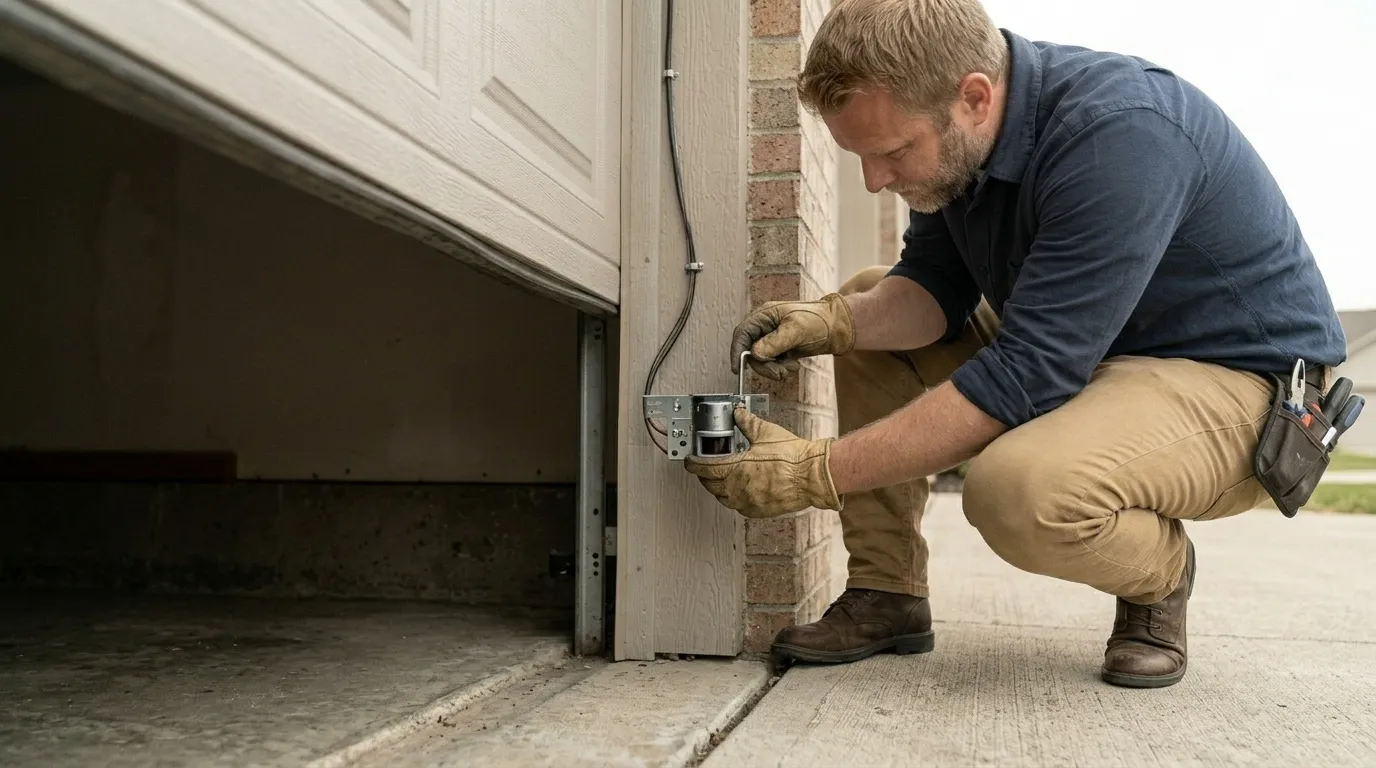
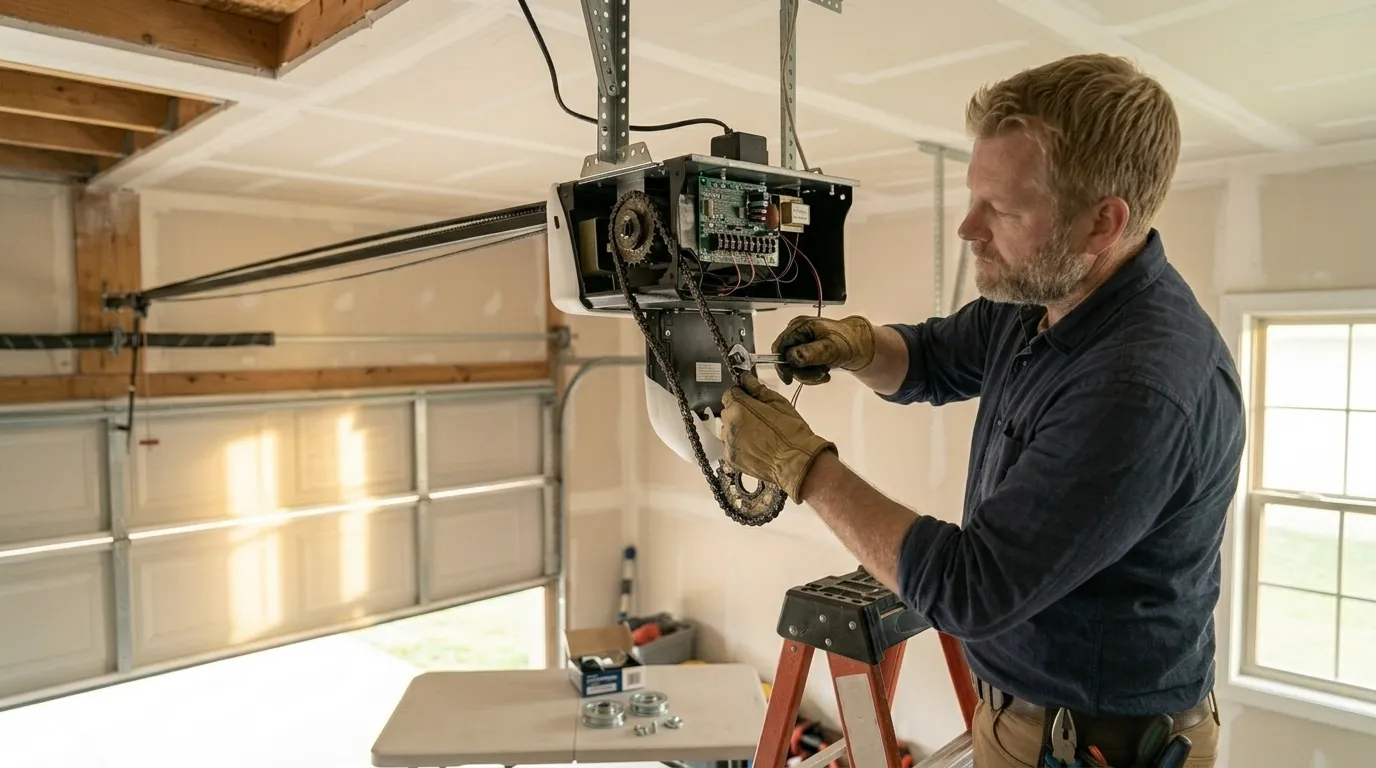
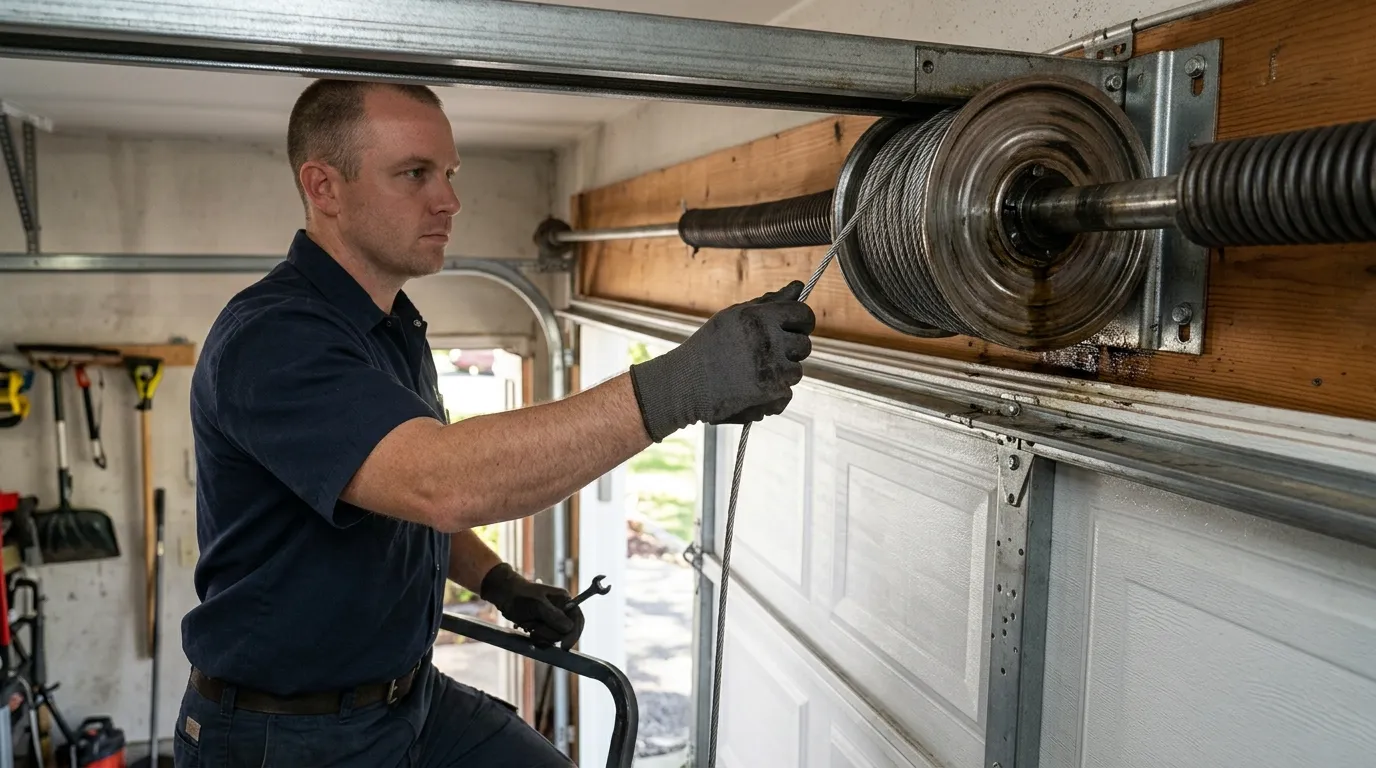
What you should not do yourself is anything involving the torsion spring or the cables holding tension on the door while a panel section is out - that's a different job with different risk, and it's not where the DIY math works in your favor.
What You Are Seeing
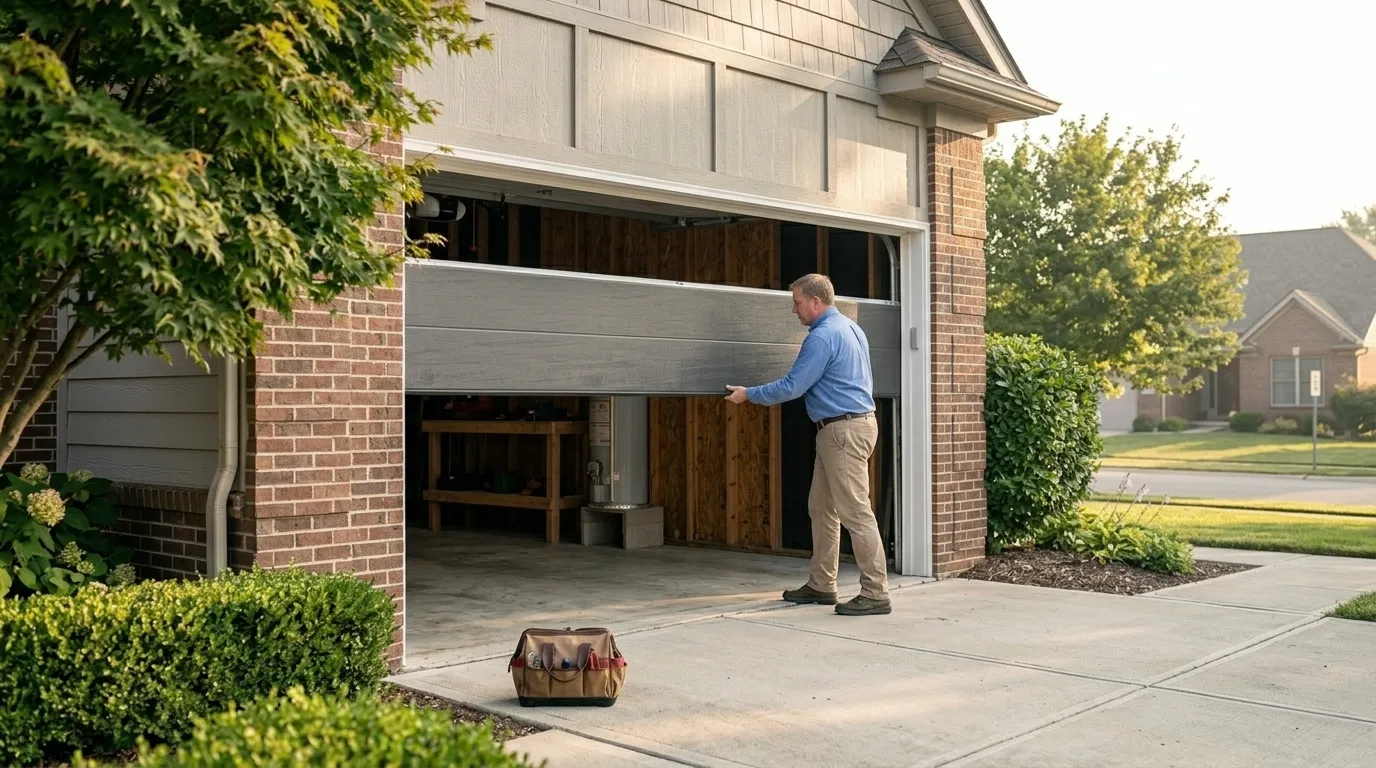
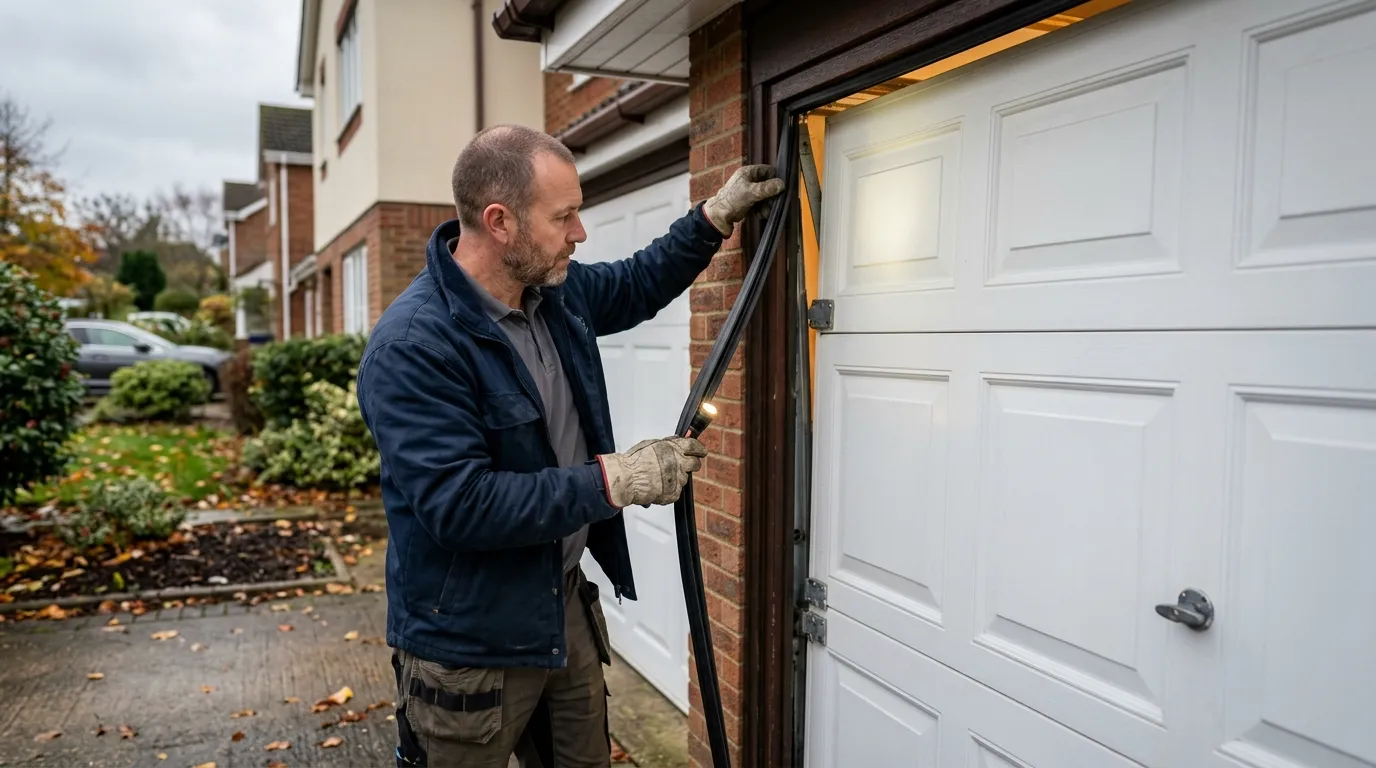
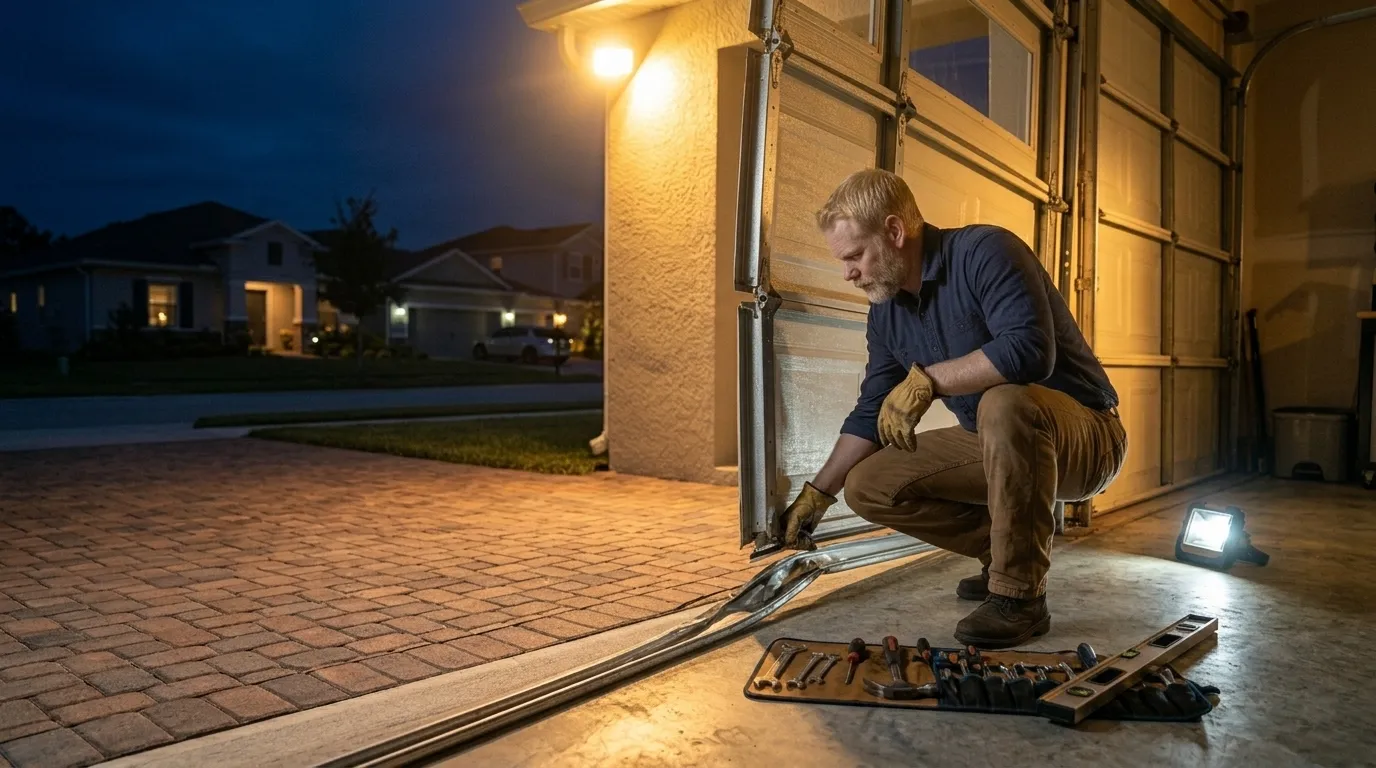
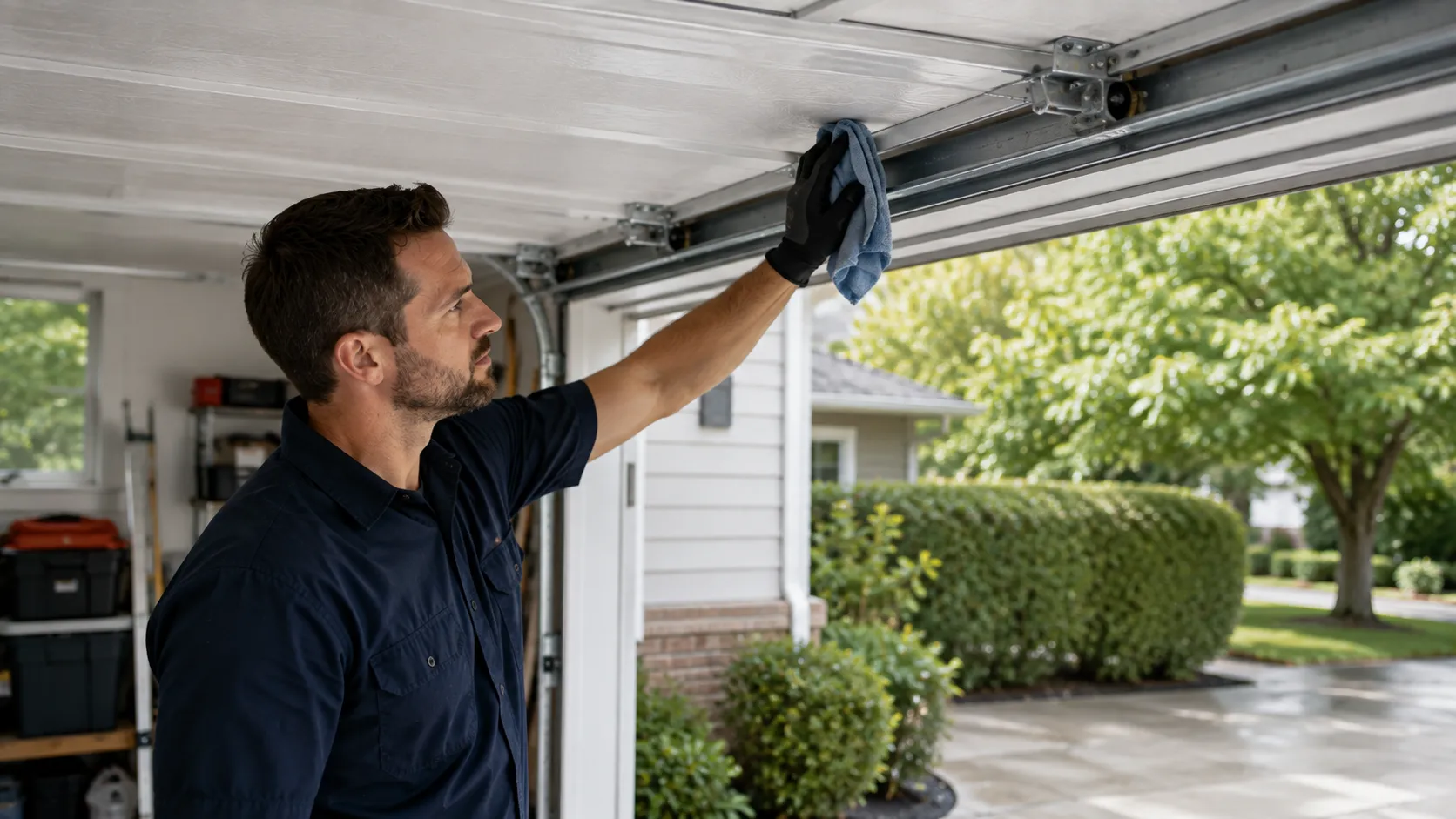
A failing panel usually shows itself in one of a few ways. A visible dent or bowed section that's changed the way the door sits in the track. Daylight showing through a seam that used to be tight. A rust line along the bottom panel where the door's been sitting closer to grade for decades on a house built well before current setbacks and grading were standard. Sometimes it's simpler than that - the door runs rough or grinds only when the damaged section passes the rollers, and it's fine everywhere else.
On homes from the earlier end of that 1947-to-2012 build range, we also see panels that have simply outlived their finish: the steel underneath is sound but the paint and galvanizing are gone, and what looks like a coating problem is really the first stage of a hole. That's worth catching before it becomes a full panel replacement instead of a touch-up.
If your door is dragging on one side or the bottom corner has separated from the track, don't keep running the opener through it. That's how a panel problem turns into a spring or track problem in the same visit.