The Complications
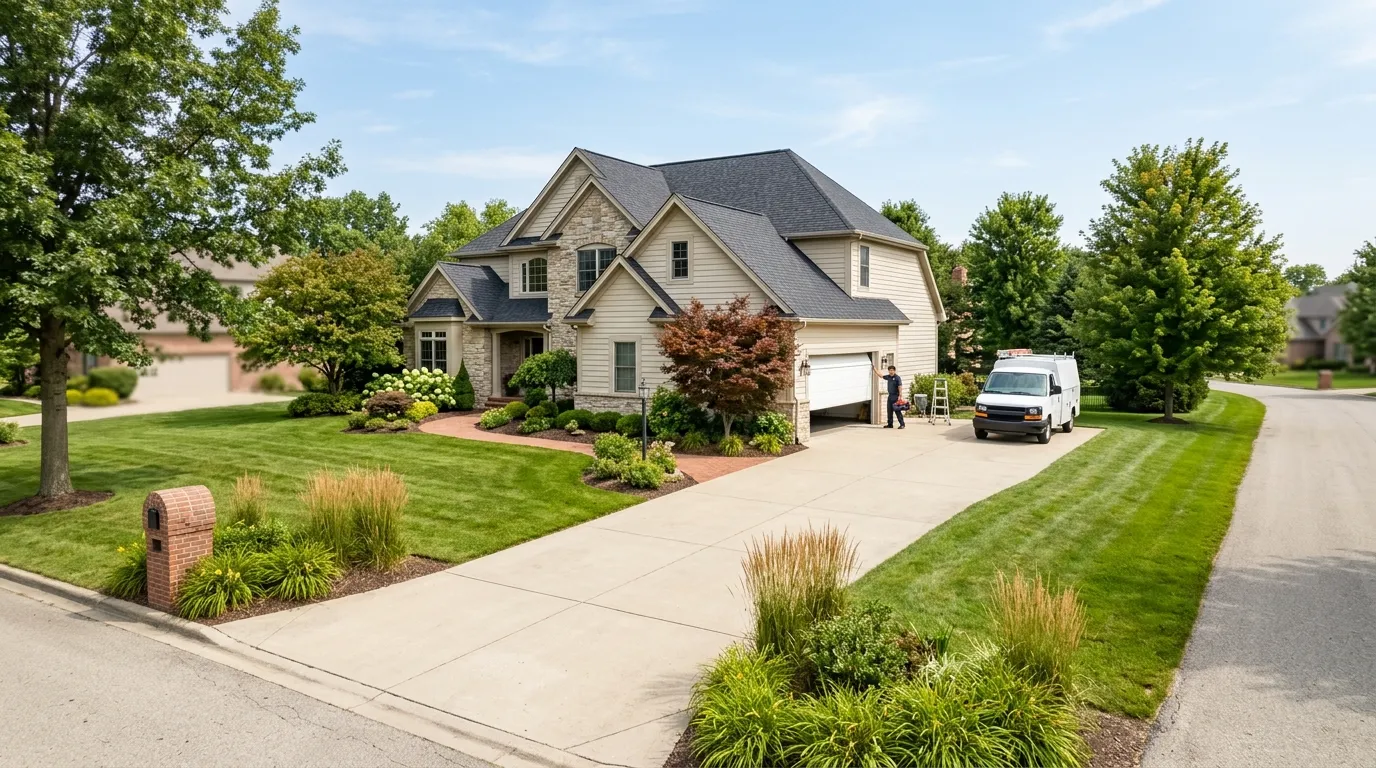
Most houses in West Carson went up around 1972, which puts this pocket of the service area squarely in the 1960s-70s wave that covers a lot of the wider region. That matters more than it sounds like it should. A door installed with the house has usually never been swapped out - only serviced, patched, or left alone - so the track brackets, the header flashing, and sometimes the jamb wood behind the trim are all still the originals from a build era when door weights and spring ratings were different from what's sold today.
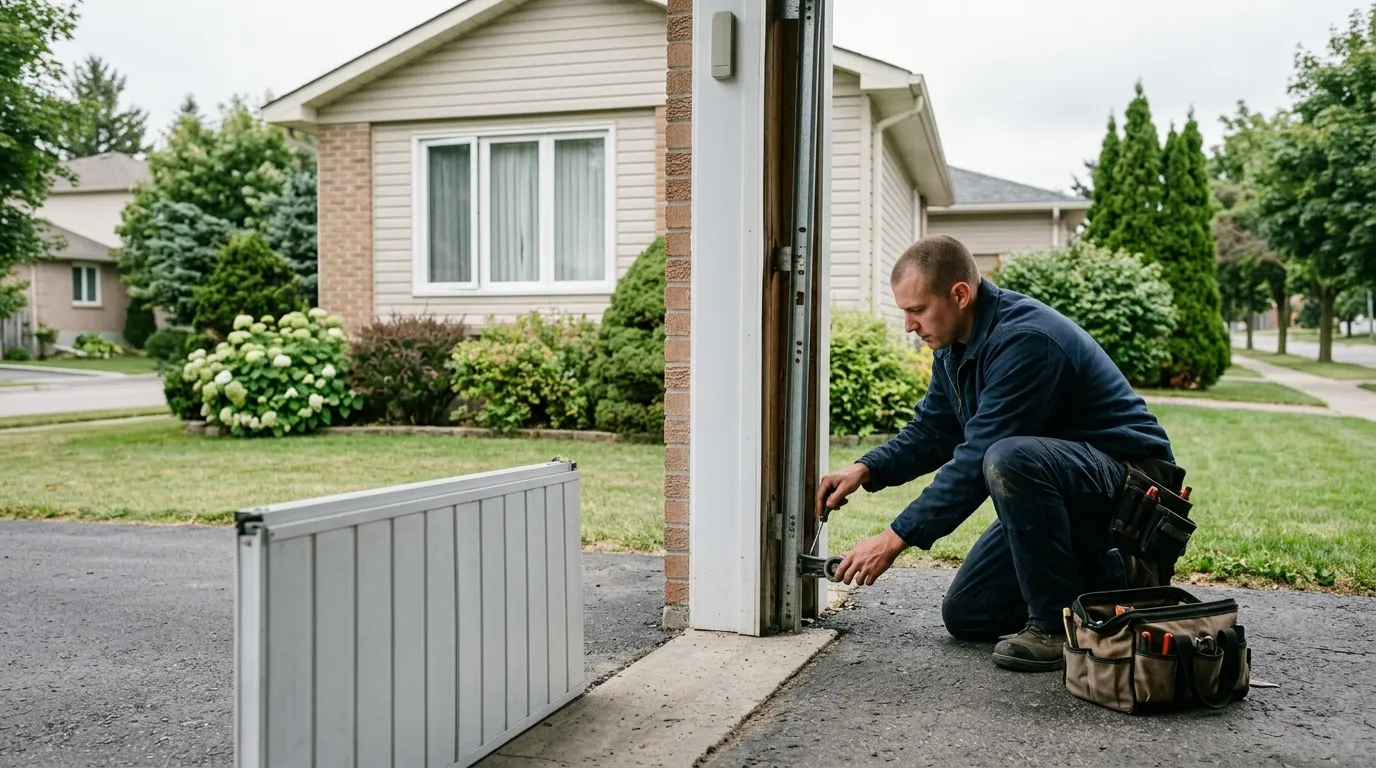
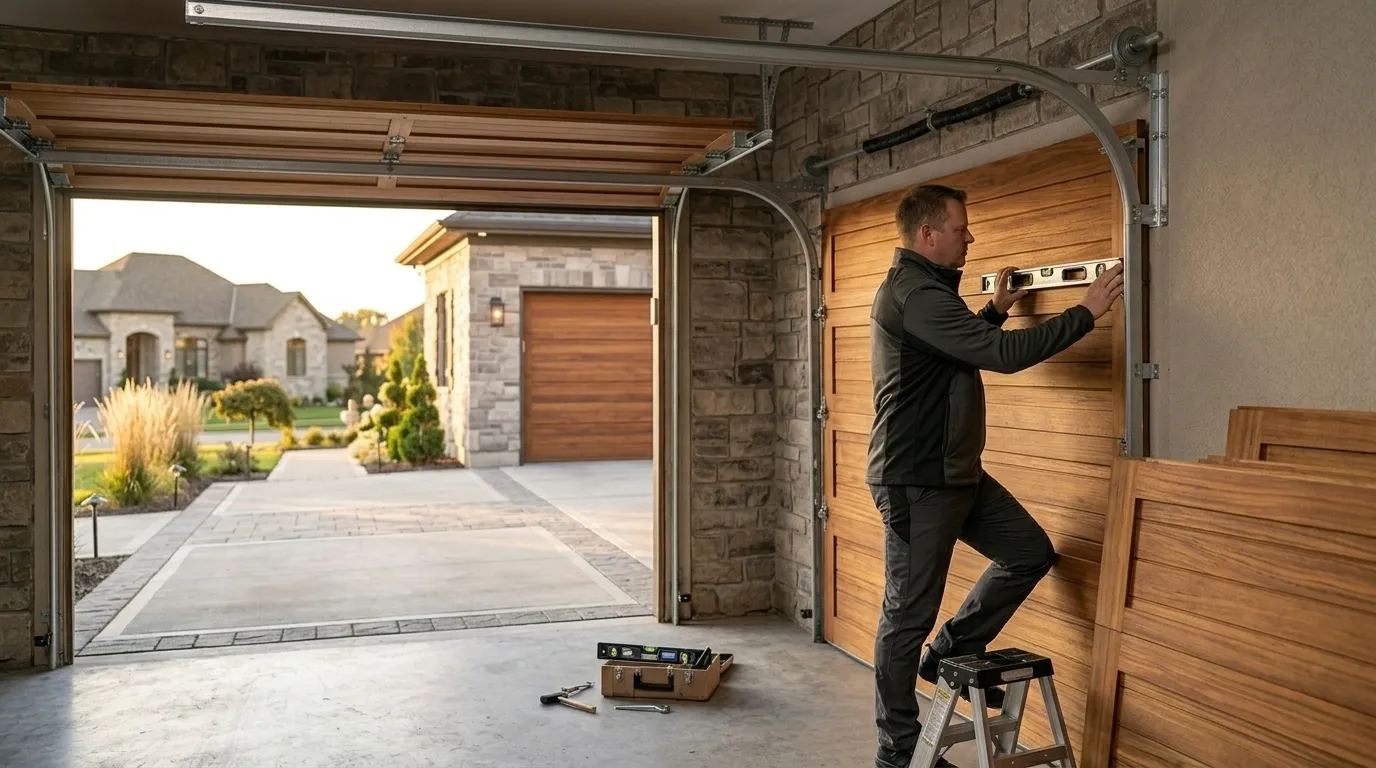
That creates real friction on an install day. New doors are heavier in most cases, especially insulated steel and wood-composite panels, and the old jamb may not take fasteners the way it used to after fifty-plus years of expansion and contraction. We're not guessing at a house we haven't opened up - we're telling you what a 1972-era opening tends to need: reinforced jamb backing, sometimes a new header board, and hardware rated for the door you're actually buying, not the one that came off. None of that shows up on a price sheet until someone's standing in the opening with a level.
How Long You Are Without the Door
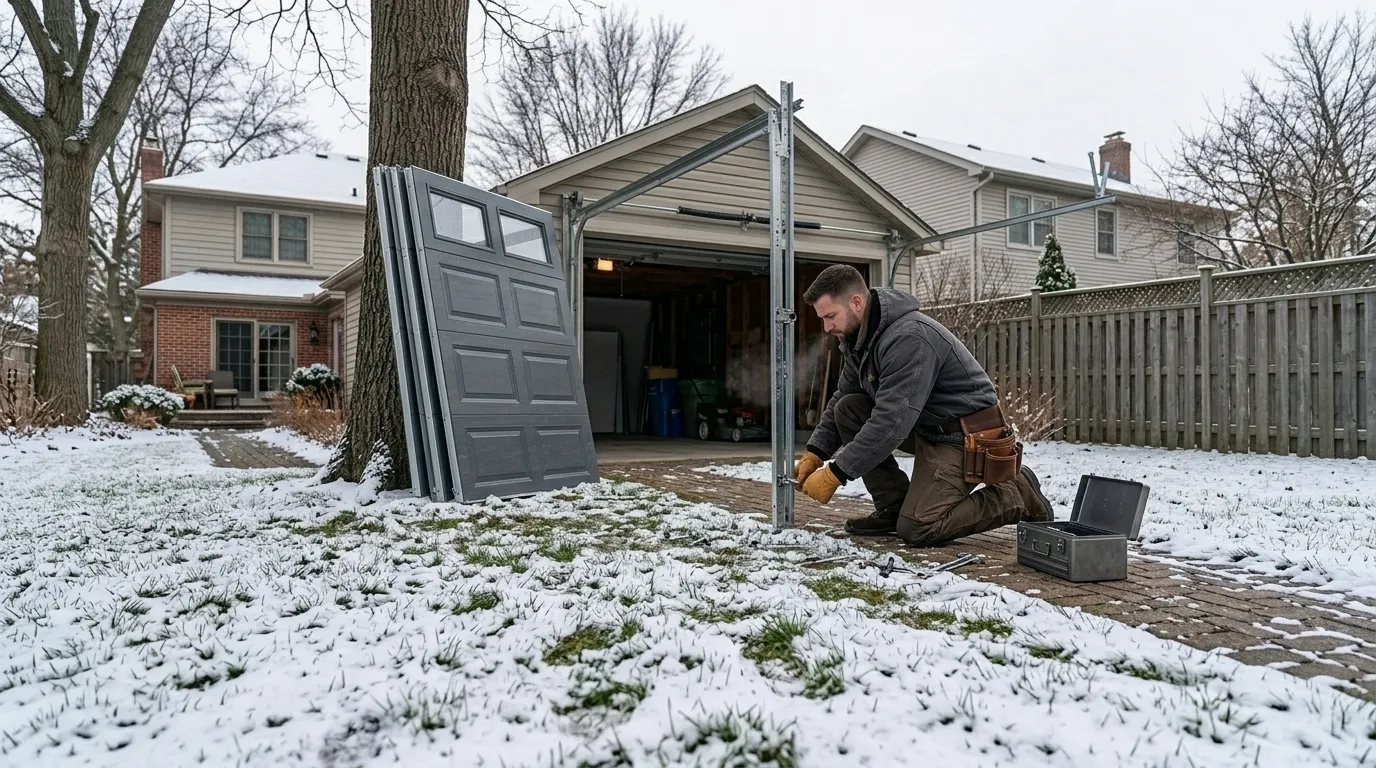
A straight swap - same size opening, no jamb repair, no header rebuild - is a one-day job in most cases. Where it stretches is exactly where the age of the house comes in: if the opening needs new backing or the track brackets have to be reset because the studs behind them have shifted over fifty years, that's a second day, sometimes booked as a separate return trip depending on what we find once the old door's off the hinges.
We won't quote a one-day turnaround on a house we haven't seen, and we won't tell you the jamb's fine just to keep the schedule clean. If it needs the extra work, you'll know before we start, not after the new door's already hanging and something doesn't sit right.
What the Fix Involves
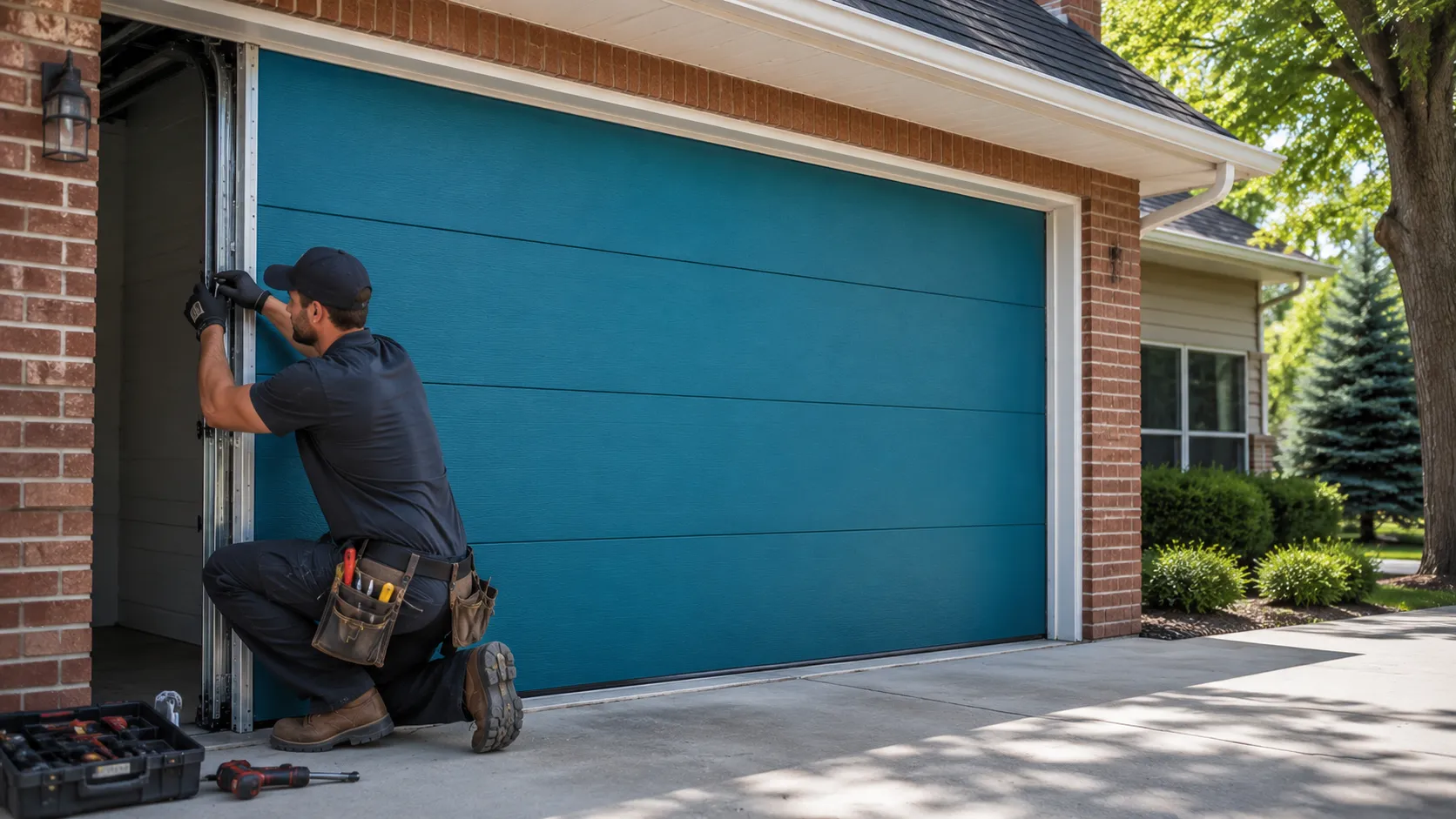
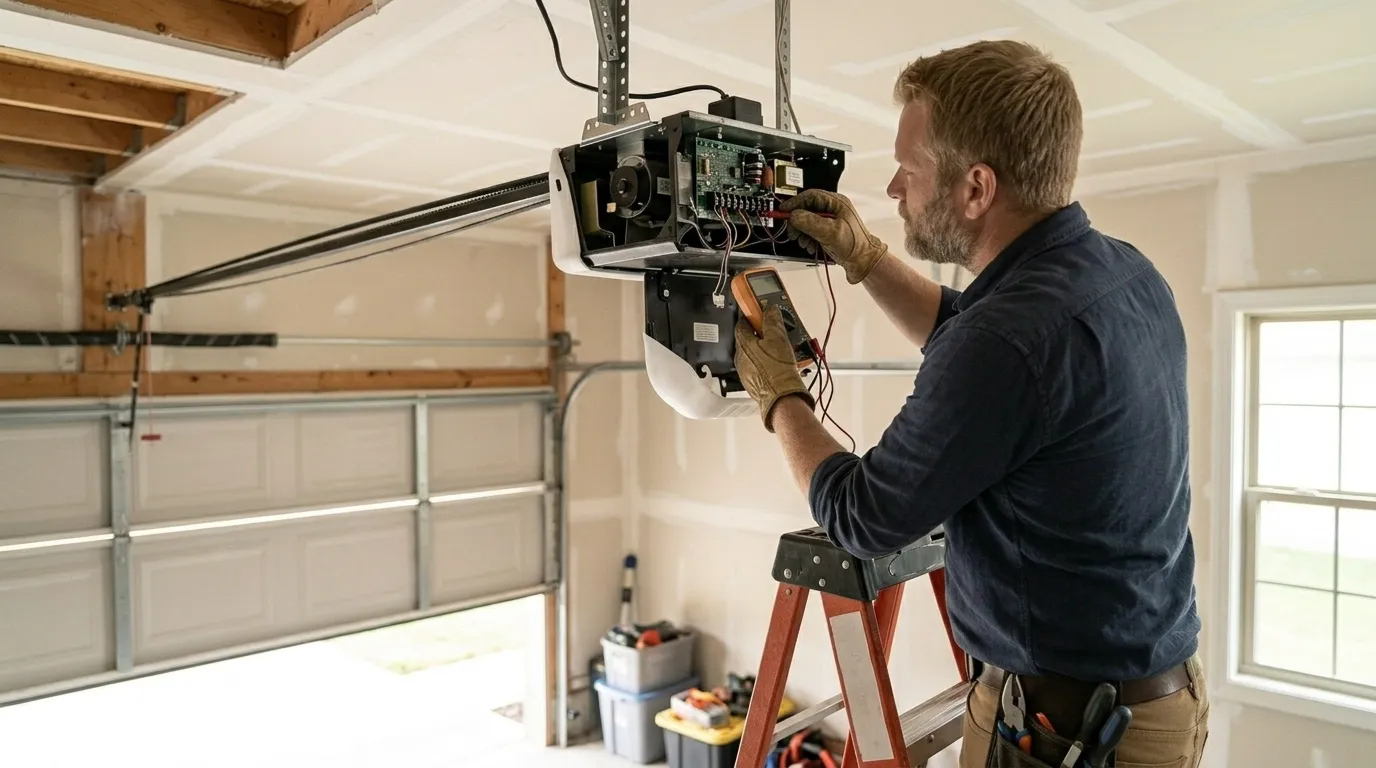
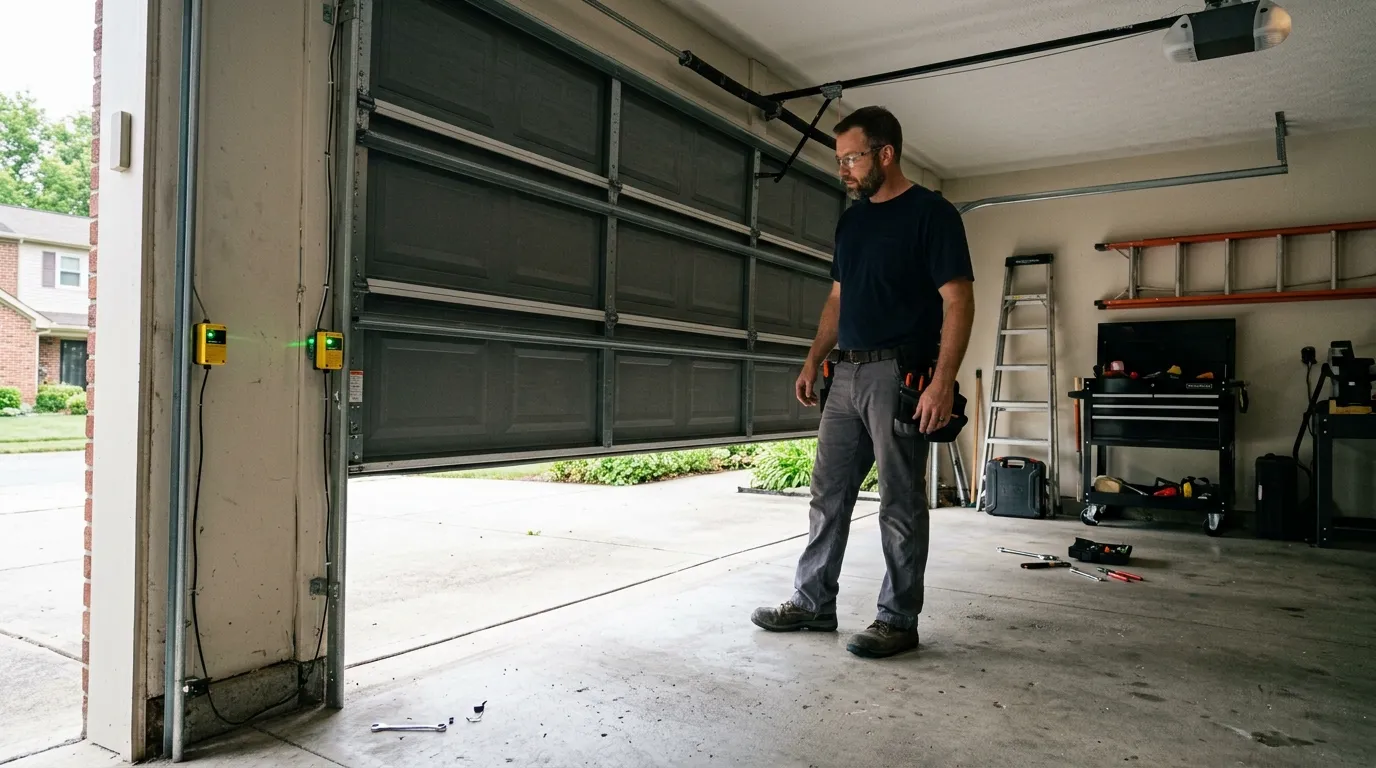
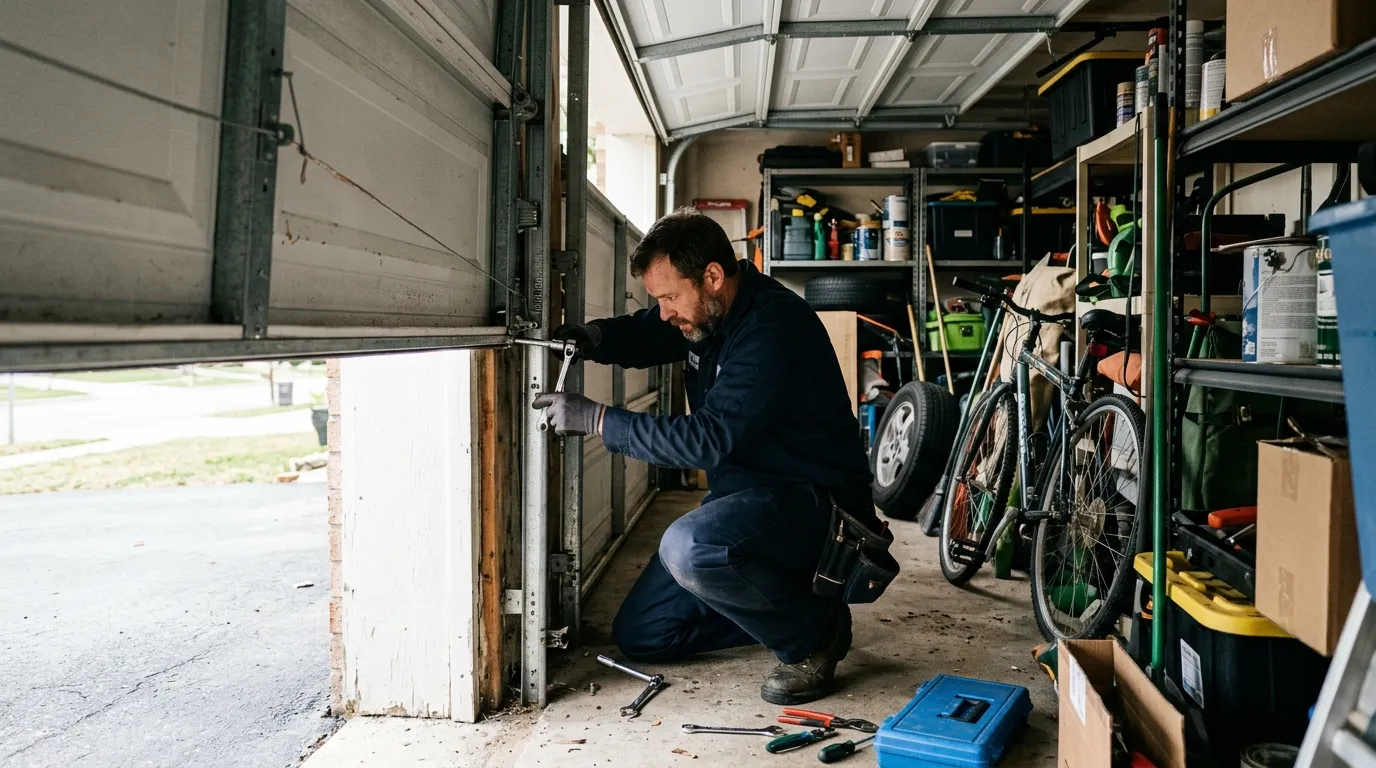
On a 1972-era opening, the install itself is usually the easy part. The panel goes in, the track lines up, the opener mounts - that's standard on any door. What takes the time is everything underneath: checking whether the original header can carry a heavier insulated door, whether the track brackets are still anchored into solid wood or into studs that have dried out and split slightly over the decades, and whether the old spring system was ever upgraded or is still running on hardware sized for a lighter, single-layer door.
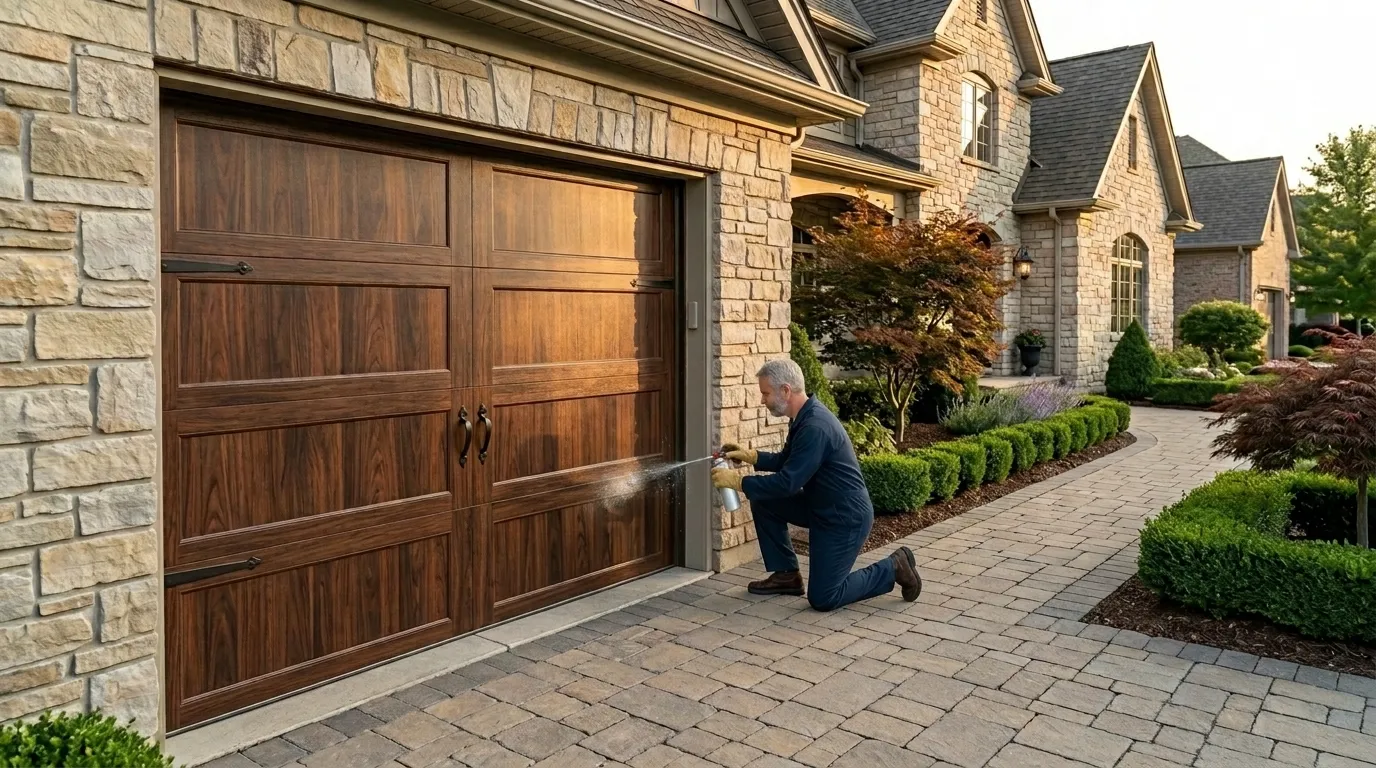
We replace what the new door needs to run safely - spring, cable, rollers, and track hardware sized to the actual door going in, not whatever was on the wall before. The one thing we won't do is force a new door onto an opening that isn't square. If the jamb's out of true, that gets corrected first, even if it adds time, because a door installed crooked will bind and wear out its opener within a year regardless of how good the door itself is.