The Complications
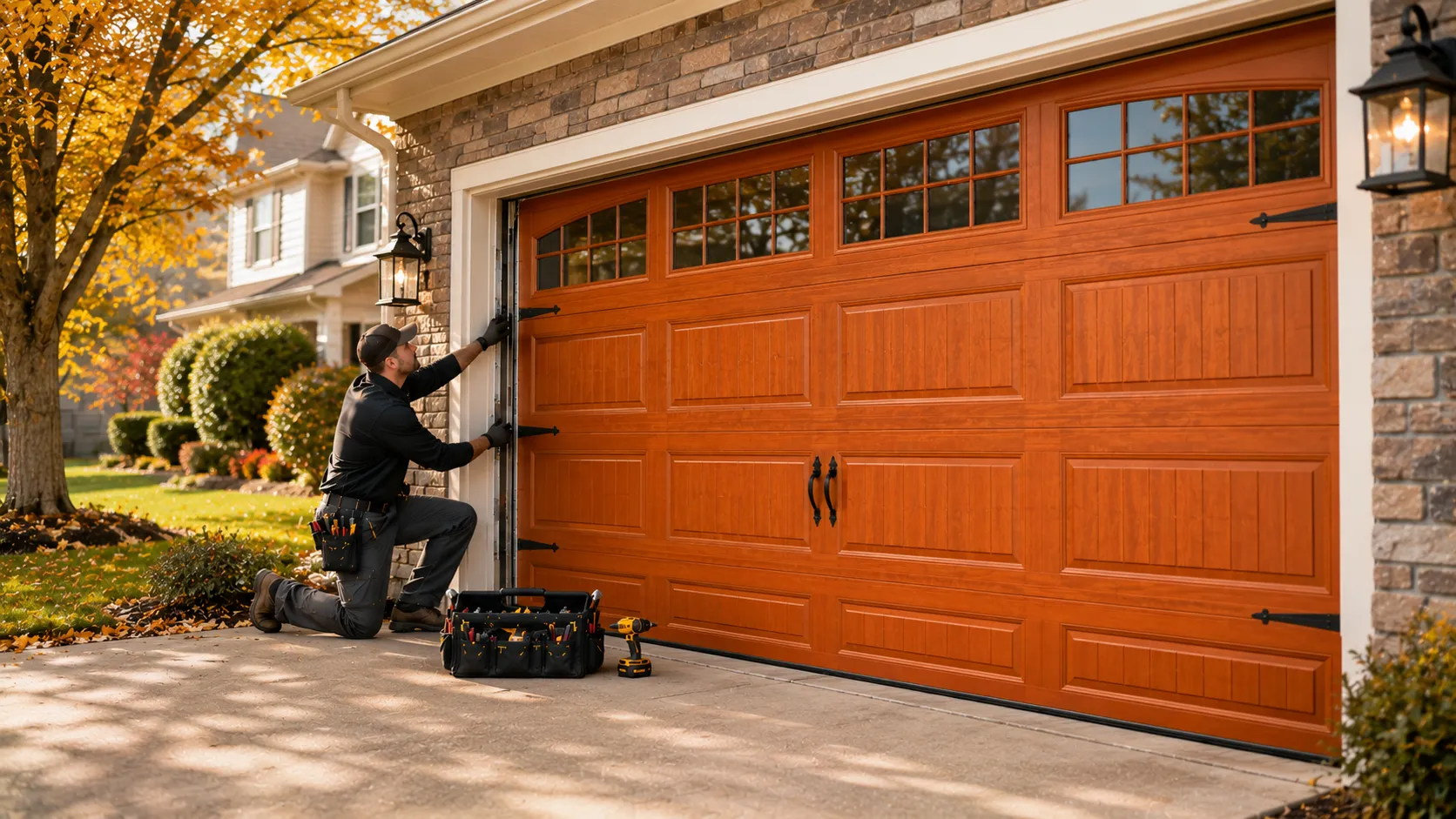
Most of the calls we get from West Carson aren't about openers. They're about the door itself giving up on the track - a section that's started to bow, rollers that have worn their channel loose, or a spring that's stretched past the point of holding the door level. That's not random. West Carson's houses mostly went up around 1972, and a steel sectional door installed with a house built in that window is now more than fifty years into a job it was built to do for maybe twenty.
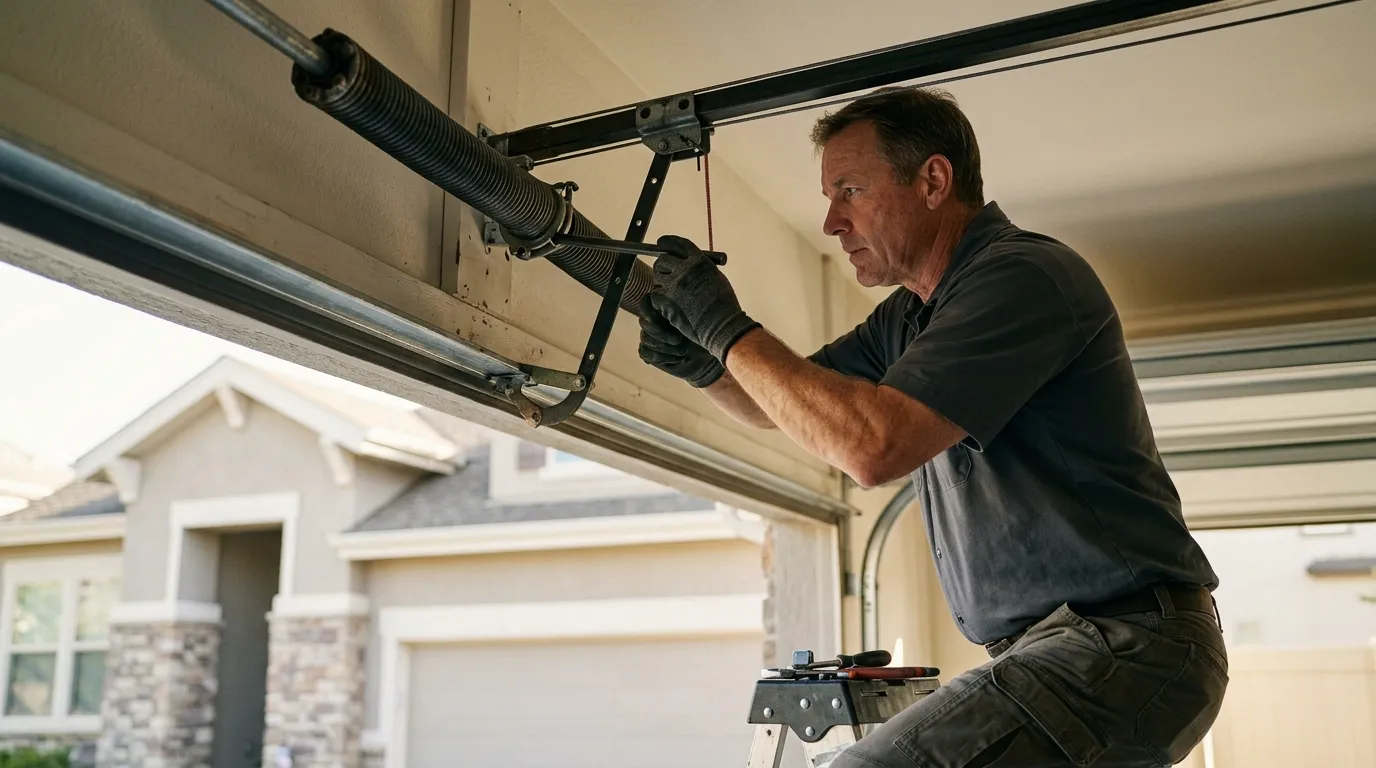
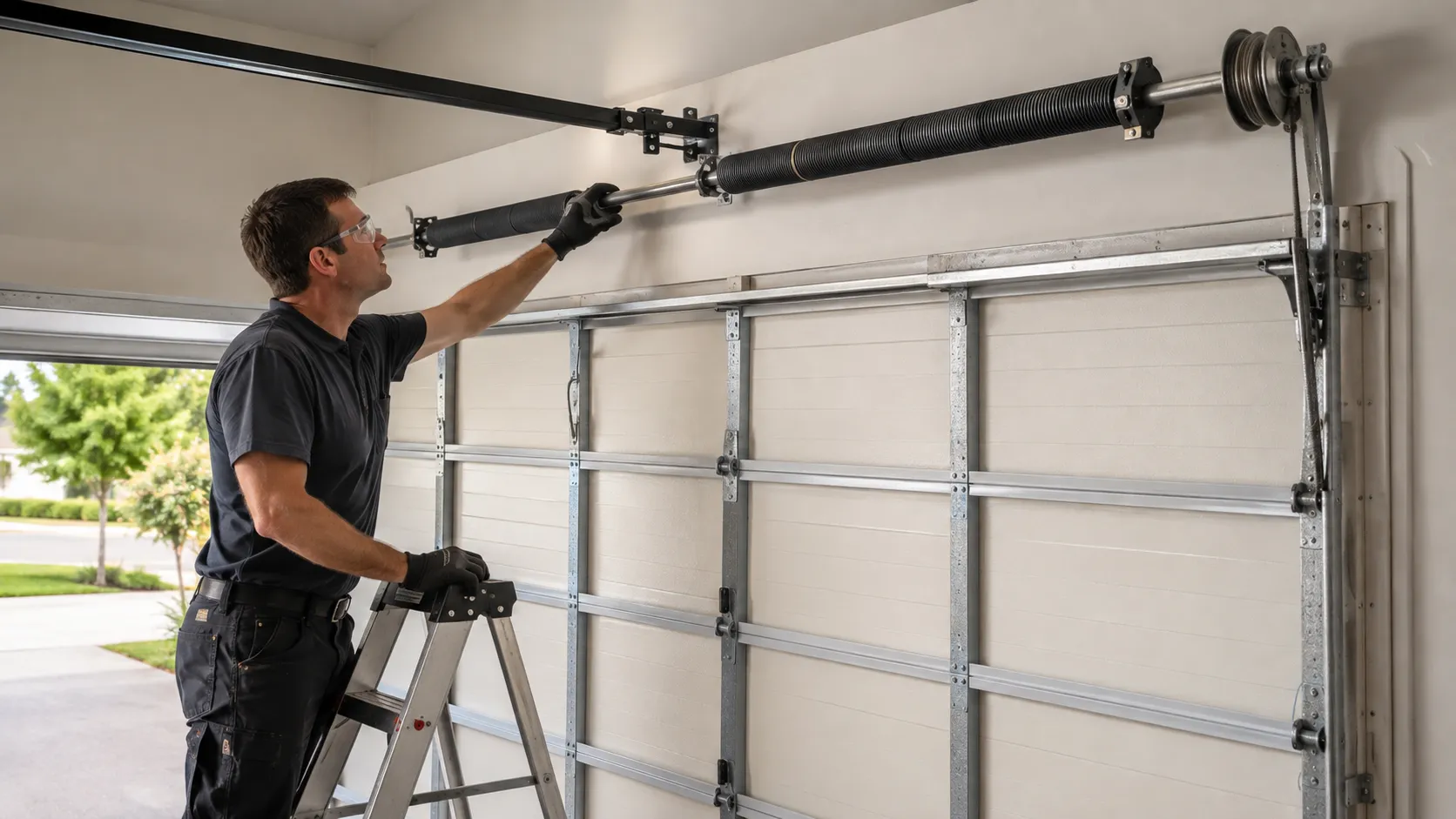
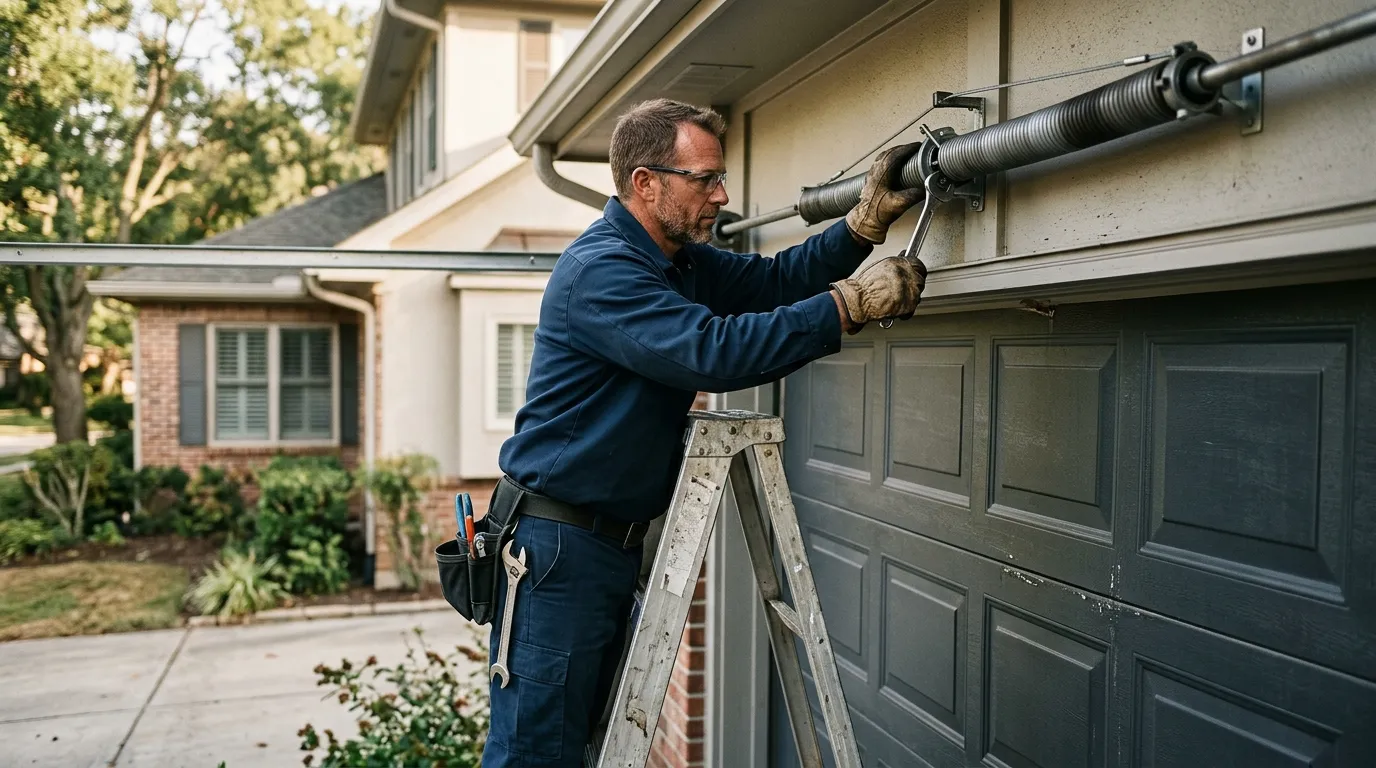
The hardware from that era leans on extension springs mounted above the horizontal track rather than a torsion bar over the opening. Those springs stretch and slacken with age, and once one side goes, the door racks sideways on the way up - you'll see a visible lean before it ever jams. It's a different failure pattern than what you get in a newer torsion setup, and it means the fix isn't a like-for-like part swap; it's often a full spring and cable replacement on both sides at once, because if one side is fifty years old, so is the other.
How Long You Are Without the Door
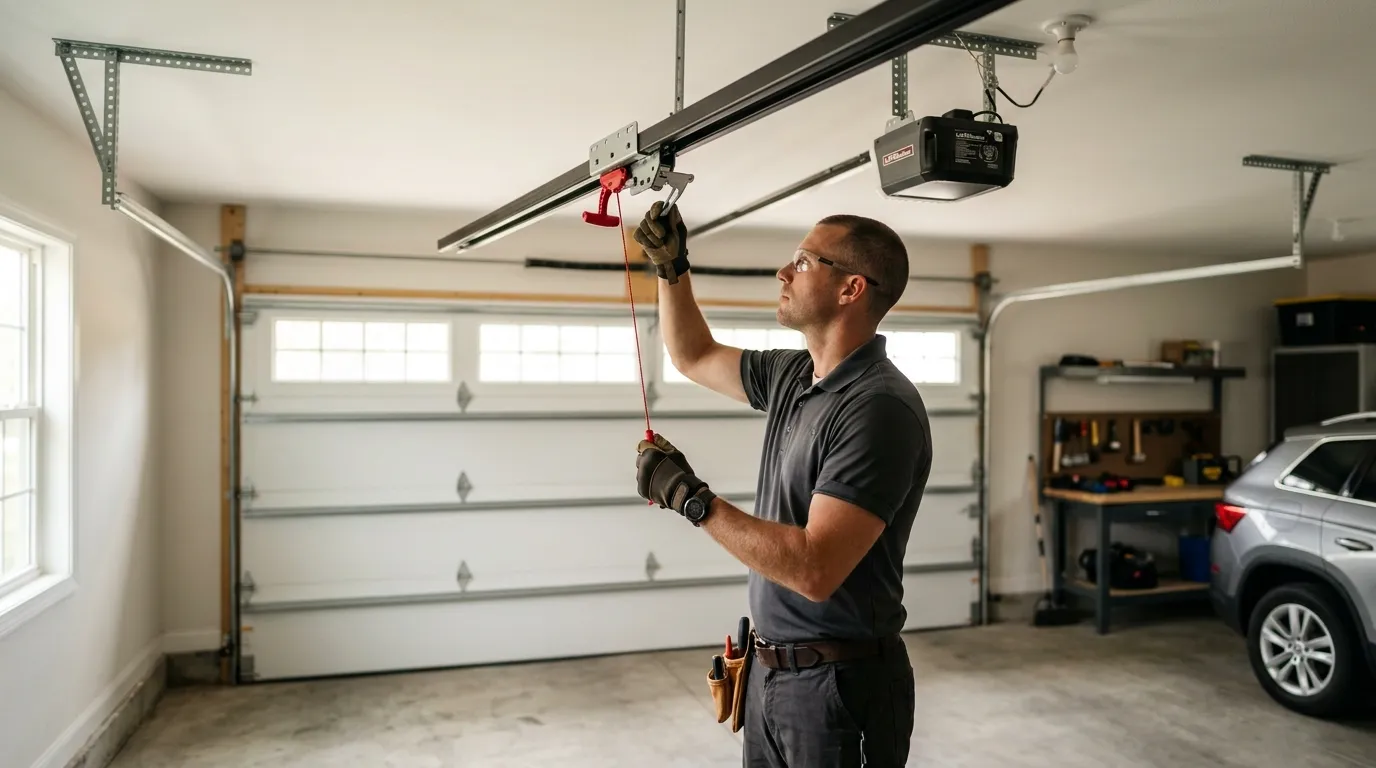
A straightforward spring or cable replacement on a 1970s-era extension system is usually a single visit - the tech carries common spring sizes because they turn up often in houses from this build era. Where it slows down is if the track itself is bent, or if the door panels have started to delaminate at the seams, which happens on steel doors that have taken fifty summers of sun-driven expansion and contraction even in a mild coastal climate.
Here's the honest limitation: if a specific panel or a matched hardware set for an older door has been discontinued, we may need to order it, and that's not a same-day fix no matter how close the truck is. In that case we'll tell you straight whether it's worth waiting on the part or whether replacing the whole door section is the better money, given what a new door costs against patching one that's already outlived its design life.
What the Fix Involves
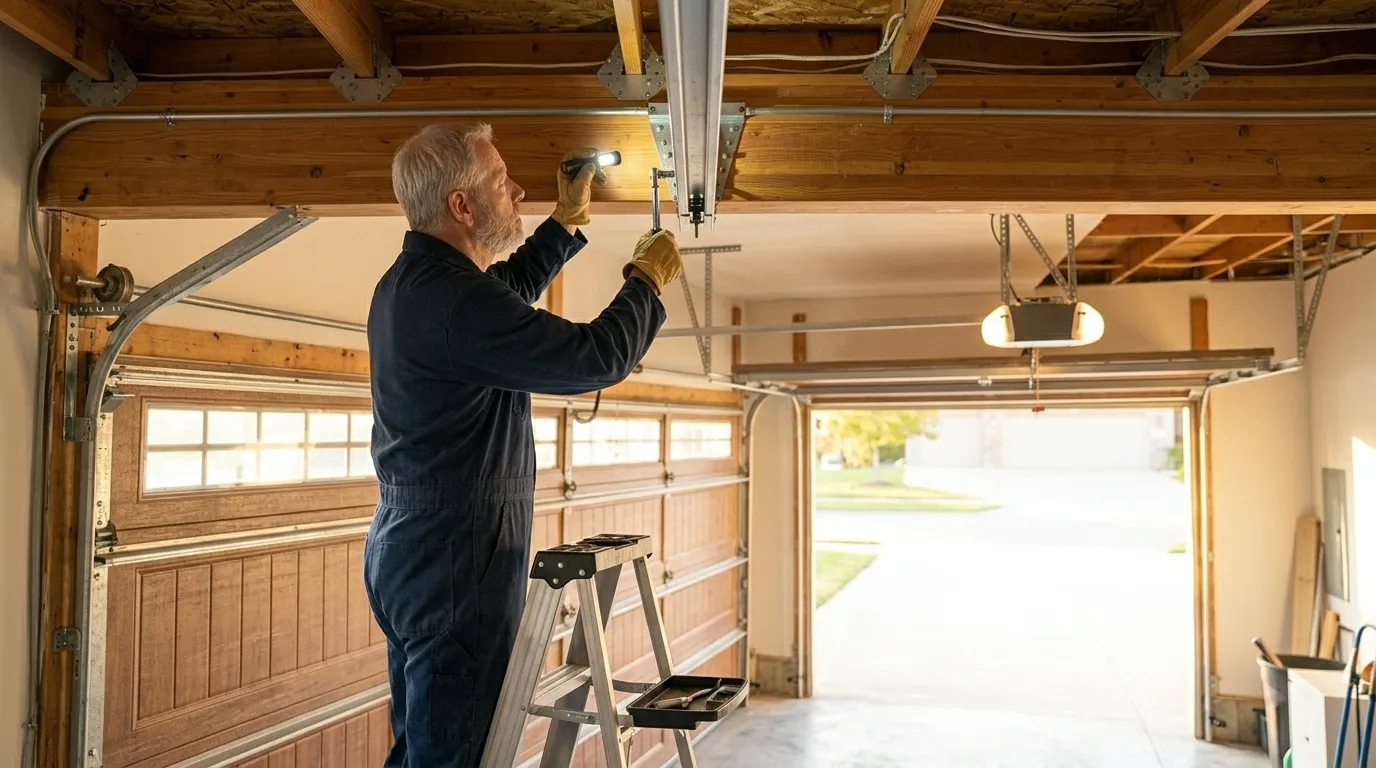
On a West Carson call, the tech is checking three things specific to houses from this era: the condition of the extension springs and their safety cables, the wear on the overhead track brackets (which loosen in older stucco and wood-frame construction more than in newer builds), and whether the door itself is original steel or a replacement installed at some point in the last few decades.
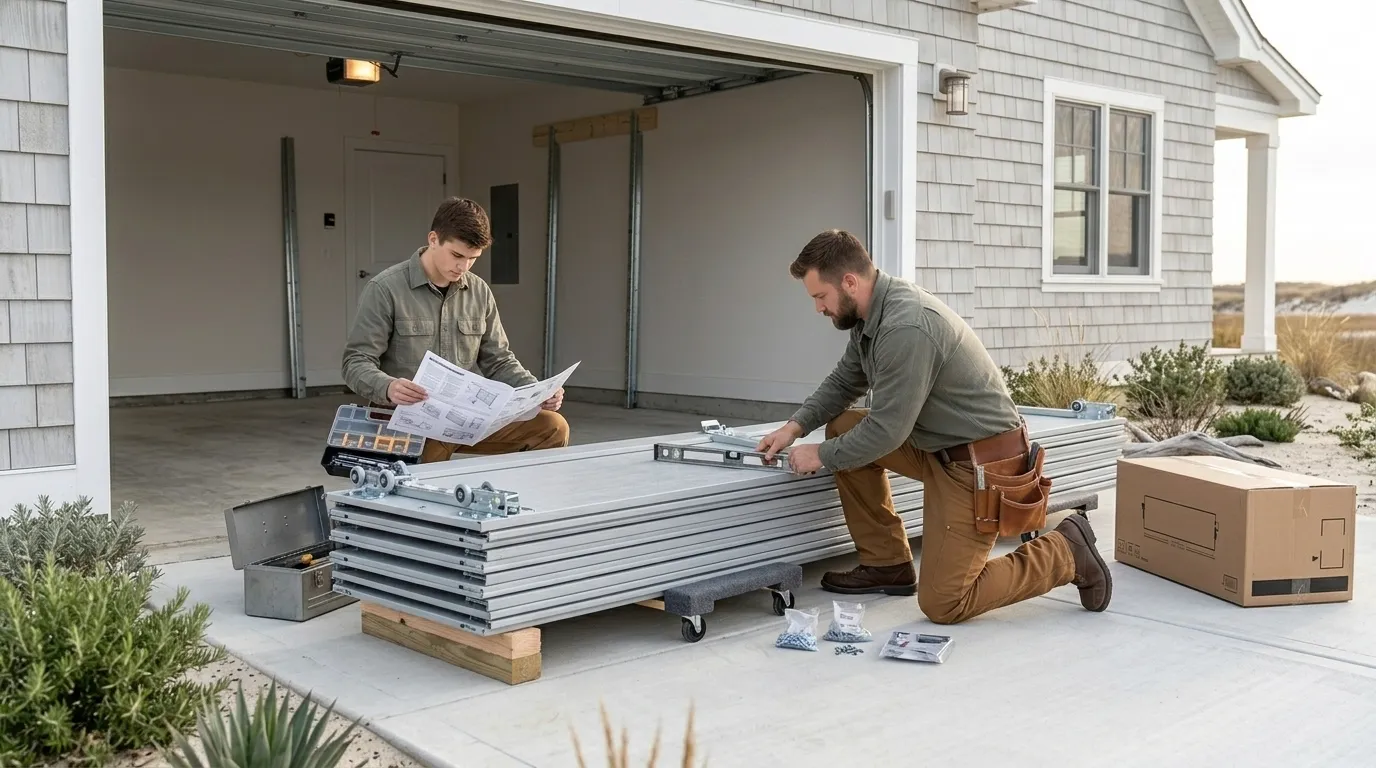
If it's original hardware, the repair usually means new springs, new cables, and often new rollers, since a fifty-year-old system rarely has just one worn part. If the door's already been replaced once with a heavier insulated panel but the original 1972 track and springs were kept, that mismatch is its own problem - springs sized for a lighter door under-support a heavier one, and that shows up as a door that won't stay open on its own. At $95,385 median household income for the area, most owners we talk to want the repair done right the first time rather than a patch that fails again in a year, and we price the job that way.