How Long You Are Without the Door
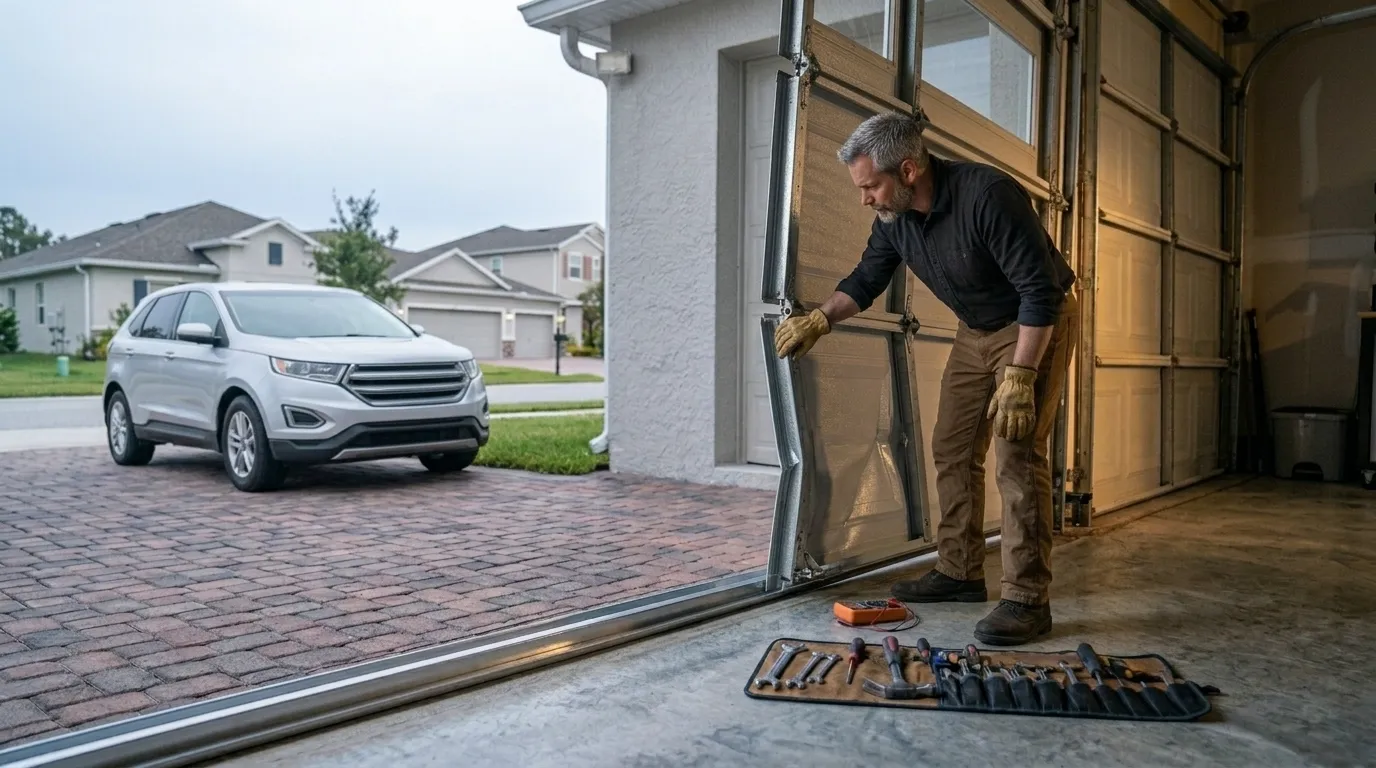
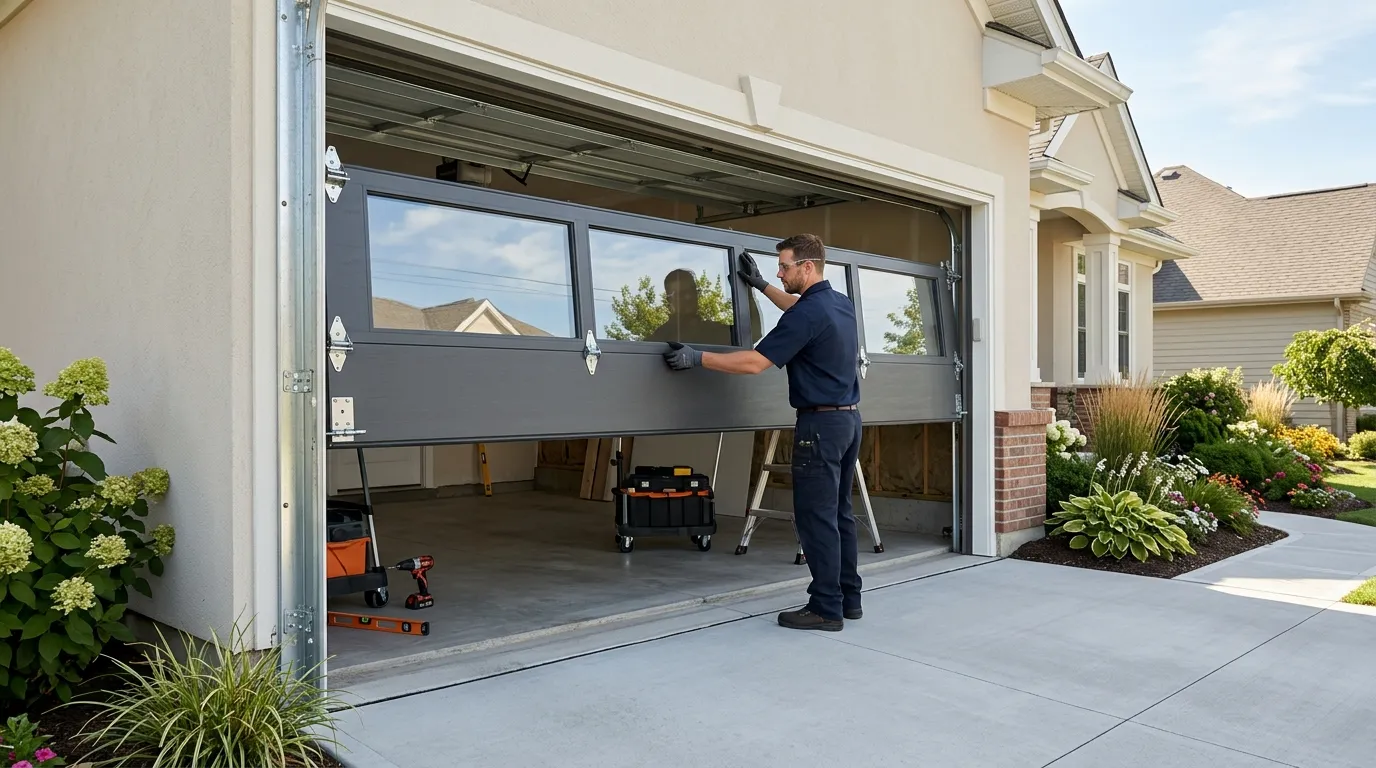
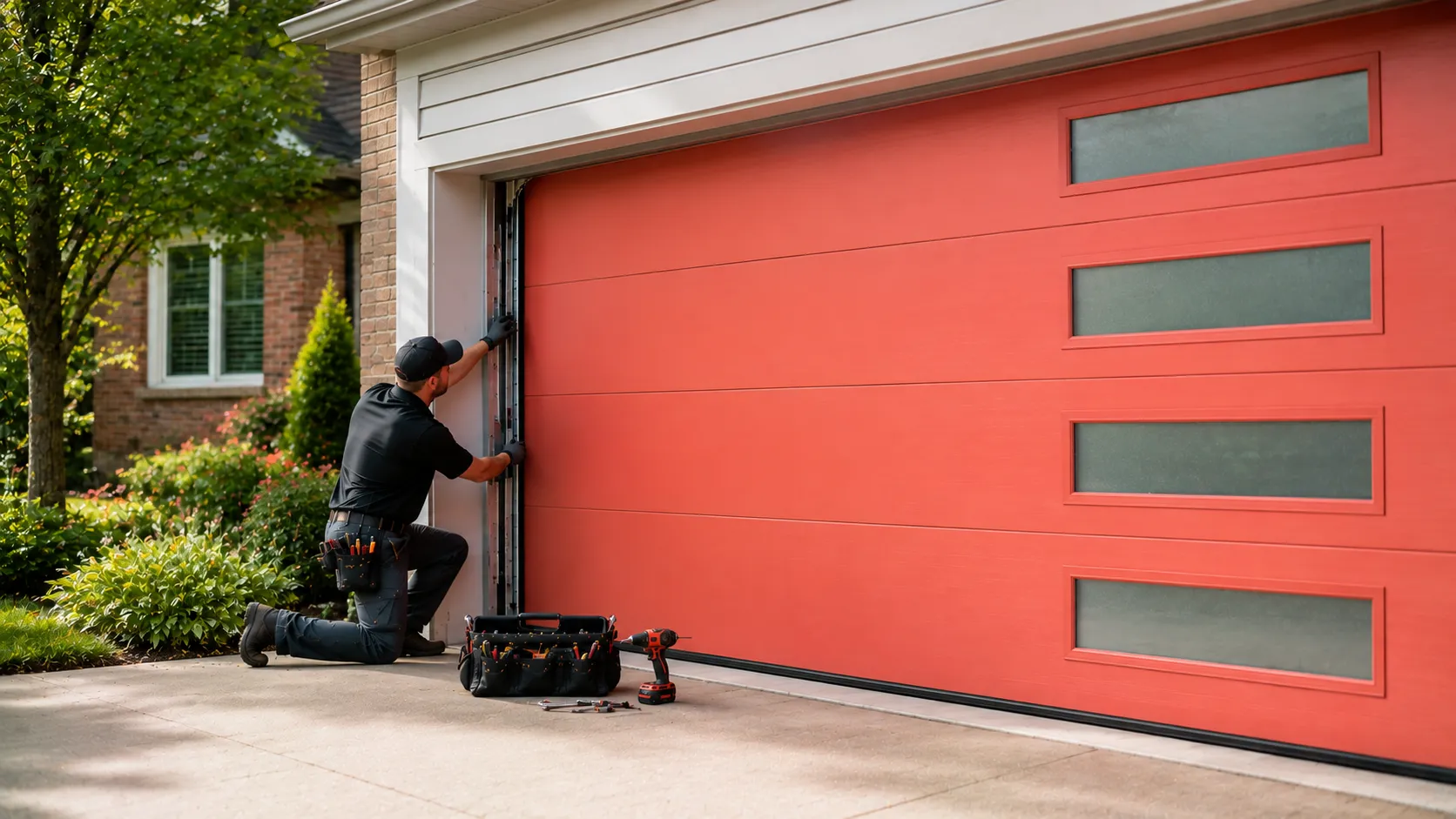
We run this job out of Manhattan Beach, about 17 miles from Topanga, so the panel has to be sourced and loaded before the truck heads out - we don't keep a Topanga stock point. That distance matters more here than it does closer to the shop: if the panel profile on your door isn't a common width, we're placing an order first and scheduling the install second, not doing both in one visit. A single dented panel on an otherwise sound door doesn't usually leave the door inoperable, so most Topanga jobs aren't emergencies - they're scheduled around when the part lands on the truck. A full panel section that's buckled or torn off the track is a different story, and we prioritize those.
Because the trip out is longer, we try to nail down the exact panel style and hinge spacing over the phone or from photos before we drive, rather than discovering a mismatch on site. That one extra step usually saves a second trip.
Parts We Carry
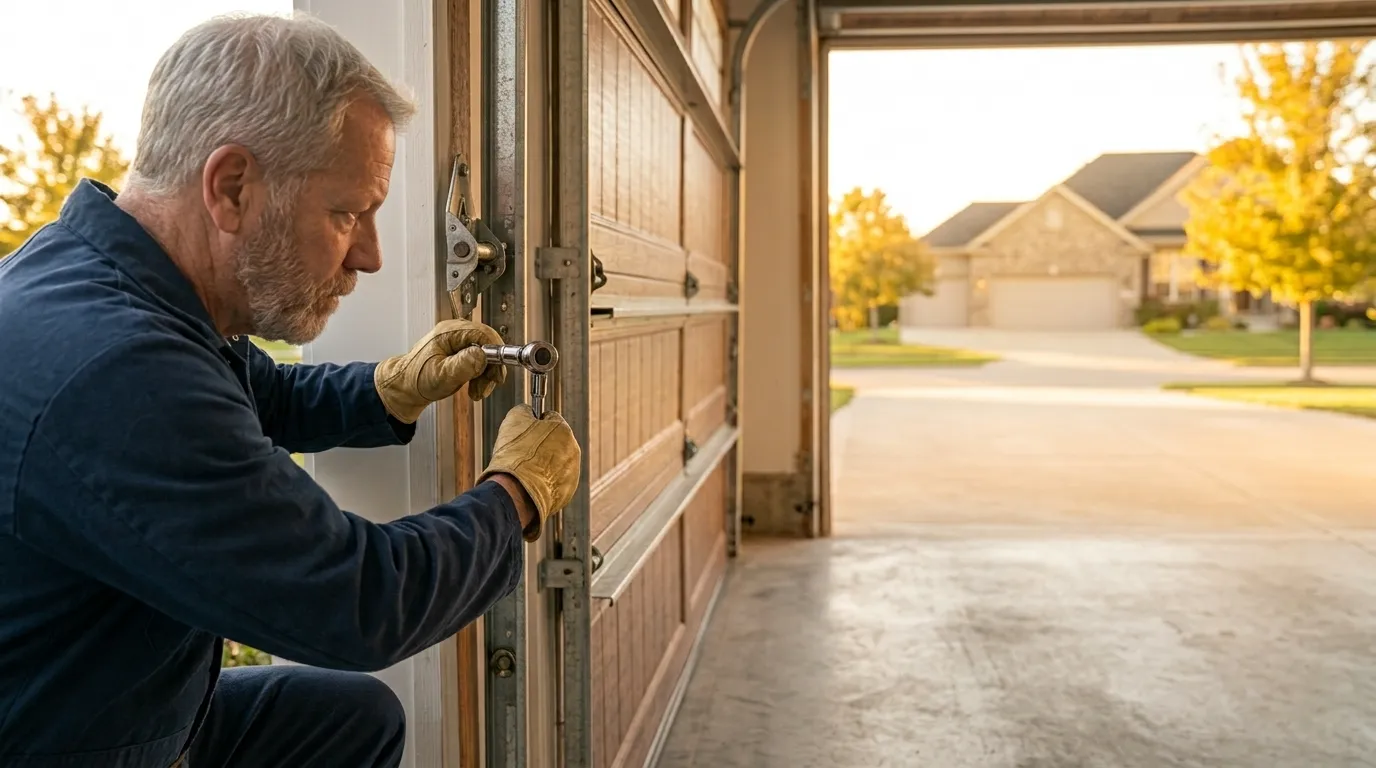
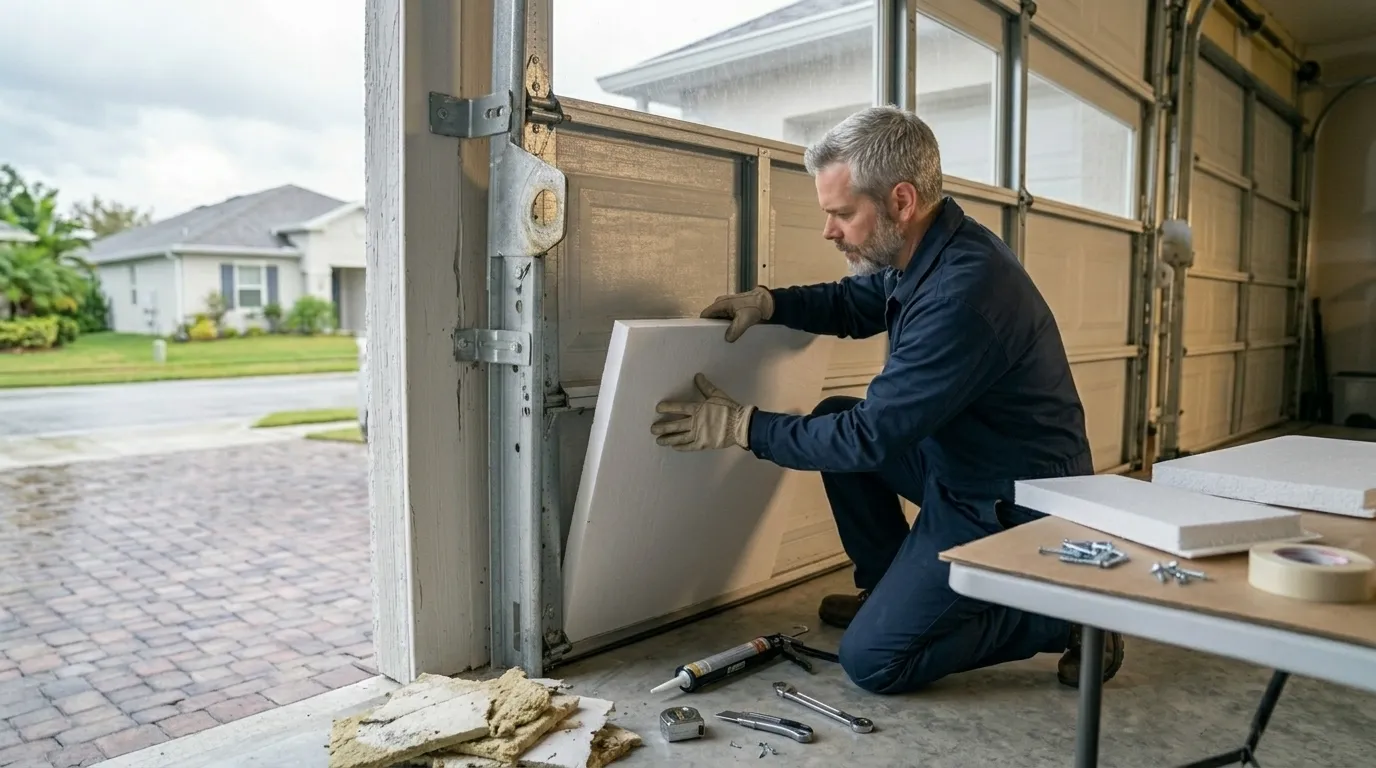
We carry common panel widths and standard raised-panel and flush profiles that fit most doors installed from the late 1960s through the 1980s, which covers the bulk of what's built in Topanga. What we don't carry on the truck is a match for every embossed pattern or wood-grain composite panel from that era - those get special-ordered once we've confirmed the exact model, and that's the honest limitation here: if your door is a less common brand or a custom wood-look style, expect a return trip rather than a same-day fix.
Given that median household income in Topanga runs well above the wider service area's $94,152, we also get more requests for painted, stained, or textured panel matches rather than a plain replacement - those take longer to source and we tell people that up front instead of promising a quick swap.
The DIY Question
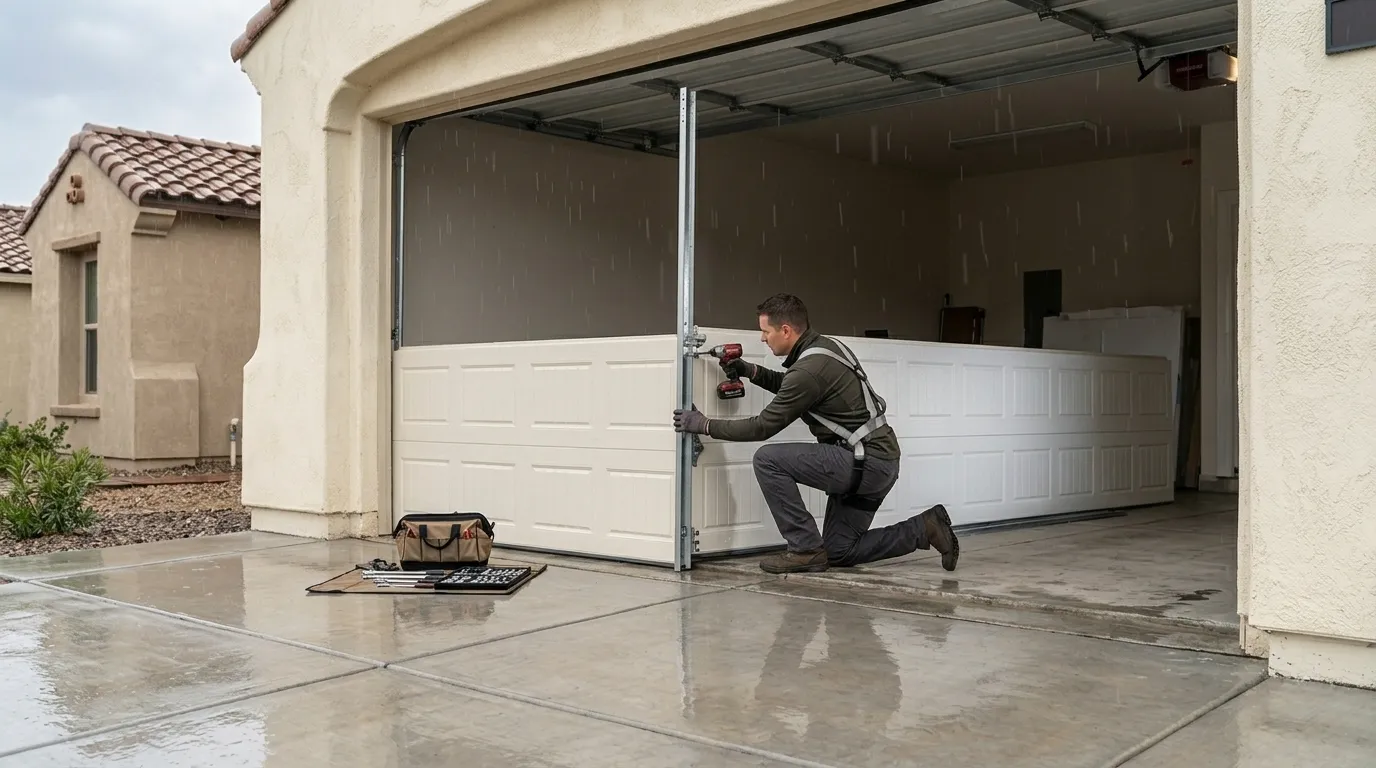
A single panel bolted into a multi-section door looks like a simple swap, and sometimes it is - if the door is unplugged from its torsion spring tension and the hinges line up clean. Where people get hurt is pulling a bottom panel with the spring still loaded, or discovering mid-job that the replacement panel's bolt pattern is a quarter-inch off from a discontinued 1970s profile and now the door won't track straight. If you're comfortable with hand tools and the door is a common width, it's not out of reach. If you're not sure what decade your hardware is from, that's the point where a mismatch costs more than the call would have.
The Complications
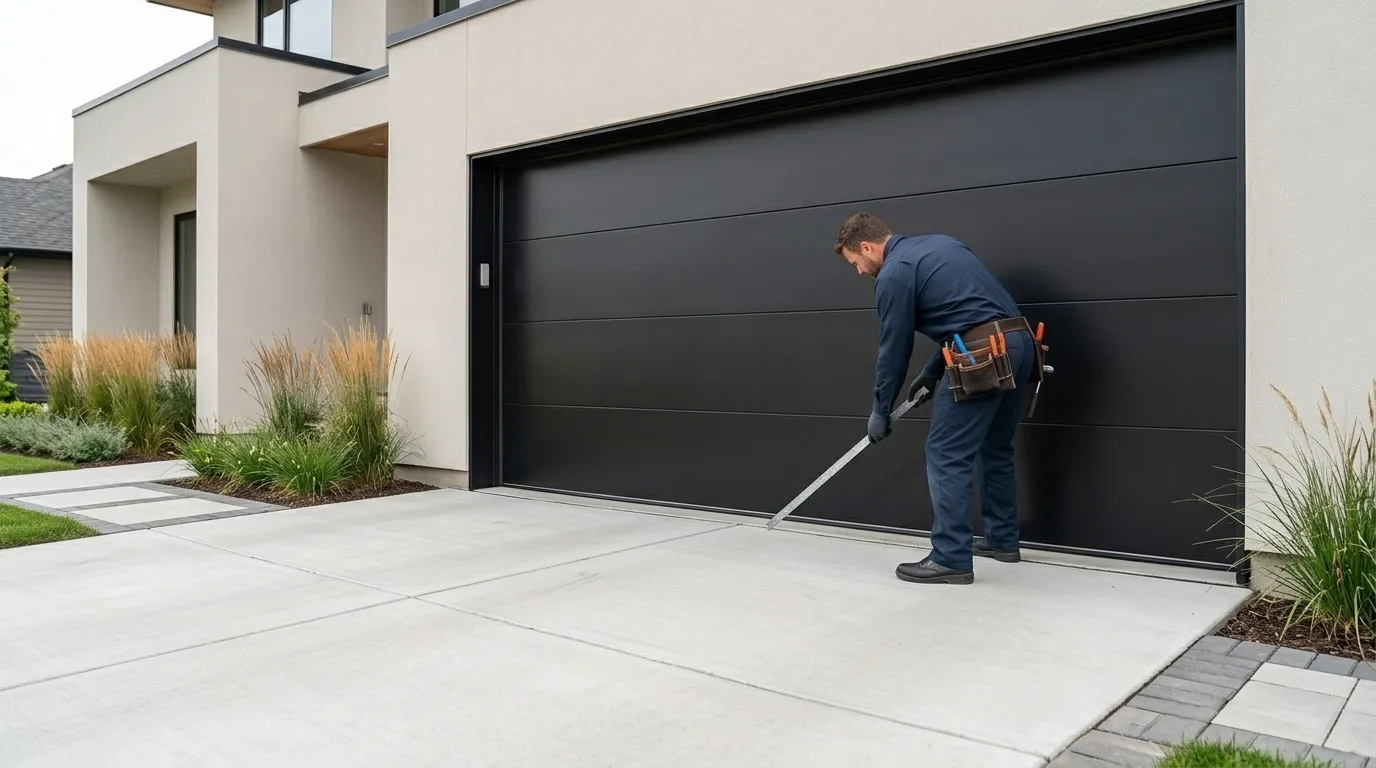
The trip distance from Manhattan Beach means a second visit costs you more in wait time here than it would somewhere closer, so we try to over-diagnose before the first trip - measuring the exact panel width, hinge spacing, and finish from photos if we can. The other complication is structural: on a door built around 1971, the track and rollers have usually been touched at some point but the panel curve and end stile often haven't, and a new panel section has to bend to match wear in hardware that's fifty years old, not fresh factory spec. That's not always a clean fit, and we'll say so on site rather than force it.