How Long You Are Without the Door
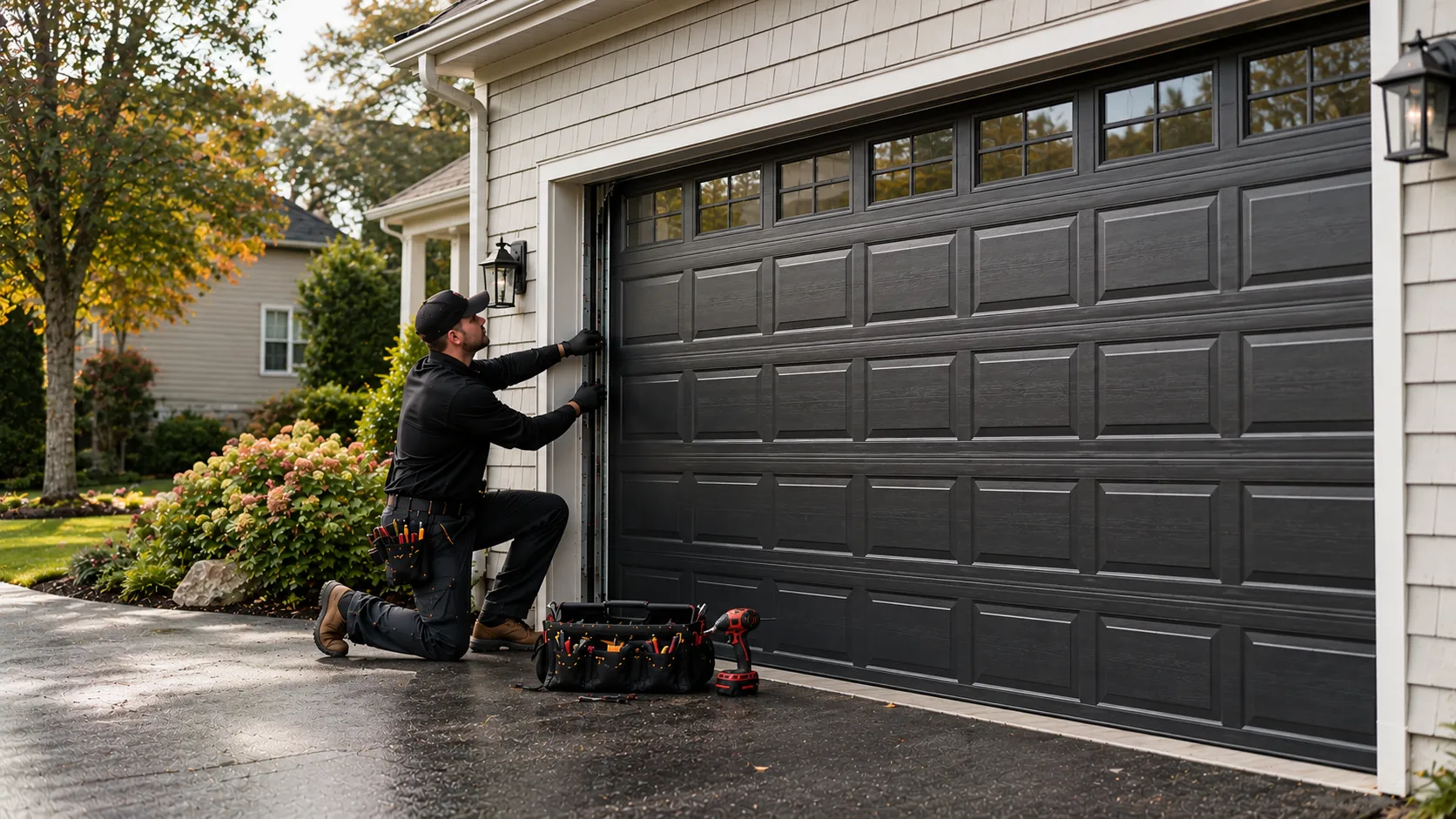
Topanga is seventeen miles from our shop in Manhattan Beach, the longest run in the area we cover. That distance doesn't change the install itself, but it does change how we plan the day. A new door job means one visit to measure and confirm the opening, then a second visit to set the door, track, and opener - we don't stock every panel size and finish on the truck, so the order has to come in before we drive back out. If you're coordinating around a contractor or a move-in date, tell us up front so we can line the two trips against your schedule instead of guessing. We won't promise same-week installs sight unseen when the trip itself eats a chunk of the day - that's the honest tradeoff of being the farthest point we serve.
Parts We Carry
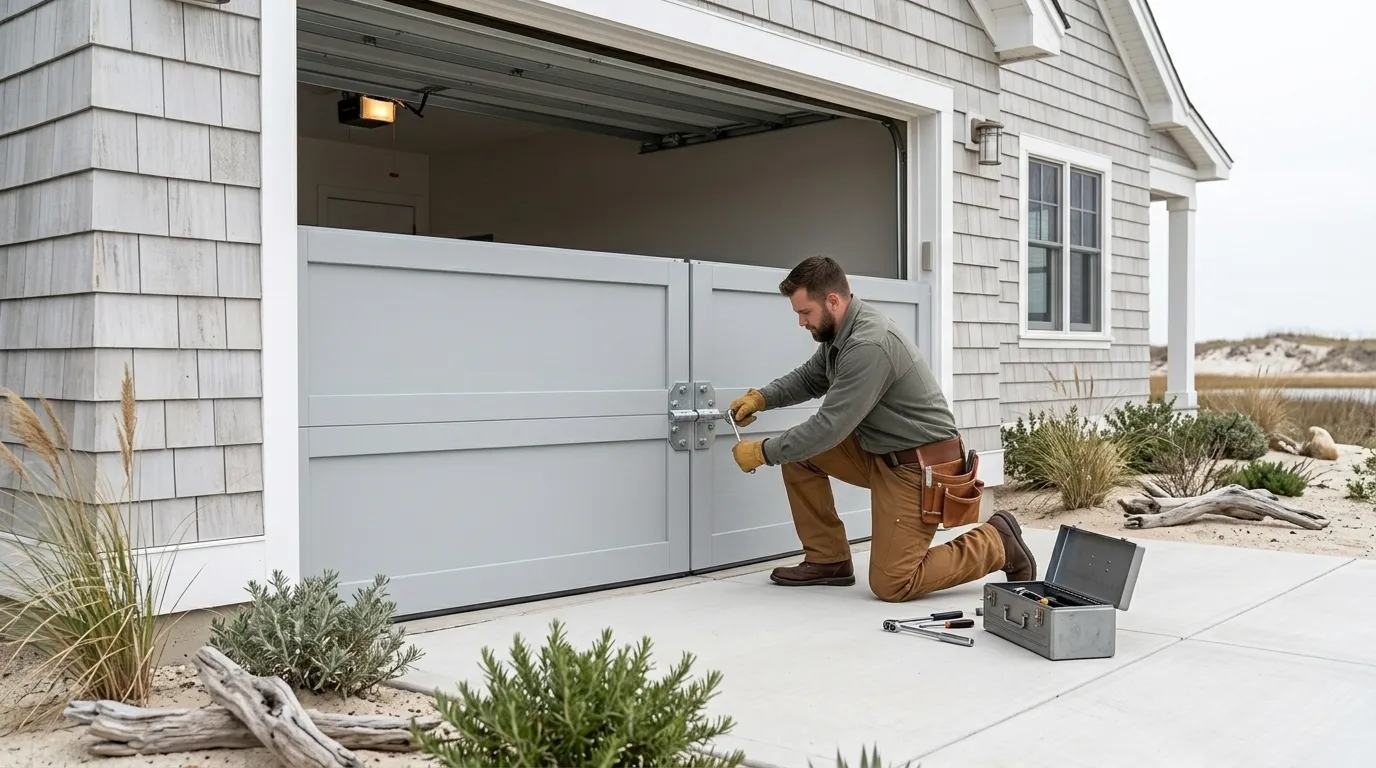
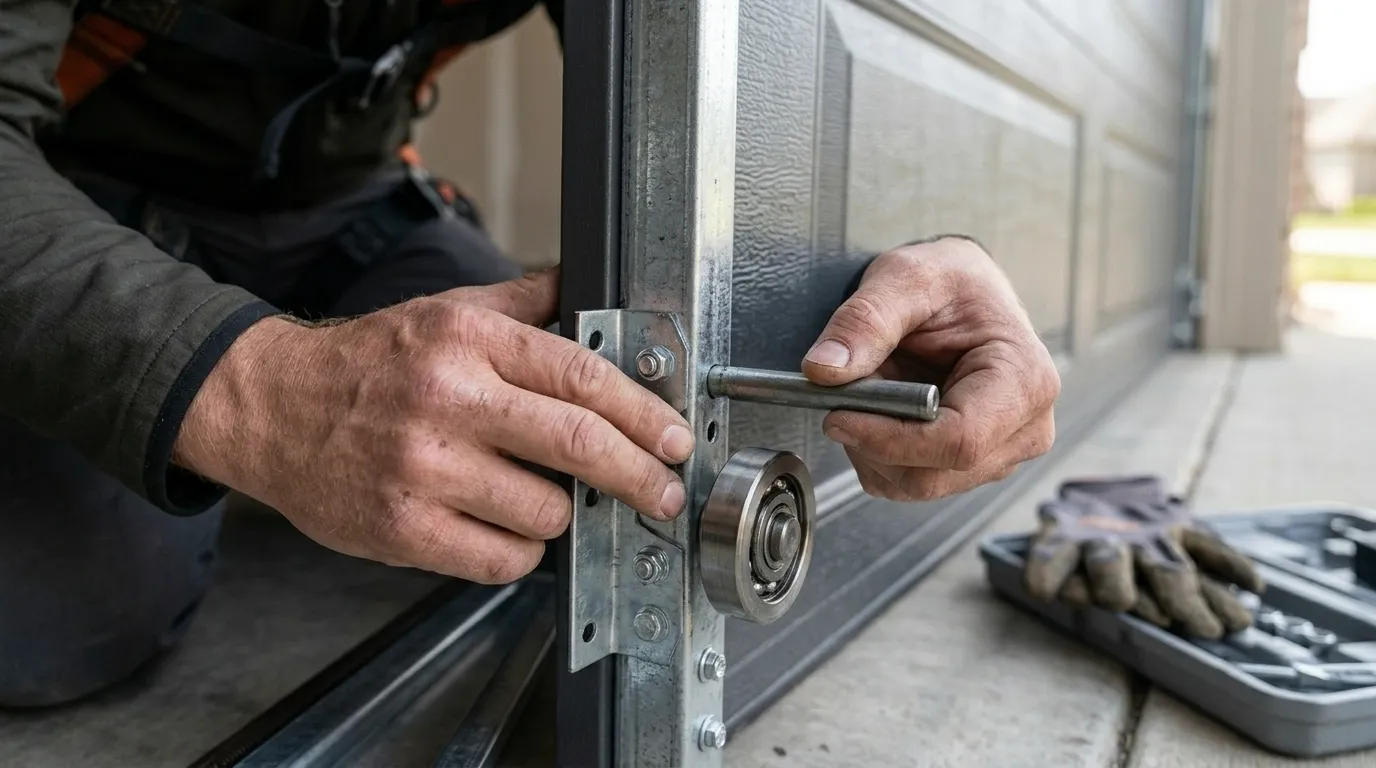
For a full new-door install we bring the track, rollers, hinges, cable, and torsion hardware sized to fit an early-70s opening, along with standard opener mounting hardware. What we don't carry on the truck is the door itself in every width and finish - Topanga's older openings sometimes call for a size that isn't a stock item, and that has to be special-ordered rather than pulled off the shelf. If your opening turns out to be a nonstandard width once we measure, we'll tell you that on the first visit rather than after we've already shown up with the wrong door.
The DIY Question
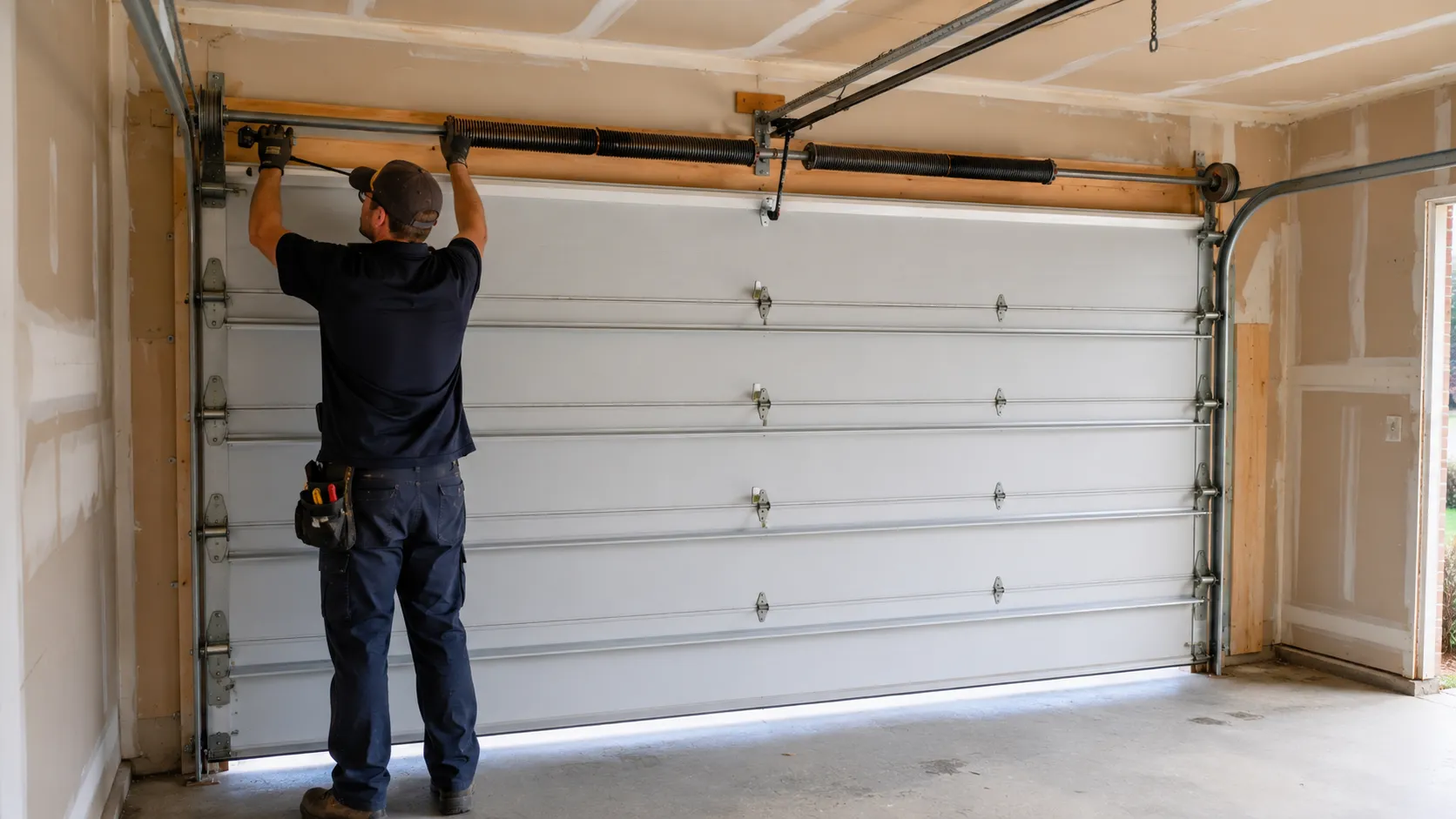
A new garage door is not a spring swap - you're setting a full panel assembly, aligning track on both sides, and balancing the door against opener tension, and getting any one of those wrong on a heavy double door is how people end up with crushed fingers or a door that slams down off its track. Given the drive involved for a callback, this is one job where getting it right the first time matters more than usual out here. If you're comfortable pulling the old door and prepping the opening yourself to save on labor, that's a reasonable way to trim the bill - just don't hang the new door and set the springs without someone who does it regularly.
The Complications
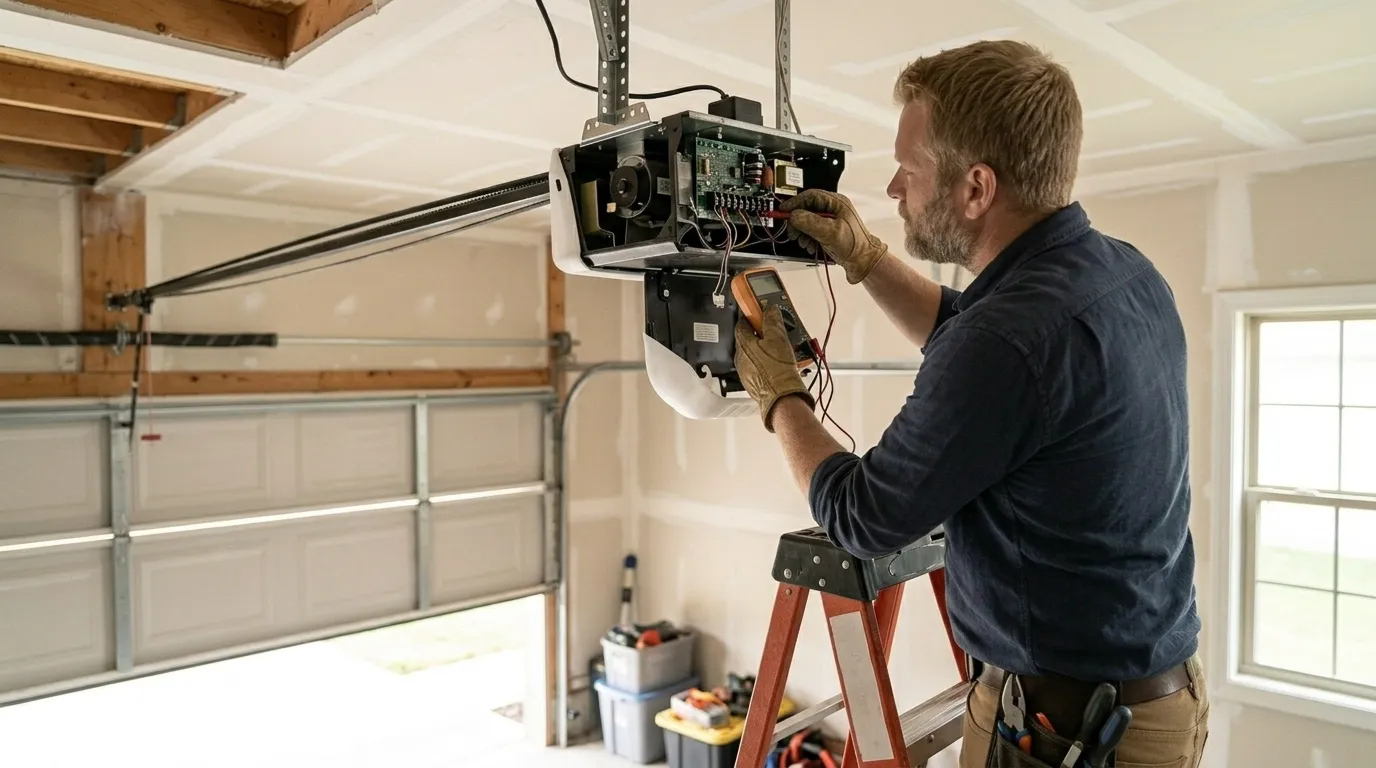
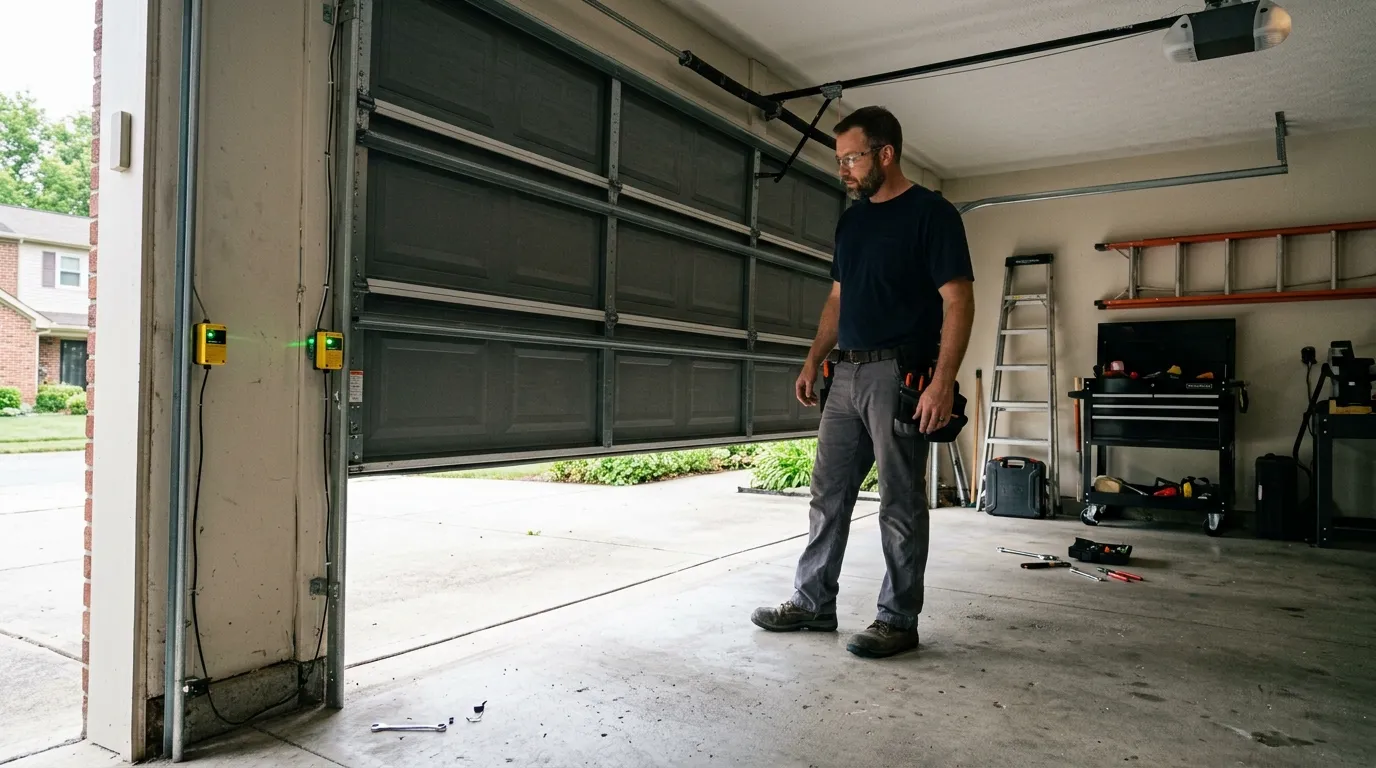
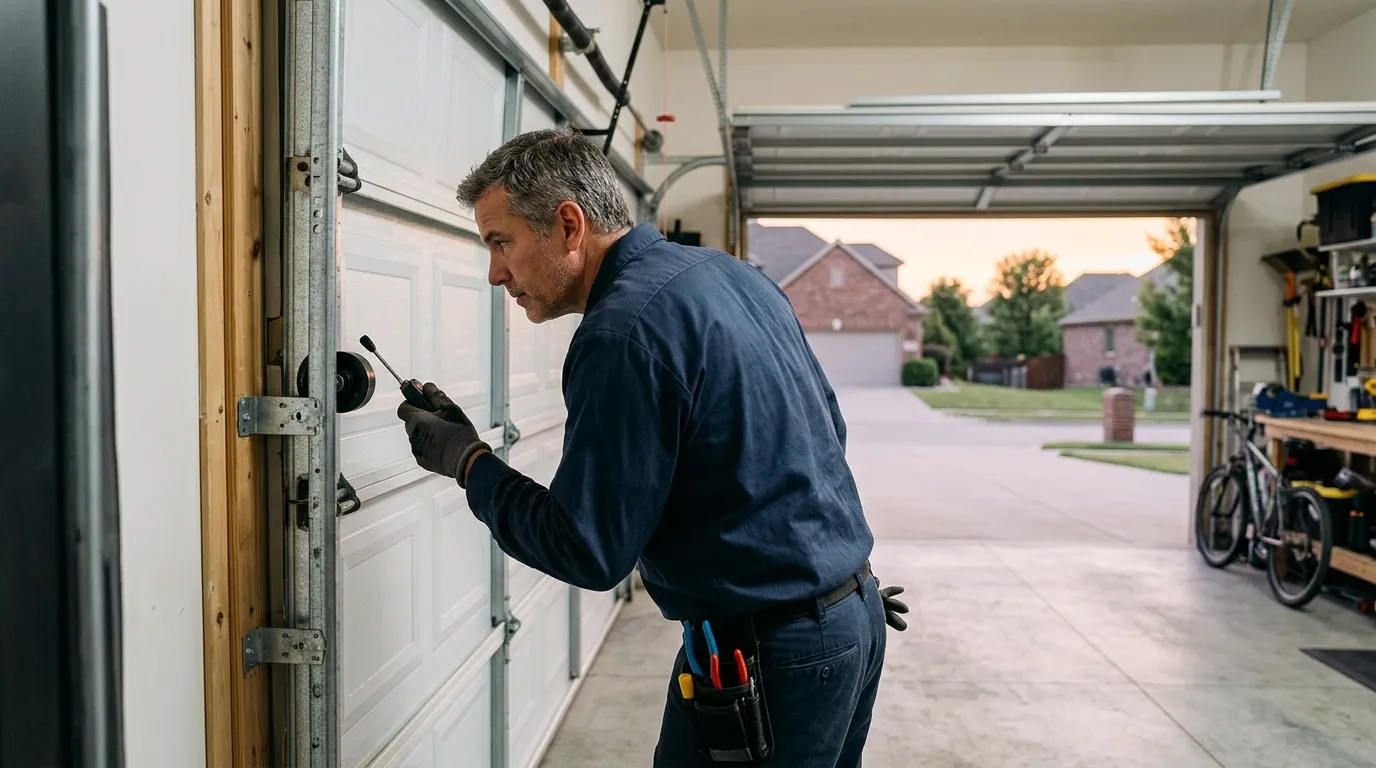
The most common complication we run into on a 1971-era opening is a header or jamb that's slightly out of square after fifty years of settling, which a new door assembly won't forgive the way an old sagging one did. That sometimes means a bit of carpentry before the door goes in, and we'll flag it before we order materials, not after. The other thing worth saying plainly: if your existing opener is original to the house, it's very likely not compatible with a new door's weight and safety sensors, and we'll usually recommend replacing it at the same time rather than trying to make an old unit work with new hardware.