How Long You Are Without the Door
We don't run a depot in Topanga. Every truck that comes out for a commercial door here starts in Manhattan Beach, 17 miles away, so the first thing we tell a business owner is that the drive is part of the schedule, not a surprise added to it. That doesn't change what we can fix once we're on site, but it does change how we plan the visit. If a rolling steel door on a shop or workshop jams shut mid-morning, we're not walking in five minutes later the way a depot-based outfit could. We ask what's blocking access, whether the space can operate with the door manually propped or chained down for a few hours, and we build the visit around getting the right parts on the truck the first time, because a second trip from Manhattan Beach costs more than a second trip across town would. For a commercial account, that usually means one call to nail down the make and rough age of the door before we leave the shop, not after we arrive.
Parts We Carry
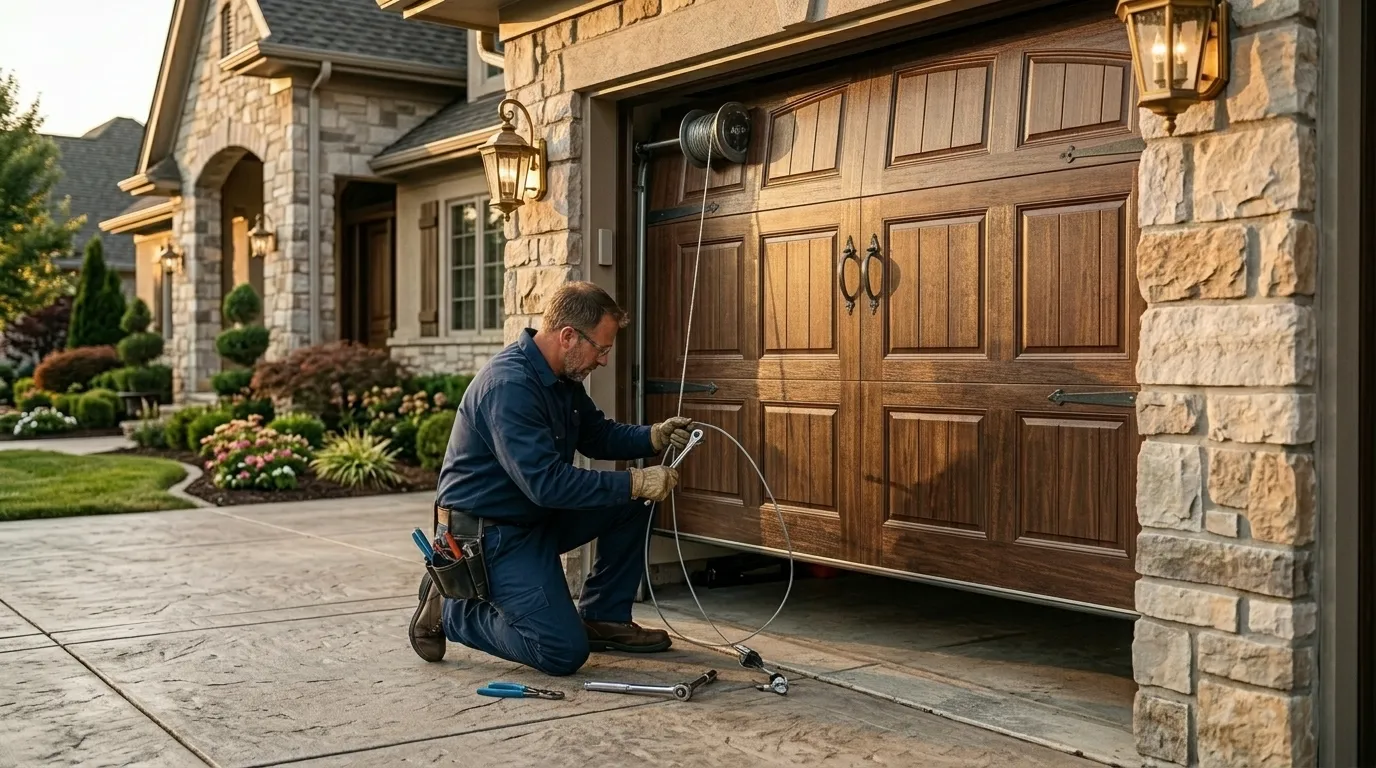
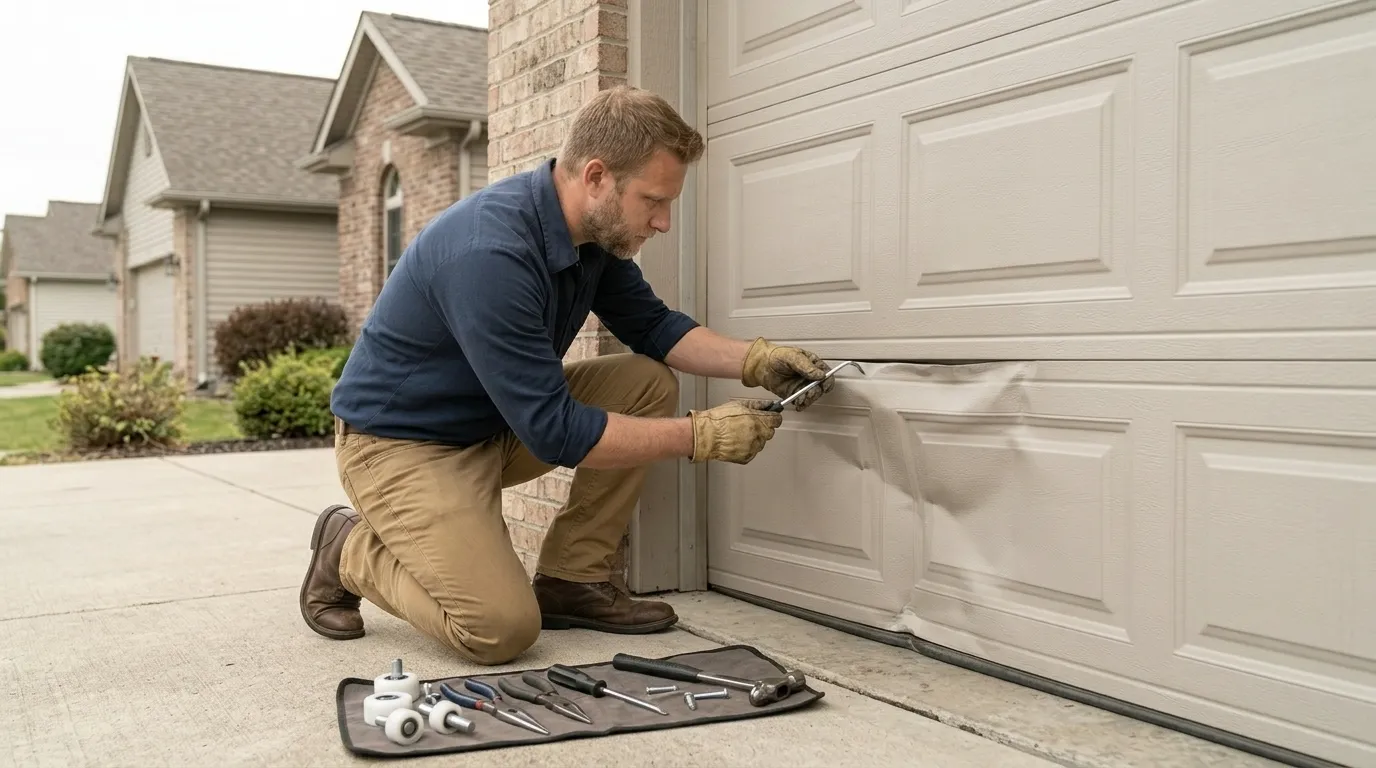
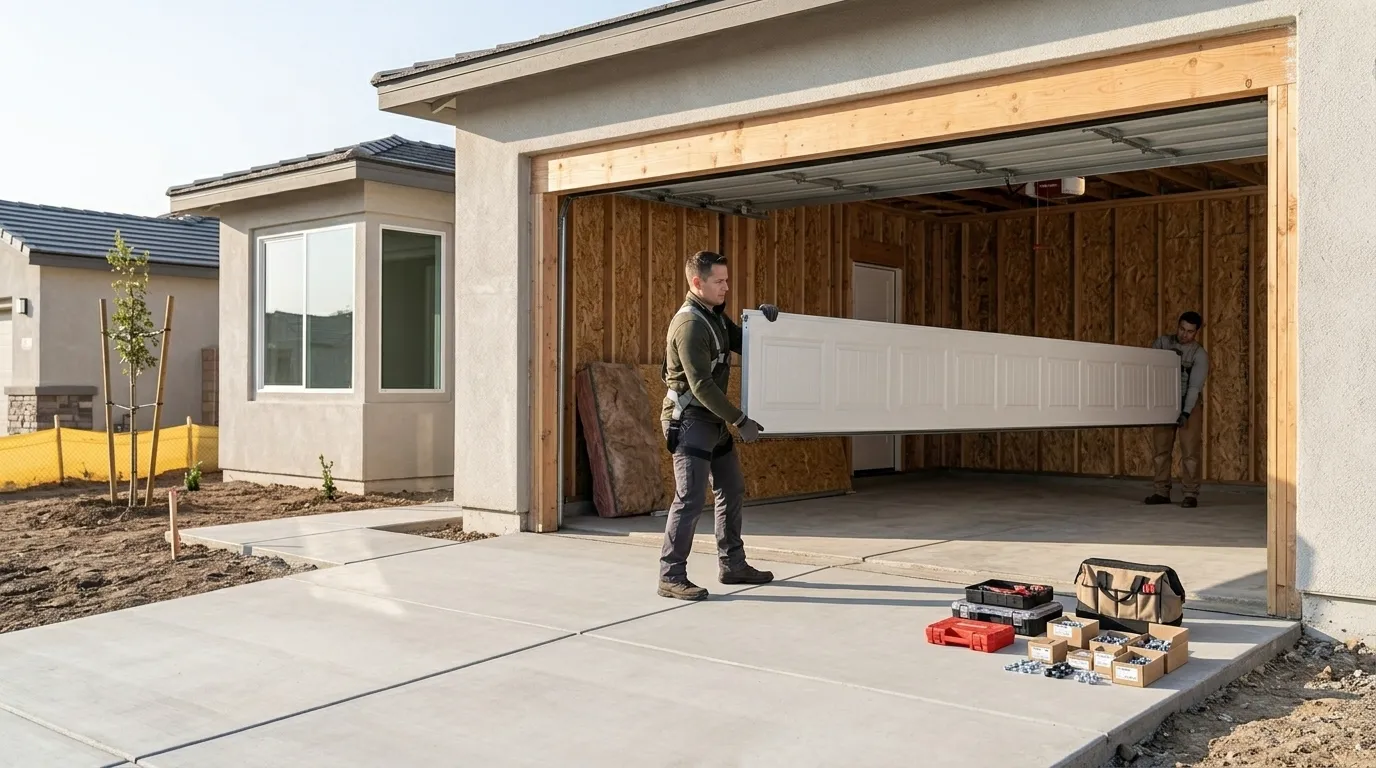
For a door built to a 1971-era commercial spec, the wear parts are usually torsion springs sized to the original panel weight, steel rollers (nylon if the last owner upgraded), galvanized lift cables, and track hardware that matches wider commercial rail rather than residential. We stock the common torsion spring sizes and standard track hardware on the truck. What we don't carry as stock is anything proprietary to a specific commercial door brand's opener board or a custom panel width - those get ordered once we've confirmed the exact model on site, and that adds lead time we can't promise away. If your building runs a high-cycle commercial opener rather than a residential-grade unit bolted onto a bigger door, tell us that on the call. It changes what's on the truck.
The DIY Question
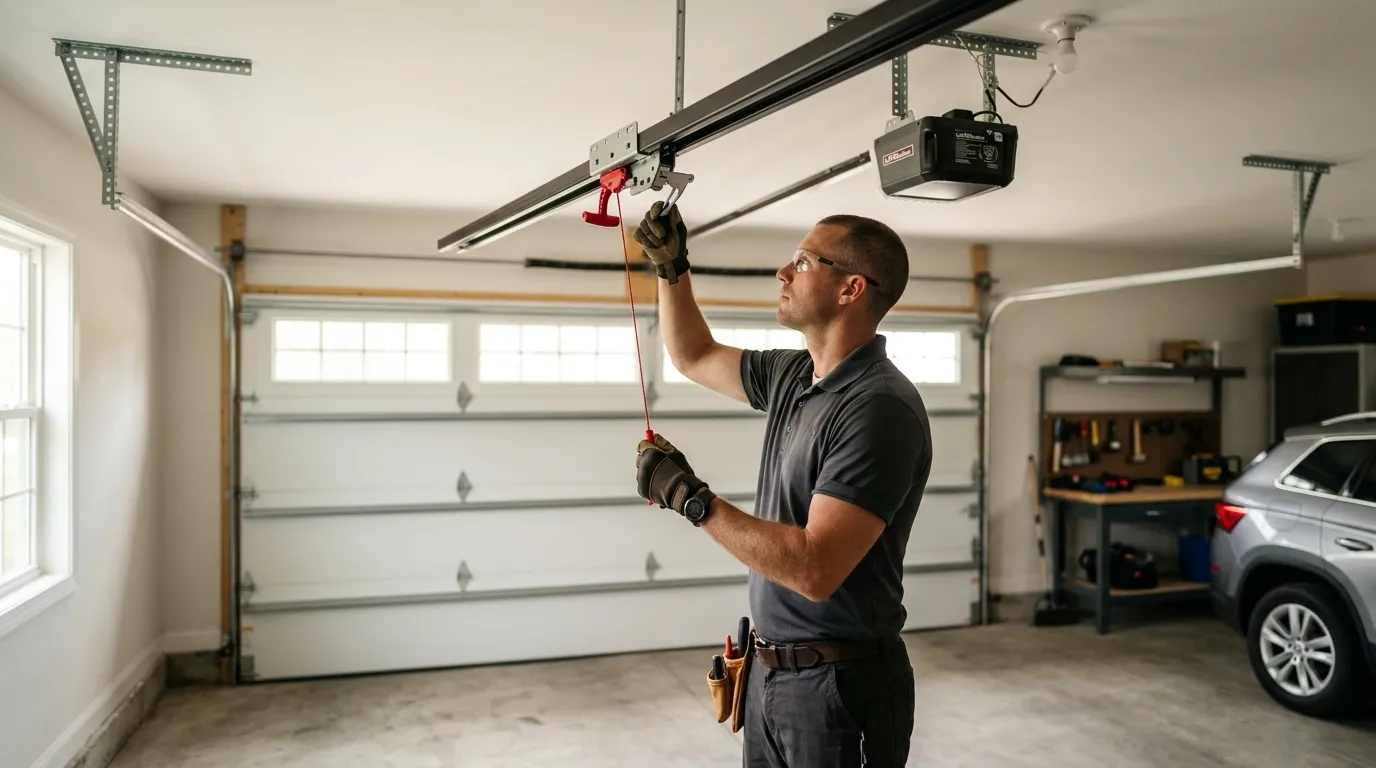
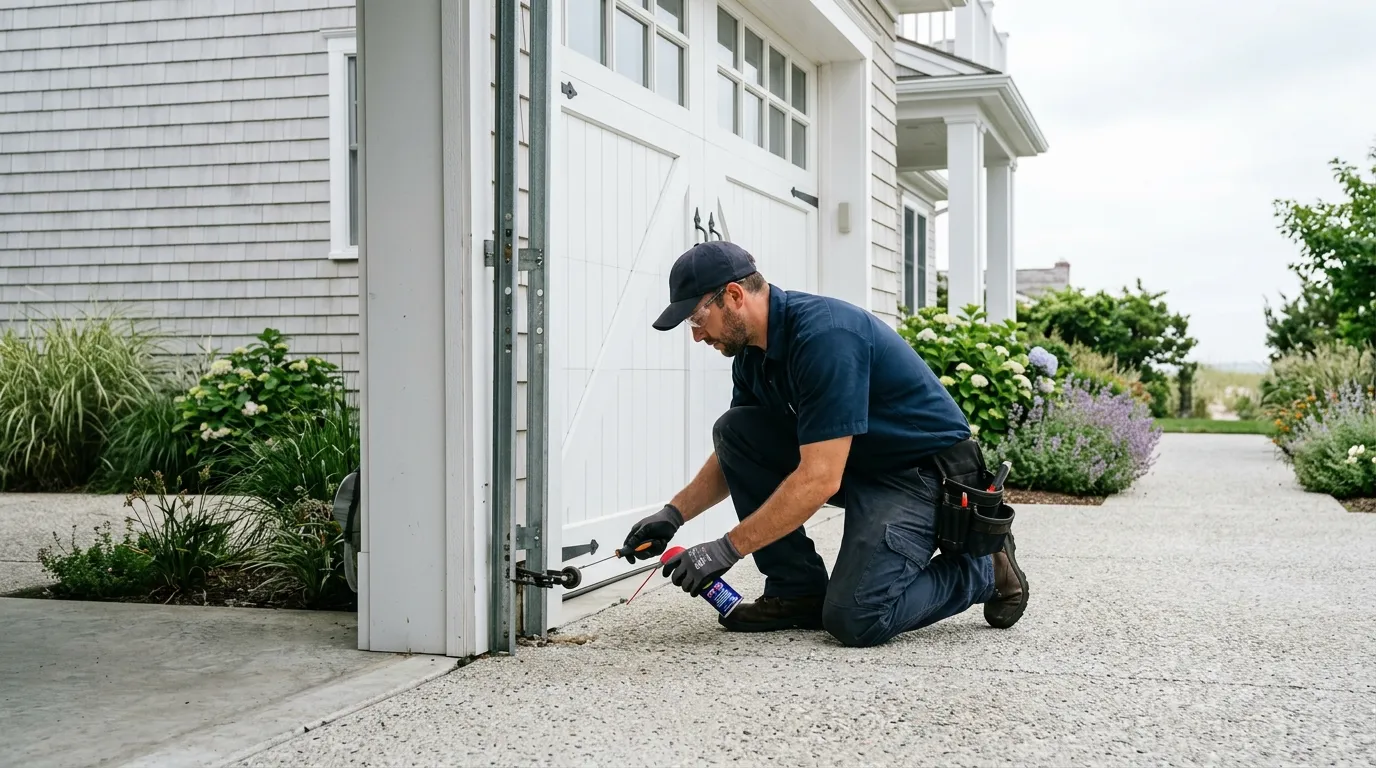
A commercial door under tension is not a weekend project, and that's true everywhere, not just here. Where it matters locally: a lot of the doors we see on Topanga's older commercial buildings are heavier gauge than a residential door of the same width, which means the torsion spring holds more stored force for the same size garage opening. Adjusting or replacing that spring without the right winding bars and a clamped-down door is how people end up in the emergency room, not the shop. Things you can reasonably check yourself: whether the photo-eye sensors are aligned and clean, whether the track has visible dents, whether the door is quieter or louder than usual. Anything involving the spring, the cable, or the opener's force settings on a commercial-weight door is not a DIY call.
The Complications
The honest complication is distance. A 17-mile run from Manhattan Beach means we're not the fastest call for an emergency door stuck open on a commercial property overnight, and we won't tell you otherwise. We also don't warehouse every commercial door part locally - anything outside common torsion springs, cables, and standard track gets ordered once we've seen the door, which can push a repair a day or two out if the part is a less common size. The other wrinkle is age mismatch: a door installed in 1971 may have been re-paneled, re-opened, or partially replaced since, so what looks like a straightforward commercial job over the phone sometimes turns into three different repair generations stacked on one frame once we're actually looking at it.