How Long You Are Without the Door
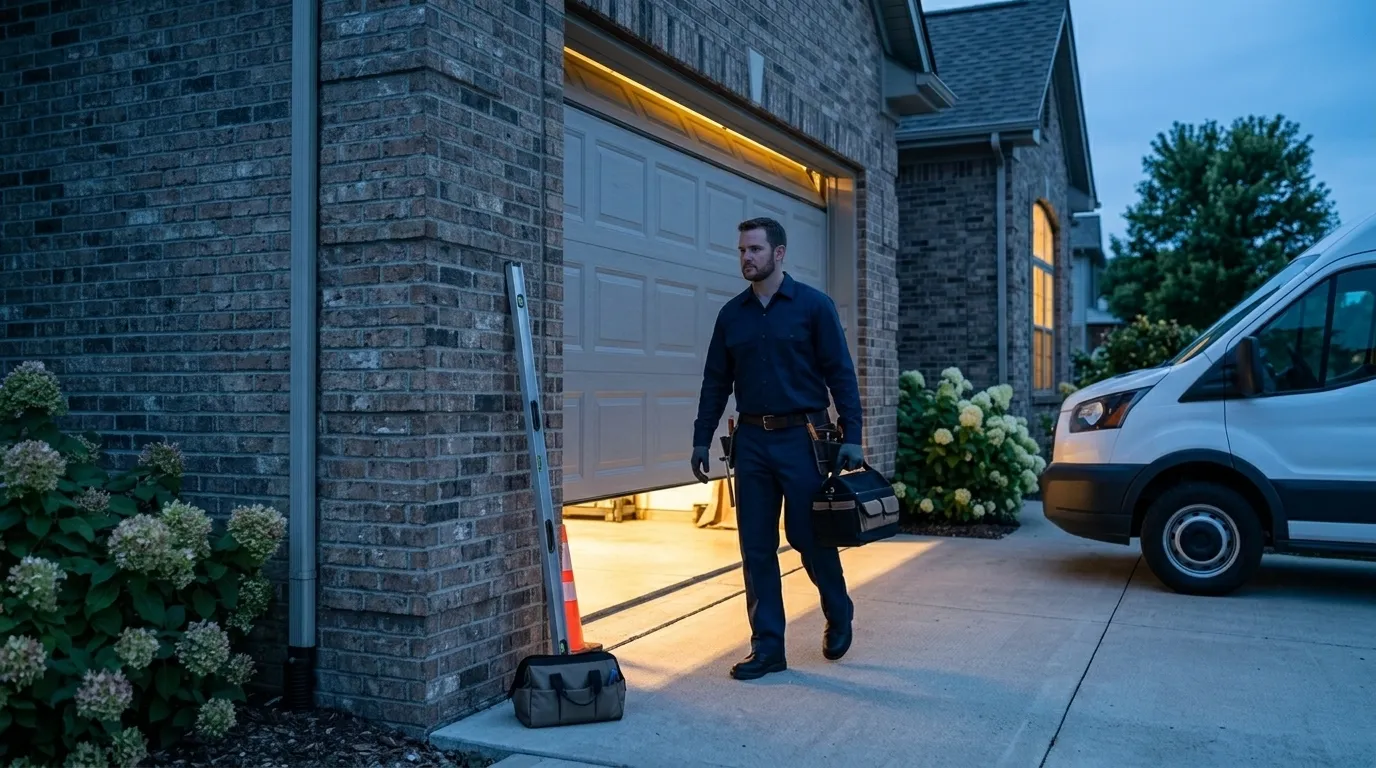
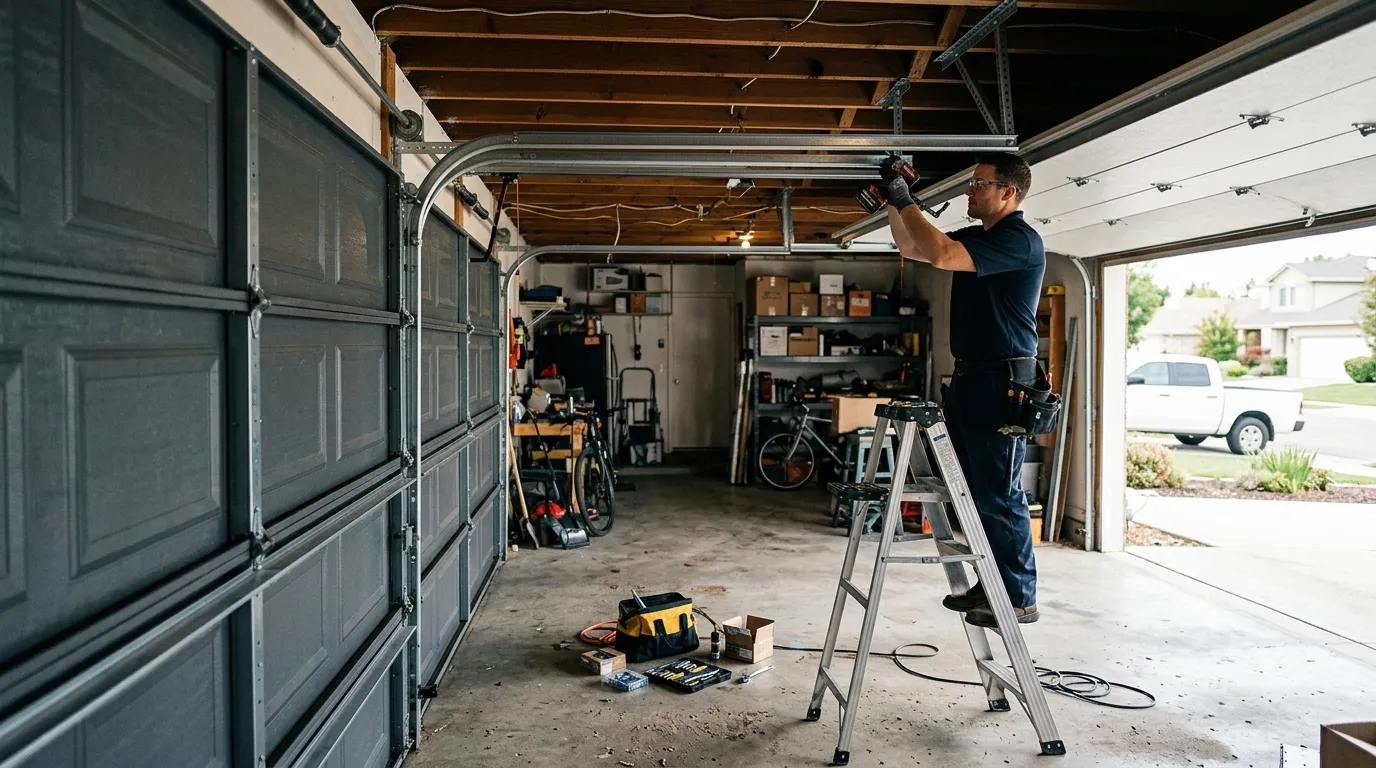
We run this job out of Manhattan Beach, 17 miles from Topanga, which is farther than nearly every other stop on our route - farther than El Segundo. That distance matters for one reason: we load the truck before we leave, not after we see the opener. If we know from your call that it's a chain-drive unit from the early 2000s or a logic board from something older, the part comes with us. What we can't do is promise a same-day fix if the failure turns out to be something we didn't stock for - a bent rail, a stripped gear we don't carry in that exact tooth count, or a wall control that's been discontinued. Most opener calls in this pocket of the service area are diagnosed and closed in one visit. The exceptions are usually openers original to houses built before 1980, where the motor housing and the drive gear are proprietary to a brand that stopped making that model twenty years ago.
Parts We Carry
We stock the belt and chain drive gear kits, safety sensor pairs, wall control stations, and logic boards that fit the openers most common on homes from the 1970s through the 1990s - the range that covers the bulk of what's actually installed in Topanga. What we don't carry on the truck is anything specific to a discontinued brand-proprietary motor housing; those get ordered once we've confirmed the model, and lead time depends on the manufacturer, not on us. If your opener still has the original manual reversing mechanism instead of photo-eye sensors, we'll tell you straight that it needs to come out - that's not a part we install anymore, full stop, regardless of what shape the rest of the unit is in.
The DIY Question
Swapping a wall control or replacing a set of safety sensors is within reach for a homeowner who's comfortable with a ladder and a screwdriver, and we won't talk you out of doing it yourself if that's the extent of the problem. Where it stops being a weekend job is the drive gear and motor assembly - those involve spring tension, a door that can drop unexpectedly, and wiring that has to be sequenced correctly or the opener won't reverse on obstruction, which is a safety failure, not just an inconvenience. Given the average build year here, we'd rather you call before you're halfway into a teardown on a unit that turns out to need a part we'd have brought with us anyway.
The Complications
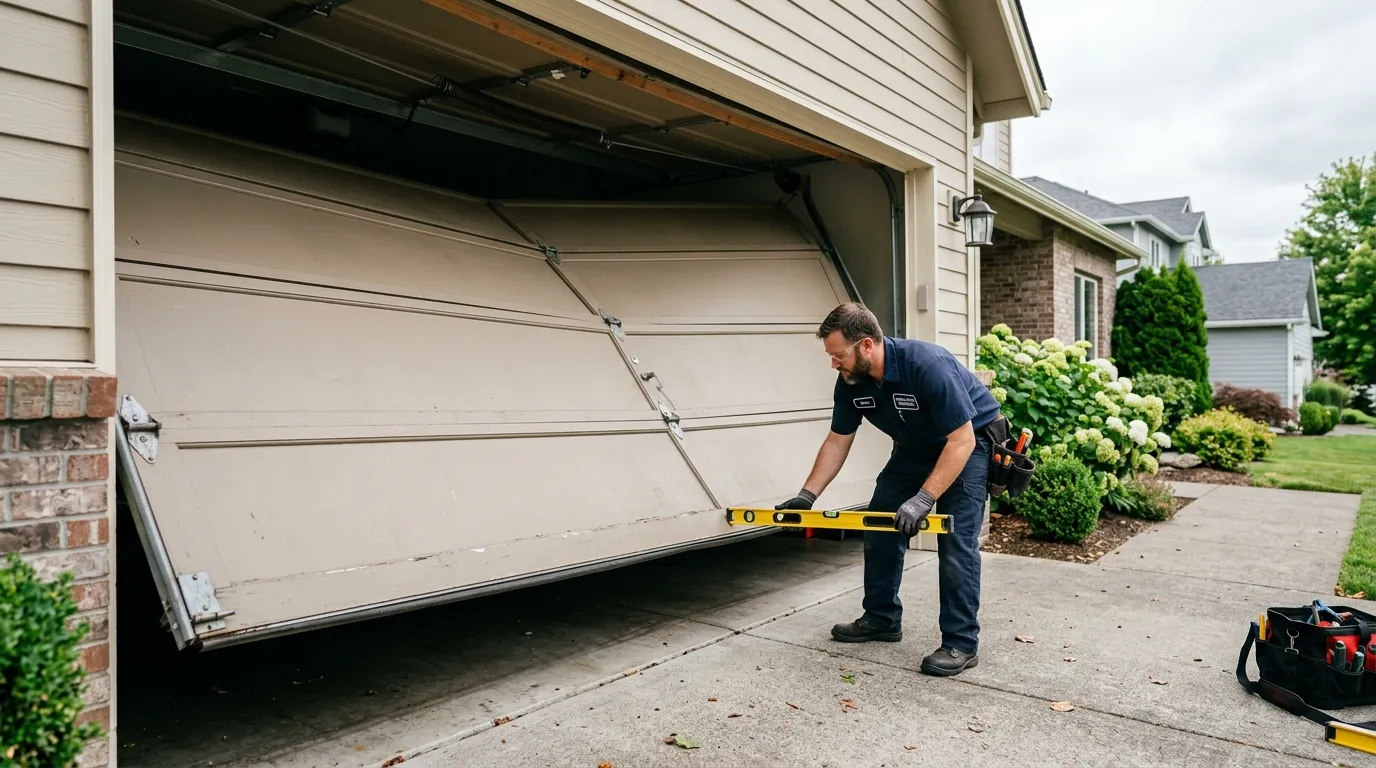
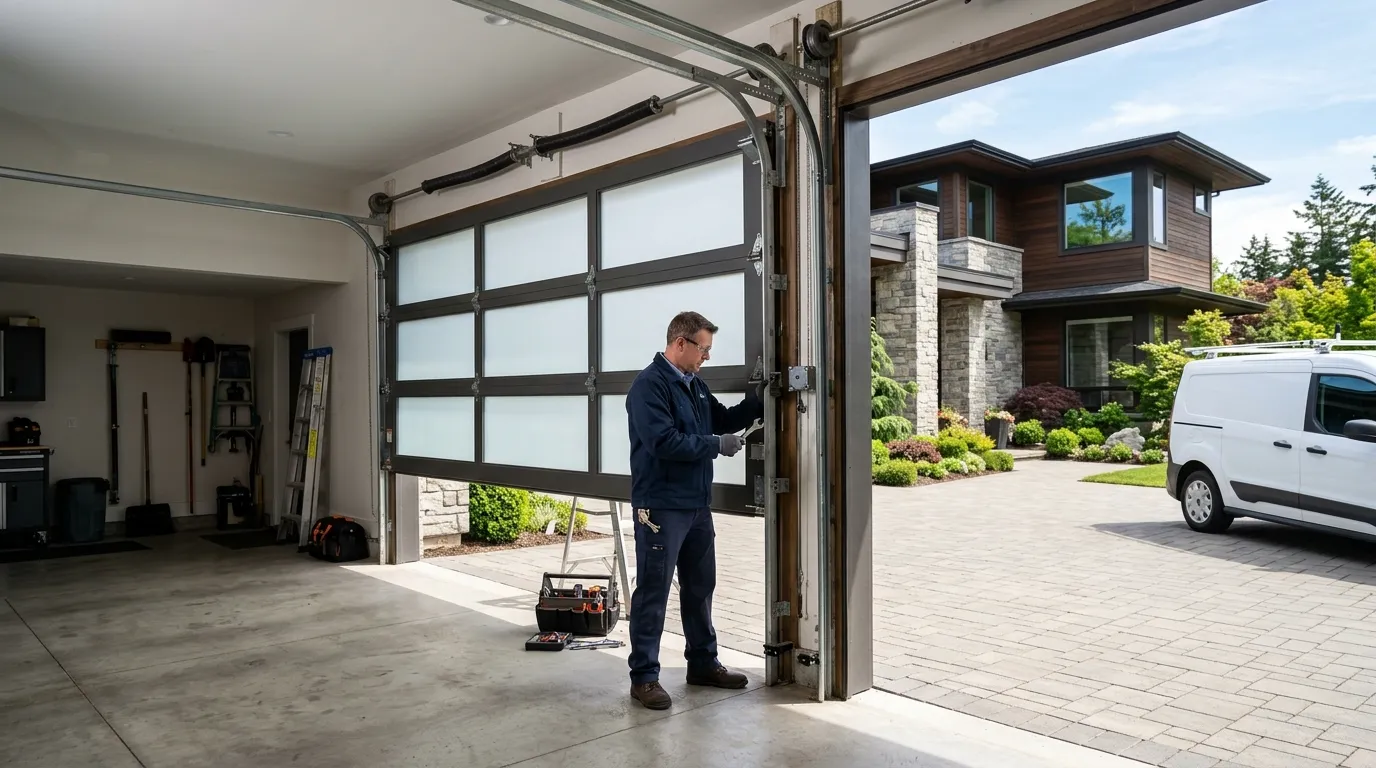
The complication we run into most in this pocket is age stacking on age: a 1971-built garage with an opener from the 1990s and a door panel from a partial remodel in between, none of which were matched to each other. That mismatch shows up as an opener straining against a door that's heavier or lighter than the unit was sized for. We check the door's balance before we touch the opener, because replacing a motor on a door that isn't balanced just moves the failure point somewhere else. The other honest limitation: if the opener issue turns out to be wiring inside a wall that predates current code, that's electrical work outside garage door scope, and we'll say so rather than working around it.