The Complications
El Segundo's median house was built in 1963, and a lot of the openers bolted to those ceiling joists are older than the homeowner living under them. Chain-drive units from that era were built to run, not to talk to a phone, so when they fail the failure is usually mechanical: a stripped drive gear, a burnt-out capacitor, a worn sprocket that's been grinding for a decade. We also see logic boards that were swapped once in the 1990s or 2000s and never touched again, wired into travel limit switches nobody's adjusted since. The complication isn't finding the fault. It's that the part standing between you and a working door might be a chain-glide assembly or a control board format that stopped shipping years ago, and the fix has to work around what's actually there instead of what a modern kit assumes is there.
Getting It Booked In
We run this from Manhattan Beach, about a mile up the coast, so a call to El Segundo isn't a special trip - it's a short one. Tell us the model if you can read it off the motor housing, or just describe what it's doing: grinding, stopping halfway, lights blinking but the door not moving. That's usually enough for us to bring the right parts on the truck instead of diagnosing on site and coming back a second time.
Parts We Carry
Because so much of El Segundo's opener stock traces back to the 1960s-70s building wave, we carry replacement drive gears, capacitors, and logic boards sized for chain and screw-drive units from that generation, not just current belt-drive models. We also stock modern safety sensors that retrofit onto older mounting brackets, since photo-eye systems are the one place we won't leave an outdated setup running - that's a safety call, not a sales one. What we don't stock is every proprietary remote or keypad ever made; if your unit takes an obsolete fob, we'll tell you straight whether we can source it or whether it's time to swap the head unit.
What the Fix Involves
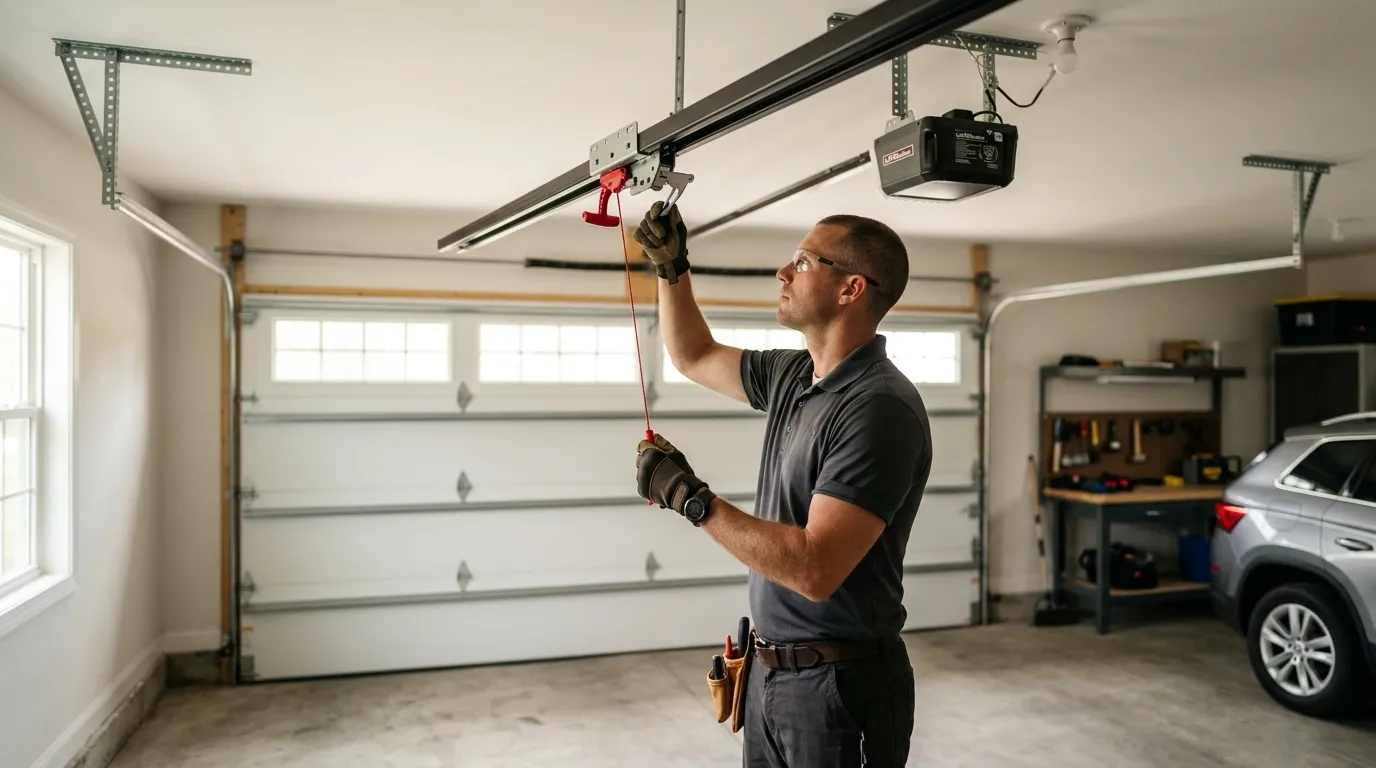
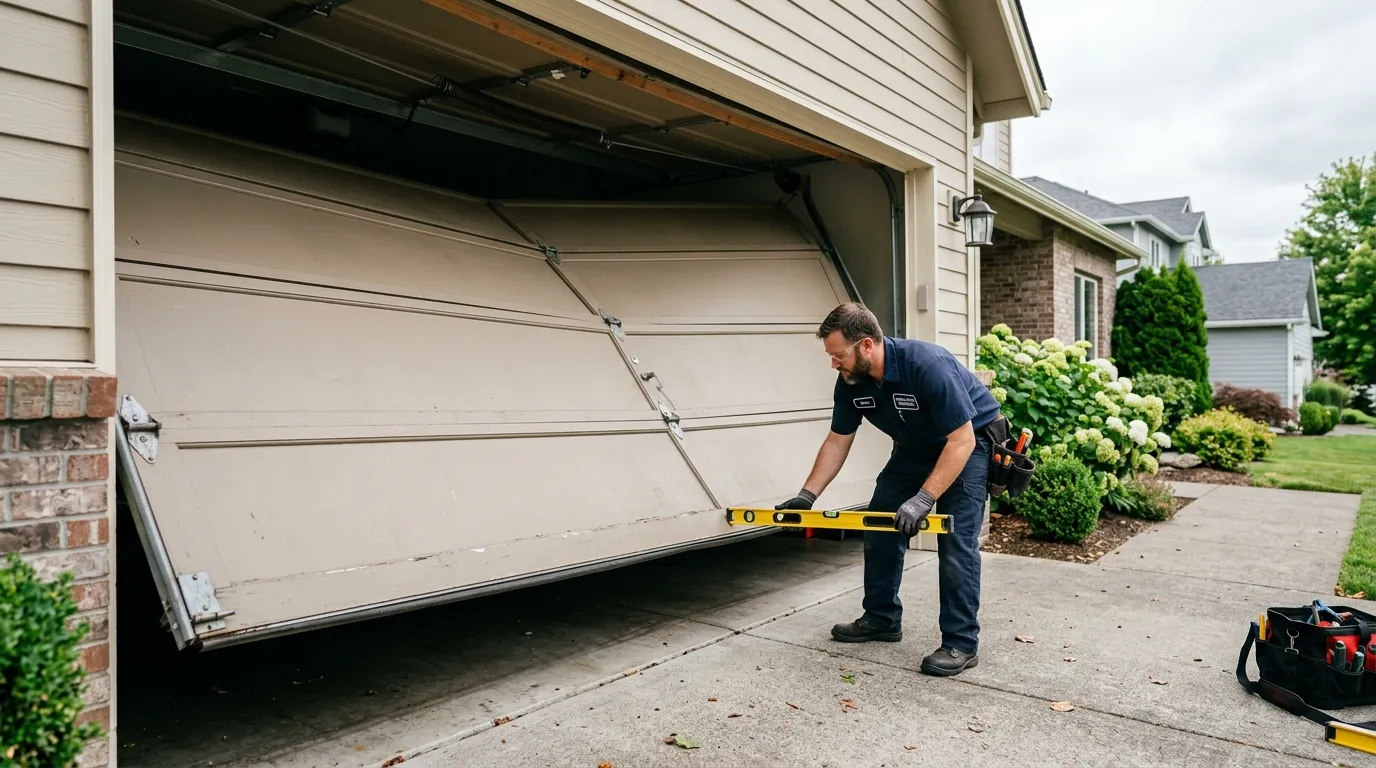
Most calls start with cycling the door manually to isolate whether the fault is the opener or the door hardware feeding it - a bound track or a failing spring can mimic a dead opener perfectly. From there it's a check of the motor, the drive mechanism, the logic board, and the safety sensors, in that order. On a house with original 1963-era wiring, we also check the wall control and the circuit it's drawing from, since old household electrical setups weren't sized for anything beyond a single garage light and a motor half this size. A straightforward gear or capacitor swap is usually done same visit; a board that's out of production takes longer while we source it.