The Complications
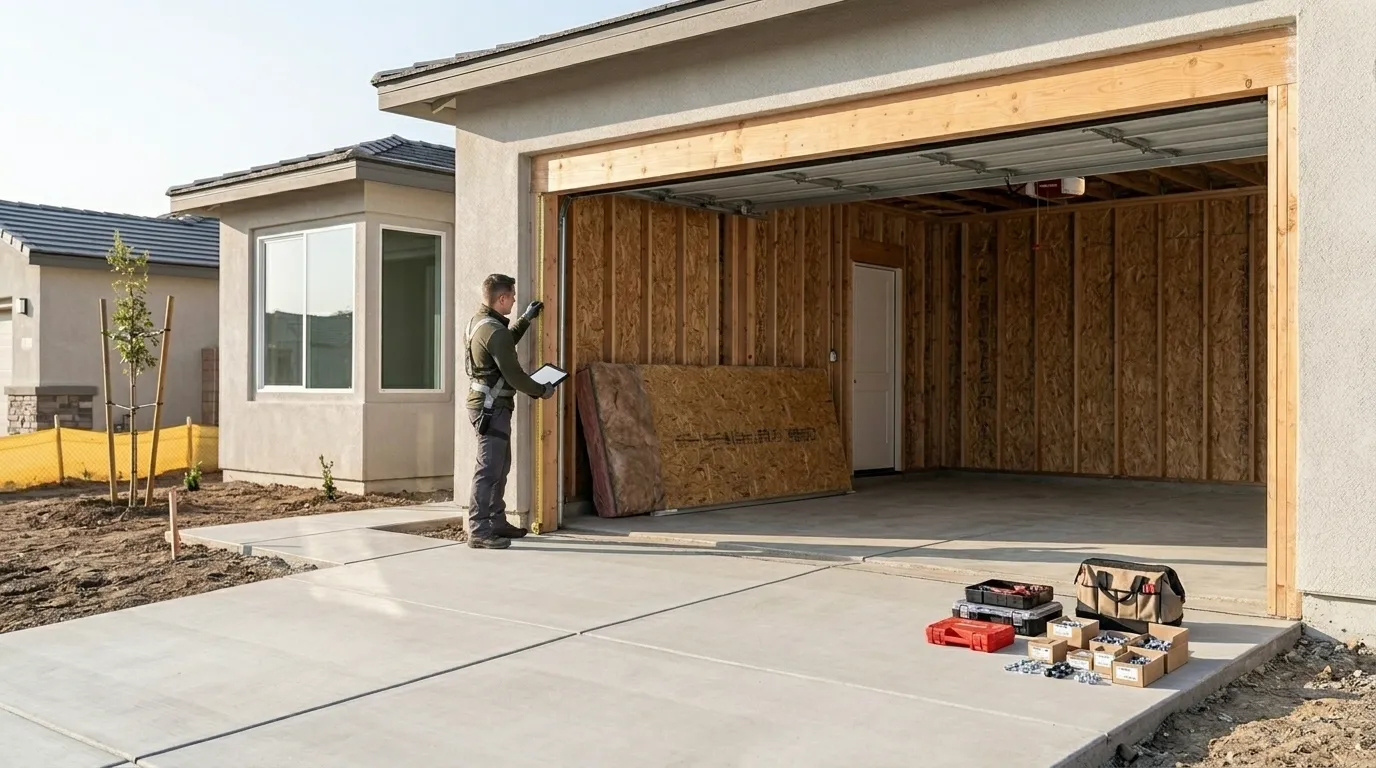
El Segundo runs about 7,125 households, a fraction of the 140,166 across our whole service area. That's a small town, and it means a narrower band of house styles to plan an install around rather than the wide mix you'd find in a bigger city. Most of what we run into here traces back to the same construction wave: openings framed for doors that don't exist on a shelf anymore, tracks mounted to studs that were never meant to carry a modern insulated panel's weight, and headers that are tighter than what current double-car doors want. When a homeowner calls about a new install, it's rarely a blank slate. It's usually a swap into an opening someone built with 1960s hardware in mind, and that changes what fits before we ever talk about style or color. Getting the rough opening right the first time matters more here than it would on a custom-built newer house, because there's less room to improvise trim or jamb extensions without it looking patched.
Getting It Booked In
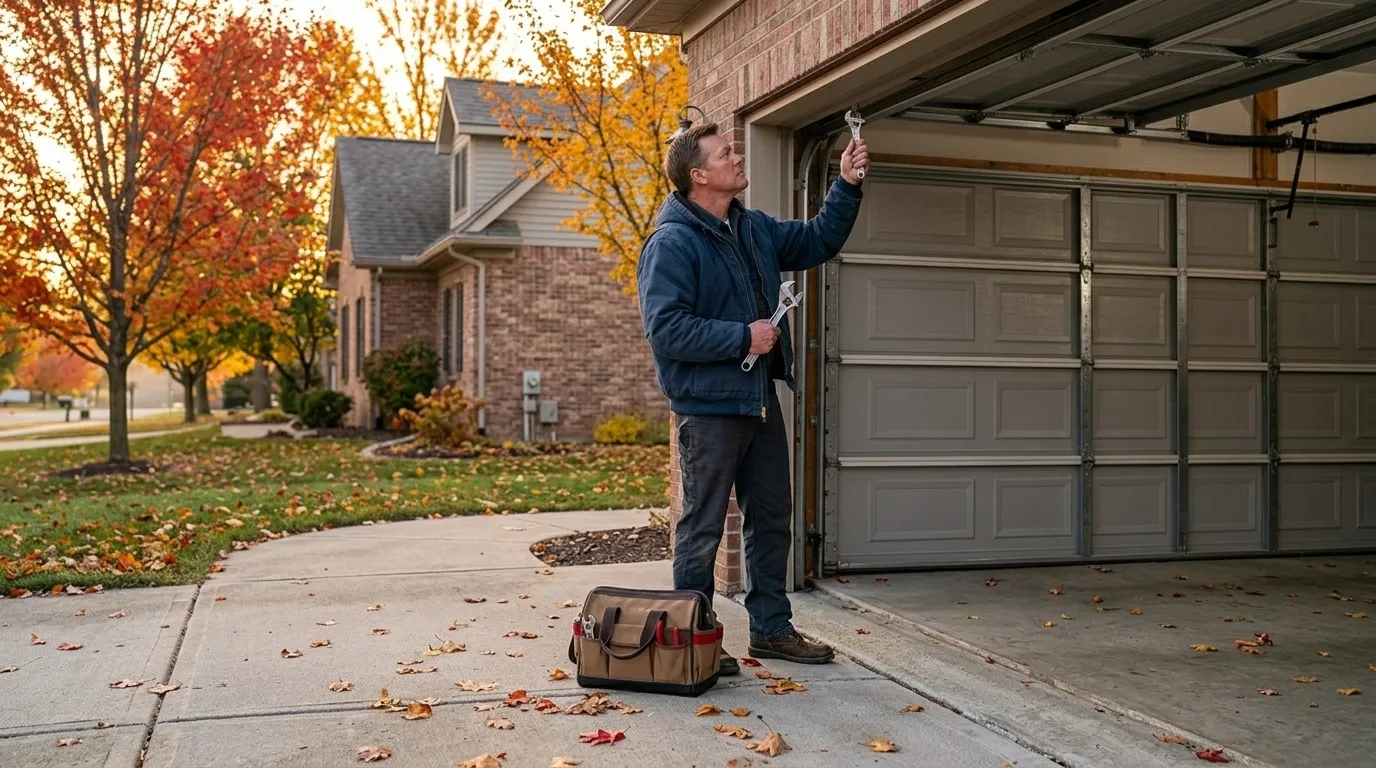
We run out of Manhattan Beach, about a mile from El Segundo, so there's no separate branch here and no local response-time promise to make beyond that short drive. Booking an install starts with a look at your current opening, the header height, and what's feeding the opener wiring, since a lot of that hasn't been touched since the original build. We measure before we quote. A door that looks like a standard 16-by-7 from the driveway sometimes isn't, especially on the older stock common here, and guessing at size is how you end up with a door that doesn't seat right in the track.
Parts We Carry
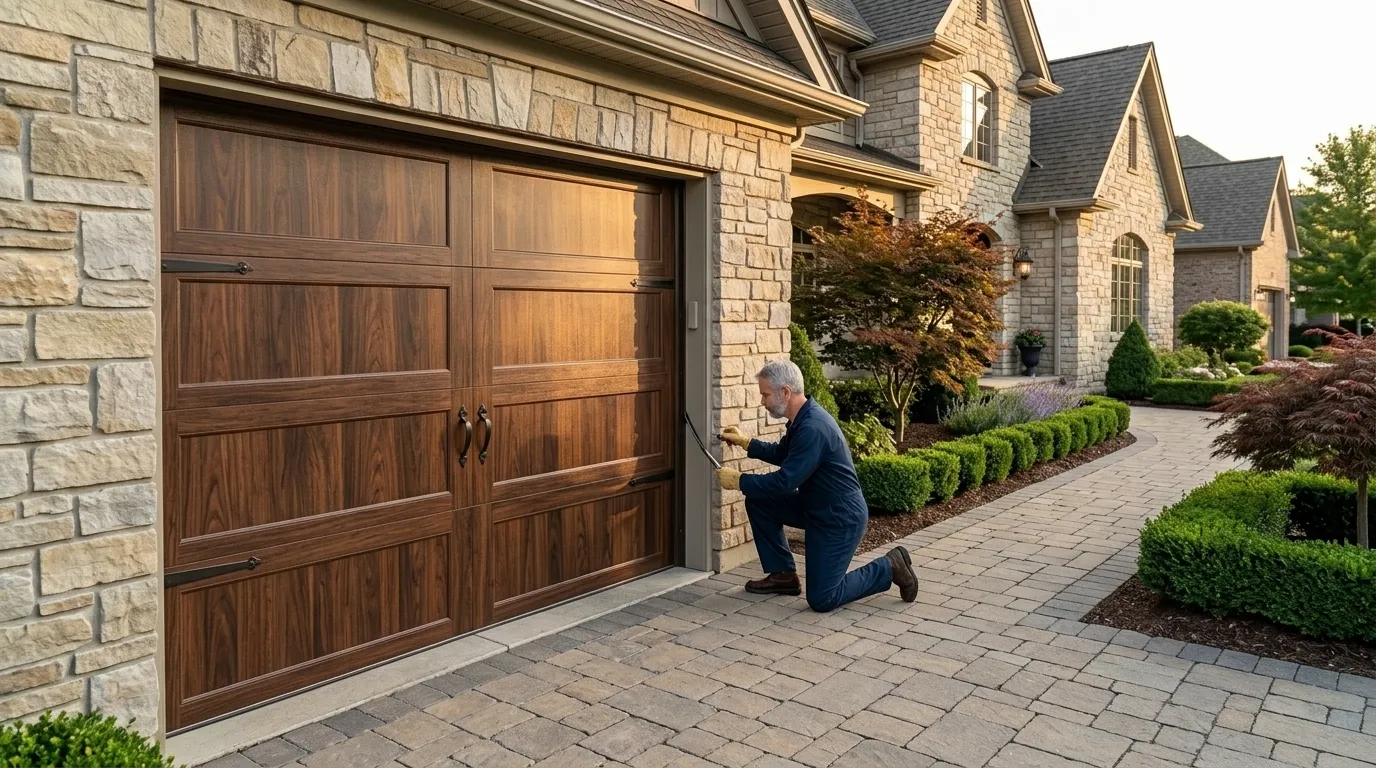
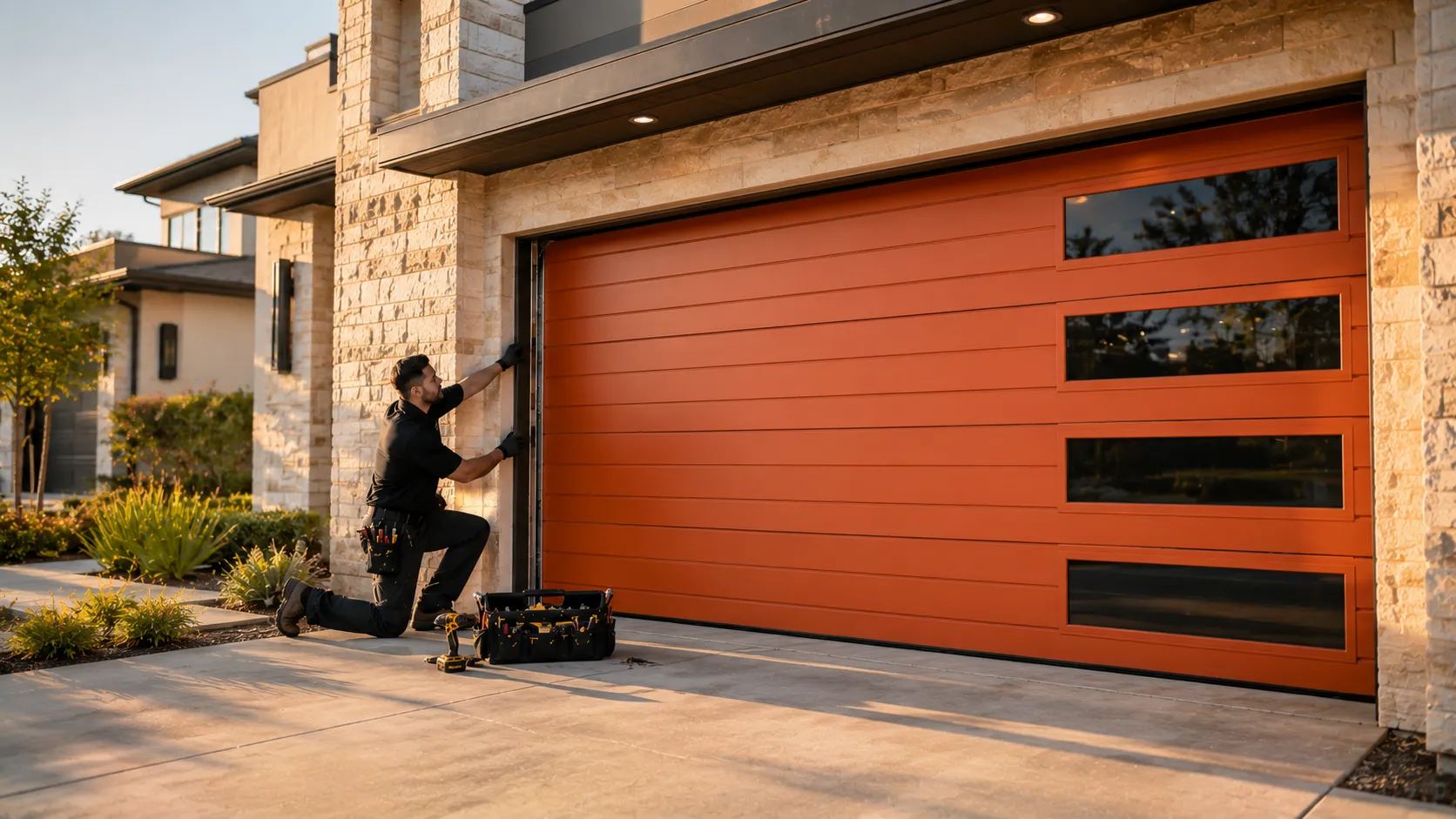
For installs in a town built mostly in the early 1960s, we carry torsion spring sets sized for older 7-foot and non-standard height openings, not just the current common sizes. Track sections, drums, and cables come in lengths that match both older mounting patterns and newer double-track setups, since we're often bridging the two on a single job. Panel options run from steel to insulated steel, with a range of finishes that don't require repainting to match trim. What we don't stock is anything discontinued by the manufacturer decades ago - if your current door is an original from the 1960s build wave and a panel breaks, replacement usually makes more sense than trying to source a matching part that hasn't been made in years.
What the Fix Involves
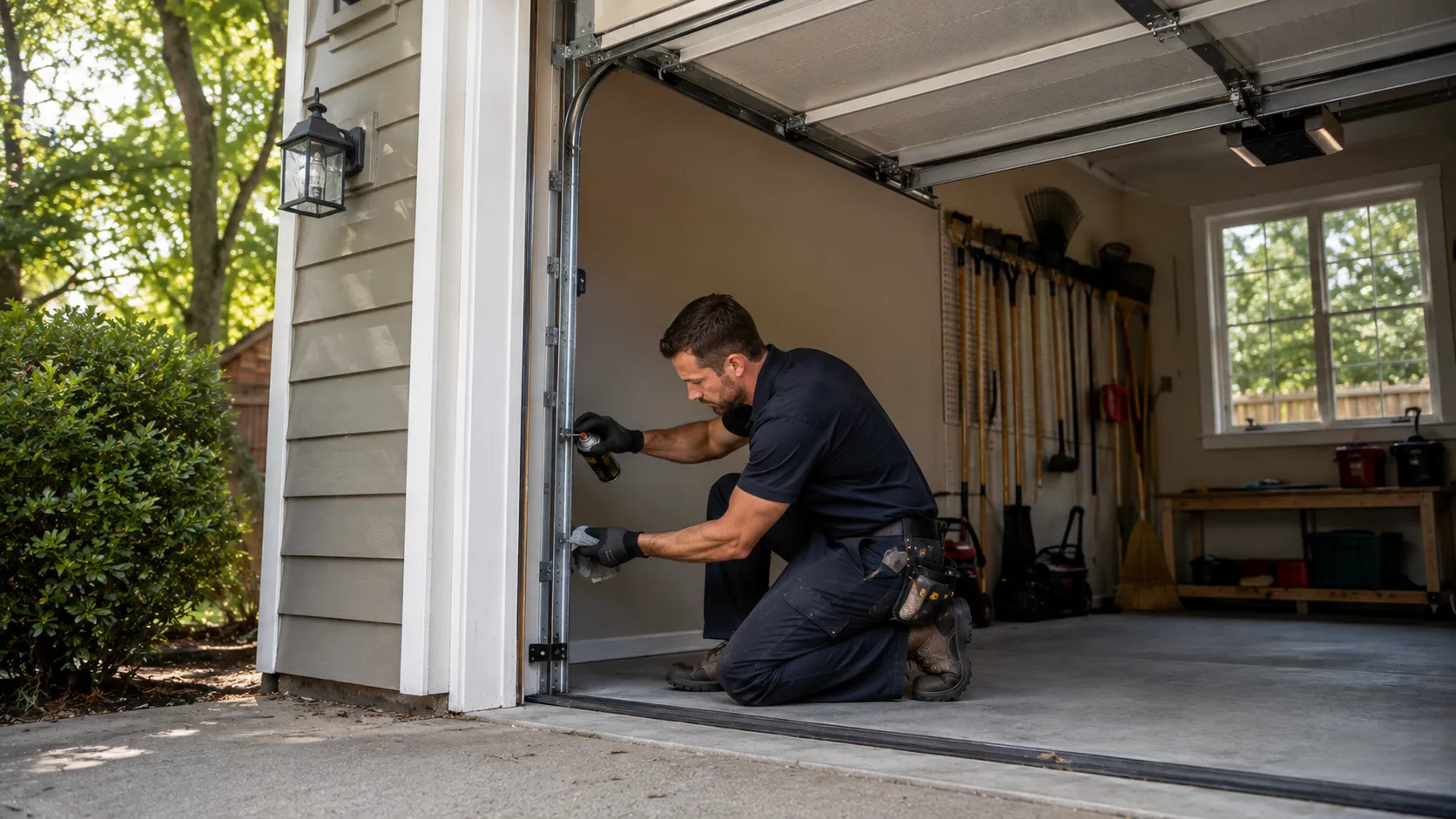
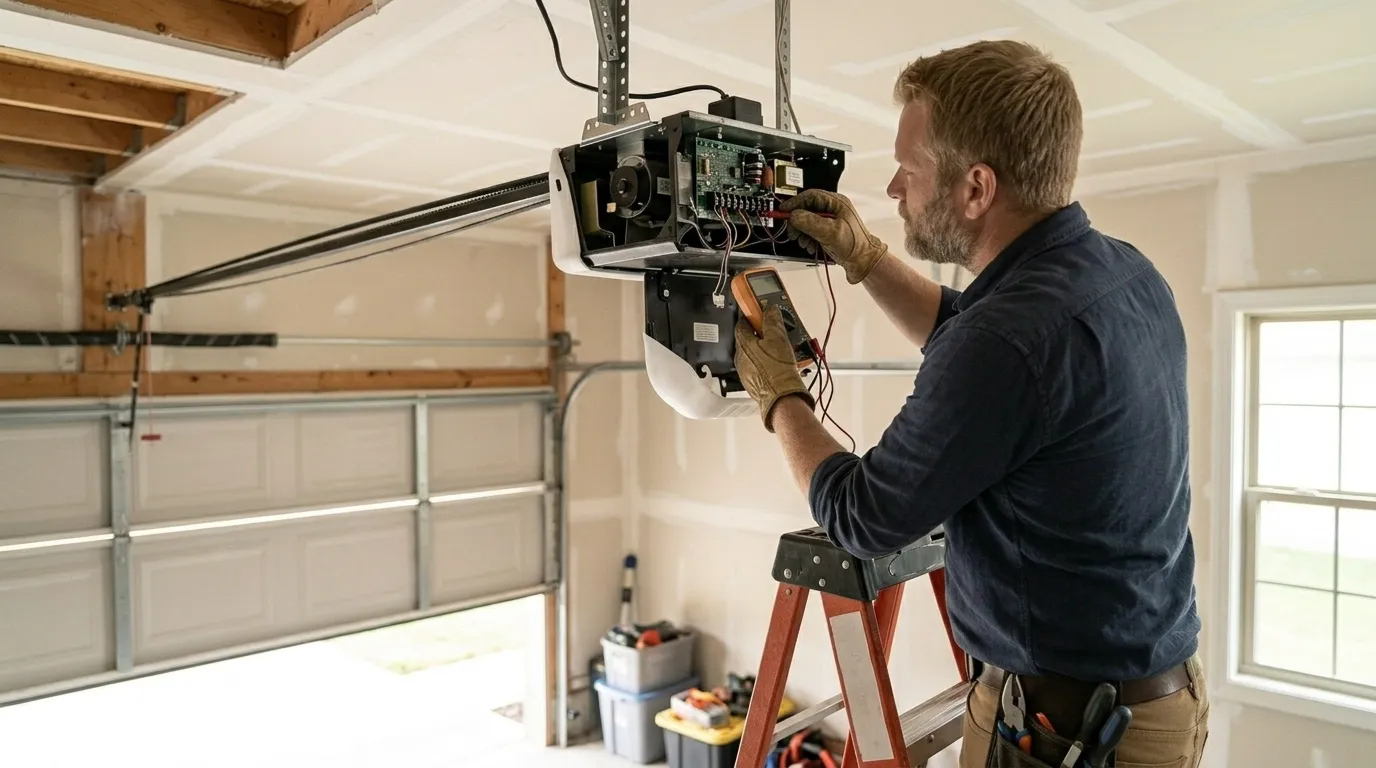
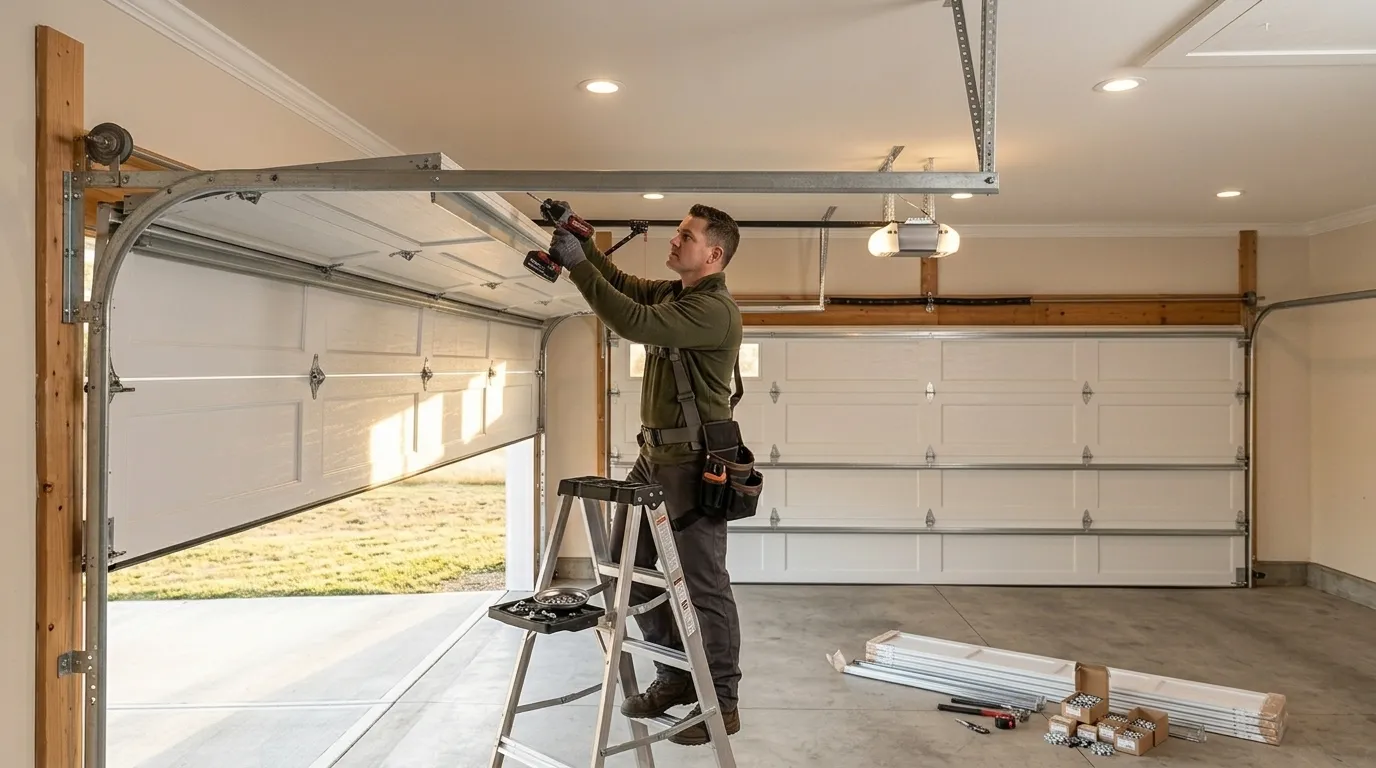
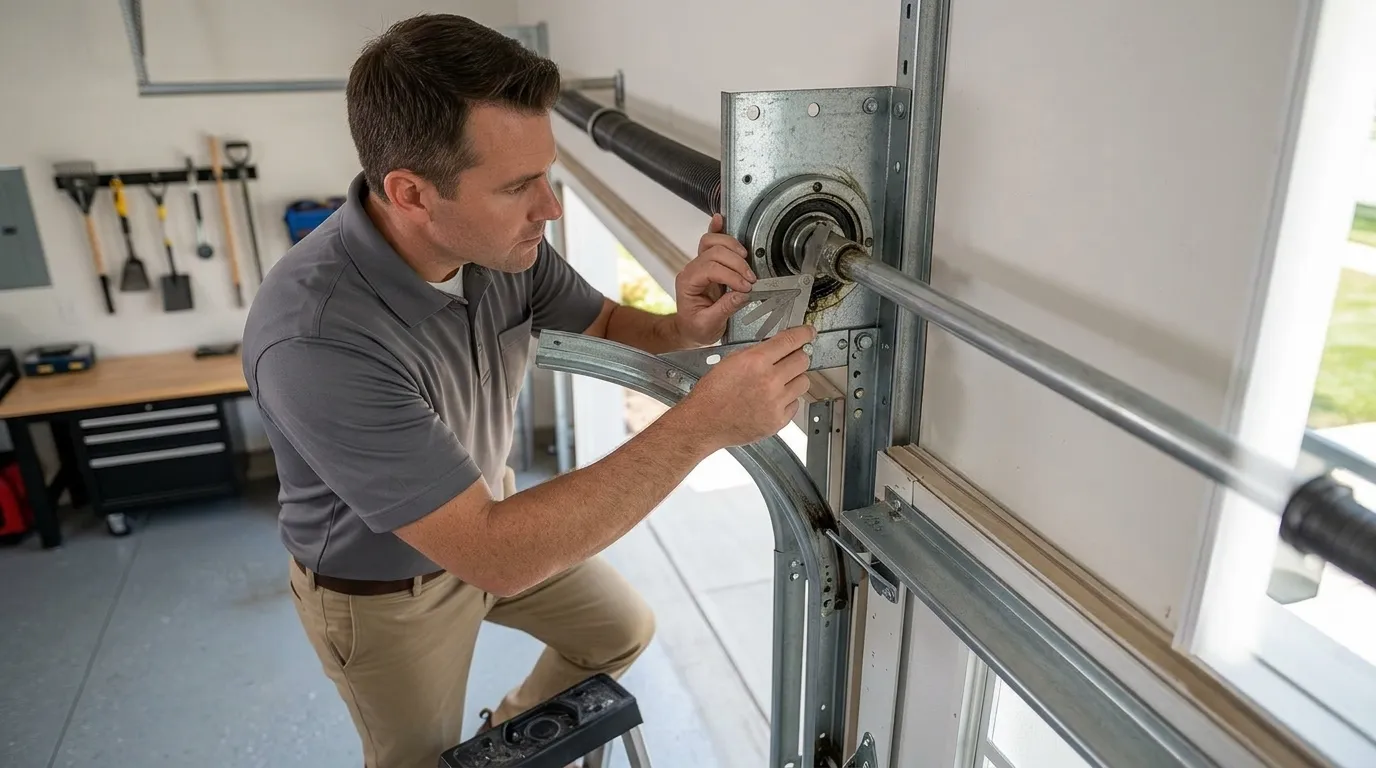
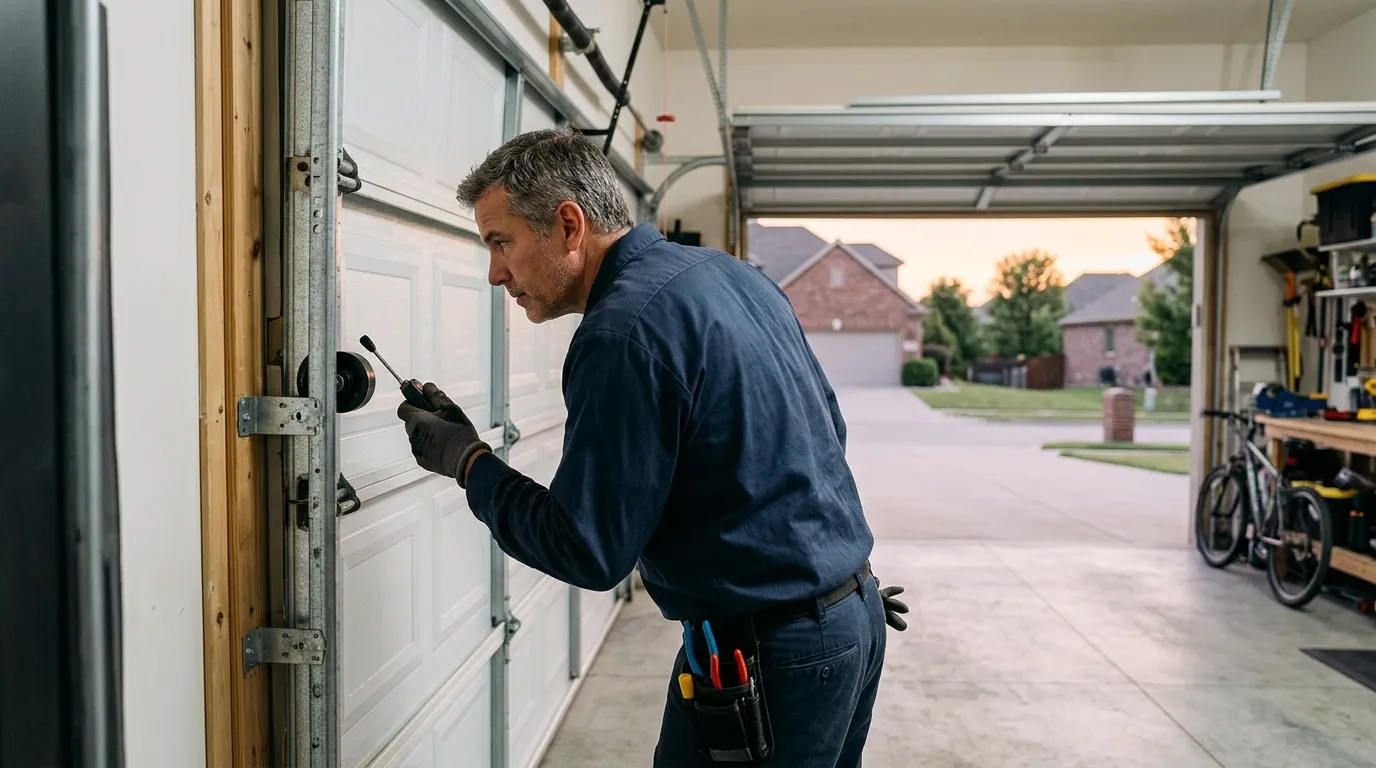
An install starts with pulling the old door and hardware down to the studs, checking the header for rot or gaps common in openings this age, and confirming the jamb is square before anything new goes in. Track gets remounted to solid framing, not just re-anchored to the old holes, since those often don't line up with a new door's hardware spacing. Spring sizing is calculated to the door's actual weight, not assumed from the old spring that was on it - an undersized spring on a heavier insulated panel is a fast way to burn out an opener. Once the door's hung and balanced, we test the opener's force settings and auto-reverse, then walk the cycle a few times before calling it done.