The Complications
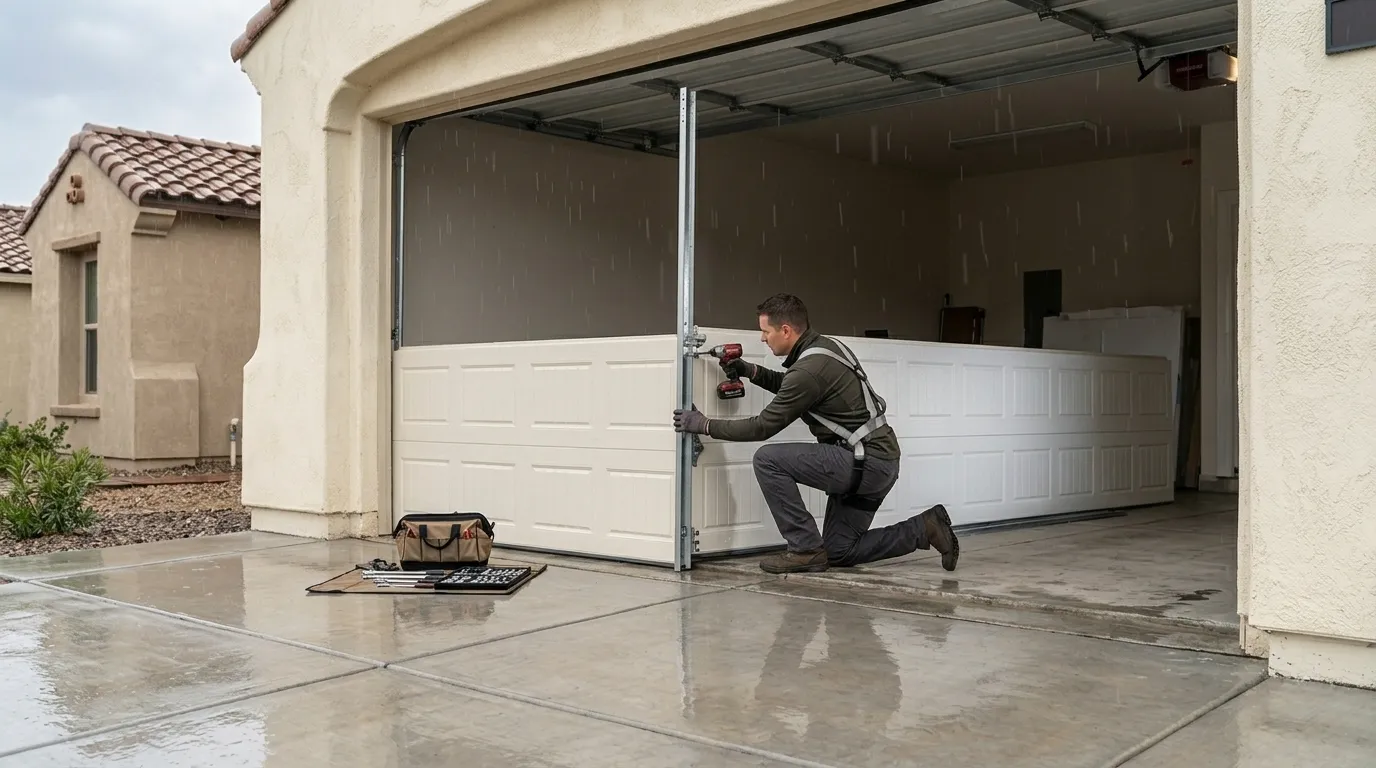
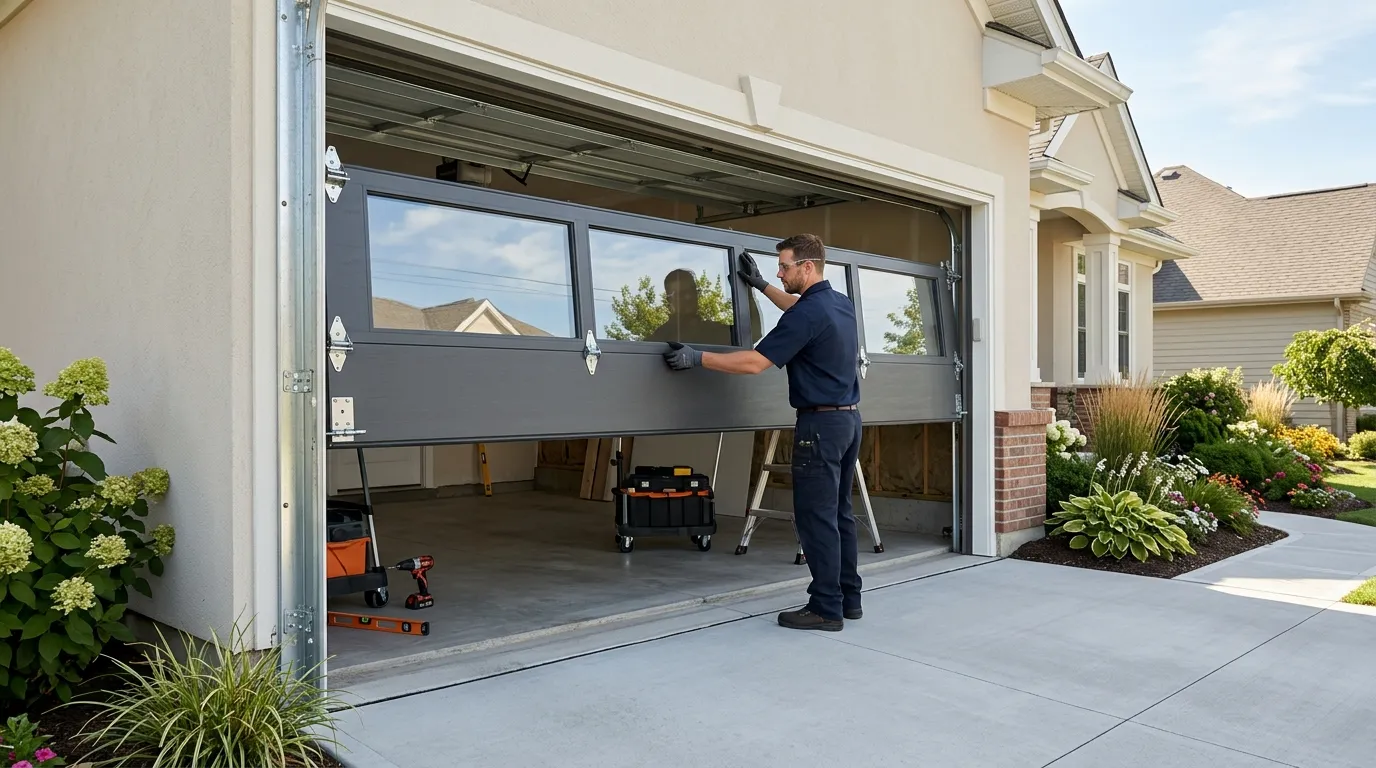
El Segundo is a mile from where we're based in Manhattan Beach, which changes how a service call here actually plays out. A one-mile run means we're not burning half a job's worth of time in the truck before we've touched a spring or a track. It also means when we tell you we can look at the door same-day, that's not a guess padded for traffic on the 405 - it's a short hop down the street grid.
What we run into once we're there is a different story. The housing stock across this part of the service area runs from 1947 to 2012 with a median build year of 1963, and El Segundo's own median lines up right at that 1963 mark. That means original garage doors and openers on a lot of these houses are pushing sixty years old, sometimes with hardware nobody's touched since it was installed. Torsion springs rated for a door that heavy don't last that long, and the openers from that era, when they survive at all, aren't chain-drive units you can just bolt a new circuit board onto.
We don't stock parts for every obsolete opener brand that shipped in the 1960s. If yours is one of them, replacement is usually the honest answer, not a repair that costs half of what a new unit runs.
Getting It Booked In
Because El Segundo is only about a mile from our Manhattan Beach location, getting a tech out isn't a logistics problem - it's a matter of finding a slot. Call, tell us what the door's doing (or not doing), and we'll get a sense of whether it sounds like a spring, an opener, or something in the track before anyone drives out.
Have the rough age of the house handy if you know it. If it's part of that 1963-era wave, we already have a decent guess at what kind of spring and drum setup we're walking into, which saves time once we're on-site.
Parts We Carry
For doors from the 1960s and 70s stock that makes up most of this area, we carry standard torsion and extension springs sized for the common door weights from that era, plus replacement drums, cables, and steel rollers that fit the older track widths. Openers are a mixed bag - if yours is a newer chain or belt-drive unit, parts and boards are usually on the truck or a short order away.
Where we run into limits is the genuinely original hardware: some 1960s-era openers used proprietary parts that stopped being manufactured decades ago. If a call turns up one of those, we'll tell you straight rather than quote a repair we can't actually deliver, and we'll walk you through what a replacement unit would run instead.
What the Fix Involves
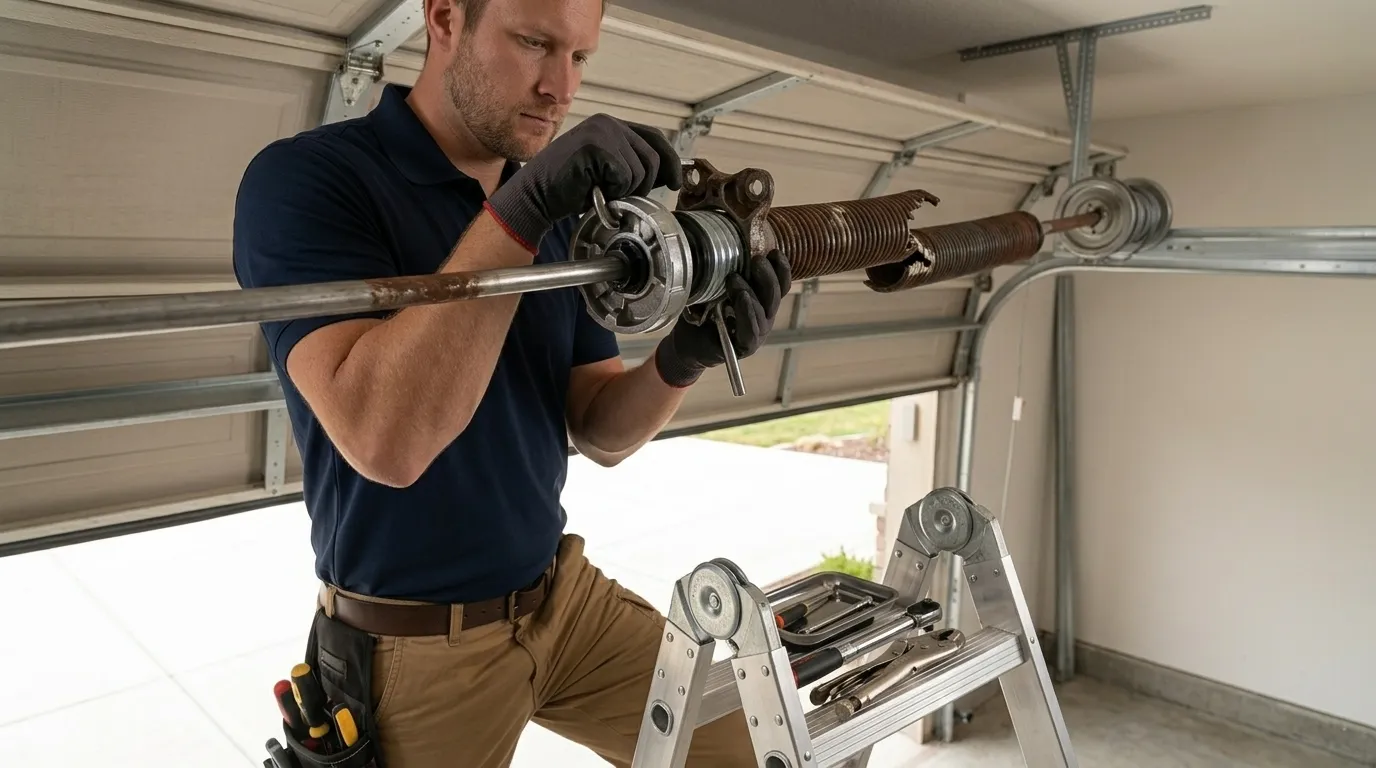
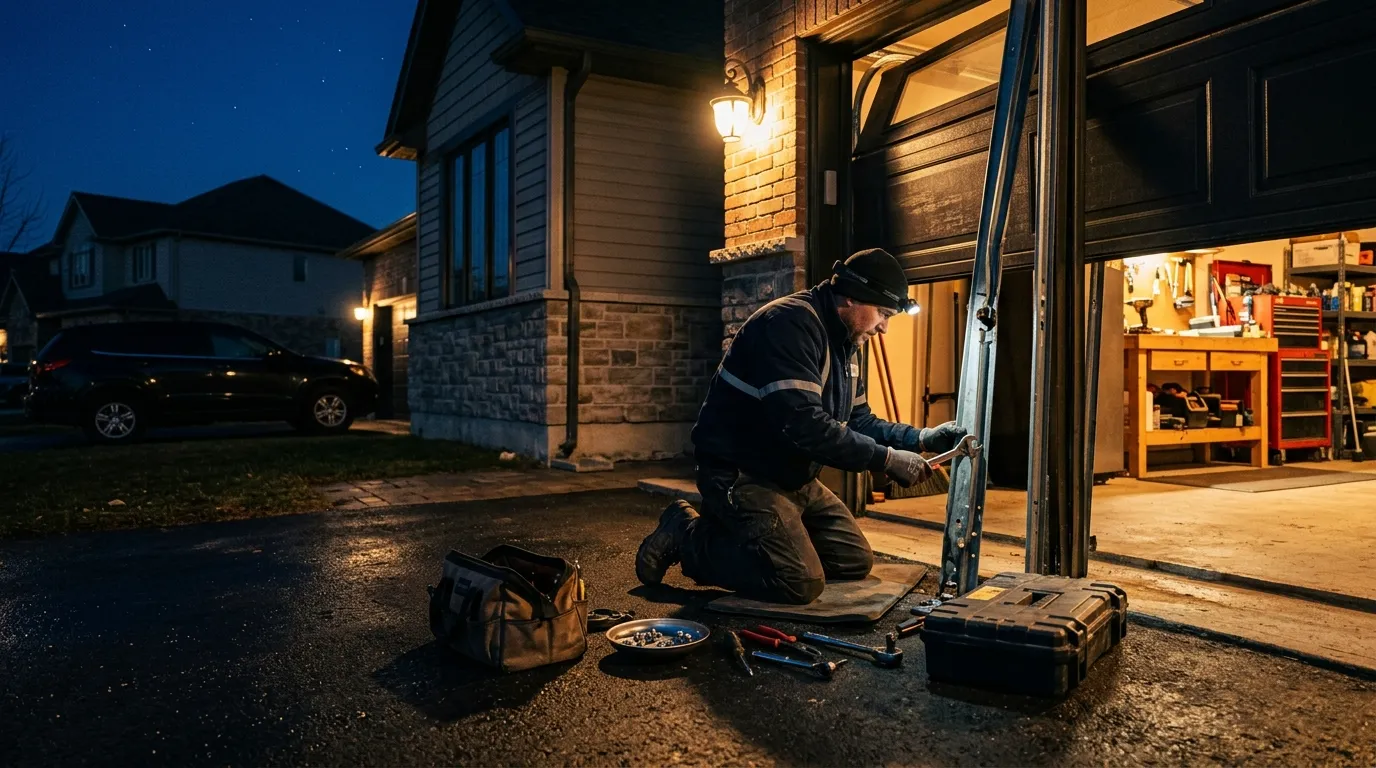
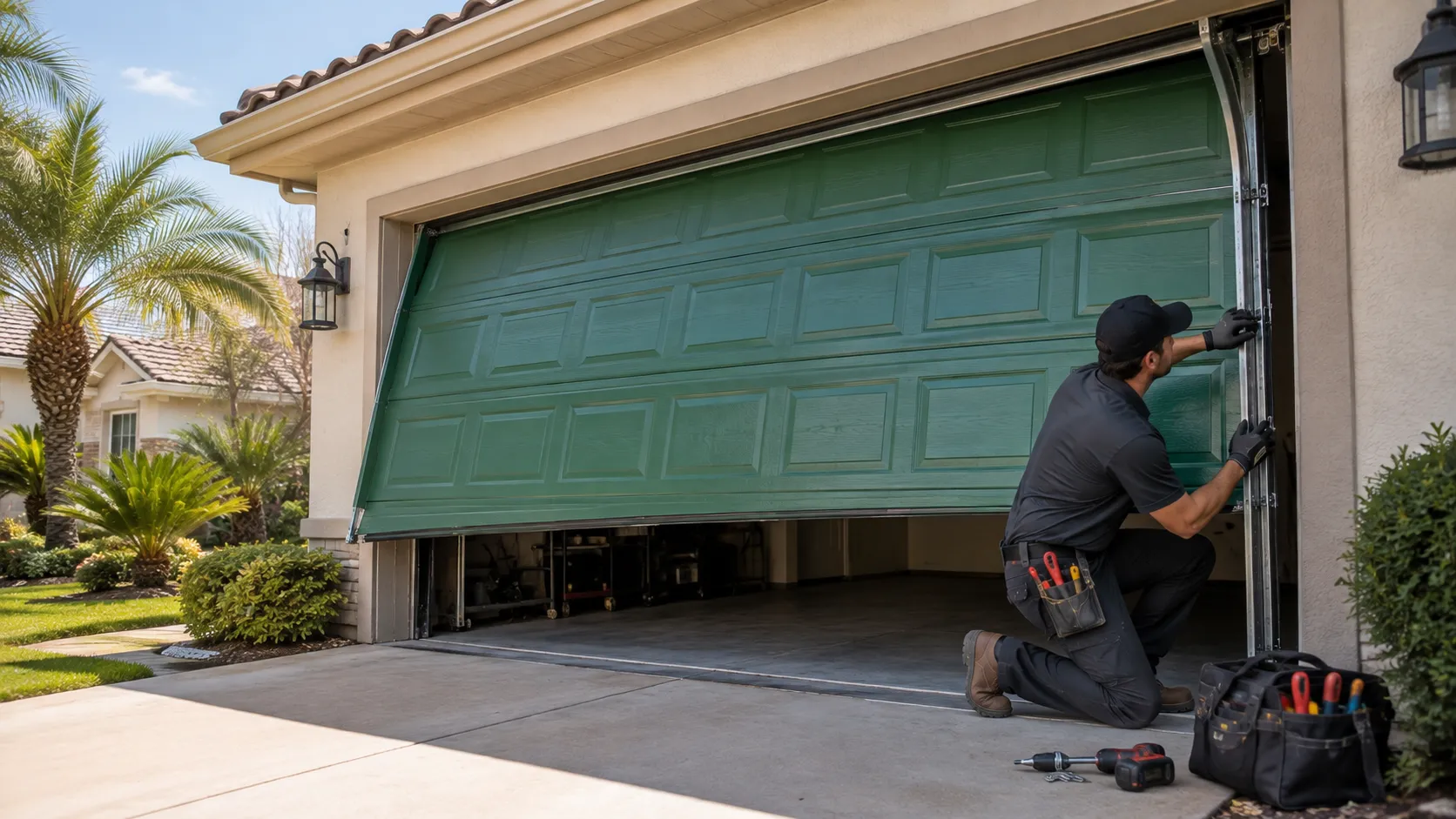
On a typical 1960s-era door here, a spring replacement means matching the wind and wire size to the door's actual weight, not just grabbing whatever's closest on the shelf - get that wrong and the door either won't stay up or slams down too hard. We check the drums and cables at the same time, since a cable that's frayed from the same sixty years of cycling as the spring will fail soon after if it's ignored.
If the opener's the original unit, we'll be honest about whether it's worth chasing parts for or whether a new opener is the better spend, given what parts availability actually looks like for hardware that old.