The Complications
The complaint we hear most out of El Segundo isn't a dead opener - it's a door that's gotten heavy and loud over the years, still working but grinding through every cycle. That's what happens when a torsion spring loses tension slowly instead of snapping outright, and it's common here because so much of the door hardware in this town is original to the house.
Median build year in El Segundo lands around 1963, which means a lot of these doors are running the same springs, drums, and steel rollers that went in with the house. Nobody's replaced them because nothing's broken - yet. A spring rated for a certain number of cycles doesn't care that the house is well kept; it counts openings, and a door pushing sixty years of daily use is due, whether or not it's failed yet.
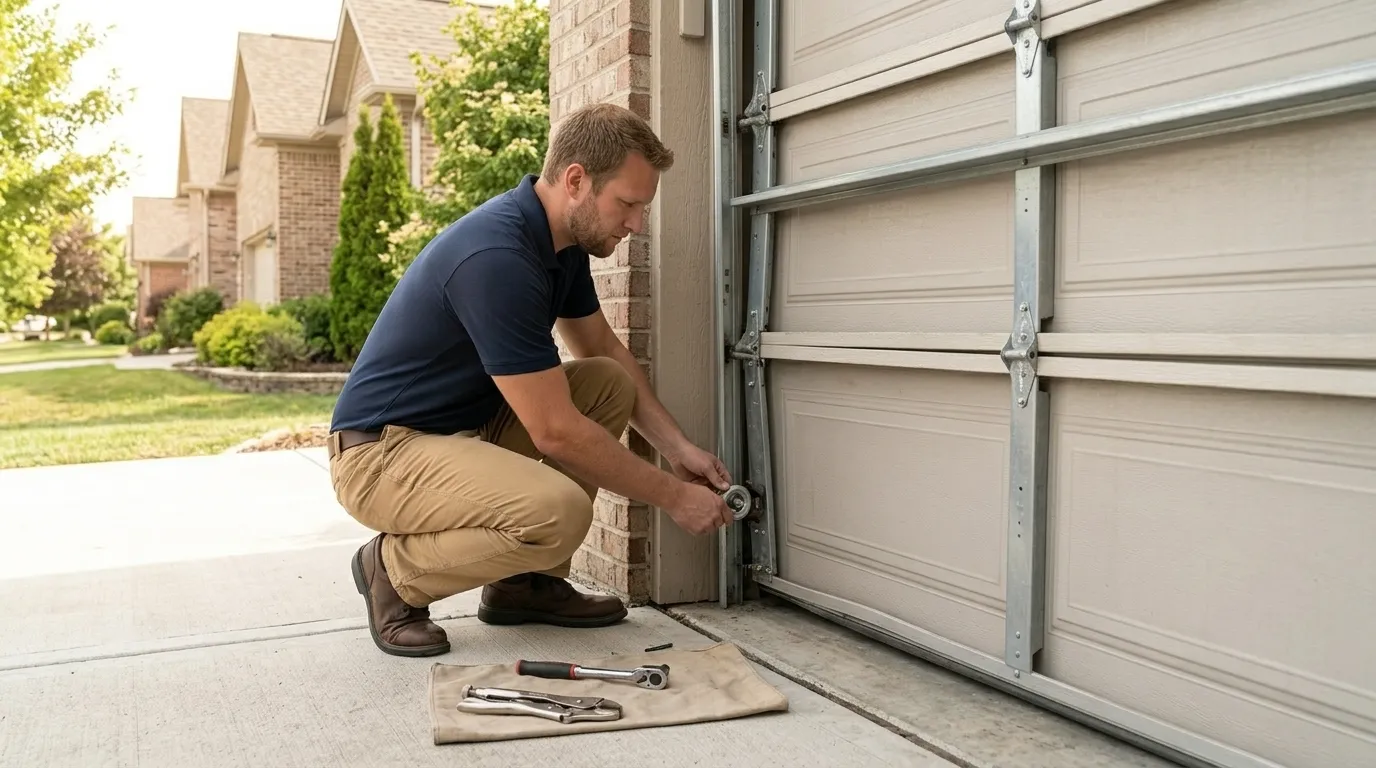
We also see hinges that have worked loose at the pivot points, and end brackets with hairline cracks that don't show until you're standing on a ladder looking for them. None of this is dramatic. It's slow wear on old parts, and it's exactly what maintenance visits are meant to catch before a spring lets go under load.
Getting It Booked In
We run out of Manhattan Beach, and El Segundo is about a mile from there - close enough that a maintenance visit doesn't turn into a half-day production. We're not based in El Segundo itself, and we don't claim a local branch or a guaranteed same-day slot; what we can tell you is that the drive is short, which keeps scheduling simpler than it is for towns further out on our list.
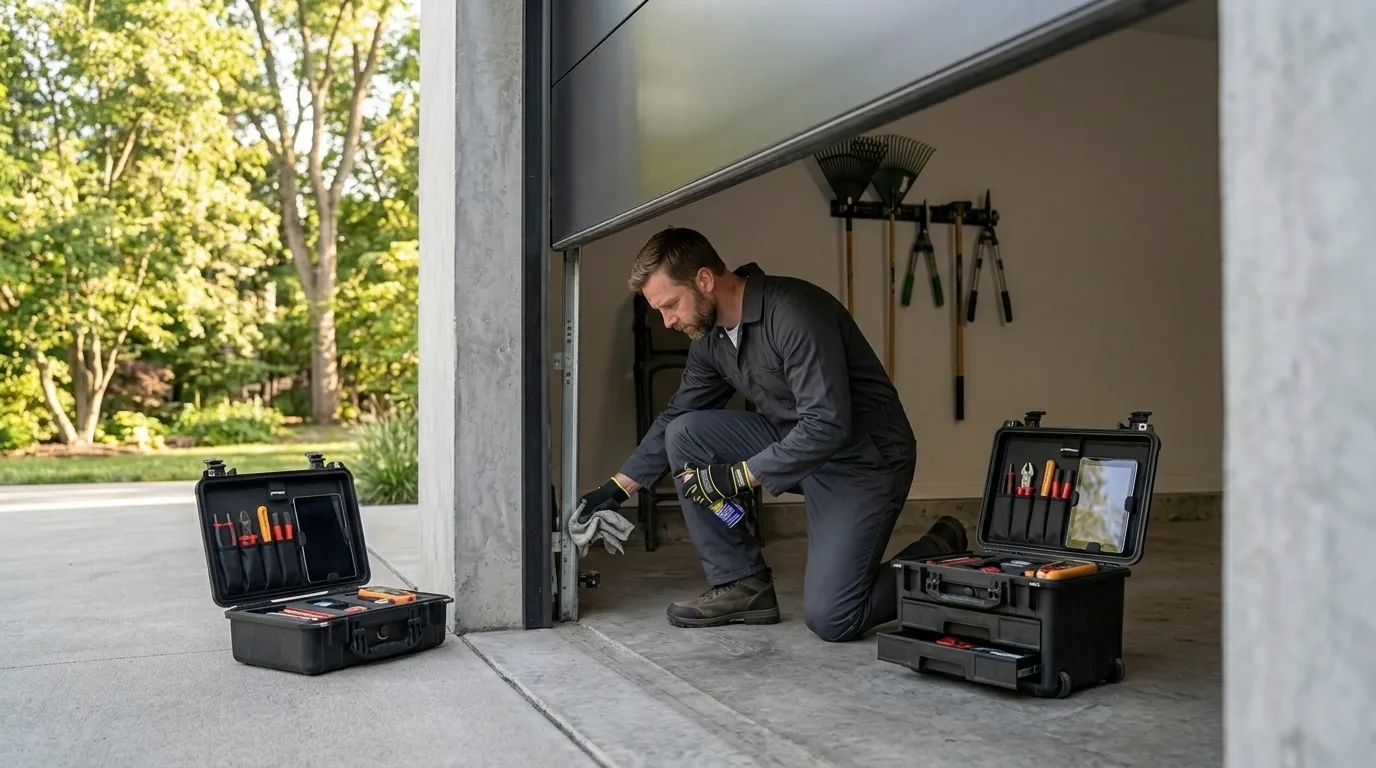
A maintenance visit covers what you'd expect: spring tension check, track alignment, roller and hinge inspection, lubrication, and a look at the opener's force settings and safety reverse. On a house with original 1963-era hardware, we spend extra time on the spring and the bearing plates, since those are the parts most likely to be original and most likely to be near the end of their rated life.
Book it as a once-a-year visit if the door's original, twice a year if you're using the garage daily as a main entrance. Either way, it's easier to schedule a look now than to schedule an emergency call later.
Parts We Carry
For a door built around the 1963 median common in El Segundo, we carry torsion springs sized for older side-mounted setups, standard-lift steel rollers, and the hinge and bracket hardware that fits early-generation sectional doors. These aren't specialty items, but they're also not the parts a home center keeps on the shelf, and matching wire gauge and wind direction on a torsion spring matters more than most people expect - the wrong spring will lift the door but wear the opener out fast.
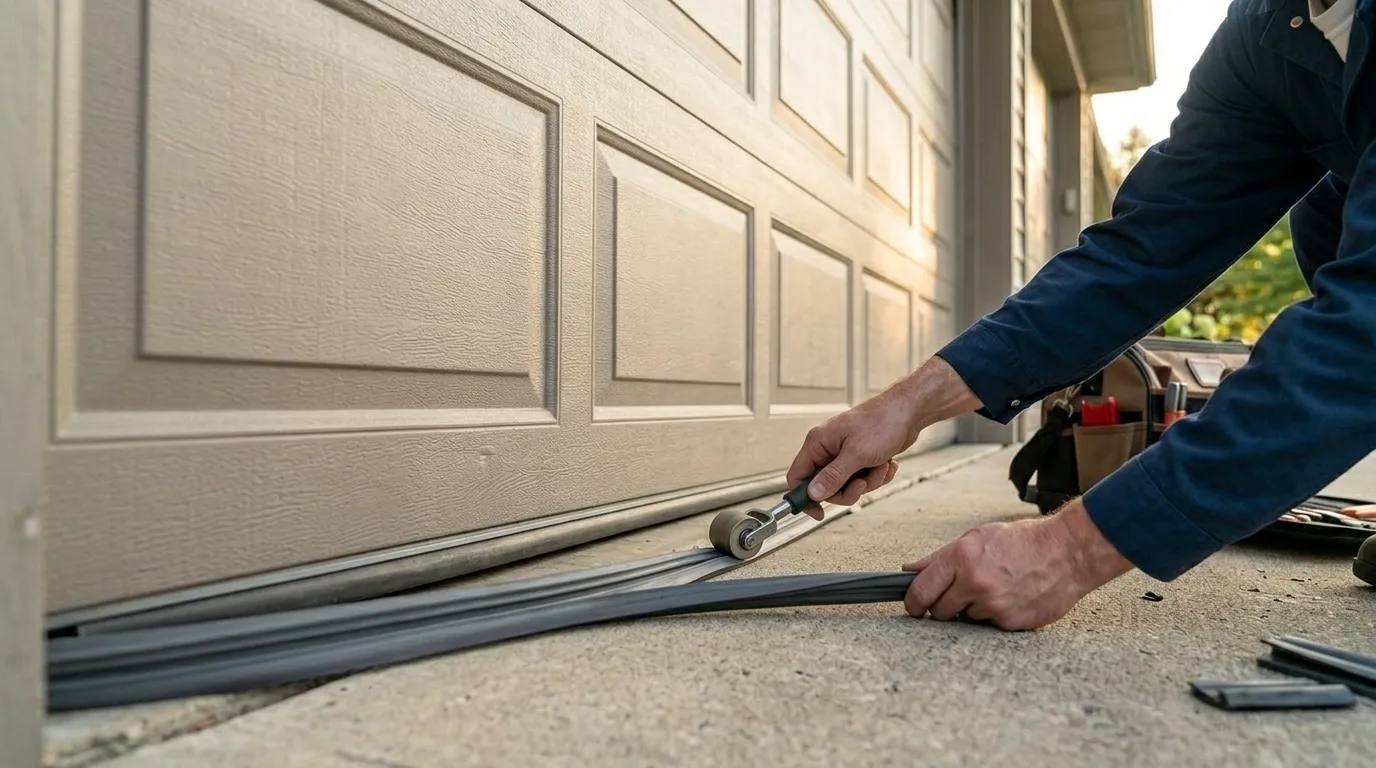
We also stock general-purpose weatherstrip and bottom seal, cable, and standard nylon rollers for anyone who's already replaced the original hardware and just needs upkeep.
One honest limit: if a part is unusual - an odd-width track or a discontinued opener board from that era - it may need to be ordered rather than pulled off the truck same-visit. We'll tell you straight if that's the case rather than force a part that doesn't fit.
What the Fix Involves
Most maintenance calls in El Segundo start with the spring - checking tension against the door's actual weight, since older doors were often built with heavier lumber-core panels than what's sold today. If the spring's still within a safe range, we adjust and move on. If it's showing rust pitting or uneven coil spacing, we'll flag it for replacement before it fails on its own schedule.
From there it's track alignment, roller condition, and hinge wear - small adjustments that keep a door running quiet rather than loud. We check the opener's force setting last, since a spring that's out of tension will make the opener work harder than it should, masking the real problem.
For a house near El Segundo's median build year, we're often working with original components throughout, so the visit runs a bit longer than it would on a newer door - we're not just servicing one part, we're evaluating whether the whole set of original hardware still has years left in it.