The Complications
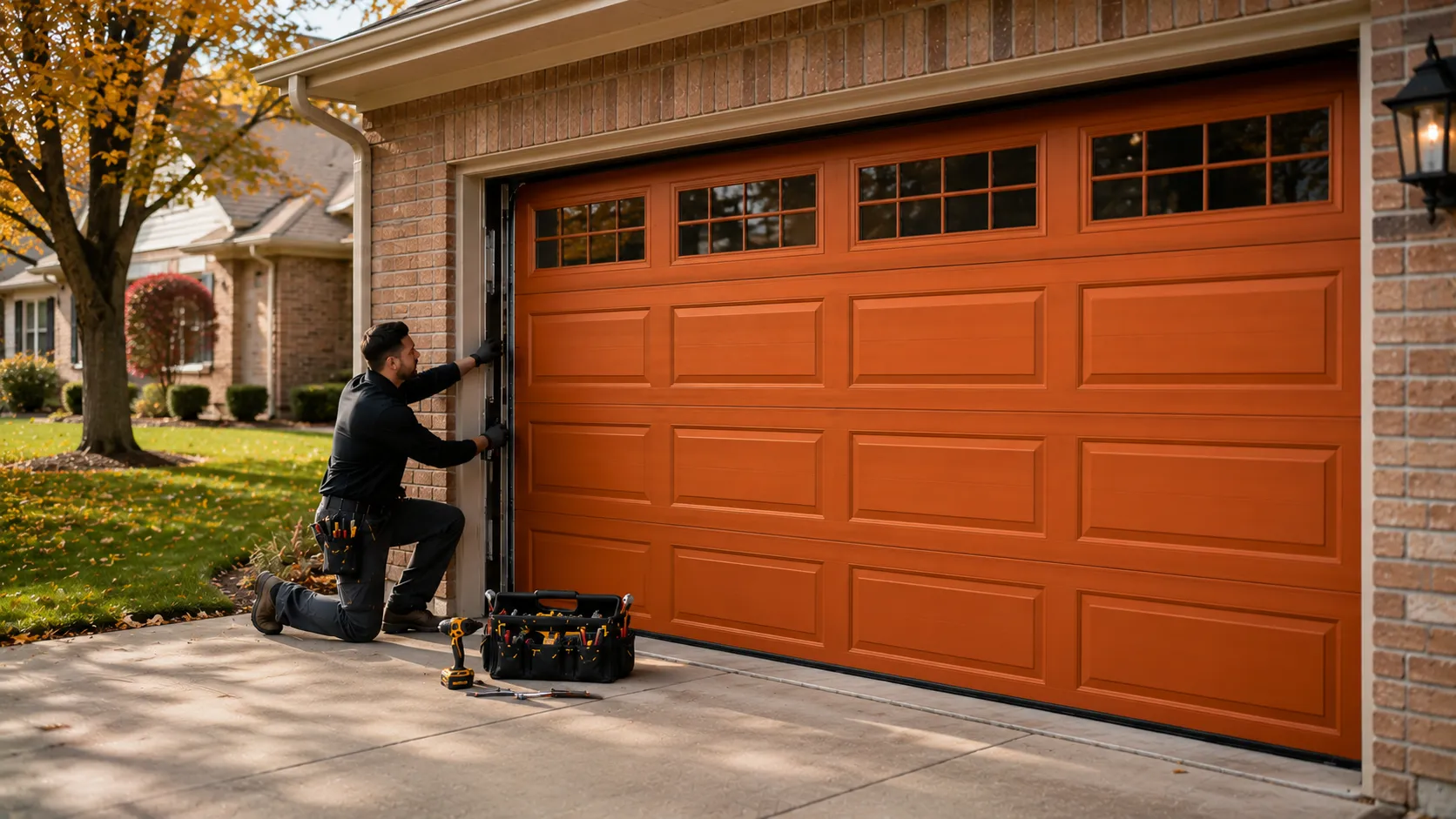
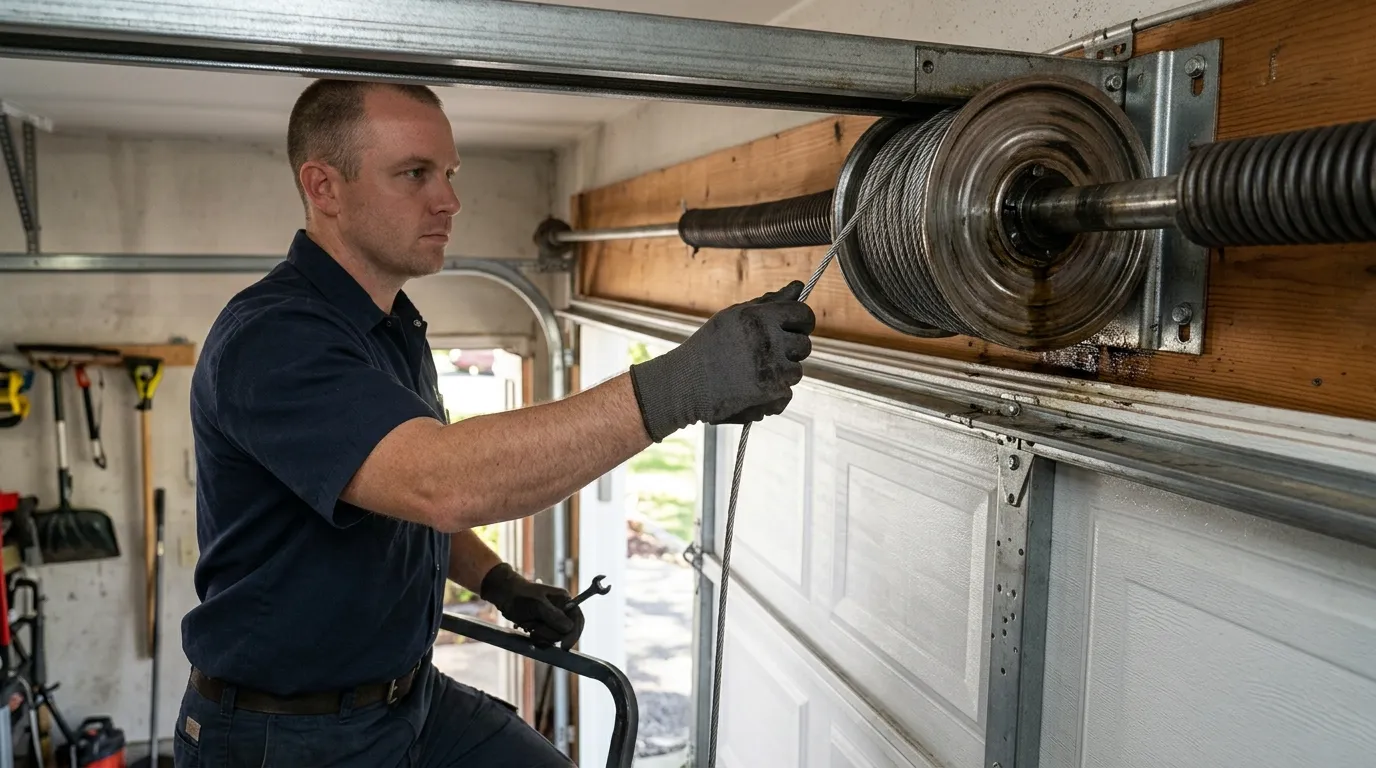
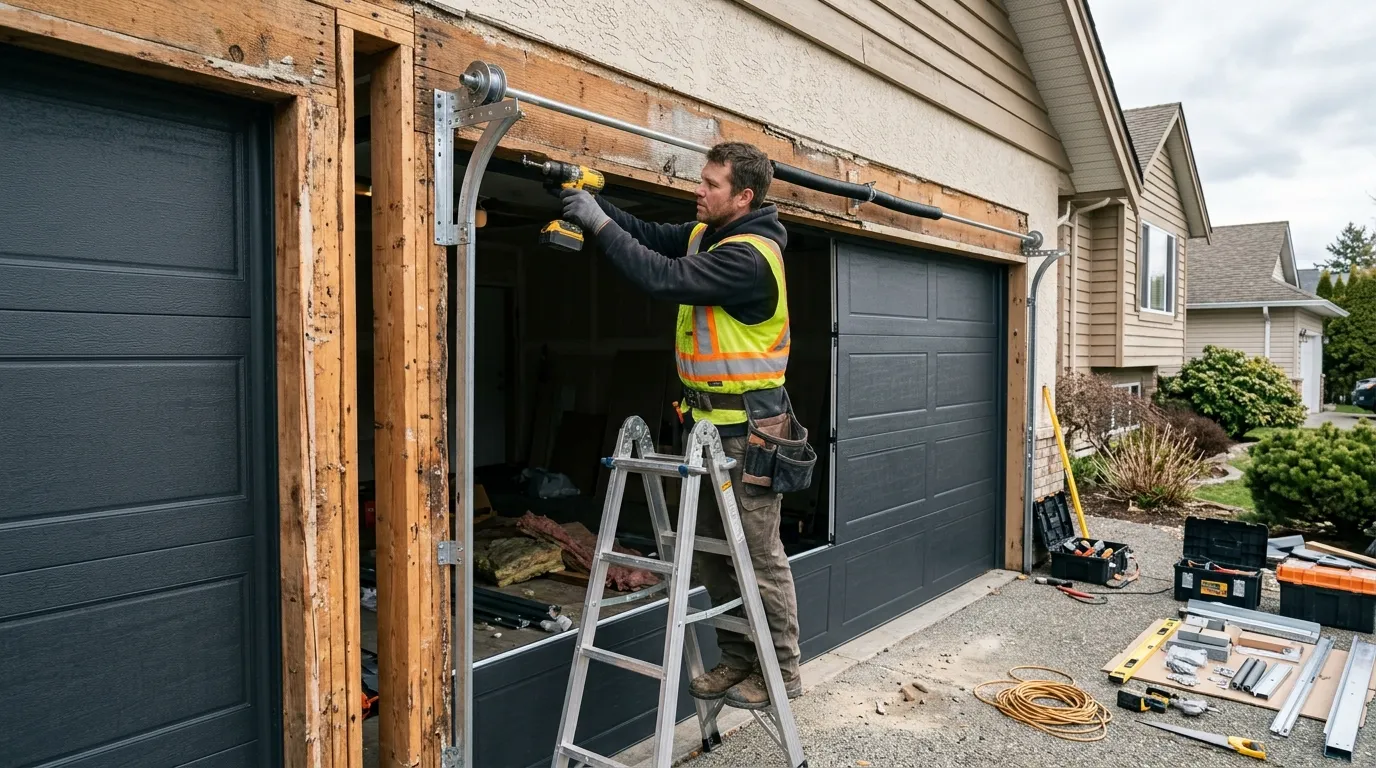
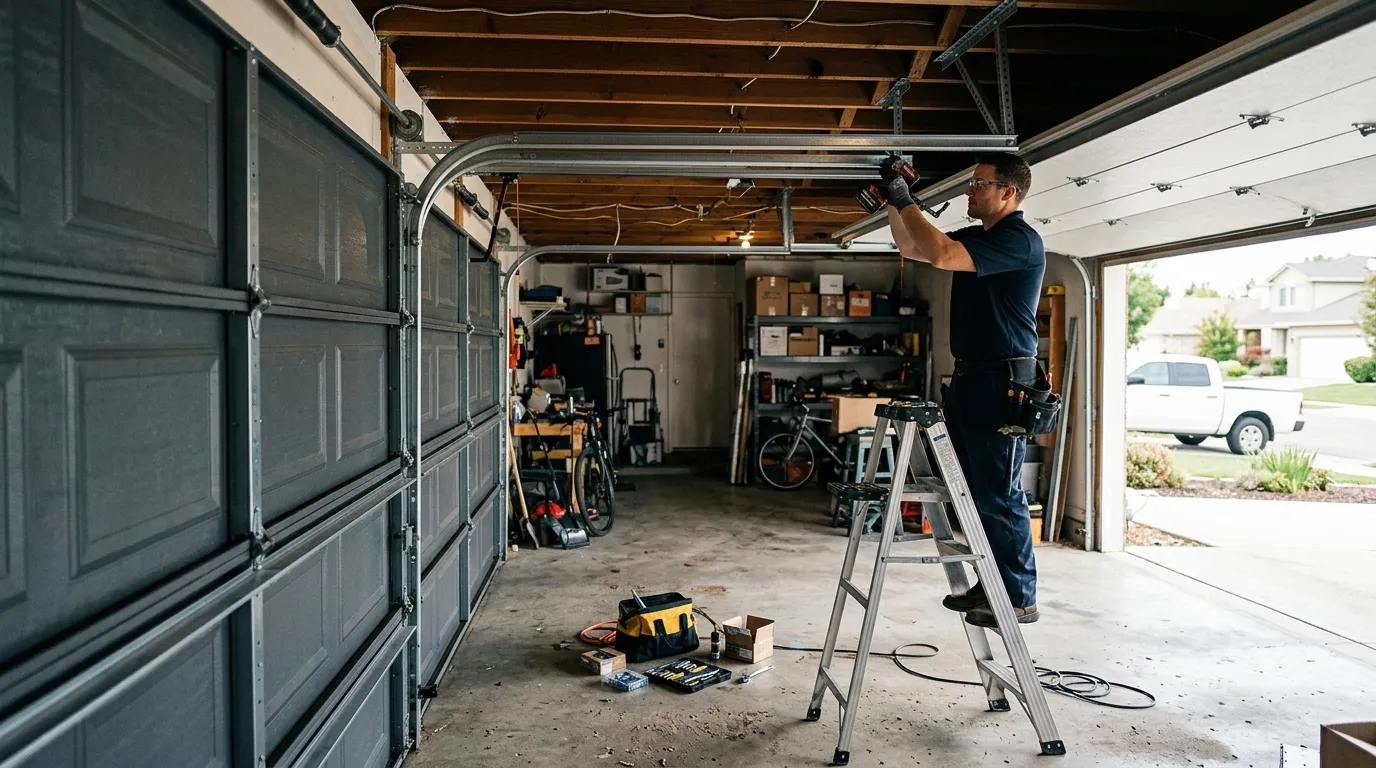
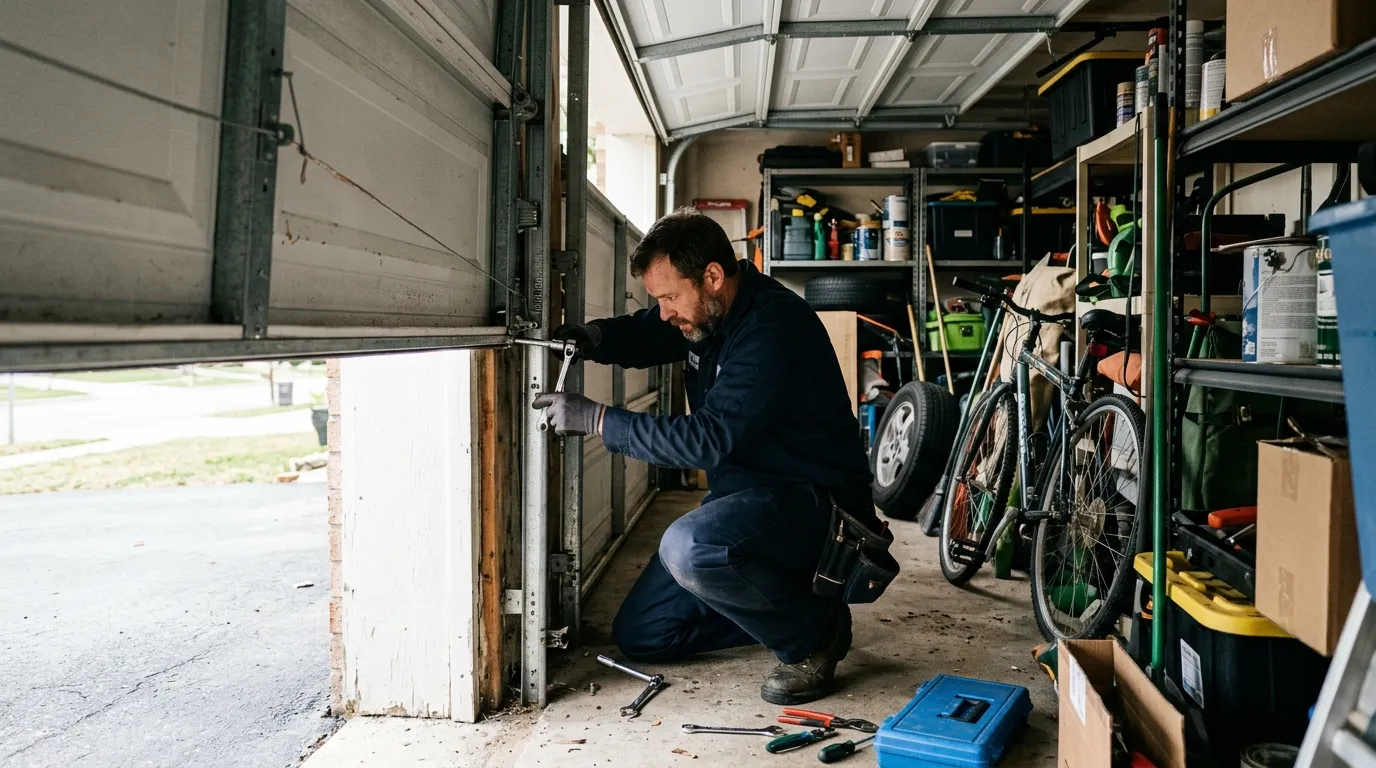
El Segundo's median house dates to 1963, and that number matters more than it looks like it should. A door installed on a house built in that window is either the original unit, long past its service life, or a replacement from the 80s or 90s bolted onto hardware nobody updated. Either way, the tracks and drums are usually sized for a lighter door than what's on the opening now, because steel sections got heavier as insulation requirements changed. We see torsion springs that were matched to the original wood door, now straining under a retrofit steel one - and extension springs on the older side-mount setups that were never meant to hold today's opener load. It's a mismatch problem as much as a wear problem. On a 1 mi trip from our Manhattan Beach base, we're seeing houses that are close in age to each other, which is actually useful - it means we know what's likely under the hood before the truck's in the driveway. The complication isn't diagnosing the fault. It's knowing which parts era we're dealing with before we start pulling the door apart.
Getting It Booked In
We come from Manhattan Beach, about a mile out, so getting a truck to El Segundo isn't the constraint - matching the right parts to a house this age is. When you call, tell us the rough age of the house if you know it and whether the door's ever been replaced. That one detail changes what we load in the truck. We don't run a dispatch office in El Segundo itself, so every job here is scheduled out of Manhattan Beach; for most repairs that's not a delay, it's just how the route works. If your opener is original too - which happens more than you'd think on 1960s builds - say so on the call, because that's a second job stacked on the first, not a bonus fix.
Parts We Carry
For houses from El Segundo's era we carry torsion springs in the sizes that match early-60s steel and wood door weights, extension spring sets for the side-mount setups still common on older single-car openings, and standard-lift track hardware sized for pre-insulated doors. We stock rollers and cables that fit both the original narrow-track systems and the wider retrofits installed when owners upgraded. What we don't stock on the truck: obsolete wood panel sections and any hardware specific to doors manufactured before steel became standard - those get special-ordered, and that's a lead time we won't pretend isn't real. If your door is one of the rare originals still in place, expect a quote with a parts wait attached to it.
What the Fix Involves
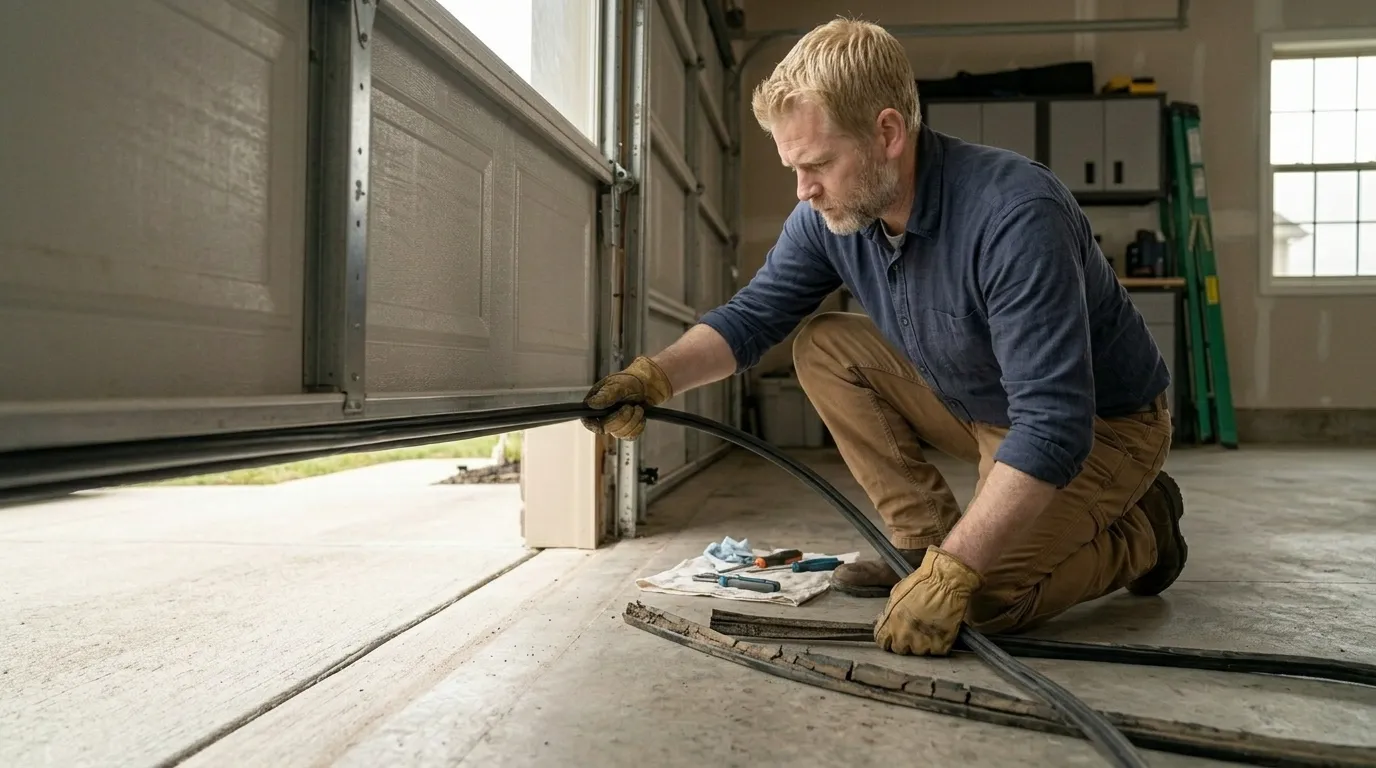
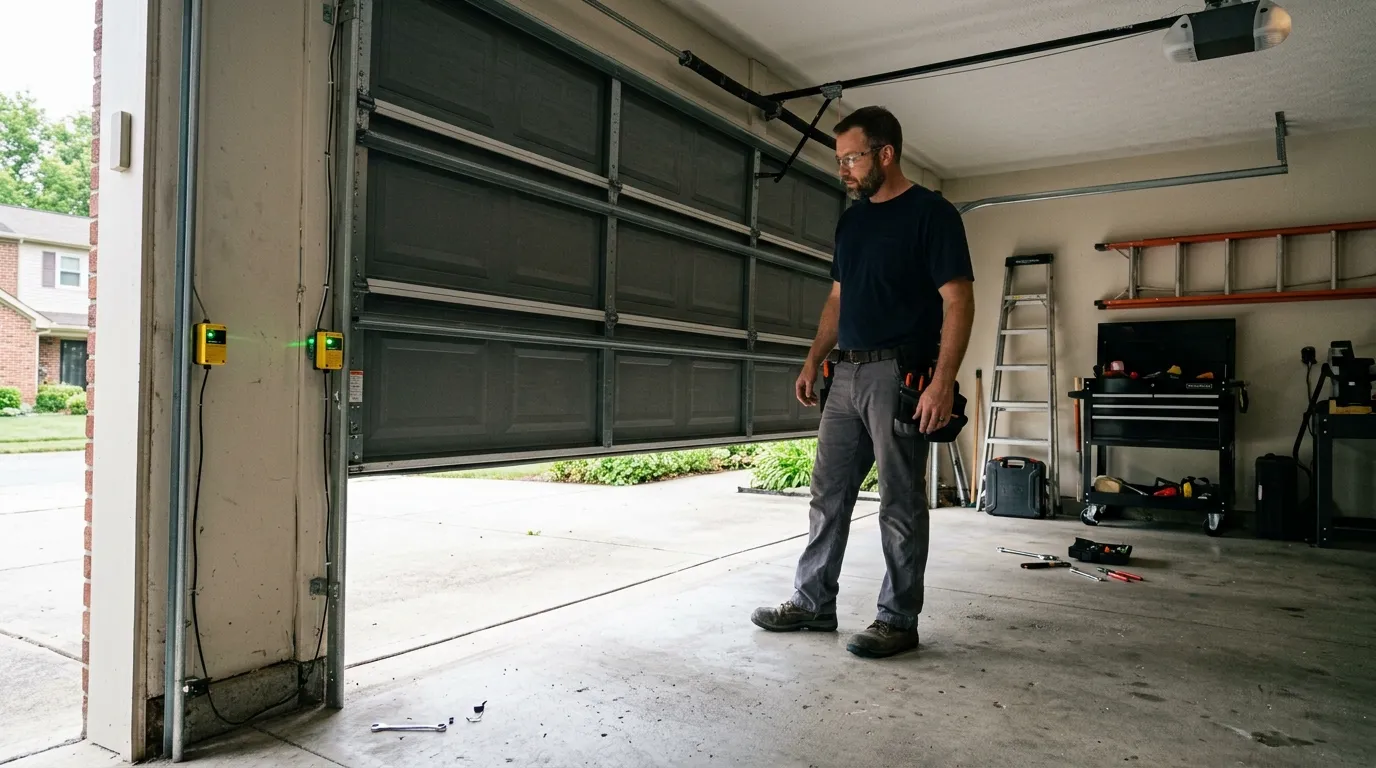
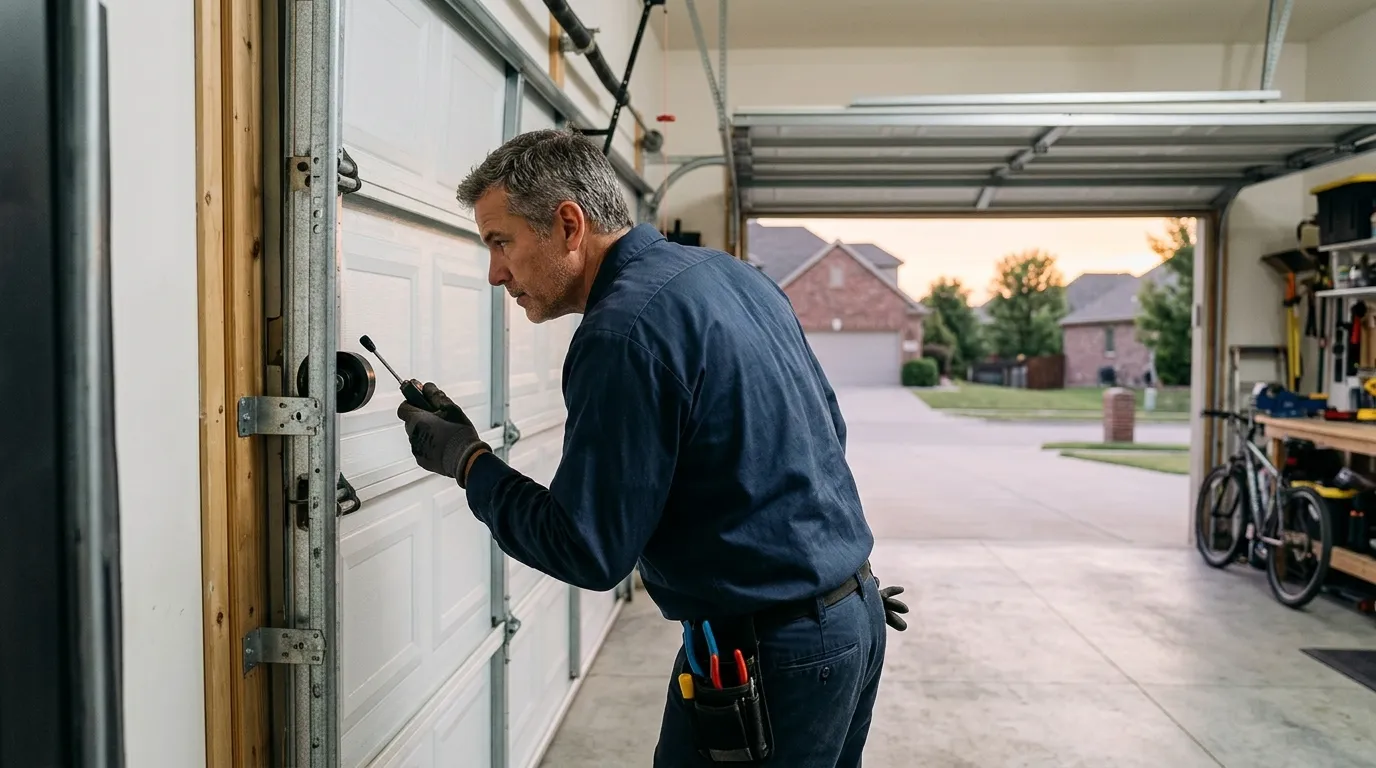
Most calls in El Segundo start with a spring replacement, cable swap, or a track realignment, and on a door this age the first step is always confirming what's actually installed - torsion or extension, standard lift or retrofit - before ordering parts. If the door's original steel has held up, we're usually looking at hardware replacement only: new springs matched to the current door weight, new cables, rollers if they're the old steel type instead of nylon. If the door itself has warped or the panels are original wood past their life, replacement becomes the more honest recommendation than another patch repair. Either way, the job gets scoped on-site, not guessed at over the phone.