What You Are Seeing
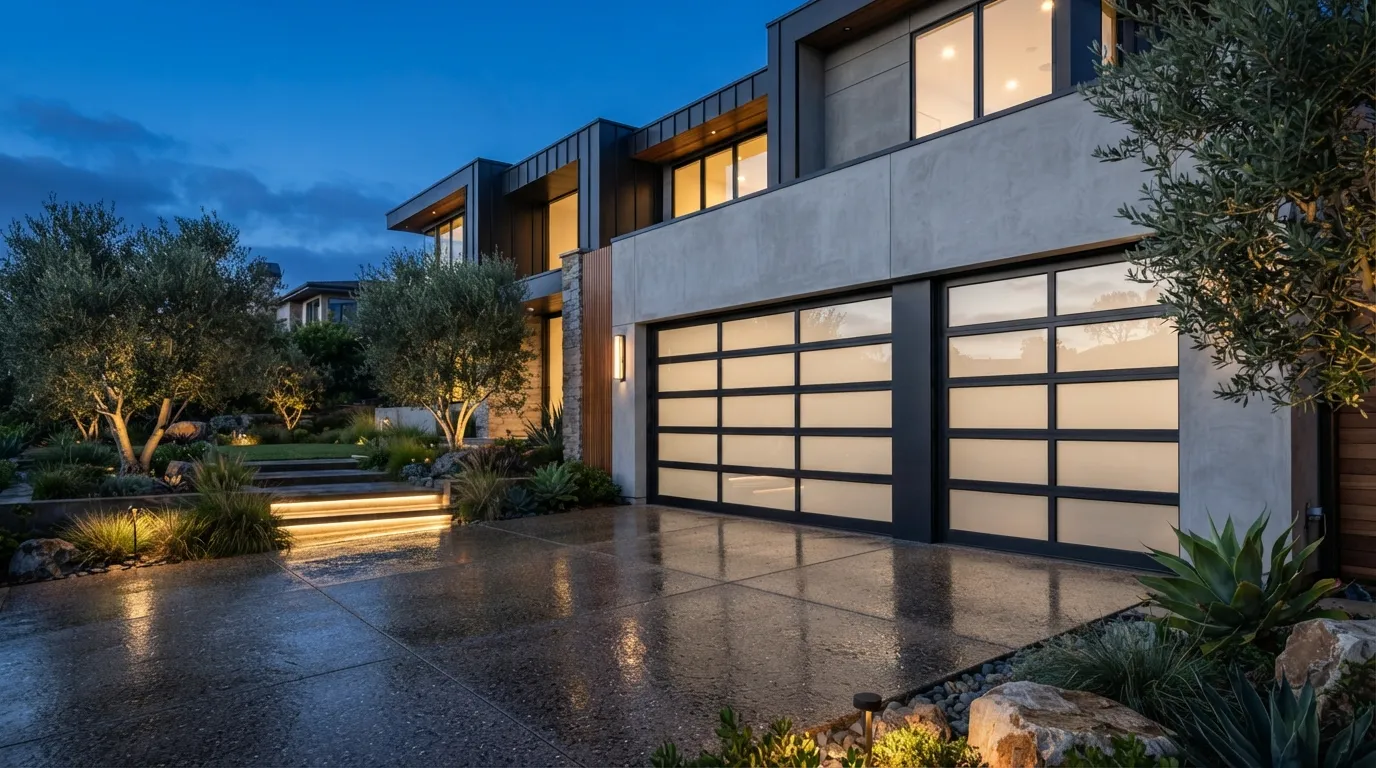
At a median household income of $247,500, the math on a garage door in Palos Verdes Estates doesn't work the way it does for the service area overall, where the median sits closer to $94,152. That gap matters because it changes the decision at the point of a service call. A homeowner here isn't stretching to justify a $600 opener or a full spring-and-cable job on an aging door - the repair-or-replace line moves earlier, toward replacement, simply because the cost of a new door is a smaller share of the household budget than it is for a typical house across the wider 140,166-household service area.
What you're actually seeing on the door itself, though, comes from the building stock, not the income bracket. Houses here trace back to the same 1947-2012 build window as the rest of the area, median around 1963, which puts a lot of Palos Verdes Estates doors into their fifth or sixth decade of hardware. Original torsion springs on these houses have long since been swapped at least once. What we're usually called out for is a spring that's on its second or third life cycle, or a track that's still true but the rollers riding it are shot.
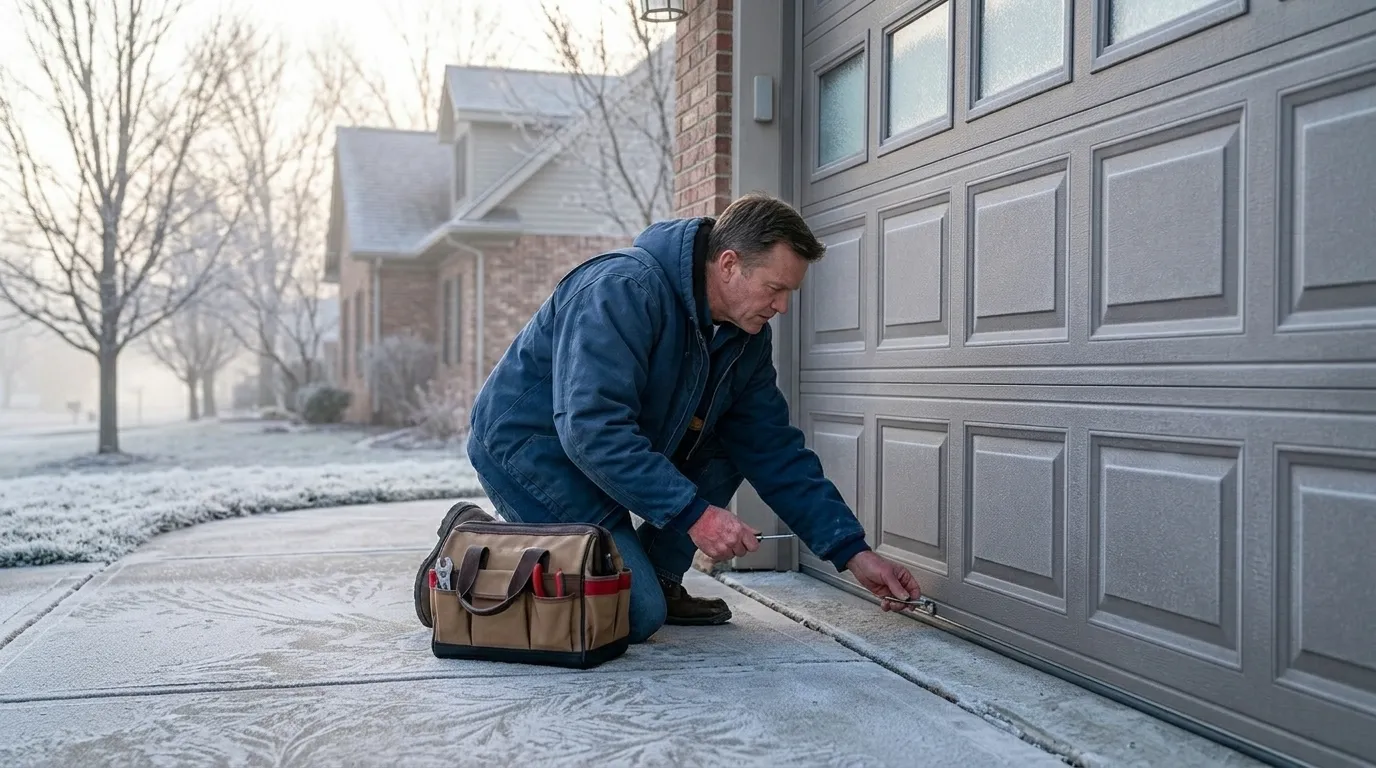
The mild coastal climate here doesn't push failure the way heat or freeze cycles do elsewhere - it's wear from cycles and age, not weather damage.
Parts We Carry
For houses in this build era - 1960s stock is the bulk of it here - the parts we see most are torsion springs sized for the heavier wood and early steel doors that shipped standard through that period, extension spring conversions where an older door was never upgraded to torsion, and steel rollers to replace the nylon ones that have gone brittle with age rather than weather.
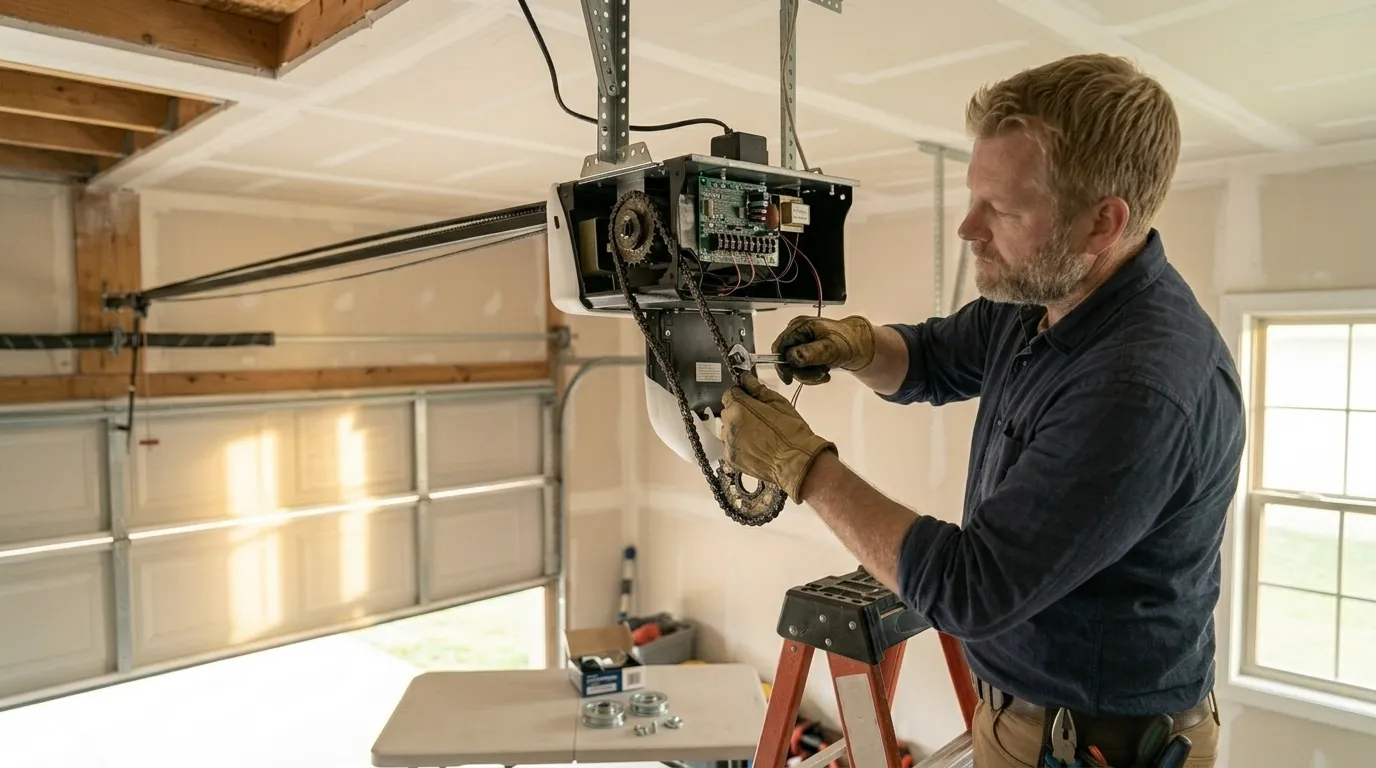
We carry standard opener drive gears and belt kits for the mid-range residential openers that get installed as replacements, along with cable sets sized for both single and double doors. What we don't stock on the truck is anything custom - a specialty panel matched to an architectural door, or hardware for a make that's been discontinued. On a house this age, if the original door itself is still in place, we're often looking at a full replacement rather than sourcing an obsolete part, and we'll tell you that straight rather than special-order something that costs more than starting fresh.
What the Fix Involves
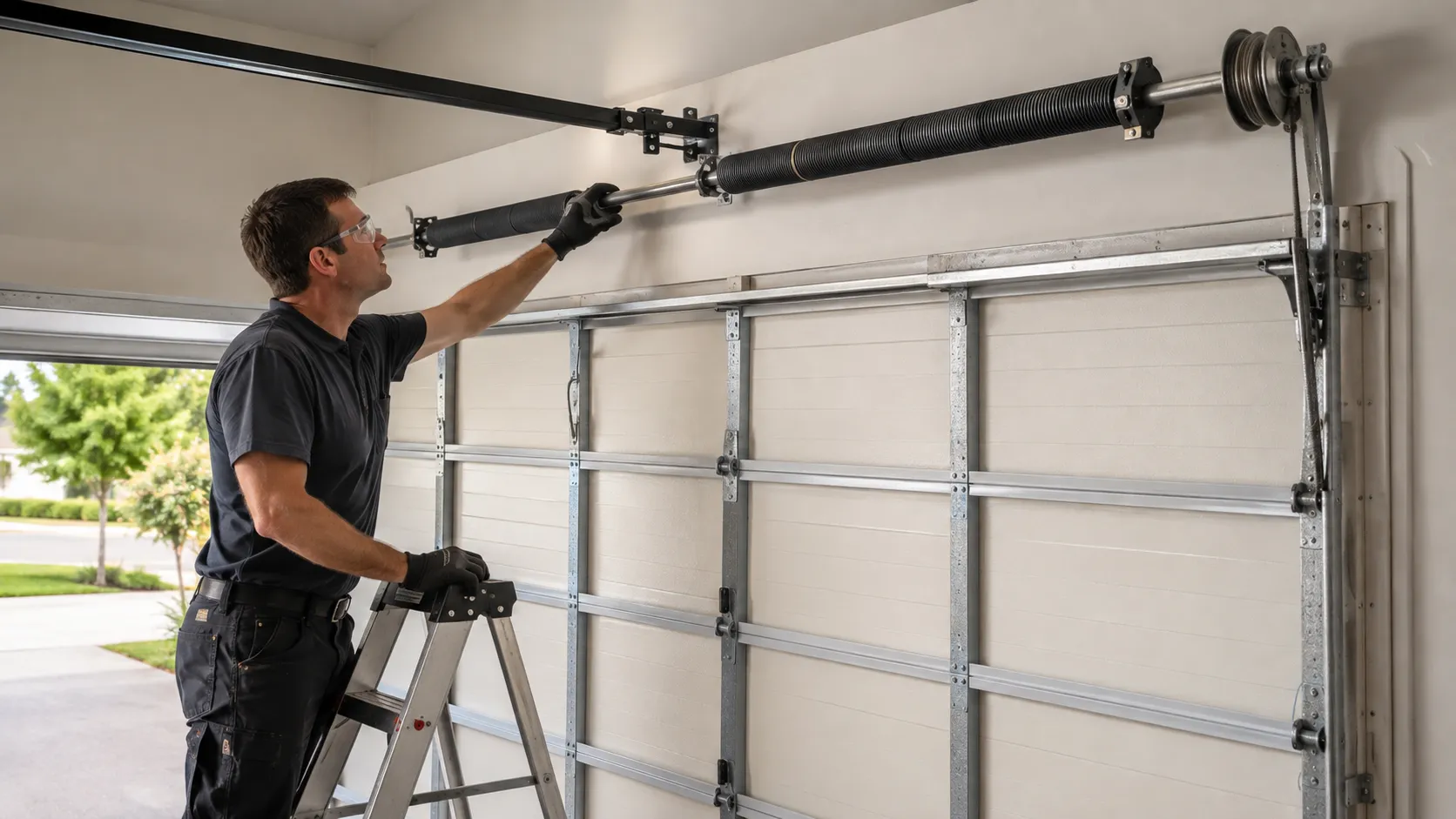
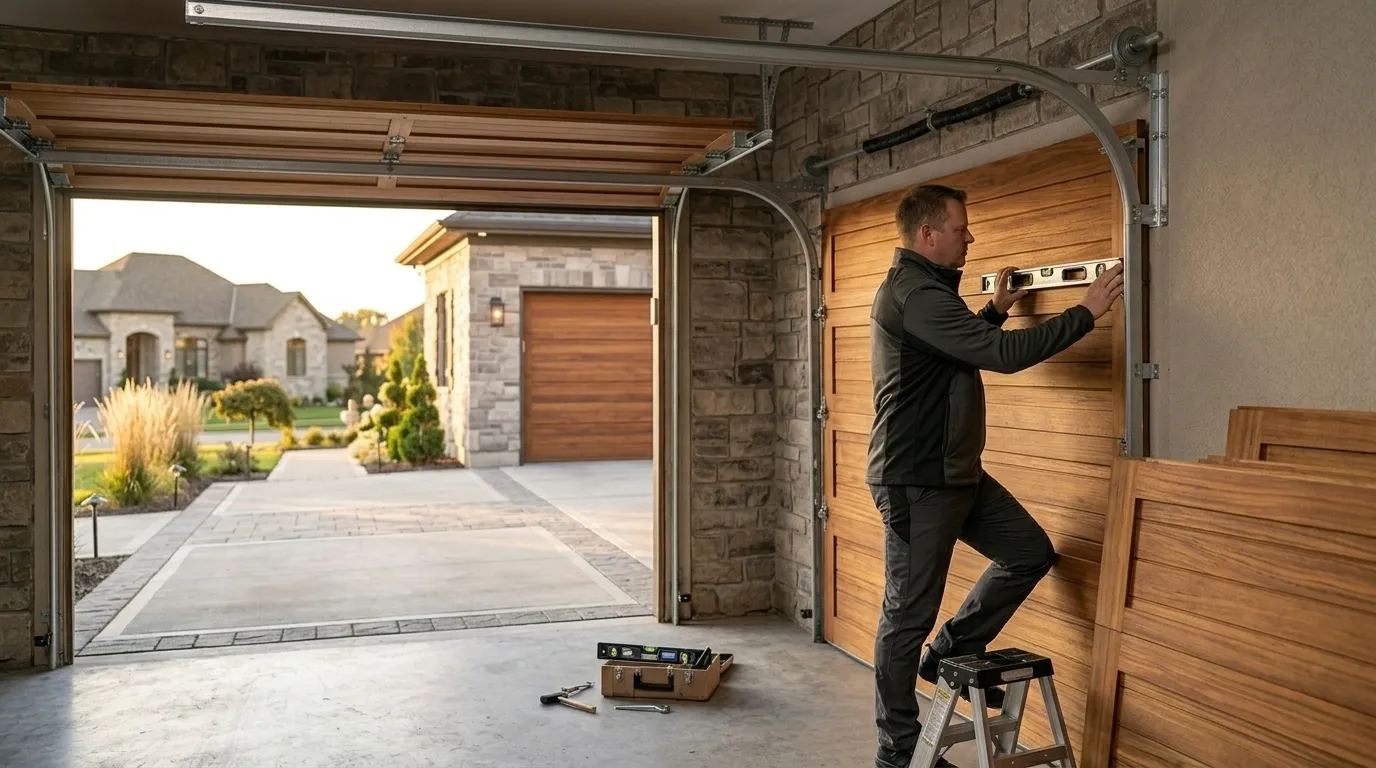
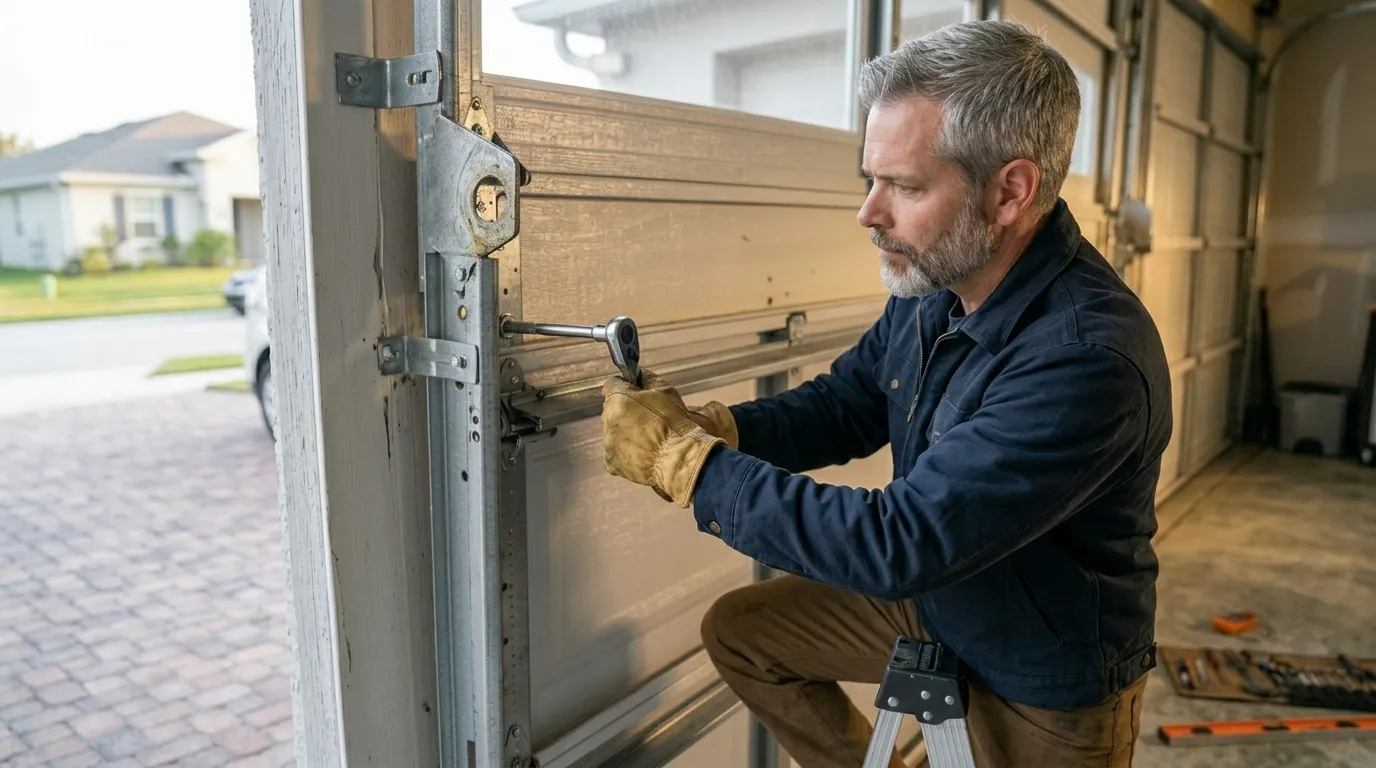
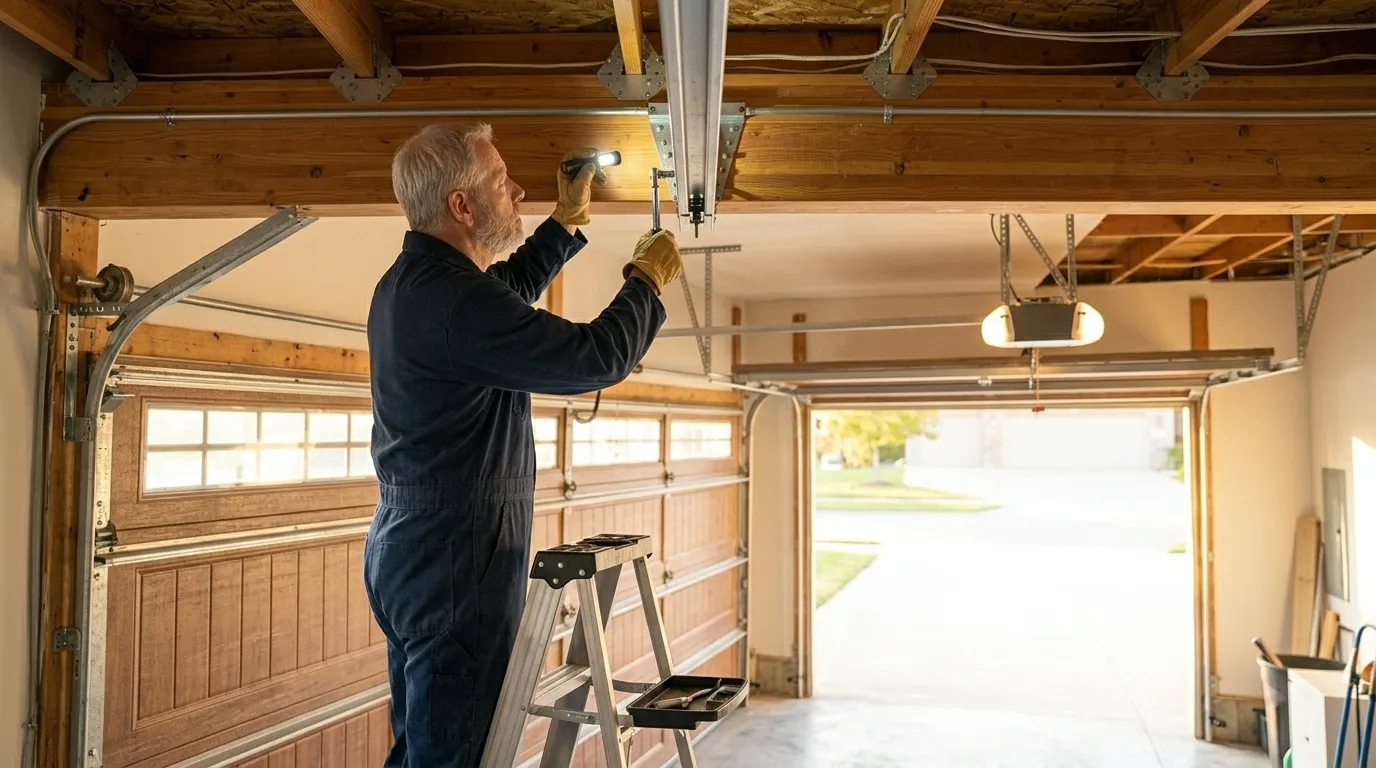
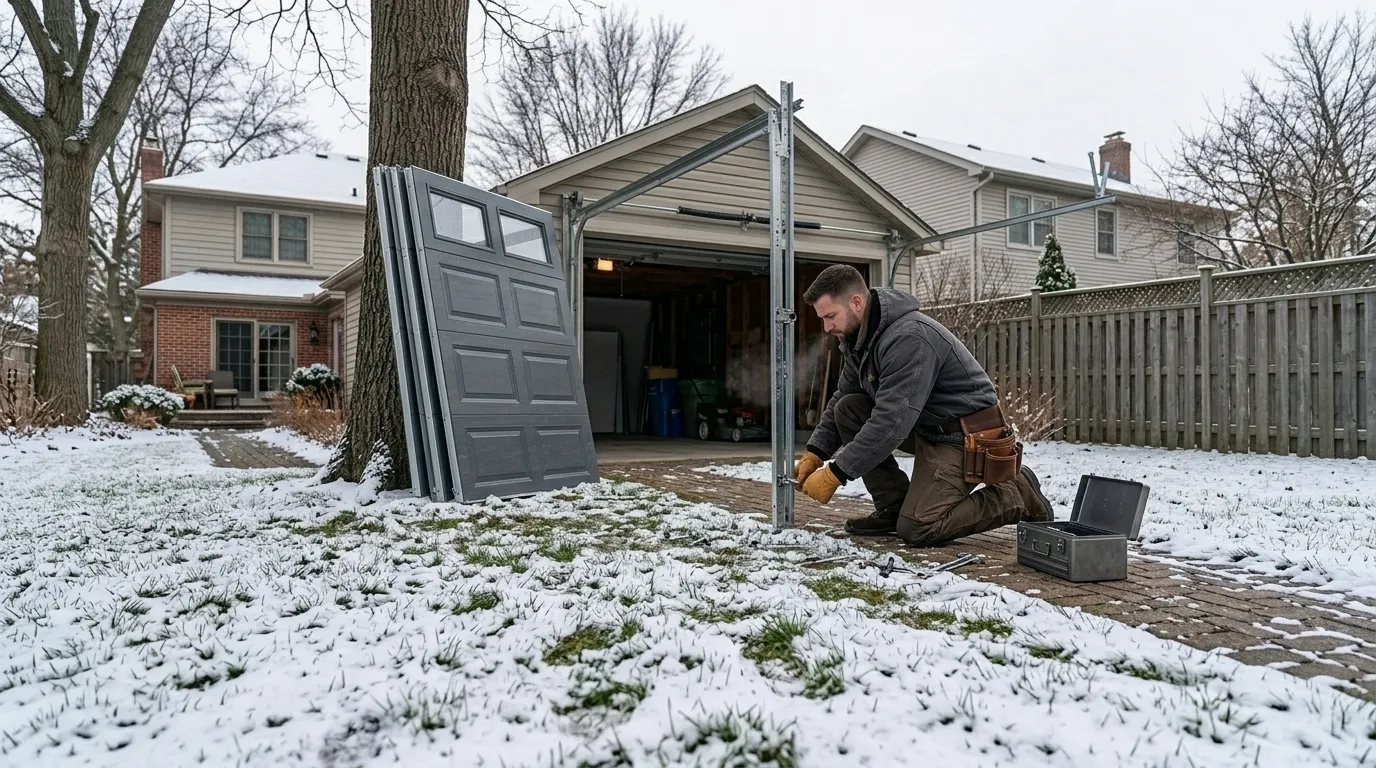
A torsion spring swap on a double door built to 1960s dimensions runs the same mechanical steps anywhere: unwind the old spring under controlled tension, measure the drum and shaft, install matched springs rated to the door's weight, and balance the door so it holds at any point when disconnected from the opener. On a door this old, we're also checking the shaft and end bearings, since bearings from the same era as the spring are usually due regardless of why we got called.
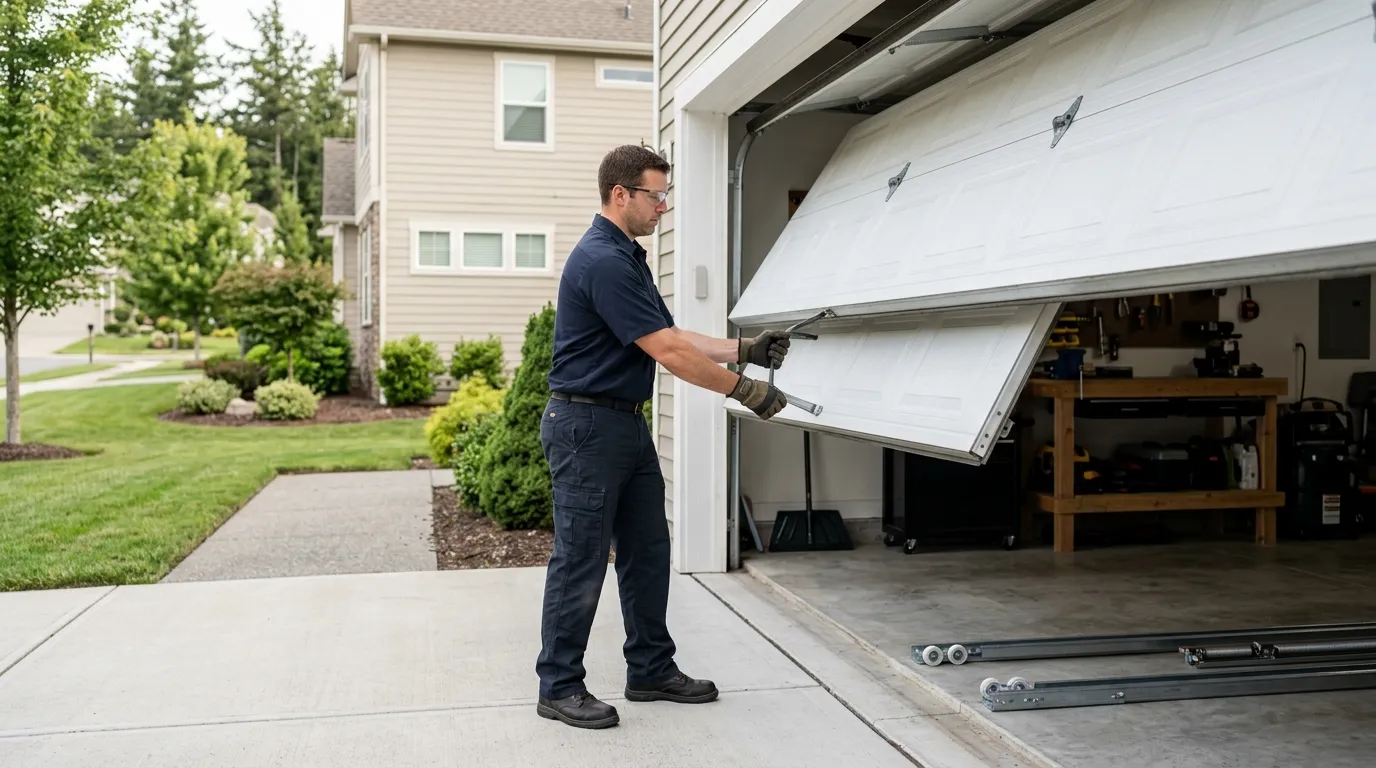
If the call is a roller and track job instead, it's a matter of pulling the old rollers, checking the track for the kind of bowing that comes from decades of a door running slightly out of square, and reseating or replacing hardware as needed.
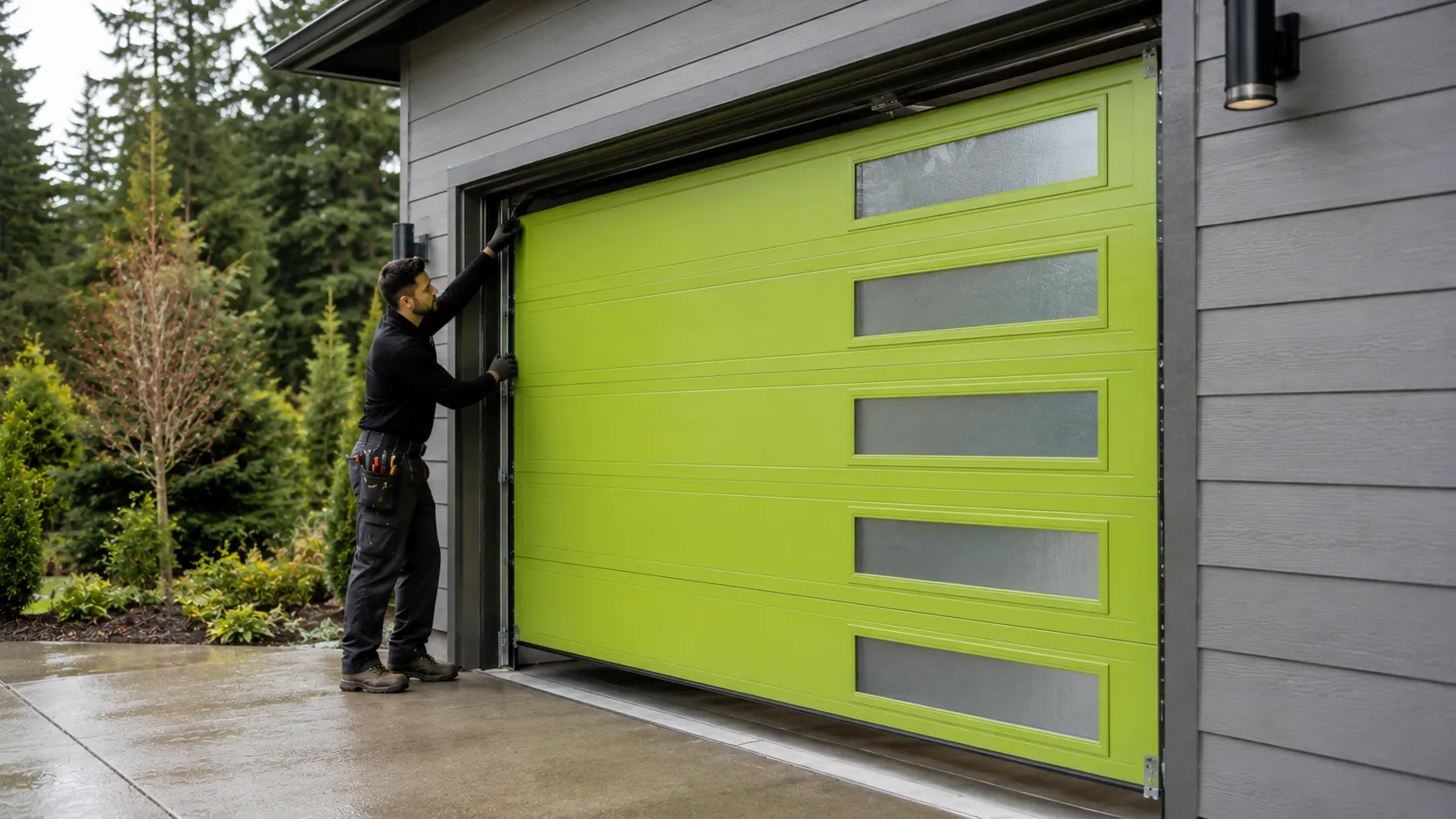
One honest limit: if the door itself is original - the panel, not just the springs - we'll usually recommend replacing the whole unit rather than keep patching a fifty-plus-year-old door. At that point, parts availability and labor to fit them properly cost more than a new door, and given the income profile in Palos Verdes Estates, that's rarely a hard sell to make.