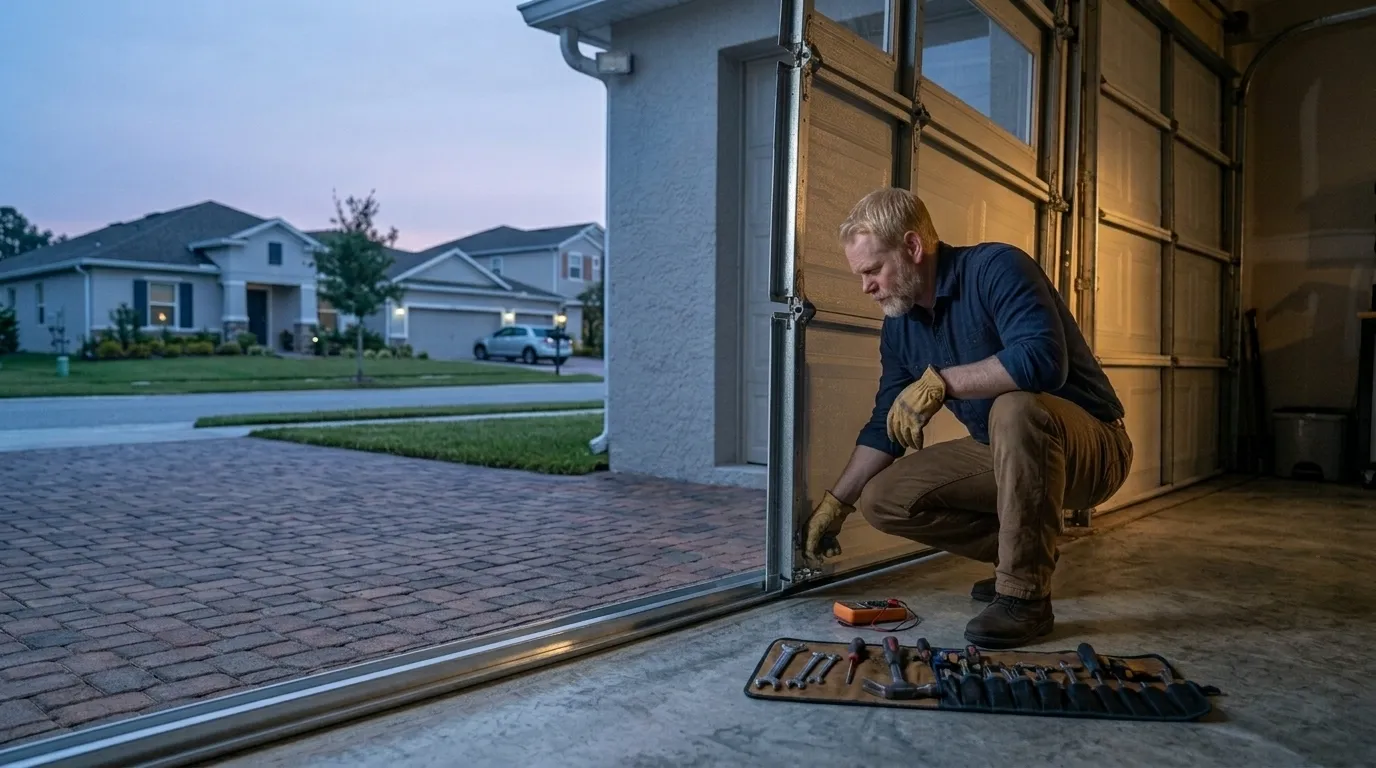
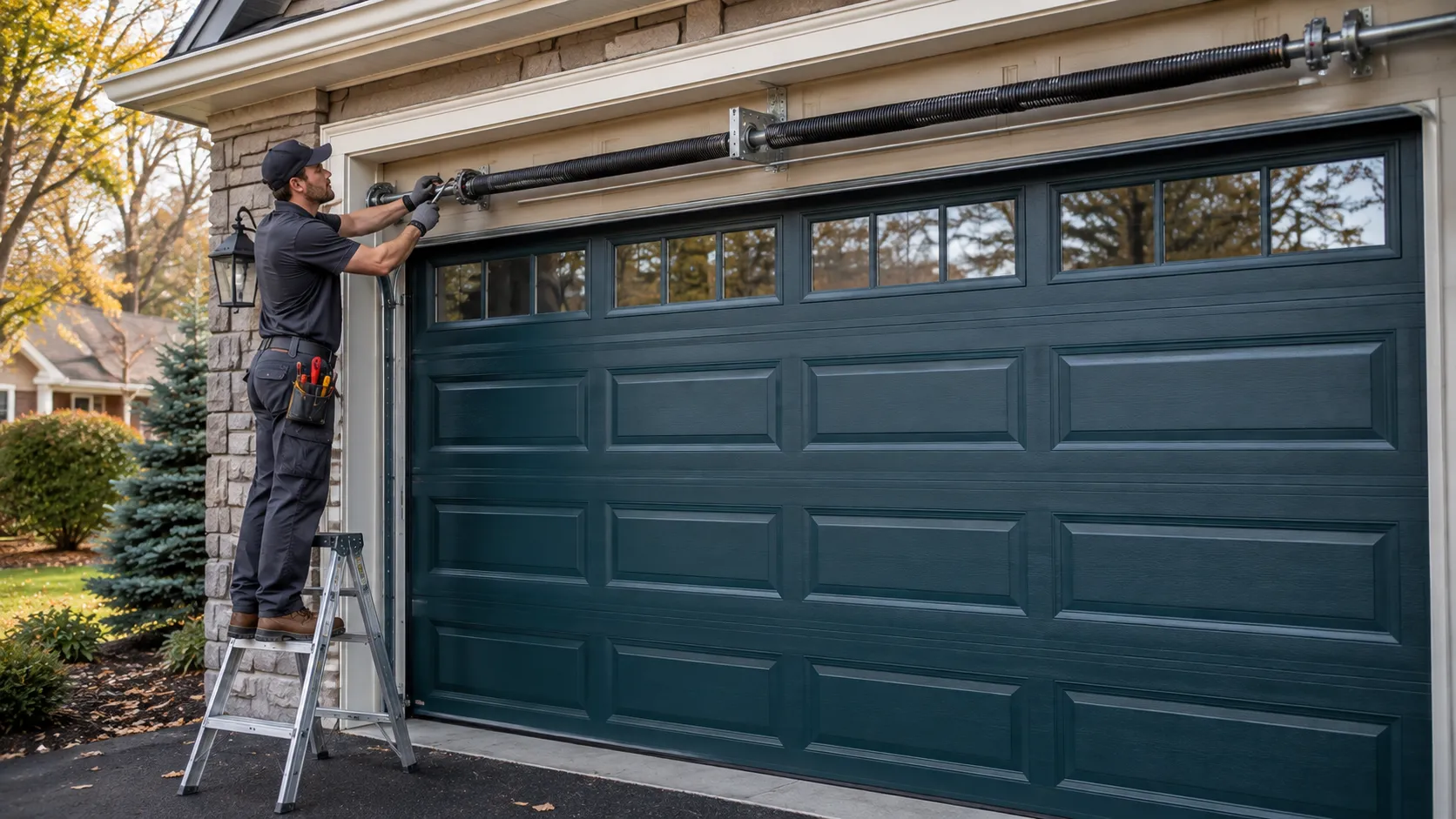
What You Are Seeing
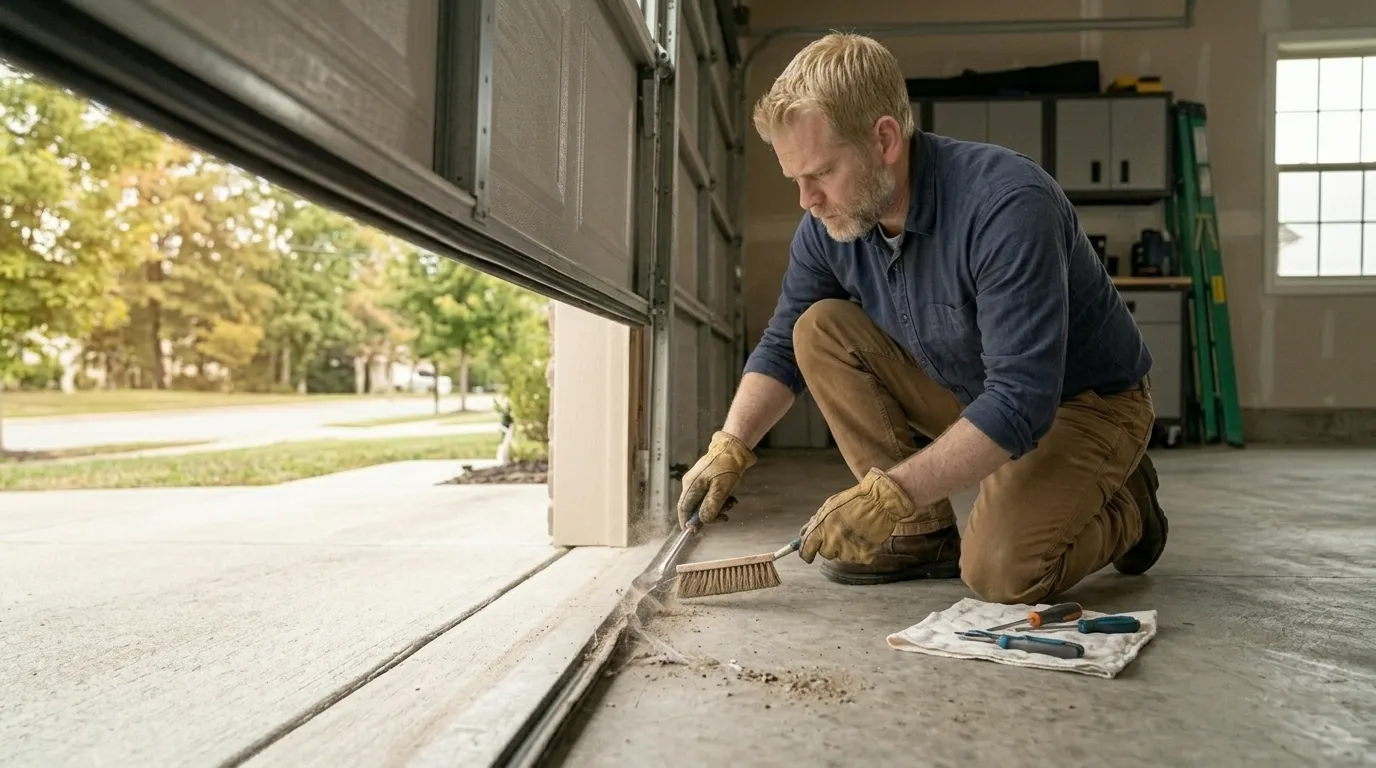
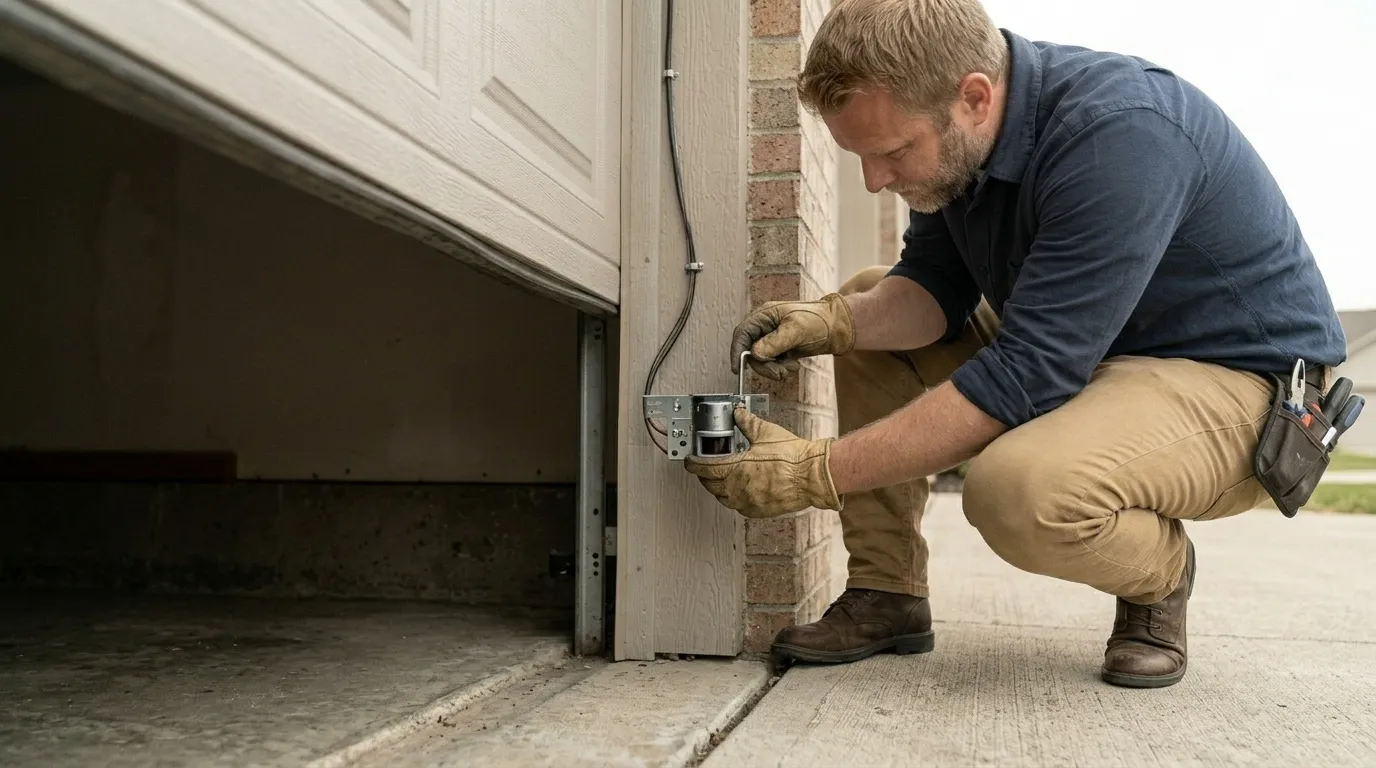
Palos Verdes Estates has around 5,032 households total, which tells you most of what you need to know before you even look at a door: this is a small, almost entirely residential city, not a commercial corridor. The handful of commercial or institutional buildings here sit inside a housing stock with a median build year of 1963, and the doors on service bays, clubhouses, and small retail backs tend to match that era. That means rolled steel sections, older chain-hoist or basic commercial openers, and hardware sized for a lighter duty cycle than you'd find on a warehouse door in a denser area. The mild coastal climate at this elevation and distance from the water has kept corrosion modest compared to low-lying areas, so what usually fails first is the mechanical stuff - worn hinges, a cable that's stretched past spec, an opener drive gear that's been running the same motor since the building went up. What you're seeing is age catching up with equipment, not a design flaw.
Parts We Carry
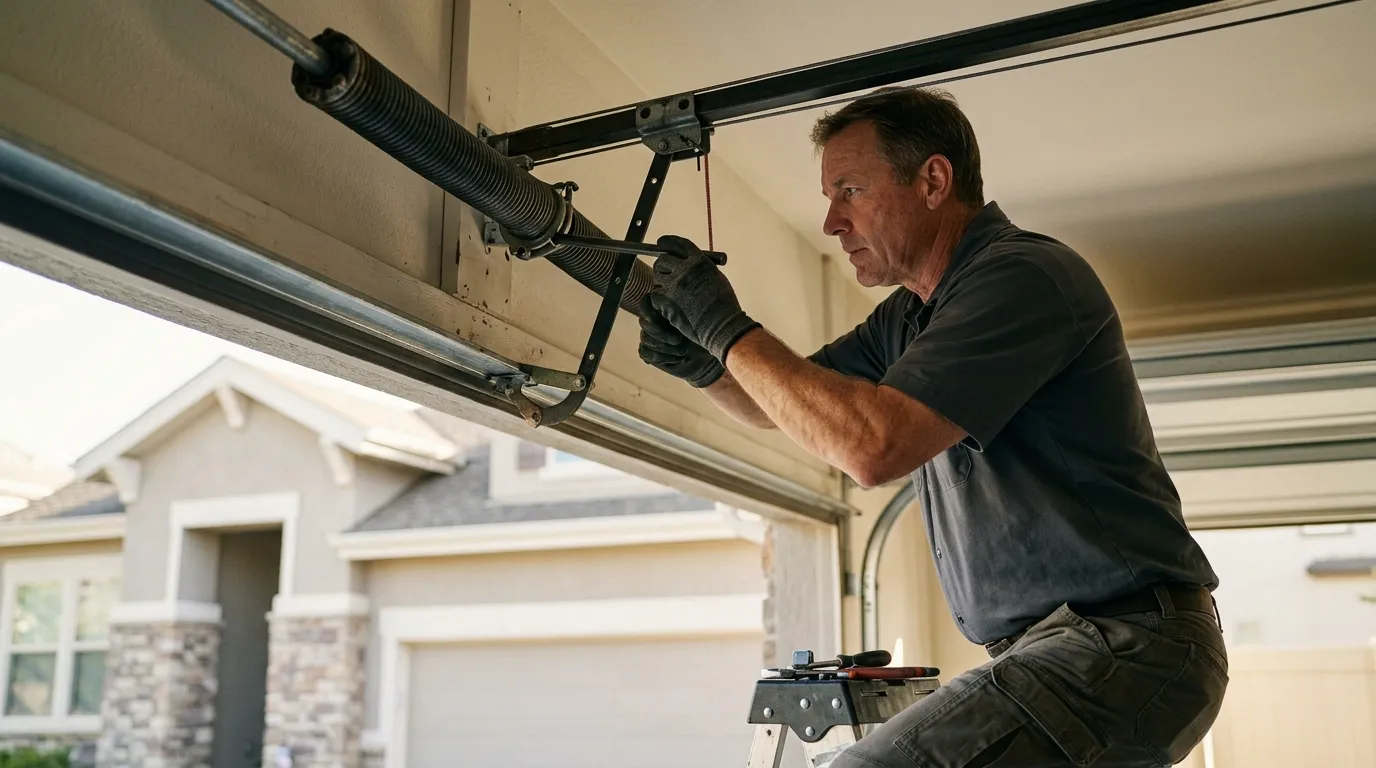
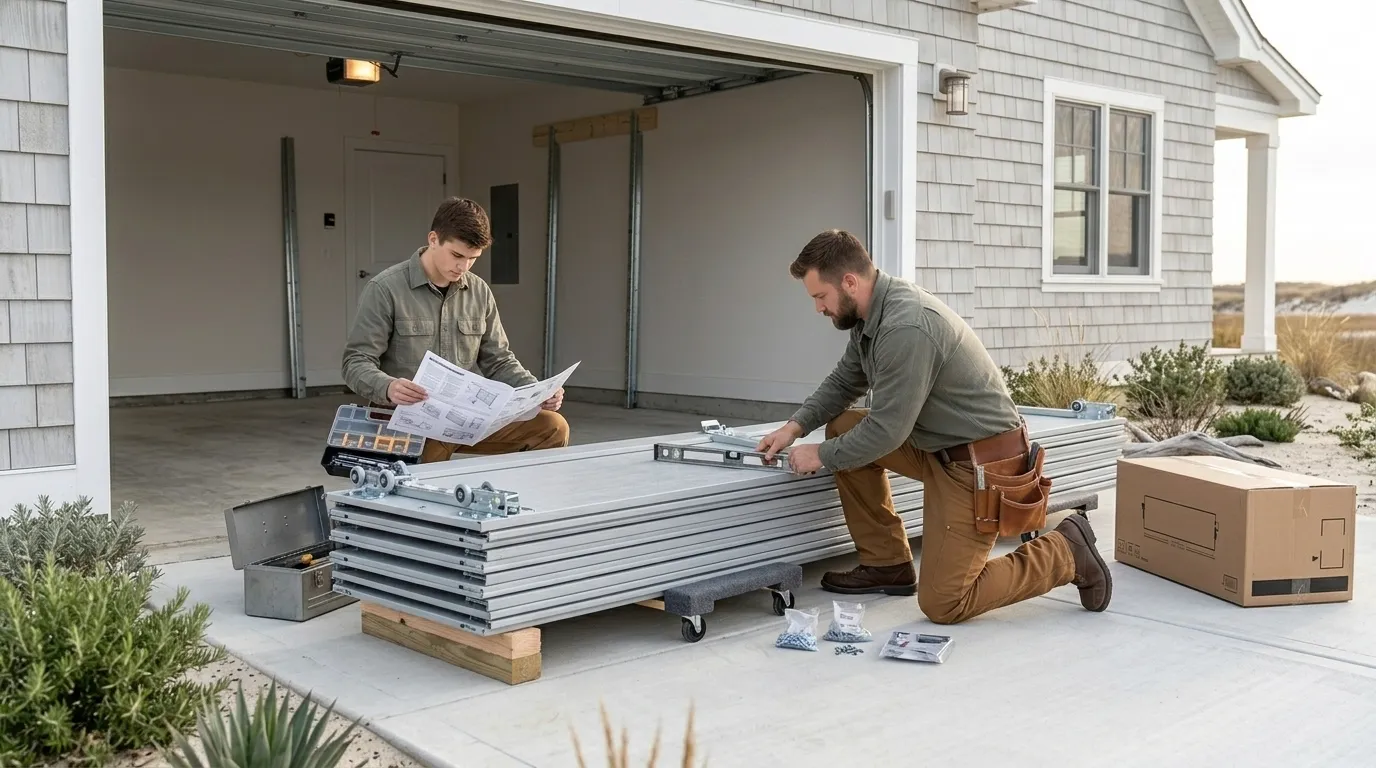
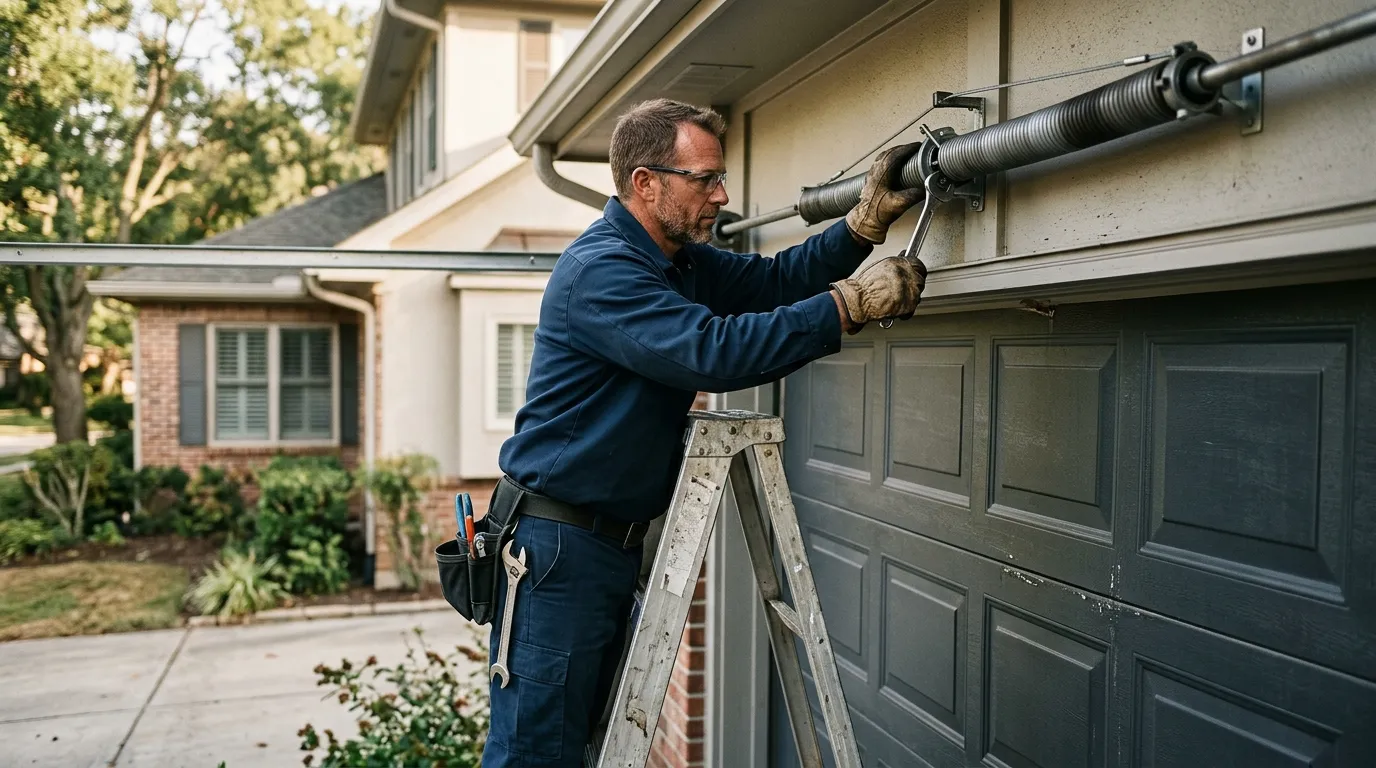
For the commercial doors we do see out here, the parts list runs to torsion springs rated for the section weight, ball-bearing rollers instead of the nylon type you'd put on a house door, galvanized cable rated for repeated commercial cycling, and openers built for a higher duty cycle than a residential unit. Given the age of the building stock in Palos Verdes Estates - median 1963 - a lot of what we swap in is a straight upgrade over what's currently installed, not a like-for-like replacement, because commercial hardware from that period was often built lighter than current code expects. We carry standard panel sections and weatherstripping for common commercial widths, but we don't hold specialty architectural glass panels or custom powder-coat finishes on the truck; those get special-ordered.
What the Fix Involves
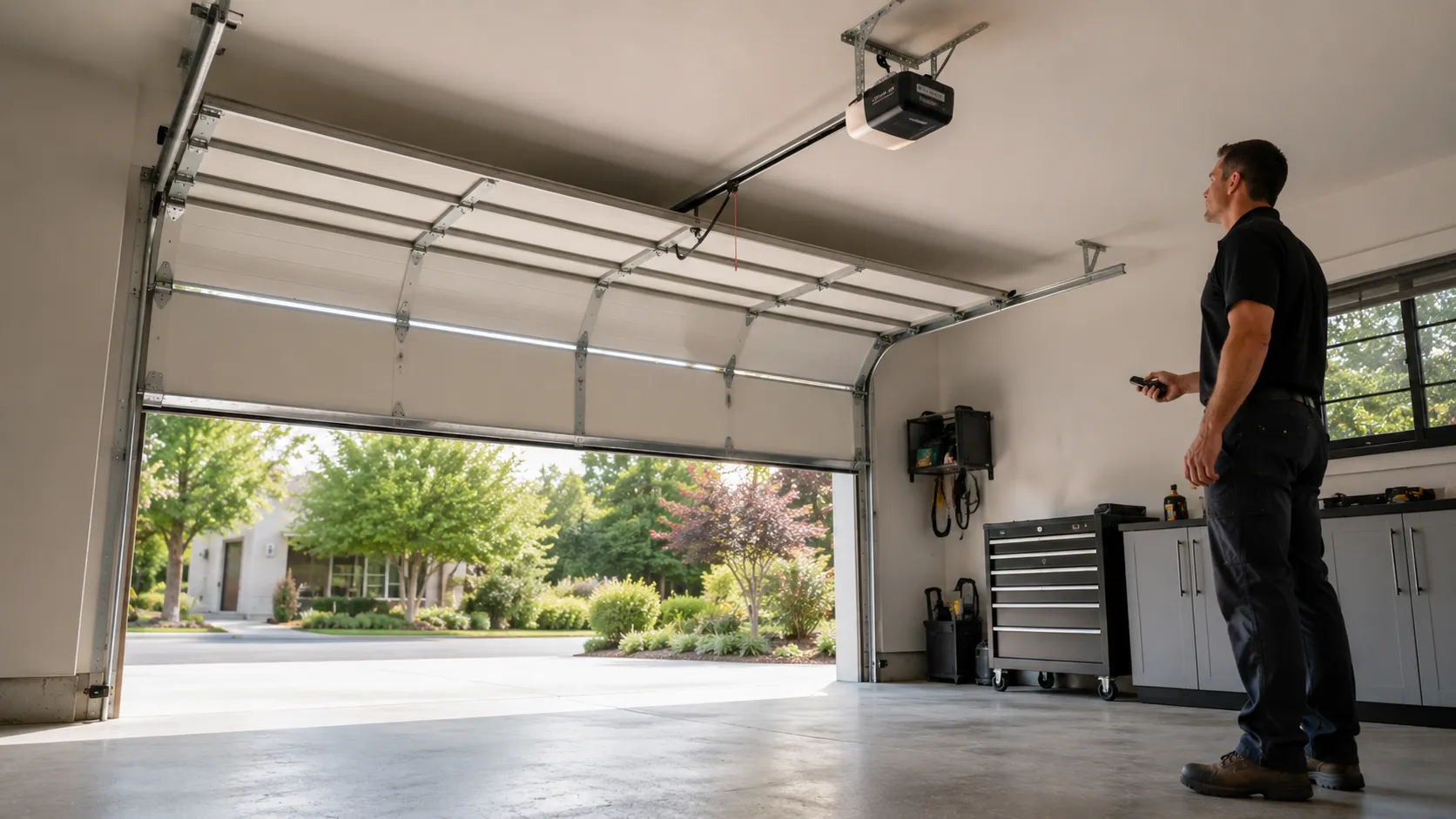
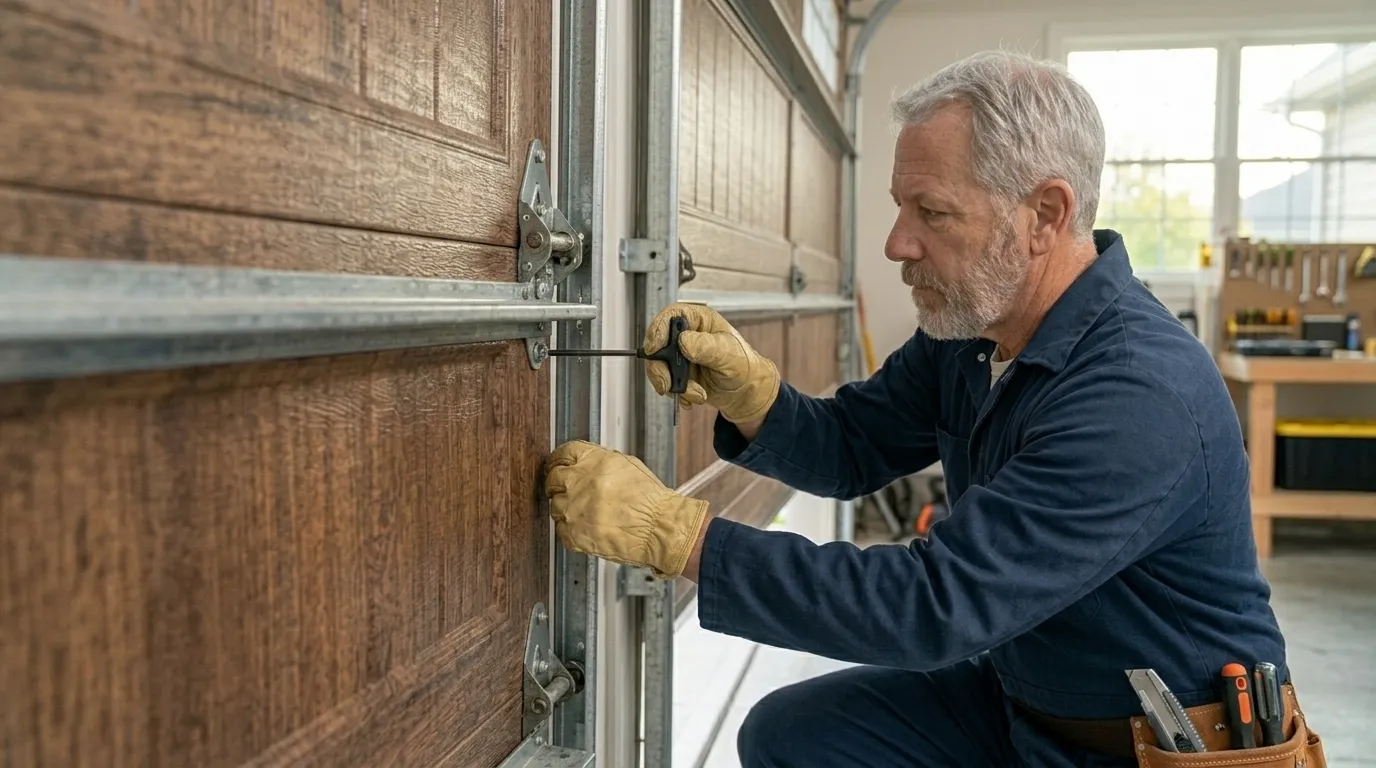
There's no branch or depot in Palos Verdes Estates - we run the 9 miles from Manhattan Beach for every call here, so we bundle diagnosis and the fix into one visit whenever the part is something we already carry. First step is always a cycle test: run the door, watch where it binds, listen for the opener straining versus the track fighting it. On a building this age, we're checking whether the track is still square, whether the spring has lost tension gradually (common by year 50-plus) or snapped outright, and whether the opener's gear or capacitor has just worn out. If the fix is a spring, cable, or roller swap, that's usually same-visit. If it needs a full section or a new opener sized correctly for the door's weight, that part gets ordered and we schedule the install once it's in.