What You Are Seeing
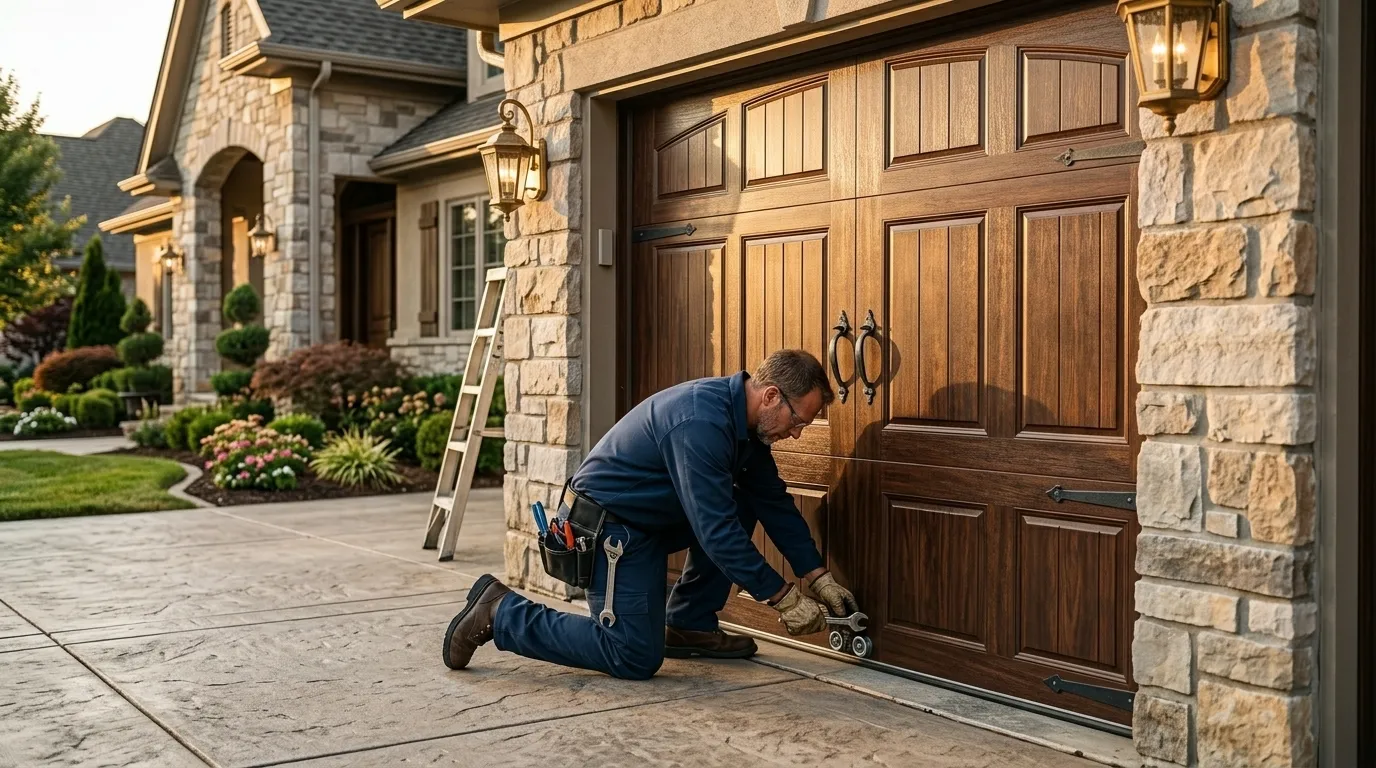
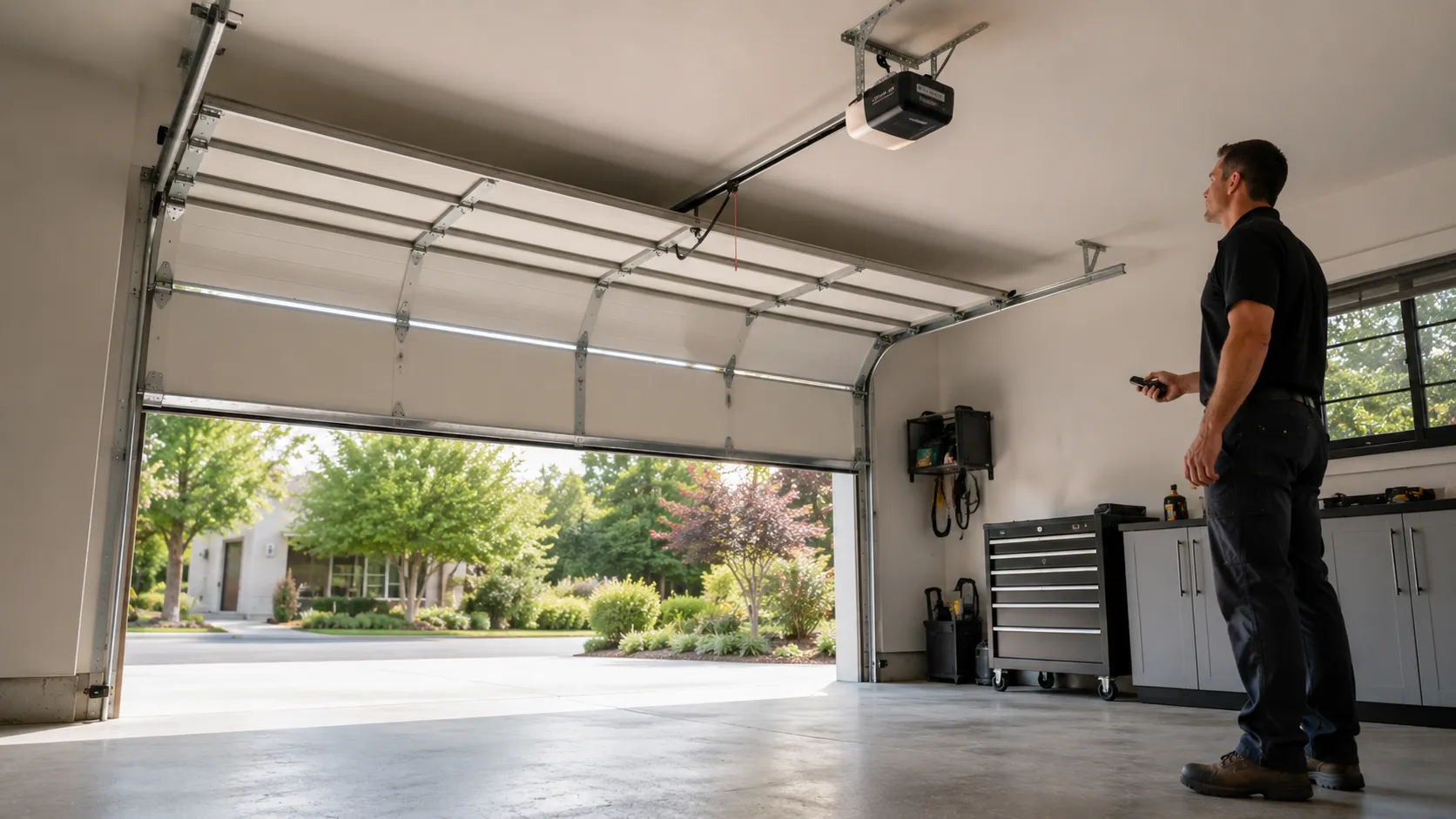
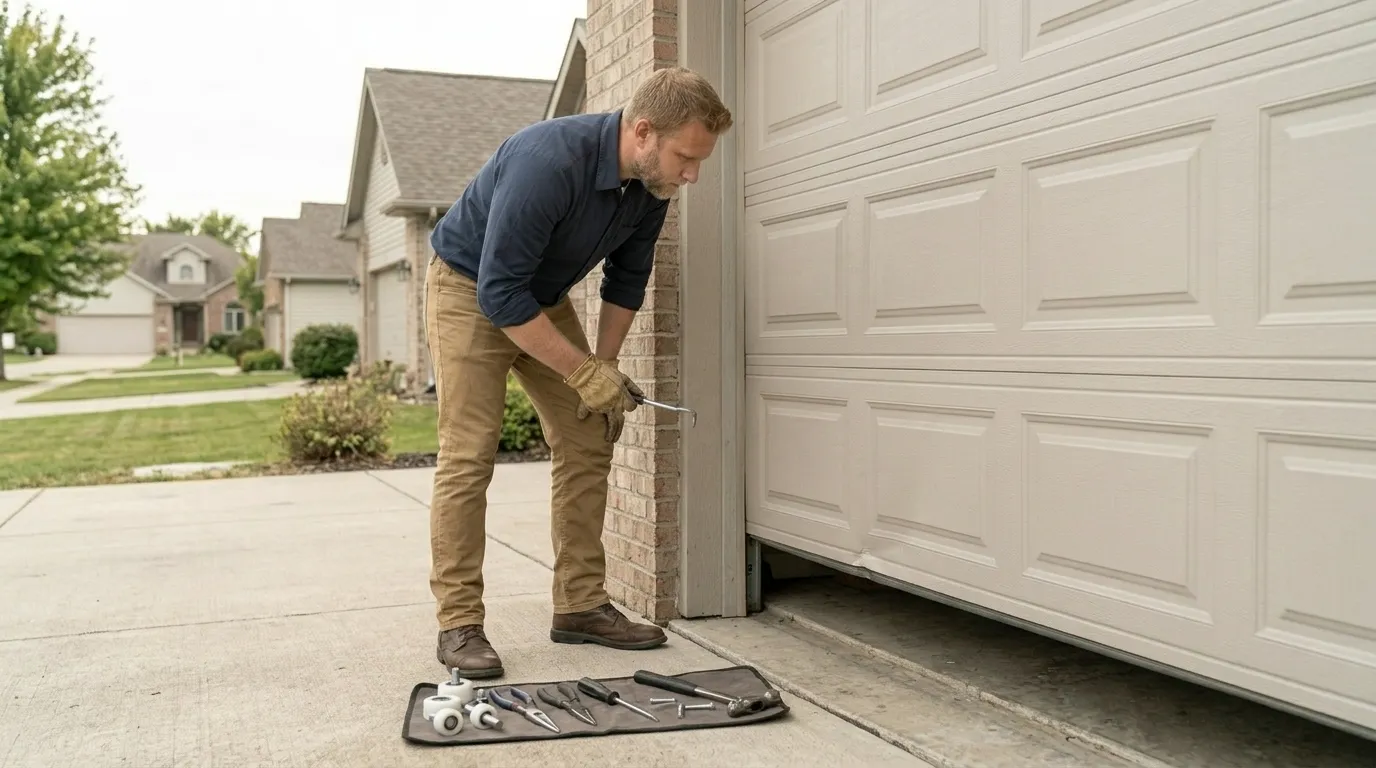
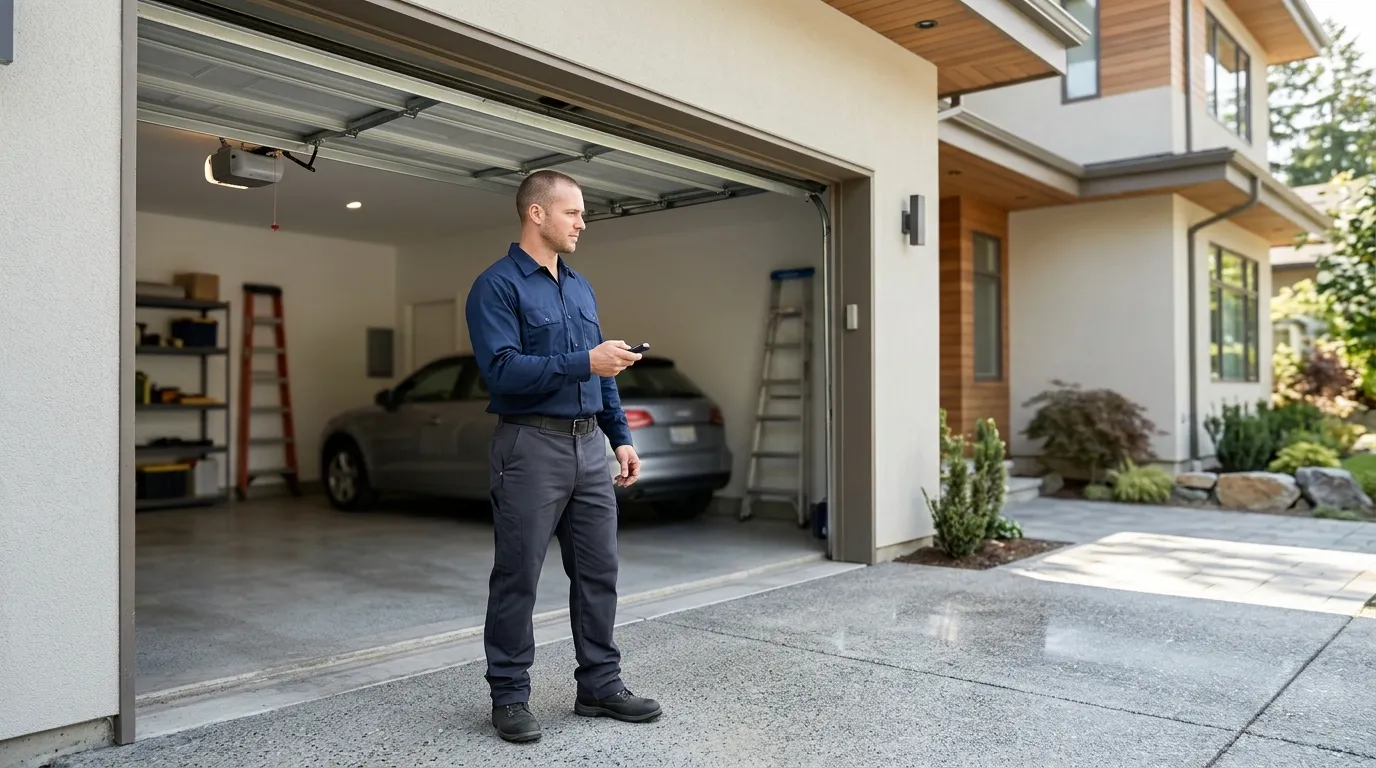
Beverly Hills sits 12 miles out from our Manhattan Beach shop, which is the longest drive we run on a routine call anywhere in the area we cover. That distance matters for one reason: we don't stock a rolling inventory of every opener part on the truck, so when a job needs something unusual, we diagnose it on the first visit and come back with the right part rather than guessing and making two half-jobs out of one. Most of the openers we pull off houses here are worn logic boards, dead capacitors, or gear sets that have finally stripped after years of use - not something you can eyeball from the driveway. If your opener hums but the door doesn't move, or the lights blink a code you can't read, that's a controller or motor problem, and it's exactly what this visit is for. If the door itself binds, drags, or won't seat square, that's a different call - this page is about the opener, not the door or its springs and track.
What the Fix Involves
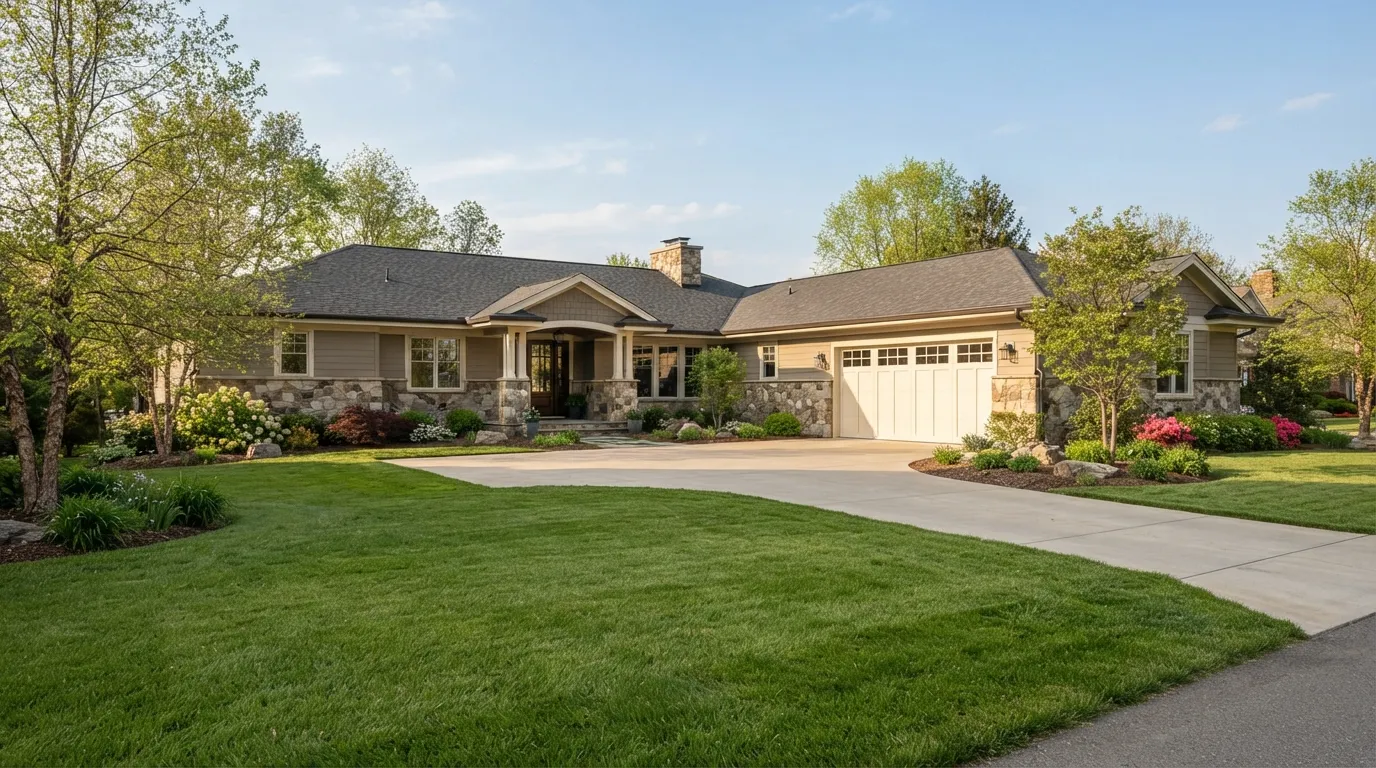
Most Beverly Hills houses were built around 1959, per the housing data for this stretch of the wider area, which puts a lot of original garages here on openers that have been replaced at least once already - sometimes twice. That means when we open the unit, we're often looking at a mismatch: a newer motor bolted to old mounting brackets, or a logic board wired into a rail system it wasn't designed for. The fix starts with pulling the cover, checking the capacitor and circuit board for burn marks or swelling, and running the motor under load to listen for a bearing that's going. If the gear set has stripped, we replace it. If the board's fried, we replace the board, not the whole head, unless the housing itself is cracked or the motor's seized. We don't sell a full unit swap when a $40 part fixes it, and we don't rebuild a motor that's already thrown a bearing twice.
How Long You Are Without the Door
A straightforward board or capacitor swap is usually done same-visit, once we've confirmed the part on site - we're not carrying every logic board on the truck given the drive out here, so a first visit sometimes means a diagnosis and a return trip with the part. A full opener replacement, motor and rail together, runs longer because we're setting travel limits and safety reverse from scratch. Either way, the door itself can usually still be operated by hand with the opener disconnected, so you're not locked out of the garage while we sort the motor.
Why It Happens Here
The mild coastal climate that covers this whole stretch of the area means we're not dealing with the freeze-thaw failures that kill openers inland - no cracked housings from ice, no motors seizing from cold-soaked grease. What we do see is age: openers installed alongside houses built around 1959 are now well past their second or third decade, and capacitors and gear sets simply wear out on a schedule regardless of weather. Add in the mild humidity swing near the coast and you get slow corrosion on old contact points rather than sudden failure, so a lot of these units die gradually - sticking, then slow, then silent - instead of all at once.